
 Who Is a Scientist?Laura Gehl“Who is a scientist? This is a scientist. Isha is a meteorologist. She studies the weather. She loves to dance, play volleyball, and eat chocolate.” Isha M. Renta López is one of 14 diverse individuals working in science and technology fields profiled in this welcome picture book. Each double-page spread focus on one individual, with a brief text providing giving a sense of their work and interests, and a longer paragraph in smaller font giving a few more details about the job they do. Two color photographs are included as part of each profile: a full-page photo showing one of the ways they like to spend time outside of work, and a smaller photo showing them doing their work. This emphasis on both vocation and avocation is wonderful, giving a sense of the fullness of their lives. The final page spread invites readers to consider what kind of scientist they might want to be someday.Science, Technology and the Natural WorldView book details
CCBC Choices 2022
The 2022 edition contains 266 selections published by the Cooperative Children's Book Center, University of Wisconsin-Madison. The source uses 15 audience or subject sections, including Science, Technology and the Natural World, Seasons and Celebrations, Historical People, Places, and Events, and Biography, Autobiography, and Memoir. It is one annual edition of CCBC Choices, the librarians' bibliography of recommended books.
CCBC Choices 2022See the original list
Selections266
Published byCooperative Children's Book Center, University of Wisconsin–Madison
Sections15 sections
Browse sections15 sections
Science, Technology and the Natural World
9 selections
Who Is a Scientist?Laura Gehl“Who is a scientist? This is a scientist. Isha is a meteorologist. She studies the weather. She loves to dance, play volleyball, and eat chocolate.” Isha M. Renta López is one of 14 diverse individuals working in science and technology fields profiled in this welcome picture book. Each double-page spread focus on one individual, with a brief text providing giving a sense of their work and interests, and a longer paragraph in smaller font giving a few more details about the job they do. Two color photographs are included as part of each profile: a full-page photo showing one of the ways they like to spend time outside of work, and a smaller photo showing them doing their work. This emphasis on both vocation and avocation is wonderful, giving a sense of the fullness of their lives. The final page spread invites readers to consider what kind of scientist they might want to be someday.Science, Technology and the Natural WorldView book details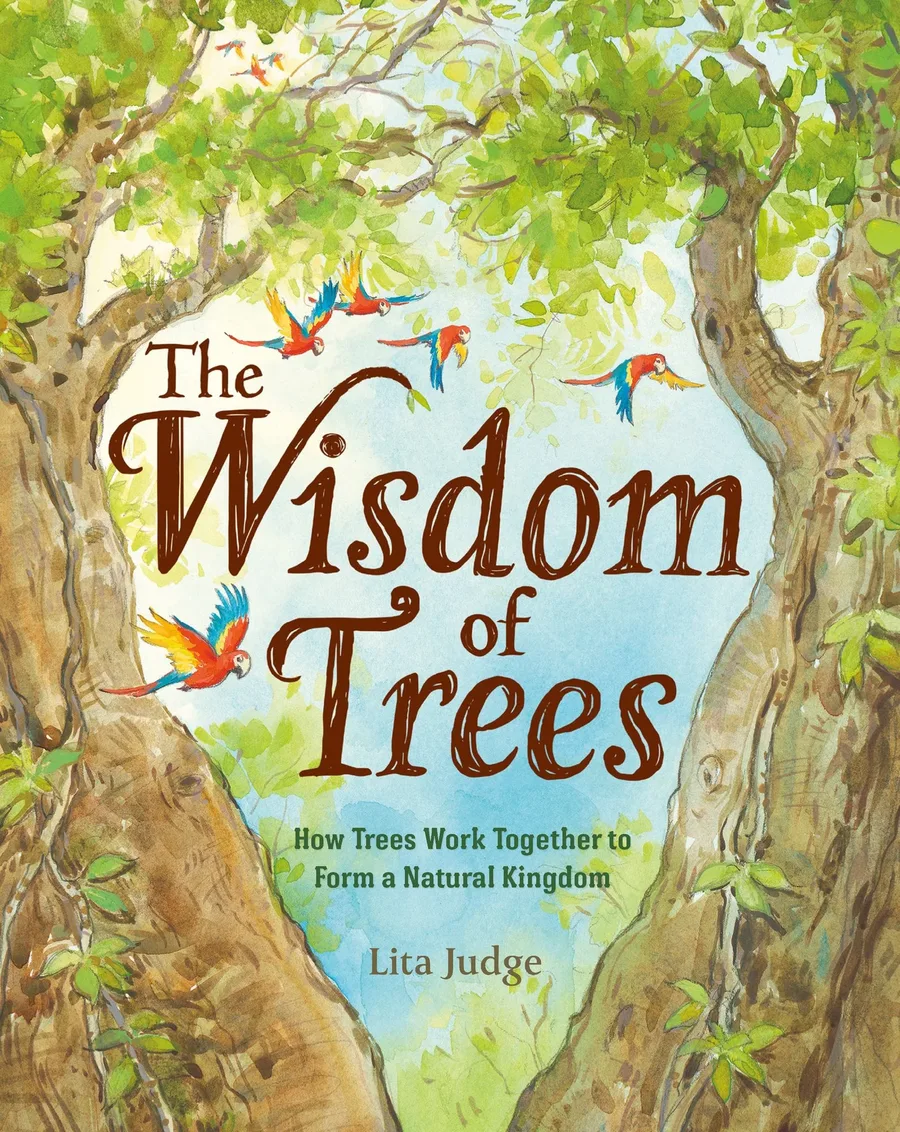 The Wisdom of Trees: How Trees Work Together to Form a Natural KingdomLita JudgeA fascinating book of poetry and information explores the ways trees communicate and support one another, other plants, and animals in their environments. Trees can use their root systems to warn one another about insect or animal predators, for example, or to provide food for trees that are sick or too young to produce enough for themselves. Trees also provide enough blooms and nuts to both feed nearby animals and create new trees. The range of topics in this volume covers many types of trees and multiple aspects of their survival. Each double-page spread includes a poem on the left (e.g., “How to Speak in Tree,” “We Are like Wizards,” “Song of Hunger”) and related informational text on the right. A lovely watercolor illustration connects the two with a scene related to the narrative. Ample back matter includes additional information for each page spread, including more details about the specific types of trees and phenomena mentioned.Science, Technology and the Natural WorldView book details
 Begin with a BeeLiza Ketchum, Jacqueline Briggs Martin, Phyllis Root“What’s inside this hole in the ground? / One bee. One queen rusty-patched bumblebee waiting all winter long.” An easy informational picture book about the life cycle of a bee is distinctive for its focus on the queen. The narrative pattern asks and answers questions about the bee, her activities, her environment, and what happens with the eggs she lays. “Eggs hatch. Are they bees yet? No. Little white grubs, no eyes, no legs, eating machines.” Moving from spring through summer and into fall, the story concludes in winter, with a new queen hibernating inside a hole in the ground. “She waits for spring, for the earth to warm. And here’s the wonder: her tiny body (not even an inch) holds everything she needs to create a whole new colony.” Claudia McGehee’s distinctive scratchboard illustrations provide a realistic picture of the lives of bees, without any anthropomorphism, as well as a strong sense of the natural world in which bees live. At the back of the book, readers will find additional information about the rusty-patched bumblebee and a list of ten things people can do to help bees survive.Science, Technology and the Natural WorldView book details
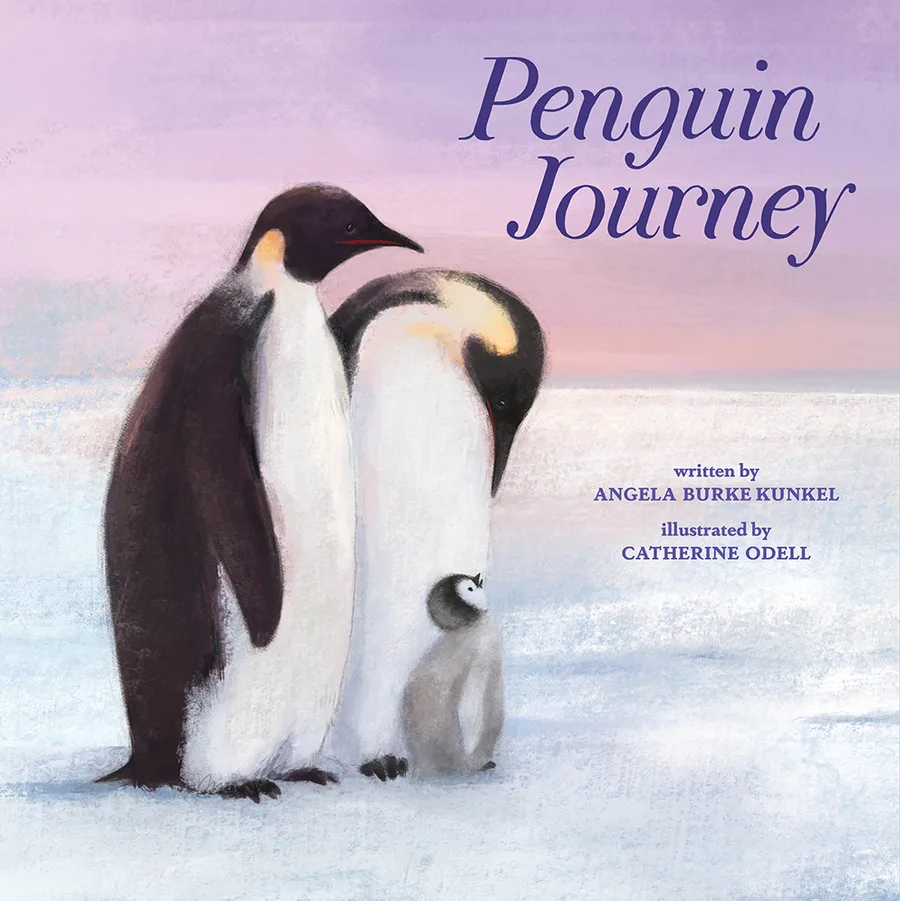 Penguin JourneyAngela Burke Kunkel, illustrated by Catherine Odell“Packed Snow. Moon glow. Windblown. All Alone. / Empty view. Now two!” Short rhymed couplets describe the lives of a pair of emperor penguins as they move inland with their colony to their rookery, where they will lay an egg. As the father cares for the egg in the Antarctic winter, the mother heads back to open water to feed. When she returns with nourishment for her baby, she meets her newly hatched chick for the first time, and the family of three sticks together “no matter the weather.” The stunning watercolor, ink, and mixed-digital-media illustrations realistically portray the penguins in their harsh natural environment.Science, Technology and the Natural WorldView book details
 Meltdown: Earthquake, Tsunami, and Nuclear Disaster in FukushimaDeirdre LangelandA gripping, well-researched account delves into the trifecta of catastrophes that occurred in Japan in March 2011: the magnitude-9 earthquake off the coast of the island of Honshu, the resulting tsunami, and the eventual meltdown of several reactors at the Fukushima Daiichi Nuclear Power Plant. Full-color photographs, diagrams, and graphs accompany clear, accessible explanations of the science behind earthquakes, tsunamis, and nuclear energy. Also covered are Japan’s innovative and extensive disaster- preparedness efforts, including earthquake-resistant technology; warning systems; and the concept of tendenko, which dictates that each individual ought to prioritize their own safety over others’ during a tsunami. Today, efforts to clear the area of nuclear waste continue, while people who lived in the area experience long-lasting physical and psychological effects. Notably, this riveting and informative account balances scientific material with personal and human stories of the disasters, including courageous efforts to save life before, during, and after the tragedy.Science, Technology and the Natural WorldView book details
 The Stuff Between the Stars: How Vera Rubin Discovered Most of the UniverseSandra NickelWhen Vera Rubin was growing up in the 1930s, she loved the night sky. But it wasn’t the stars themselves that fascinated her as much as the mystery that surrounded them. Her pursuit of astronomy as an academic subject in college was largely stymied by men who didn’t think women belonged in their field. Yet Vera persisted, and she continued to study and search for a pattern in the arrangement of galaxies. Her work eventually earned her great respect in astrophysics; continuing to question and push the boundaries of her world she discovered dark matter, which makes up 80 percent of the known universe. Fluid writing and engaging dark-hued watercolor illustrations mark this picture-book biography of a white woman who broke a lot of gender barriers in the field of astronomy by pursuing her dreams. The book’s back matter documents the impressive amount of primary research the author did to pull together a short biography of a little-known historical figure.Science, Technology and the Natural WorldView book details
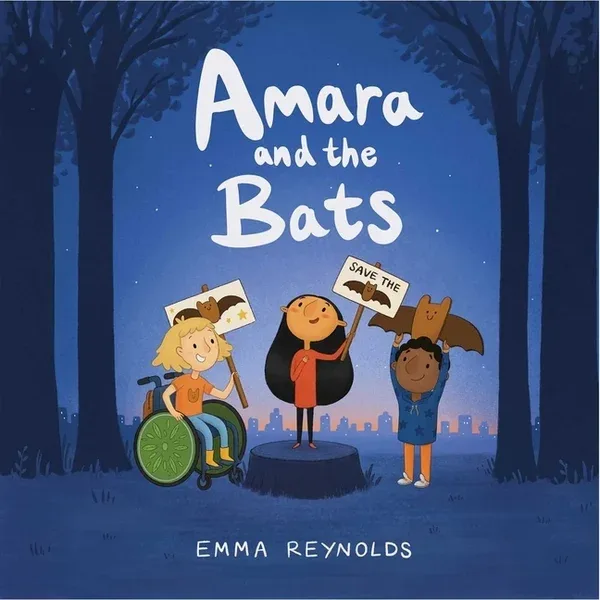 Amara and the BatsEmma Reynolds, illustrated by Emma ReynoldsAmara, a brown-skinned girl, loves bats. Her all-consuming interest starts when she, her mother, and her teenage brother, Samir, find a bat in their attic. Amara wants to keep it as a pet, but her mother calls wildlife rescue instead. After that, Amara reads everything she can about bats, repeating what she knows to anyone who will listen. When the family moves to a new house, Amara rushes to the park to look for bats but, sadly, finds none. After learning that bats have been driven from the area by the recent construction of an apartment complex, Amara manages to engage her new classmates in a project that will help make the park more attractive to bats by making bat houses and creating a small bat sanctuary. After a realistically long amount of time, the bats do, indeed, begin to return to the park. While the community-led nature reserve may happen a bit too easily here, the story of child activists making change is infused with an age-appropriate hopefulness. Back matter includes more information about bats, how to make and install a bat house, and other ways you can help bats. End pages include delightful line drawings of eighteen different species of bats.Science, Technology and the Natural WorldLexile Text Measure AD820LATOS Book Level 5.2View book details
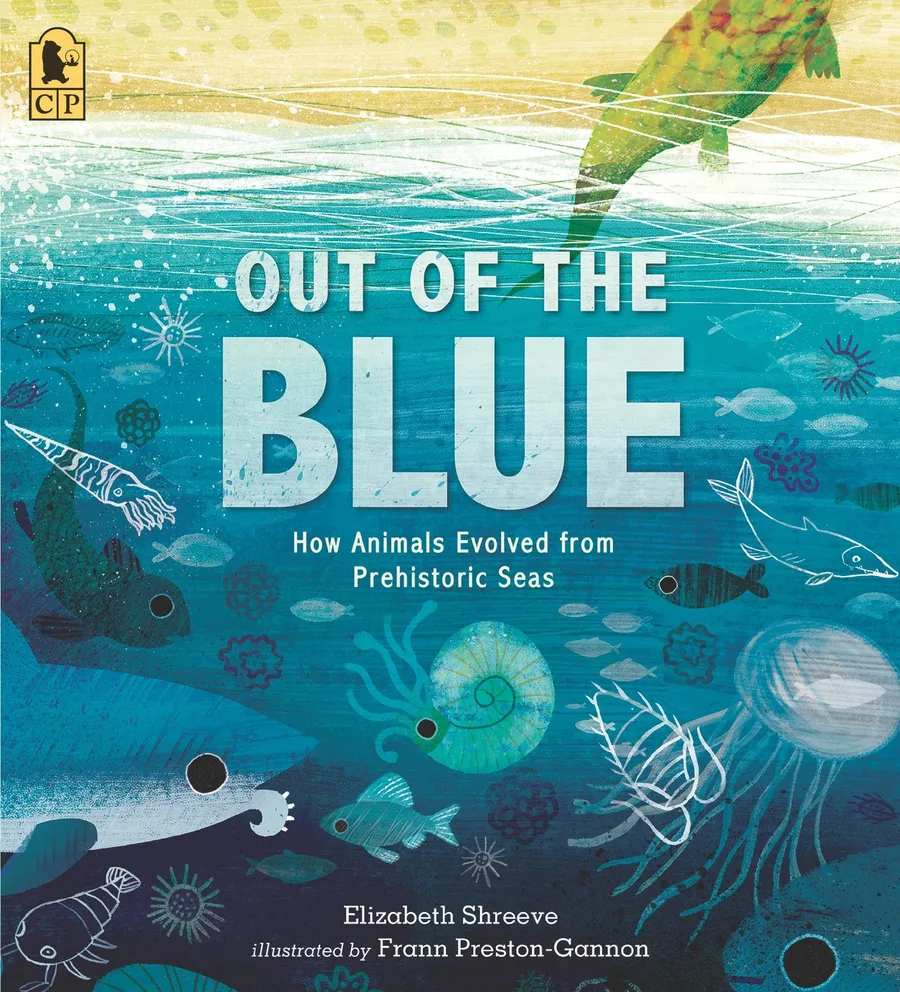 Out of the Blue: How Animals Evolved from Prehistoric SeasElizabeth Shreeve, illustrated by Frann Preston-Gannon“Life began in the vast empty sea, when Earth was young. First came single-celled microbes … ” Those microbes thrived for billions of years on an unrecognizable earth, slowly changing until, “Gulp! One microbe swallowed another. Strange, squishy creatures evolved.” It’s no easy task to cover the evolution of life on earth across millennia in a picture book, but an informative conversational text paired with smart design elements make this effort a success. The text is set against inviting digitally rendered illustrations showing life on earth and some of the many creatures thriving during different periods. A key design element appears across the bottom each page spread: a colored band identifying the current period being described along with how long ago it was (e.g., Silurian Period, 444 to 419 million years ago). Moving forward to the present Cenozoic Era, which began 66 million years ago heralding the Age of Mammals, the narrative and art give a dynamic sense of life on earth in each period, as well as evolutionary and other change over time. Hippos, not humans, are the final example of evolutionary change here, but human figures are used occasionally throughout as a measurement of scale to show the size of some prehistoric creatures.Science, Technology and the Natural WorldView book details
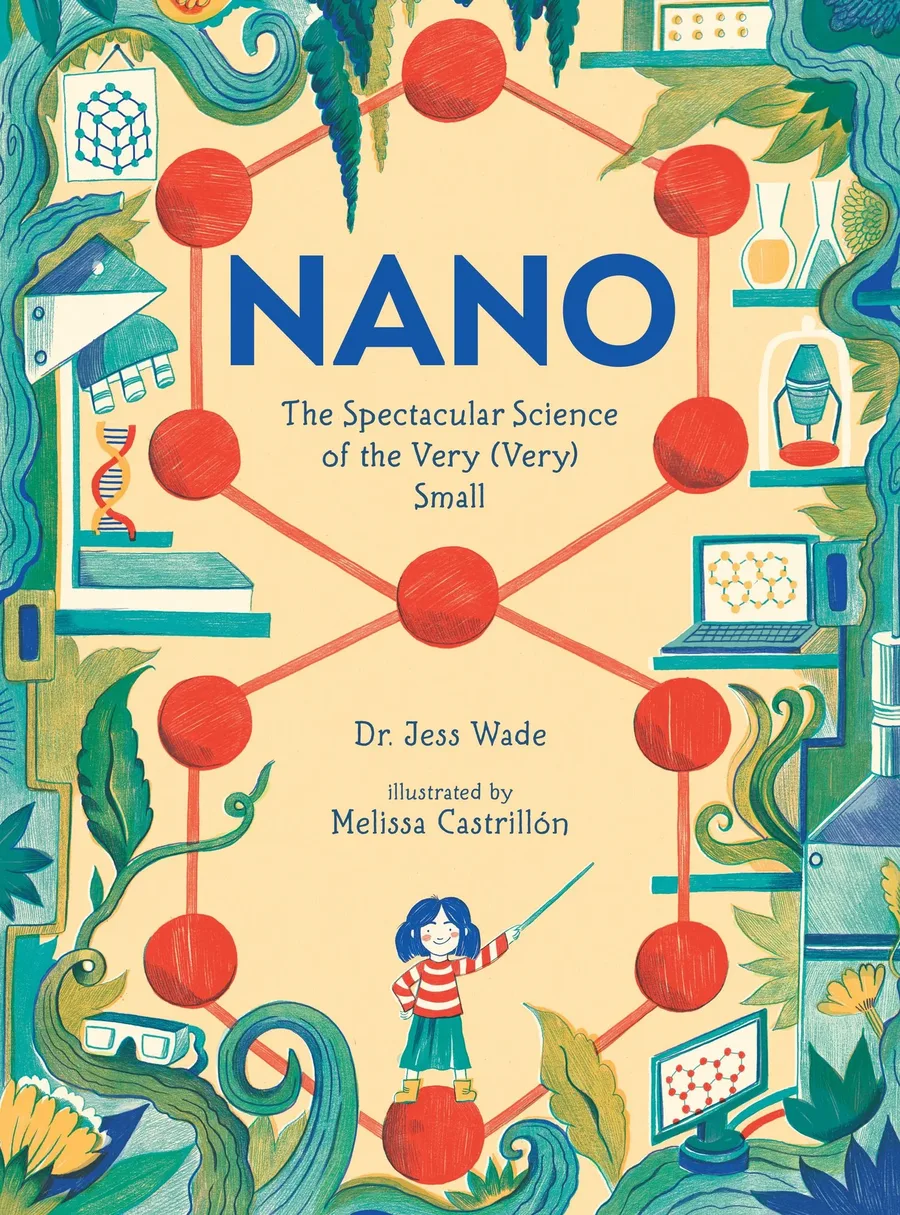 Nano: The Spectacular Science of the Very (Very) SmallJess WadePlayful illustrations accompany an extraordinarily clear narrative by a physicist that explains some basic concepts—atoms, molecules, elements, and molecular structure—before introducing nanomaterial. The child-friendly text builds on common knowledge most children already have to offer comparisons and examples they can understand. For example, “When carbon atoms are arranged in layers and stacked like playing cards, they make graphite. You probably have some graphite in your book bag—it’s used to make the lead in your pencils. Graphite is soft and smudgy, because the layers of carbon atoms slide over one another—which makes it easy to leave a mark on paper.” We then learn that when scientists take one layer of graphite away, they can create a new material called graphene, the strongest material known to humans. Graphene is used as an example of a nanomaterial, and it provides a good basis for the author’s explanation of nanoscience, along with some examples of nanomaterials used to build things already in existence (windows that wash themselves using sunlight) and things that may be developed in the near future (sieves with nanosize holes that might make seawater safe to drink). The book concludes with a brief description of the types of scientists who work as a team on nanoscience research (chemists, physicists, and engineers), some of the tools of their trade (different kinds of microscopes), and how nanoscientists use spectroscopy.Science, Technology and the Natural WorldView book details
Seasons and Celebrations
4 selections
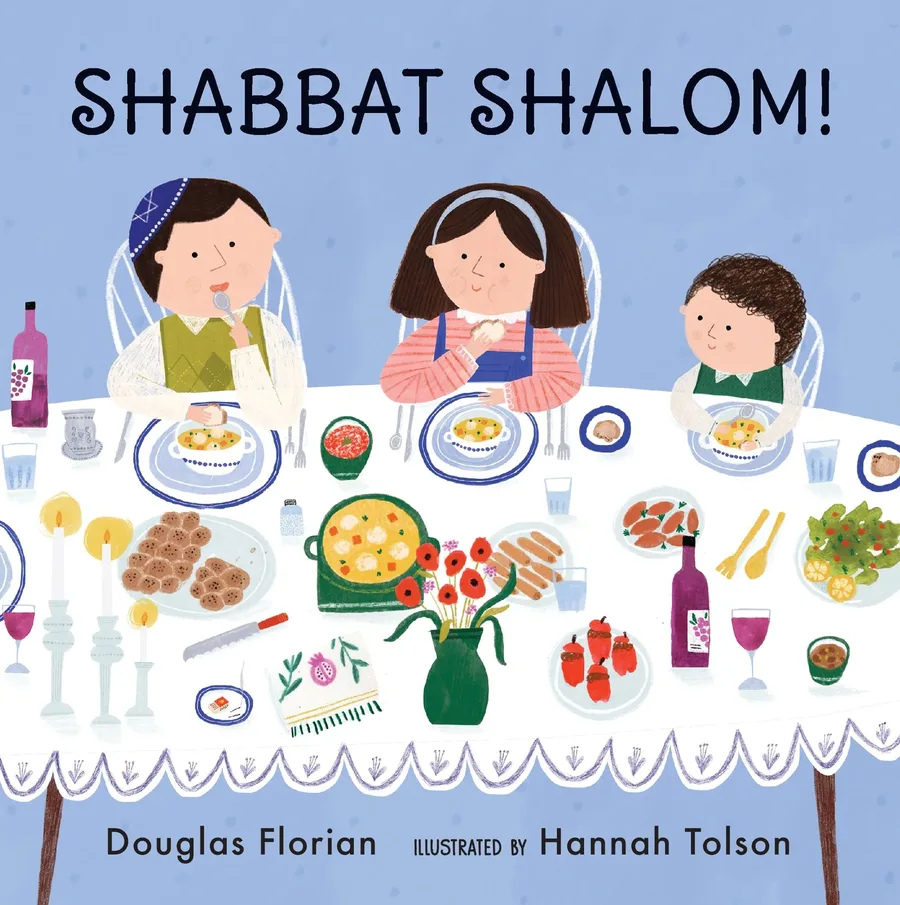 Shabbat Shalom!Douglas FlorianAs the sun sinks in a pink-washed sky on Friday evening, a white Jewish family hurries home to prepare for the beginning of the Sabbath. Dressed in their best, the family of five joins grandmother and grandfather at a beautifully laid dinner table complete with covered challah loves, white candles in silver candlesticks, and red kiddush wine. The older son and both adult males wear kippot, while the women wear headscarves and modest dresses. “The prayer is said on challah bread,” and the family enjoys a hearty meal followed by songs and conversation. Finally, the mother escorts her three yawning children upstairs, where they are tucked into a cozy shared bedroom. Contentment and love suffuse the warm, cheerful illustrations and simple rhyming couplets of this board book. “A happy home. Shabbat shalom!”Seasons and CelebrationsView book details
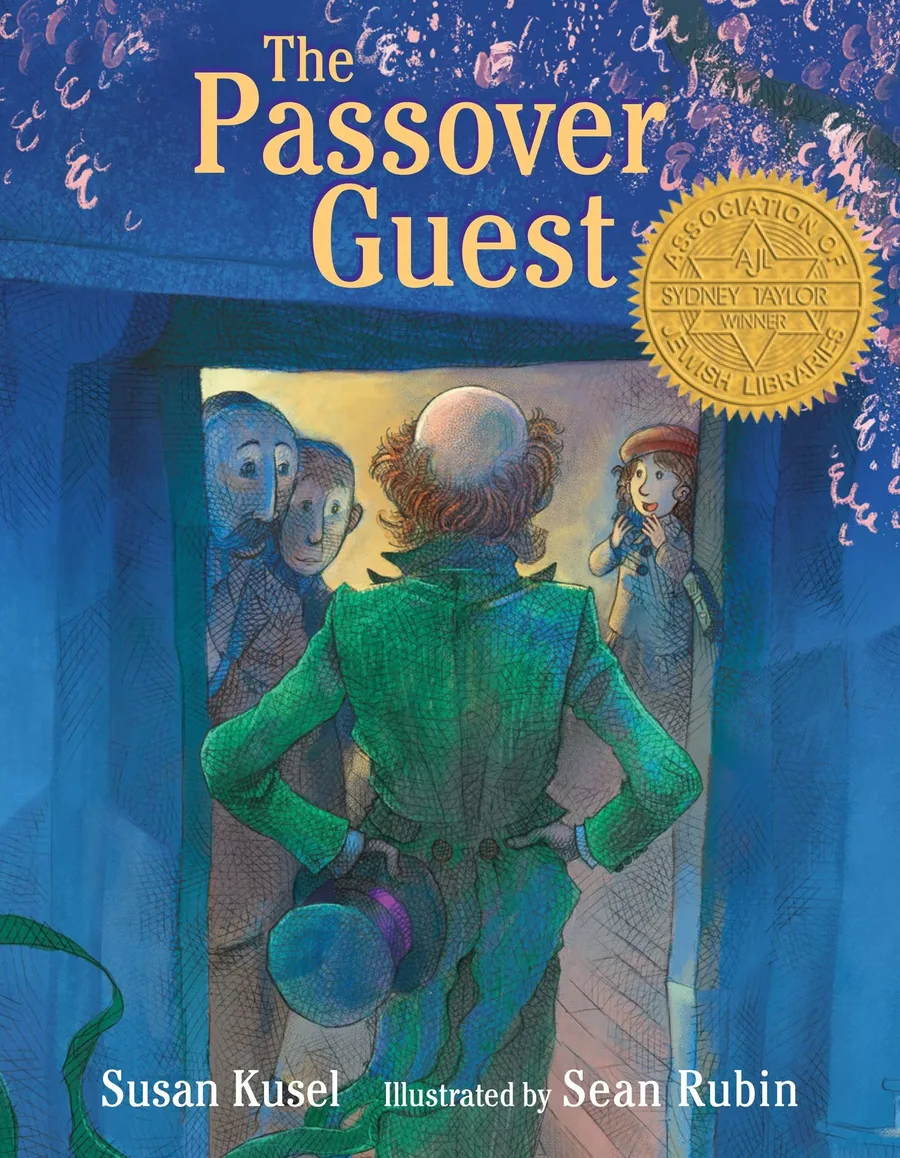 The Passover Guest. Der Kunzen-Macher (The Magician)Susan KuselAn adaptation of a story by I. L. Peretz about a Passover visit from Elijah moves the tale’s original time and place. Muriel and her family have been hit hard by the Depression and can’t afford to have a Seder. All they can do is leave the door open for Elijah, though they can’t afford to fill a wine glass for him. When Muriel is walking home just before sundown, she sees a poor beggar performing magic tricks who suddenly transforms into a well-dressed man. As soon as she gets home, there’s a knock on the door: It’s that same man, asking if he can join them for dinner. Now the table that was once bare is filled with food, and Elijah’s once-empty glass is filled with wine. Muriel’s parents send her to fetch the rabbi to witness the miracle, and many members of the Jewish community follow him to Muriel’s home, where there is enough food for everyone. But the stranger is now gone, and Muriel notices that Elijah’s glass has been emptied. The detailed illustrations recreate a Washington, D. C., complete with cherry blossoms, the Lincoln Memorial, and the Washington Monument; together with the narrative, they convey a strong sense of a close-knit 1930s Jewish community.Seasons and CelebrationsView book details
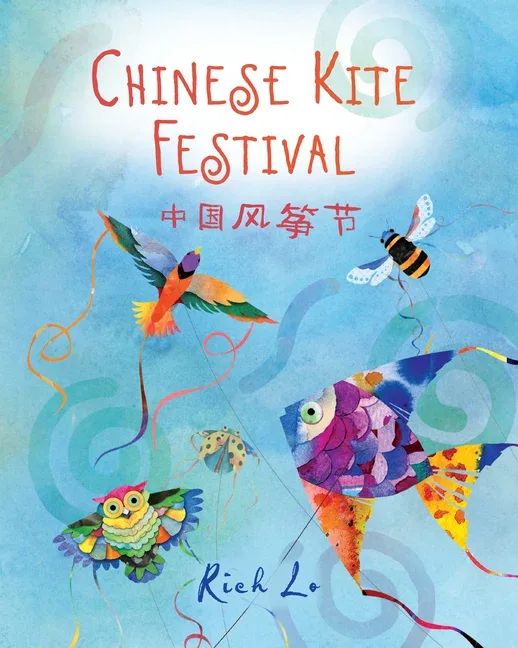 Chinese Kite FestivalRich Lo“A dragonfly hovers in the breeze.” “A goldfish swims in the rain.” Fourteen spare yet lyrical descriptive statements are paired with striking digital watercolor illustrations of animal kites in the sky. Each full-page illustration shows the richly hued, multicolored kite against a background skyscape suggested by the descriptive sentence. The facing page features the sentence in both English and Simplified Chinese against a white background. The background of both pages includes glimpses of one or more of the other kites and decorative spirals in complementary shades. There is a sense of whimsy in the book’s visual elements matched by the playfulness of the language used to describe each kite in action. A closing page spread shows all fourteen animal kites with a brief explanation of each animal’s significance in Chinese culture.Seasons and CelebrationsView book details
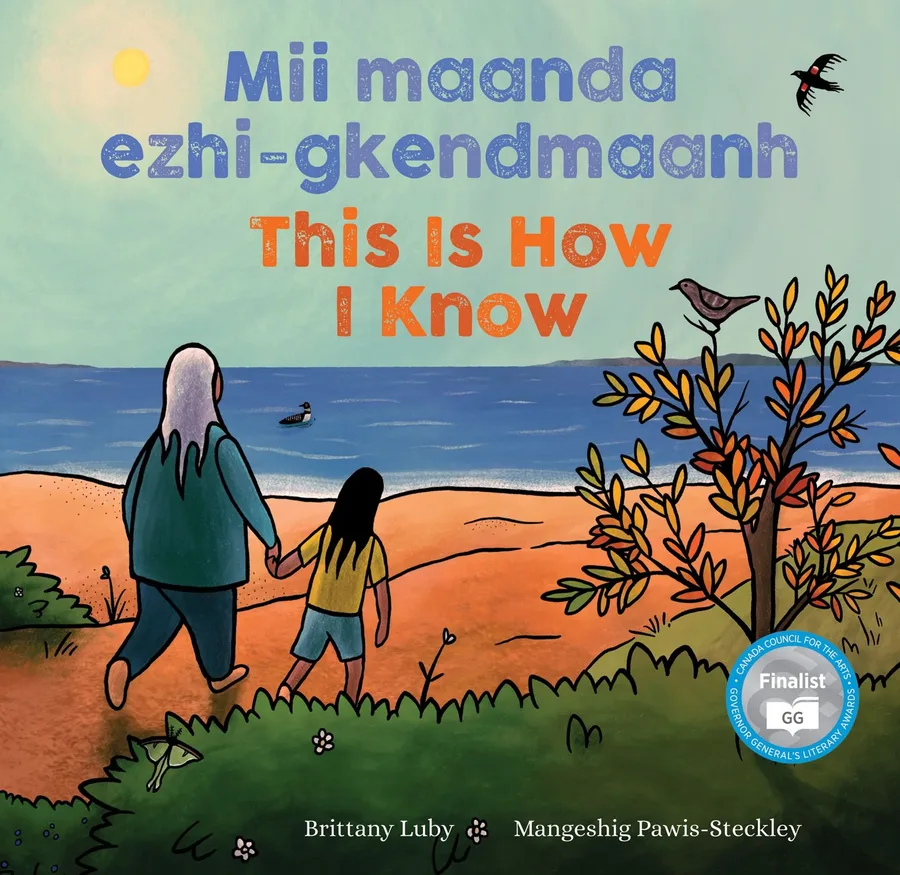 Mii maanda ezhi-gkendmaanh: Niibing, dgwaagig, bboong, mnookmig dbaadjigaade maanpii mzin’igning / This Is How I Know: A Book about the SeasonsBrittany LubyA contemporary Anishinaabe grandmother answers her grandchild’s questions about the four seasons by sharing observations about the natural world in this striking picture book. “How do I know summer is here? … When blueberries drop readily, and the sand is hot enough to sting. When Insects billow black from the trees, and the sun slips into an orange dream.” The stunning digitally-created illustration shows the two at the water’s edge after berry-picking, with saturated sunset hues and bold black outlines. As the seasons pass, grandmother and grandchild’s activities include foraging for orange mushrooms in fall, feeding red-capped woodpeckers in winter, and hearing brown peepers sing in spring. Brittany Luby’s (Anishinaabe) exceptional text is perfectly complemented by Joshua Mangeshig Pawis-Steckley’s (Ojibwe) gorgeous art in this bilingual (Anishinaabemowin-Ojibwe and English) story.Seasons and CelebrationsView book details
Historical People, Places, and Events
19 selections
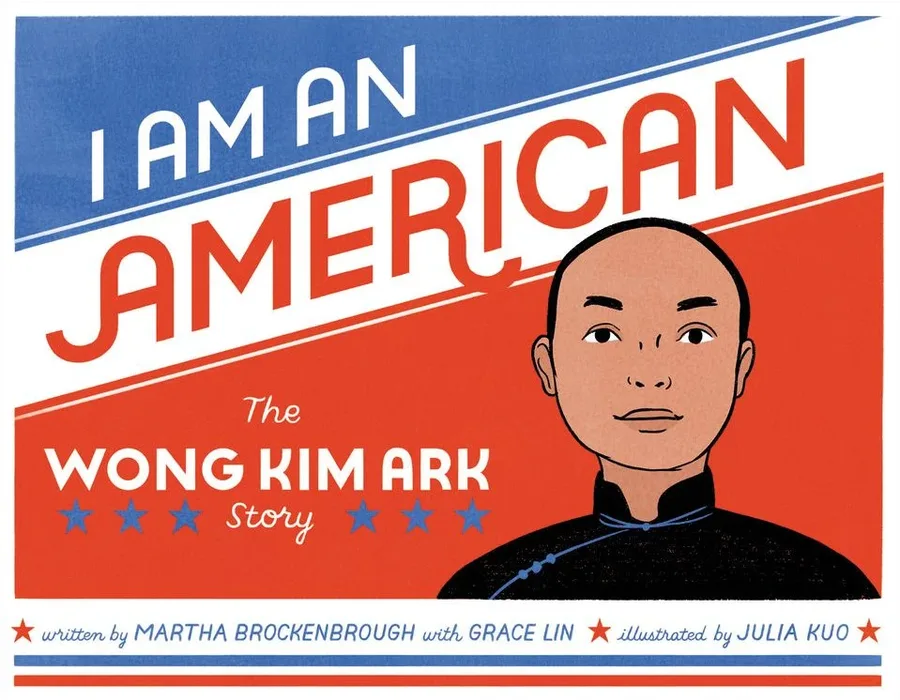 I Am an American: The Wong Kim Ark StoryMartha Brockenbrough, Grace LinBorn in San Francisco in 1873, Wong Kim Ark was the son of Chinese immigrants. Anti-Chinese sentiment was increasing in America when Kim Ark was growing up. The government passed a law excluding more Chinese from coming to the United States; it also prevented his parents from ever becoming citizens. When they moved back to China, Kim Ark, a U.S. citizen, stayed behind. When Kim Ark went to visit his parents in China, he knew he’d have to prove he was a citizen when he returned to the United States, but officials wouldn’t believe him, or didn’t care. Kim Ark was imprisoned for more than a month. The legal fight continued after his release, going all the way to the U.S. Supreme Court. The U.S. Constitution made clear anyone born in the country is a citizen, but government lawyers argued “that Kim Ark couldn’t be a citizen because his Chinese ancestors had different customs and language from most people in America.” It took the Justices almost a year to decide in Kim Ark’s favor in 1898, a case that affirms that anyone born in the United States or its territories can call this nation home. This picture-book account includes more about anti-Chinese racism and Wong Kim Ark, the case, and U.S citizenship in the back matter.Historical People, Places, and EventsView book details
 Black Birds in the Sky: The Story and Legacy of the 1921 Tulsa Race MassacreBrandy ColbertThis substantial work about the 1921 Tulsa Race Massacre begins with an overview of the history of human settlement in Oklahoma and an examination of race and racism in later 19th- and early 20th-century America. It goes on to describe the development of the thriving African American Greenwood neighborhood, which included many Black professionals and tradespeople, in Tulsa, along with the accompanying undercurrent of tension and resentment among whites. The terrible events of May 31 and June 1, 1921, began when a young Black man was accused of assaulting a young white woman in an elevator; he was seen fleeing after she screamed. (Much later police determined he likely tripped getting in and grabbed her arm for support.) His arrest, the determination of the Black community to prevent his lynching, and the white community’s anger fueled by a local newspaper led to riots that killed hundreds of African Americans, saw the Greenwood neighborhood burned and destroyed, and left thousands homeless. A final chapter looks at the aftermath of the massacre, including ongoing investigations into what happened as well as reconciliation efforts. The author’s afterword looks at events in 2020 that underscore the ongoing racism in our nation and her belief in the importance of knowing our history. Detailed and intensive research, documented in the end matter, went into this compelling work.Historical People, Places, and EventsView book details
 Survivor TreeMarcie Colleen“The tree stood straight and proud at the foot of the tower that filled its sky. It grew mostly unnoticed, silently marking the seasons.” The illustration shows a small pear tree, its leaves bright orange and falling into little piles in the middle of a busy New York City street scene. A cutaway at the bottom of the picture shows what’s underground—its roots, growing next to brick foundations and sewer pipes. A few pages in, the same tree is shown 30 years later, as it cycles through the seasons, “Winter, spring, summer … ” The view pulls back, and there is the tree standing between the Twin Towers, just before the first of two airplanes flies into them. “Fall.” A hauntingly spare text keeps the focus on the tree, which somehow withstood the crush of rubble. Although most of the tree was destroyed, there were still a few green shoots found among the ruins. The tree was moved, and transplanted into good soil. After ten years of growth and recuperation, it was returned to the site where the towers once stood. The powerful watercolor and colored-pencil illustrations are at once colorful and somber, perfectly complementing the reflective tone of the narrative.Historical People, Places, and EventsLexile Text Measure 420LATOS Book Level 2.9View book details
 The Story of BodriHédi FriedAn unusual and eloquent Holocaust memory is recounted by a woman who was a young teenager when she and her sister were sent to a death camp. The first half of the book tells the story of her ordinary family life, living next door to her best friend (a non-Jew), and how things changed when Hitler came to power. Bodri was her family’s beloved dog, who was left behind when the family was transported out in trains. While in the camps, she imagined Bodri back home and thought about the ways in which he might have survived: on his own, with other stray dogs, or cared for by her next-door neighbor. Later, the author found that it was her thoughts of Bodri that sustained her and helped her survive the mental anguish of losing her family and her home, as well as the daily horrors of the death camps. This spare picture book with evocative illustrations is told in language simple enough that a younger child could understand. It would serve as an excellent introduction to the Holocaust for younger elementary students, but will also be just as meaningful to older children, teens, and adults.Historical People, Places, and EventsView book details
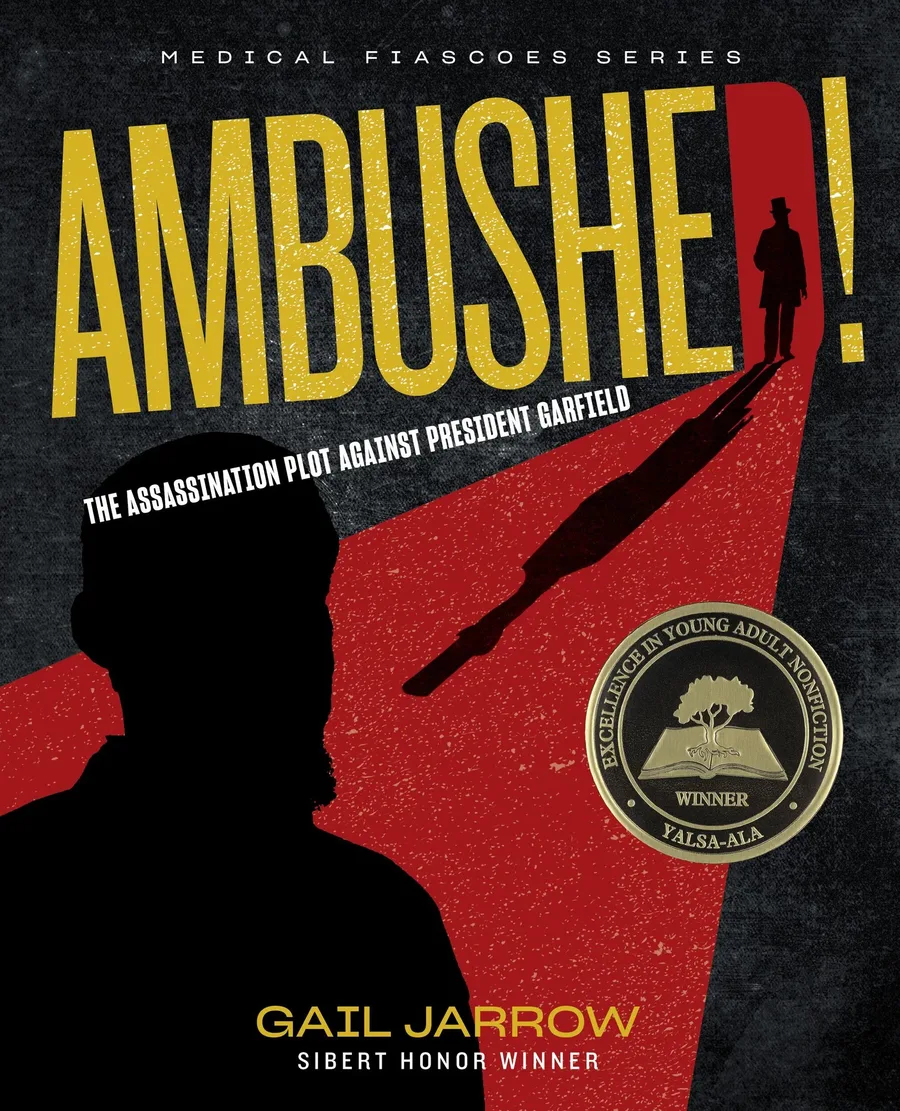 Ambushed! The Assassination Plot against President GarfieldGail JarrowJames Garfield traveled a path from an Ohio log home to the American presidency. The convoluted thinking of a man named Charles Guiteau led to a plot to shoot Garfield. Both of those stories are part of this fascinating account that details the day of the shooting and the weeks that followed, including the differing approaches of the physicians who treated Garfield, the impact on his wife and children, political repercussions, and the media’s reporting of his condition and eventual death 80 days after he was shot. There was controversy over the medical treatment Garfield received, which adhered to Civil War-era practices (including probing the wound with unwashed bare hands) rather than complying with more recent changes to minimize chances of infection, leading to disagreement and accusations, with many experts of the time believing the president could have survived with different care. Closing chapters cover Guiteau’s trial and execution, the lives of James Garfield’s family after his death, the widespread acceptance of germ theory in medical practice, and a call for increased presidential protection. Photographs and other visual material illustrate this compelling work that includes detailed source notes, a glossary, timeline, related websites, and bibliography.Historical People, Places, and EventsView book details
 When Can We Go Back to America? Voices of Japanese American Incarceration during World War IISusan H KameiThis comprehensive work about the incarceration of Nikkei (Japanese and Japanese Americans) during World War II explores the societal racism and political decision-making that fueled it, as well as its personal impact on thousands. The U.S. Justice Department and military had very different opinions regarding West Coast Nikkei after Pearl Harbor, while white farmers and business owners threatened by the success of their Nikkei counterparts saw opportunity. The military prevailed, leading to Executive Order 9066 ordering the incarceration of West Coast Japanese. Drawing on hundreds of interviews in primary and secondary source documents, the author includes numerous quotes from Japanese, Japanese Americans, and others in a work that looks at displacement and loss; rising tensions among Nikkei around the loyalty oath; the extraordinary accomplishments—and incredible losses—of the Japanese American units who fought in the war; and the courage of those who challenged aspects of Executive Order 9066 in the courts. Final chapters look at reparation efforts and Nikkei allyship with other communities in the wake of 9/11 and more recent immigration restrictions. The primary narrative comprises about half of this incredibly substantial book, while the voluminous end matter includes brief biographies of the many individuals who are quoted. There is also a timeline on the Japanese in America and detailed source notes for the author’s research.Historical People, Places, and EventsView book details
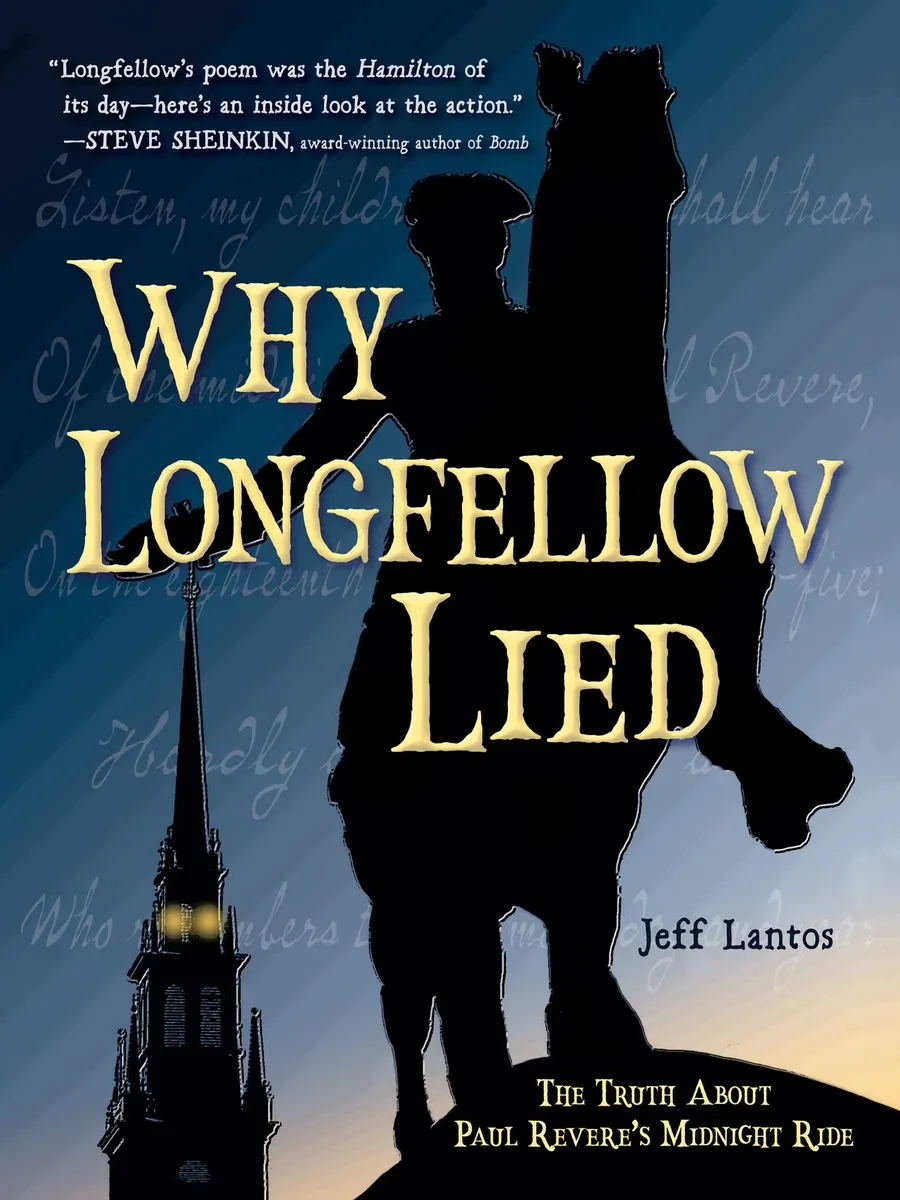 Why Longfellow Lied: The Truth about Paul Revere’s Midnight RideJe ff LantosAn account of American history during the Revolution focuses on the eve of and battle at Lexington and Concord—the subject of Henry Wadsworth Longfellow’s poem “Paul Revere’s Ride.” By deconstructing the poem to look at what was accurate and what was poetic license, the engaging narrative delivers a lot of information about history, as well as how it’s remembered and revised. Each chapter starts with a poem fragment, usually a stanza, and talks about the actual history of the events described in the poem: what Longfellow got right and what he got wrong. It quickly becomes clear that Longfellow took a great deal of poetic license with some facts, and he completely omitted others. The final chapter reveals that the poem was actually written in 1860, as the Civil War loomed, and it was clearly designed to stir patriotic fervor, even if it meant playing with the facts. It was intended to remind people of the hard fight that had gone into creating our union, and it served as an inspirational call to arms in the north after Fort Sumter. Lantos concludes by discussing the outcome of the Civil War, and the brief period of change before the rise of the Ku Klux Klan and Black Codes that sought to continue to oppress Black people in the aftermath of the war.Historical People, Places, and EventsView book details
 Revolution in Our Time: The Black Panther Party’s Promise to the PeopleKekla MagoonThis comprehensive history of the Black Panther Party begins with a brief accounting of the experience of Black people in America from 1619 to the early 1960s; essential to understanding why and how the Black Panther Party was formed in 1966. The author compares the Party’s formation to an earthquake: a lot was happening for years beneath the surface that led to the decision to start a new kind of activist movement in the Panthers. A narrative that looks at the party’s history both chronologically and thematically, with chapters and sections devoted to their organizational structure and their essential community outreach, as well as their political beliefs, forms of protest, and the disturbing, at times infuriating response of local police departments and the U.S. government, which engaged in concerted efforts to undermine, attack, frame and even murder Black Panther Party members in an attempt to destroy the organization. Extensive, well-documented research is the foundation of a volume that includes stories about many of the Panther leaders across their history and across the country, including many women. The median age of members of the Black Panther Party was 19, a fascinating fact for readers to consider; it’s extraordinary to realize some of the key leaders in the Panthers were under age 20. Black-and-white photographs and other visual material is included.Historical People, Places, and EventsView book details
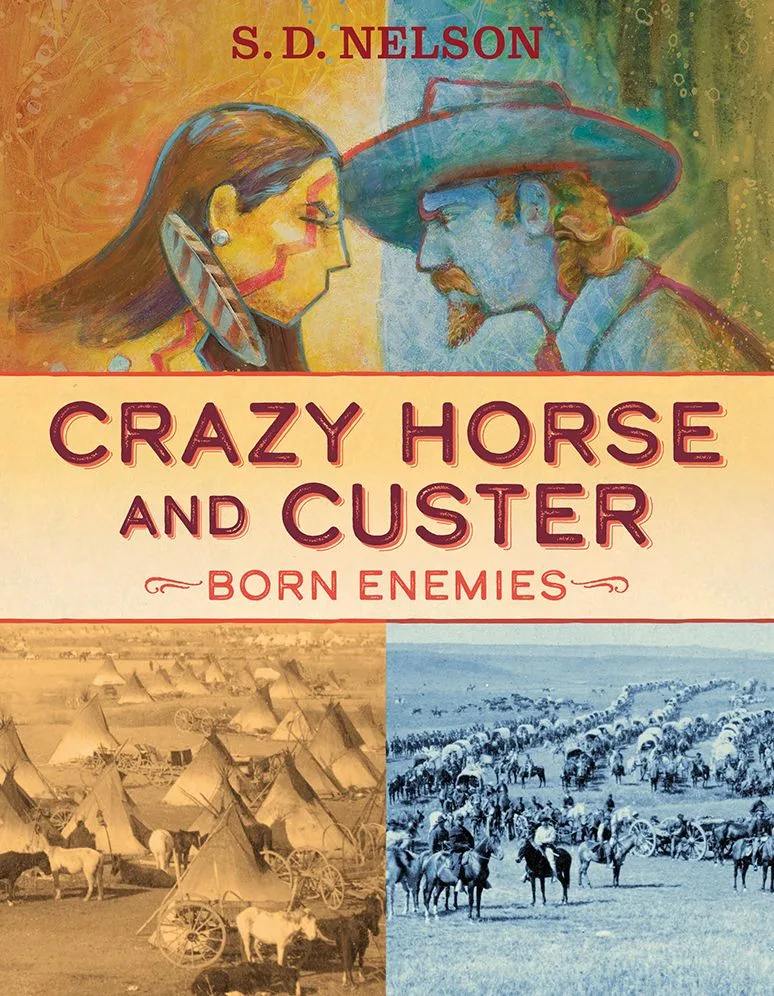 Crazy Horse and Custer: Born EnemiesS.D. NelsonAn intriguing, often unsettling look at the lives of Crazy Horse (Tasunke Witco) and George Custer from their childhoods to their encounter at what the Lakota called the Battle of the Greasy Grass and the U.S. government called the Battle of Little Bighorn. By adulthood, both were headstrong, ambitious men who loved horses and warfare, were fearless against the odds, and were natural leaders who inspired some and repelled others. Each excelled within the context of their own culture, motivated by how that culture and their experiences shaped their outlook. The Lakota saw the white settlers as intruders and wasichus (“greedy ones”). Crazy Horse fought to retain their independence, and fought back against the efforts to destroy them. Custer was a soldier raised in the context of Manifest Destiny to believe in the superiority of white people and their “right” to claim whatever they wanted in America for themselves. This well-documented history includes quotes from Kate Bighead, an Oglala Lakota girl who witnessed events leading up to the legendary battle in which Custer died. A little more than a year later, Crazy Horse surrendered because his people were starving. He was killed while in custody. The illustrations are a combination of photographs, contemporaneous paintings and drawings, and Nelson’s own drawings, inspired by Lakota Ledger art. A fascinating author’s note recounts his family history as a descendant of a Lakota woman who married a man who had served as a foot soldier in Custer’s regiment.Historical People, Places, and EventsView book details
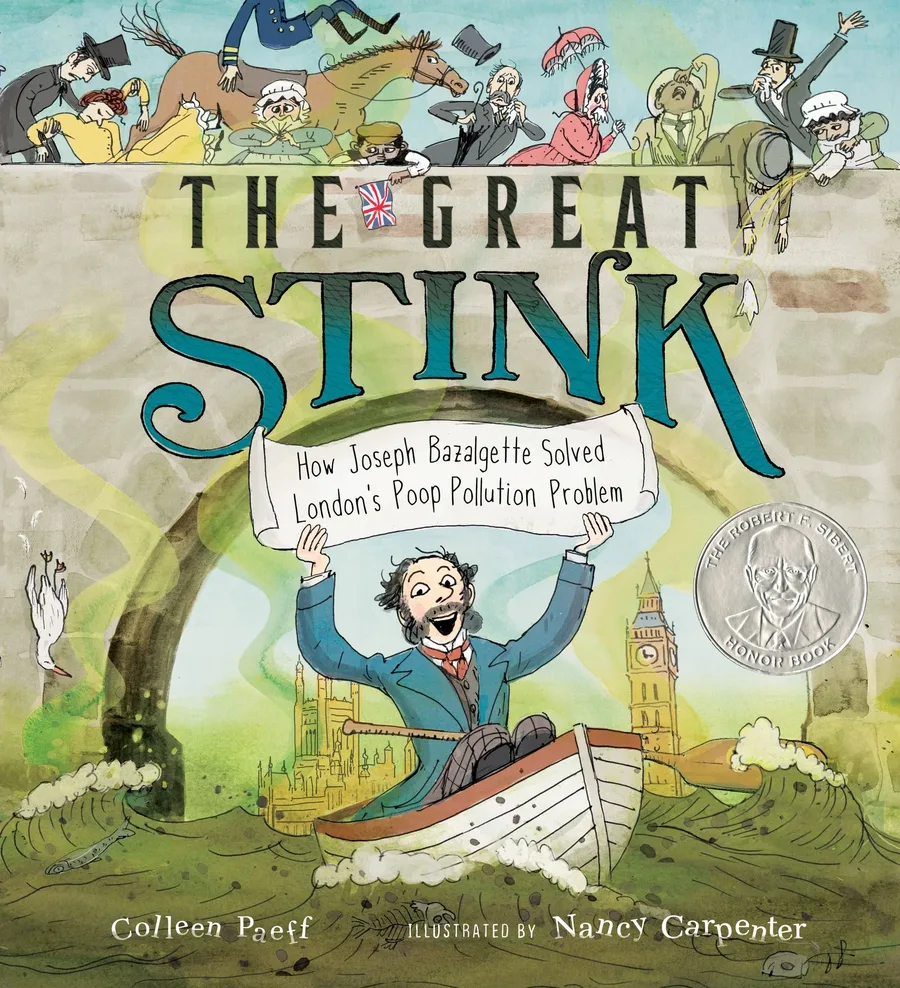 The Great Stink: How Joseph Bazalgette Solved London’s Poop Pollution ProblemColleen Paeff“No matter how you describe it—smelly, foul, fetid, rank, putrid, bad, or reeking—in the summer of 1858, London’s River Thames STANK.” So begins a hilariously straightforward account of a grim subject: the pollution of the River Thames—and thus, Londoners’ drinking water—with sewage, and the eventual creation of a hygienic sewer system. The system, which pumps sewage from underground pipes into a reservoir and then releases it into the Thames as the tide is flowing toward the ocean, was proposed and engineered by Joseph Bazalgette. But in the centuries before he arrived on the scene, things went from bad to worse. Sixteenth-century London’s sewers were meant simply to carry rainwater to the river. As the population grew, toilets and cesspools were connected to sewer lines to carry waste out of the overcrowded city. Polluted drinking water contributed to several devastating cholera outbreaks before Bazalgette’s plan was approved. Back matter provides information on contemporary “poop pollution” and a timeline. (The practice of dumping sewage into the Thames ended in 1887.)Historical People, Places, and EventsView book details
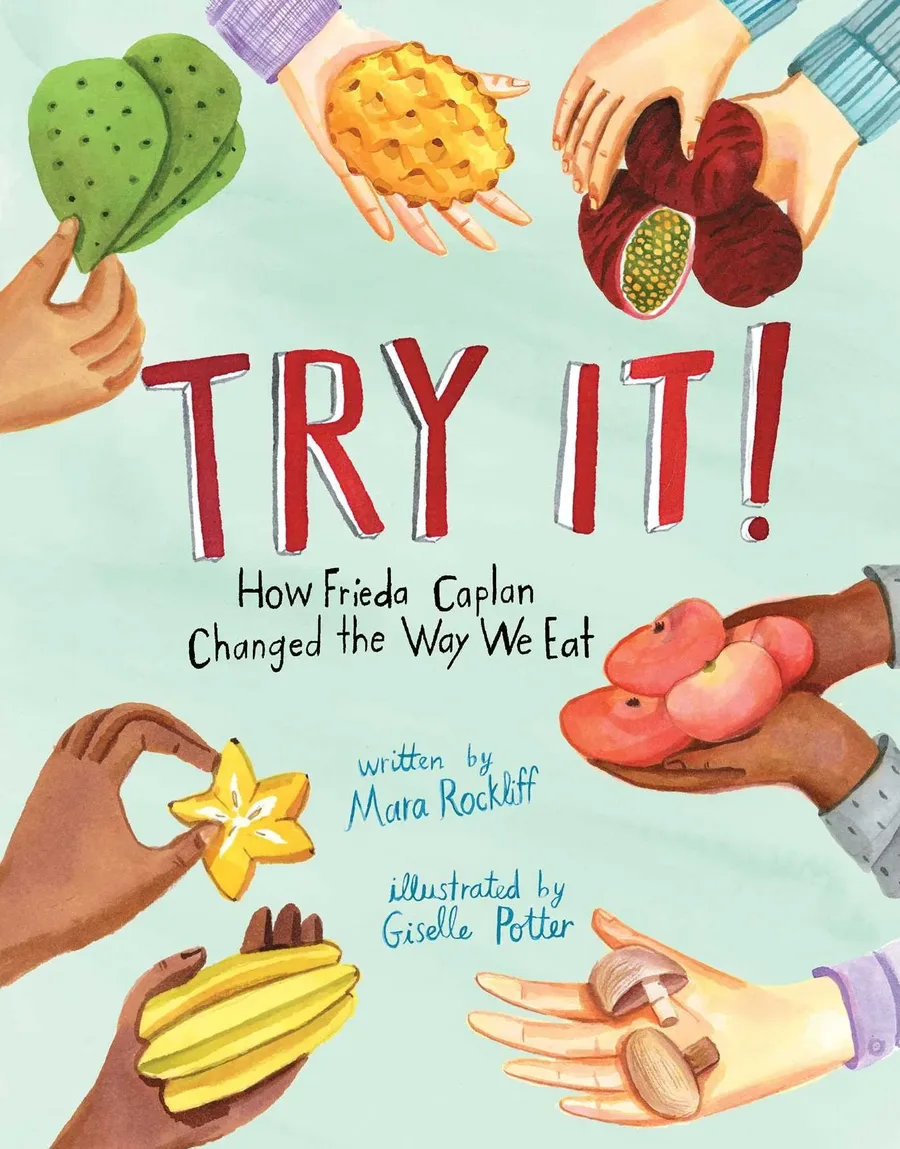 Try It! How Frieda Caplan Changed the Way We EatMara Rockli ff, illustrated by Giselle PotterFrieda Caplan, who worked at the Seventh Street produce market in Los Angeles in the 1950s, was curious about fruits and vegetables that weren’t generally found for sale in her part of the world. Sure, bananas and potatoes are fine, but she thought there must be a greater variety in the world, and that maybe if she offered new-to-them fruits and vegetables for sale, people in the United States just might try them. She began by offering mushrooms to customers—and they caught on. She loved trying new kinds of produce and popularizing them at her market, even offering suggestions on how to prepare them. Kiwis, jicama, cherimoyas, black radishes, dragonfruit, lychees—she would try anything herself, and then encourage others to do the same. Eventually her daughters came to work with her, and together they greatly expanded the produce selection at American supermarkets everywhere. The whimsical watercolor illustrations add a sense of the time (from the 1950s-2015) and place in which the book is set, and also show what the various fruits and vegetables look like.Historical People, Places, and EventsView book details
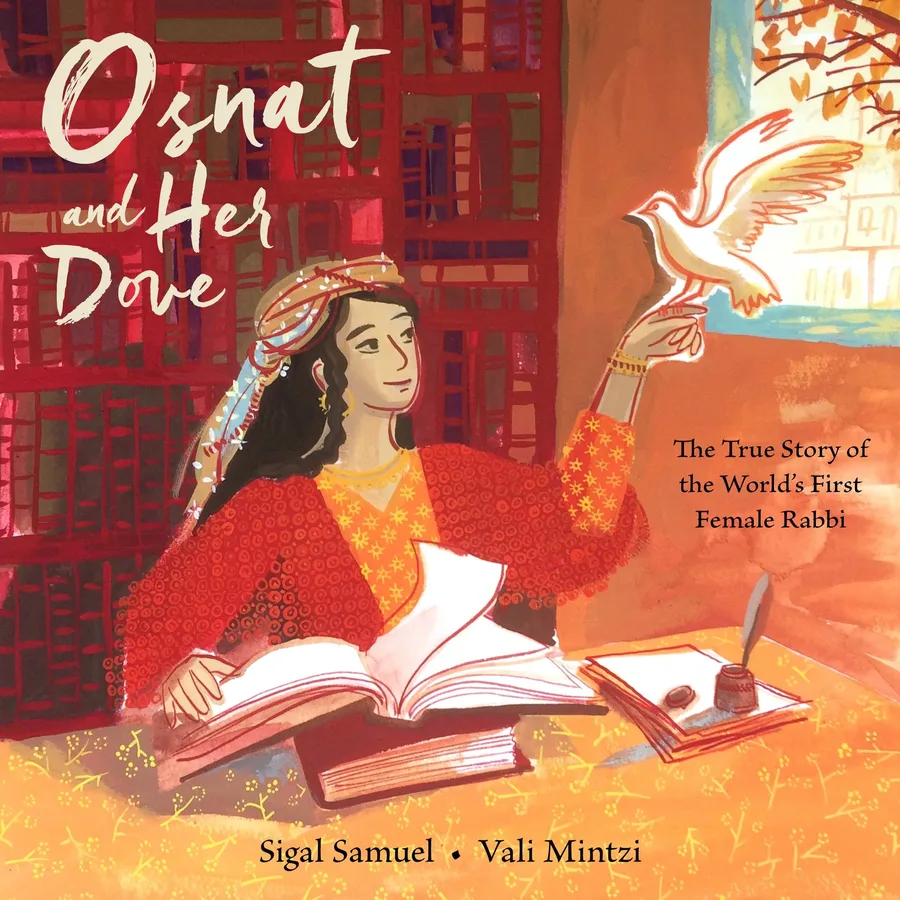 Osnat and Her Dove: The True Story of the World’s First Female RabbiSigal SamuelAs a child, Osnat Barzani persuaded her rabbi father to teach her to read Hebrew and study Torah. A Kurdish Jew born in 1590 in Mosul, Iraq, Osnat’s scholarly skills and interests were unusual for a girl of her time. As an adult, she married a man named Jacob on the condition that he excuse her from chores so that she might continue her Torah study. After her father’s death, Osnat became a teacher at his yeshiva, and when Jacob died years later, she filled Jacob’s position. A respected and beloved teacher, Osnat was also considered a miracle worker. When her pet dove was struck by a hunter’s arrow, she healed it. In another astonishing event, she seemed to call upon angels to preserve the Torah scrolls inside a synagogue that had been engulfed in flames. Richly colored gouache illustrations fittingly walk a fine line between realistic and fantastical in this fascinating story about a groundbreaking historical woman whose deeds are remembered mostly in legends.Historical People, Places, and EventsView book details
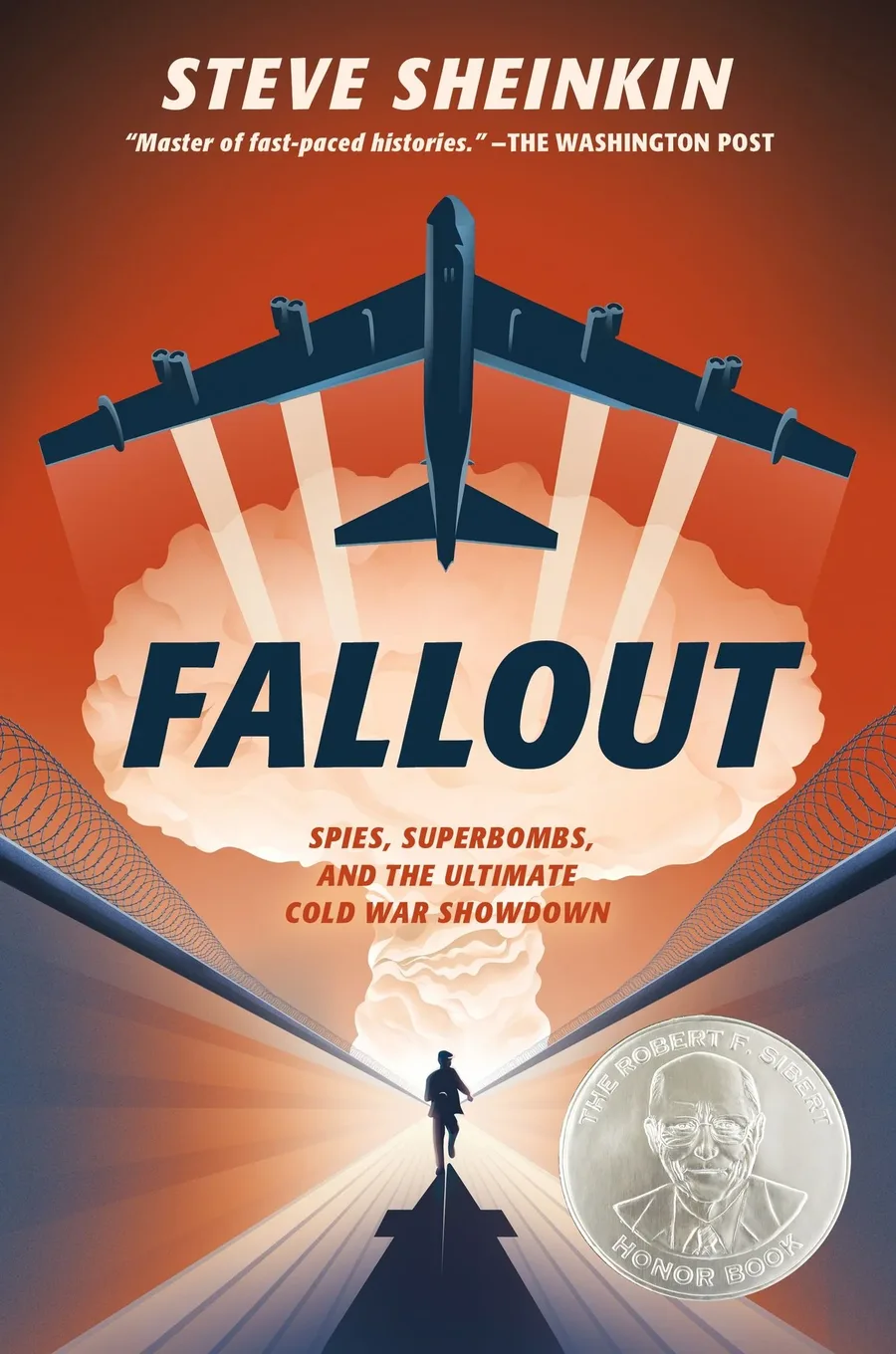 Fallout: Spies, Superbombs, and the Ultimate Cold War ShowdownSteve SheinkinA substantial work of nonfiction about the Cold War begins with U.S-Soviet tensions in the 1950s and culminates with the Cuban Missile Crisis in 1962. In between are spies, the space race, the nuclear arms race, and the overarching threat of nuclear annihilation from the H-bomb. Divided into three sections, with key players introduced through photographs at the start of each, the narrative is punctuated by memorable anecdotes as it documents the rising tensions and increasingly high stakes of U.S.–Soviet relations. The drama builds slowly, with changing leaders jockeying to get the upper hand in a war that played out as much through psychology as espionage and technological triumphs. By the time Cuban Missile Crisis arrived, President Kennedy had been bested by Nikita Kruschev on the international stage more than once. It turns out neither man wanted to start a nuclear war, but missteps, close calls, personal heroics on the parts of some and callous disregard on the part of others were all part of the story as the crisis unfolded. This account will have readers on the edge of their seats before it arrives at a fragile peace. Source notes, a lengthy bibliography, and index conclude the volume.Historical People, Places, and EventsView book details
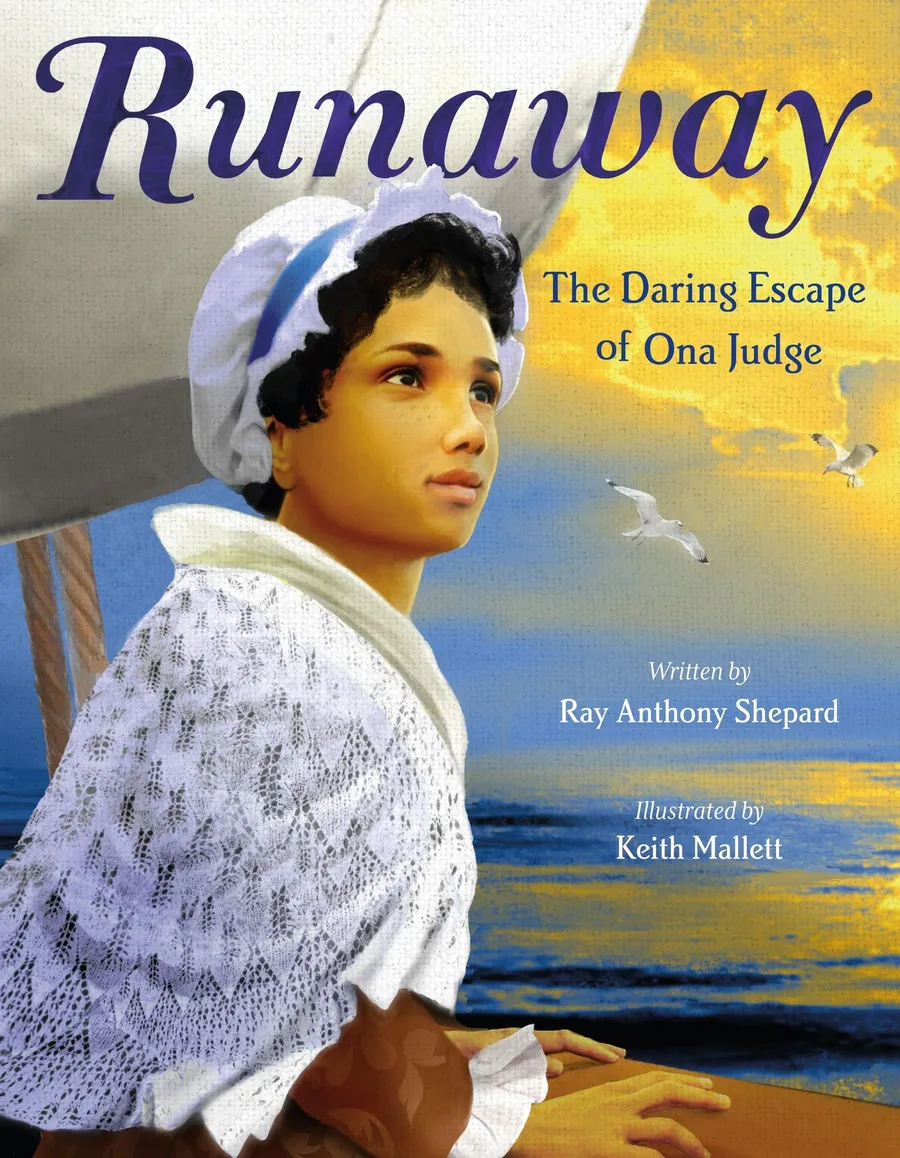 Runaway: The Daring Escape of Ona JudgeRay Anthony ShepardIn an unusual account of Ona Judge, who ran to escape enslavement in George Washington’s household, the narrator addresses Ona herself, asking, “Why you run Ona Judge? / You had fine dresses, fancy bonnets for your bushy black hair, soft shoes for your tender brown feet. Why you run Ona Judge?” The second-person narrative continues to describe Ona’s life in Washington’s home, continually returning to the rhetorical question, “Why you run Ona Judge?” After Ona makes her escape, the text begins to answer its repeated question: “You knew you were more … than a ten-dollar pet the lady wanted back. / You dreamed a dream you would make true. To read, to write, to do what you want, to go where you like, to make sure your children would not be enslaved … ” The realistic illustrations convey the determination in Ona’s facial expressions throughout and the drama inherent in her escape.Historical People, Places, and EventsView book details
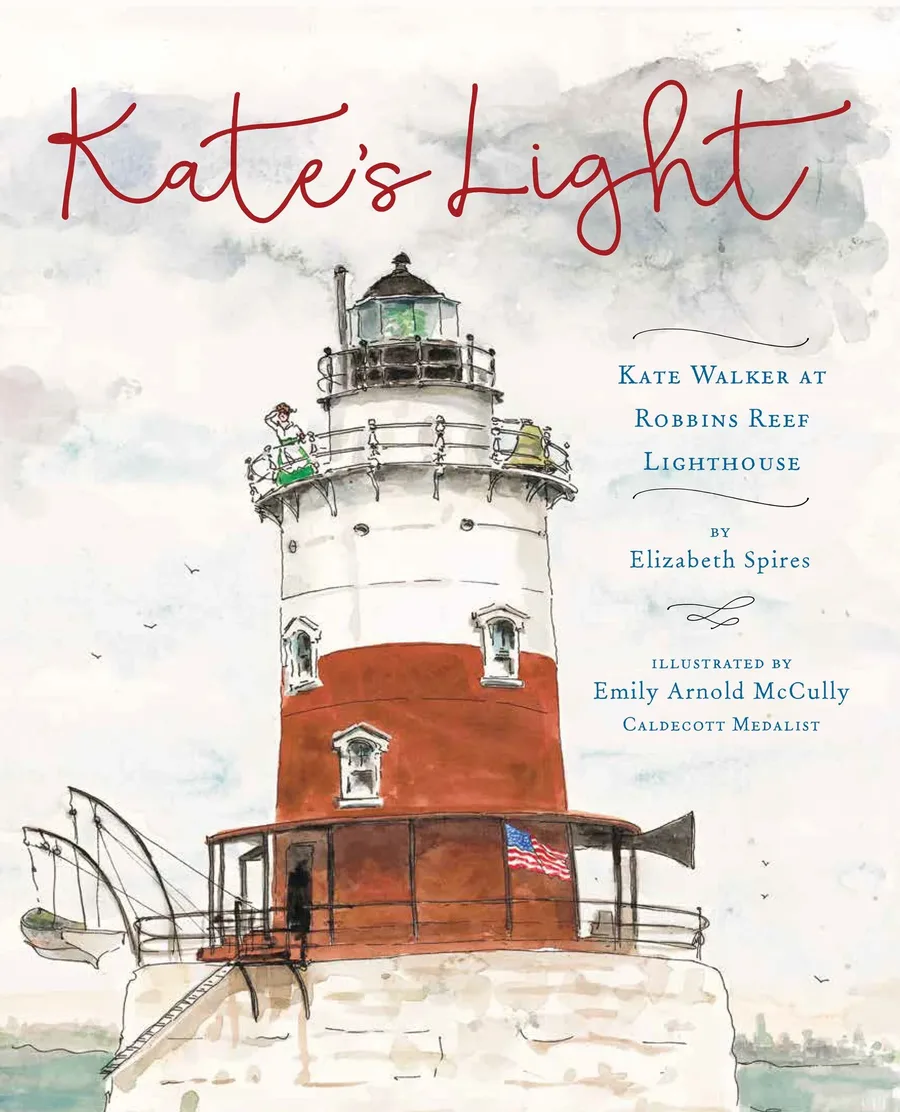 Kate’s Light: Kate Walker at Robbins Reef LighthouseElizabeth Spires, illustrated by Emily Arnold McCullyIn 1882, Kate Walker, a 34-year-old white widow, emigrated from Germany to the United States with her young son. She married John Walker, a lighthouse keeper, and in 1885 the new family was posted to Robbins Reef Lighthouse in New York Bay. Kate remained there until she was 71, first working in the job of assistant keeper and, after John’s death, as temporary keeper for four years, and then as permanent keeper. The routine of daily chores, such as refilling the lamp with kerosene and keeping detailed records, is occasionally broken with the drama of storms and rescues. Although at first uncertain about a lighthouse keeper’s life of isolation, Kate grew to relish the setting and performed the job with competence, gaining a reputation for her rescues. Watercolor and pen-and-ink illustrations show her doing it all, from climbing the outdoor ladder from a small boat to the lighthouse entry, to rowing out in a storm in a floor-length dress and apron (also shown in a photo in a final note).Historical People, Places, and EventsView book details
 Race against Time: The Untold Story of Scipio Jones and the Battle to Save Twelve Innocent MenSandra Neil Wallace, Rich WallaceIn 1919, a labor union of Black sharecroppers met at a church in Hoop Spur, Arkansas, to fight for fair prices for their crops. Carloads of white men drove up, began shooting at the group of Black men, women, and children, and then set fire to the church. One white man was killed, so local officials called upon white men in surrounding counties to “defend” the town against Black “insurrectionists.” This led to a massacre (originally labeled a “race riot”) in the area, and resulted in the deaths of 200 Black people and five white men. The 12 Black men who had attended the meeting were arrested, charged with murder, and sentenced to death in a sham trial by the “Committee of Seven,” a group of powerful local white men. Scipio Jones, a Black lawyer, took up their cases, and fought for years on their behalf, ultimately successfully arguing one of the cases all the way to the U.S. Supreme Court. The meticulously researched account of an important historical event and the unsung hero, Scipio Jones, will resonate with today’s readers, underscoring how little some things have changed. A clean design and numerous black-and-white photographs help to make this compelling story accessible.Historical People, Places, and EventsView book details
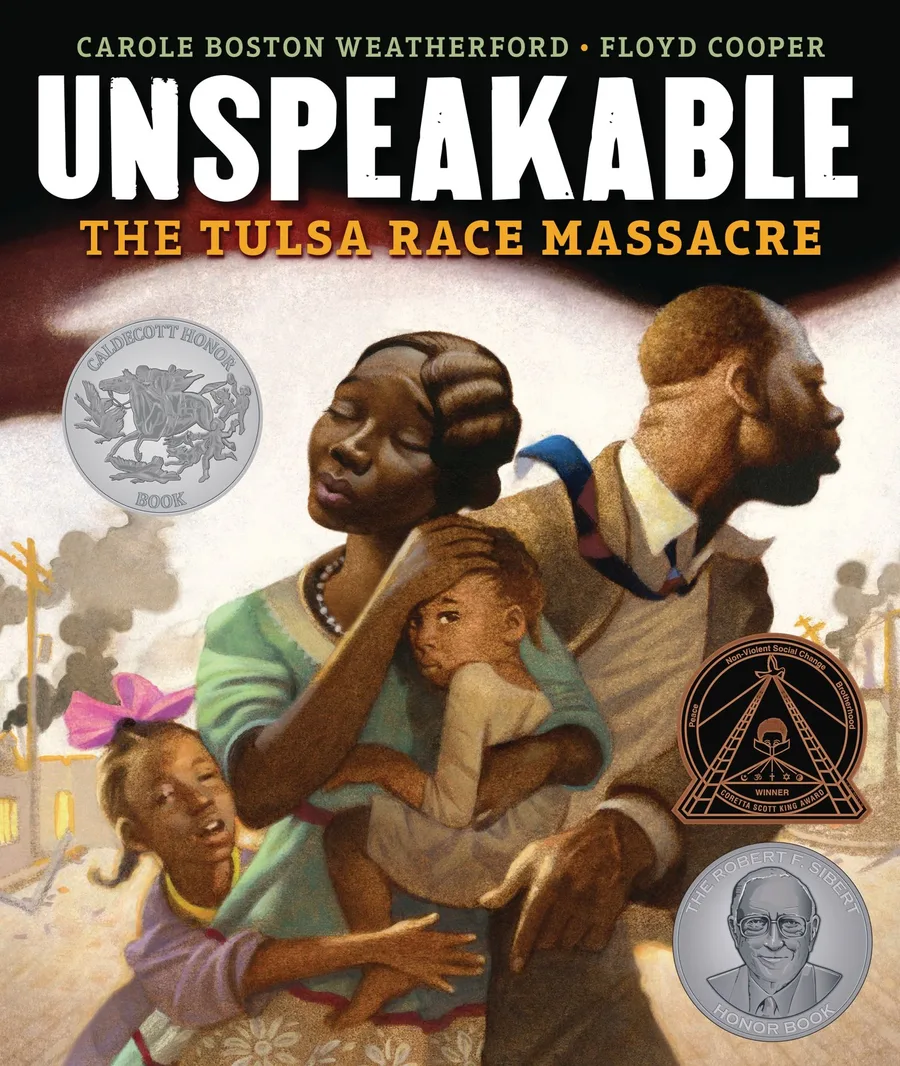 Unspeakable: The Tulsa Race MassacreCarole Boston Weatherford“Once upon a time near Tulsa, Oklahoma … ” There is promise in the opening pages of this picture-book history as the Black community in the booming city of Tulsa prospers in the early 20th century. Although they couldn’t escape racism and segregation in Tulsa, Black people built the 10,000-strong, thriving Greenwood neighborhood. In 1921, a young Black man was accused by a young white woman of assault. He was arrested, and a white mob intent on lynching him clashed with Black men intent on protecting him, leaving 12 dead. Then the mob descended on Greenwood. “Once upon a time in Greenwood,” up to 300 Black people died, more than 8,000 were left homeless, “and hundreds of businesses were reduced to ash.” A later investigation determined “police and city officials had plotted with the white mob to destroy the nation’s wealthiest Black community.” Author Carole Boston Weatherford’s affecting account of the tragedy and the racism behind it is followed by an author’s note that includes additional information about the unfounded arrest of the young Black man, “who either stumbled or stepped” onto the foot of the young white woman. Illustrator Floyd Cooper, who grew up in Tulsa and whose illustrations capture the dignity of individuals and the vibrancy of the community, as well as anger, chaos and fear, writes about his grandfather, whose memories of the massacre were how he learned about it as a child, noting it was never spoken of in school.Historical People, Places, and EventsView book details
 From a Whisper to a Rallying Cry: The Killing of Vincent Chin and the Trial that Galvanized the Asian American MovementPaula YooThis riveting account of the murder of Chinese American Vincent Chin in Detroit in 1982 and the ripple effects of its impact provides an in-depth look at events surrounding the brutal attack on Chin and the subsequent response of police, the justice system, and, above all, members of the Chinese American and broader Asian American community in Detroit. Their anger and grief spearheaded the start of a national pan- Asian activist movement that defied stereotypes, demanded justice, and expanded a sense of identity and solidarity. Chin died a few days after he was beaten with a baseball bat by two white men after they all argued in a club. It was a time when anti-Japanese/Asian sentiment in the city was high because of the struggling U.S. auto industry. His attackers later pled guilty to a reduced charge of manslaughter and were given probation. By then, business leaders, lawyers, and others in Detroit’s Chinese American community had been joined by other Asian Americans in and beyond Detroit seeking justice for Vincent. They continued to do so through federal Civil Rights legislation, seeing both victory and defeat in subsequent years. This thoroughly researched and documented work allows individual stories and personalities, including Vincent Chin’s, to emerge. It also lets the facts, including conflicting accounts that were disputed, speak for themselves. An afterword places this story within the context of the pandemic and surging hate crimes against Asian Americans in a work that invites readers to think critically about racism, then and now.Historical People, Places, and EventsView book details
 The People RememberIbi ZoboiThis history of African Americans begins with the first Africans who were captured and enslaved, and then moves up through the present day. “The people remember that Great Migration to new lands, to new borders where sharecropping hands were now factory machine fingers. The people toiled and labored, working new roads, the houses, the skyscraping towers reaching for that great big American sun.” The naïve-style illustrations and the poetic text provide an unflinching look at Black history by integrating the seven principles of Kwanzaa: umoja/unity; kujichagulia/self-determination; ujima/collective work and responsibility; ujamaa/cooperative economics; nia/purpose; kuumba/creativity; and imani/faith. The inclusion of the principles may make this a mainstay of family Kwanzaa celebrations, but the book also stands on its own as a powerful historical account.Historical People, Places, and EventsLexile Text Measure 899LATOS Book Level 5.8View book details
Biography, Autobiography, and Memoir
12 selections
 Child of the Flower-Song People: Luz Jiménez, Daughter of the NahuaGloria AmescuaLuz Jiménez was born in Milpa Alta, Mexico, at the end of the 19th century. She grew up speaking Nahuatl as her first language and hearing the stories of her Aztec people from her elders. She also learned her people’s traditions: how to grind corn, use her toes to twist yarn, weave, and gather edible mushrooms and medicinal herbs. She was a curious girl who wanted to learn to read and one day be a teacher, but the government school she was forced to attend wouldn’t let her use her own language or traditions. After her father was killed when Milpa Alta was taken over during the Mexican Revolution, she and her family moved to Mexico City, where Luz soon befriended artists such as Diego Rivera, Fernando Leal, Tina Modotti, and Jean Charlot. She soon became their favorite model, most often posing while engaged in traditional activities, which helped to document her culture. She taught her language to scholars, and took anthropologists and artists on tours of Milpa Alta. When she was invited to teach Nahuatl at a college in Mexico City, Luz finally realized her dream of becoming a teacher. This fascinating story of the life of one woman who is credited with preserving much of what is known today about Nahua language and culture is brilliantly illustrated with Tonatiuh’s Mixtec-inspired stylized illustrations. A timeline, glossary, citations, and a bibliography follow informative notes from both the author and illustrator that outline how they researched the subject.Biography, Autobiography, and MemoirView book details
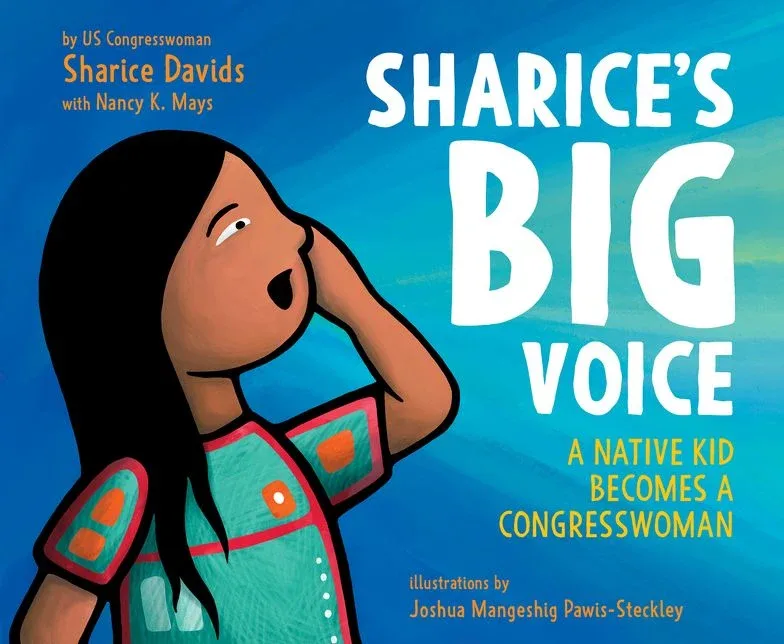 Sharice’s Big Voice: A Native Kid Becomes a CongresswomanSharice Davids, Nancy K. Mays“When I was young, I liked to talk. A lot! (I still do!)” Sharice Davids, a member of the Ho-Chunk Nation, describes her journey to becoming a U.S. congresswoman representing Kansas in this picture-book autobiography in which the engaging first-person narrative makes her gift for connecting with others apparent. Davids notes that she learned early on that “the best way to learn about people is to listen to them.” She’s gotten lifelong inspiration from her mom, a single parent serving in the military, whom she describes as “focused and fierce … confident and kind.” Her mom taught her to be a hard worker whether on a job or pursuing something she loves, like martial arts, at which Davids competed before turning her attention to law school. Appealing digital illustrations by Ojibwe artist Joshua Pawis-Steckley provide a perfect backdrop for this dynamic account. Back matter includes a note from the author and illustrator, and an essay about Ho- Chunk culture and history by a former Ho-Chunk nation president.Biography, Autobiography, and MemoirView book details
 The Woman All Spies Fear: Code Breaker Elizebeth Smith Friedman and Her Hidden LifeAmy Butler GreenfieldElizebeth Smith’s introduction to codes and ciphers came while working for wealthy eccentric George Fabyan on a project involving a Shakespeare folio. Her future husband, William Friedman, also worked for Fabyan, who liked gathering the best and brightest around him. In fact, he was reluctant to let either Elizebeth or William leave his employment. But their growing expertise in codes and ciphers caught the attention of the military, and eventually they broke free. Elizebeth was hired by the U.S. Coast Guard to help their efforts against rum smugglers. Elizebeth’s mastery of her work was rooted in a gift for recognizing patterns—an essential element of deciphering and decoding. She was humble but confident, and angry when others, like the FBI, took credit for her achievements. During World War II, the couple worked for separate branches of the military, each doing top secret work that they couldn’t discuss with the other. With love and support for one another, they navigated work, raising two children, and William’s bouts of depression. In fact, it was Elizebeth’s determination to write a book about William after his death that helped ensure her own amazing life and career weren’t lost to history. Periodic “Code Breaks”—short pieces between some chapters providing more information about codes and ciphers (starting with the difference between them!)—add additional intrigue to this page-turning biography.Biography, Autobiography, and MemoirView book details
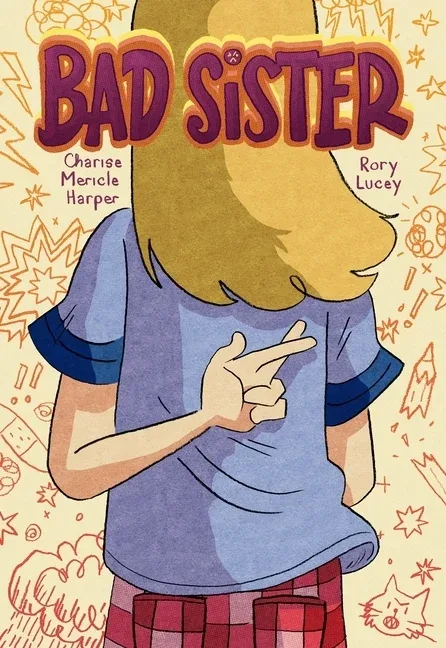 Bad SisterCharise Mericle HarperAs the older of two siblings, Charise enjoys certain forms of power over her brother, Daniel: the power to play tricks; the power to win at games; the power to lie, fool, blame, boss, and dare. It’s clear she often feels lonely, unheard, and perhaps less loved by her parents, who seem to view her as the instigator, the antagonist, the one who ought to know better. But despite feeling guilty, she just can’t seem to stop being mean. For his part, Daniel is friendly, trusting, and forgiving—until the day Charise knocks out his front tooth with a golf club while the two are playing hockey in the front yard. The event inspires a change of heart for Charise, who resolves to repair the siblings’ relationship and to consider Daniel a partner rather than a rival. The author’s gratitude to and affection for her younger brother are evident in this unflinching portrayal of a contentious sibling relationship; despite Charise’s self-condemnation, a close reading of this graphic memoir reveals a conflicted girl who is hurting in her own way.Biography, Autobiography, and MemoirWord Count 7572View book details
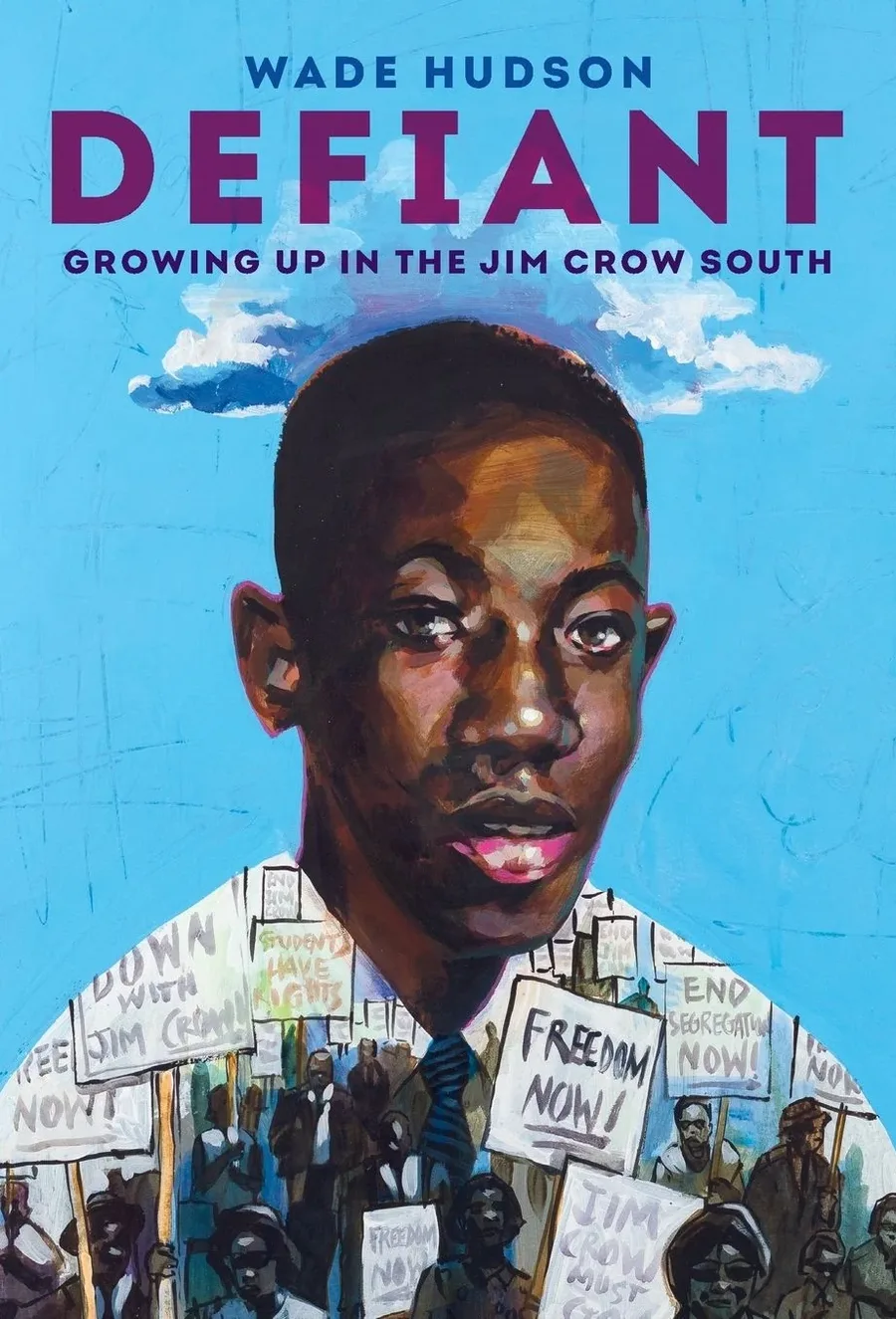 Defiant: Growing Up in the Jim Crow SouthWade HudsonHudson’s vivid account of his childhood and young adulthood combines fond recollections of childhood with memories of events that led to his determination to become an activist. Hudson writes about growing up in Mansfield, Louisiana, with a lively sense of immediacy, drawing readers into that time and place, his family, neighborhood, and community. One of eight siblings, his was a childhood of baseball, school, church. Entertaining escapades, lively personalities, and meaningful relationships are revealed throughout this captivating narrative. He was a junior in high school in 1963, a year he describes as one of awakening as violent pushback against civil rights activists and other shocking events opened his eyes to how much he hadn’t been taught, and wanted to learn and do. He set off for college at Southern University with activism on his mind. This memoir opens with his arrest five years after he left for college on trumped up charges, and ends with his release from jail, and his determination to continue fighting for the lives and dignity of Black people.Biography, Autobiography, and MemoirView book details
 The Fearless Flights of Hazel Ying LeeJulie LeungHazel Ying Lee was a fearless girl who dreamed of flying, even though there were sparse opportunities for women and for Chinese Americans. As a young woman, she put herself through flight school by working as an elevator operator, and once World War II broke out she enlisted as a Women Airforce Service Pilot (WASP). While women weren’t allowed to fly planes in war zones, they did do critical work testing newly built planes fresh off the assembly line, reporting any defects. Among the WASPs, Hazel was one of the best, serving as one of just 132 women who could fly the super-fast planes. Unfortunately, before the war ended, a miscommunication from the control tower led to a two-plane crash, and Lee was killed. Her family then fought to get her buried in a whites-only cemetery, even appealing to President Roosevelt. This well- researched picture-book biography has a clear, straightforward narrative, but the illustrations are the real standout, depicting Hazel as a child and as a woman with so much character, in addition to showing sweeping vistas of her in flight.Biography, Autobiography, and MemoirView book details
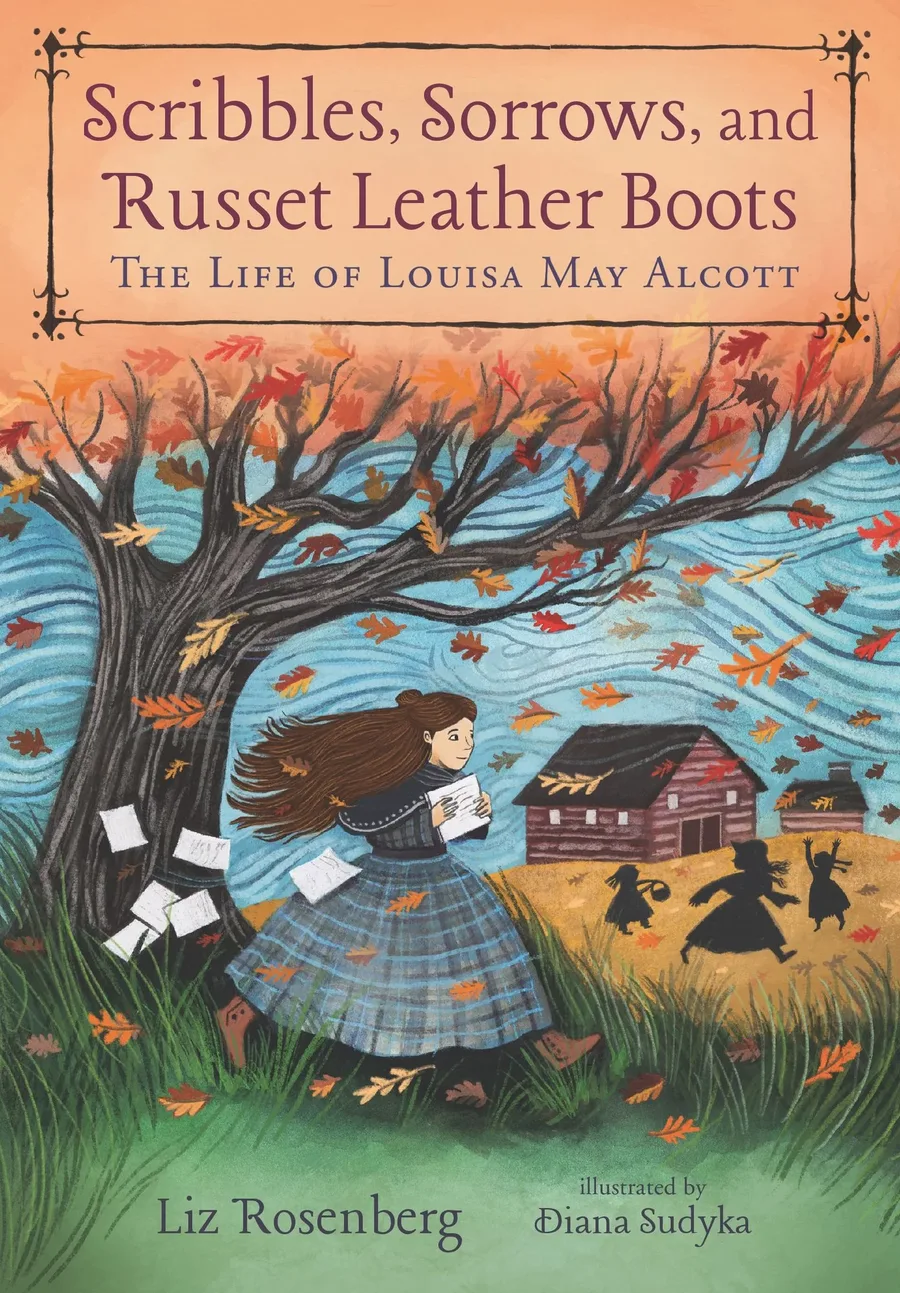 Scribbles, Sorrows, and Russet Leather Boots: The Life of Louisa May AlcottLiz Rosenberg, illustrated by Diana SudykaAn unvarnished examination of Louisa May Alcott’s life draws heavily on her personal correspondence and journals, providing a nuanced sense of the Alcott family dynamics and challenges of her childhood, and the resulting responsibility she felt as an adult to provide for her relatives. Louisa and her mother Abby both struggled with the heavy load of caring for the rest of the family, at times coping with depression and hopelessness, while Bronson routinely focused on his intellectual and philosophical goals, seemingly oblivious to the harsh realities of their existence. Speculation about Louisa’s adult romantic life is unverified but inferred from references in her diaries. The author’s protracted failing health, likely a result of mercury given as treatment for typhoid pneumonia contracted during her work as a Civil War nurse, is chronicled even as her determination to continue to write and publish until near the end of her life remained steadfast.Biography, Autobiography, and MemoirView book details
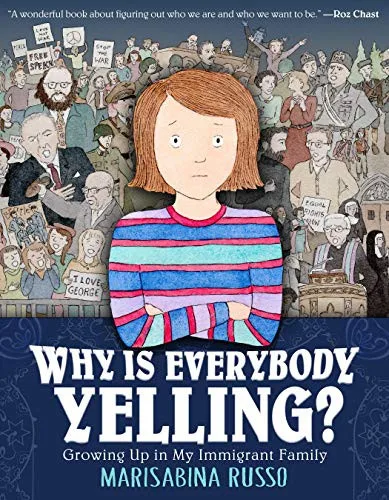 Why Is Everybody Yelling? Growing Up in My Immigrant FamilyMarisabina RussoA graphic memoir relates a heartbreaking tale of intergenerational trauma as told by Cookie, a devout Catholic child growing up in the 1950s. Surrounded by white, Jewish, Yiddish-speaking family members, Cookie understands that her immigrant mother converted to Catholicism after World War II. Forced into hiding in Italy during the war, Mamma and her husband, Jacob, joined a group of resistance fighters before being discovered. Mamma survived a gunshot wound; Jacob was murdered by Nazis. Witnessing these horrors were her two young sons, Cookie’s much older half-brothers. While Cookie’s mother loves Cookie deeply, she is also critical, controlling, and anxious; Cookie’s brother Piero struggles greatly with mental illness and spends time in a psychiatric hospital. Cookie, frustrated that her aunts will not explain the series of numbers tattooed on their arms, learns her family history in bits and pieces over time. Born in the United States, she learns to make her own way even as she resents the fact that her own struggles—especially the pain of her absent father, who lives abroad—will always pale in comparison to those of her family members, who consider her to be “the lucky one.”Biography, Autobiography, and MemoirView book details
 Classified: The Secret Career of Mary Golda Ross, Cherokee Aerospace EngineerTraci Sorrell, illustrated by Natasha DonovanMary Golda Ross, a Cherokee woman, excelled at math from the time she was a teenager in the 1920s. Mary began attending college at 16, and later taught high school math and science before she began working as a mathematician for the Lockheed Aircraft Corporation. Wanting to move into engineering, she took additional classes and was eventually selected to be part of a secret team researching orbiting satellites for the space race; their work was classified, and much of it remains classified today. Across her career, Mary helped recruit and support Native people and young women interested in engineering; doing so was one of the many ways she lived the four Cherokee values (humility, working cooperatively, gaining life skills in all areas, and helping others access equal opportunity and education). Pencil, ink, and digital illustrations accompany a narrative that ends with a timeline, author’s note, source notes, and bibliography, and the four Cherokee values in both the Cherokee syllabary and English.Biography, Autobiography, and MemoirLexile Text Measure 940LFountas & Pinnell Text Level RView book details
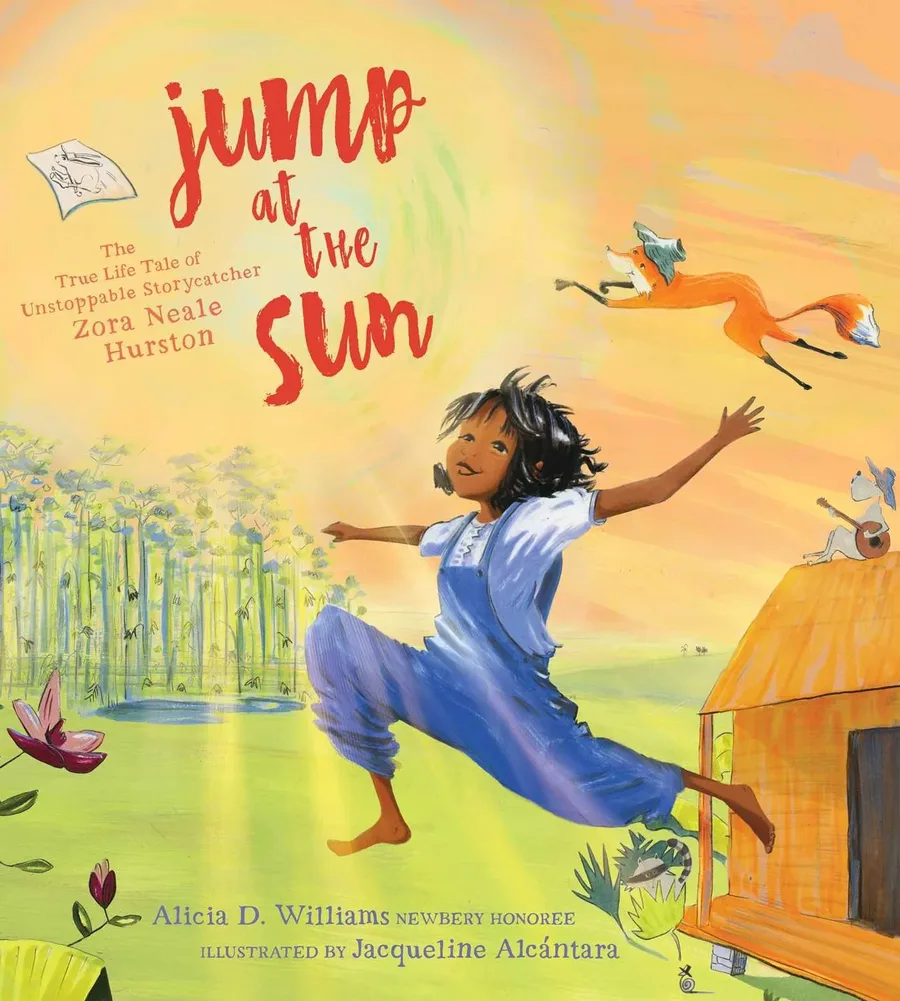 Jump at the Sun: The True Life Tale of Unstoppable Storycatcher Zora Neale HurstonAlicia D. WilliamsThis picture-book look at the life and work of African American folklorist and writer Zora Neale Hurston does a masterful job of capturing both Hurston’s irrepressible personality and her writing. There’s a folkloric quality to elements of the descriptive writing (“Then her papa got a new wife who was stingier than a peacock!”) while excerpts from some of the folklore Hurston collected are interspersed occasionally in the illustrations of a book that follows Hurston from childhood, when she was already in love with stories and storytelling, to the education she worked so hard to obtain, to her work as a folklorist collecting stories from Black people in the south to, finally, the start of her career as a writer. Zora’s spirit soars across a narrative set against lively illustrations done with marker, gouache, and Photoshop. An author’s note, additional readings, and sources are included (unfortunately story excerpts are not specifically sourced).Biography, Autobiography, and MemoirView book details
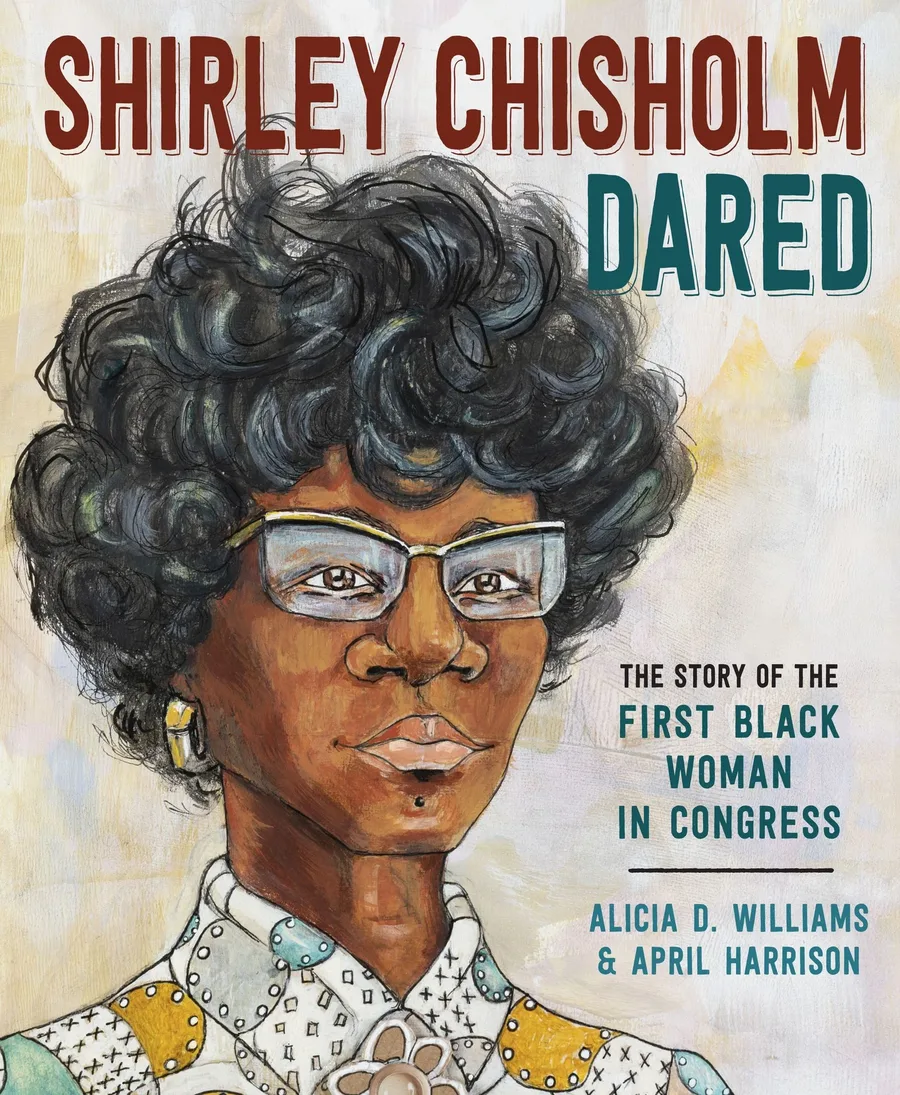 Shirley Chisholm Dared: The Story of the First Black Woman in CongressAlicia D. WilliamsHow did Shirley Chisholm become the first African American woman elected to Congress? This energetic picture book chronicles traits that made Shirley stand out from early childhood on: Daring. Rebellious. Persistent. Troublemaker. Shirley was also bossy and bright, stubborn and studious, engaged and demanding throughout her life. The narrative follows her from an early childhood in New York with her loving parents to Barbados, where she lived for awhile with her grandmother before returning to Brooklyn. She first learned about politics listening to her parents talking with friends; she became politically active as a young woman, working on neighborhood issues. She defied expectations when she, a Black school teacher, ran for State Assembly and again when she ran for Congress. This picture book ends with that triumphant success; an author’s note tells more about her life and career. Dynamic, artful mixed media and collage illustrations accompany the narrative.Biography, Autobiography, and MemoirView book details
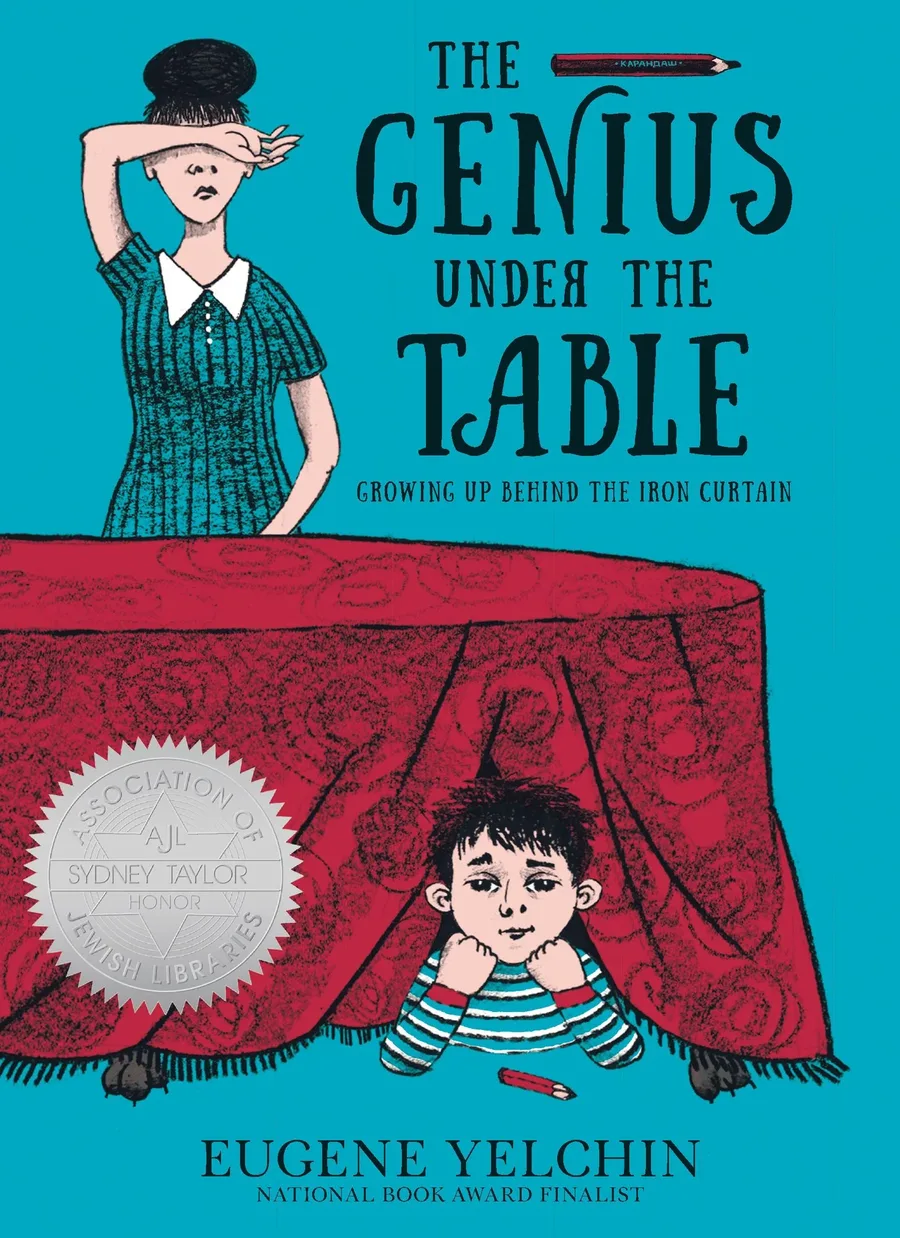 The Genius Under the Table: Growing Up Behind the Iron CurtainEugene YelchinEugene Yelchin’s funny, tender memoir recounts aspects of his childhood and young adulthood in Leningrad during the Cold War. Young Yevgeny’s father is a lover of poetry, his mother a lover of beauty and dance who fears it’s only a matter of time before the incomparable Baryshnikov makes his escape to the West. Their Jewish family of five, including his older brother and his grandmother, live in a single room, where Yevgeny sleeps on a cot under the table, secretly stealing his father’s pencil to draw every night. His brother is an ice skater, while their mother hopes that Yevgeny might succeed at ballet—something she once dreamed of doing herself. To please her he agrees to try, but Yevgeny knows he has no gift for dance. He also knows his parents worry—what will he do without a talent? The day his father discovers Yevgeny’s many drawings on the underside of the table, he proclaims his son a genius. Soon Yevgeny’s taking lessons from an artist, but lessons in life are all around him in this observant, witty, moving account. Jaunty black-and-white drawings are found throughout a narrative in which the measure of life as a Soviet Citizen is equal parts absurdity and poignancy.Biography, Autobiography, and MemoirView book details
Contemporary People, Places, and Events
9 selections
 The Power of Style: How Fashion and Beauty Are Being Used to Reclaim CulturesChristian AllaireAn impressive array of topics, including body type and gender in cosplay; modest style and hijabs; natural, braided, and Native hair; henna art; heeled shoes for men; makeup for Black skin and more are included in a volume that embraces inclusivity and acceptance. The Ojibwe author introduces the book by describing the ribbon shirt his mom and aunts made for him and then moves to work of other Indigenous fashion designers. Short blocks of text highlight quotes from individuals featured in each section and photographs are included on almost every page in this highly visual volume. Occasional definitions (e.g., “Gender-bend vs. Crossplay”) and commentary (“Burkinis vs. Bikinis: Why Not Both?”) are clearly indicated with the effective use of background and font color, although consistent captions of photographs would have been useful. Illustrations expand on some of the topics (e.g., “Braid Styles” and “A Beginner’s Guide to Walking in Heels”).Contemporary People, Places, and EventsView book details
 Hear My Voice: The Testimonies of Children Detained at the Southern Border of the United States / Escucha mi voz: Los testimonios de los jóvenes detenidos en la frontera sureña de los Estados UnidosWarren Binford for Project Amplify“My sister and I came from Honduras.” “Our grandfather saw the gang kill our neighbor. They threatened to kill him so we all had to leave.” “There is not even enough room for the baby to crawl.” “I have been here without bathing for twenty-one days.” International children’s advocate Warren Binford has devoted her legal and medical career to inspecting conditions in immigrant detention camps. Still, she was appalled by the conditions at the Border Patrol Station in Clint, Texas, in 2019. Children were separated from their families and crowded into cages; they were cold, hungry, dirty, and exhausted for weeks on end. Many were sick but didn’t receive medical treatment. Each double-page spread in this dual-language (Spanish/English) book includes several sentences from first-person testimonies collected from the children and translated from Spanish, Mam, Portuguese, Urdu, K’iche’, and other languages. Each statement is illustrated by a different artist, some well-known in the United States, such as Yuyi Morales and Raúl the Third; most are Mexican or Mexican American artists who will be new to American readers. This deeply emotional work ends with an author’s note, “Amplifying Children’s Voices,” providing historical background dating back to 1985. The author also provides questions for children to think about and suggests ways children and families can help, from writing to politicians to serving as a foster family. The children’s own testimonies end on a poignant note, completing statements that begin, “I want …,” “I wish …,” “I hope … ”Contemporary People, Places, and EventsView book details
 Call and Response: The Story of Black Lives MatterVeronica ChambersThis inviting look at the history and roots of the Black Lives Matter (BLM) movement also serves as a primer for young activists. The global BLM movement began as a Facebook post by Alicia Garza before becoming a viral hashtag and a means of organizing community action. Garza was joined in her efforts by Patrisse Cullors and Opal Tometi; together, the three Black women are considered the founders of Black Lives Matter. The movement quickly grew and gained momentum as BLM chapters were established throughout the United States in the wake of multiple police murders of Black boys and men. This account helpfully explains the concept of systemic racism and reaches back to earlier protest movements in order to situate the BLM movement in the context of civil rights. Elements of protest, including music, art, and the roles of organizers, are explored. Ample historical and contemporary photographs, as well as a timeline and playlist, supplement the informative text.Contemporary People, Places, and EventsView book details
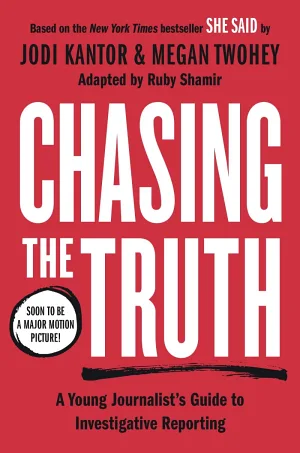 Chasing the Truth: A Young Journalist’s Guide to Investigative ReportingJodi Kantor, Megan TwoheyThis adaption of Kantor and Twohey’s adult book, She Said, is an engrossing account of the investigative work that went into them breaking the Harvey Weinstein case. Their exacting investigative process, fluidly recounted here, gives insight into the degree of care and thoroughness that goes into investigative journalism when it’s done right. Readers are likely to recognize at least some of the famous people they interviewed (e.g., Gwyneth Paltrow, Ashley Judd), who grappled with whether they would be willing to go on the record. This also reveals an uplifting sense of support that formed among some of Weinstein’s victims as they struggled with this question and other issues, while further exposing the sexism and male entitlement so pervasive in Hollywood, and society in general. A down-to-the-wire decision to publish based in part on the willingness of one source to be named publicly is indicative of the level of tension that pervades the story itself and this riveting read. Tips for young journalists, detailed source notes, and their original New York Times story are included in the back matter.Contemporary People, Places, and EventsView book details
 The Water Lady: How Darlene Arviso Helps a Thirsty Navajo NationAlice B. McGintyWhen Cody wakes up thirsty one morning, the glass beside his bed is empty, and his mother has used the last of the water in the kitchen to make oatmeal. Outside, the family’s big water barrels are dry. Fortunately, elsewhere on the Navajo reservation, Darlene Arviso fills her tanker truck from the water tower. As Cody’s grandmother tells him the story about the Water Sprinkler, the Navajo god who collects water to make rain, the “Water Lady” drives her truck from home to home on the reservation. Over the course of a month, she will deliver water to more than 200 families before beginning her route all over again. When the Water Lady arrives at Cody’s home, he watches as she fills his family’s barrels with clean water that will be used and reused conscientiously and sparingly: Many on the reservation will use only seven gallons of water per day, compared to the hundred or so used daily by most others in the United States. Ink-and-watercolor illustrations showcase the warm colors of the reservation’s desert landscape. This appealing and eye-opening tale sheds light on Darlene Arviso’s important work on the Navajo reservation.Contemporary People, Places, and EventsView book details
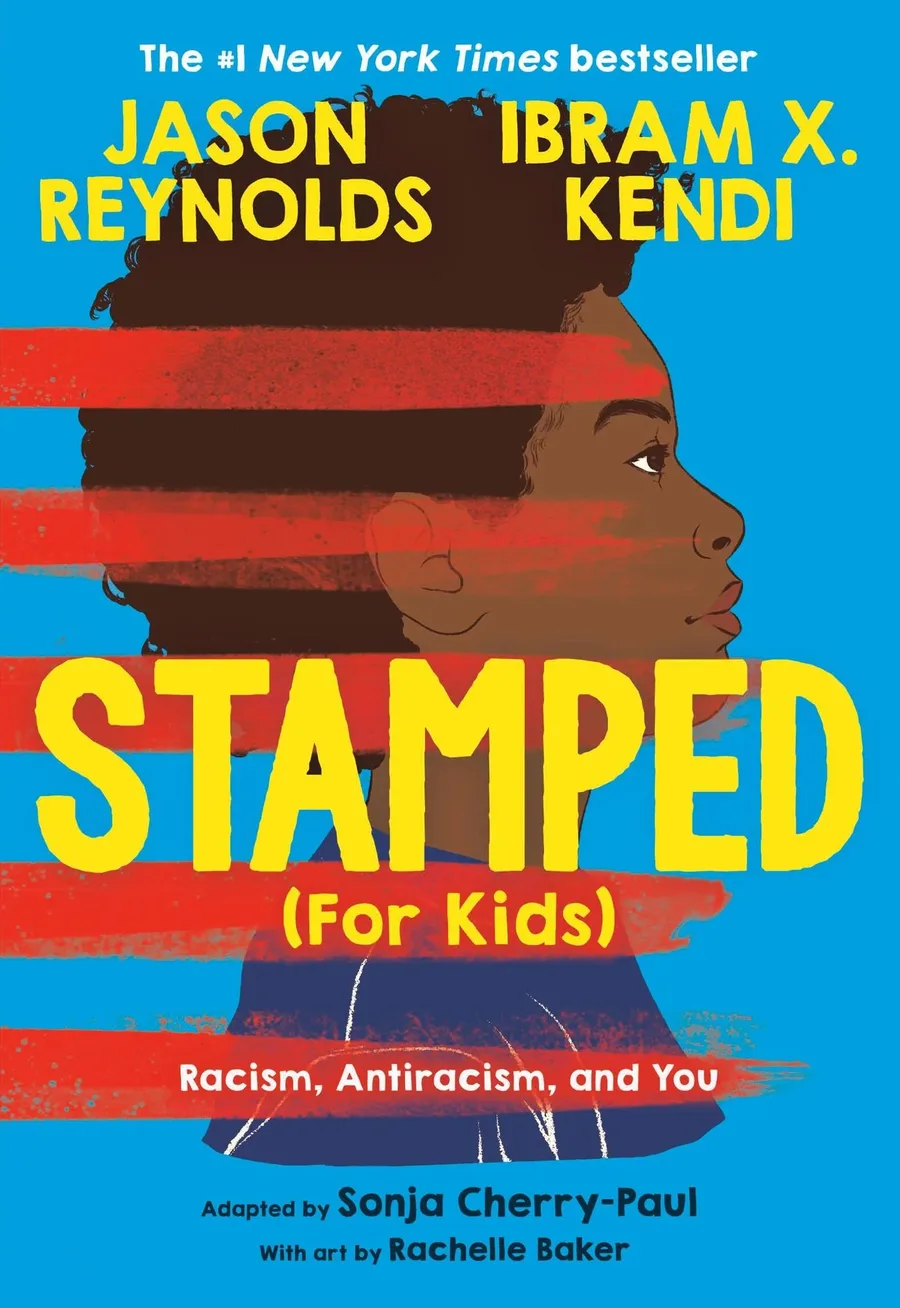 Stamped (For Kids): Racism, Antiracism, and YouSonja Cherry-Paul, Jason Reynolds, Ibram X. KendiThis adaptation of the young adult book Stamped (which was an adaptation of the adult book Stamped from the Beginning) revises the material for a middle grade audience, utilizing short chapters, illustrations, and an emphasis on action. With a conversational tone and accessible metaphors, the narrative opens with definitions of segregationist, assimilationist, and antiracist before moving to concise snapshots through American history, beginning with the European conquerors and slavery rationalizations of the 15th century, moving through the country’s founding, slavery and the Civil War, the Civil Rights Movement of the 1960s, and concluding with a chapter on Black Lives Matter. A timeline of “Key Moments in American History,” a glossary, and suggestions for Further Reading are included in the back matter.Contemporary People, Places, and EventsView book details
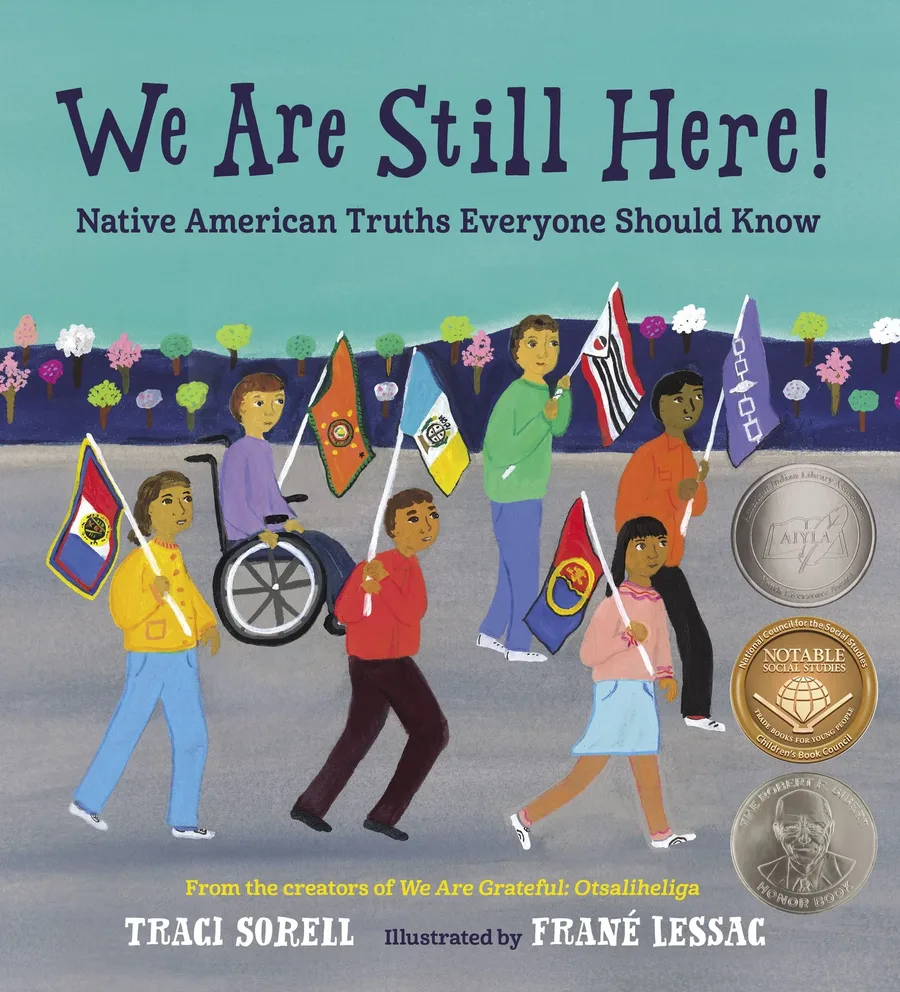 We Are Still Here! Native American Truths Everyone Should KnowTraci SorellA framing narrative depicts a contemporary, diverse class of Native students presenting on topics related to Native American history and contemporary experience for Indigenous People’s Day. The bulk of the narrative is comprised of the students’ presentations, which cover topics both painful (Allotment, Assimilation, the Indian New Deal, Termination, Relocation) and hopeful (Tribal Activism, Self- Determination, Language Revival, Sovereign Resurgence, and more). An introduction and a handful of related points are provided for each. Extensive end matter for this digestible overview of ever-relevant events and subjects includes a timeline, glossary, and details about the people and events depicted. The colorful, culturally specific illustrations provide more in-depth context for the presentation topics.Contemporary People, Places, and EventsLexile Text Measure 1410LATOS Book Level 11.7View book details
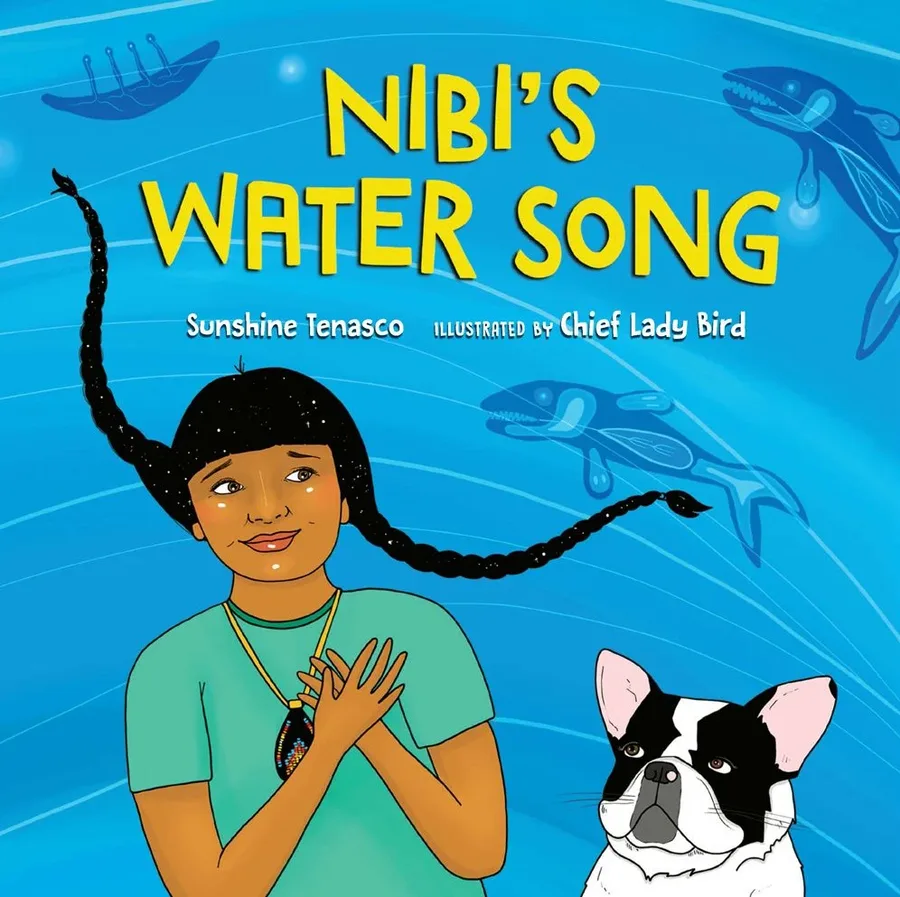 Nibi’s Water SongSunshine Tenasco, illustrated by Chief Lady Bird“Nibi was a thirsty, thirsty girl, so thirsty her mouth was clucking.” But when Nibi turns on the tap, the water is brown. Her neighbor’s water is brown, too. A girl on a mission, Nibi heads to the next town, “the town with the big, shiny houses,” and asks for some water. She’s given a small plastic bottle before the door is firmly closed: No more clean water for Nibi. Nibi makes a sign, “Water Is Life.” She dances and sings. Friends join her. Soon even the people in the big, shiny houses join her. “She is thirsty, thirsty Nibi and we want to help her have water.” The people share ideas and show “all the rule-makers how to heal the water.” Finally, Nibi is a happy girl. The author, from the Kitigan Zibi Anishinabeg reserve in Ontario, writes that hers is one of many First Nations communities struggling to access the basic human right of clean water. This allegory illuminating a critical issue of environmental justice is paired with digital illustrations incorporating decorative Woodland Indian fish and floral patterns.Contemporary People, Places, and EventsView book details
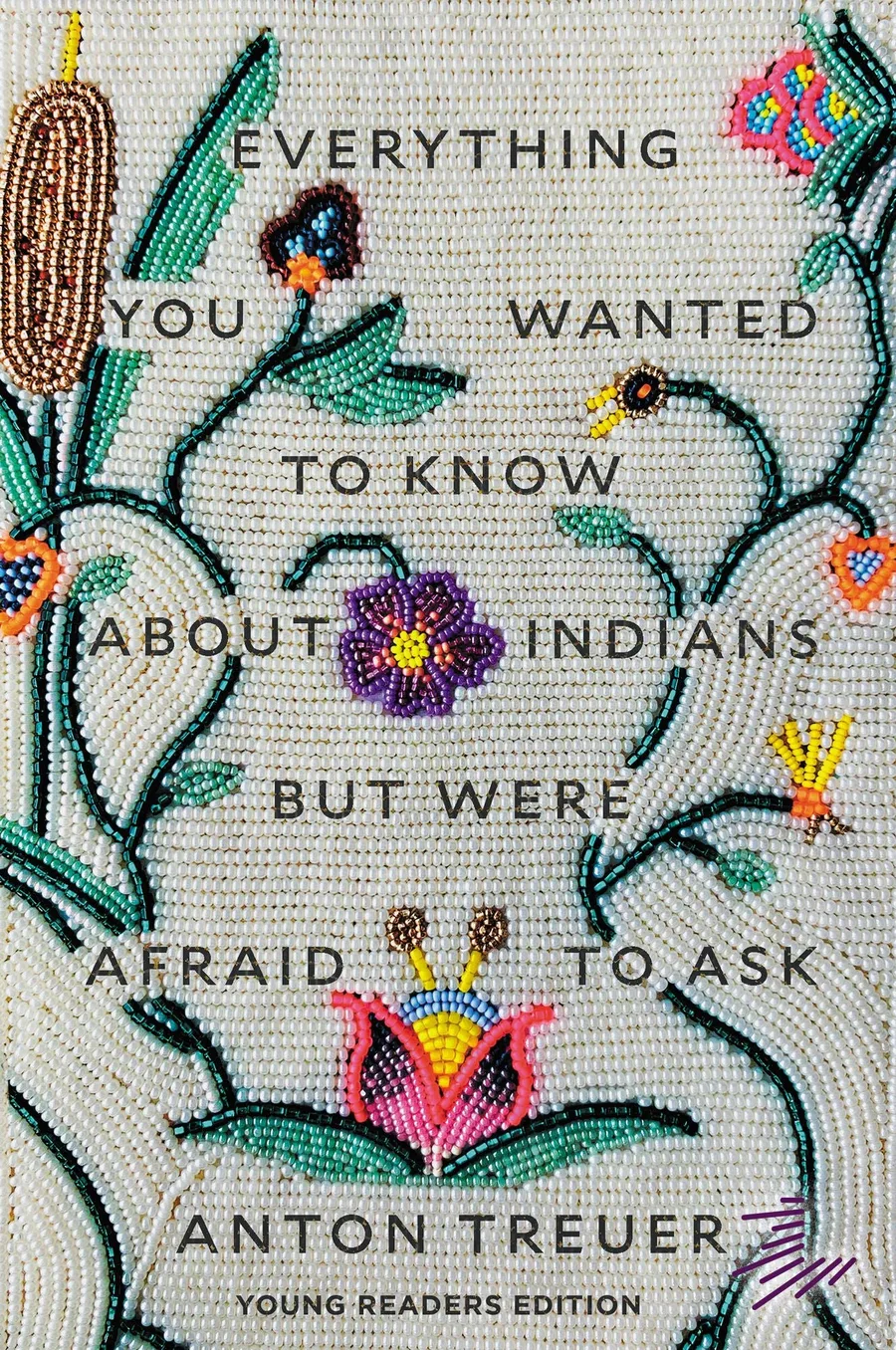 Everything You Wanted to Know About Indians but Were Afraid to Ask: Young Readers EditionAnton TreuerIt may not be absolutely everything teens want to know, but this look at Native identity, history, culture, and experience through a series of questions and responses is incredibly comprehensive and engaging. Author Anton Treuer, a professor of Ojibwe, begins by making clear Native experience, identity, and opinion is varied, not monolithic, even as there are also some commonalities both before and as a result of colonization. He also notes he cannot speak for all Native people, and is clear when he is moving beyond fact and sharing his own opinion, as he does when talking about his belief in the importance of preserving and revitalizing Native languages. The many questions contained in this volume of interest to both Native and non-Native readers are divided into sections titled “Terminology”; “History”; “Religion, Culture, & Identity”; “Powwow”; “Tribal Languages”; “Politics”; “Economics”; “Education”; “Social Activism”; and “Perspectives.” Treuer’s dynamic responses are peppered with specific examples rooted in individuals’ experiences. He is sometimes wry, sometimes blunt, but always invites thoughtful consideration as he addresses the complexities embedded within almost every question. The Table of Contents helpfully lists each individual question under its section heading. An index is also part of this welcome adaptation of a book originally published for adults, and updated here to reflect recent events, such as the Standing Rock protests, and social justice movements such as Black Lives Matter.Contemporary People, Places, and EventsView book details
Understanding Oneself and Others
9 selections
 Disability Visibility: 17 First-Person Stories for Today: Adapted for Young AdultsAlice WongEssays adapted from an edition originally published for adults feature a diverse group of disabled advocates and writers. Voices across race, sexuality, and gender invite readers into their personal stories and perspectives. Maysoon Zayid describes how cerebral palsy technically exempts him from fasting for Ramadan, but that he did so anyway for several years until his shaking reached the point he realized it was no longer safe. Now he reminds Muslims to respect fasting differences and individual choices. Shoshana Kessock describes the intersection of her work as a writer with her bipolar disorder, and Jamison Hill discovers love and empathy with a woman who also has myalgic encephalomyelitis. Grouped in four sections titled Being, Becoming, Doing, and Connected, this collection offers an exceptional range of voices. (Age 12 and older) Fleming, Crystal M. Rise Up! How You Can Join the Fight against White Supremacy. Henry Holt, 2021. 230 pages (978-1-250-22638-9) “I want to take a moment now to check in with you and ask how you might be feeling. Have you noticed any feelings of discomfort while reading this chapter? If so, don’t worry—it’s perfectly normal to feel uncomfortable addressing racism.” This inviting tone is one of the hallmarks of a work that grounds readers in essential history to better understand how what happened in the past has shaped where we are today with regard to racism. The author is mindful of the many ways readers might feel, depending on their identity and experience to-date, and often shares personal examples of her own journey and ongoing learning. A work that addresses racism’s impact on people across various racial and ethnic identities includes chapters on unlearning racism, the origins of white supremacy, Native displacement and genocide, slavery, immigration policies, and the legal system, as well as racist images, and sports. A final chapter, “How You Can Change the Racial Future,” begins by looking at the racial disparities of the current pandemic before moving onto action ideas. Lengthy source notes and an index concludes this work that strives to welcome all readers into understanding and taking action.Understanding Oneself and OthersView book details
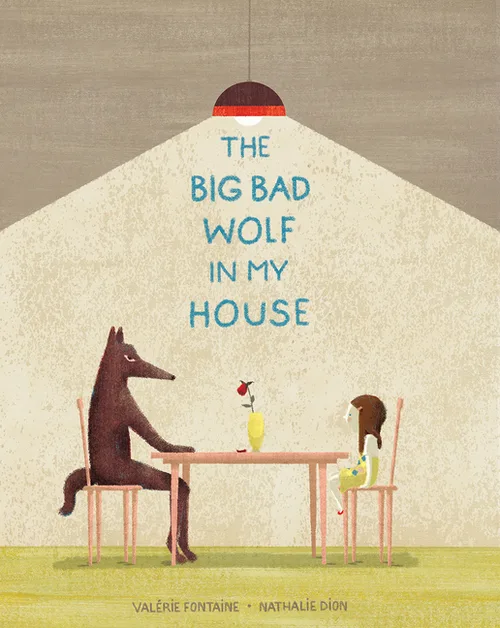 The Big Bad Wolf in My HouseValérie FontaineThe young white girl narrating this somber story lives with her mom and the big bad wolf, her stepfather. He howls at her mom and hurts them both. “When he left finger marks on my arm, I had to cover them up with long sleeves, even when it was hot out.” The blankets she gathers around her head to block out the sounds of yelling and breaking are as useless as a pile of straw; her bedroom door is a barrier of wood he ignores. Finally, she builds a fort of bricks around her heart and closes her eyes. “My eyes opened the day my mother handed me a suitcase filled with my things. ‘We’re leaving,’ she said.” It’s a moment of such relief. The house they go to has a nice woman to welcome them, and a kitchen full of other mothers and other children. “But no wolves.” This affecting story about domestic violence and child abuse uses obvious metaphors— including the stepfather illustrated as a literal wolf in the muted gouache and digital illustrations. The girl’s voice quiet voice is riveting, while the story’s lasting impact is its sense of hope.Understanding Oneself and OthersLexile Text Measure AD510LATOS Book Level 3.4View book details
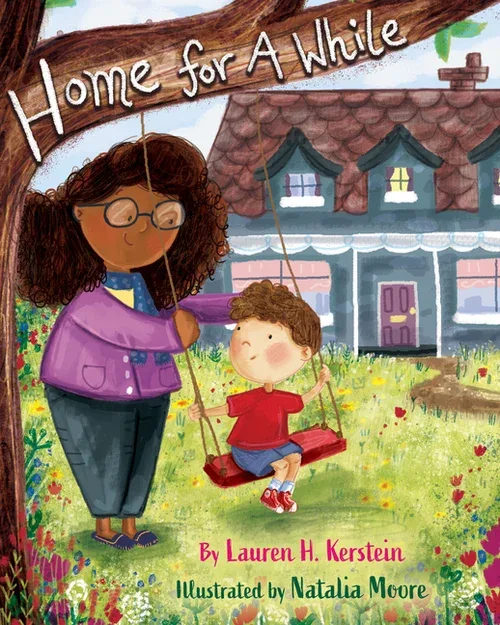 Home for a WhileLauren H Kerstein, illustrated by Natalia MooreCalvin, a curly-haired white boy, has just arrived at a new foster home with Maggie, a Black woman. This is clearly not the first foster home he’s been in, and Calvin has learned that no one ever wants him to stay very long. He’s angry and frequently acts out, breaking things. Each time, Maggie expresses her displeasure, but they both take some deep breaths together before Maggie suggests something to redirect his angry energy. Each night at bedtime she asks, “May I hug you goodnight?” and Calvin responds, “Nah.” After a while, although he’s still rejecting her hugs, he asks her why she wants to hug him, and each time Maggie responds with a characteristic she’s noticed about him that day: “Because you’re as persistent as a beaver pounding sticks into his lodge.” “Because you’re like a superhero protecting the world.” Slowly, Calvin learns he can trust Maggie, and at the end, he’s the one asking Maggie if she’ll hug him goodnight. This story’s strength lies in its realistic depiction of a child entering a foster home; it doesn’t end with Maggie adopting him. In fact, at one point in the story, Calvin looks at a photo of himself with his mother, and he clearly loves her. The text doesn’t why the mother is unable to care for her son; that openness will make it applicable in many foster-care situations.Understanding Oneself and OthersLexile Text Measure AD500LATOS Book Level 3.3View book details
 The Other Talk: Reckoning with Our White PrivilegeBrendan Kiely, introduction by Jason ReynoldsWhite author Brendan Kiely uses stories from his own life and learning as springboards to talk about white privilege and racism. His decision to share his own experiences, including events he’s witnessed, missteps he’s made, and adult reflections on events from his young adulthood, are among the things that make this work so accessible and relatable. Kiely doesn’t lecture, he shares, inviting readers to consider the ways race impacts how we are all perceived and treated, and how racism shapes those perceptions and much of that treatment for people who are not, or not perceived as, white. Throughout he references various studies and statistics, all of which are cited in the end matter, which also includes a bibliography for further reading. In his author’s note, Kiely expands on the discomfort he feels in being a white person writing about racism— something he’s never experienced—as well as the importance of white people working to combat racism and listening to and learning from those who are Black, Indigenous, and People of Color.Understanding Oneself and OthersView book details
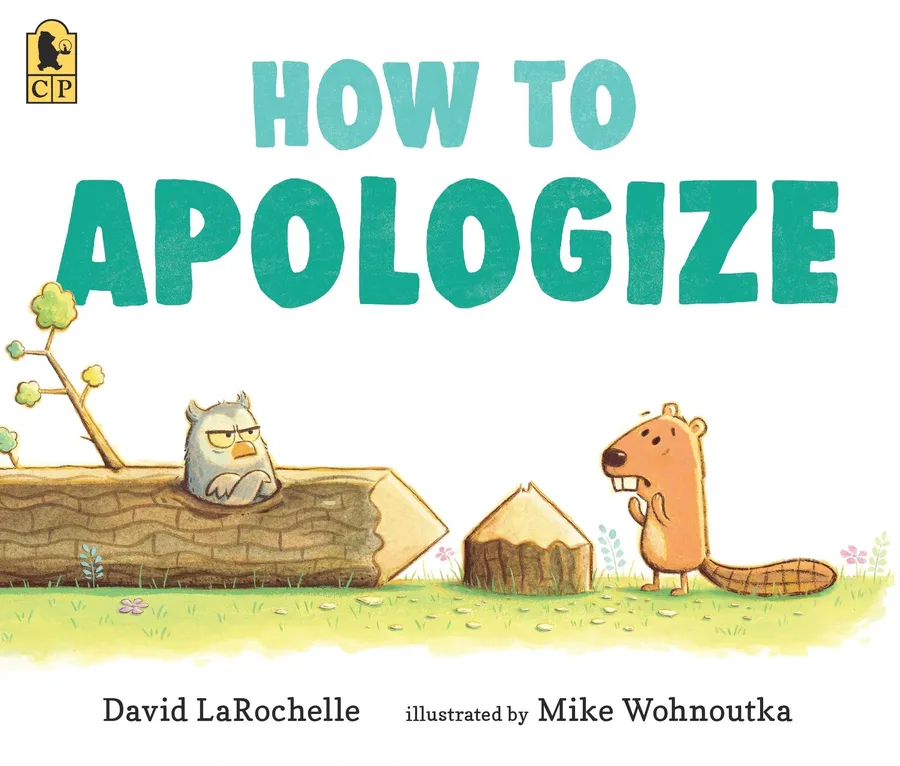 How to ApologizeDavid LaRochelle, illustrated by Mike WohnoutkaAnthropomorphic animals with comical expressions are featured in this lighthearted yet sincere picture book about the importance of apologizing. “Everyone makes mistakes … And when you’ve made a mistake that has hurt someone or something, the right thing to do is apologize.” From the goggles-wearing, parachuting bird that’s crashed through the ceiling of a bubble-bathing alligator’s bathroom to the skateboarding hippo that’s accidentally upended a bucket of water onto a small dog, the humor of each scene makes the lessons go down easily in a picture book that acknowledges several truths about apologies: they can be hard to do but they’re always important, “even if that person owes you an apology too”; it’s never too late for an apology; and apologies should be genuine and sincere (funny examples of insincere apologies are helpfully provided). Learning to say “I’m sorry” has never been so much fun.Understanding Oneself and OthersWord Count 375View book details
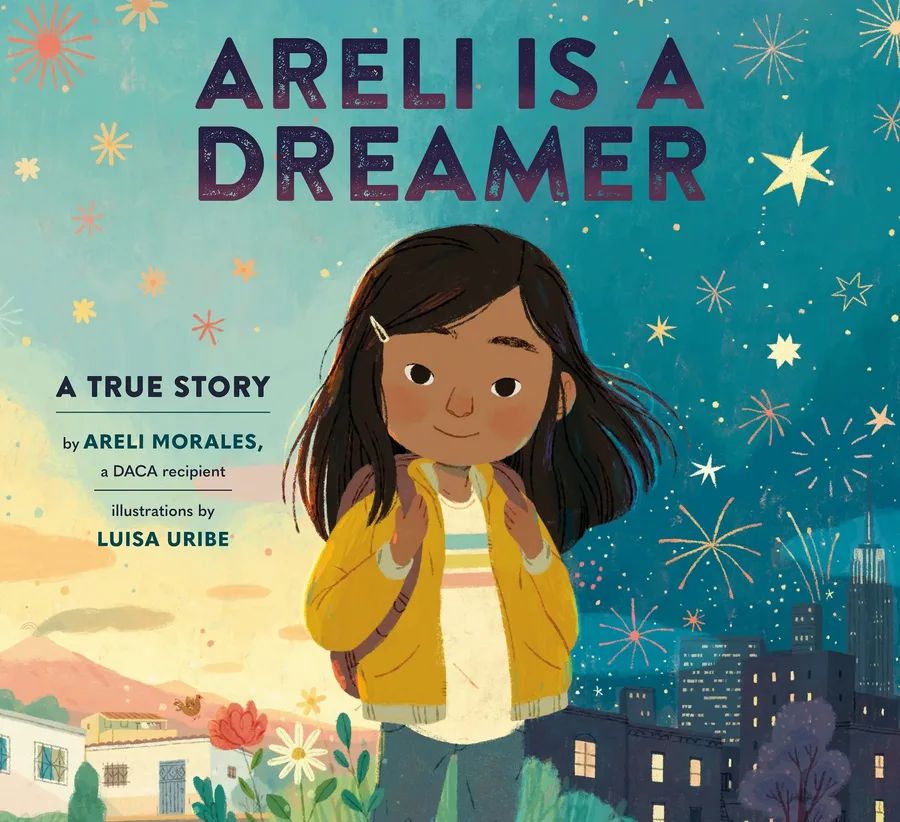 Areli Is a Dreamer: A True StoryAreli MoralesAreli and her brother, Alex, live in Mexico with Abuela. Every Sunday they speak on the phone to their mama and papa, who live in the United States. Soon Alex moves to New York City to live with their parents, too; eventually, it’s Areli’s turn to join them. Leaving Abuela, her cousins, and friends isn’t easy for Areli; adjusting to life in the United States isn’t, either. One day a classmate calls her “illegal.” “I’m not against the law!” Areli insists when her mom explains what the word means. Her mom assures her that she isn’t, but also explains that Areli isn’t a U.S. citizen. Areli is afraid she’ll be taken back to Mexico and understands that she can’t tell anyone. As time passes she learns English, makes friends, and grows accustomed to the city. A fifth-grade class trip to Ellis Island helps Areli see that her own story of coming to America is part of something bigger, and she feels certain her future is bright. In a note that precedes the story, author Areli Morales explains that she was a DACA (Deferred Action for Childhood Arrivals) recipient in 2013, “finally able to come out of the shadows.” This straightforward, emotionally honest story about one undocumented immigrant child’s experience is set against digital illustrations in muted tones on matte pages.Understanding Oneself and OthersLexile Text Measure AD550LATOS Book Level 3.1View book details
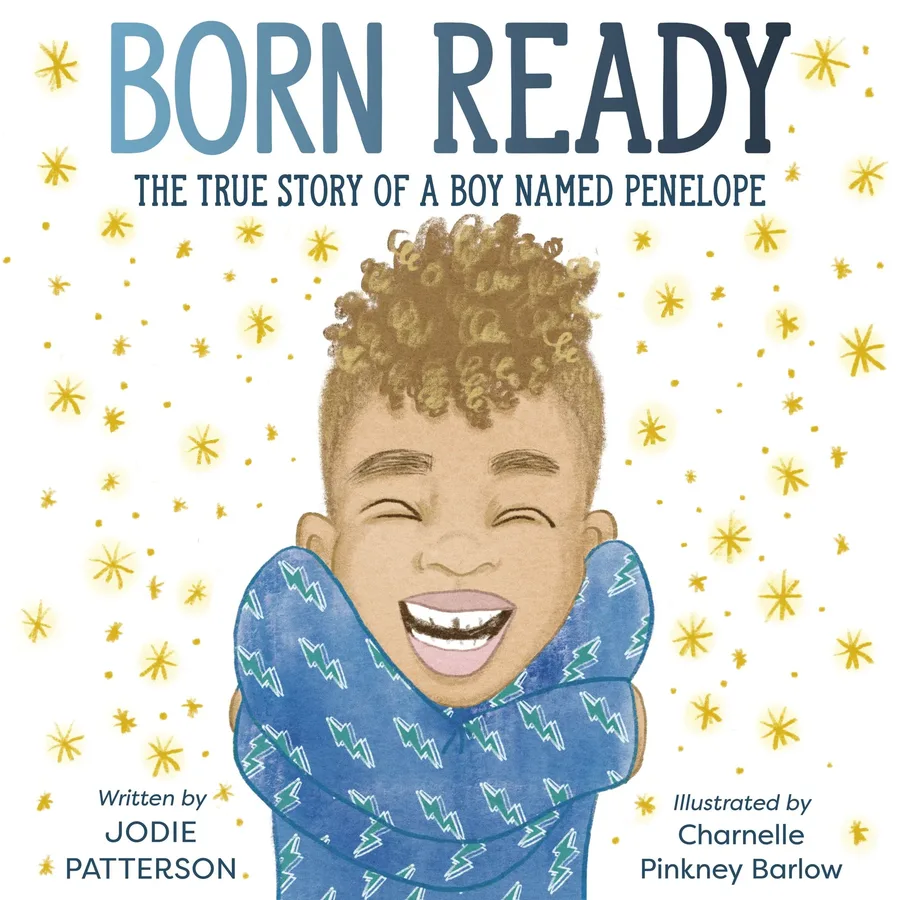 Born Ready: The True Story of a Boy Named PenelopeJodie Patterson, illustrated by Charnelle Pinkney BarlowPenelope is sure of two things: He’s a ninja, and he’s a boy. The rest of the world—including his parents, two brothers, and sister—all see him as a girl. But he knows deep inside that he is a boy, one who’d very much like to wear high tops, baggy jeans, button-up shirts, and a Mohawk haircut. He’s a boy who likes skateboarding, karate, math, and science, and when the world doesn’t see him as he is, he sometimes acts out in anger and frustration. When Penelope finds the courage to tell his mom, she helps him tell the rest of the family, as well as his classmates and principal. Everyone accepts who Penelope is right away, and that’s one of the things that makes this picture book about a five-year-old trans boy unusual (and quite welcome). Penelope and his family are African American, and so are his principal, his karate teacher, and most of his school friends. The first-person voice of the narrative pulls readers into the story, while textured digital illustrations show the contrast between the way the world initially sees Penelope and the way he sees himself moving through it.Understanding Oneself and OthersView book details
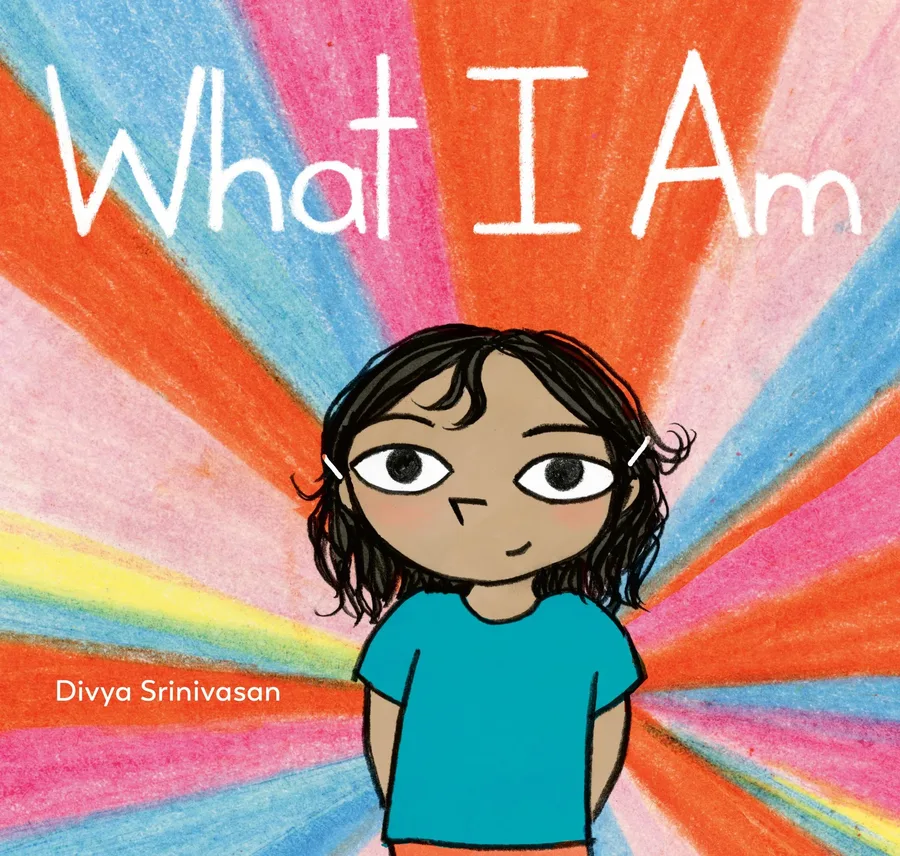 What I AmDivya SrinivasanThe young brown-skinned girl narrating this picture book starts by explaining she was once asked the question “What are you?” and didn’t know how to answer, but kept thinking about it. Across these pages the girl provides an answer that is as complex and multifaceted as she is. “I am a girl. I am human. I am a human animal,” she begins. She goes on to make additional statements about many other aspects of her identity, such as who she is in relation to others—daughter, granddaughter, “Amma to my guys [stuffed animals]”; dark-skinned in comparison to some, pale in comparison to others. She is someone who loves animals but is nervous around them; who might be an artist even if she doesn’t win an art competition; who can be selfish or generous, mean or kind, scared or brave depending on the situation. Eventually she also says, “I am an American. I am Indian.” An eloquent concept, simply stated, captures the complex and sometimes contradictory identities that are part of being any child, and part of being human. Illustrations created with pencil, watercolor, and Photoshop provide a cheery accompaniment to an upbeat story that concludes with an author’s note addressing what many readers will implicitly understand: The question “What are you?” is often asking about race, and is both rude and invasive.Understanding Oneself and OthersView book details
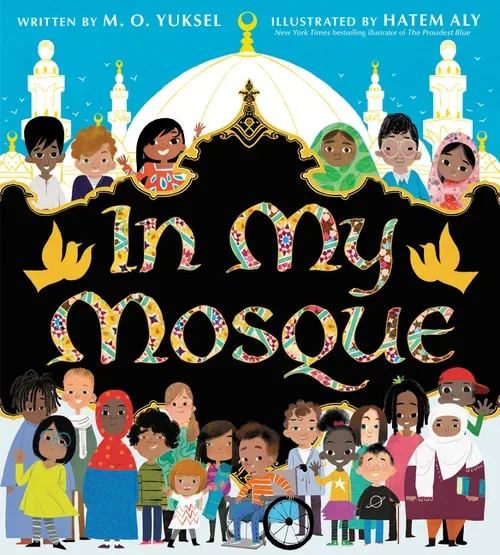 In My MosqueM. O. YukselFictional children at the same mosque share observations about attending mosque, providing information on religious practice as well as child-centered details of the experience. “In my mosque, we line our shoes in rows like colorful beads before stepping inside. I wiggle my toes and sink into the silky-soft carpet … the muezzin’s melodious call to prayer echoes in the air … aunties’ hijabs sway like a sea of flowers as we move through our prayers.” Digital illustrations incorporating background textures and suggesting mosaic patterns show racially diverse boys and girls of various ages. Segregated by gender during prayers, they form a joyful, inviting group at volume’s end: “You are welcome in my mosque.” A glossary and information about mosques, including a list of famous and historical mosques worldwide, are included.Understanding Oneself and OthersView book details
The Arts
11 selections
 Make Meatballs Sing: The Life & Art of Corita KentMatthew BurgessA vibrant picture-book biography celebrates the life, passions, and unique creativity of Corita Kent. Born Frances Elizabeth, Kent, a white woman, surprised family and friends by becoming a Catholic nun—Sister Corita—at a young age. First assigned to teach elementary school students, Kent found her artistic stride as a faculty member in the art department at Immaculate Heart College. Her artistic approach could be summed up in a word of her own coining: plork, a portmanteau of “play” and “work.” Kent found art and inspiration in everyday signs and objects and encouraged her students to look closely at the world around them. Passionate and bold, she created colorful prints that shouted for justice, peace, and unity and attracted the disapproving eye of the Catholic Church. After three decades as a nun, Kent was released from her vows upon request. She continued to inspire through art for the rest of her life; her work includes an enormous rainbow splashed across a gas tank in Boston, and her well-known rainbow “Love” stamp. Illustrations reminiscent of Kent’s style, bursting with bold colors, collage, and large geometric shapes, complete this lively tribute.The ArtsView book details
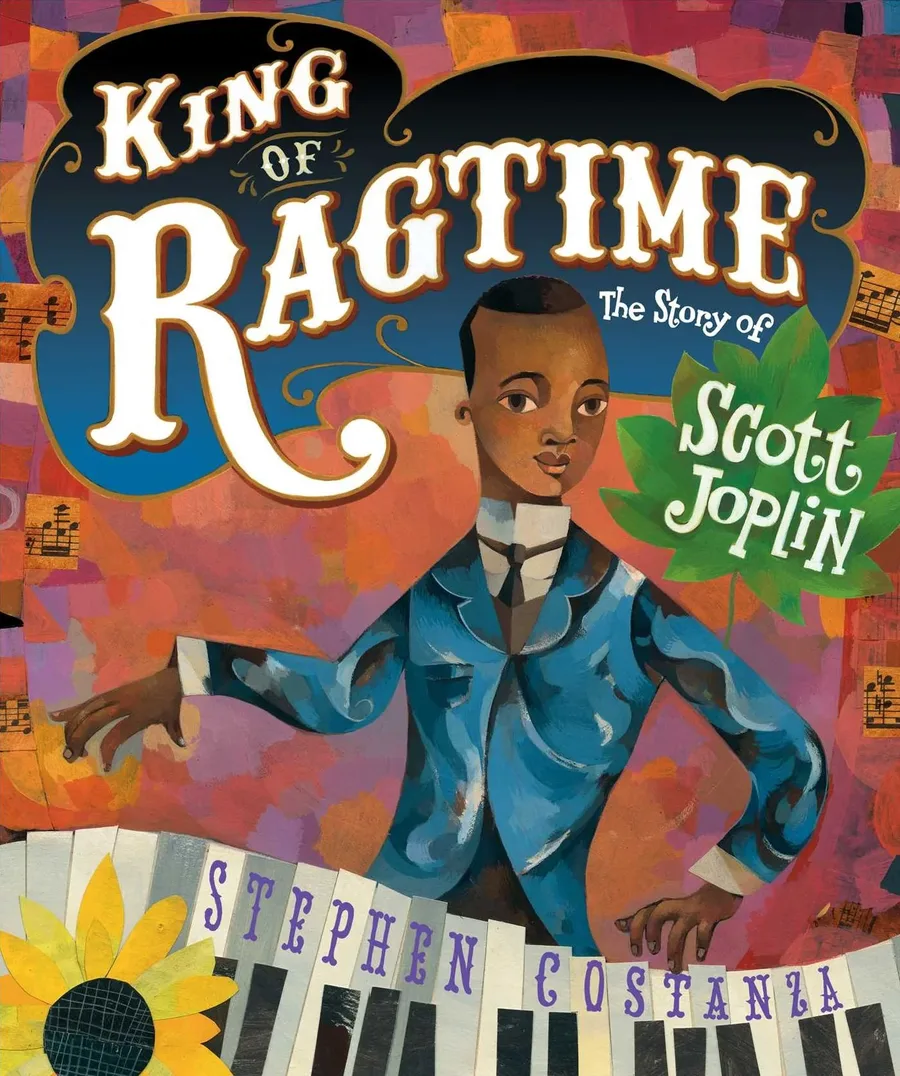 King of Ragtime: The Story of Scott JoplinStephen CostanzaA spirited picture-book biography of composer Scott Joplin blends lively writing with colorful, distinctive illustrations in gouache, wax pastel, and collage. Joplin was born in the Texas Red River Valley to formerly enslaved parents. Growing up in a musical family, Joplin played the cornet before seeing his first piano. Even before he had lessons he was plinking out songs. With “music bubbling inside him,” he left Texas as a young man, eventually making his way to Chicago, where he first heard ragtime. “The music went round and round in his head.” A job as a piano teacher in Missouri and as a pianist at the Maple Leaf Club, and time in college where he learned to compose, preceded his first ragtime composition, “Maple Leaf Rag.” He went on to compose other ragtime pieces, operas, and ballets. The author’s obvious appreciation of Joplin carries into the lengthy and informative author’s note.The ArtsLexile Text Measure AD930LATOS Book Level 6.1View book details
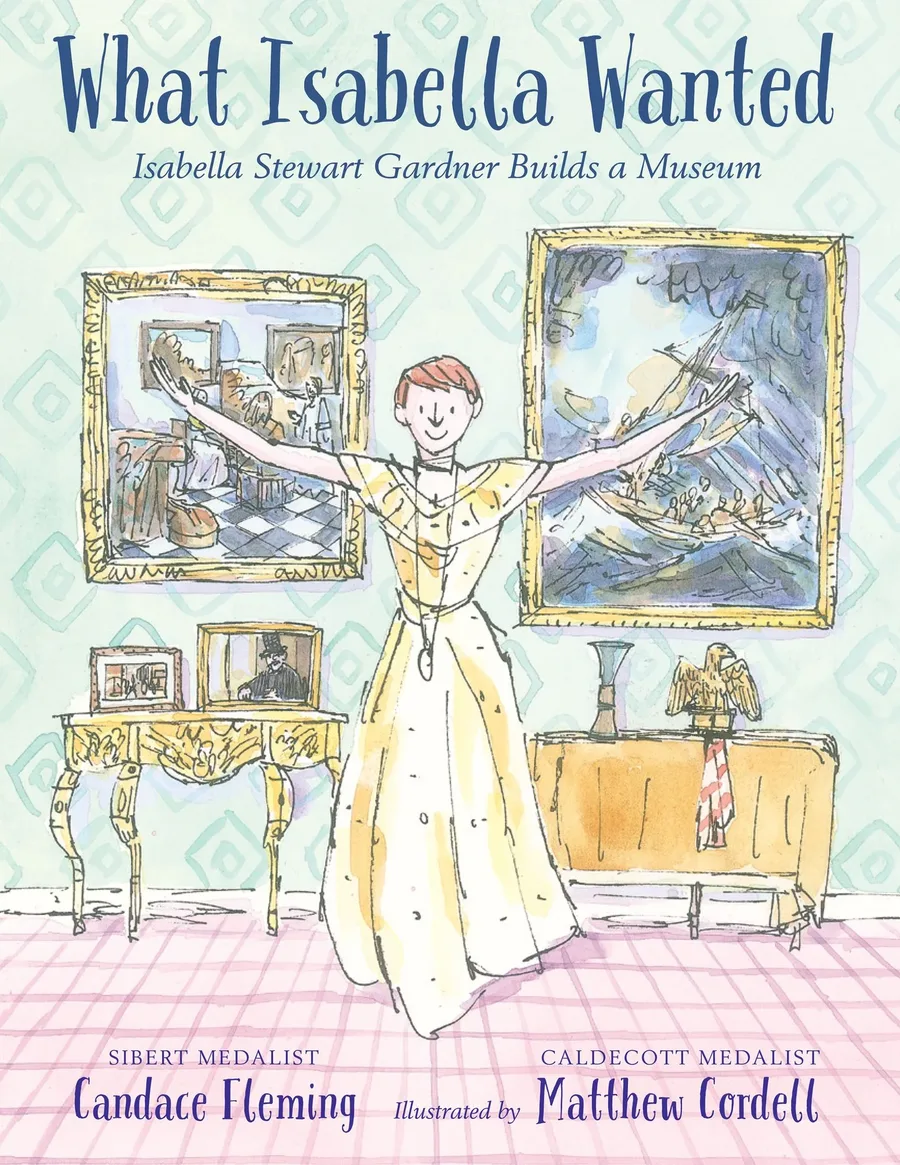 What Isabella Wanted: Isabella Stewart Gardner Builds a MuseumCandace Fleming“It all began with Isabella—brash, extravagant Isabella…” This account of Isabella Stewart Gardner and the collection she amassed, creating what is now the Gardner Museum in Boston, pairs an engaging narrative with clever, sometimes comical art and design. Gardner was an eccentric woman whose wealth and personality and privilege made her used to getting what she wanted, and when it came to art, she wanted a lot. Her tastes were broad and eclectic, and she had the resources to acquire whatever she desired by means both above-board and of questionable ethics (this was a time when many countries were beginning to put a halt to their art treasures going overseas). She put her treasurers on display in a mansion she had built as a museum, with her living space on the top floor, organizing the collection in a way that made sense to her, if few others. When she died in 1924, she bequeathed it to the public as long as nothing was rearranged. And nothing was, until thieves made off with some of the treasurers in 1990; they remain lost. An author’s note provides more on Gardner, the museum, and the unsolved theft in this picture book further enlivened by whimsical pen-and-ink and watercolor art and its dynamic design.The ArtsView book details
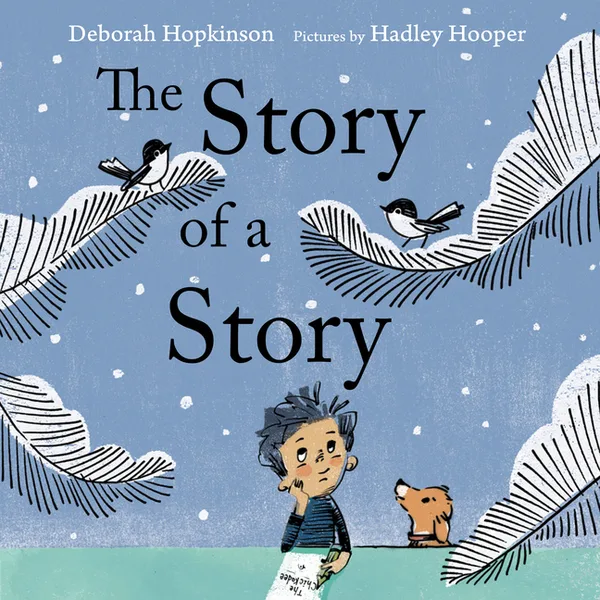 The Story of a StoryDeborah Hopkinson, illustrated by Hadley HooperA second-person narrative leads a brown-skinned boy through the preliminary stages of writing a story. Much of the book focuses on the difficulty of coming up with an idea for a story, showing the boy becoming more and more discouraged. When he notices a chickadee outside his window at a winter bird feeder, an idea slowly takes shape. His observations of the bird also serve as a metaphor for writing a story, as he watches the determined bird pick at one seed, carry it to his nest to eat, then come back for another seed, over and over, until it’s had an entire meal. An author’s note at the end encourages children to think about what the boy’s story, entitled “The Chickadee,” might say, breaking it down into The Beginning, The Middle and The End. There’s a brief description of each part of a story, including three writing prompts for each section, e.g. “The chickadee loved sunflower seeds, but whenever … ” The concise text offers both information and encouragement.The ArtsView book details
 When Langston DancesKaija Langley“Langston liked basketball, but he adored ballet.” It was an Alvin Ailey dance concert that sparked Langston’s passion. He begins practicing in front of the mirror while he waits for his first dance class. On the day he arrives at the studio, he passes a tap class, an African dance class, and a hip-hop class before arriving at ballet, where Ms. Marie, the teacher, is calling out “First position.” The line of students, all girls, move their feet into a V. Standing in the doorway, in the red basketball uniform he’s donned for his first lesson, Langston does the same. When Ms. Marie finds him a pair of dance shoes, Langston leaps joyfully across the room after putting them on. “You must work very hard to be a ballet dancer,” Ms. Marie tells him. “I will,” Langston replies. And in the final two images, showing an older Langston dancing, it’s clear he does. A book that focuses on a young Black boy’s passion for dance is set against digitally rendered, realistic illustrations that amplify his joy in every movement.The ArtsLexile Text Measure AD580LATOS Book Level 3.6View book details
 The People’s Painter: How Ben Shahn Fought for Justice with ArtCynthia LevinsonPainter Ben Shahn used his art to tell stories about people who were outsiders in America, such as immigrants, prisoners, and Jews like Shahn himself. Born in a shtetl in Lithuania, he came to the United States as a child following his father’s imprisonment and eventual escape from Siberia for speaking out for fair pay for workers. As an immigrant, Shahn was bullied for being Jewish and struggled to learn English, but his talent for drawing was recognized. At age 14, he apprenticed to a lithographer, hand-lettering signs. He attended art school at night, but he wasn’t interested in creating landscapes; he wanted his art to reflect real people and their lives and experiences. In the 1940s and 50s, Shahn was accused of disloyalty to the government and questioned by the FBI because of his art. But he continued to depict the lives and work of activists, protesters, and ordinary people, which is why he came to be known as “the people’s painter.” Arresting illustrations in gouache, acrylic, pencil, chalk, and linoleum block print make a dramatic backdrop for this engaging account of Shahn’s life and work.The ArtsView book details
 Mornings with MonetBarb RosenstockA delightful look at artist Claude Monet at work on a single morning takes place well into his career. The already-famous artist’s day begins at 3:30 a.m. Why so early? Because Monet must be ready for the light. He must journey on the river to reach the flat-bottomed boat where he has 14 paintings in progress. And as the dawn breaks and the sun rises and the light moves and changes, he will work on one and then another in turn, always reaching for the canvas that matches the light of the moment. This glimpse into the artist at work would be fascinating on its own, but the story also dances with language and artfully integrates information about the Monet’s life and way of working across his career into the narrative. Acrylic and ink illustrations reflect the hues Monet was known for while also capturing the details of the artist at work. A substantial note about Monet, along with small photographs of several of his paintings and the boat on which he worked, are included in the end matter.The ArtsLexile Text Measure AD790LATOS Book Level 5View book details
 Unbound: The Life + Art of Judith ScottJoyce Scott, with Brie SpanglerAs young children in the 1940s, twins Judy and Joyce do everything together, “two peas in a pod.” All that changes when Joyce starts school. Judy, who is nonverbal, and has what is now known as Down syndrome, is not allowed to attend. One morning Joyce wakes up to discover Judy has been taken to live at a special school. Joyce’s sadness spans years. She visits Judy occasionally as a child; more often as an adult, making sure friends, her husband, her children know her sister. Eventually, Judy, whom Joyce is surprised to learn is also deaf, comes to live with her in California. Joyce arranges for Judy to attend the Creative Growth Art Studio in her community. There, Judy spends months without seeming to engage, until the day she begins to create. From that point on, she doesn’st stop. “For years, Judy wraps and weaves, creating fantastic, cocoon- like shapes filled with color … When she leaves this world, my sister is celebrated as a great artist. Her fame still grows.” This story of outsider fiber artist Judy Scott is also a very personal account, from Joyce’s perspective, of two sisters, “two hearts forever entwined.” Occasional use of outdated terminology, such as “special needs,” doesn’t diminish the power of Judy’s art or the sisters’ stories. The marvelous mixed-media artwork explodes with texture and form in the later pages as Judy begins to create her own art. Notes include information about Judy’s art, Down syndrome, and messages from the author and illustrator.The ArtsLexile Text Measure AD810LFountas & Pinnell Text Level TView book details
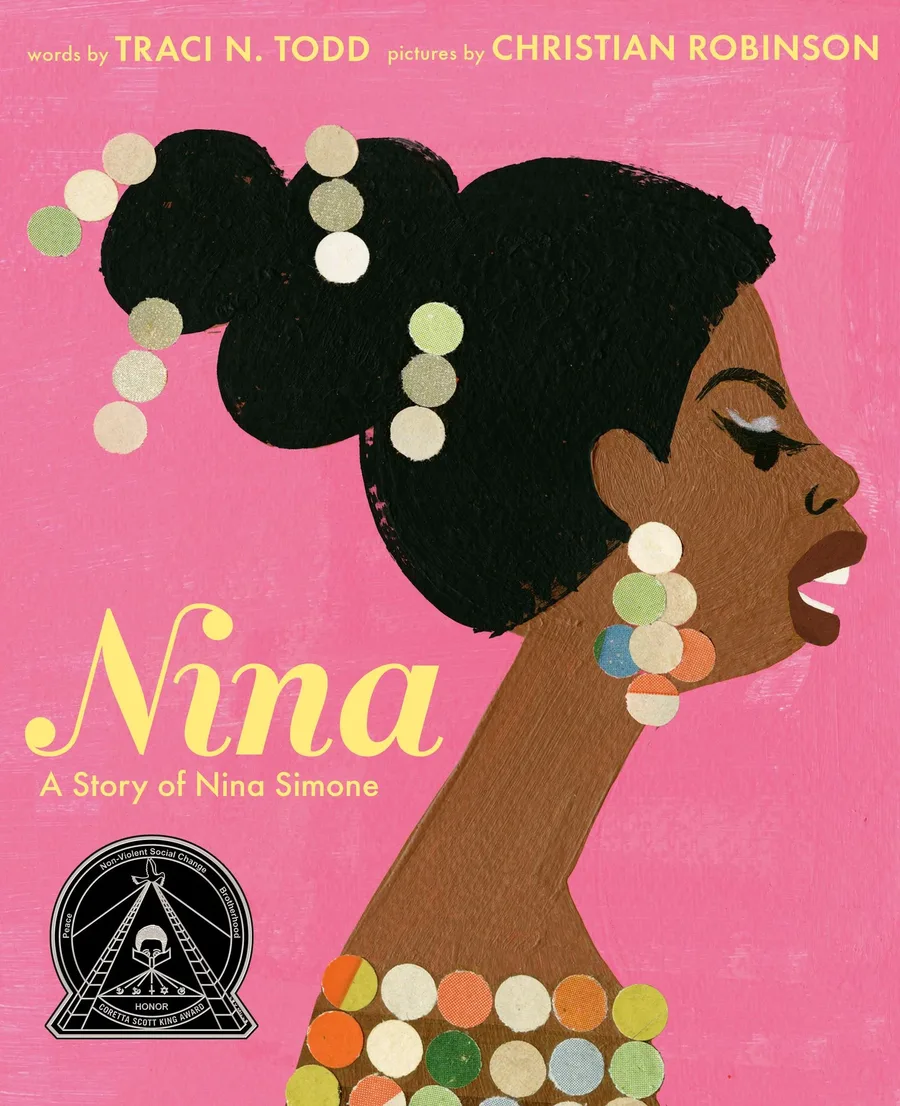 Nina: A Story of Nina SimoneTraci N. ToddNina Simone, born Eunice Kathleen Waymon, “wasn’t the first Waymon child, or the last, but she was the only one who sang before she could talk and found rhythm before she could walk.” Her father taught her jazz on the piano; her mother, who sang all the time, approved only of church music. Eunice was aware of racism from a young age; she once refused to play at a recital until her parents, made to relinquish their front row seats for a white couple, were given them back. After attending Julliard, she gave up music for a time, worried racism would stymie her career, but she couldn’t stay away. She changed her name to Nina Simone so her mama wouldn’t know she was singing in a nightclub. Her first record brought fame that she eventually channeled into a career dedicated to voicing the pain and struggle and joy of being Black in America. “Nina Simone sang the whole story of Black America for everyone to hear.” Writing that pulses with appreciation, along with dynamic illustrations created with acrylics and collage, make for an enlightening picture book about this singular activist entertainer. A lengthy biographical narrative is provided at volume’s end.The ArtsView book details
 Opposites AbstractMo Willems, illustrated by Mo WillemsA primer for thinking about art focuses on elements of 18 square, abstract paintings created by Mo Willems in colored ink and acrylic and presented in pairs of two. The paintings in each pair use the same color scheme, but other aspects of the two images are strikingly different, setting up “opposite” questions, one about each painting. A large black circle floats against a blackish gray background: “Is this dark?” A bright white circle sits on a background of solid gray: “Is this light?” Jagged, shard-like shapes in oranges and teals: “Is this broken?” Orderly patterns in the same color scheme: “Is this fixed?” The contrasting images and questions invite comparisons, too, as well as conversation and deep thinking about perception and point of view that can extend beyond the works and words themselves.The ArtsView book details
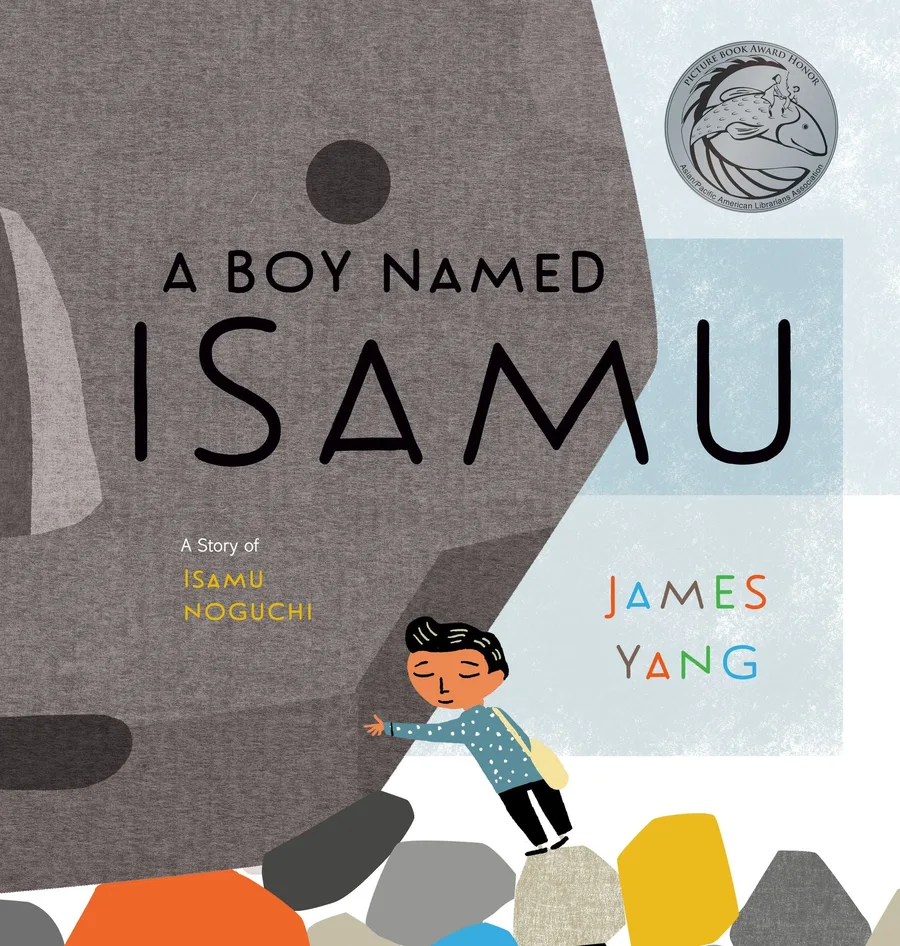 A Boy Named Isamu: A Story of Isamu NoguchiJames Yang“If you are a boy named Isamu … you find a secret place so you can look at the ocean and see the shapes of things.” A spare, eloquent second-person picture-book narrative imagines a day in the life of the Japanese American artist Isamu Noguchi when he was a child. Leaving the crowded market, Isamu wanders, and wonders. He asks questions about the nature of things (“How does fruit get its color?”) and notices—the fan blades of grass tossed in the air, the texture of stones, and shapes, especially shapes. As an adult, Noguchi was known for his sculptures of wood, paper, and stone, as well as landscape design. His observant way of being in the world and interacting with nature as imagined here is perfectly paired with understated illustrations.The ArtsATOS Book Level 2.5AR Interest Level Lower Grades (LG K-3)View book details
Poetry
6 selections
 Aquí era el paraíso: Poemas seleccionados / Here Was Paradise: Selected PoemsPatricia Aldana, illustrated by Amelia Lau Carling, Patricia Aldana, Hugh Hazelton“Deer, rabbits, / quetzals, doves, / lianas, flowers and low trees. / Ponchos of pure goat wool. / Woven in Momostenango. / Dreaming wrapped in them / is as if you were falling asleep / in the woodlands.” (“In the Woodlands”) Humberto Ak’abal was a Mayan K’iche’ Guatemalan poet who died unexpectedly in 2019. Although he was not a writer for children, many of his brief, beautiful poems are accessible to younger readers. This curated selection in Spanish and English is divided into 12 thematic sections that focus on elements of village and daily life, nature, indigenous identity and language, and more. Full-page, mixed- media illustrations reflecting the details of the poet’s themes appear at the introduction to each section.PoetryView book details
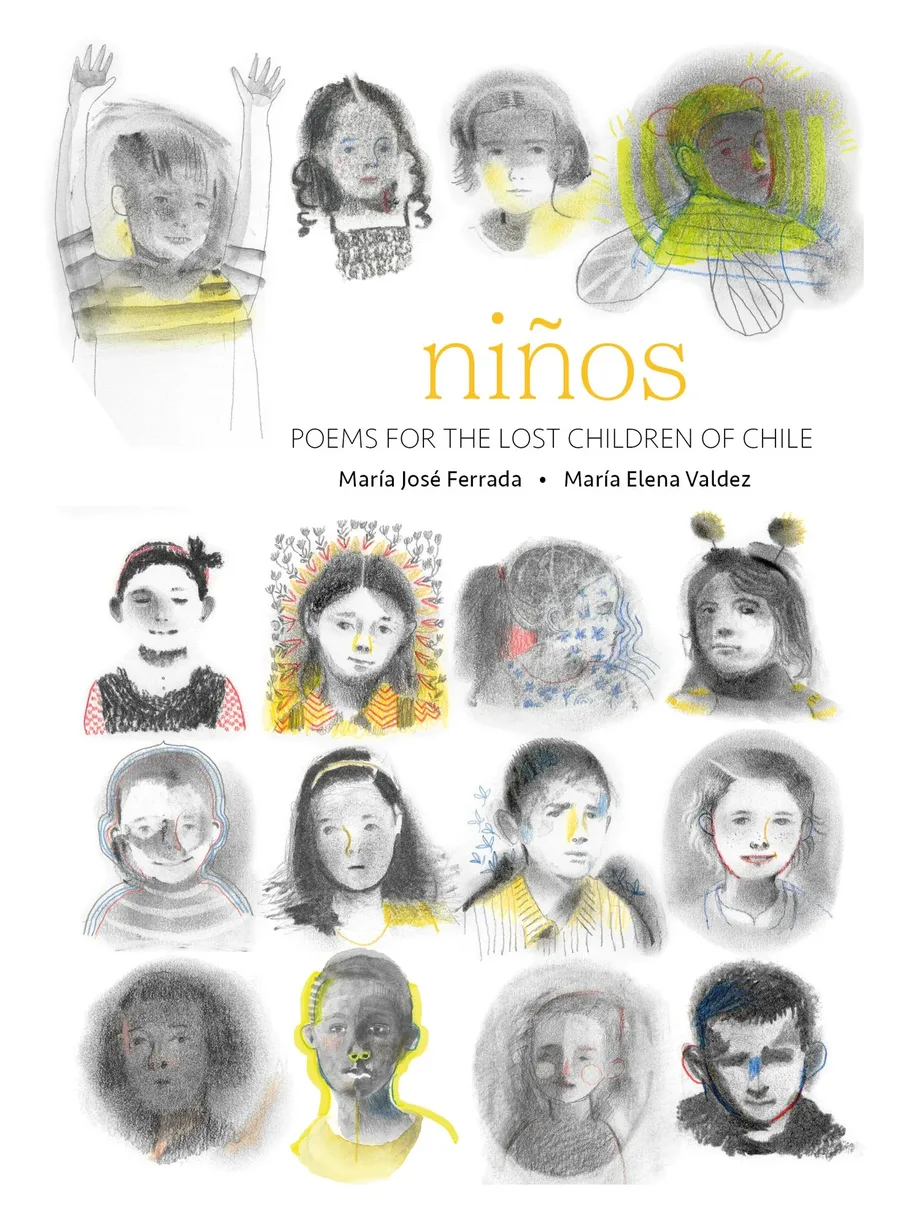 Niños: Poems for the Lost Children of ChileMaría José Ferrada“Every night she likes to watch how the lights she sees / from her window go out. / Because it’s like watching sunsets, / lightning bugs, / tiny lighthouses.” (“Susana”) “His mother called him ‘little bird.’ / And he likes the way that sounds. / Little bird.” (“Raúl”) An opening note provides the devastating context for this collection: During the 17 years of the Pinochet regime in Chile between 1973 and 1990, thousands were killed. “Among them were thirty-four children under the age of fourteen.” The 34 poems are memorials to each of them. The introduction notes that in these poems the children “play, dream, and listen to the voices of their mothers. Because that is what we think children should do.” A collection dedicated to these 34 children as well as children today who suffer under political violence is beautifully translated, and each poem is accompanied by a delicate, graceful illustration that reflects the joy of each life, which is also what these children deserve to be remembered for. Each child’s full name and age is provided at volume’s end.PoetryView book details
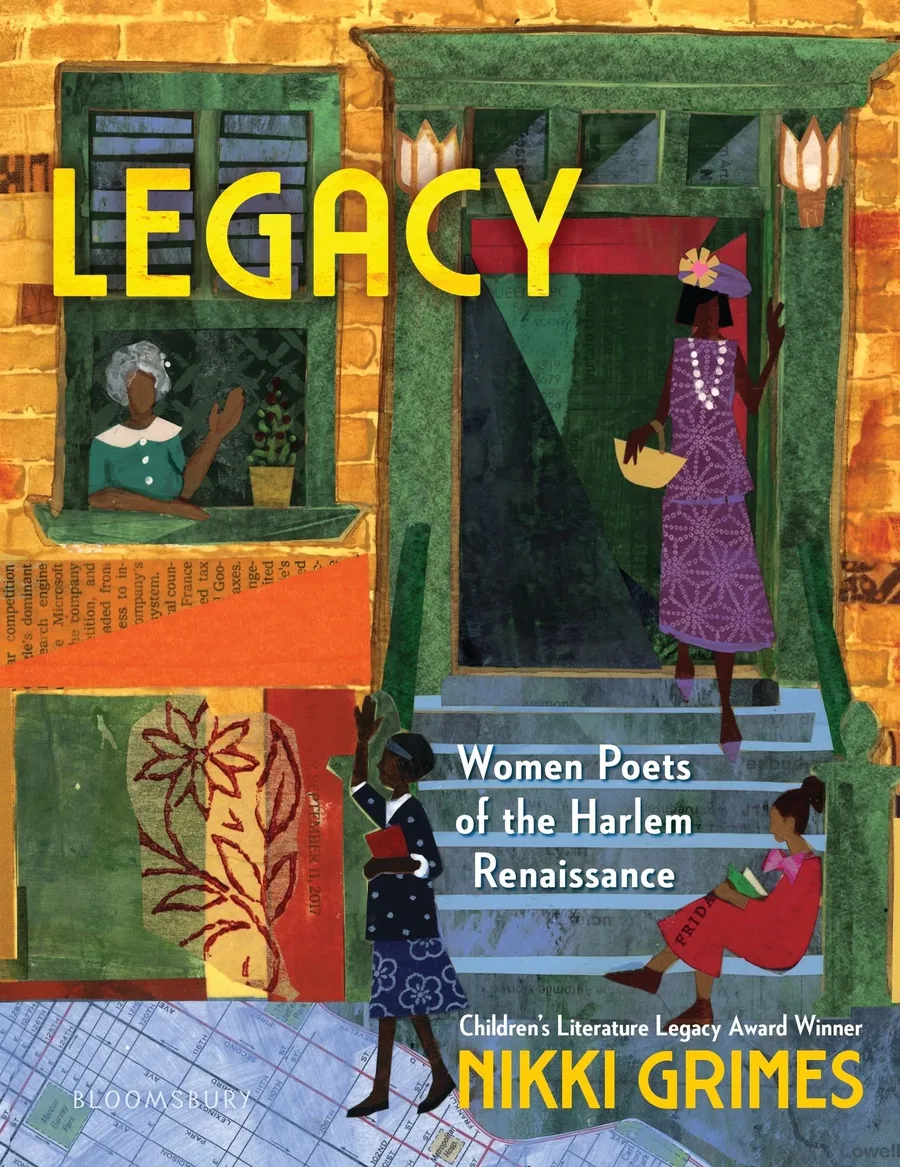 Legacy: Women Poets of the Harlem RenaissanceNikki GrimesGrimes focuses on women poets of the Harlem Renaissance to draw attention to these lesser known yet talented writers of that time, offering up a selection of poems that she in turns uses as inspiration for poems of her own. An introduction to the Harlem Renaissance is followed by an explanation of the Golden Shovel poetry form, which takes “a short poem in its entirety, or a line from the poem, called a striking line, and [creates] a new poem using the words from the original,” with one word coming at the end of each line of the new poem. Grimes uses this form as she pairs poems by women of the Harlem Renaissance with her originals, with the line of inspiration in the Harlem Renaissance poem and the appearance of those words in her new poem called out in bold. The poems, divided into sections titled Heritage, Earth Mother, and Taking Notice, are complex but accessible, beautiful and empowering, joyful and sorrowful, while the pairings make for turns and transformations that can surprise and inspire. Many but not all of the old and new poems are about Blackness, Black womanhood or girlhood, nature, or a combination of these. Nineteen Black women artists each interpreted one of Grimes’s poems in her own distinctive style, creating stirring visual images throughout the volume. Back matter includes short biographies of the Harlem Renaissance poets and the illustrators.PoetryView book details
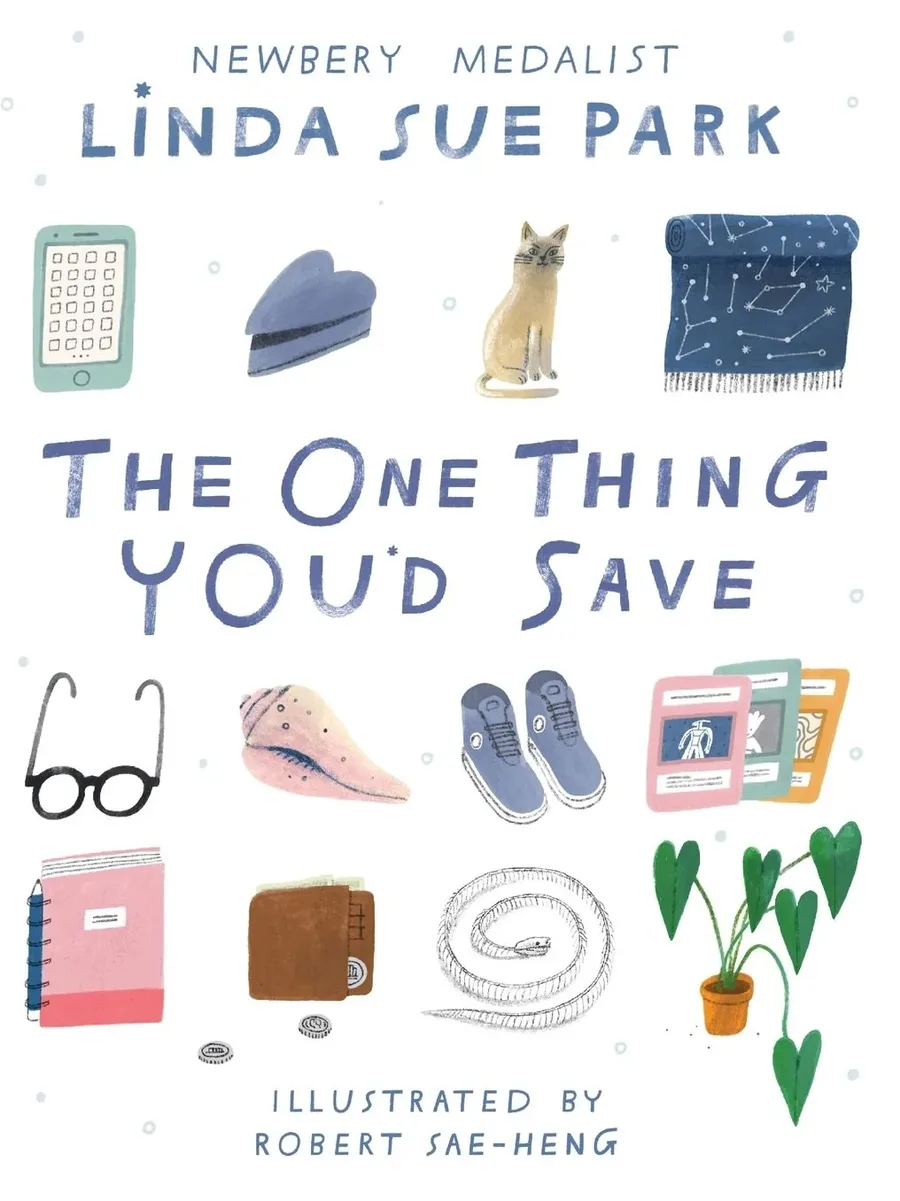 The One Thing You’d SaveLinda Sue ParkA book written in sijo, a 14th-century Korean poetic form, explores the things that matter to students in a (presumably) elementary classroom as they respond to a prompt offered by their teacher, Ms. Chang: Imagine your home is on fire and you’re allowed to save one thing (other than animals or humans, who have already been evacuated in this hypothetical situation). What would you save? Each poem, whether a monologue or dialogue, offers an answer. Responses vary widely, from the practical (glasses, wallet, Mom’s insulin) to sentimental (a sweater knitted by Grandma, a second-place science fair plaque, a program from a special baseball game). Ms. Chang weighs in with her own thoughtful answer. Unattributed dialogue provides a sense of conversation taking place in real time. Accompanying grayscale illustrations depict many of the treasured objects that students would save.PoetryView book details
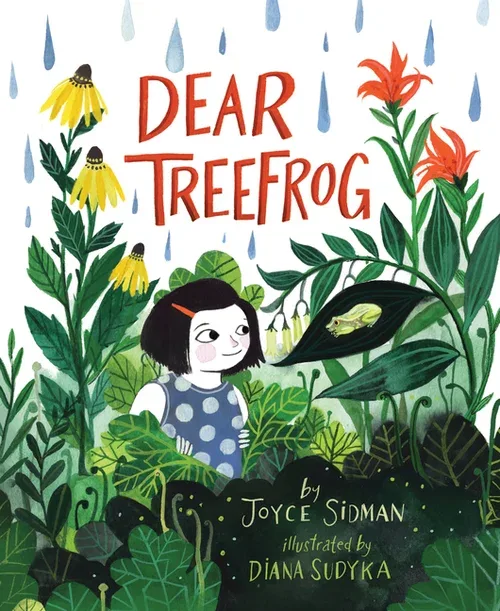 Dear TreefrogJoyce SidmanA girl recently arrived in a new home finds comfort and a kind of companionship from a treefrog in the garden. While the poems on each page focus primarily on the treefrog, readers can also follow the story of the light-skinned, dark-haired girl, who continues to observe the frog over the course of the next year. Her loneliness and trepidation at starting a new school in the fall are eventually replaced by a friendship with a brown-skinned child who shares her interest in the natural world and approaches it with the same careful calm. Accessible poems relay both facts and whimsical observations about treefrogs, supplemented with additional information on a final page. Gouache watercolor illustrations glow with vibrant shades anchored by the lush greens of the treefrog’s garden home.PoetryLexile Text Measure AD1100LATOS Book Level 7.7View book details
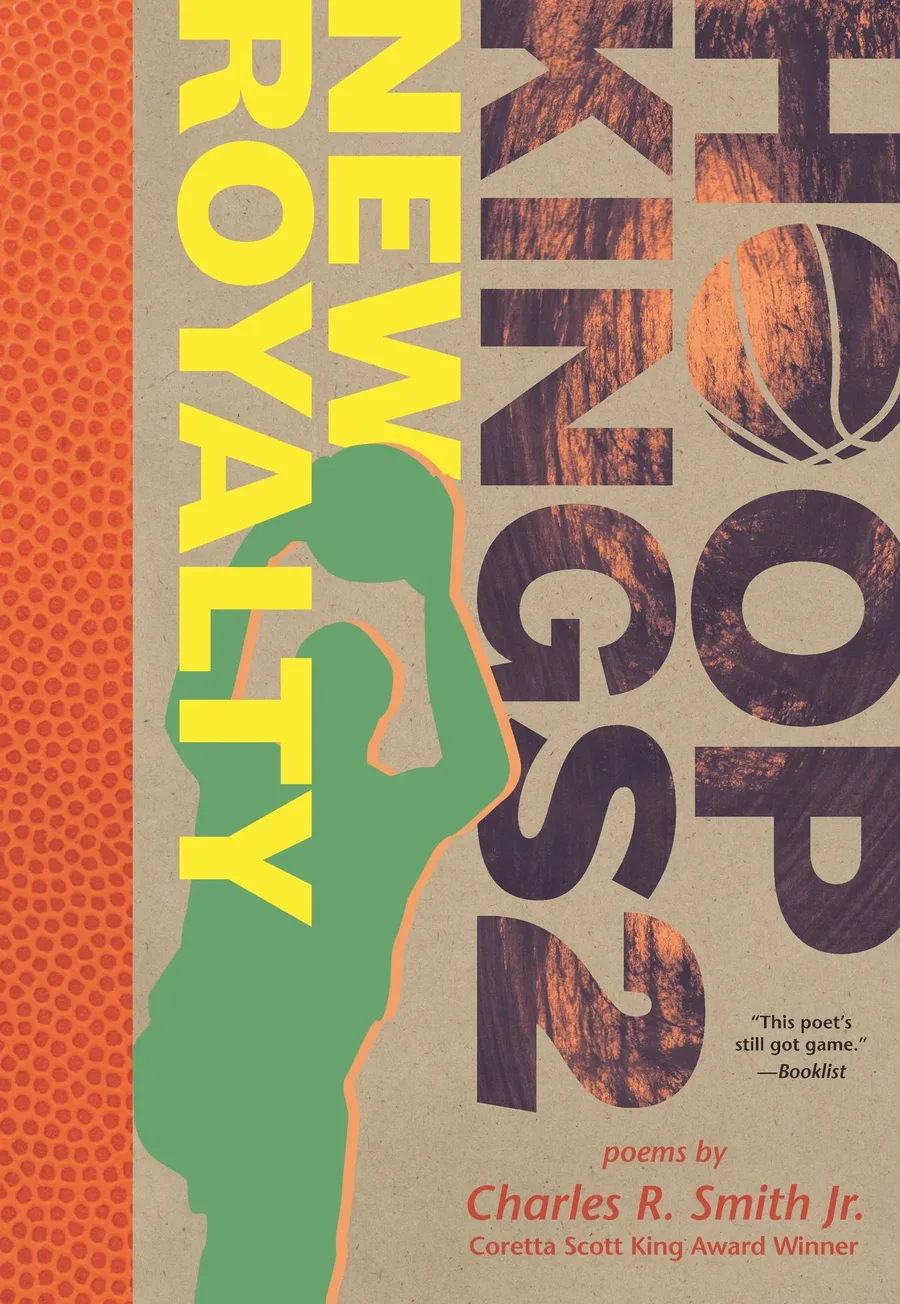 Hoop Kings 2: New RoyaltyCharles R. Jr Smith“Blessed by the gods / with warrior gifts, / a mortal rises to become / the Mighty Giannis.” (From “The Mighty: Giannis Antetokounmpo”). Unique talents of 12 current kings of basketball are celebrated in 12 poems paced and styled to reflect the energy of the game. “Step left / cross right / cross back / out of sight. / Past defenders / behind the back / take it strong / to the rack / defender falls / with a crack!” (From “The Amazing Kyrie: Kyrie Irving.”) A photo of the player in action accompanies each verse tribute, while “Poem Notes” at volume’s end tell what about each player inspired the author to include them in this energetic, energizing collection.PoetryView book details
Concept Books
5 selections
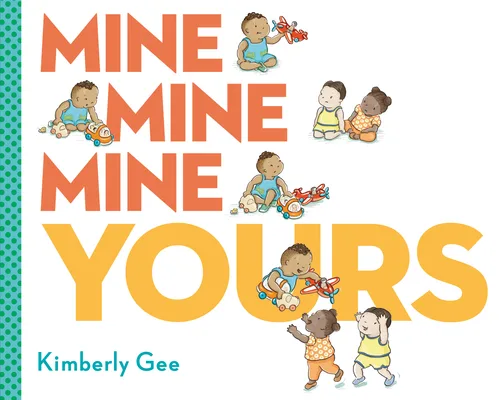 Mine, Mine, Mine, Yours!Kimberly GeeAn appealing book of opposites opens with an Asian mom and a Black mom showing up at the house of a Black dad with their toddlers in tow for a playdate. Their typical toddler activities are described with the same pattern of three repeated words, followed by one opposite word, e.g. “Hide hide hide … find. / Stop stop stop … go!” while spirited watercolor-and-ink illustrations show the friends playing on a slide, jumping around, sharing toys (or not), having a snack, and so forth. Throughout, the dad in charge of the playdate appears as a playful, guiding presence who is clearly comfortable with letting the toddlers be themselves.Concept BooksLexile Text Measure AD120LATOS Book Level 1.3View book details
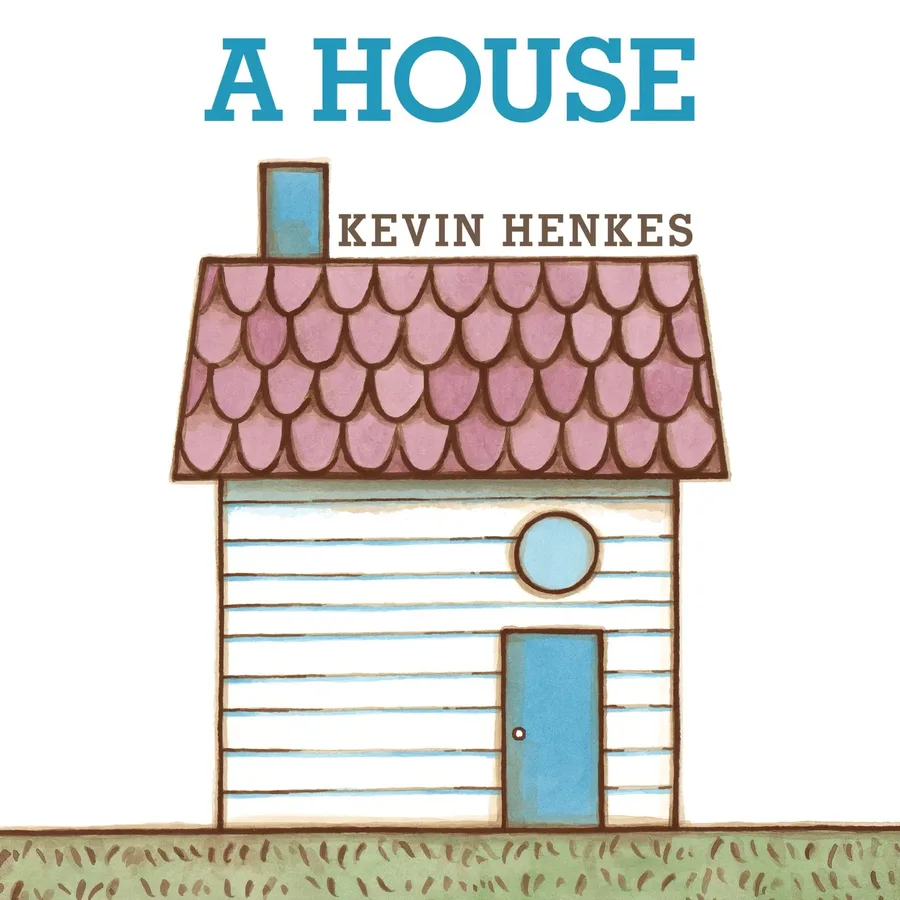 A HouseKevin HenkesPerfectly spare illustrations in a perfectly square book show the same house, drawn with strong lines and simple shapes, over and over at different times of day and in different seasons. The text continually addresses the child directly: “Where is the window? What shape is it?” “Where is the moon? Does it look like the window?” These questions ask children to apply their knowledge of basic concepts—shapes, colors, numbers, and comparisons. At the very end, a multicolored doll family enters the page and the house, and they appear to be toys, suggesting that all along we have been looking at a toy house. Ingenious in its simplicity and its invitation to young children to enter the story and use their minds, this is a comforting story that children (and their parents) will want to return to again and again.Concept BooksView book details
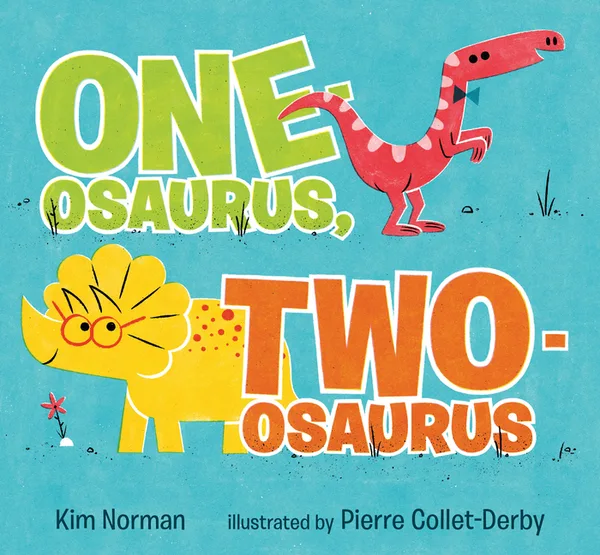 One-osaurus, Two-osaurusKim Norman, illustrated by Pierre Collet-DerbyStylized dinosaurs play hide-and-seek in a counting rhyme that leads up to ten-osaurus rex, the “king of hide- and-seek.” He roars and stomps and chomps behind the big bush, while the other nine run and hide. After a big build up, it’s revealed that t-rex is a baby dinosaur, the tiniest one of the bunch. As he runs out to find the others, each one is hidden behind their corresponding numerals. The opening page of the story shows the dinosaurs as toys lying amongst other numbered toys, such as building blocks, a pull-toy, and a football, suggesting that the story itself was the result of a child playing.Concept BooksLexile Text Measure 120LATOS Book Level 1.3View book details
 RedLaura Vaccaro Seeger, illustrated by Laura Vaccaro SeegerSeeger adds to her body of books devoted to single colors with a celebration of red. As with her earlier volumes, Green and Blue, there is a central wordless storyline. Here a young fox gets separated from its pack and wakes up alone. It wanders around lost, dodging the traffic on a country road, finally finding a farm where there might be food. Instead the fox ends up in a trap and is then freed by a girl who lives on the farm. The little fox walks and walks and eventually finds itself back with its mother. Each double-page spread has just two words of text, describing not only the variations in the colors of red but also the overall ambience and feelings the fox experiences: “brick red / autumn red / trick red / caged red / rage red / trust red”. Small die-cuts in the pages sometimes highlight a color, but more often they blend in with the picture, providing visual continuity from page to page. Seeger’s acrylic paintings have both depth and texture as they showcase the many shades of red and the emotional tenor of the story.Concept BooksLexile Text Measure 170LATOS Book Level 1.6View book details
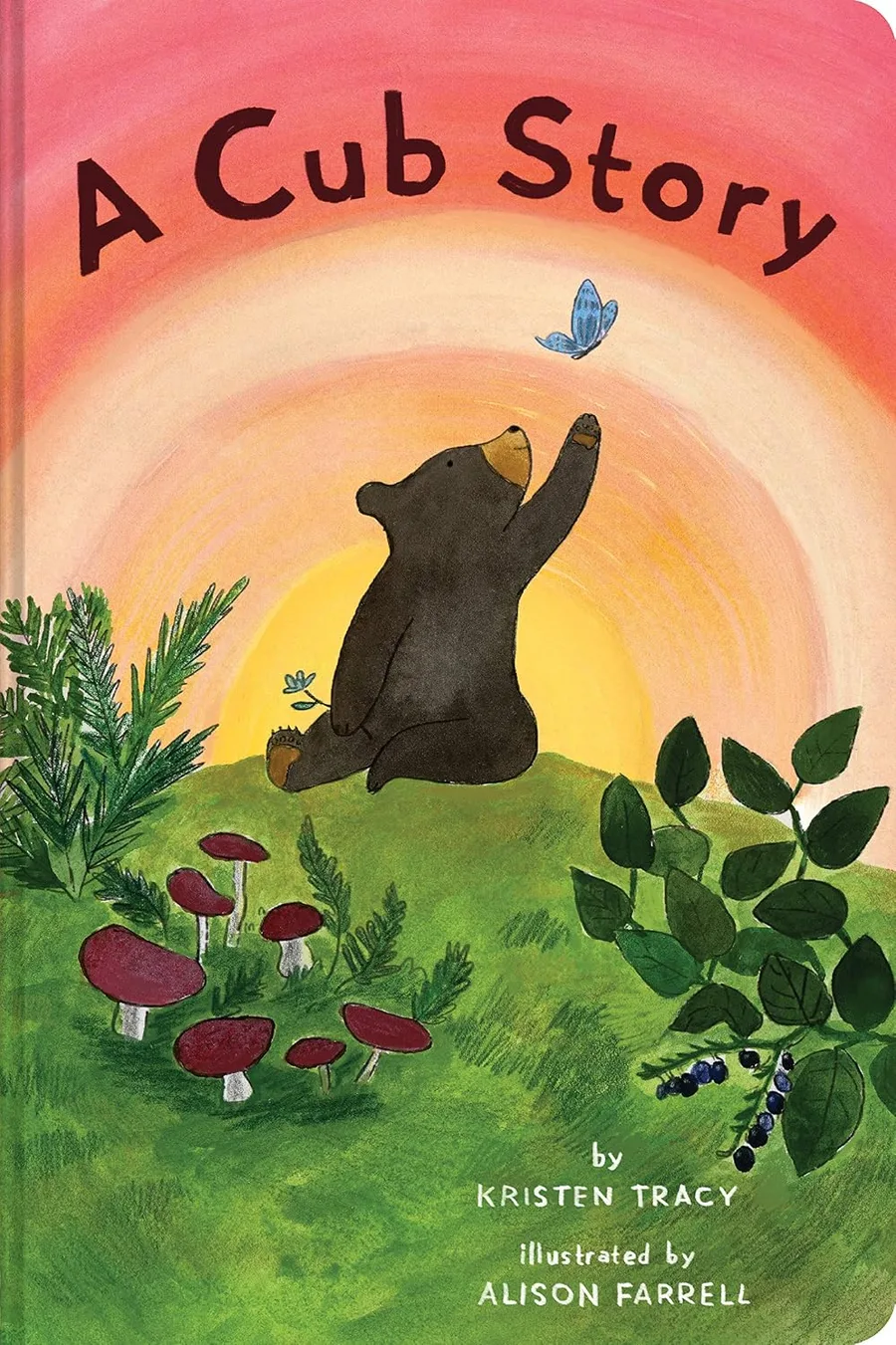 A Cub StoryKristen Tracy, illustrated by Alison FarrellA delightful, original board book is narrated by a bear cub. “I am a bear. Do you see me? All fur. Big claws. One wet nose.” The clever story works as a concept book in its comparisons of how much a bear cub eats versus a hedgehog (a lot) and a moose (a little). In the meadow the cub is “too slow and the elk thunder past me,” while near the pond “I am lightning fast as I gallop ahead of the snails.” The childlike sensibility of the cub’s voice is pitch perfect; the illustrations use a range of perspectives and page designs. There are some anthropomorphized moments, like when the cub is playing games with other woodland animals or describing how its summers are “always fun,” but most of the behavior is completely bearlike, and the details of the natural world will interest many young children.Concept BooksView book details
Picture Books for Young Children
50 selections
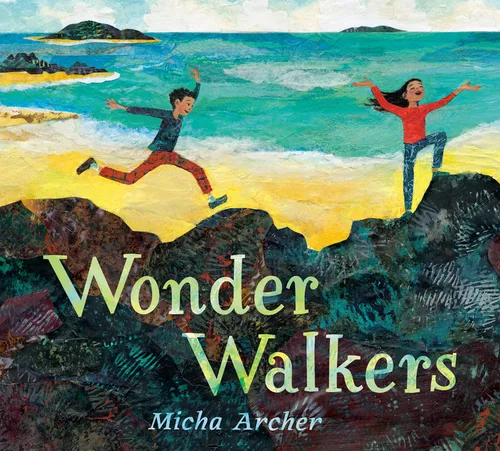 Wonder WalkersMicha ArcherOn a walk, two brown-skinned siblings ask thoughtful, clever questions about the natural world. “Are trees the sky’s legs?” “Is dirt the world’s skin?” “Are shells the shore’s necklace?” “Is the ocean the world’s bath?” Each double-page spread features a single question related to the specifics of what they see as they move through a variety of natural settings near their home, their exchange feeling both serious and playful. The two children are always easy to spot in the colorful, lush multimedia collage illustrations on matte pages, while the spare text is rich with imagination and possibility.Picture Books for Young ChildrenLexile Text Measure AD310LATOS Book Level 2.3View book details
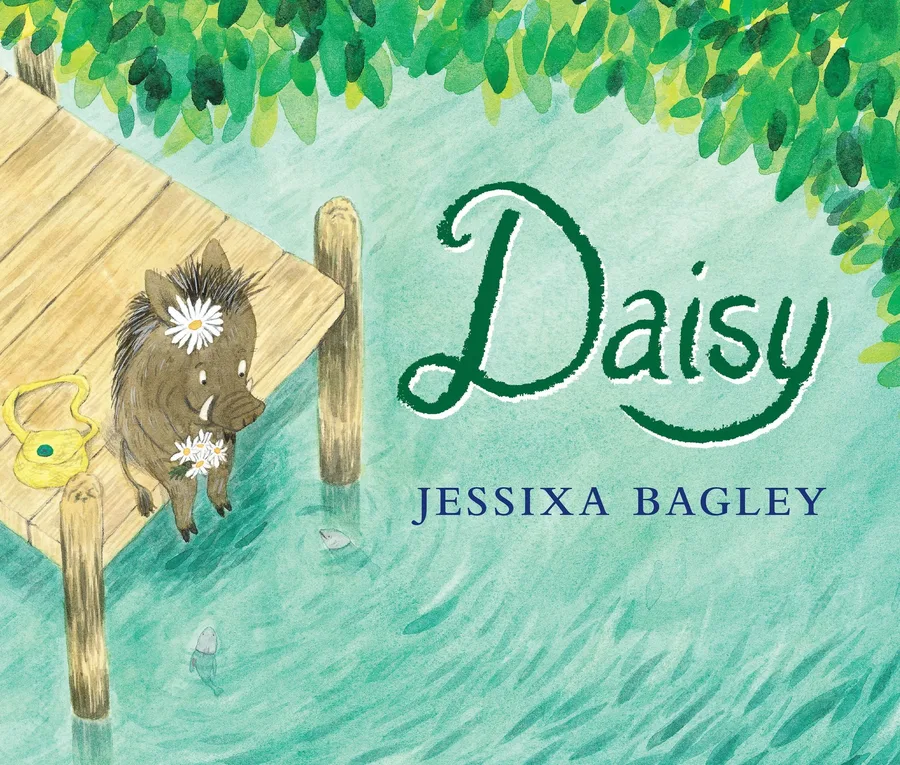 DaisyJessixa BagleyNamed after her mother’s favorite flower, warthog Daisy gets teased about her name at school. “ ‘You don’t look like a daisy,’ said Rose. ‘More like a thistle,’ said Violet.” Daisy hangs her head a lot, which is how she discovers treasures that others might call junk. In fact, they do call it junk, and Daisy faces more teasing. Daisy keeps the things she collects at her secret fort, and is intrigued when she starts to find special items waiting for her there—a crystal candy dish, a broken pocket watch that she holds to her ear, imagining the “soft silvery sounds” of ticking hands. Where are they coming from, and why? When Daisy comes upon Fern, a shy skunk, leaving another special item for her, she recognizes a kindred spirit who also sees beauty that others overlook. The emotional honesty of Daisy’s quiet loneliness and the charm of her rendering in watercolors make for a winsome, satisfying, relatable tale of intrinsic worth and an unexpected friendship.Picture Books for Young ChildrenView book details
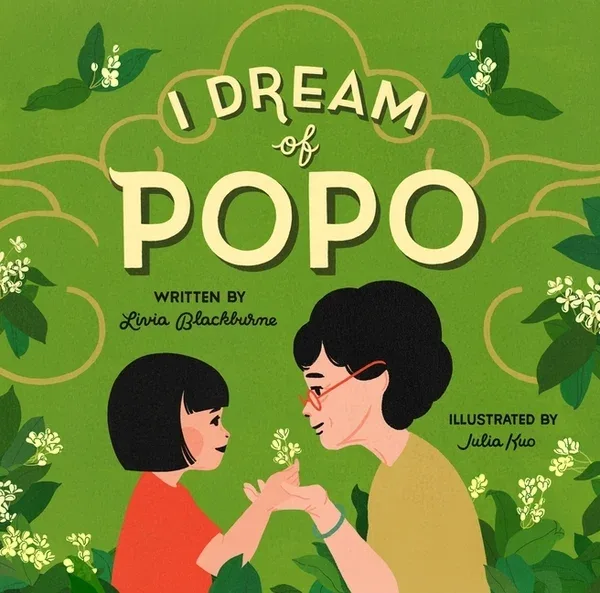 I Dream of PopoLivia Blackburne“I dream with Popo as she rocks me in her arms. She sings beibei xin, beibei gan. In my heart I hear: My baby, my heart. My baby, my love.” As a young girl in Taiwan, the narrator describes the many things she does with and for her grandmother (“I tell Popo about my adventure … I walk with Popo in the Park … I bow to Popo on New Year’s Day”). But there are clues that big changes are coming: The little girl’s family is moving. In San Diego, the girl continues to connect her activities to Popo (“I talk to Popo from across the sea … I think of Popo as I meet new kids”). Time passes and the little girl grows bigger. By the time her family makes a trip back to Taiwan, the girl can’t speak her original language as fluently, but her mother tells her she can still hug Popo as tightly as before. As the girl gets even bigger, there are more changes, some bittersweet as Popo ages, but love is the constant. A narrative brimming with warmth follows two distinct storylines—the girl’s changing life, and her ongoing relationship with Popo—creating a single, seamless whole. Beautiful, detailed digital illustrations reflect the specifics of character, family, setting, and culture in an artful, inviting picture book concluding with notes from the both the author and artist.Picture Books for Young ChildrenLexile Text Measure AD510LATOS Book Level 2.9View book details
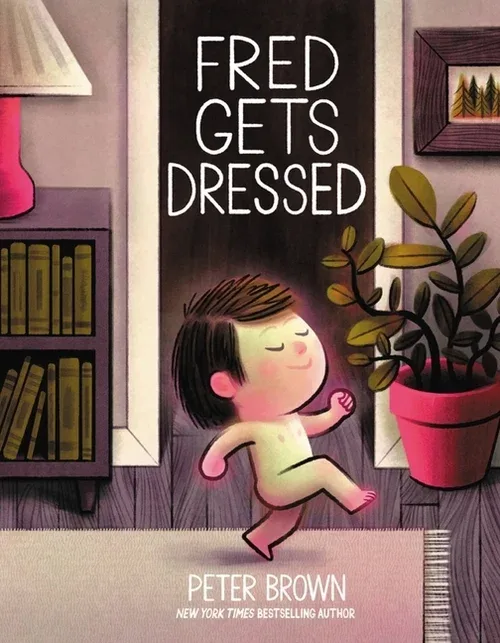 Fred Gets DressedPeter BrownOne day Fred, a white child who loves running naked around the house, ends up in his parents’ closet. He looks at Dad’s clothes. “He thinks about the way Dad dresses. It might be fun to dress like Dad.” But it isn’t. He looks at his Mom’s clothes. “He thinks about the way Mom dresses. It might be fun to dress like Mom.” And it is. Fred is in the middle of adding jewelry (a pearl necklace) and make-up (he isn’t quite sure what to do with that) when Mom and Dad come into the room. Two wordless page spreads follow. In the first, Fred looks uncertain as he faces his parents, whose expressions are unreadable. In the second, all three of them are smiling. Mom gives Fred make-up lessons, and soon, “The whole family joins the fun.” The refreshing matter-of-factness of Fred’s play challenging gender expectations, and his parents’ acceptance, is underscored by the mostly short, declarative sentences. Digital, stylized art in a limited palette includes marvelous lipstick-pink highlights throughout.Picture Books for Young ChildrenView book details
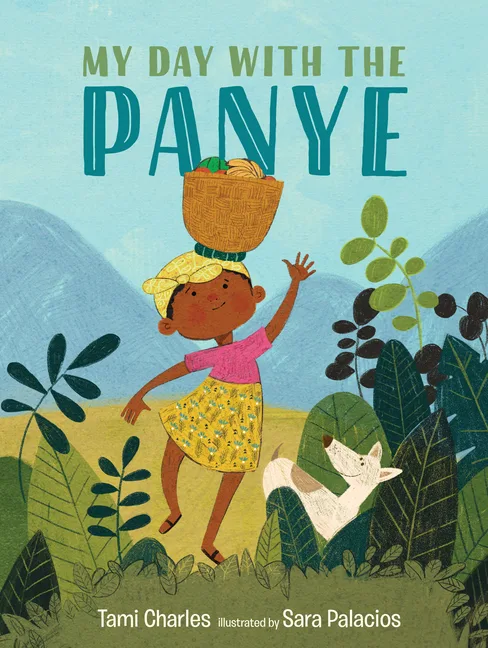 My Day with the PanyeTami CharlesIt’s Fallon’s turn to accompany Manman to the market in Port-au-Prince, and she’s eager to carry the panye on her head. “Slowly,” Manman says, placing the big basket on top of Fallon’s mouchwa. “‘Boom!’ The panye falls and crashes to the floor.” Fallon asks to try again, but Manman preaches patience on the walk to the market. “Pitit, pitit, not just yet. Pitit, pitit, build your nest.” Manman encourages Fallon to look around and learn from the other women and girls carrying their panyes. Manman also tells her that carrying the panye means being strong, like Haiti after the earthquake. Carrying the panye means being graceful even when it’s a heavy load. And Fallon knows carrying the panye means caring for family. As the bustling market slows down at day’s end, Fallon tries one more time; the panye falls again. She’s ready to give up, but Manman knows she’s ready. “Pitit, pitit, buid your nest,” she says, placing the panye on Fallon’s head. “Not too fast, little by little … I walk like a queen. I walk like Manman … all the way home.” Lively language with judicious use of repetition distinguishes this warm, vibrant story of patience and encouragement, strength and resilience, accompanied by pleasing gouache and digital illustrations.Picture Books for Young ChildrenLexile Text Measure 401LATOS Book Level 2.8View book details
 Yes & NoElisha Cooper, illustrated by Elisha CooperThe personalities embodied in a yellow dog and black cat are apparent throughout the course of a day, with the duo often having opposing responses to the same question or event. The animals establish their contrasting attitudes from the start with their response to an unseen human narrator who asks, “My dears, are you awake?” The dog says “Yes”; the cat says “No.” While the human gives commands and asks questions through breakfast, clean-up, and playtime, the dog bounces with enthusiastic agreement to everything, while the cat maintains a contrary stance. But once outside, the duo meanders to a hill where they relax in side-by-side comfort. The dynamic flips when it’s time to go home and settle down for the night, with the dog obstinate about staying outside, and the compliant cat leading the way back in, modeling perfect behavior. The grumpy dog regains his equanimity at bedtime when reminded that tomorrow will be another day full of good things, while the cat offers snuggling comfort. A spare text and minimalist illustrations perfectly capture the personalities of both animals.Picture Books for Young ChildrenView book details
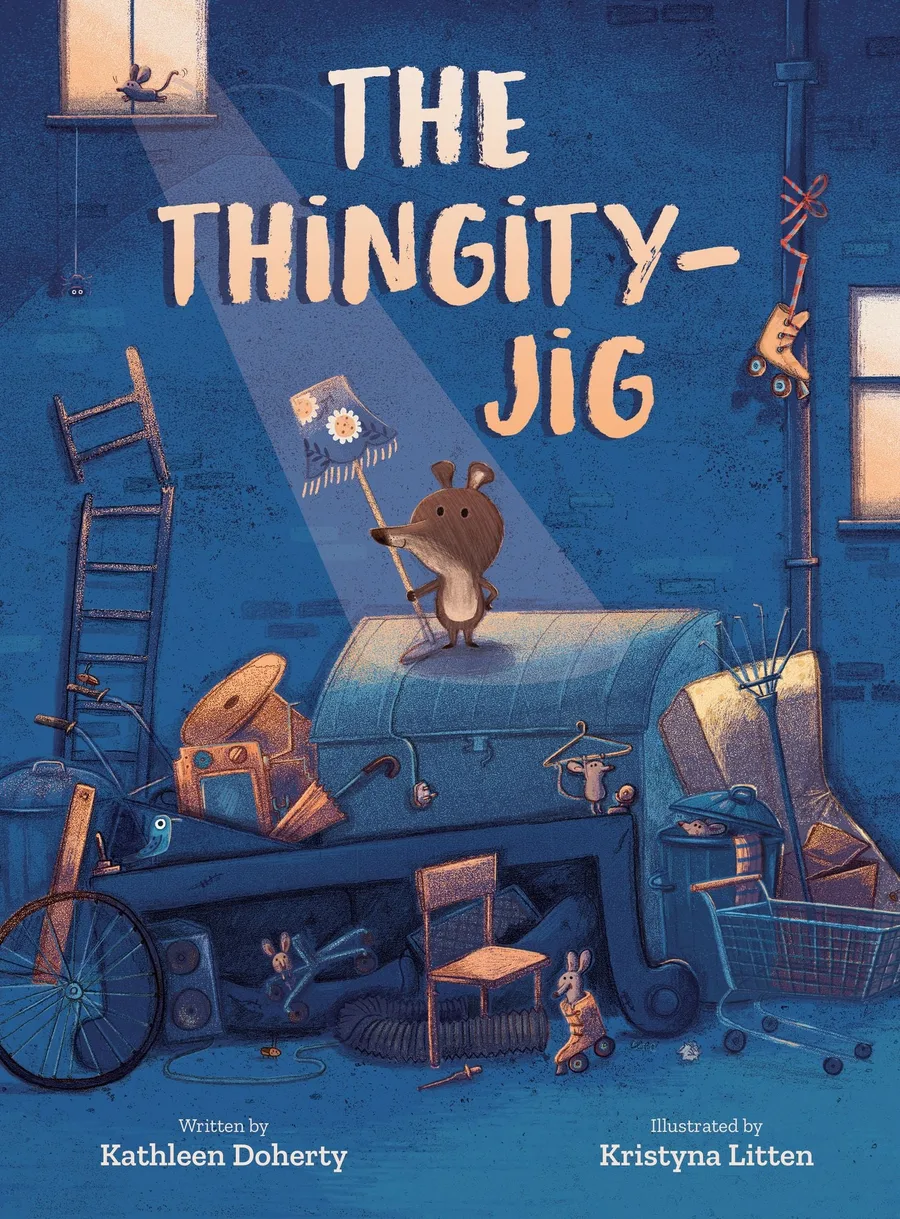 Forty Winks: A Bedtime Adventure. The Thingity-JigKelly DiPucchioWhen Bear decides to go into “people town” one night, he finds a discarded red couch in a pile of junk. He doesn’t know what it is, but he immediately takes a shine to it, loving that it’s “a springy thing. A bouncy thing. A sit-on-it, hop-on-it, jump-on-it thing.” In other words, a Thingity-Jig. He rushes to ask his friends (a rabbit, a fox, and a raccoon) for help moving the thingity-jig to their forest home, but they are too sleepy and want Bear to leave them alone. So Bear returns on his own and decides that with some wheels, he can move it. With some old scraps he builds a Rolly-Rumpity, but then he needs help lifting the Thingity-Jig onto the Rolly-Rumpity, so once again he returns to his friends. Two more rejections lead to two more inventions (a Lifty-Uppity and a Pushy-Poppity) so that Bear can finally get the Thingity-Jig home. By then the other animals are awake and, of course, they love bouncing, jumping, and sitting on the Thingity-Jig, too. Bear’s clever inventions—all based on simple mechanics like the wheel, the lever, and the pulley—are playfully described, and the funny, energetic illustrations complement the story well.Picture Books for Young ChildrenView book details
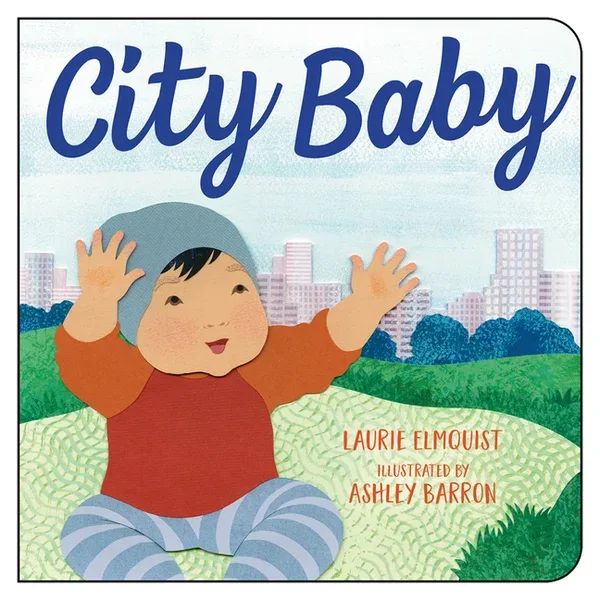 City BabyLaurie Elmquist“This is your city, little one.” Textured collage illustrations show an Asian mother and her baby out and about in a busy city. The baby rides in a stroller most of the time as the pair visits a park, a coffee shop, and a festival, taking their time along the way so the baby can see pigeons, blow bubbles, and look at their own reflection in a shop window. A short sentence on each page describes the action, accompanied by distinctive illustrations that capture all the busy detail of a vibrant city without seeming busy themselves.Picture Books for Young ChildrenView book details
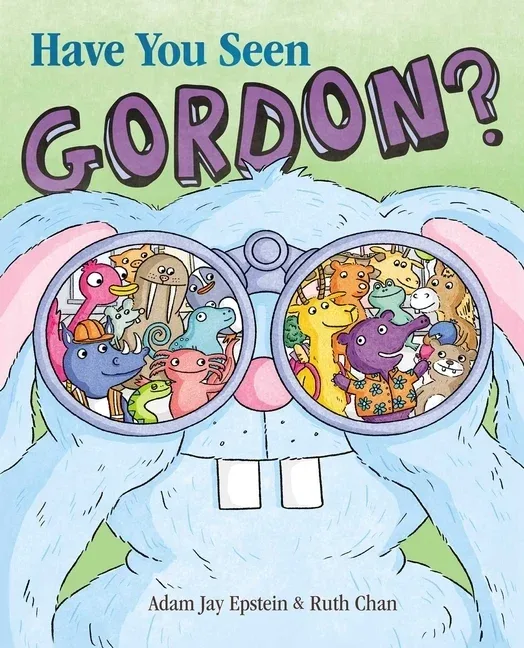 Have You Seen Gordon?Adam Jay Epstein, illustrated by Ruth ChanGordon is a purple anteater who can be found amongst dozens of animals going about their business in a Richard Scarry-esque world. The text provides clues about where to look for Gordon. “Is he swimming? Is he building a sandcastle?” It turns out Gordon really loves the attention, so he intentionally does things to make readers notice him. This irritates the unseen narrator, who asks readers to look instead for the construction worker (a blue hippo), using the same question pattern that had been used for Gordon. But the hippo is shy. (“And I have a name, you know. It’s Jane.”) To avoid the attention, she makes herself hard to find by running to the next page and hiding. The narrator quickly loses control of the book entirely and instead begins asking things like, “Can you find a baby with a purple pacifier? A dragon playing the violin? A bright copper penny? A slice of blackberry pie?” There is a lot to look at in the zany, detailed illustrations, beyond what the narrator asks for. This clever book takes the Where’s Waldo concept to the next level with delightful twists and is sure to be popular with young children, especially those who appreciate a bit of subversion.Picture Books for Young ChildrenWord Count 633View book details
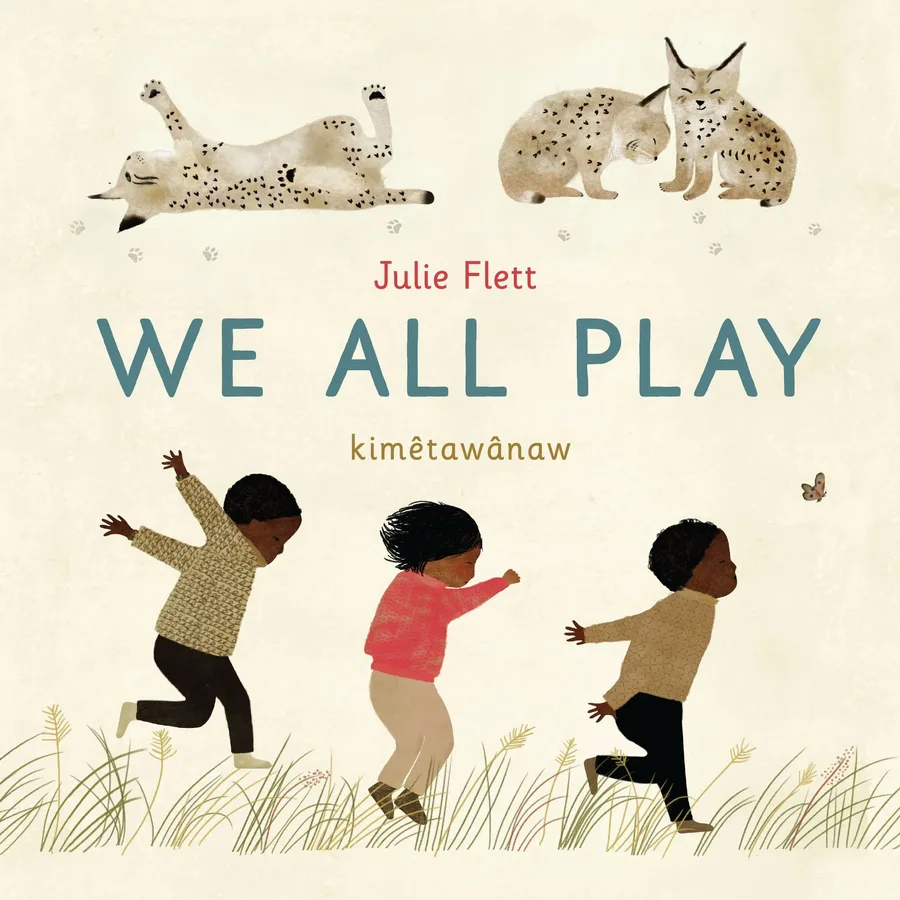 We All Play / KimêtawânawJulie Flett, illustrated by Julie Flett“Animals hide and hop / and sniff and sneak / and peek and peep.” A simple text shows animals such as rabbits, foxes, and owls in the natural world, followed by a picture of young Indigenous children playing in four different seasons, accompanied by the text “We play too! kimêtawânaw mîna.” The text is primarily in English, with both English and Cree on the pages that show children. There is a list of the animal names in English and Cree at the end, including the Cree singular and plural forms of each animal name and a form that means “younger, smaller, cuter.” Flett’s extraordinary pastel and pencil illustrations use her signature muted palette, with realistic renderings of animals and children set against a creamy textured background that makes each picture pop. Sometimes quiet, often energetic, each double-page spread is a pleasure to look at.Picture Books for Young ChildrenView book details
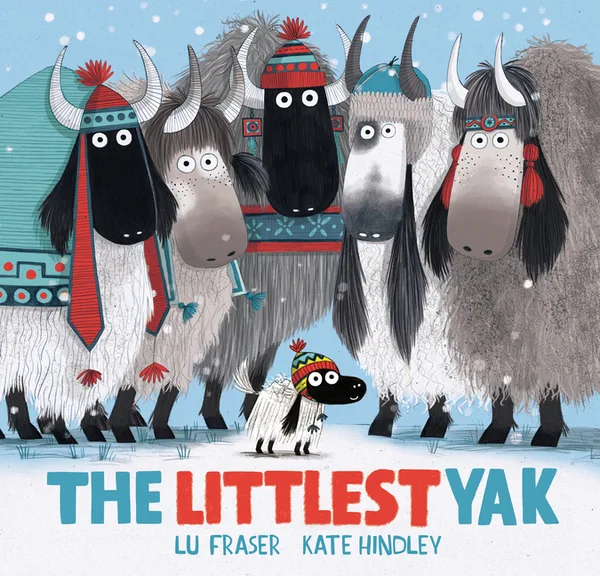 The Littlest YakLu Fraser, illustrated by Kate HindleyGertie lives on the top of a snowy mountain with the other yaks. She has many positive attributes, including the ability to “clip-clop up cliffs, no matter how slippy, on little yak hooves that were splendidly grippy.” But Gertie is the smallest of the yaks and she yearns for bigness. Although her Mummy says that bigness can be measured in ways having nothing to do with size, Gertie embarks on a self-improvement plan centering diet, exercise, and education. Despite all her efforts, Gertie remains small and despairs ever growing larger. But her small size proves to be a large asset the day a yak even tinier than she gets stuck high on a narrow mountain ledge. Only Gertie, with her grippy hooves, is able to reach the teeny yak and bring him home. With a Seussian flare, the energetic rhyming text delivers its message that everyone has merit with plenty of humor, while the illustrations in shades of black, gray, white, teal, and red depict Gertie in all her googly- eyed, grippy-hooved, tiny yak glory.Picture Books for Young ChildrenLexile Text Measure AD810LATOS Book Level 3.6View book details
 The Little Wooden Robot and the Log PrincessTom GauldA king and queen who wish for children of their own receive two: a small wooden robot crafted by an inventor, and a log princess enchanted by a witch. Every night, the princess transforms into a log and must be woken each morning by the magic words “Awake, little log, awake.” This task falls on her brother, the robot, but a distraction one morning results in a maid unwittingly tossing the princess (in log form) out of a window. The log is promptly picked up by a goblin, who sells it to the captain of a barge piled high with (non-princess) logs. In frantic pursuit of his sister, the robot boards the barge to search for her and finds himself in the frozen North. Finally recognizing his sister among the myriad similar logs, the robot begins to pull her home in a handcart. Along the way, sister and brother partake in numerous adventures—comically named but not elaborated upon—rescue one another, and are rescued in turn by friends who help them complete the journey home. The digitally colored ink-on-paper illustrations imitate woodcuts: a perfect match for this charming, original story firmly rooted in a fairy-tale world.Picture Books for Young ChildrenWord Count 1245View book details
 Terrific!Sophie Gilmore, illustrated by Sophie GilmoreFive friends (Badger, Anteater, Owl, Turtle, and Mandrill) try to think of something terrific to do but it’s hard to reach consensus when all have different opinions about what is terrific. Anteater believes climbing is terrific, Turtle suggests swimming, and Mandrill proposes hanging from one’s toes. In each instance, the one with the idea is satisfied while the rest of the group is less enthused. Snake displays questionable motives when he joins the group and notes that “squeezing things tightly in my coils is terrific” and also “It’s terrific to swallow an animal whole.” At the end of the day, having found no agreed-upon terrific activity, the exhausted friends collapse and Snake encircles them, exclaiming, “Eating together is terrific.” Breaking free of Snake’s coils, Owl grabs Snake in her beak, and the relieved friends agree that eating together is terrific. Everyone is shown eating a species-appropriate snack, with Snake is nowhere to be seen, although Owl looks particularly full. Repetition and humorous understatement drive the narrative, while expressive faces and body language add nuance to the muted watercolor and pen illustrations.Picture Books for Young ChildrenView book details
 MaxineBob GrahamFrom the moment she was born wearing a black mask over her eyes, red-haired Maxine was showered with attention from her white superhero family—her mom, her dad, and her older brother. She received a super cape from her grandma and soft leather boots from her grandpa. Almost as soon as she could walk, Maxine could also fly. An extremely advanced child, she started school four years early, where she met another superhero classmate, Garth Gecko. At school, Maxine begins to notice the mortal children, most especially their non-superhero clothes, which she covets. Maxine doesn’t want the life of a superhero. She just wants to be ordinary, and she manages to talk her mother into taking her shopping for jeans and t-shirts. Although her family is initially mortified, they gradually being to accept Maxine for who she is. Graham’s droll watercolor and ink illustrations are filled with humorous details, such as an ultrasound showing prenatal Maxine wearing a mask in utero and doting police officers fawning over the superhero baby on a day with no crime. His equally witty narrative is filled with understated humor and clever turns of phrase: “Maxine’s first words arrived together just to keep each other company. ‘Car keys,’ she said.” Maxine’s story is the sort that is just as much fun for the adults reading it aloud as it is for young listeners.Picture Books for Young ChildrenView book details
 Ten Beautiful ThingsMolly Beth GriffinLily and her grandma are making the long drive to her grandma’s home, where Lily will now be living. As she and Gram leave in the still-dark of pre-dawn, the car tires hum. “Lily felt the vibration in her hollow chest.” When Gram suggests they look for ten beautiful things along the journey, skeptical Lily doesn’t think anything will ever be beautiful again. Then the sun breaks over the horizon. As they drive for hours through a largely rural landscape, they each find things to add to their list. A dramatic thunderstorm clears just as they finally arrive at Grandma’s home, where Lily sadly notes they’ve only found nine things. “We’re ten,” Gram reassures her. “None of this was easy. Maybe it would never be easy. But she belonged with Gram now. She belonged here now.” A picture book text that keenly conveys both Lily’s feelings and the physical landscape of her journey doesn’t offer an explanation for the change in Lily’s life, allowing readers and listeners to make sense of the situation in whatever way is meaningful to them. Digital and watercolor illustrations showing Lily and Gram as white strikingly capture the landscape of their journey and the ten beautiful things they find.Picture Books for Young ChildrenLexile Text Measure 640LATOS Book Level 4.1View book details
 The Happiness of a Dog with a Ball in Its MouthBruce Handy, illustrated by Hyewon YumThe vast and varied feeling of happiness is explored by paired statements that connect it to other emotions and various actions, with illustrations providing visual context for each pairing. Except for the book’s open and close, showing the start of two successive days, most of the pairings are on a single page spread. A dog shown waiting with a leash in its mouth by a door, and then joyfully bounding through a park, accompany “The patience of a dog at the door. The happiness of a dog with a ball in its mouth.” Across the book, the simple statements are carefully crafted, revealing ideas that are sometimes surprising (“The indignity of a cut. The happiness of a scab.”), sometimes surprisingly insightful (“The frustration of hearing No. The happiness of saying No.”). These moments of unexpected connection balance the repetitive, restrained structure of the text. A book that opens with a Black child awakening and being greeted by two dogs closes with a brown-skinned child going to bed, bringing the narrative full circle. Other children are featured across the book’s pages and the 24-hour time span, and a concluding wordless double-page spread gathers many of the diverse children introduced throughout in a playground scene.Picture Books for Young ChildrenView book details
 I Like TrainsDaisy Hirst, illustrated by Daisy HirstA little dog (standing in for a child) shares its enthusiasm and expertise on the subject of trains. “I like playing with my train. / I like putting all the animals on board so they can go on a journey.” We see the dog engaged in different sorts of imaginary play with trains (including playing inside a box that serves as a train car the dog can ride in), and then listing all the different kinds of trains it likes to read about: long trains, short trains, trains with faces, fast trains, slow trains. Best of all is a taking a train trip to Grandma’s house, where the little dog tells Grandma all about the ride, draws her a picture of a train, and goes to a park with a small train kids can play in. The dog’s wonderful grandma gets down on the ground and plays train, too. “I love playing trains with Grandma,” the dog concludes. Primary colors predominate in the painted illustrations, which are accompanied by a large, clear typeface that could almost be read from across the room. The front end pages show the dog assembling long, winding train tracks, and the back end pages show the same tracks, now fully assembled, with the dog running its train across them.Picture Books for Young ChildrenView book details
 Original Cat, Copy CatSarah KurpielIt’s a story we’ve seen before: A contented only-cat’s life is disrupted when a kitten is added to the household. Pineapple resents newcomer Kiwi, who is “fast … LOUD … exhausting.” To make matters worse, Kiwi follows Pineapple everywhere. Not only is Kiwi a copycat—doing absolutely everything Pineapple does— Kiwi also takes up space that was once only for Pineapple. (The look on Pineapple’s face as Kiwi snuggles against their human is pure heartbreak.) When Pineapple finally scares Kiwi away, all is well … until Pineapple starts to worry. Where did Kiwi go? Pineapple embarks on a search of the house that marks the turning point in the duo’s relationship as Pineapple discovers the delight in following, and spending time with, the newest member of the family. Fluid, well-paced writing is paired with distinctive illustrations offering a unique, quirky charm. The large, squiggly beige poof that is Pineapple and the small, sleek brown oval that is Kiwi exude a range of emotions and an abundance of personality.Picture Books for Young ChildrenView book details
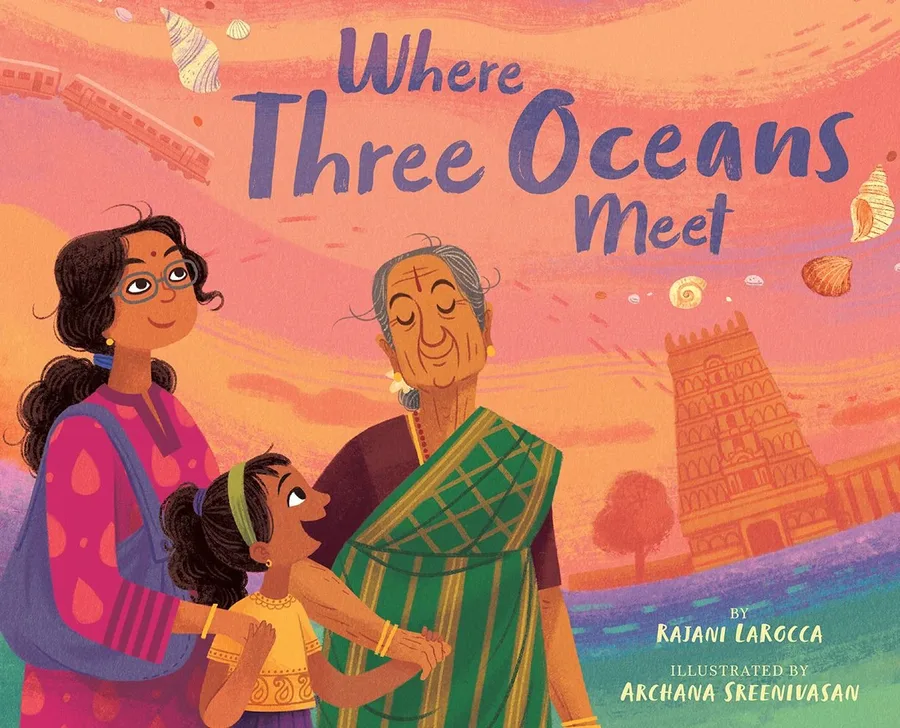 Where Three Oceans MeetRajani LaRocca, illustrated by Archana SreenivasanSejal, her mom, and her grandmother (Pati) plan “to travel to the very tip of India, where three oceans meet.” They each want to see and do different things along the way. The first few pages introduce the characters. Pati and Mommy speak Tamil, Mommy and Sejal speak English, and Pati and Sejal speak a mixture of Tamil, English, and Kannada and use a lot of gestures. Sejal describes the clothes they pack for their trip: saris, t- shirts, jeans, langas, and blouses. In Chennai, they all eat a huge dosa, each with their favorite toppings. They take a train through the countryside to Coimbatore to visit friends. They take a slow boat ride down a river. They go shopping and enjoy street food. Sejal gets sick, and Mommy and Pati take care of her. Then they resume their trip, visiting the temple in Madurai, and eventually they stand on the tip of India at Kanyakumari, three family members (one from India, one who moved to America, and one born in America) together. The details of their family life and their trip together make for a fascinating story. The cartoon-style illustrations are filled with specific family and cultural details. The author and illustrator each provide an endnote relating their own personal experiences with visiting relatives in India as a child (the author), and being born and raised there (the illustrator).Picture Books for Young ChildrenView book details
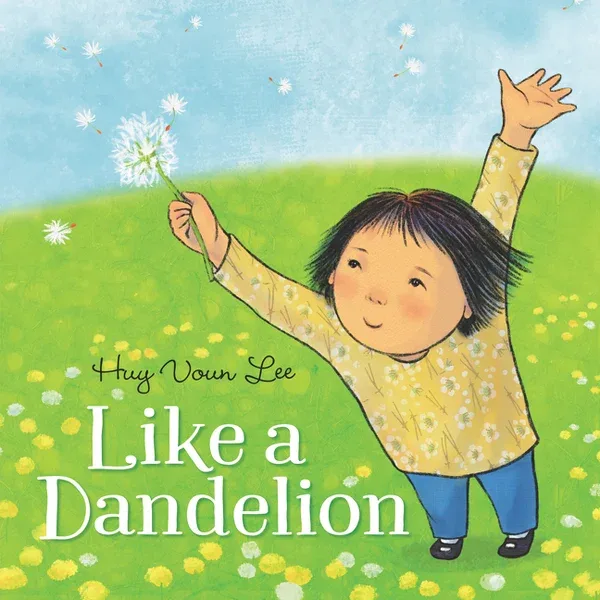 Like a DandelionHuy Voun Lee, illustrated by Huy Voun LeeA dandelion metaphor marks a young Cambodian girl’s gradual adjustment after coming from a refugee camp to live in the United States. In winter, she and her mother “put down roots in unfamiliar soil.” Over the course of the coming seasons the girl blossoms; friendships blossom, too. “Like a dandelion, I am strong and giving, planted happily in the soil that I now call home,” she says by story’s end, as the illustrations show her befriending another newcomer. The simplicity of the text, with a single sentence on each page spread, the age of the young narrator and her friends, and the marvelous digital artwork, make this a story accessible for younger children and English Language Leaners. A brief author’s note discusses the value of dandelions in many cultures.Picture Books for Young ChildrenView book details
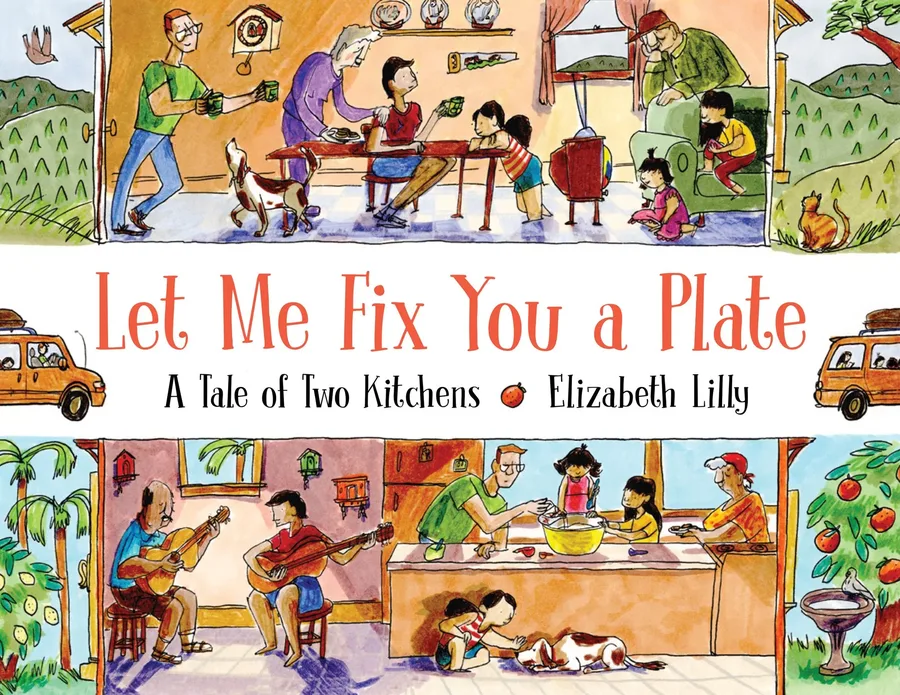 Let Me Fix You a Plate: A Tale of Two KitchensElizabeth Lilly“Once a year, on a Friday night, my family leaves the city and drives for hours and hours …” Destination: West Virginia, where Mawmaw is waiting. “Let me fix you a plate,” she says. The young biracial (Colombian/white) narrator describes the time her family spends with Mawmaw and Pawpaw, her dad’s parents, eating good things. “Three days later, we leave Mamaw’s house so early it is still night, and drive and drive and drive, south and south and south…” Destination: Florida, where Abuela and Abuelo are waiting, and they spend time with her mother’s parents, eating different good things. Three days later, “we leave the little orange house and drive and drive and drive back toward our house in the city.” Within the parallel structure of the two visits to different sides of her family, the young narrator provides terrific observations about both sets of grandparents as well as family dynamics in each place in this fresh story further enlivened by terrific sensory language. Pen-and-ink, colored pencil, and markers were used to create cheery, vibrant illustrations that feel both childlike and sophisticated.Picture Books for Young ChildrenView book details
 Hide-and-SeekShasha Lv, illustrated by Shasha LvA game of hide-and-seek has a bear searching for its animal friends in this winsome board book illustrated in shades of blue and gold on cream-colored pages. The appealing design features the bear, wearing a blue sweater with simple cream spirals, on the right of every page spread; the composition on the left at first conceals and then, with a turn of the page, reveals one of bear’s friends. “I found you, Little Cat!” the bear exclaims when Little Cat emerges from under an umbrella. “Meow!” Little Duck was camouflaged as a cactus. “Quack!” Little Pig is revealed behind the drapes. “Oink!” Little Turtle was pretending to be the leaf of a plant. “Clunk!” (The sound of little Turtle’s shell when he rolls over.) Little Mouse was trying to blend in with the cooking pots. “Squeak!” Only Little Snail eludes discovery, but is one of the spirals on the bear’s sweater moving? Some of the animals are easy to spot before they’re revealed, some harder, while the sense of fun and friendship is constant.Picture Books for Young ChildrenView book details
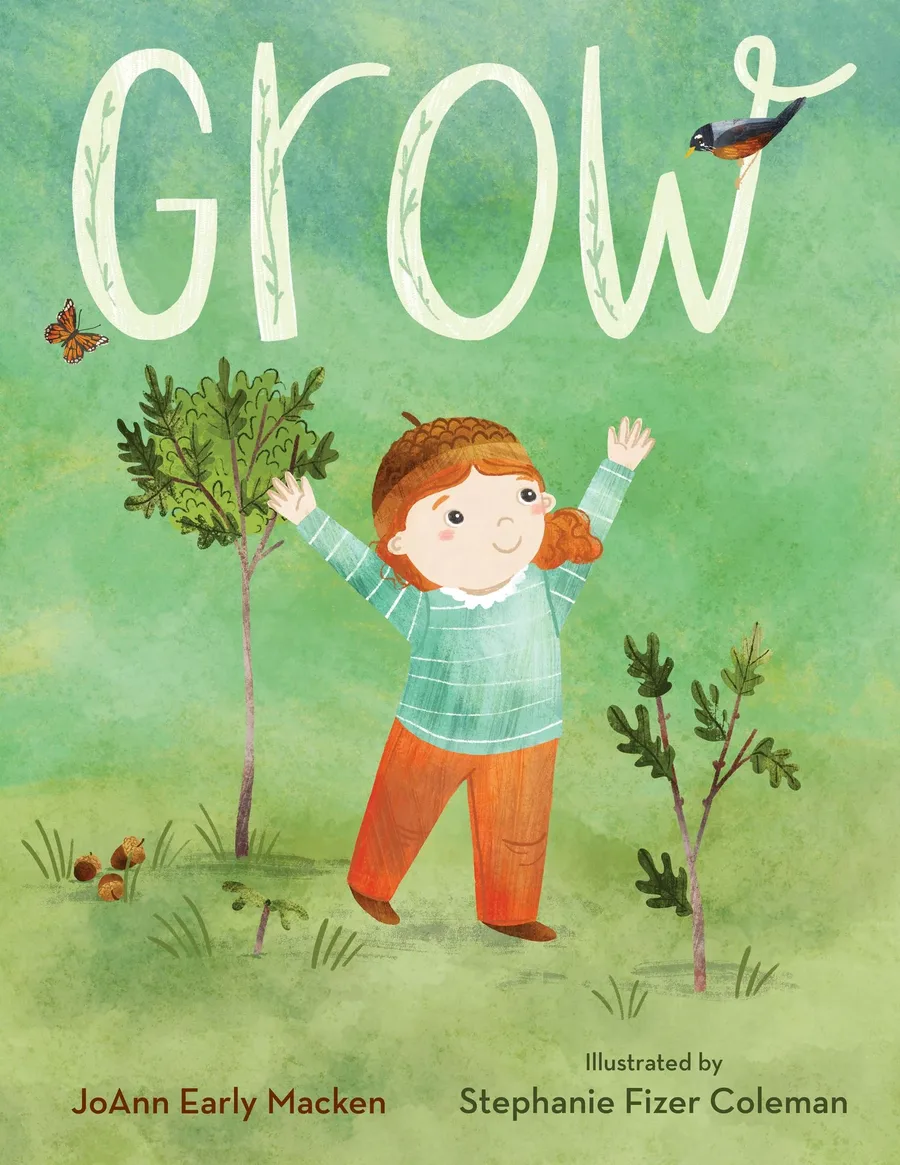 GrowJoAnn Early Macken, illustrated by Stephanie Fizer Coleman“If you were a caterpillar, you’d inch over milkweed, munching, stripes blending in with shadows and stems … You’d button yourself to a leaf, molt one last time, and wriggle into a blue-green chrysalis. After a while … you’d be a monarch butterfly … ” A second-person narrative puts young children right at the center of this wonderfully crafted story even as it conveys a wealth of information about other living things in the natural world. In addition to the caterpillar becoming a butterfly, “you” is imagined as an acorn becoming an oak, a tadpole becoming a leopard frog, a hatchling becoming a painted turtle, a duckling becoming a mallard, and a fawn becoming a white-tailed deer. Digital illustrations incorporating hand-painted textures show diverse children and their adult caregivers, each child observing a different one of the featured species. The story comes full circle in its final pages, focusing on “you,” who has grown from a baby “snug in a blanket” to a child who can “splash in the shallows like turtles and ducks, search for an acorn, a tadpole, a butterfly, leave your dear footprints wherever you go.”Picture Books for Young ChildrenView book details
 The Big Bath HouseKyo MaclearThe author remembers a childhood visit to her grandmother’s house in Japan, where, as with previous visits, she, her mom, her grandma, her aunts, and her female cousins all go to the bath house shortly after their arrival. The bath house is a place of cultural tradition and family ritual. “Baachan’s stool is a throne. She is the Queen of the Baths. With a tall towel crown, she’ll wash your hair, while the auntie’s scrub each other’s backs.” It’s where the narrator and her cousins do “the soapy-leg can-can.” And it’s where “You’ll all dip your bodies, your newly sprouting, gangly bodies, your saggy, shapely, jiggly bodies, your cozy, creased, ancient bodies. Beautiful bodies.” Then comes a big towel and waiting arms, getting dressed, tasty treats, and a walk home through nighttime streets. “You’ll reach for Baachan’s hand, and she’ll reach for yours. And it’ll be understood. (Some things just go without saying.)” The sense of family love and the joy of reunion is palpable in a picture book that incorporates Japanese words and phrases. The lively ink, gouache, and watercolor illustrations wonderfully reflect the nonchalant normalcy of naked bodies of all types, as well as many other details of the setting.Picture Books for Young ChildrenLexile Text Measure AD540LATOS Book Level 3.6View book details
 Bathe the CatAlice B. McGintyHilarity and chaos ensue as two Black dads and their three racially diverse children realize that the clock is ticking and the house must be cleaned before Grandma arrives for a visit. There’s a lot to be done. Daddy spells out who will do what in alphabet magnets on the fridge: “Bobby, mop the floor. Dad will scrub the dishes. I’ll vacuum the rug. Sarah, feed the fishes. Dad will mow the lawn, and Sarah, sweep the mat. Bobby, rock the baby, and I’ll bathe the cat.” “Bathe the cat?” thinks the orange feline, eye twitching. With a few swipes of its paw, the letters are rearranged—and so are the chores. The family assumes their nonsensical duties: Sarah feeds the floor. Daddy sweeps the dishes. Bobby rocks the rug, and Dad scrubs the fishes. But when it comes time to “mow the cat,” the cat hastily works its magic on the letters once again. Tasks get increasingly bizarre: “Sarah, mop the Bobby! … I mean, Bobby bathe the bathtub! Sarah, Bob the mat! Dad will feed the lawnmower! And I’ll catch the cat!” The cat thus secured, Daddy sets the magnets straight, and the family tidies up just in time for Grandma’s arrival. Neon yellow and pink predominate in pencil-and- watercolor illustrations that depict the family straightforwardly going about their comical chores.Picture Books for Young ChildrenLexile Text Measure AD340LATOS Book Level 2.5View book details
 Baby’s First FarmDanielle McLean, illustrated by Craig ShuttlewoodThis ingenious little board book uses a flap-within-a-flap to reveal first a baby animal and then others inside different kinds of farm buildings. As a light-skinned farmer approaches each building (henhouse, pigsty, cowshed, sheep pen), the main narrative names the structure and asks who is inside (e.g., “This is a cowshed. But who is inside?”). On the same page, in a dialogue bubble, the farmer wonders what she is hearing from behind the object in front of the building (e.g., ”What is that noise behind the straw bale?”). On the opposite page is the building and the item hiding the noise-maker. The small flap (e.g,. hay bale) revealing a baby animal (a calf) is set inside the larger flap that allows the front of the entire building to pull down, revealing one or more other animals (the calf’s mother). A hen, cow, pig, and sheep all get a moment to shine before the final page spread folds out to reveal all of the animal friends inside a big red barn.Picture Books for Young ChildrenView book details
 What Can You Do with a Rock?Pat Zietlow Miller, illustrated by Katie KathA young rock collector describes the many things to do with rocks. You can kick a rock around the block; skip rocks over water; drop them to appreciate the sounds they make (but be careful what’s underneath!); hunt for them (not all rocks are meant to be taken, but you can enjoy the ones that aren’t right where they are); sort the ones you find (“Should your tiny white rock go with other tiny rocks? With other white rocks? Or with other rocks that make you smile?); study them; change them into something else, like a bridge, or a mosaic or a necklace; keep them as reminders of places you’ve been; and finally, share them with a friend, and then find more—together. There are other ideas for what you can do with a rock in this narrative accompanied by watercolor illustrations that show the young collector as white-skinned (with blue hair) and concluding with more about types of rocks, things to consider when colleting, and places to learn more.Picture Books for Young ChildrenLexile Text Measure AD550LATOS Book Level 2.4View book details
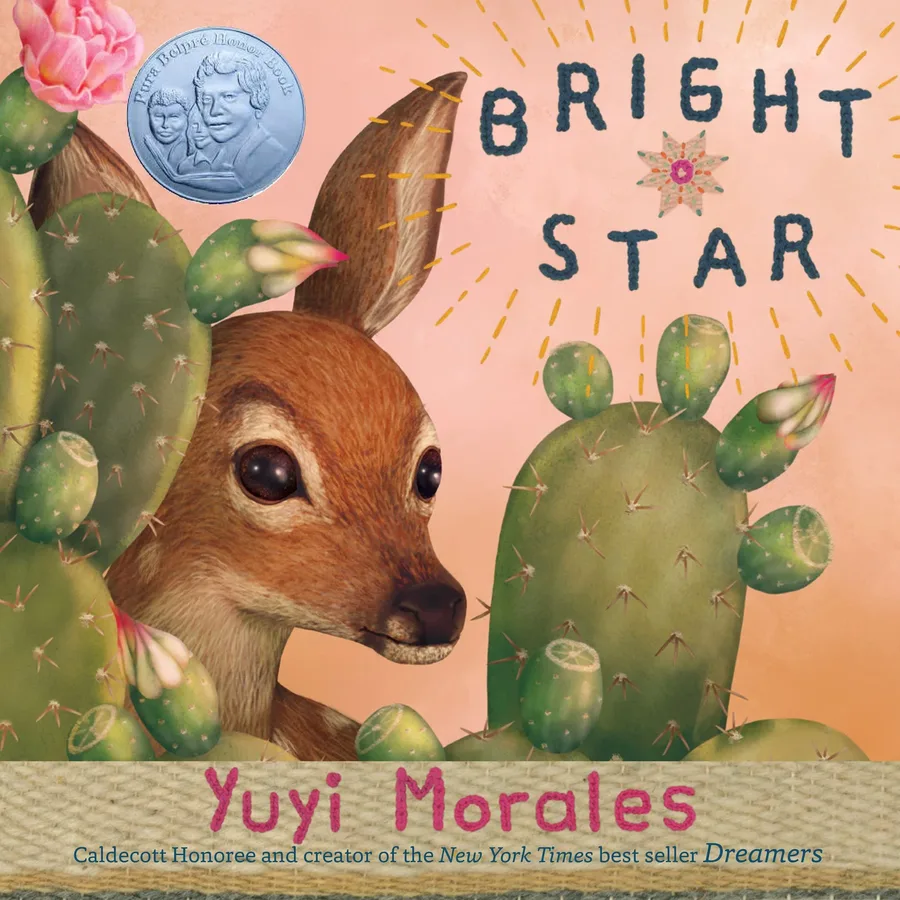 Bright StarYuyi MoralesA fawn opens its newborn eyes to its mother. “You are alive! You are a bright star inside our hearts.” The fawn’s mother teaches it how to move through a desert landscape full of beauty and danger both. When the fawn is separated from its mother by a wall, overwhelmed and afraid, it curls up, vulnerable and alone. With a turn of the page, the fawn has disappeared and a brown-skinned girl with a deer on her shirt appears in its place, her pose and expression echoing those of the fawn. In this extraordinary moment, a story about the need for safety and security, and above all love for our children, becomes one that is also about migration, immigration, and borders. Empathy and this truth are both transcendent: “You are a bright star inside our hearts.” Morales expands on the subject and setting in an eloquent author’s note. “I made this book knowing that children everywhere, but especially migrant children at the borderlands, have experienced things they should never have to endure … I made this book because I want you to know that no matter where you are, wherever you’ve come from, or where you are going, you should always be honored, respected, cared for, and loved.” Exquisite mixed-media illustrations infused with golden light accompany a spare, eloquent text in English with Spanish integrated throughout.Picture Books for Young ChildrenView book details
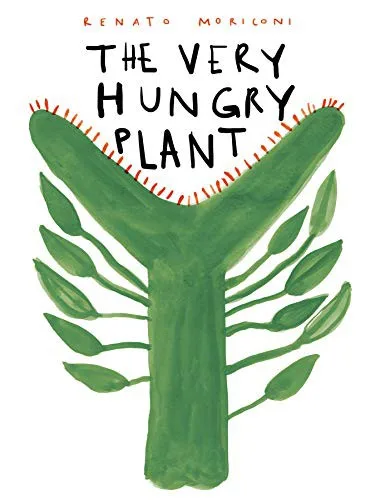 The Very Hungry PlantRenato MoriconiA hilarious story about a carnivorous plant that eats everything and everyone it comes into contact with begins with a caterpillar (perhaps of the very hungry variety itself), a butterfly, a spider, and a gecko. The plant’s hunger is insatiable, and it goes on to eat larger and more fantastical things: a gymnast, an entire airplane, a flying mammoth, some aliens, and an angel choir. Finally, the plant’s hunger is satisfied and it stops to rest. But wait! There’s something looming just above the plant, an enormous mouth that slowly swallows the plant over the course of two wordless double-page spreads. It’s a hungry dinosaur— herbivorous, of course. Acrylic illustrations show the plant growing slightly larger with each morsel of food, while text appears in oversized hand-painted letters on the facing page. In an endnote, the Brazilian author writes that the story came to him as he was eating in a restaurant with a friend who accidentally swallowed a fly when he opened his mouth to take a bite.Picture Books for Young ChildrenView book details
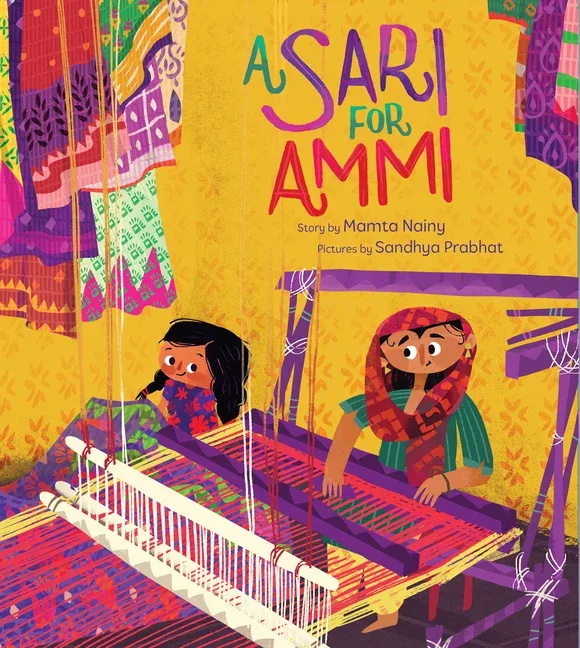 A Sari for AmmiMamta Nainy, illustrated by Sandhya PrabhatTwo sisters living in Kaithoon, India, where their father dyes thread with which their mother weaves beautiful and distinctive saris, want their mother to be able to keep one of her own saris to wear instead of her worn out shalwar kameez. “If we keep the saris, how will we eat?” their mother asks. The girls decide to use the money they’ve been saving in their gullak to buy the sari. “This money can buy Ammi a towel, not a sari,” says older sister Sadaf after they count it. They decide to collect and sell old things to the scrap dealer, and add that money to what they have. “This money can buy Ammi a dupatta, not a sari.” They help their aunt dye thread, and add the money they earn to what they have. This money is “just enough to buy Ammi a sari!” Spirited storytelling propels a satisfying tale, which is followed by an author’s note telling more about Kaithoon, a town in northern India known for its fabric and saris made by skilled craftspeople. The richly colored illustrations are digitally created.Picture Books for Young ChildrenLexile Text Measure AD610LATOS Book Level 4View book details
 PeaceBaptiste Paul, Miranda PaulA picture book inviting young readers and listeners to consider the concept of “peace” features a rhyming narrative with statements as welcome as they are sometimes surprising (e.g, “Peace is pronouncing your friend’s name correctly … Peace comes from giving far more than you take. / It’s something we work toward, it’ something we make.”) The idea that peace is created by intention gives agency to the book’s audience, providing concrete examples of actions that can matter, whether seemingly simple (a smile, a hug, an apology) or the consideration of big ideas (what is a courageous act, what does it mean to choose peace?), in examples that range from the concrete to metaphorical. In a note, the authors talk about the impact of global conflict on animals in addition to humans, explaining that the animals featured alongside the children in the lush, cozy, comforting illustrations include those that are cultural symbols of peace from countries around the world.Picture Books for Young ChildrenView book details
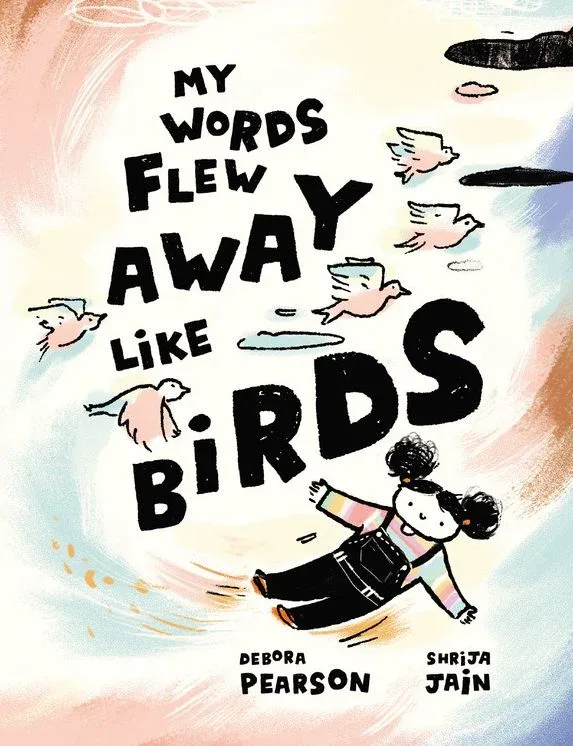 My Words Flew Away Like BirdsDebora Pearson, illustrated by Shrija Jain“Before we moved away, my mother taught me some words in a new language. She said we would need these words …. But when we came here, my mother, my father and me, all my worlds flew away like birds.” A young immigrant child from an unnamed place describes the before and after of her life—the details of her old home and of relationships with people lost since coming to a new country, as well as the confusion of words that she faces in her new home. “Everyone spoke so fast, their words tumbled and swirl.” She watches, waits, observes, even sees things that she recognizes (trees, sky, park) but they aren’t the same as home. But time brings a new friend, and eventually, slowly, she gets more comfortable speaking and understanding the new language, new words that “are here to stay.” This look at an immigrant experience featuring a younger child deftly captures both feelings and concrete experiences, such as a helpful janitor assuming another immigrant is from the same country, leading to an awkward exchange. Jaunty pen-and-ink illustrations with digital color show the characters as light/white-skinned. Creative use of font size emphasizes the importance of words, sounds, understanding, or not understanding, adding to the ultimately optimistic story’s impact.Picture Books for Young ChildrenView book details
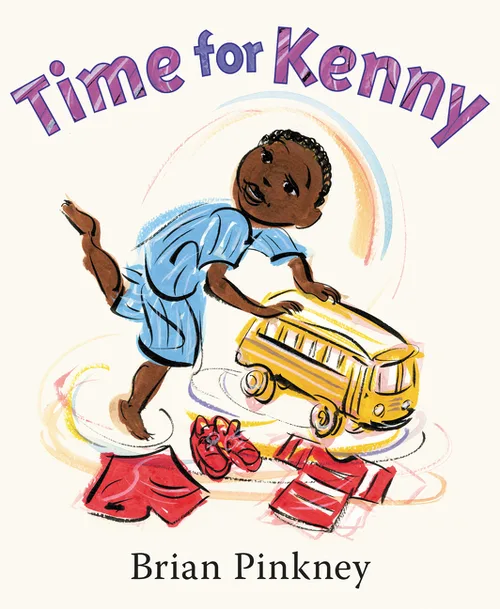 Time for KennyBrian PinkneyFour episodic stories told in short, easy-to-read sentences in a large font, accompanied by expressive acrylic and india ink illustrations, follow a small Black boy over the course of a day. In the morning, when it’s time to get dressed, Kenny puts on a clothing item belonging to each of his other family members in turn: Daddy (“Can he wear this shirt? No, that’s Daddy’s shirt.”), Mommy (shoes), sister (shorts), and Granddaddy (hat). In the next story, Kenny is at odds with the vacuum cleaner, which he finds scary. In the third story, Kenny’s big sister is helping him learn to play soccer (“No hands!” ). Finally, the five-minute countdown to bedtime commences but Kenny isn’t tired and isn’t tired … until he suddenly is. But he’s not too tired for mommy to read to him. Each brief story features a patterned text and repetition in a picture book full of warmth and whimsy.Picture Books for Young ChildrenLexile Text Measure 120LATOS Book Level 1.3View book details
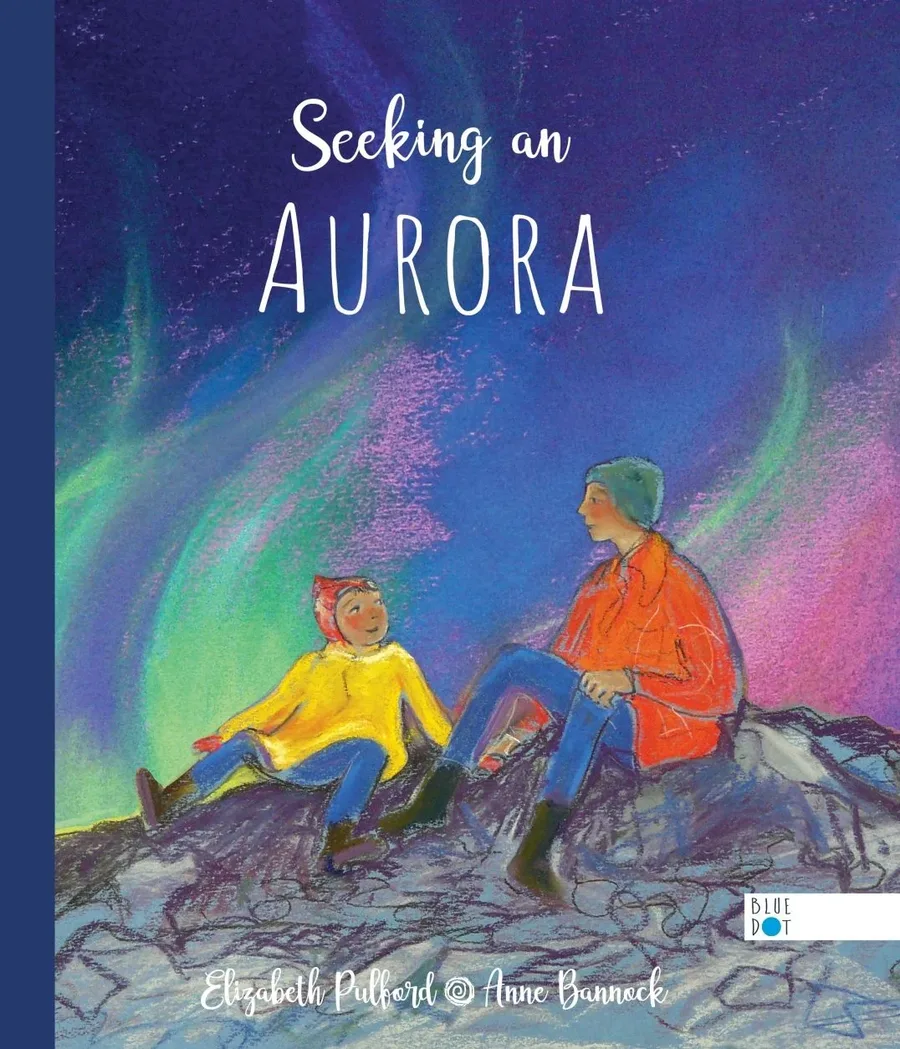 Seeking an AuroraElizabeth Pulford, illustrated by Anne BannockA nighttime expedition with a sense of wonder begins when a child is awakened by their dad, bundled into outerwear, and taken outside. They are going to find an aurora. They walk away from the “warm, buttery light” of the house, through a dark, wintery landscape, eventually climbing a steep hill. “Now we could see only the sky, the stars, and the moon.” And then, “Dancing light, glowing and glimmering, shimmering and shining, colored ribbons swirling and twirling, lighting up the sky on the still, dark night.” The rising sense of expectation and the beauty of the aurora itself is captured in the language and the pastel art, which conveys both the depth of the darkness and the colors of the aurora with equal effect. The brown-skinned duo watch in silence and a palpable sense of awe. It isn’t until they are walking home that dad “told me everything he knew about the Aurora.” That information, “Everything Dad Knew about the Aurora,” is provided in a note at story’s end.Picture Books for Young ChildrenView book details
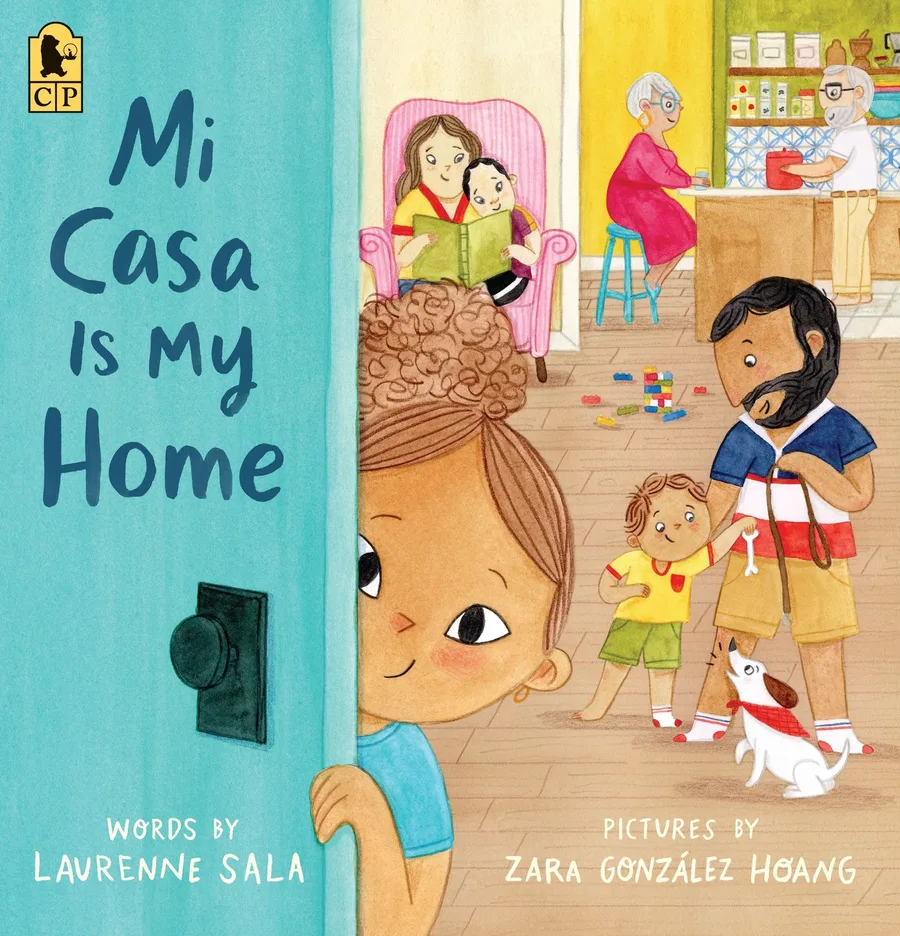 Mi Casa Is My HomeLaurenne Sala, illustrated by Zara González HoangLucía gives a tour of her family and joy-filled house in a picture book that seamlessly integrates Spanish and English. Lucía’s tour starts with the front door, la puerta, before moving through different spaces (la sala, la cocina, el patio, el baňo, el cuarto de mis hermanos), describing some of the things that happen in each one. She ends with her own bedroom, mi habitación. “Where I get tucked in con todos mis mejores amigos … where the lights get low and my eyelids close. Until I’m ready to wake up again tomorrow. En mi casa. With my favorite people.” Lucía’s family—Mama, Papi, Abuelo and Abuela, los hermanos— clearly make the house a home, one that welcomes her primos and “primos de mis primos de mis primos” and friends and neighbors. This beautiful, racially diverse family that includes Latinx and Afro-Latinx members has Puerto Rican, Cuban and Spanish heritage, for a start. Cheerful watercolor, colored pencil, and digital illustrations are a perfect match for this buoyant narrative.Picture Books for Young ChildrenView book details
 100 Things I Know How to DoAmy Schwartz, illustrated by Amy SchwartzAn illustrated rhyming list includes typical accomplishments for most toddlers: “Tiptoe / say hello / zig-zag / play tag / say when / count to ten.” Schwartz’s charming spot illustrations for each of the hundred things show a variety of young children, often with an adult who is helping. Some of the listed items show solo activities (petting a dog, wearing a tutu, holding handrails) while others show activities with two or more children (playing school, wishing on wishbones, tossing balloons). Young children will want to pore over the often humorous gouache illustrations. A hundred things may seem like a lot, but this volume doesn’t seem to go on too long—the list of things, and the children doing them, are all too much fun to look at.Picture Books for Young ChildrenView book details
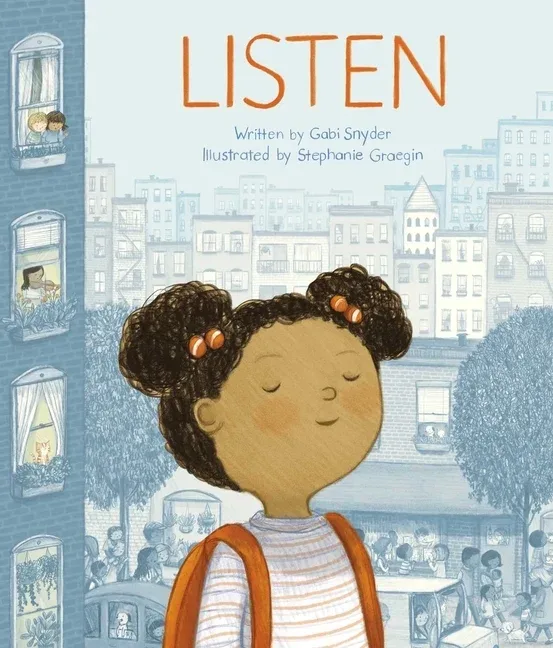 ListenGabi SnyderWhen a biracial girl steps out from her house onto a busy city street, all she hears is noise. But the text encourages young readers to “stop, close your eyes, and listen. Can you hear each sound?” The soft pencil- and-watercolor illustrations help to isolate each sound the girl hears: a barking dog, a beeping horn, a moving truck, and a motorcycle. As the girl walks to school with her white dad pushing a younger sibling in a stroller, she continues to listen for distinct sounds among the city noises: the “slap-slap-slap” of shoes, the “thump- thump-thump” of a jump rope, and someone calling “hello” from across the playground. In school, the text asks the reader to listen to the sounds of the words we’re hearing, some short and snappy, some lo-o-o-ng, some happy, and some hurtful. Throughout the day, we are encouraged to do different kinds of listening. Listen to the quiet, then past the quiet, then to the voice inside yourself. As her Black mother tucks her into bed at the end of the day, the girl hears the “nighttime hush” and soft exchange of good-nights before falling asleep in her cozy bed. An endnote offers more information on hearing and listening, which helps to extend this book’s usefulness as a story about a single sense or as an introduction to mindfulness for young children.Picture Books for Young ChildrenLexile Text Measure AD470LATOS Book Level 1.5View book details
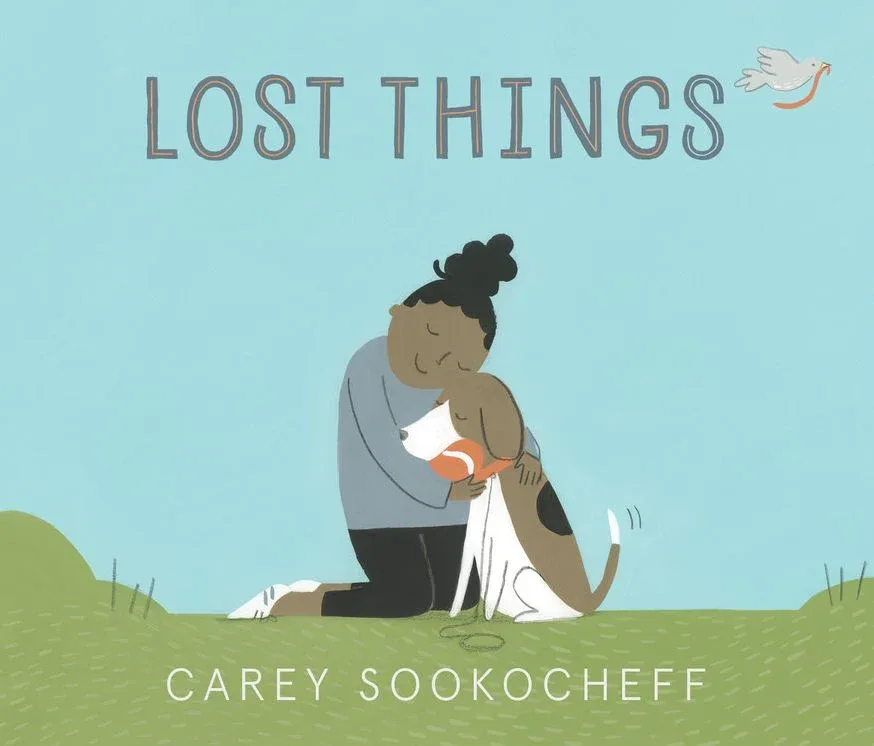 Lost ThingsCarey SookocheffA Black girl walking her dog through the park doesn’t notice her hair ribbon drop from her box braid bun as her dog suddenly chases after a squirrel. The ribbon is quickly picked up by a bird who takes it to her nest. A white toddler watching the bird doesn’t notice that he’s dropped his teddy bear, but a white woman riding by on her bike sees it and takes it to a nearby café, where it waits to be found. Similar scenarios follow: a pencil (not missed at all) drops from the biker’s book bag, and a red ball falls from a brown-skinned girl’s wagon as her mother pulls her through the park. The red ball is found by the girl who started it all and has been looking for her dog since the dog went after the squirrel; she finds him soon after she picks up the ball. Astute readers will notice the missing dog in the background of many of the pictures. Spare text accompanies acrylic gouache and pencil illustrations, guiding the eye to objects lost and found, and a lovely visual resolution shows the squirrel finding an acorn that’s just dropped from a tree.Picture Books for Young ChildrenView book details
 Rosa Loves Cars / A Rosa le encantan los carrosJessica SpanyolSpanyol, Jessica. Rosa Plays Ball / A Rosa le encanta jugar a la pelota. Child’s Play, 2021. 14 pages (978-1-78628-494-5) Brown-skinned, glasses-wearing, curly-haired Rosa engages in active and imaginative play on her own and with friends in these bilingual (English/Spanish) board books. In Rosa Loves Cars / A Rosa le encantan los carros, Rosa plays with a variety of wheeled-vehicle toys, including cars, a monster truck, a camper, and a fire engine, which she uses to orchestrate the rescue of a comically wide-eyed pink toy cat in the crook of a tree. (“Stuck cat! Emergency … Gato en peligro! Emergencia!”) She plays mechanic, too, engaging in small auto repair, and makes a car of her own out of a cardboard box. In Rosa Plays Ball / A Rosa le encanta jugar a lo pelota, Rosa plays with all sorts of balls, from soccer, football, basketball, and baseball with friends to the tennis ball she throws for the dogs, not to mention the ball pit she falls into and the toy bowling set (“Strike! … Di en el blanco!”) Rosa’s preschool-age friends across the two cheery offerings include Mustafa (dark skin, black hair), Sarah (white skin, blonde hair), Samira (brown skin, black hair, sometimes uses a wheelchair), Biba (light brown skin, dark hair), and Marcel (white skin, red hair, glasses). Other books in the series out in bilingual editions include Rosa Loves Dinosaurs / A Rosa le encantan los dinosaurios and Rosa Rides Her Scooter / A Rosa le encanta montar en su patineta. English language-only editions of these and other Rosa books were published in 2018.Picture Books for Young ChildrenView book details
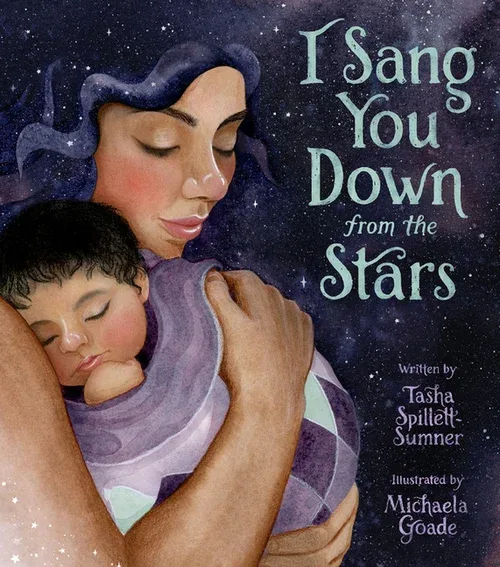 I Sang You Down from the StarsTasha Spillett-SumnerA distinctive story is told in second person in the voice of an Inniniwak (Cree) mother who is looking forward to the birth of her first child. As the nine months pass, the mother gathers items for her baby’s medicine bundle, poetically explaining the significance and power of each item. After the baby is born, these items are reiterated as she prepares the baby to be welcomed by family and friends. “I saw that you, my baby, are also a sacred bundle. You are my baby bundle.” The narrative is well matched by the illustrations, both emotive and dreamy. The author and illustrator are both Indigenous, from different Nations, and their notes speak to how the story connects to their own specific traditions, as well as to many Indigenous traditions that hold the belief that babies choose their own parents.Picture Books for Young ChildrenWord Count 421View book details
 If You Were an ElephantLeslie Staub“If you were an elephant, you’d be the biggest animal who lives on the land. You’d have ears big as tent flaps, skin thick as blanket. You’d turn the next page with your trunk, not your hand.” An informative picture book provides ample details about elephants, especially as they live in the wild, while also inviting imaginative play, since the engaging, second-person narrative makes it hard to resist pretending to be an elephant, at least for a little while. Details about elephant appearance, behavior, and relationships are all featured in a picture book set against painted and digitally edited art reminiscent of block prints and colored to echo earth tone shades of a savanna.Picture Books for Young ChildrenView book details
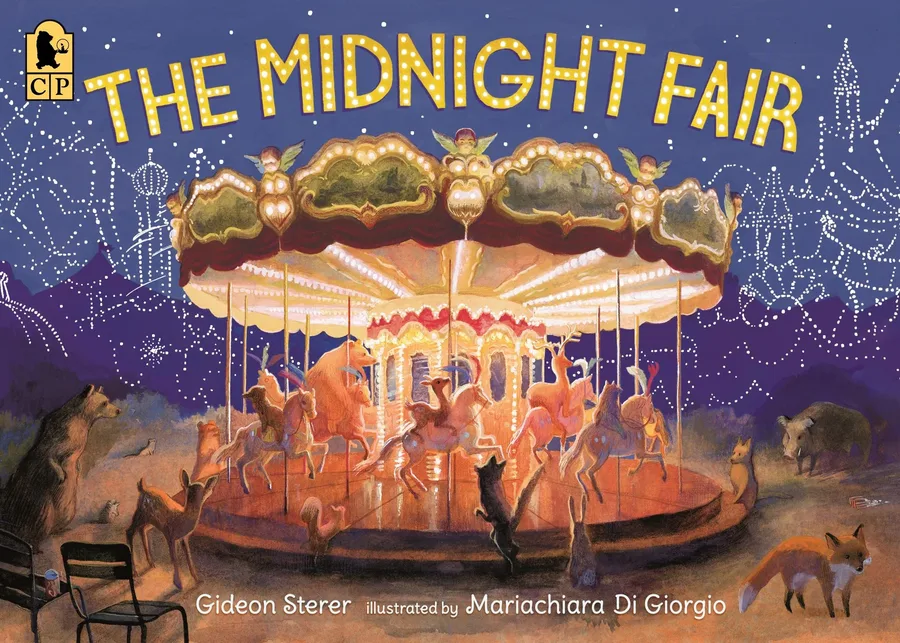 The Midnight FairGideon StererA wordless picture book details what happens at a local fair once the humans go home for the night. It turns out the woodland animals have been biding their time and stream in as soon as the coast is clear. Some work the fair, selling tickets, running games and rides, making food; others enjoy all the fair has to offer, dizzy and dazzled by the lights, the games, and, especially, the rides. Scenes that give a sense of nighttime mystery alternate with the bright, bouncing energy of the fair, but all good things come to an end. There’s a close call when a guard returns just before dawn, but by then the animals have finished cleaning up (most of) the mess and evidence of their escapades. Superb watercolor, gouache, and colored pencil illustrations tell the story in panel and full-page images full of humor (long-legged deer dangling from seats on the swing carousel; a goldfish prize for a fox at the ring toss) and sometimes poignancy (the tender, surprising fate of the goldfish at story’s end).Picture Books for Young ChildrenView book details
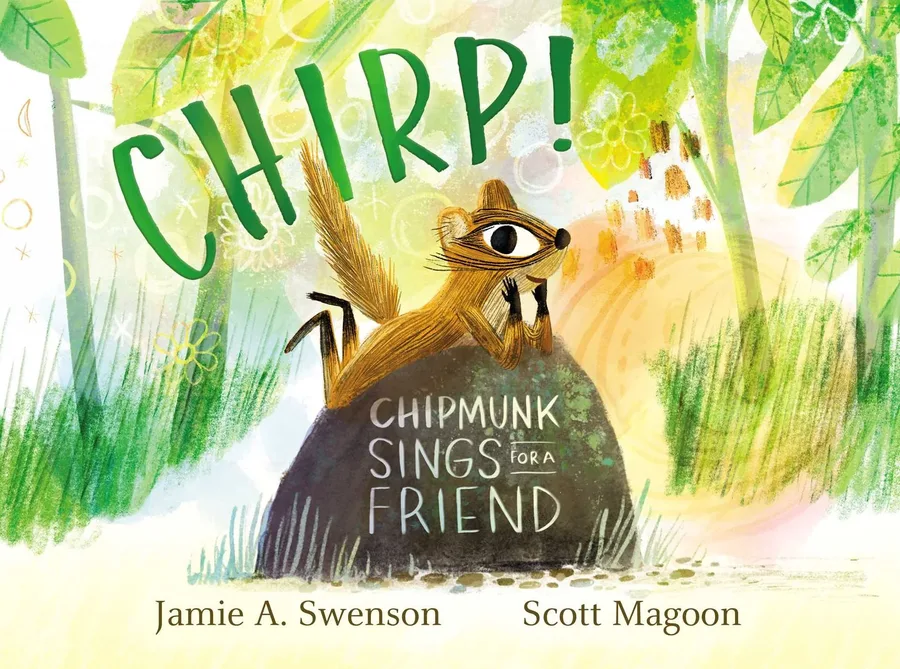 Chirp! Chipmunk Sings for a FriendJamie A Swenson, illustrated by Scott MagoonChipmunk chirps her songs all day long and into the night, with only a rock to listen to her. She appreciates the rock but would also like a friend who could respond. So she sets off to find one, returning with a pinecone who is also a good listener and gets along well with the rock, but also doesn’t say anything. On her second venture out she finds a hollow log, which she wants to take back to the rock and the pinecone, but it’s too heavy for her to move. A raccoon tries to help her, to no avail. Then a moose comes along, who is able to push the log enough that it rolls downhill to rest conveniently next to the rock and the pinecone. Raccoon and moose speak and reply, and they join Chipmunk in her songs, during the day and into the night. Although a lot happens in this story, an economy of language with just the right amount of repetition makes for a great read-aloud. The illustrations use color to express Chipmunk’s moods, and while the animals are anthropomorphized in both the text and illustrations, the rock, pinecone and log are mercifully not.Picture Books for Young ChildrenView book details
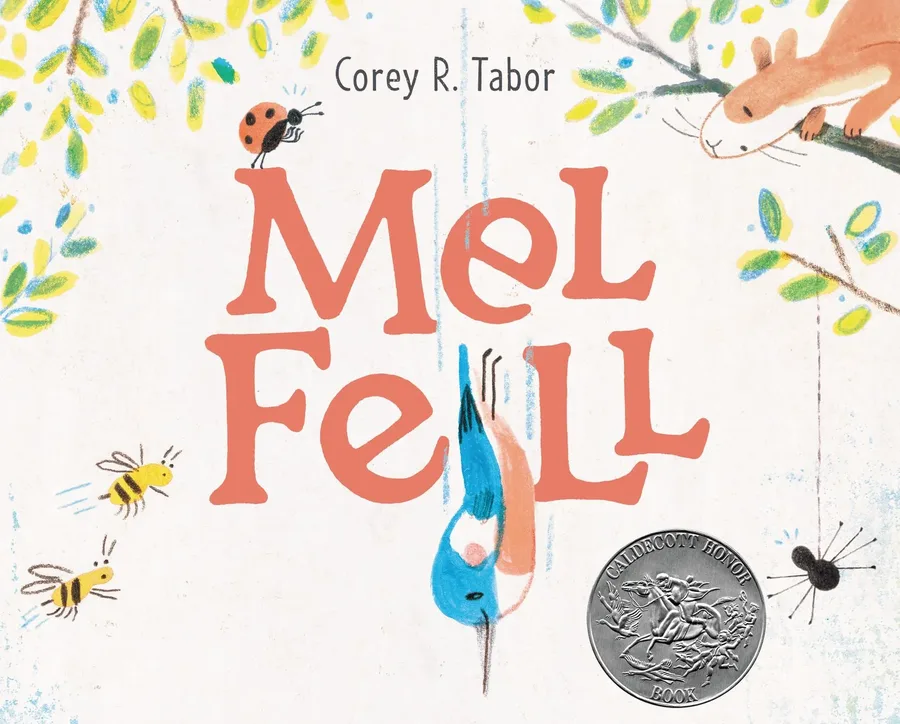 Mel FellCorey R. TaborA confident kingfisher fledgling goes out on a limb by telling her siblings she can fly. But when she somersaults off the branch, she falls straight down, nosediving past owls, squirrels, bees, a spider, a snail, ants, and a ladybug. They all try to help her, but to no avail. Mel finally falls straight into the water and emerges with a fish in her beak. She flies up and up, back to her nest with bragging rights. She drops the fish just before she gets back to her branch, and a visual subplot shows the fish falling, saying “I’m flying! I’m flying!” before plopping back into the water. This book must be turned sideways, with the spine at the top, for the pages showing Mel’s descent, and then back around for Mel’s flight back up to her nest. A page at the center, showing Mel in the water, is cleverly designed to make the book turn seem natural and effortless. There are a lot of humorous details in the colored pencil-and-acrylic illustrations as other creatures react to Mel “flying” by.Picture Books for Young ChildrenWord Count 281View book details
 Oscar’s Tower of FlowersLauren Tobia, illustrated by Lauren TobiaThere is so much to notice, pour over, and think about from beginning to end of this wordless story in which young, light brown-skinned, curly-haired Oscar is staying at the home of a woman in a city apartment building—presumably an aunt or grandma—after hugging his backpack-laden mom goodbye. From ways in which the passage of time is made clear—this is no single overnight—to the warmth and love that surrounds Oscar, the details emerge through the vibrant visual storytelling. On a trip to the neighborhood nursery Oscar picks out some packets of seeds, planting them in various small containers. The plants sprout over the course of coming days (the passage of time cleverly marked in a single page of 9 images). A sunflower grows taller than Oscar. Soon the apartment is bursting with so much greenery that they load up Oscar’s wagon and deliver plants to several families in their building (including, notably, a two-mom hijabi couple with a baby). At story’s end, there’s a joyful reunion between Oscar and his mom, and visible transformation marked by endpapers showing the building (Oscar’s tower) before Oscar’s garden (bare balconies) and after (balconies brimming with plants). The wonderful diversity in Oscar’s building and neighborhood is one more of many things to appreciate in this uplifting story.Picture Books for Young ChildrenView book details
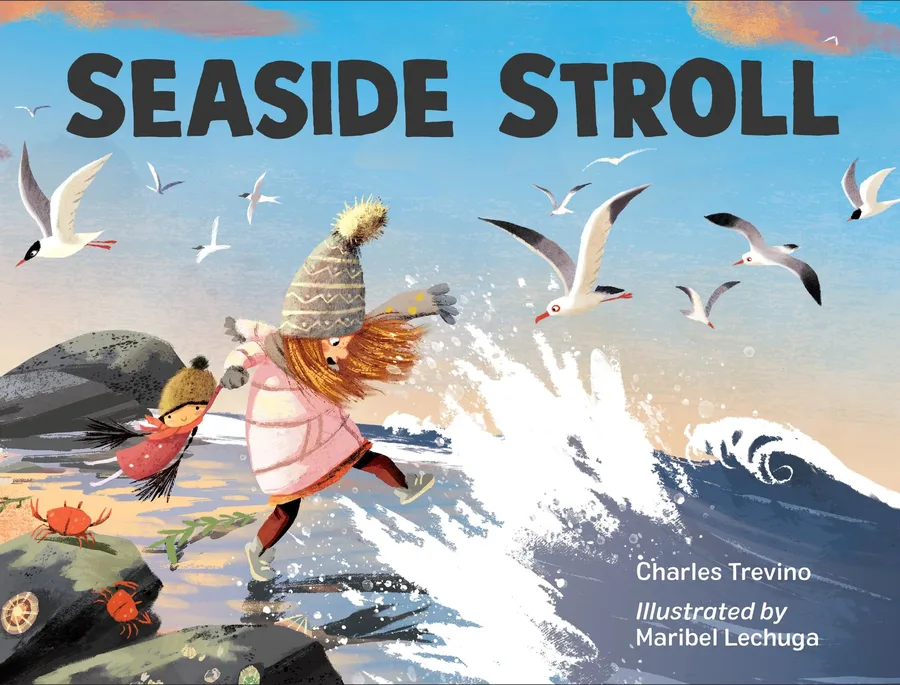 Seaside StrollCharles Trevino, illustrated by Maribel Lechuga“Scruffy shoes, socks, sweater … scratchy, silly scarf / Step, step, sidestep, … snow. Slow steps—shuffle, straddle, saunter … sand.” A white girl and her mom explore a snowy beach on a winter evening as the sun sets. They spot animals, shells, and plants. While stepping carefully around a tide pool, a sudden wave causes the girl to drop her doll into the water (“Slip … splash … sink … soaked!”), but she rescues it. Now sopping wet, they head home, where the mom gives her daughter a warm bath, reads her a story on the couch, and then tucks her into bed. This entire story is told in words that begin with the letter S, many of them sensory words. The evocative illustrations depict the beach, plants, animals, and sky, giving a strong sense of being outside on a warmish winter day, and the illustrations of the child and mother back at home after their walk have a cozy feeling. “Sweatshirt, slippers, supper … story. / Silence. / Safe. Snug. Sleep. Shh!” What could be better?Picture Books for Young ChildrenLexile Text Measure 500LATOS Book Level 3.3View book details
 The Big House and the Little HouseYoshi UenoBig Bear lives in a big house at one end of a long road, and Little Mouse lives in a little house on the other end. Every day they exit their houses and walk in opposite directions for work, so they have never met. Each one is very lonely. One day, in search of a new friend, they each walk in the opposite direction—toward one another—but they are so intent on their destinations that they completely miss each other. In the busy city and forest full of picnicking friends, respectively, Mouse and Bear feel even more lonesome. Heading back to their homes, they happen to meet in front of Bear’s house. He invites Mouse in for tea; they get to know one another and make plans to meet the next Sunday. But the next Sunday a terrible storm arrives, and Bear rushes off to help Mouse, who lives next to the river. The resolution is expected but very satisfying nonetheless. The warm palette of the pen-and-ink, watercolor, and colored-pencil illustrations lend a sense of cozy comfort to this gentle friendship story.Picture Books for Young ChildrenView book details
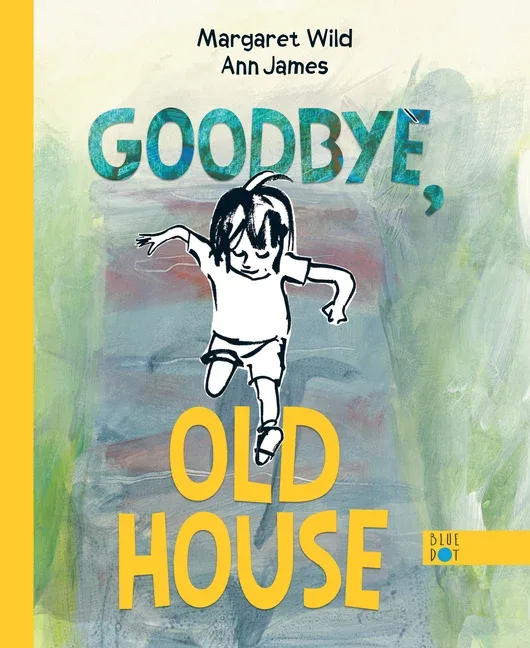 Goodbye, Old HouseMargaret Wild, illustrated by Ann JamesJust before a family moves, their child thinks about how it’s the last time they’ll be doing a lot of things. “This is the last time I’ll fish in this river,” “the last time I’ll run through these trees,” “eat at this table,” “dream by this fire,” and so on. They say goodbye: “Goodbye, kitchen. Goodbye, bathroom. Goodbye, living room … Goodbye, old house. Goodbye.” And then, arriving at their new house, they notice all the firsts. “This is the first time I’ll push open this gate.” “This is the first time I’ll walk through this door.” They greet the rooms (“Hello, kitchen”) and end with this: “Hello, new house, hello.” The last time/first time concepts offer a refreshing change to the usual picture-book story about moving. Each observation is rooted in one small bit of reality, making the transition very matter-of-fact. The unusual artwork uses black-and-white brush-and-ink drawings created with thick strokes to show the child, who appears white, and interior scenes, while the exteriors are shown with brightly colored acrylic gouache backgrounds.Picture Books for Young ChildrenLexile Text Measure AD230LATOS Book Level 1.9View book details
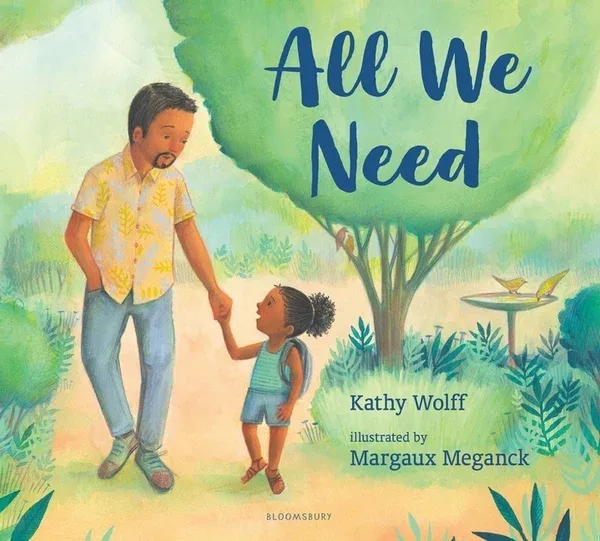 All We NeedKathy WolffA rhyming narrative provides riddling descriptions of things humans need to survive and thrive, with the answer to each riddle revealed with the drama of a page turn. “All we need / is what falls from above / to fill up our glass and our bucket and tub, / to drink to feel cool, to splash when it’s hotter … / All we need … / [turn page] “ … is water.” The need for air, to learn, a home, food, family and friends, and finally, to share, are each illuminated across six other riddles. Readers and listeners can follow a cast of diverse children and families throughout the watercolor, gouache and colored-pencil illustrations in a visual story that culminates with everyone gathered at a community meal.Picture Books for Young ChildrenWord Count 250View book details
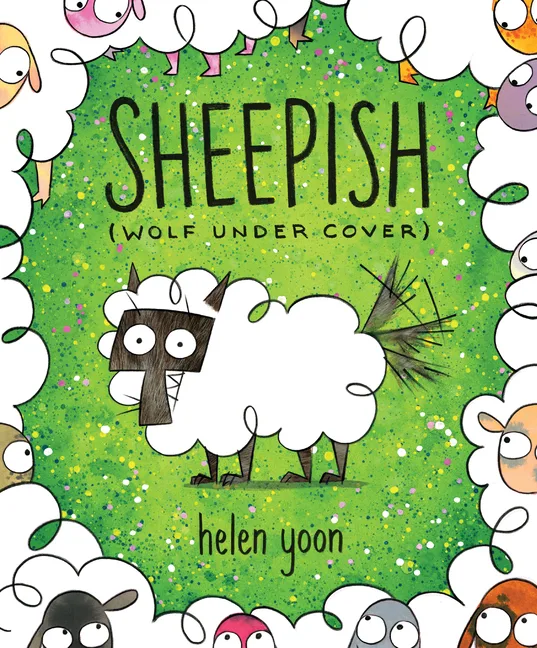 Sheepish (Wolf Under Cover)Helen YoonIt’s not a new idea: A wolf decked out in fluffy wool infiltrates a community of sheep in hopes of scoring a tasty meal of mutton. His multi-step plan includes being helpful (clearing the cafeteria tables), handy (chopping firewood), and a team player (group aerobics). He’s supremely confident that no one has detected his true identity. The illustrations tell another story: A sheep community immediately aware of the intruder in their midst, and ever attentive to his presence. The wolf discovers even the best laid plans can go awry, in this case when a lamb gives the wolf a cheek kiss in appreciation for his read-aloud story time. Heart melted, the wolf heads home in defeat and repurposes his costume into sheep decorations for the fireplace mantel. He’s consulting vegetarian cookbooks when a knock at the door heralds the arrival of the sheep herd, decked out in handmade wolf-ish wear, looking for their missing visitor. The whimsy and charm of the mixed-media illustrations and clever text give fresh life to a familiar tale.Picture Books for Young ChildrenWord Count 92View book details
Picture Books for School-Age Children
43 selections
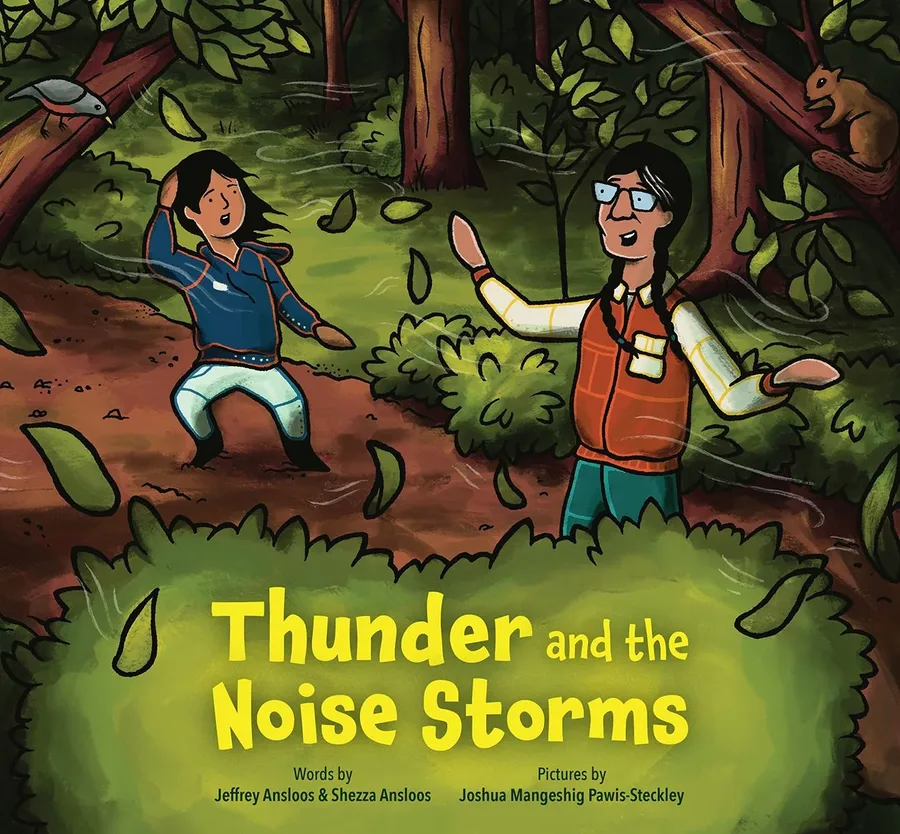 Thunder and the Noise StormsJeffrey Ansloos, Shezza Ansloos, illustrated by Joshua Mangeshig Pawis- SteckleyThunder is a Cree boy who’s especially sensitive to sound, especially when it’s loud. The “noise storms,” as he calls them, are the worst at school: the noisy school bus, the bell ringing, the scraping and swishing of jackets, shoes and backpacks, the particular cacophony of the school gym. Thunder runs from the noises and hides outside, covering his ears. The principal calls his grandfather to help out, and Mosom takes him for a walk, all the while teaching him the traditional concept of mamaskasitawe—to listen with wonder. Mosom encourages Thunder to listen for the quiet things underneath the noise: the wind, tree branches creaking and swaying, the river water, and the whispers of the sweetgrass. Gradually Thunder begins to calm down as he is able to focus his listening, and when the two return to school, Mosom tells him to take some deep breaths and listen to his own heartbeat. The coping mechanisms his mosom teaches him make it possible for Thunder to reenter the school, even though it’s still noisy, because he knows now to breathe deeply and listen to his heart. The distinctive cartoon-style art will appeal to many young readers, who may themselves benefit from Mosom’s lesson.Picture Books for School-Age ChildrenView book details
 The Electric Slide and KaiKelly J. BaptistKai can’t dance well; in fact, he’s the only one in his family who hasn’t earned a dance nickname from his grandpa. His little sister is Baby Bounce, big sister is Miss Boogie, and older brother is D.J. Groove, but Kai’s just Kai. Determined to learn how to dance in time for Aunt Nina’s upcoming wedding, Kai barters with his older sister to convince her to teach him. His older brother and dad add a few pointers, too. Kai practices a lot, but when the wedding comes around and it’s time to step onto the dance floor for the electric slide, he’s still nervous despite his new Uncle Tony’s encouragement. Then he notices that a lot of people out on the dance floor aren’t dancing perfectly—but all of them are having a great time. It’s just the encouragement he needs. Kai does get a nickname from Grandpa (Lil’ Slide), but it’s Kai and his family, who are Black, that provide the story’s greatest delight, with their genuine warmth and humor.Picture Books for School-Age ChildrenLexile Text Measure AD540LATOS Book Level 3.2View book details
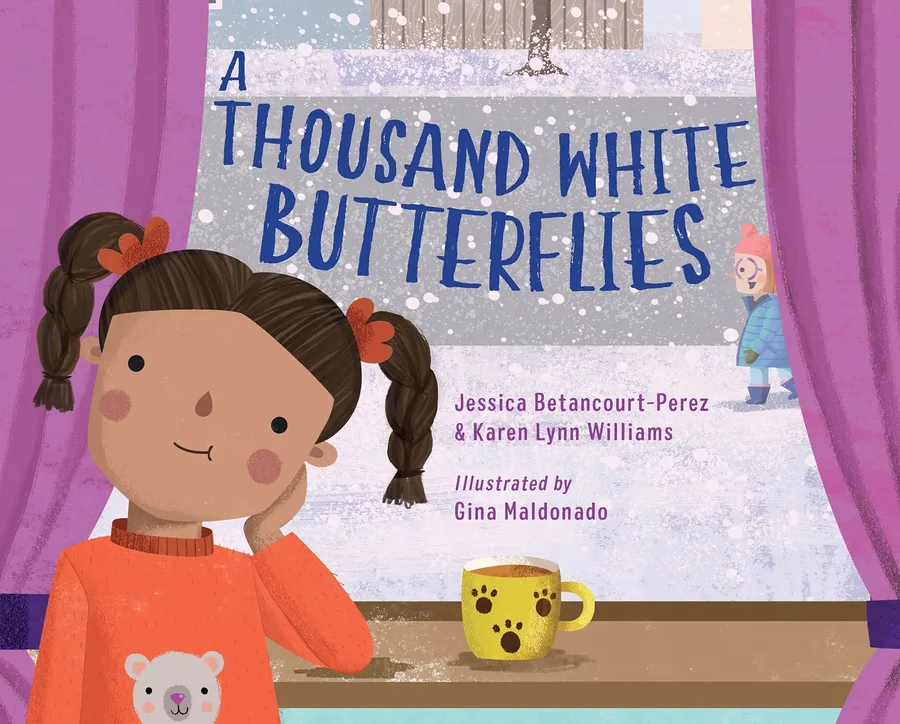 A Thousand White ButterfliesJessica Betancourt-Perez, Karen Lynn WilliamsIsabella has just moved from Colombia with her mother and grandmother, while her father is still back home waiting for his immigration papers to come through. She’s looking forward to starting school, even though it’s the middle of the school year and she doesn’t yet speak much English. So when a big snowstorm closes the school on what was supposed to have been her first day, she is heartbroken. Still, she’s intrigued by the snow, which she has never seen before; she thinks it looks like a thousand white butterflies. As she glumly watches out the window, she sees another little girl fall into the snow outside and she quickly bundles up and rushes out to help her get up. But the girl is making snow angels, and she shows Isabella how to join in. By story’s end Isabella can look forward to starting school with a new friend. Brightly colored crayon-and- acrylic illustrations depict two girls who find they have a lot in common even though they don’t speak the same language.Picture Books for School-Age ChildrenLexile Text Measure 480LATOS Book Level 3.2View book details
 Soul Food SundayWinsome BinghamEvery Sunday is Soul Food Sunday for the young Black boy narrating this story. Aunts and uncles and cousins gather. Usually the boy would play with his cousins, but this Sunday Granny says he’s old enough to help in the kitchen. Granny says, “Unless mac ‘n’ cheese is on the table, it’s not Soul Food Sunday.” She shows him how to grate different kinds of cheese for mac n cheese. “Unless greens are on the table, it’s not Soul Food Sunday.” She shows him how to wash, rinse, roll, and rip the greens. Granny teaches him how to skin the chicken, strip the membrane from the ribs, and slice the hot sausage for the grill (which will be manned by Roscoe Ray, the “Grill Master”). Later, while Granny naps, the boy, wanting to do something special all by himself, makes a jug of sweet tea. “Unless sweet tea is on the table, it’s not Soul Food Sunday.” A narrative full of energy and rich descriptive language includes details and rituals of food preparation, along with the love and affirmation of family. The bright yellow backgrounds of the dazzling oil illustrations amplify the sense of warmth in this story.Picture Books for School-Age ChildrenView book details
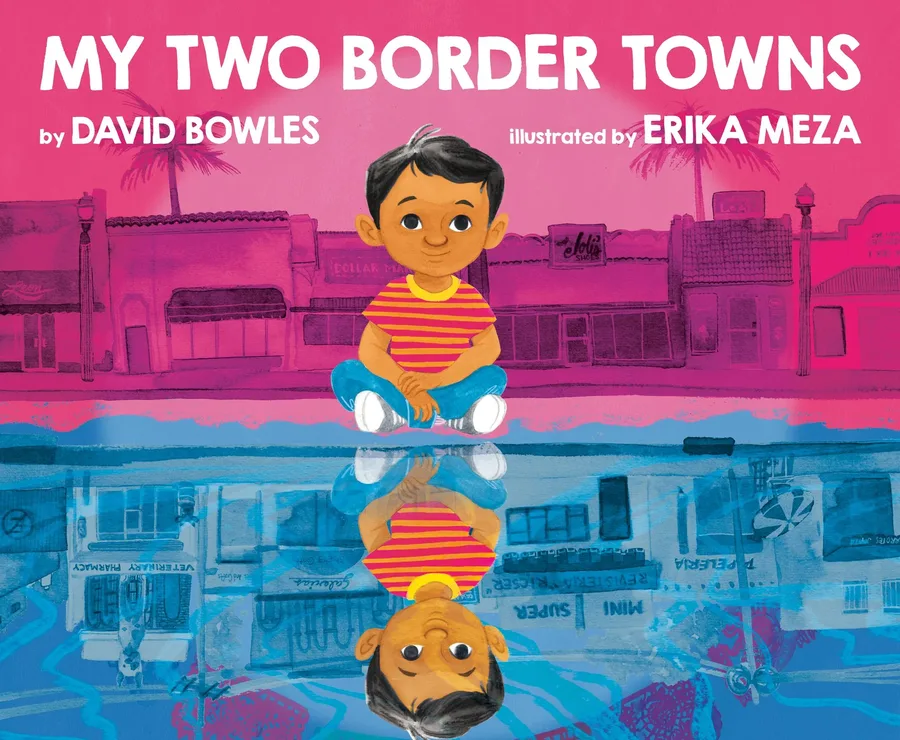 My Two Border TownsDavid BowlesThe sun is not yet up when a young boy is awakened by his dad to go on their weekly journey across the border between the United States and Mexico. On their way out of town, they pass stores with signs in Spanish, similar to what they’ll see on the other side. The boy describes the journey over the bridge, through border patrol, and into Mexico, where they stop at the first town. They grab breakfast before going to visit the jewelry store owned by the boy’s aunt and uncle, then head out to buy the things on the list his mom has sent with them: honey, avocados, Mexican cokes, and prescription drugs. They also buy things for some friends: t-shirts, chanclas, bottled water, and sweets. On their return trip they stop on the bridge to visit these friends, who have been waiting months between borders, trying to enter the United States. The father assures his son that one day their friends will be able to cross the border, and when they do, they’ll be welcomed in the boy’s town. Warm, richly detailed watercolor illustrations show the irony of creating a barrier between two towns that are essentially the same, as well as contrasting the lives of people living in the border towns with the refugees who are caught between them.Picture Books for School-Age ChildrenLexile Text Measure AD680LATOS Book Level 3.5View book details
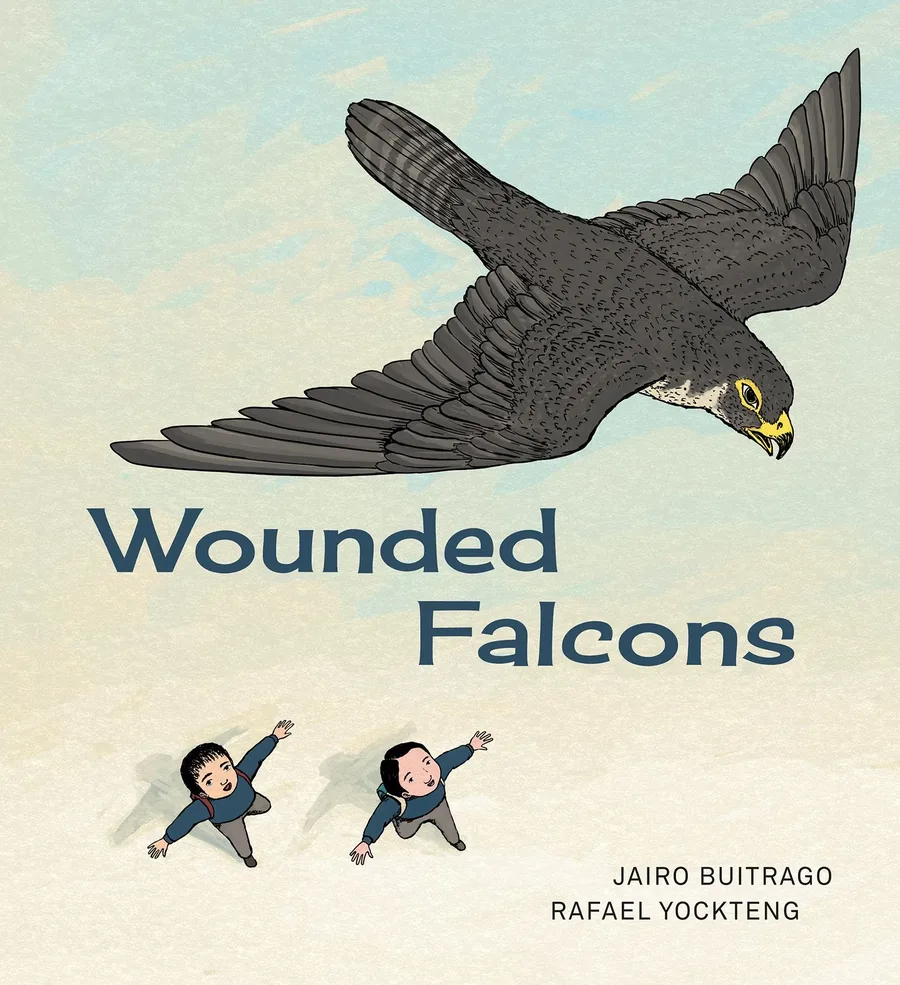 Wounded FalconsJairo Buitrago, illustrated by Rafael YocktengAdrián and Santiago live in a “neighborhood that has been forgotten by everybody.” Every day after school, the two Latino boys sit in a garbage- and weed-filled lot, Santiago reading and Adrián climbing trees, looking for “little creatures.” On this day, Adrián is angry. He’s been in a fight and has a black eye and a cut lip. And then he finds a wounded falcon. (A two-page spread before the title page shows a rock hitting the falcon’s wing as it flies.) Adrián takes the bird home; later, the boys take it to a man Santiago’s uncle knows, “a guy who cures broken bones.” “It’s scared, like me,” Adrián thinks. This quiet story has so many deeper layers. It’s implied Adrián’s home life may be abusive or neglectful, and he is clearly a kid easily judged by others. Here, the side of him only Santiago sees is revealed to readers and a few others. His interest in animals, his role as nurturer/protector and companion to the bird, make clear he is so much more than what most people may see. It’s also clear his love for animals brings him solace and healing, as does the quietly supportive friendship Santiago offers. The fate of the falcon is left open-ended, much like the fate of Adrián, but neither are without hope. Digital illustrations reminiscent of pen-and-ink in their clean lines and details form an arresting backdrop for this moving story.Picture Books for School-Age ChildrenView book details
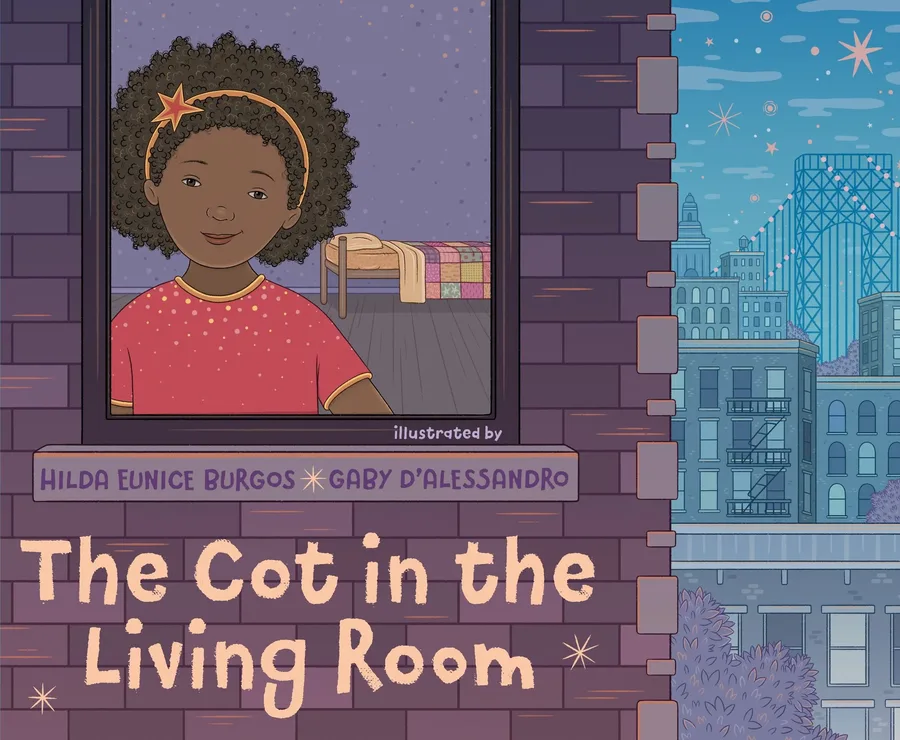 The Cot in the Living RoomHilda Eunice BurgosA young Dominican American girl is jealous of each child who stays overnight with her family while their adult caregiver works, not only because they get to sleep on the cot in the living room, but because they get her parents’ attention, special privileges (she thinks), and a view of the George Washington Bridge through the window. “It’s not fair,” she thinks when Raquel, then Edgardo, then Lisa comes to stay. The girl imagines each visiting child having a free-for-all in the living room; but the reality is that each child is anxious and homesick, although the girl’s parents provide all the comfort they can. Finally, on a night when there isn’t a guest, the girl gets to sleep on the cot—but the unfamiliar bed isn’t comfortable, and the shadows on the wall are scary, and she welcomes Mami’s middle-of-the-night reassurance. The next time Raquel comes over, the girl realizes how much Raquel must miss her dad after he drops her off. “It’s not fair,” she thinks again, before coming up with an idea to help Raquel and the other kids feel better when they stay. Clean-lined digital illustrations subtly but effectively distinguish between reality and the girl’s imagination, and use background color to reflect shifting feelings throughout this welcome, emotionally honest, child-centered story illuminating an aspect of some working/working class families’ lives rarely seen in picture books while underscoring the power of empathy and compassion, and the importance of community.Picture Books for School-Age ChildrenLexile Text Measure AD490LATOS Book Level 2.7View book details
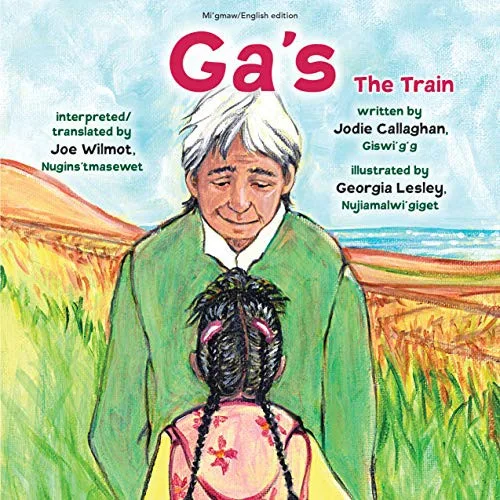 Ga’s / The TrainJodie Callaghan, illustrated by Georgia LesleyA powerful and distinctive residential-school story centers on a young girl who runs into her elderly uncle while walking home from school. He is sitting by run-down, inoperable railroad tracks, waiting. When prompted by his niece he tells her the sad story of a time when trains arrived every month, carrying rations for the Native families in the area. But one time, the train that came instead carried him, his siblings, and their cousins away, to a boarding school, where they were mistreated and stripped of their Native identities. The children were kept there for six miserable years. At the end of his story, he tells his niece is still waiting “for what we lost that day to come back to us.” Brightly colored illustrations alternate between showing the contemporary girl and her uncle, and more somber illustrations of the uncle’s memories. While the text is a bit longer than most contemporary picture books, the telling—and the story itself—are extremely powerful. The story is set on the Listuguj Reserve in Quebec, and the text is in Mi’gmaw and English (an English- language-only edition was published in 2021).Picture Books for School-Age ChildrenView book details
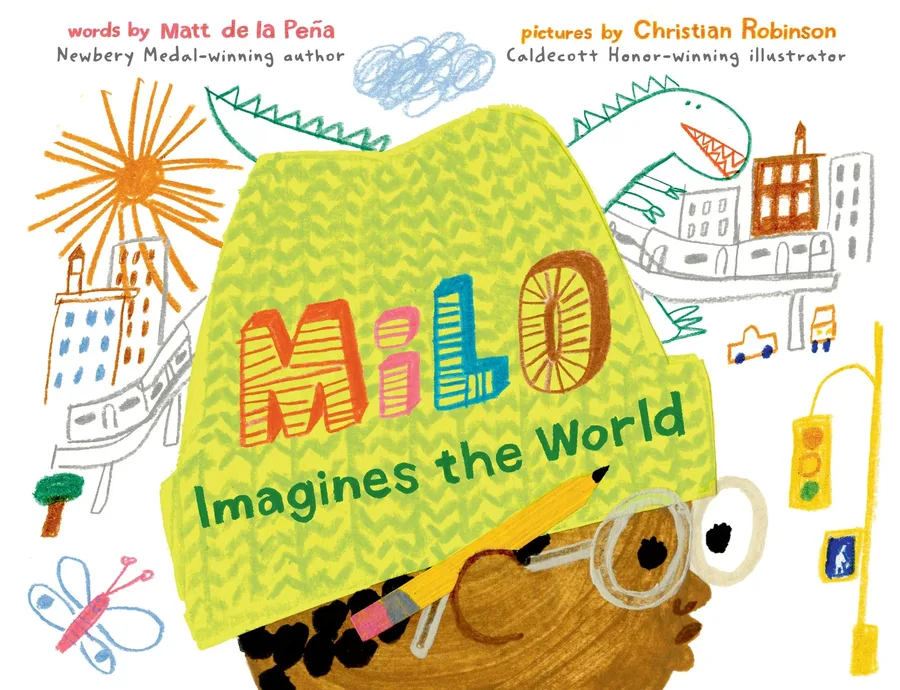 Milo Imagines the WorldMatt de la PeñaRiding the subway, Milo feels like “a shook-up soda.” To distract himself from his nerves, he sketches the people near him—a whiskered man; a woman in a wedding dress; a white boy with clean, white sneakers; a group of break dancers—imagining what their lives might be like. He draws the man at home, eating alone. The bride marries a man, and they float away in a hot air balloon. The boy takes a horse-drawn carriage to his castle, where a gourmet chef offers him “crust-free sandwich squares.” The breakers are followed and glared at in an electronics store. Meeting the white boy’s eyes, Milo wonders what people imagine when they see his own face. Back on street level, he and his sister join a long line, and he’s surprised to see the white boy in line, too. Thinking that “maybe you can’t really know anyone just by looking at their face,” he imagines alternate stories for the people in his sketchbook: a family for the single man, a bride for the woman in a wedding dress. Finally, he and his sister are united with their incarcerated mom, and Milo gives her a picture he’s drawn of the three of them, eating ice cream on a front stoop. Cut-paper and collage illustrations alternate with two-page spreads of colorful, Crayon-drawn stories in Milo’s sketchbook in this thought- provoking story about a contemplative, imaginative Black boy.Picture Books for School-Age ChildrenView book details
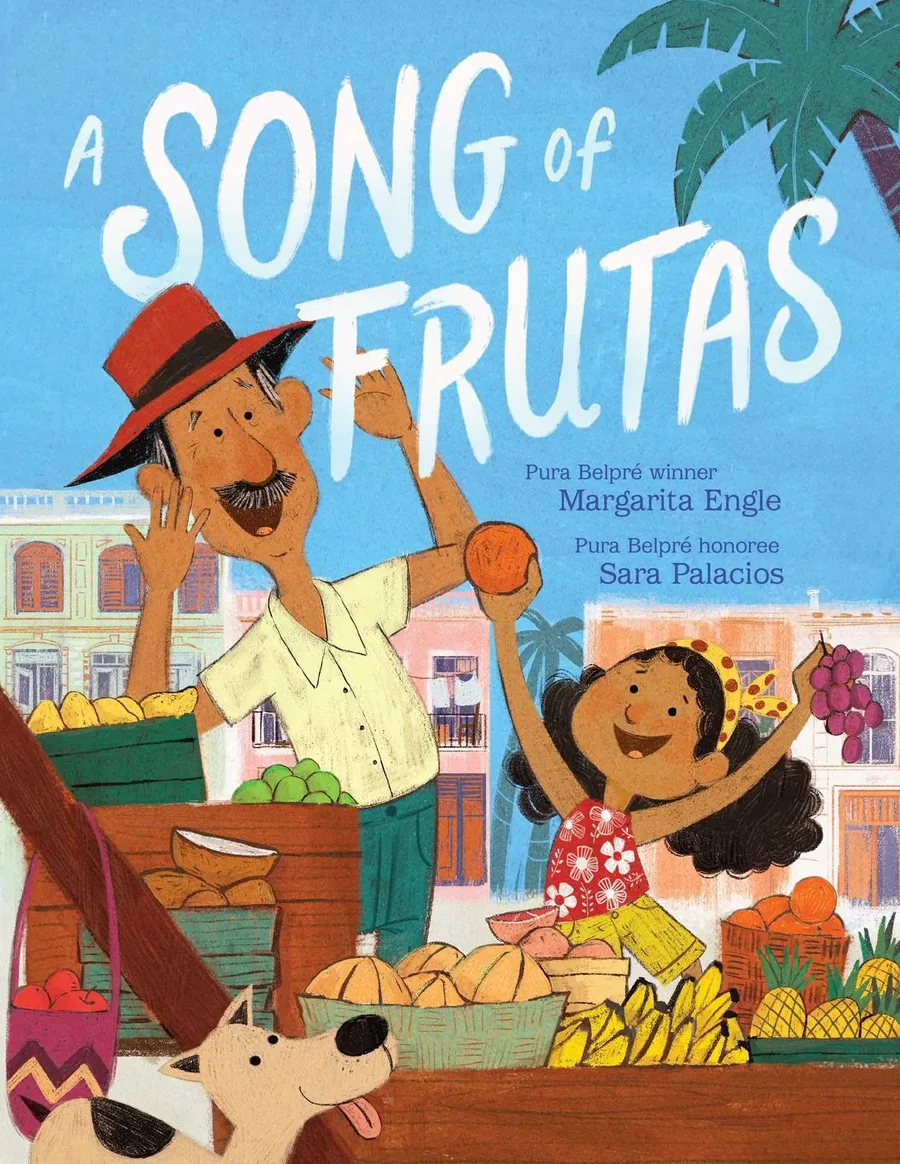 A Song of FrutasMargarita EngleA brown-skinned girl speaks glowingly of her abuelo, who works as un pregonero, or singing street vendor, in his Cuban town. As he pushes his cart through the town singing out the names of the fruit he has for sale, his song is “as powerful as an opera singer’s glorious voice.” The girl describes other sights and sounds she witnesses, from customers arguing about prices to other pregoneros selling tamales, herbs, sweet potatoes, and, best of all, candy, each one with a special name and song. On New Year’s Eve, people rush to buy their 12 grapes per person so they can make a wish for each month of the coming year. Palacio’s sprightly illustrations bring the busy streets to life, as the story concludes with the narrator describing how difficult it is to visit her grandfather in Cuba, and how they keep in touch through letters, each syllable “a hug made of words.” An author’s note provides more information about Spanglish, Cuban street vendors, travel restrictions between the United States and Cuba, and the Latinx tradition of eating 12 grapes at midnight on New Year’s Eve.Picture Books for School-Age ChildrenView book details
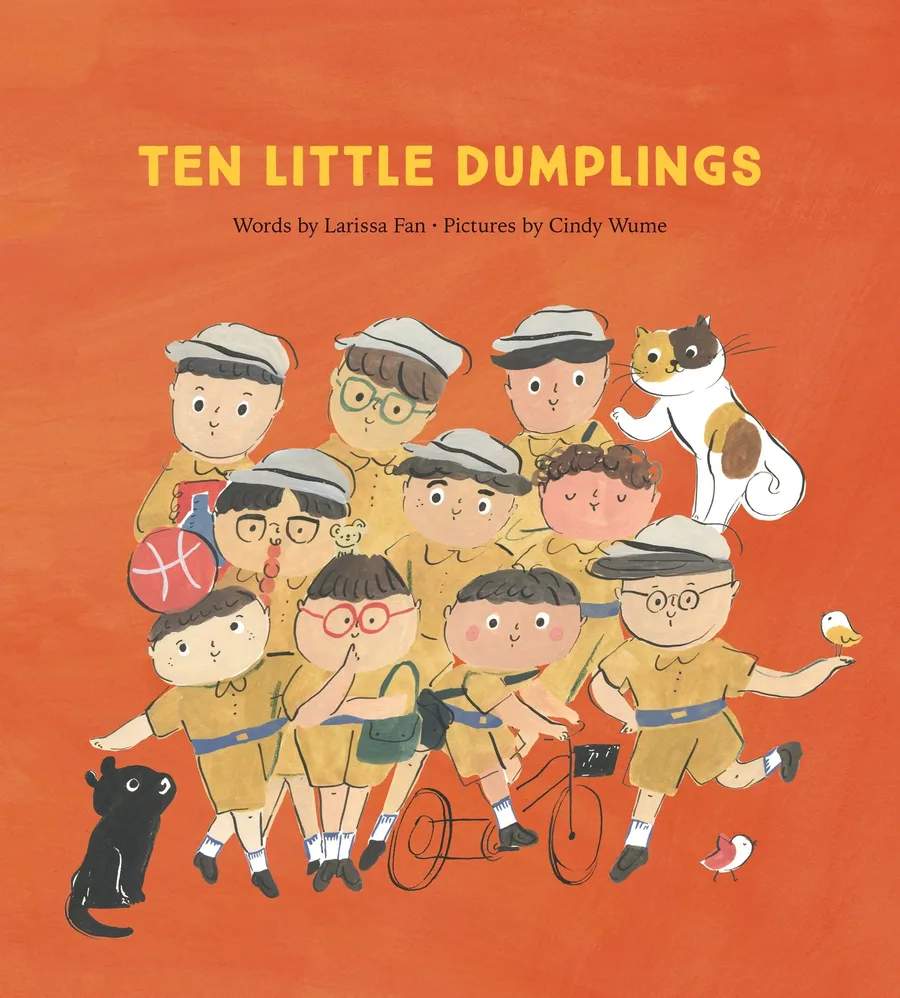 Ten Little DumplingsLarissa Fan, illustrated by Cindy Wume“To have one son was considered lucky, / To have ten was great luck indeed!” This nod to the Chinese tale about ten brothers describes a lively, loving Chinese family of boys. Their parents call their sons their ten little dumplings because they were round as babies and because, “like sons, dumplings are auspicious, / Bringing prosperity and success.” The ten brothers do everything together: dressing, playing, eating, sleeping. And indeed, they seem graced by good fortune as they grow “into ten fine men.” But who is telling this story? In a marvelous twist half way through, the narrator reveals herself: “Those dumplings were my brothers. You may not have seen me, but I was there too. You just need to look more closely.” While her brothers were growing up, she was, too—listening, studying, learning, and finding her own talent as an artist. And now she has a child of her own. “My own wonderful girl. My little dumpling. How lucky I am!” The buoyant ink, gouache, and colored pencil illustrations on matte pages are part of the fun, and finding the young narrator, who indeed appears in every early scene, is one of many delights of a fresh, inspired story.Picture Books for School-Age ChildrenView book details
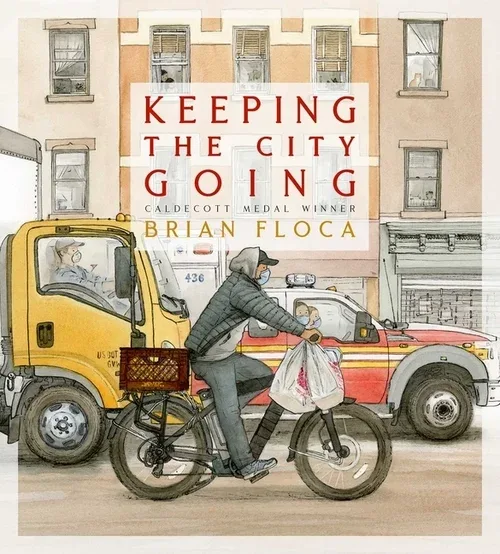 Keeping the City GoingBrian Floca, illustrated by Brian FlocaWhile the pandemic has kept everyone inside, a few people remain on the streets of New York City. They keep the city going—delivering food on bikes and in trucks, driving buses and subways trains and taxis and garbage trucks. They are postal workers, firefighters, police, nurses, doctors, and EMTs. They are the people who keep the water and gas and electricity and internet going. And every night at 7:00, people emerge from their homes to clap and cheer and remind one another that they’re all in this together. Detailed watercolor illustrations of city life, with a heavy emphasis on vehicles, are a noteworthy aspect of this marvelous tribute to essential workers.Picture Books for School-Age ChildrenLexile Text Measure AD630LATOS Book Level 4.1View book details
 The Worm Family Has Its Picture TakenJennifer FrankMrs. Worm, who has a poor memory due to her tiny brain, schedules a family portrait so that she’ll always remember just how “squirmy, slimy, and cute” her children currently are. Emma, the eldest, rushes off to tell her friends the exciting news. As it turns out, her friends have all posed for their own portraits, each of which turned out beautifully. The beaver family’s portrait showcases their large, toothy smiles. The cat’s highlights her “poufy” hair. And the colorful wings of the butterfly family make their portrait look like a rainbow. Now decidedly glum, Emma wonders what will make her family portrait special; after all, worms have no teeth, hair, or bright colors. Struck with inspiration, she surprises her family with clothing, wigs, and fake teeth. Thus decked out, they arrive for their portrait only to be refused service by the photographer, who doesn’t recognize them. As the worms doff their ridiculous costumes, it occurs to them that they can use their squiggly bodies to do something unique: spell out the word “cheese.” Accompanied by plenty of amusing details in the illustrations, this story cleverly celebrates differences (in this case, among species).Picture Books for School-Age ChildrenLexile Text Measure AD550LATOS Book Level 3.6View book details
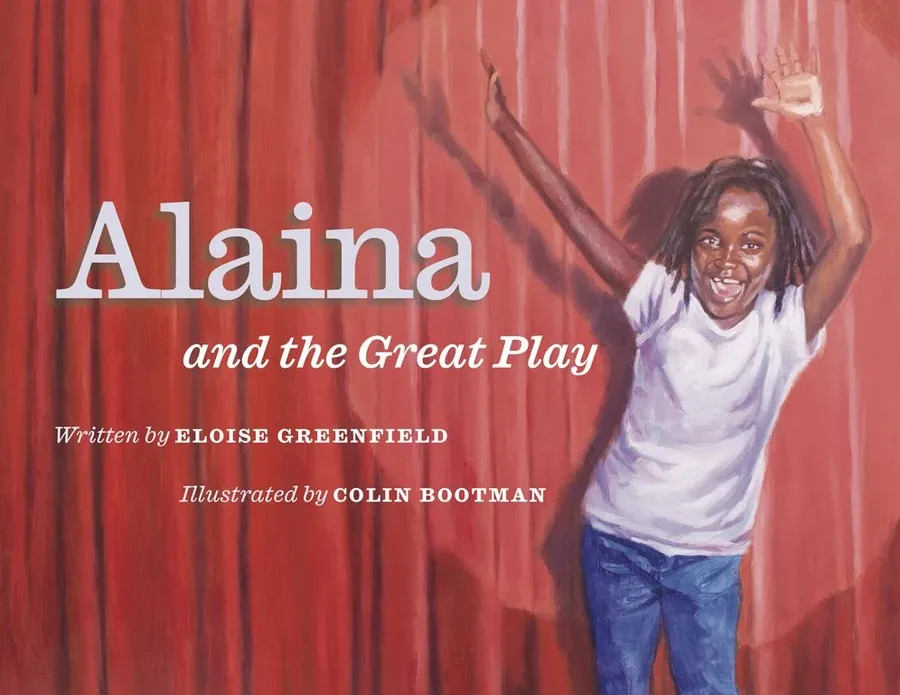 Alaina and the Great PlayEloise GreenfieldAlaina, a Black kindergartner, is very excited to have a single line to recite after the second-grade play: “Thank you for coming. Goodbye.” All day she thinks about her big moment, reciting the line over and over in her head, practicing with her mom and teacher. Finally, it’s time for the play, which captivates Alaina. She laughs at the funny parts, feels uncomfortable at the student actors’ pretend anger, and feels quiet when the play is sad. Then the actors play a scene in which they are attending a party onstage, and Alaina is so happy. By the time it’s her turn to go onstage to recite her line at the very end of the play, she’s so exuberant that those five words just aren’t enough to encompass the experience they’ve all just had. So she unexpectedly improvises. Opening her arms wide, she asks, “Wasn’t that great? Wasn’t it stupendous? What about those jokes, and the yelling, and the crying, and the dancing, and …?” After a couple of somersaults, Alaina finally says her assigned line and leaves the stage, where she is hugged and clearly appreciated by her teacher, and then her mom. Alaina’s gregarious personality is shown through her actions and, ultimately, her words, and it’s impossible not to connect with her enthusiasm. The realistic illustrations capture Alaina’s buoyancy, making her the star of this book if not the show.Picture Books for School-Age ChildrenView book details
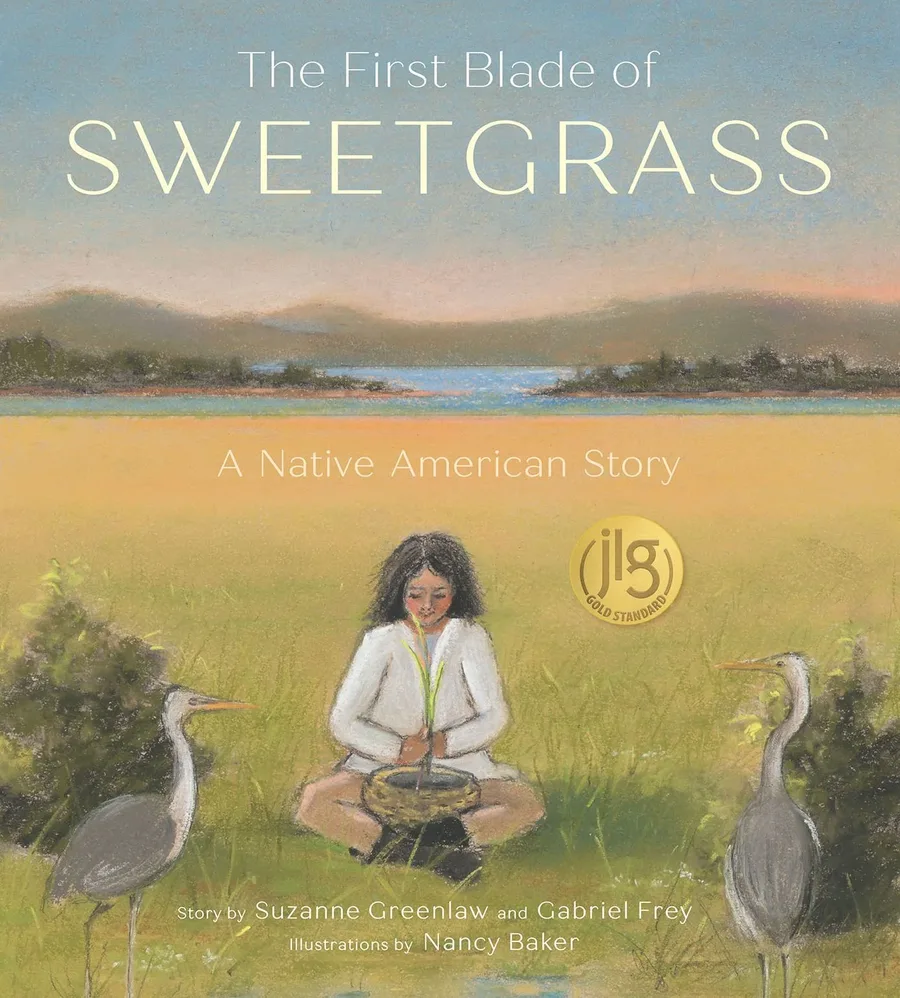 The First Blade of Sweetgrass: A Native American StorySuzanne Greenlaw, Gabriel FreyMusqon and her grandmother, whom she calls Uhkomi, arrive at the salt marsh to pick sweetgrass, which their family has done for generations. Sweetgrass, or welimahaskil in the Passamaquoddy-Maliseet language, is used in ceremony and to make baskets. Uhkomi tells Musqon how to identify sweetgrass among the other types of grass in the marsh. Musqon has trouble finding it at first and picks the wrong type of grass. Uhkomi gently reminds her that her ancestors are there to guide her, and soon Musqon smells sweetgrass and learns to spot the emerald green of its blade. As her grandmother instructed, she does not pick the first piece she sees; that way, they will never pick the last one. As the story ends, Musqon thinks that perhaps next year she’ll teach her little sister how to pick sweetgrass. The muted illustrations, done mostly in earth tones and greens on brown paper, are an excellent match for the quiet story.Picture Books for School-Age ChildrenView book details
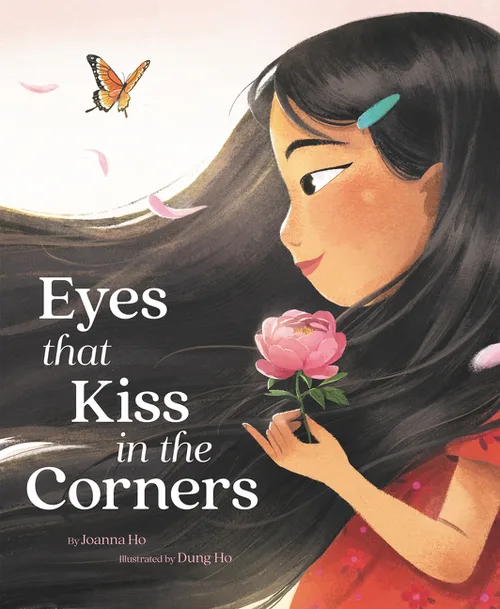 Eyes That Kiss in the CornersJoanna HoA Chinese girl considers her eyes that “kiss in the corners and glow like warm tea.” They are just like Mama’s eyes, which “crinkle into crescent moons” when she tickles her daughter. Mama’s eyes are just like Amah’s. Amah’s eyes see into the girl’s heart and are filled with stories, like Guanyin and the Monkey King. Amah’s eyes are just like Mei-Mei’s, the narrator’s little sister. Mei-Mei’s eyes “disappear beneath her two-tooth smile” when her older sister returns home from school. And, coming full circle, Mei-Mei’s eyes are just like the narrator’s, in which “stories whirl into their oolong pools, carrying tales of the past and hope for the future.” Her “lashes curve like the swords of warriors” on eyes that “are a revolution. They are Mama and Amah and Mei-Mei. They are me. And they are beautiful.” Themes of affirmation and family celebrate a deep pride in culture and shared appearance.Picture Books for School-Age ChildrenLexile Text Measure AD610LATOS Book Level 4View book details
 The Lost PackageRichard HoWhen an Asian American girl in New York City mails a package through the United State Postal Service, everything starts out as expected. At the post office, the box is weighed, stamped, and labeled. It goes to a much larger facility where it is tumbled, scanned, measured, sorted, and routed. It heads to the airport—but along the way the truck hits a pothole, and the package flies out the back door, landing in a puddle. It lies there until a Black boy and his mom walk by. The boy picks up the package and notices the Golden Gate Bridge drawn on the box. As luck would have it, he and his mom are about to move to San Francisco, so they pack up their moving van and take the package with them across the country. “Like all packages, this one was sent with hope / that neither snow / nor rain, / nor heat, / nor gloom of night / will keep it from being delivered.” Once they reach San Francisco, they hand-deliver the package to a young Asian boy and his mom. Told with sparse language, the detailed watercolor illustrations carry most of this story, providing a fascinating behind-the-scenes look at much of what happens to a package as it goes through the postal system (the lost package, one hopes, is a rarity). There are several cut-aways, which reveal the inner workings at the post office (including machinery) and the interior of a postal truck.Picture Books for School-Age ChildrenLexile Text Measure AD330LATOS Book Level 2.4View book details
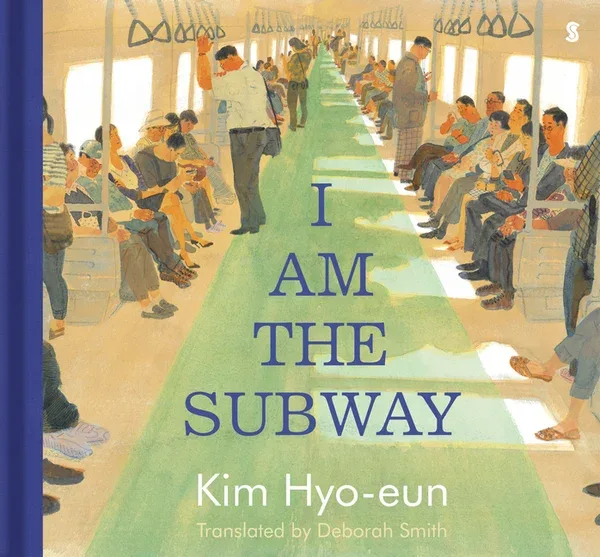 I Am the SubwayKim Hyo-Eun, Deborah SmithA day in the life of a Korean subway is told in the voice of the subway itself. “I run in one big ring around the city of Seoul each day, sending people off and welcoming them in. ba-dum, badum ba-dum, ba-dum This station is Sindorim. Sindorim station. The doors will open on your left.” At each stop, people get on and people get off. There’s a man who’s late for work, a grandma who’s taking fish to her granddaughter, a student worrying about an upcoming exam, a shoemaker, a mother with two young children, a man looking for work. For each person we get a brief monologue of what’s running through their minds as they ride the subway, while the accompanying watercolor illustrations show them on a crowded subway seat, looking at their phones or staring off into space (or, in the case of the shoemaker, studying everyone’s feet). It’s a train full of strangers, and yet we feel as if we know each one by the end of the journey.Picture Books for School-Age ChildrenLexile Text Measure AD700LATOS Book Level 4.5View book details
 The Shape of HomeRashin KheiriyehOn her first day of school in the United States, young Rashin’s breakfast includes a round smiley face pancake, a honey bottle shaped like a bear, and oval eggs with happy faces drawn on. The rainy walk to school is under an umbrella shaped like a cat, past lines of people, and cars and bicycles with circular wheels. She remembers walking to school in Iran, where the bread from Mr. Hassan’s bakery was shaped like the braid in her own hair, and she and the other girls in their white hijabs reminded people of a carton of eggs. In Rashin’s new classroom, the teacher invites the students to introduce themselves and the places they come from. Each student describes their native country’s shape as reminiscent of something familiar: Benin looks like a flashlight, Japan like a seahorse, Italy like a boot. Rashin describes Iran like a cat. And their new home, the United States? The students decide it looks like a friendly whale. “And by the end of the day, my classroom is shaped like home.” Cheerful mixed-media illustrations convey young Rashin’s joyful outlook while providing concrete imagery for the country comparisons in this ebullient picture book.Picture Books for School-Age ChildrenWord Count 686View book details
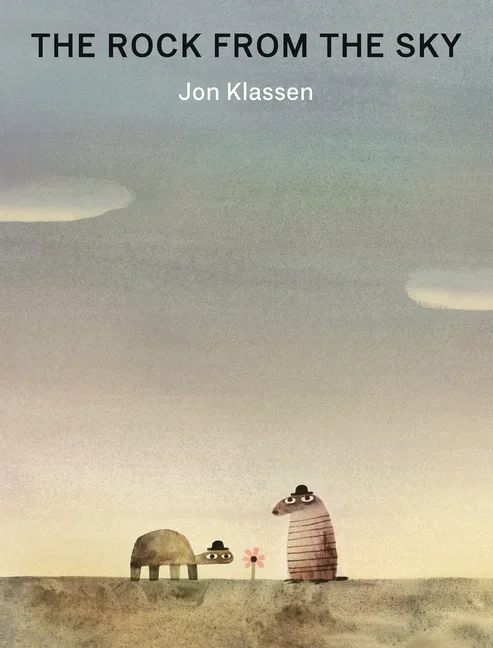 The Rock from the SkyJon Klassen, illustrated by Jon KlassenFive short chapters show simple encounters between a turtle, an armadillo, and a snake on a barren landscape defined by muted colors and a never-changing horizon line. The three converse about favorite spots to stand, take a nap, imagine the future, enjoy a sunset, and finally part ways. While they are talking a gigantic rock falls from the sky (and lands right on the turtle’s former favorite spot), an alien appears, and another gigantic rock falls. These seemingly momentous events are virtually ignored by the threesome, who go about their business in a most mundane way. The humor comes from Klassen’s verbal and visual understatement throughout, the quiet interplay among the three characters (the turtle is constantly having to amble across two double-page spreads just to be heard), and from the incongruity between the enormous actions beyond their control and the characters’ reactions (or lack thereof) to what’s going on around them. The subtle shifting of their eyes is the only indication that they are aware of the falling rocks.Picture Books for School-Age ChildrenWord Count 547View book details
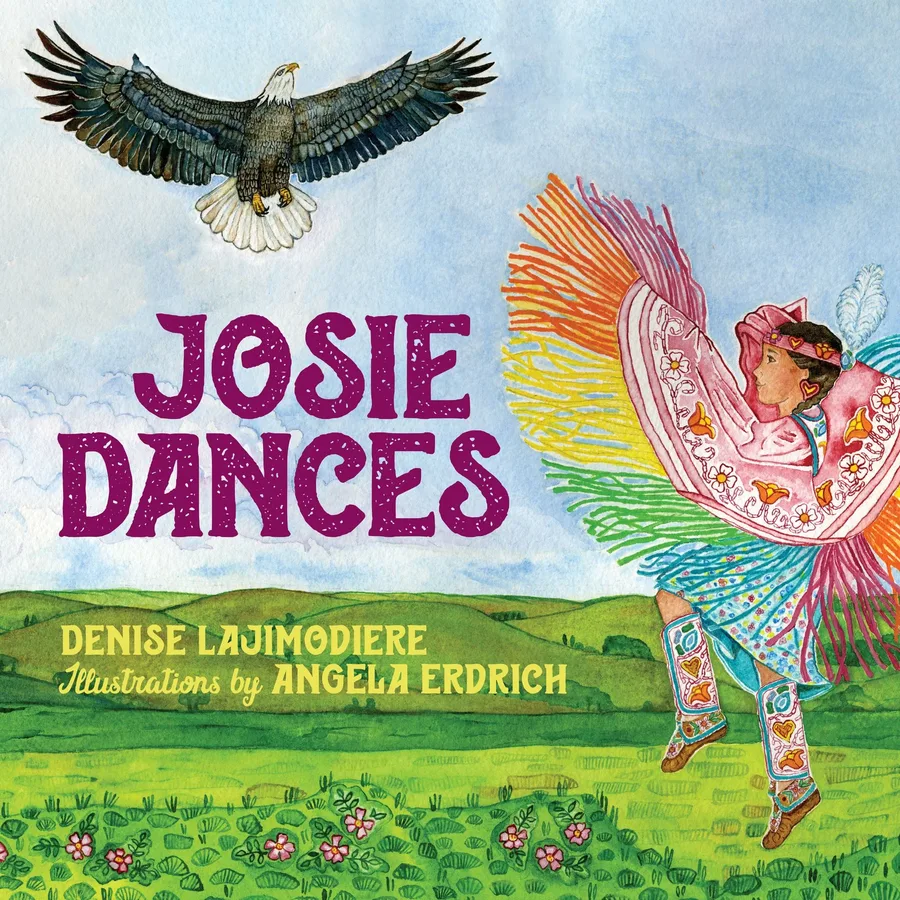 Josie DancesDenise LajimodiereJosie wants to dance for the first time at her next tribal powwow. She asks her mom to make her dress and shawl, her aunty to make her cape, and her kookum to make her moccasins and leggings. Then she asks tribal elder Grandma Greatwalker to dream her spirit name. Throughout the winter and into spring, Josie practices the fancy shawl dance. Meanwhile, while her mom, aunt, and grandma sew and bead, Grandma Greatwalker prays for a name. When the powwow finally arrives in late summer, the first thing Josie sees the morning of the dance is an eagle flying overhead. When the time comes to get ready, her mom braids Josie’s hair, her family members present Josie with her fancy shawl outfit, and Grandma Greatwalker presents her with an eagle feather and her name: Migiziinsikwe, Young Eagle Woman. A picture book set on the Turtle Mountain reservation ends with Josie being welcomed into the dance circle of the powwow. At story’s end, a glossary for the many Ojibwe words effortlessly incorporated into the text is followed by a brief note (with hand- drawn map) about Turtle Mountain, where the story is set. The naïve-style art, rich with cultural details, extends the sense of love and warmth found in the narrative.Picture Books for School-Age ChildrenView book details
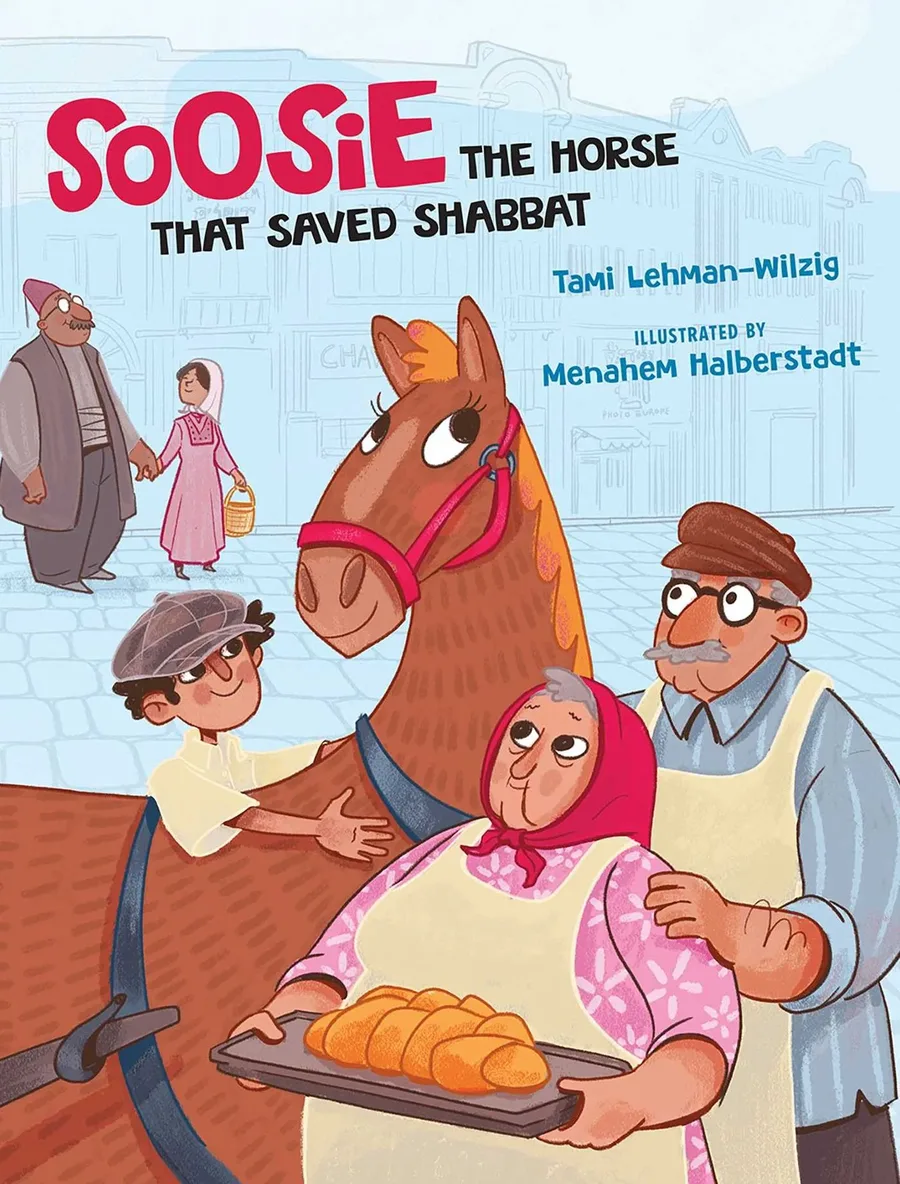 Soosie: The Horse that Saved ShabbatTami Lehman-Wilzig, illustrated by Menahem HalberstadtLong ago in Jerusalem, bakers Esther and Ezra woke early each morning to make challah. “By the time the sun had come up, the couple had baked enough challah for all the families in Jerusalem to bless and eat at their Shabbat dinners.” Their young delivery boy, Jacob, would hitch their horse, Soosie, to the wagon and make his way throughout the city. “Clip-Clop” went Soosie’s hooves on the cobbles; “Clink-Clang” went the coins into the tin bank on the wagon to pay for the bread. On a morning Jacob is too sick to do the deliveries, he suggests they send Soosie on her own with the wagon full of bread and a note asking people to pay as usual. He’s sure Soosie has walked the route so many times she’ll know the way. “Clip-Clop”: Across the city Soosie makes her deliveries. “Clink-Clang”: People read Jacob’s note and put money in the tin bank. The delightful story with a folkloric feel is set in the early 20th century and inspired by a famous bakery in Jerusalem. That history, and information about Jerusalem and Shabbat, are included in the end matter of a tale set against stylized illustrations.Picture Books for School-Age ChildrenView book details
 Friends Are Friends, ForeverDane LiuNews that Dandan’s family will be moving far away makes her notice the details of their last Lunar New Year celebration at home in China. “Nainai’s stories chime in my ears. Garlic and ginger tickle my nose. I close my eyes to remember everything.” She and her best friend, Yueyue, have a tradition: cutting red snowflakes from paper, laying them on a plate and adding water. They freeze into ornaments they hang from trees on New Year’s Day. Yueyue’s going away present for Dandan is red paper and string, so Dandan can continue the tradition next year in her new home. In the United States, Dandan misses so much from home; she tries to understand and learn English but it takes time. “On my birthday, I wear a satin dress. My classmates snicker.” But one girl, Christina, doesn’t snicker. And by the time Lunar New Year’s Eve arrives, Dandan and Christina are carrying out the paper snowflake tradition together. Fine writing distinguishes this picture book about immigration, and moving, and friendship, of course, set against warm, stylized illustrations done with pencil, ink and Photoshop.Picture Books for School-Age ChildrenLexile Text Measure AD580LATOS Book Level 3.8View book details
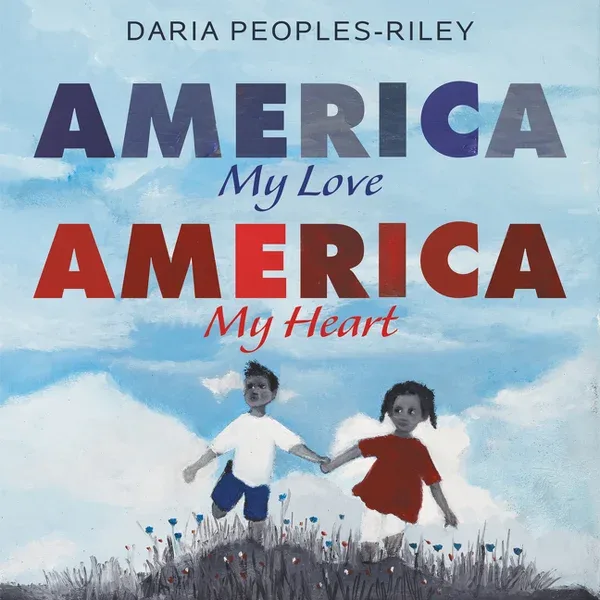 America, My Love, America, My HeartDaria Peoples-Riley“America, the Brave. America, the Bold. / America to Have. America to Hold.” A picture book in which the opening lines suggest the celebratory and devotional goes on to asks unflinching, essential questions in a second-person narrative addressing America in the voice of individual Black and brown children. “Do you love the way I speak? In English? Yes? Spanish? No? … Do you love me when I raise my hand? My head? My voice? / When I whisper? When I SHOUT? … Do you love my black? Do you love my brown? … America, I am you. America, you are me.” Muted illustrations in shades of blue and gray with touches of red show diverse Black and brown-skinned children in a work that some readers and listeners will find affirming, others challenging. It invites deep consideration of how the ways readers experience “America” both individually and collectively may differ depending on who they are, as well as reflection on whether America loves, or even accepts, all of its people freely and without prejudice.Picture Books for School-Age ChildrenView book details
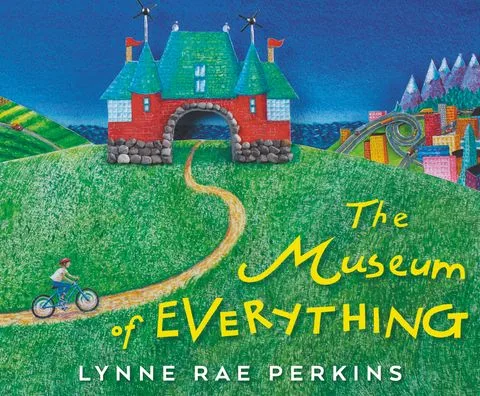 The Museum of EverythingLynne Rae Perkins“When the world gets too big and too loud and too busy, I like to look at little pieces of it, one at a time. / I put them in a quiet place, like museums do.” The child narrator goes on to talk about their pieces in different kinds of museums: a Museum of Things I Wonder About, a Museum of Islands, a Museum of Bushes, a Museum of Hiding Places (“What if we’re in one right now and we can’t even tell?”), a Museum of Shadows, the Sky Museum, and the Museum of Little Things. About each one, the child ponders and asks child-friendly existential questions. “Can a rock in a puddle be an island?” “Is a place between streetlights a place without shadows or a place with 100 percent shadows?” The mixed-media art is equally fascinating. Some of it is painting, sometimes with white sketches superimposed to break the fourth wall; some are shadow boxes; some are collages; and some are small sculptures, photographed. Each page is designed to make readers slow down and look at all the “little pieces, one at a time.” It’s the sort of book a child can return to again and again.Picture Books for School-Age ChildrenView book details
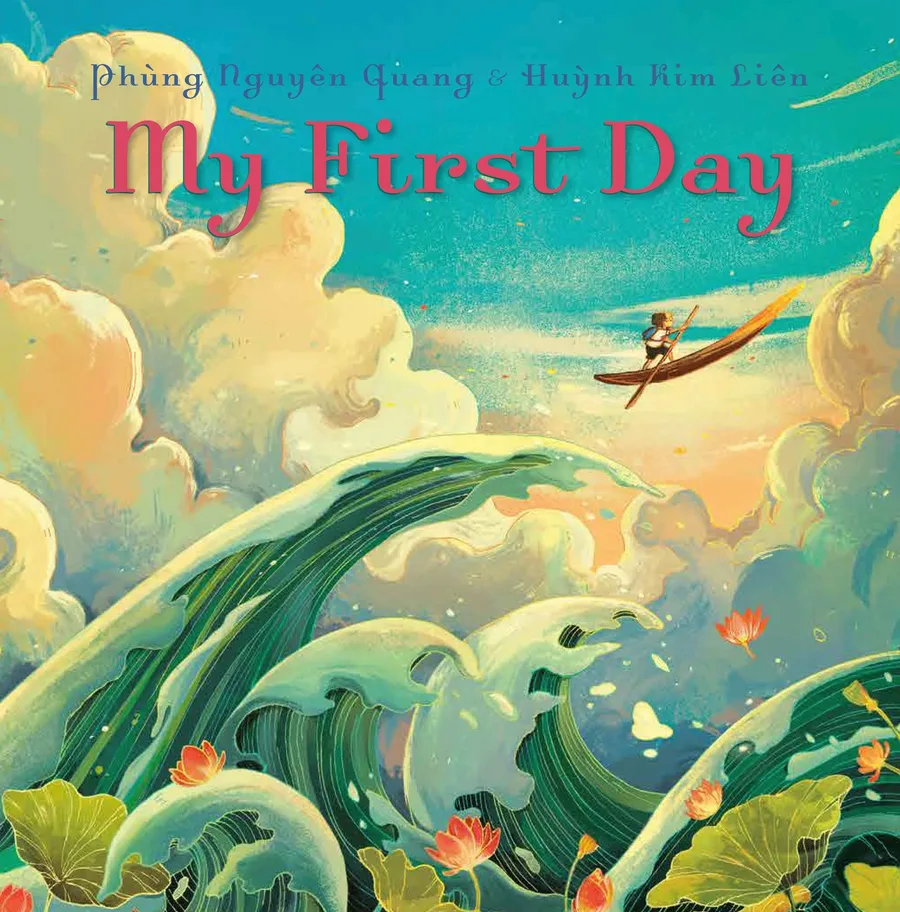 My First DayPhùng Nguyên Quang, Huỳnh Kim LiênA child in the Mekong Delta in Vietnam sets off for his first day of the school year, both excited and nervous to be making the trip alone for the first time. He journeys by boat, and as he paddles out across the water and then through the mangrove forest, he describes the trip, and the plants and animals he encounters, in school-related metaphors. “I get to trace the edges of my path—do it for myself, write my name across the blackboard of the river.” The final stretch takes him through schools of fish, and past water buffalo bellowing their welcome near the shore. A journey unusual to most western readers ends on a familiar note as he arrives and greets his classmates: “Hello, friends!” Digitally created illustrations are especially effective showing the beauty and biodiversity of the Mekong River. Back matter includes information about the Mekong Delta where, the creators note, “water shapes [people’s] relationship with everything in their daily life.”Picture Books for School-Age ChildrenLexile Text Measure AD680LATOS Book Level 3.1View book details
 Strange Planet: The Sneaking, Hiding, Vibrating CreatureNathan W. PyleThe popular cartoon that describes life on earth as observed by aliens translates well into picture-book form with a particular focus on cats. Two purple aliens (a child and an adult) follow a household cat around, making notes on everything it does. “The creature walks across a table and shoves a hydration cylinder off! … The creature then begins to self-cleanse with its flavor muscle.” Mundane cat behavior is hilariously reported with pseudo-scientific vocabulary as the two aliens attempt to make sense of the sneaking, hiding, vibrating creature. The back endpapers include a visual glossary of key terms (rest slab = bed, group soft seat = couch, criss-cross floppers = waffles). Children who savor the linguistic humor may enjoy coming up with their own invented terms to describe everyday objects and activities.Picture Books for School-Age ChildrenView book details
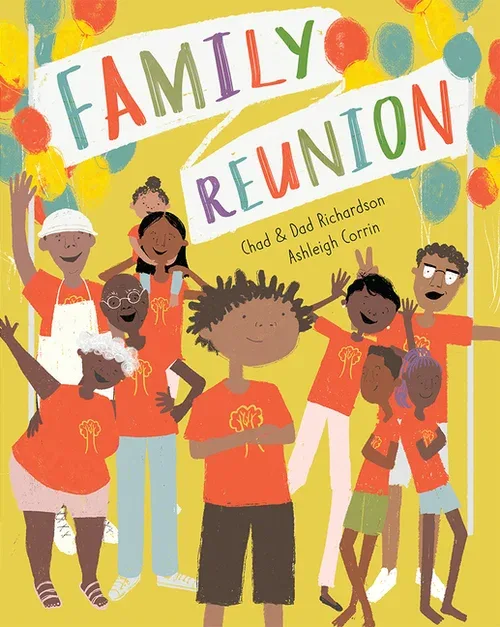 Family ReunionChad Richardson, Dad RichardsonA young Black narrator informs the reader right off the bat that he doesn’t want to go to his family reunion: “No reunion. NOPE. Rather play video games. Do I HAVE to go?” Aaron’s negative attitude is maintained through packing, the car ride, and initial introductions. “People I don’t know. Dad shugs. Mom hugs. Not me. NO. Force field activate.” Gradually the boy warms to his cousins and joins in their games, and he loves seeing his PopPop, who slips a ten-dollar bill into his pocket. Before long, he’s enjoying the food, the dancing, and the just plain hanging out with cousins, aunts, uncles, and grandparents. By the end, he’s already looking forward to next year’s reunion. The snappy conversational narrative and the expressive stylized illustrations aptly capture the traditions of a Black family reunion, right down to the matching t-shirts and the Sunday morning church service.Picture Books for School-Age ChildrenView book details
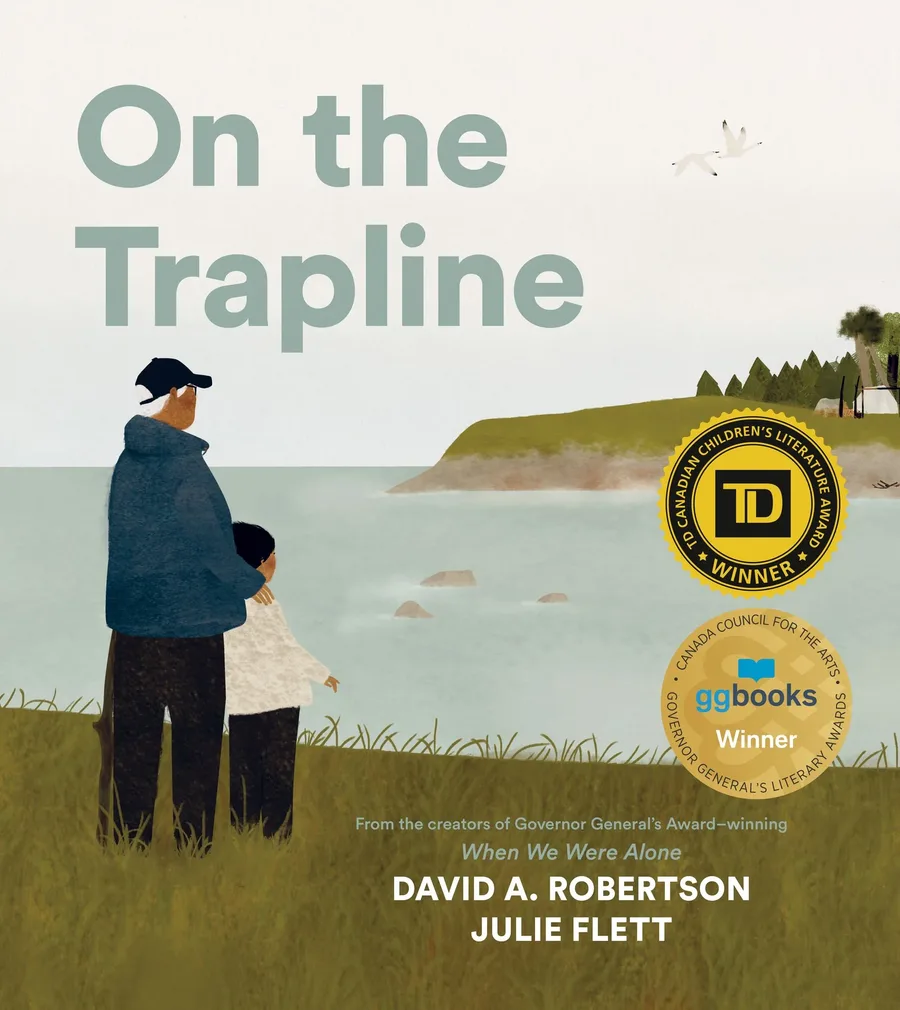 On the TraplineDavid A. Robertson“Kiskisiw means ‘he remembers.’” A young Cree boy leaves the city and travels north by plane with his grandfather to see the trapline where Moshom spent the early years of his life. They land near a small Cree community, and the boy asks, “Is this your trapline?” “No,” Moshom replies, “This is where we lived after we left the trapline.” His grandfather shares memories of life in this community, where the houses were close together and the family all slept in one room during the winter to keep warm. As they rest on the banks of a river, Moshom recalls his school days; he had to learn English and could only speak his own language, Swampy Cree, in secret. They board a motor boat and travel even further north, where they finally reach the trapline. Moshom talks more about his life there: His family lived in a tent and trapped muskrats, both for food and to sell their pelts so that they could buy things like flour, tea, sugar, and lard. After some quiet time together on the trapline and a little fishing, the two head for home. Now both grandfather and grandson have memories of the trapline. Flett’s quiet paintings strike the perfect tone for Robertson’s evocative text, which introduces one word or phrase in Swampy Cree on each page, quietly underscoring the importance of passing on the language from one generation to the next.Picture Books for School-Age ChildrenView book details
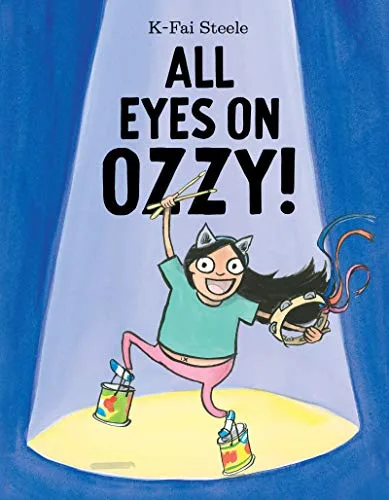 All Eyes on Ozzy!K-Fai SteeleOzzy is a boisterous brown-skinned girl who loves attention. She also loves her music teacher, Ms. Bomba, who always makes learning fun. When all the kids in her music class are assigned instruments (which they all can miraculously play), she chooses the drums because she knows they are the loudest and most likely to get her noticed in the orchestra. But she is disappointed to learn that she is just expected to keep the beat so that all the other instruments will stay in sync. Bo-o-o-ring! Reluctantly, she does as she’s told, and she does so well, Ms. Bomba gives her a second instrument to play—the equally boring triangle. When the orchestra is part of the school program and the otherwise outgoing Ozzy first sees the big audience, she is frozen in fear and can’t play a single beat. Consequently, the orchestra is off beat until Ms. Bomba helps Ozzy stay focused by rhythmically tapping her shoe. There’s a lot of humor in this story about a young cat-ear-wearing extrovert. The cartoon-style ink-and-watercolor illustrations show the classroom dynamics at play among a diverse group of students who have an especially beloved and creative teacher.Picture Books for School-Age ChildrenView book details
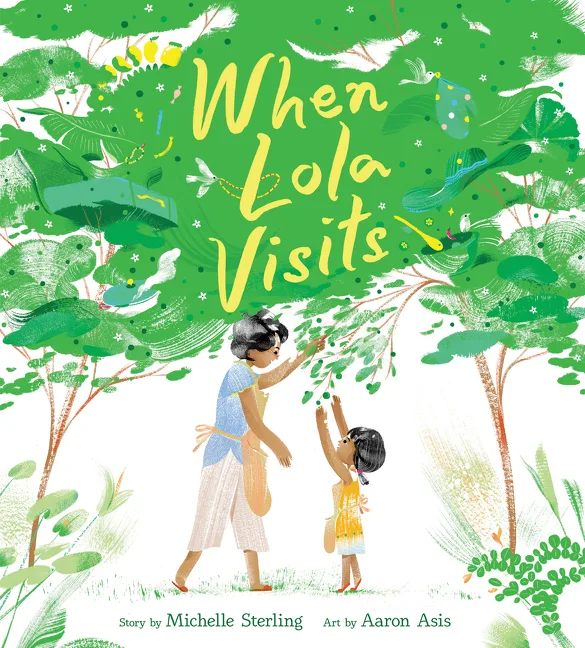 When Lola VisitsMichelle SterlingThe Filipino American girl in this lyrical picture book describes summer by smells and tastes she associates with her grandmother’s visit. The smells of summer include the sampaguita soap Lola uses, the mango jam she makes, the cassava cake covered with custard in the oven, the “pinches of garlic and sharp vinegar” when they roll out lumpia. But it also smells like tennis balls, and chlorine at the pool, and sunscreen at the beach. The tastes of summer include “brown-sugar bananas on a balmy evening, just like Dad always ate when he was a kid.” When her grandmother finally returns to the Philippines, the senses of summer are already changing, “until finally it smells like freshly sharpened pencils, a stiff new backpack, and the last sweet bits of summer—in Lola’s mango jam.” Lively gouache and digital illustrations full of movement and light capture cultural details and the warmth of love and family, both implied and expressed in the narrative.Picture Books for School-Age ChildrenLexile Text Measure 750LATOS Book Level 4.8View book details
 Except Antarctica!Todd SturgellAn off-screen narrator launches into what feels like the voiceover to a nature documentary on the opening pages: “This is a turtle. Turtles are found on every continent except Antarctica. They are cold-blooded and cannot survive in a cold, harsh … Hey, where are you going?” The turtle in the illustration has donned a warm hat and replies that it is headed to Antarctica. An argument ensues while the turtle continues on his journey, joined along the way by other animals found on every continent except Antarctica: an owl, dung beetle, snake, mouse, bee, and frog. All push back against the narrator’s annoyingly all-knowing attitude by deciding to make the trip with the turtle. When they come to the ocean’s edge, the turtle floats on his shell, and all the other animals stack up on top of him. They reach their destination, to the confusion of the penguins there, but it is cold—too cold—and they head back to warmer shores. The narrator’s moment of triumph (“HA! Like I said, the Antarctic climate is too extreme for these animals!”) is short-lived. “Emperor penguins are found only in Antarctica.” “‘Oh, really?’” says the penguin who is packing a suitcase and heading off to catch up with the other animals. The humorous conflict between the narrator and the characters is sustained throughout the story, which imparts an amazing amount of information about animals and their natural habitats.Picture Books for School-Age ChildrenLexile Text Measure AD540LATOS Book Level 4View book details
 Sunrise SummerMatthew SwansonA young white narrator describes how her family goes to the Alaskan tundra every summer to run a commercial salmon fishing operation, and this year, for the first time, she will be part of the fishing crew. In the meantime, her little brothers continue to do all the things she’s been part of in the past (chasing lemmings, searching for agates). While she’ll miss out on the fun, she is proud to be working with her mom on the crew. The text and pen-and-ink and gouache illustrations show the hard work involved in commercial fishing. There are details about the work (having to get up at 2:30 a.m., the difficulty of tying the net to the rope with a knot she’s practiced over and over, eating cold spaghetti with her mom during a break “while rain blows sideways up our noses”). The family work tradition is emphasized with the frequently repeated phrase: “It’s what we do.” There are four pages of additional information at the end placing the story within the author and illustrator’s own family experience—the illustrator’s family started this business when she was two. The endnote also discusses how Alaskan Native peoples rely on salmon, and clarifies that this family’s summer activities are a business venture.Picture Books for School-Age ChildrenView book details
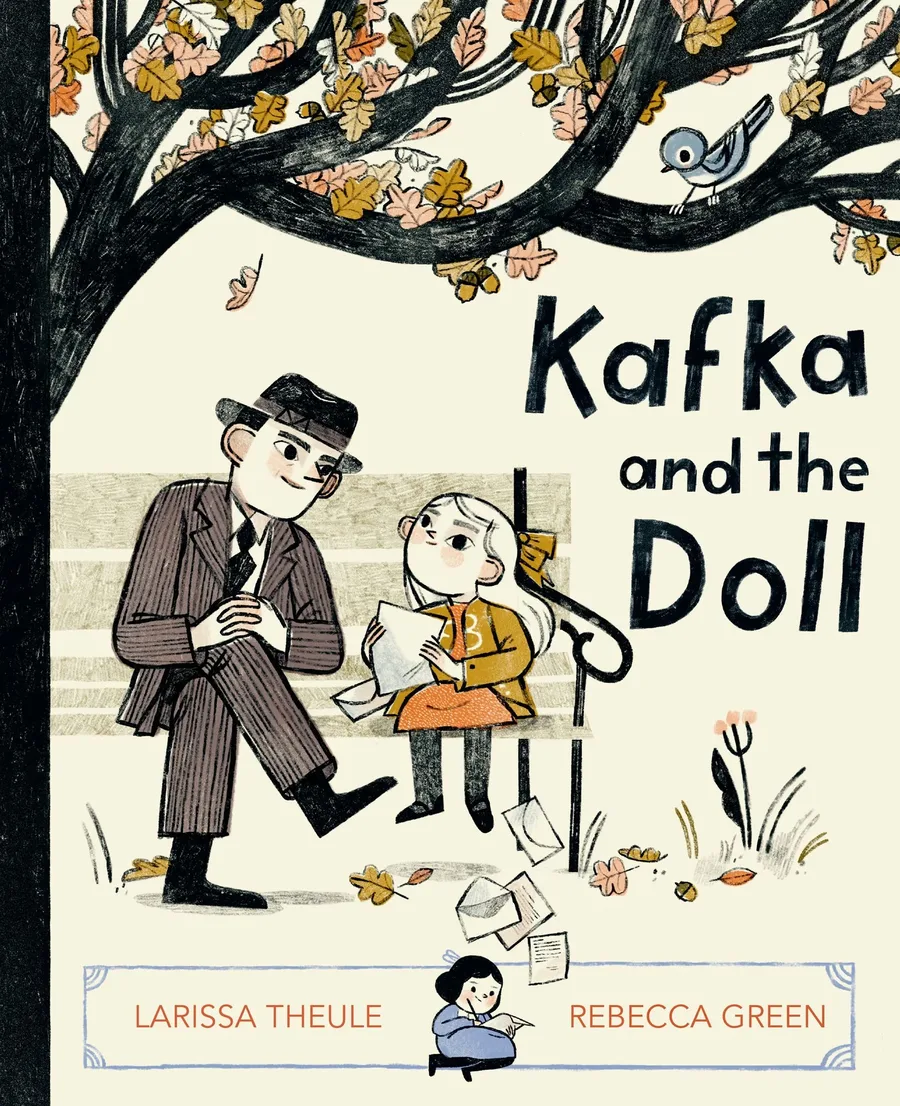 Kafka and the DollLarissa Theule, illustrated by Rebecca GreenIn a park in Berlin in 1923, author Franz Kafka comes upon a little white girl, Irma, who is sad because her doll, Soupsy, is lost. Kafka takes to writing letters from Soupsy to Irma, describing her adventures and eventually—as Kafka grows ill with tuberculosis—ending the letters in a thoughtful and hopeful way. (The doll won’t be returning, but she’s got good things ahead: She’s off on an Antarctic expedition.) Soupsy’s bold adventures are inspiring to the girl and help her accept the loss of her doll. Children won’t have to know who Kafka is to appreciate this moving story about a stranger’s kindness and compassion. The digital art has a distinctly old-fashioned look, helping to relay that the story is set in times past. An author’s note explains that Kafka did, indeed, correspond with a young girl who had lost her doll, writing in the doll’s voice. Although the actual letters have been lost, Theule’s own imagination supplied the missing letters, though she acknowledges that there is no way she could have replicated Kafka’s distinctive writing style.Picture Books for School-Age ChildrenView book details
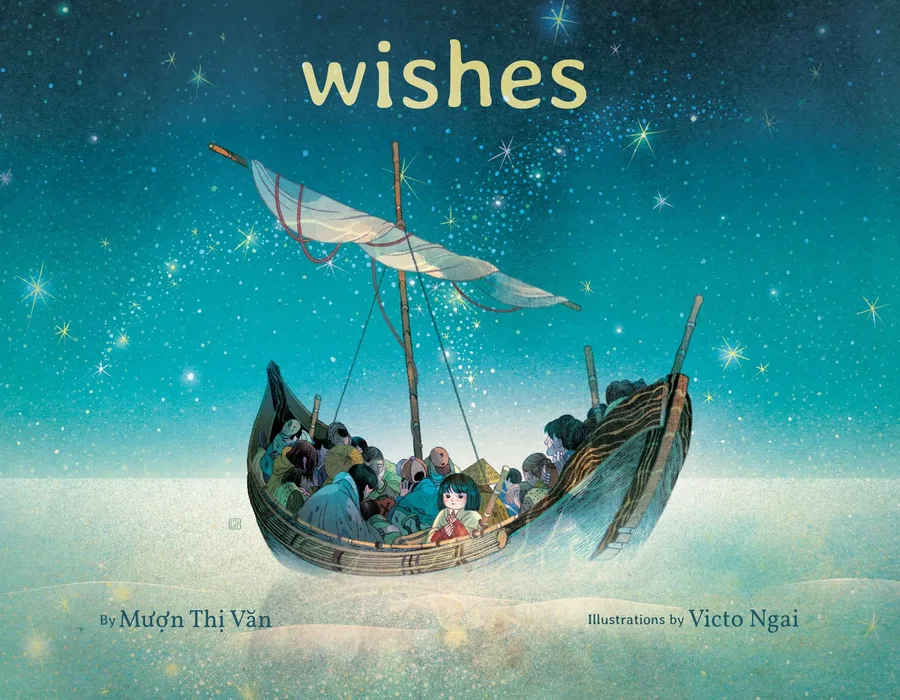 WishesMượn Thị Văn“The night wished it was quieter.” A series of arresting poetic “wish” statements together with the illustrations each is paired with create a powerful, poignant story following the journey of a refugee family. A clock wished it ticked slower as goodbyes are said; a bag wished it was deeper and a boat wished it was bigger: neither can hold enough. As the family, which includes two small children, continues its journey in rough seas and under a hot sun, these things, too, wish: to be calmer, cooler. The spare, lyrical text and expansive illustrations in mostly sober hues create a heart-wrenching, ultimately hopeful story as the agency shifts from inanimate objects to the humans at its heart as they arrive in a new place on a new day. This story inspired by the refugee journey of the Vietnamese American author’s family when she was a child is resonant and relevant to the journeys so many children and families are making today. There is ample imaginative space between words and images for young readers and listeners to reflect and discuss what is happening and the feelings surrounding it—the characters’ and their own. In notes, the author shares more about her family’s journey and invites readers to join in her wish for a “safer, kinder, fairer, and more beautiful world”; the illustrator, originally from Hong Kong, shares thoughts on his approach to illustrating a narrative that “speaks to the universality of wishing for hope in a sea of helplessness.”Picture Books for School-Age ChildrenLexile Text Measure AD130LATOS Book Level 1.3View book details
 WatercressAndrea WangWhen a girl’s parents spot watercress growing at the side of an Ohio road, they pull over the family car and show her and her brother how to gather it. Wading through cold and muddy ditch water, the girl ducks when a car passes, hoping it’s no one she knows. That night watercress “glistening with garlicky oil and freckled with sesame seeds” is served for dinner, but she refuses to eat it, wishing for grocery story vegetables. Her mother, who doesn’t often speak about her life in China, talks about her own little brother, and how they ate anything available during the famine but he still didn’t survive. Thinking of the uncle she never knew, the girl takes “a bite of the watercress and it bites me back with its spicy, peppery taste.” Exceptional writing combines keen descriptions with an understated tone as it connects this Chinese American family’s past and present, with the earlier tragedy providing a path to compassion and understanding for the young narrator that extends to their current lives. The watercolor illustrations capture the emotions of individual characters and collective family tension, while clearly delineating their lives in the United States from her mother’s childhood in China.Picture Books for School-Age ChildrenLexile Text Measure AD610LATOS Book Level 4View book details
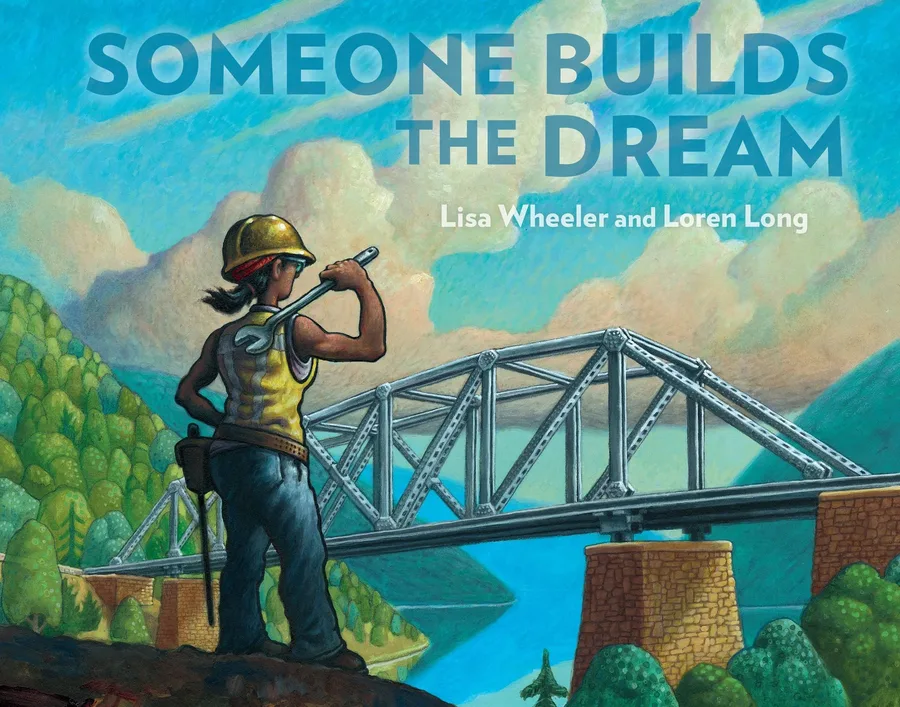 Someone Builds the DreamLisa WheelerSure, architects, artists, engineers, and others come up with big ideas, but have you ever thought about the many people who actually “build the dream” each envisions? A rhyming text outlines the work of various dreamers whose plans for a house, a bridge, a fountain, a wind turbine, and an amusement park are made real by many other kinds of workers. “Someone works to tighten bolts, steer the crane, drive machines. Someone needs to raise the tower. Someone has to build the dream.” The repeated “build the dream” refrain adds to the appeal of a picture book in which the richly hued, detailed acrylic and colored pencil illustrations shows diverse individuals carrying out many roles. A final example focuses on the work of an author and artist. “Someone worked to set the text, run the press, load the reams. Someone had to make THIS book. Someone had to build this dream.”Picture Books for School-Age ChildrenLexile Text Measure AD610LATOS Book Level 4View book details
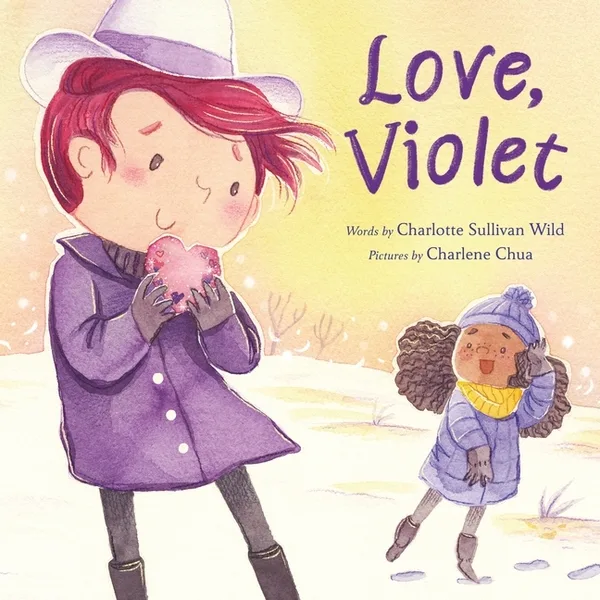 Love, VioletCharlotte Sullivan Wild, illustrated by Charlene ChuaThere’s only one classmate who makes “Violet’s heart skip,” and that’s brown-skinned Mira. In Violet’s imagination, she “astound[s] Mira with heroic feats” and embarks on adventures with her. In reality, whenever Mira begins a conversation with her (which she often does), Violet finds herself shy and tongue- tied. Instead, Violet makes Mira a valentine: a simple, glittery heart that says “For Mira. Love, Violet.” On Valentine’s Day, Violet has finally worked up the courage to give it to Mira when Mira startles her. The resulting classroom commotion makes Violet run away in embarrassment. Alone during recess, Violet hears Mira’s laughter—a “laugh that warmed Violet down into her boots” —and realizes that Mira is the only person who has complimented her hat, the only one who didn’t laugh at her when she fell, and the only one who’s ever “asked her to play horses.” She thinks she might have a chance after all. And, even after the wind blows the heart out of her grasp and beneath the stampeding feet of several classmates, Mira loves the valentine—crushed or not—and surprises Violet with a gift of her own. Shades of yellow and, appropriately, violet suffuse the watercolor illustrations with warmth and softness. Violet, who presents white, sports a short, reddish-purple hairdo and cowboy hat.Picture Books for School-Age ChildrenWord Count 554View book details
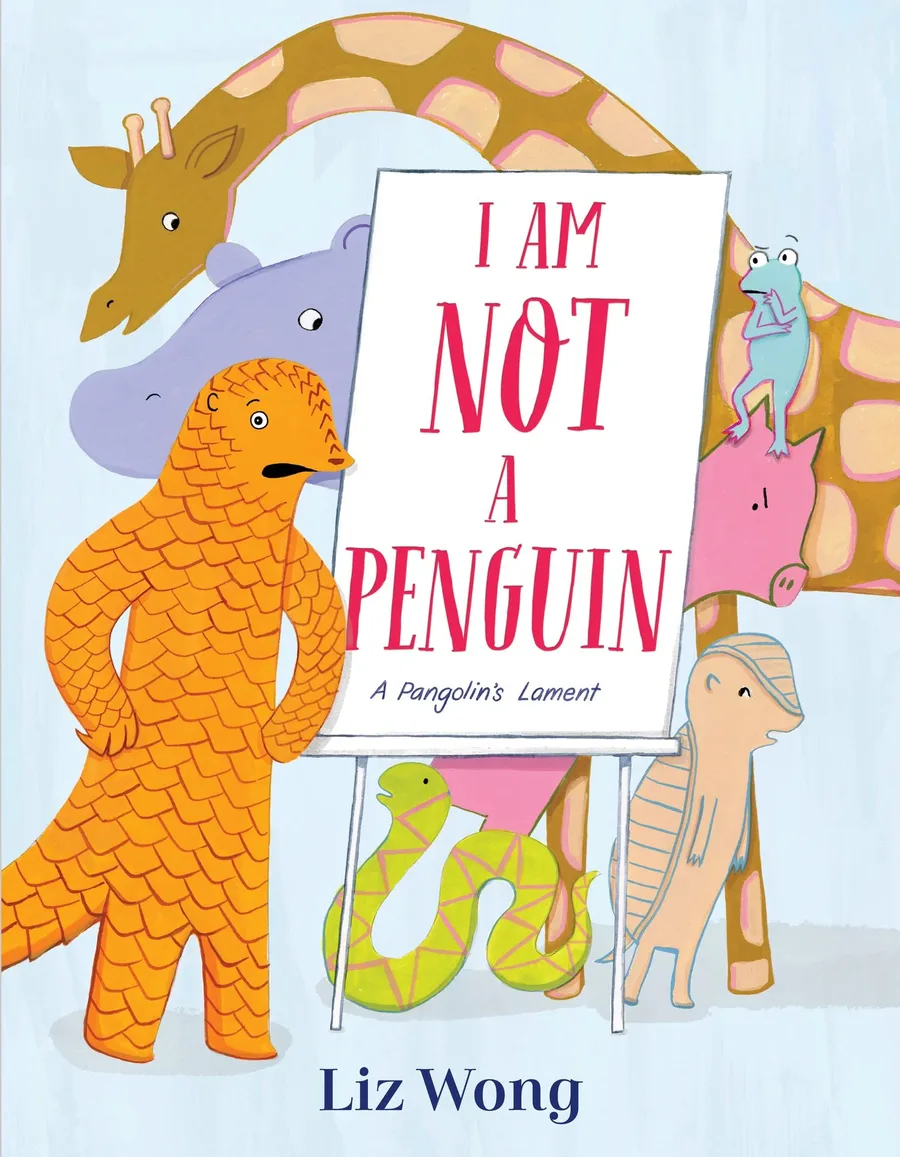 I Am Not a Penguin: A Pangolin’s LamentLiz WongAn enthusiastic pangolin is eager to share information about its species but faces challenges right from the start of its “Meet the Pangolin” presentation. “Did somebody say penguins?” asks a pig in attendance. “I love penguins,” adds a giraffe. A pangolin has a long tongue. “Like a frog!” notes the frog. “Or an anteater!” adds the anteater. The pig is now very confused. As the pangolin continues, other animals interrupt to suggest, among other things, that a pangolin is a bear (because of its long, sharp claws), a skunk (because it sprays stinky liquid when threatened), and an armadillo (because it curls up in a ball to protect itself). The pangolin is already at wit’s end when a sunglasses-wearing, surfboard-toting penguin saunters by. “Surf’s up!” The excited audience heads off in pursuit. The dejected pangolin adds a sign to its presentation board: “Canceled due to Penguin.” It turns out one audience member didn’t leave, however: a young girl genuinely interested in hearing about pangolins. A hilarious, ironic twist provides the perfect conclusion to a delightfully chaotic and informative story that offers additional facts about pangolins at volume’s end. Gouache illustrations show the friendly, slightly comic cast of animals, and one realistic brown-skinned, black-haired girl, against uncluttered white backgrounds.Picture Books for School-Age ChildrenView book details
 The Longest StormDan YaccarinoStylized illustrations and a spare, emotionally honest narrative combine to tell the story of a white family comprised of three kids and their dad who are housebound for days on end during a storm. “It was unlike any storm we’d ever seen. No one knew how long it would last.” At first they’re bored; eventually tempers fray. “Is it possible for a family to run out of nice things to say?” Each family member wants to be alone rather than deal with the conflict. But on a night when a nearby lightning strike knocks out the power, everyone ends up in Dad’s bed. “We all said we were sorry.” In the morning the storm is still going on outside, but something has changed inside. When anger rises it’s only fleeting; every day inside the house improves. Finally, the weather outside improves, too, as the storm comes to an end. A picture book featuring a literal storm is an obvious and effective metaphor for the pandemic lockdown and isolation but also reflects other situations causing stress, intense feelings (that aren’t always definable), and unwanted change (a close reading of the illustrations suggests the relatively recent loss of a mom).Picture Books for School-Age ChildrenLexile Text Measure AD490LATOS Book Level 3.3View book details
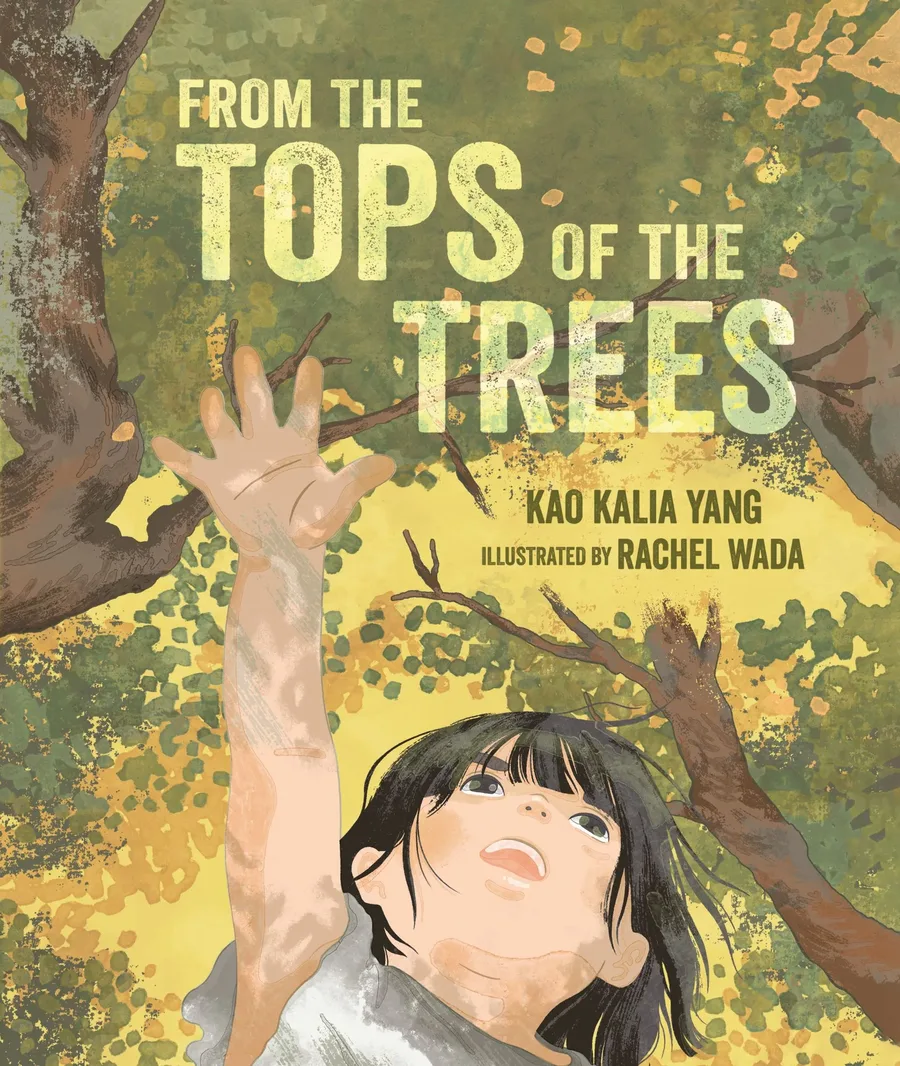 From the Tops of the TreesKao Kalia YangBased on her own experience, Hmong American author Yang describes living in the Ban Vinai Refugee Camp in Thailand as a small child in the mid-1980s. After describing a bit of the everyday life in the camp, she zeroes in on one particular memory: Her mother dressed her in her best clothes, while her father carried young Kao on his back as he climbed a tree so that she could see that the world is bigger than the refugee camp. At the top of the tree he tells her, “One day my little girl will journey far into the world, to the places her father has never been.” An author’s note offers more details about her life in the camp before her family moved to the United States when she was six years old, and the end matter also includes the photograph her mother took of the author in the tree with her father. The anime-style illustrations in muted tones express the love between the young girl and her parents.Picture Books for School-Age ChildrenView book details
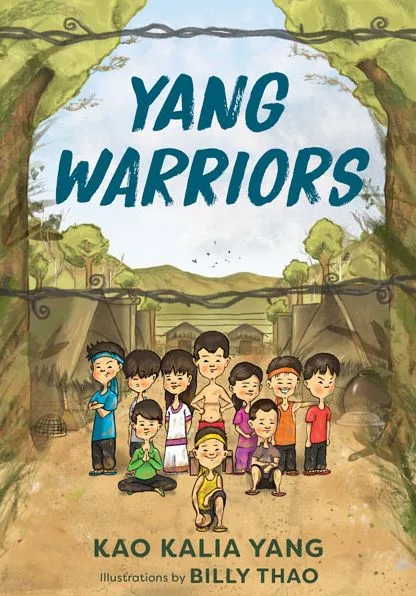 Yang WarriorsKao Kalia Yang, illustrated by Billy ThaoThe Yang Warriors are a group of young Hmong children (the eldest is ten, the youngest, five) in a Thai refugee camp. Inspired by the superheroes they see on TV, they begin to train under tiny Master Me, the author’s ten-year-old cousin, who was elected group leader because he “cared the most and believed the fiercest that the children were powerful warriors.” Their rigorous training involves such things as balancing stones on their heads, fighting with sticks as sacred swords, and practicing mind control. Thao’s sweeping vistas show the children from a distance, looking for all the world like children at play, and it soon becomes clear why that is: The story is being told from the point of view of a very young girl who’s not in the group but whose older sister is a warrior. From her she learns that the warriors, seeing how hungry the youngest children are, have planned a nighttime mission to go to the camp outskirts to forage for greens. It’s a dangerous mission—everyone has seen adults punished by the guards for crossing the camp border. This unusual, original story is filled with dramatic tension and has a deeply satisfying conclusion.Picture Books for School-Age ChildrenView book details
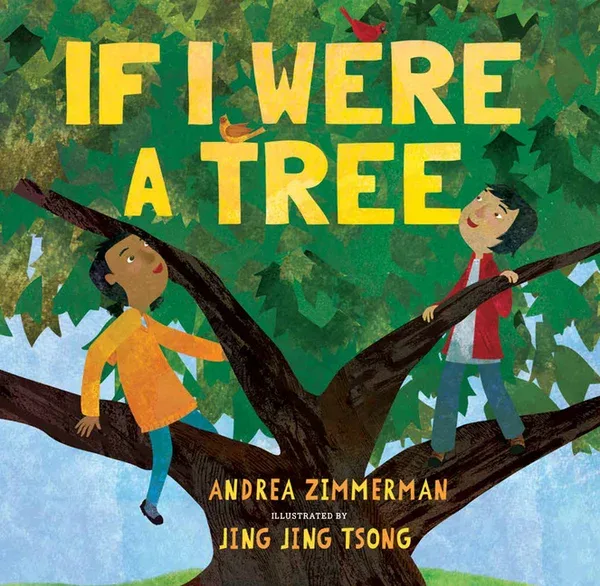 If I Were a TreeAndrea ZimmermanA poetic narrative describes what an unnamed narrator imagines it would be like to be a tree. “If I were a tree, I know what I’d feel. The warmth of the sun, and squirrels on the run. I’d feel nests on my bark, bats hiding till dark.” Five double-page spreads each focus on one of the five senses, from the perspective of a tree, followed by the repeated line, “If I were a tree, that’s what I’d feel [taste, smell, hear, see].” The visual story follows a multiracial family as they go camping and experience nature with all their senses themselves. The artist used traditional printmaking techniques that were then digitally collaged, giving the artwork texture and depth. An endnote encourages young children to learn more about trees and tree identification by using their five senses.Picture Books for School-Age ChildrenLexile Text Measure AD420LATOS Book Level 2.9View book details
Books for Beginning Readers
6 selections
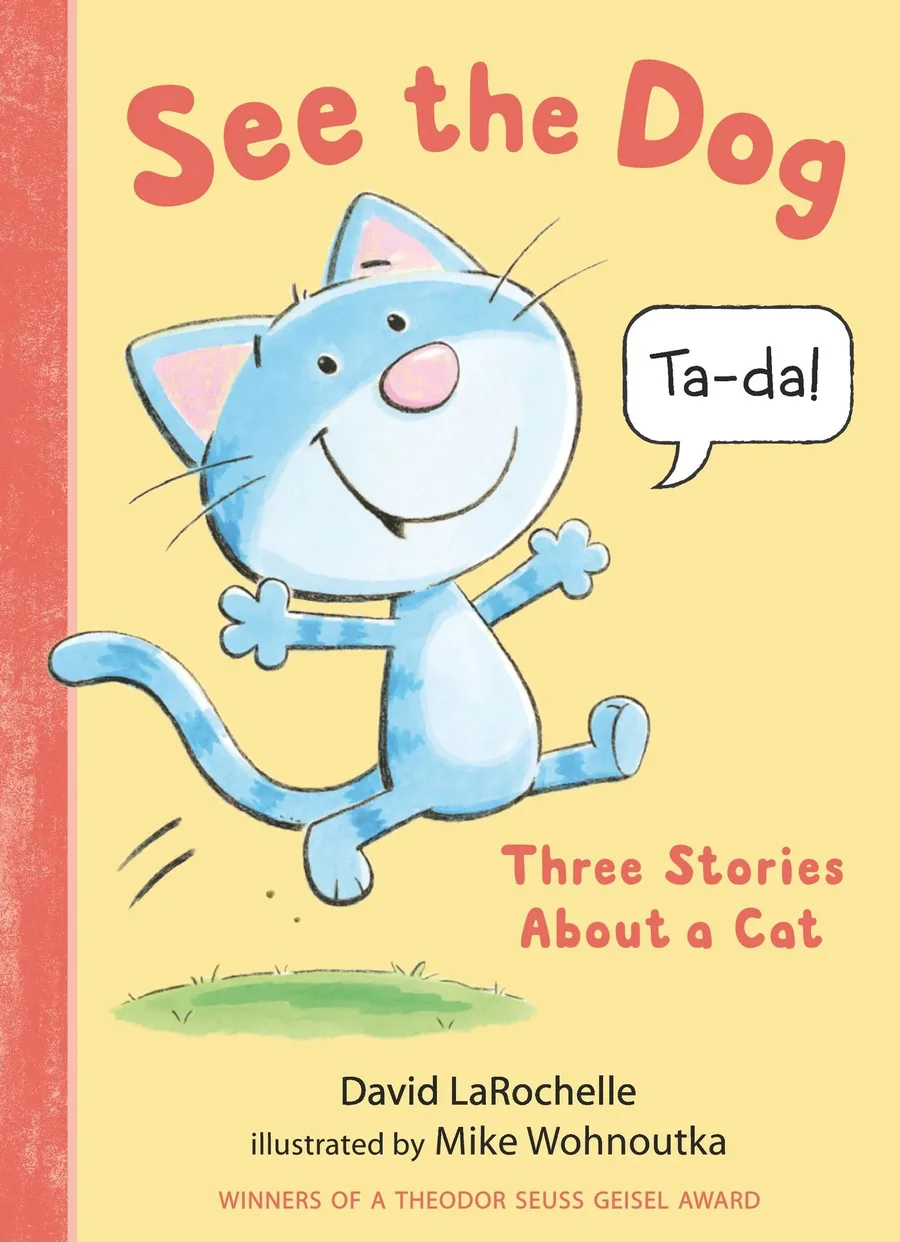 See the Dog: Three Stories about a CatDavid LaRochelleThe cat gets a starring role in this companion to last year’s See the Cat: Three Stories about a Dog. Although the first page opens with “See the dog,” a cat pops up to say that the dog is sick today and she’ll be taking the dog’s place. But the cat’s not thrilled about the required dog activities. Digging a hole? She’ll get dirt on her fur. So she drives a digger onto the page. Fetching a stick in the lake? She closes her eyes and jumps— only to find it’s just a puddle. And finally, she is charged with protecting a sheep from a wolf. She puts the sheep in a tree (impressive) and then cowers in anticipation of the wolf, only to find it’s the dog, who is no longer sick and is ready to take over his duties. The simple declarative sentences echoing basal readers are used for a humorous effect when juxtaposed with the cat’s dialogue bubbles commenting on the story. (“What a bossy book!”)Books for Beginning ReadersView book details
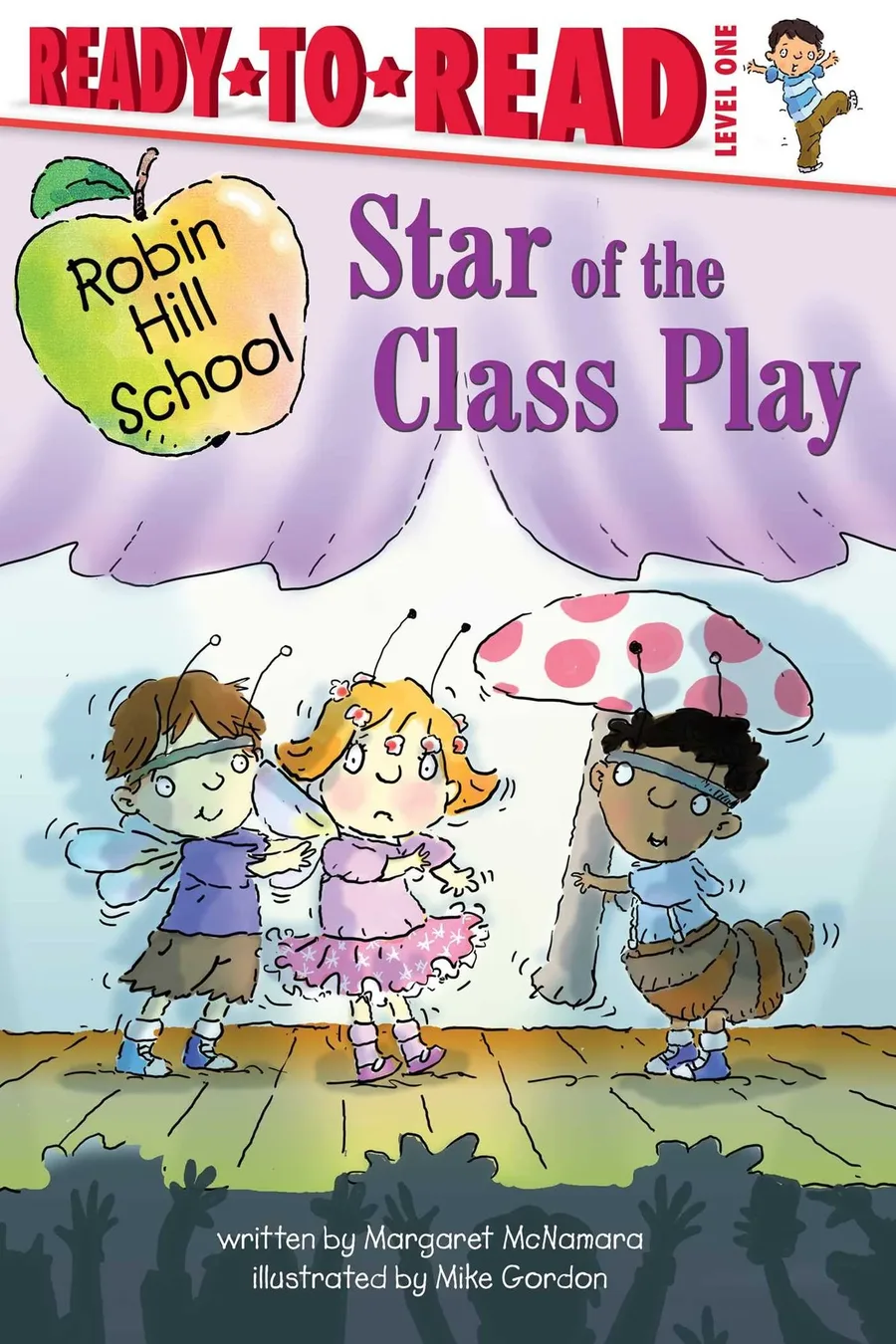 Star of the Class PlayMargaret McNamara, illustrated by Mike GordonThis very easy beginning reader is about a little white girl who believes she is the star of her school play simply because she has the first line. Nia practices and practices her line in front of her very encouraging Mama, but on the day of the school play she gets a bout of stage fright and can’t say her line. Off-stage, her teacher shows her a breathing exercise that calms Nia down, and she is able to deliver her line (“Welcome to the class play!”) to great applause. The simplicity of the text and the clean design both add to the readability, and Mike Gordon’s cartoon-style illustrations add a lot of humor and character.Books for Beginning ReadersView book details
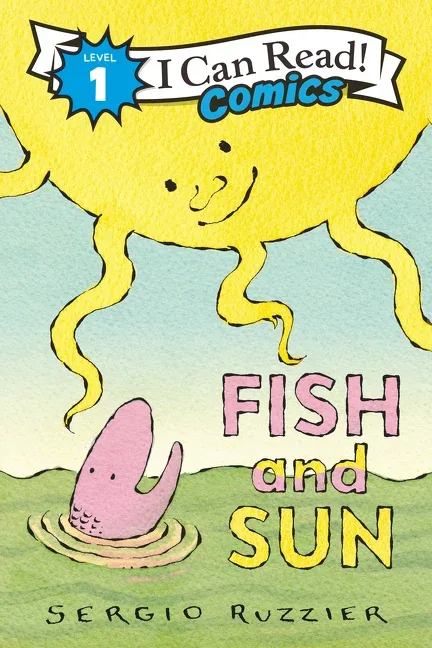 Fish and SunSergio Ruzzier, illustrated by Sergio RuzzierFish, who’s bored just hanging out near the ocean floor, sets out to find something more interesting on the surface of the sea and finds Sun. The two entertain each other for a while—Sun plays hide-and-seek behind clouds, Fish spits out water—until Sun begins to turn red and disappears behind the horizon. The next day is cloudy and stormy, so Fish is once again cold and bored until the next time Sun appears. There’s visual humor here in both the text and illustrations, and the book uses dialogue bubbles so that it looks like comic art.Books for Beginning ReadersWord Count 182View book details
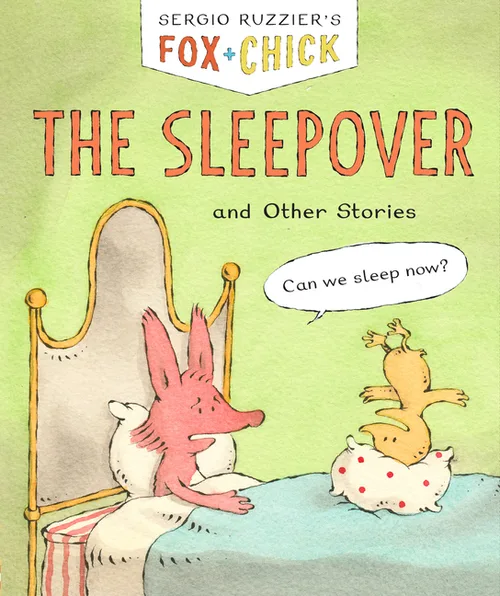 The Sleepover and Other StoriesSergio RuzzierThree more easy-to-read stories showcase demanding Chick and ever-patient Fox. In the first story, Chick shows up uninvited for a sleepover and won’t let Fox sleep until Fox can assure Chick that there’s not a kangaroo hiding somewhere in the bedroom. Next, Chick can’t find her hammer, and then, once she does, can’t find a nail. By the time she finds a nail, she has lost her hammer again. Lastly, Chick asks Fox to throw her a surprise birthday party, giving precise instructions about how to do it: a chocolate cake with sprinkles that are pink and round, and no party hats (“I always choke on party hats.”). As with past volumes, each story has excellent characterizations, gentle humor, and a satisfying conclusion with a twist, either visual or verbal.Books for Beginning ReadersLexile Text Measure GN460LATOS Book Level 1.9View book details
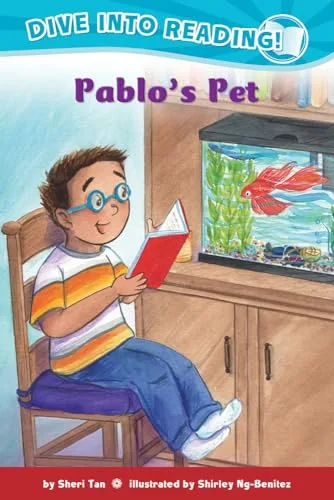 Pablo’s PetSheri Tan, illustrated by Shirley Ng-BenitezPablo, who is Latinx, loves his red fish, Ruby, and is happy to find a book at his school library about a fish who wants to fly and is eager to read the book to his fish. But when he goes home, Ruby isn’t her usual swimmy self, and the next morning she’s not moving at all. Pablo’s parents break the news to him that Ruby has died. He’s sad at school, and his friends try to comfort him with good memories of Ruby. Later, his dad takes him to a plant store to buy a small tree with red leaves to plant over Ruby’s grave. After a small memorial service, Pablo pulls out his library book and reads it aloud next to Ruby’s grave. This surprisingly moving easy-to-read book acknowledges the weight of a loss when a pet dies, regardless of species, by aptly capturing the child’s feelings throughout.Books for Beginning ReadersView book details
 The ProtestSamantha ThornhillWhen Lily, an African American girl, learns that the public garden she and her diverse group of friends like to play in is going to be razed to build a parking lot, the children organize a protest rally. They go through the planning steps, alert others (including the press), make posters, and come up with a chant: “No cars, no! Let our garden grow!” The rally draws a lot of people, including a reporter, and the group manages to stave off parking lot construction for another year. End matter offers tips for young kids getting involved in social action.Books for Beginning ReadersView book details
Books for Newly Independent Readers
4 selections
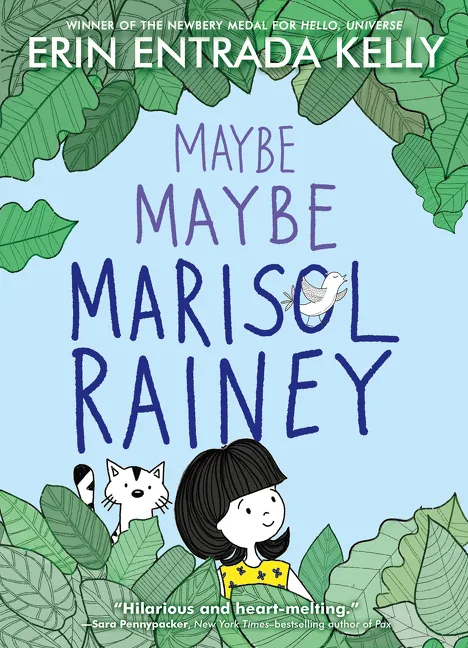 Maybe Maybe Marisol RaineyErin Entrada KellyMarisol Rainey lives with her parents and older brother, Oz, in Louisiana. Her Filipina mom is a 7th grade science teacher, her white dad an electrician on an oil rig in the Louisiana gulf. As summer begins, Marisol wishes she weren’t afraid to ascend Peppina, the beautiful magnolia tree in her back yard with branches perfect for climbing. Marisol’s best friend, Jada, climbs Peppina easily, and while Marisol isn’t jealous she does long to join Jada in the tree. In a story about an anxious child that perfectly arcs toward Marisol’s realistic conquering of this one fear, Marisol is singular yet relatable, surrounded by a loving family and good best friend. This warm, emotionally honest, gently humorous novel wonderfully captures dynamics of family and friendship and the timeless feeling of summer days, while one or more of Marisol’s worries will resonate with many readers, even though Marisol is convinced she is alone in her struggles. Marisol’s success in climbing Peppina is all the more satisfying for doing it wholly on her own terms, motivated solely by her own desire rather than outside pressure. Black-and-white occasional illustrations by the author, who notes that Marisol has a lot in common with herself as a child, accompany a story perfect for reading aloud, or for newly independent readers ready to read a short novel.Books for Newly Independent ReadersWord Count 12507View book details
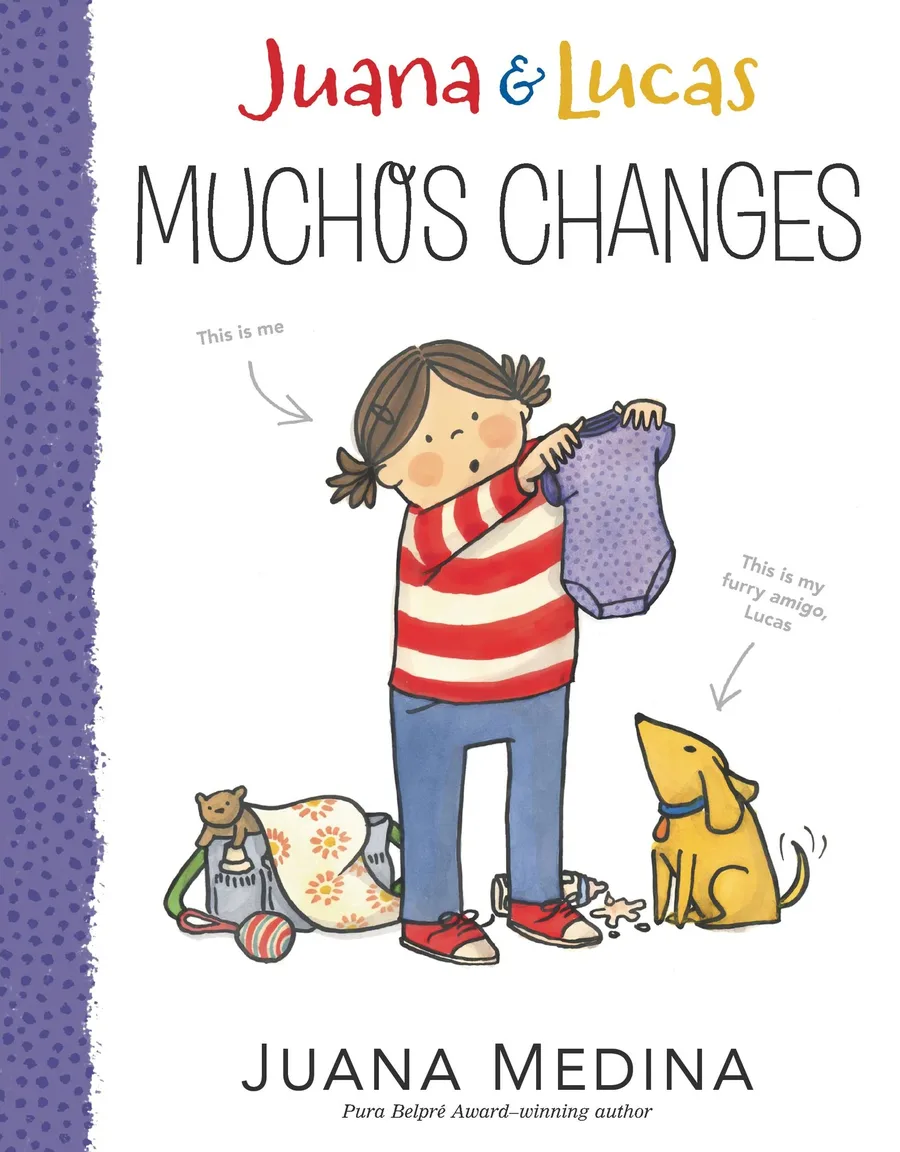 Juana & Lucas: Muchos ChangesJuana MedinaJuana wants to roller skate—until she tries it. She cannot stay upright. Mami tells her she must try skating five times before she gives up, and then she springs two sopresas: The first surprise is that she has signed Juana up for a summer day camp devoted to roller skating, and the second is that Mami is going to have a baby. Juana is not thrilled with either surprise, but she grudgingly goes to roller skating camp, where she finds that all the other kids have fancier skates but none of them can skate any better than she can. Throughout the summer, she improves her skating skills and makes some new amigos, while Mami is confined to bed for the remainder of her pregnancy due to a “hole in the sack where the baby is growing.” When Juana’s new sister eventually comes, she is born premature and has to stay in the hospital in an incubator. The details about the premature baby are realistically presented, both textually and visually, but the emotional heart of the story always remains true to Juana and her interests and interactions with the rest of the world. The humorous, lively text captures Juana’s high-spirited personality, and the frequent color illustrations in pen and ink illustrate Juana’s distinctive world view.Books for Newly Independent ReadersView book details
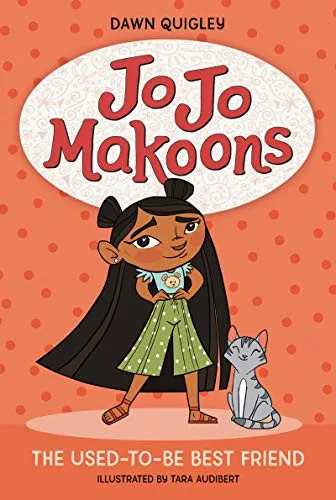 Jo Jo Makoons: The Used-to-Be Best FriendDawn Quigley, illustrated by Tara AudibertJo Jo is an exuberant seven-year-old who’s attending first grade on her Ojibwe reservation. She considers her cat, Mimi, her number-one best friend, while Fern is her best school friend. But lately Fern has been sitting with other kids at lunchtime, making Jo Jo feel less secure at school. Her kokum tells her she doesn’t have to be friends with everyone, but she should try to be friendly with everyone. Still, Jo Jo struggles at school, with her friends, would-be friends, and with her white teacher, who doesn’t always appreciate her buoyant humor. The episodic chapters center such things as Jo Jo learning to rhyme, sneaking her cat into school, entering an art competition, and worrying about her cat going to the vet for a shot. There are Ojibwe words and cultural references throughout, and occasionally Jo Jo speaks directly to the reader to translate a word and explain how it’s pronounced. There’s a lot of heart and humor in this easy chapter book about a memorable character.Books for Newly Independent ReadersView book details
 Sona Sharma: Very Best Big Sister?Chitra SoundarSona lives in India with her parents, Amma and Appa; her paternal grandparents, Paati and Thatha; and her “talking” stuffed elephant. Her maternal grandmother, whom everyone calls The President, lives nearby. Sona’s amma is expecting a baby, and the entire family is preparing for its arrival: dusting off an old crib, unpacking Sona’s old baby clothes, and, most importantly, compiling lists of potential boy and girl names. Sona is asked to help by thinking of a special girl name. In a Hindu ceremony 10 days after birth, the baby will be given three names. Despite her uncertainty about losing her only-child status, when the baby is born Sona immediately loves her. Now, new worries creep in. What if Sona can’t think of a name? What if she’s not a good big sister? With the support and love of her family, Sona is inspired to step up and embrace her new role in this early chapter book bursting with cultural detail, childlike emotion, and appealing characters.Books for Newly Independent ReadersLexile Text Measure 590LATOS Book Level 3.8View book details
Fiction for Children
55 selections
 A Place to Hang the MoonKate AlbusResponsible William (12), troublemaker Edmund (11), and sensitive Anna (9) have just lost their grandmother, a less-than-stellar guardian. Now truly orphaned, the three white siblings are evacuated from London to the English countryside as part of Operation Pied Piper in 1940. The family lawyer has a “preposterous plan”: He hopes the children will find a family during evacuation that wants to adopt them for their own merits rather than the money they’ve inherited. They are first billeted with the Forresters, a family whose parents are largely clueless that their twin sons are relentless bullies. They are next placed with Mrs. Griffith, who is poor, overwhelmed with four young children of her own, and eager for free help. Voracious readers, the siblings take refuge from the indignities, hardships, and crises of both placements at the library, where the savvy librarian puts books in their hands. Mrs. Muller, the librarian, is spirited, generous, and kind, but has been deemed an “unsuitable” foster because she was married to a German man. While the plot arc and final destination of this orphan story are totally predictable—of course Mrs. Muller will adopt them, and gain acceptance in the community, too—it’s a pleasure getting there, not only because the characters and characterizations are more nuanced than expected, but because of a few surprising curves on the journey in a story steeped in love for books and reading.Fiction for ChildrenWord Count 62475View book details
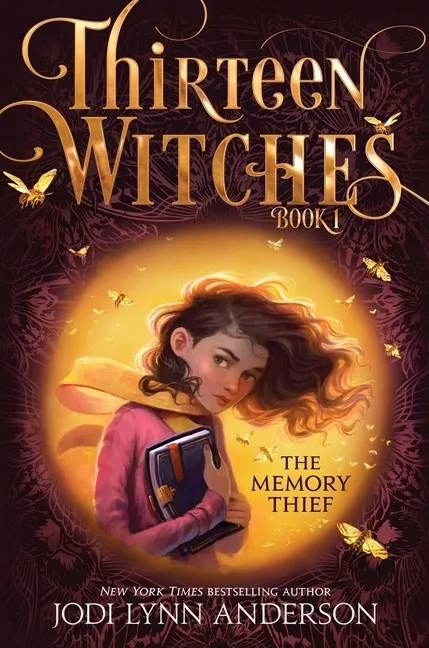 The Memory ThiefJodi Lynn AndersonRosie’s mom has always been a little distant and disconnected from reality; Rosie has become an adept caretaker for both of them. What Rosie, who is white, doesn’t know is that her mother was a witch hunter whose memories were stolen by a witch just after Rosie was born. Now 12, Rosie relies a lot on her best friend, Germ, who accepts Rosie’s home life without judging it. But Germ’s world at school is starting to expand beyond Rosie just as Rosie’s life becomes even more complicated with the discovery of ghosts in and around her house. When Rosie’s ability to see the ghosts attracts the witch who stole her mother’s memories, Ebb, the ghost of a boy, shows Rosie her mother’s witch hunting diary. He also introduces Homer, an older ghost who explains more about Rosie’s family line and the danger Rosie is in. Homer, Ebb, and the other ghosts tell Rosie to flee, but Rosie won’t leave her mom, while Germ proves steadfast and won’t leave Rosie. But if Rosie won’t flee, then she has to learn to fight. The fantasy elements of this gratifying story dovetail beautifully with its wonderful exploration of the changing but still strong friendship between Rosie and Germ in book 1 of a welcome new series.Fiction for ChildrenLexile Text Measure 790LATOS Book Level 5.4View book details
 The In-BetweenRebecca K. S. AnsariCooper is angry. His dad left the family three years ago; since then, he has emotionally isolated himself from his mom and younger sister, Jess, who holds out hope that their dad will contact them. But one day Jess comes to him with a mystery: She’s found an article about the 1928 Charfield railway disaster that left an unidentified victim, a young boy. On his jacket was a crest—the same one that’s on the jacket of Elena, the new girl next door who has a habit of silently watching Cooper from her front yard. A conversation with the tight-lipped Elena yields no information about this coincidence. Neither does a Google search, although the siblings discover two more historical disasters, each with a victim whose clothing bore the same crest. Even more alarming, Cooper, Jess, and their new friend Gus are the only people who can see Elena. Have they been earmarked as victims in an upcoming deadly disaster? As the three attempt to solve the mystery and strategically outwit what they suspect is their fate, sibling relationships and friendships mend, grow, and become much-needed sources of support. Jess’s type 1 diabetes is essential to her character, if not the plot, of this riveting supernatural mystery featuring characters who present as white and firmly grounded in an honest depiction of the trauma of parental abandonment and the healing power of being seen, validated, and loved.Fiction for ChildrenLexile Text Measure 860LATOS Book Level 5.5View book details
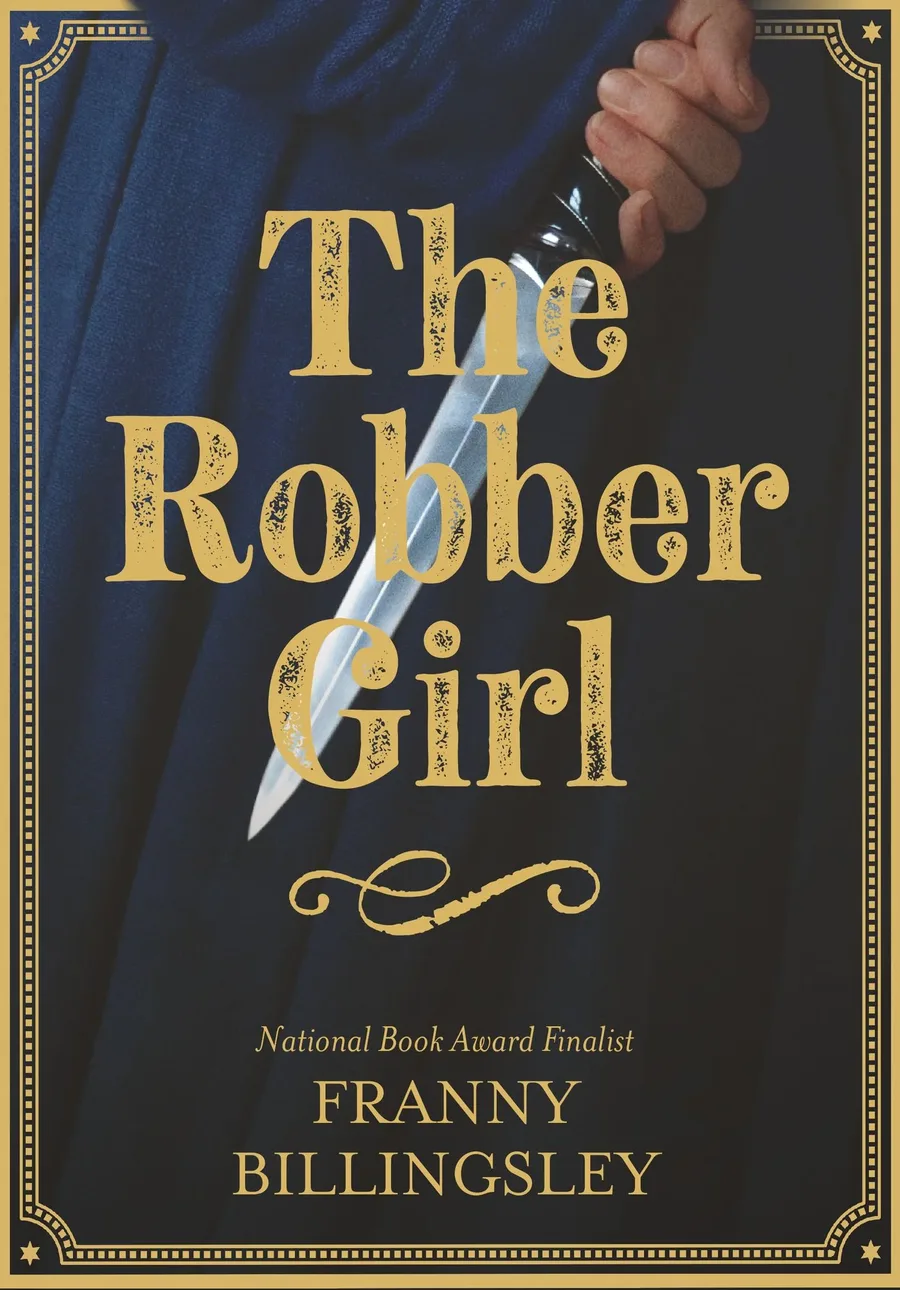 The Robber GirlFranny BillingsleyRaised since age six by a band of robbers, the Robber Girl has never questioned their leader Gentleman Jack’s story of finding her after she was abandoned by her mother. When Gentleman Jack is arrested during a stagecoach robbery, the girl, who was acting as a decoy, is taken in by the judge and his wife in the town of Blue Rose. People in Blue Rose worship the Seventh Sister, who grants boons to the faithful. The town long ago lost its songbird who sang praise to the Seventh’s Sister daily, but the townspeople continue to honor her. When the judge and his wife, mourning their two children who died of smallpox the year before, ask the girl to choose a name, she picks Starling without knowing why. In the attic of the judge’s house is magnificent dollhouse with a mother and father doll. The dolls ask Starling to bring them three things: a dog, a collar for the dog, and a baby. Starling is determined to grant their request, just as she is determined to free Gentleman Jack before his trial. This mesmerizing tale of manipulation and misplaced loyalty; memory and trauma; loss and healing and love; and learning to trust the voice inside oneself features characters presenting white, and a setting with the feel of the American old west but bound by unique elements of fantasy. At its heart, it’s a story so very human.Fiction for ChildrenView book details
 Rez DogsJoseph BruchacMalian was visiting her grandparents at their home on the Wabanaki reservation when she got the news that everything was closing down due to the COVID-19 pandemic. Now she’s with them indefinitely until travel can be resumed, but that’s fine with her. She can keep up with her online classes (when the internet connection is working) and spend much-cherished time with her elders, who tell her stories about their past and their people and enjoy watching movies with her on Netflix. She befriends a stray dog that shows up one day, and the same dog figures into her grandparents’ stories of past times. Has the dog always been here as a protector of Malian’s family? There’s just enough mystery about the dog to add tension to an otherwise idyllic story in verse about a young girl embracing and being embraced by her family’s Native traditions.Fiction for ChildrenLexile Text Measure 830LATOS Book Level 5.1View book details
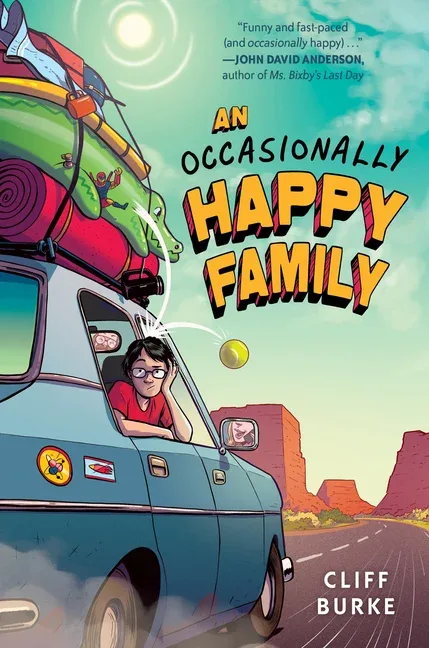 An Occasionally Happy FamilyCliff BurkeTwo years after his mom’s death, Theo, 12, who is white, is going on a vacation with his dad and older sister, Laura, to Big Bend National Park. Only their dad is excited about the trip, which involves an eight-hour drive and camping, although Laura negotiates a stay at the lodge as well. The two siblings go along with their dad’s desires but are far from thrilled, especially when the family joins up on a hike with an avid birdwatcher and his social-media-fame-obsessed teenage son. After 24 hours with Leonard and Leo, the upcoming surprise their dad has promised for the last two days of the vacation is looking better and better, but it turns out to be a bombshell: They’ll be spending the last couple of nights with their dad’s sort-of girlfriend, Lucrecia. Theo and Laura hadn’t even known their dad had a girlfriend, which is clearly what Lucrecia is, even if their dad denies it. This laugh-out-loud middle-grade debut is as moving as it is funny. Theo’s voice, and the sibling and family interactions, are authentic, captivating, and often hilarious, but healing is at the heart of the story. While life coach Lucrecia’s desire to connect with each of the siblings backfires, it opens lines of communication that had been closed as Theo and Laura finally start talking about their grief and anger at the silence that has surrounded their huge loss two years prior.Fiction for ChildrenView book details
 365 Days to AlaskaCathy CarrRigel, 11, who is white, lives with her family in the Alaskan bush. But when her parents announce they’re getting divorced, Rigel and her sisters move with their mom to “Outside”—their maternal grandmother’s in Connecticut. For Rigel, leaving is bearable only because her dad has promised she can return to live with him in a year—but keep it a secret for now, he cautions. Connecticut is almost otherworldly to Rigel: people and concrete everywhere, so many cars whizzing by. And then there’s school, with social norms she doesn’t understand. Previously homeschooled Rigel isn’t comfortable interacting with other kids in sixth grade but does secretly befriend an injured crow she finds behind the school, despite knowing she shouldn’t feed a wild animal. There is such a satisfying arc to this novel and its deftly handled subplots, from Rigel’s gradual acclimation to Connecticut, including a slowly developing friendship with a few other kids, to her older sister Willow’s changing feelings about having a boyfriend (initially thrilled and then slowly getting tired of his needy and controlling ways), to the crow’s fate. Wonderful secondary characters include their unflappable grandmother, capable mom, and not-so-reliable dad, whose calls become less frequent, leaving Rigel wondering about the plan for her to move back. It’s no surprise that there isn’t a plan—something he eventually acknowledges and begins to make amends for. By then, although Rigel misses Alaska, Connecticut is feeling like home.Fiction for ChildrenATOS Book Level 4.5AR Interest Level Middle Grades (MG 4-8)View book details
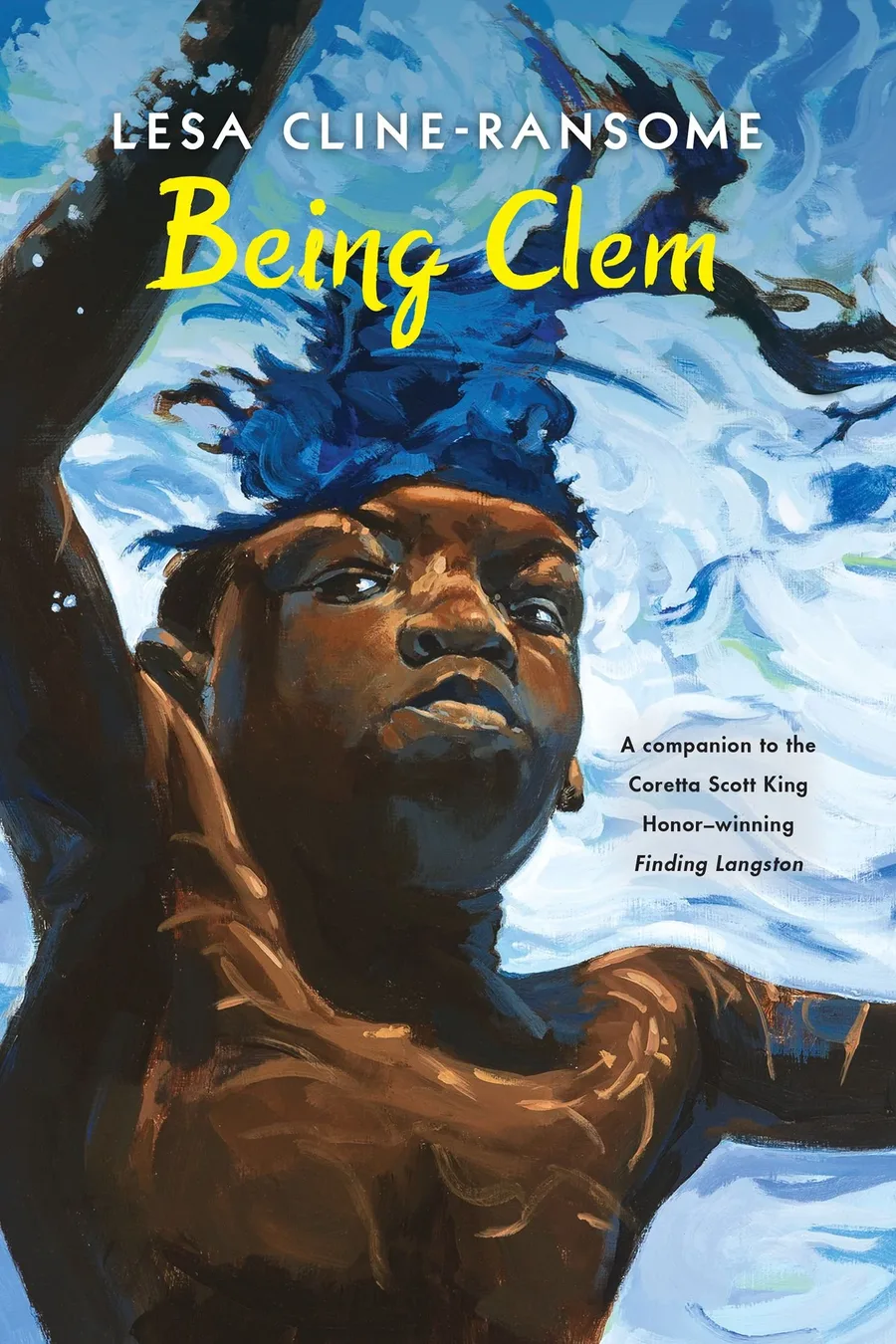 Being ClemLesa Cline-RansomeIn the final book in the “Finding Langston” trilogy about three African American boys living in Chicago in the 1940s, Clemson Thurber Jr. idolizes his father, although for most of Clemson’s life his daddy has been away from home, serving in the Navy. When the family gets the news that Clem Sr. was killed in the Port Chicago disaster, Clem feels the need to live up to his father’s memory, trying to be brave and attempting to excel at swimming. The only problem is that Clem is afraid of the water. He’s also afraid of his classmate Lymon, who bullies a new kid, Langston, who’s just moved from Alabama. For a while, Clem goes along with Lymon’s bullying, but when he runs into Langston at the library, he finds the two have things in common. Slowly Clem finds the courage to break ranks with Lymon and befriend Langston. After three different tries, he also learns to overcome his fear of the water and finally learns to swim. Taken together with Finding Langston and Leaving Lymon, these companion books each hone in on a different main character while offering overlapping plot elements from their three completely different points of view. All are told in Cline-Ransome’s marvelously succinct style.Fiction for ChildrenLexile Text Measure 900LATOS Book Level 4.8View book details
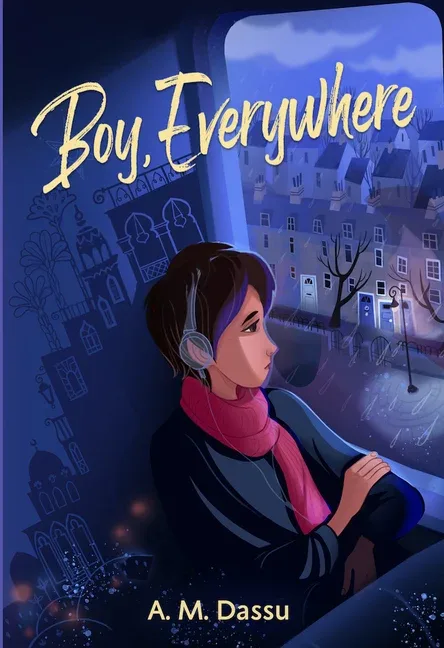 Boy, EverywhereA. M. DassuWhile Aleppo has been devastated by the Syrian civil war, life for Sami in Damascus has been largely untouched by the violence. That changes when a mall in the city center is blown up while his mother and little sister Sara are there, picking up Sami’s soccer shoes. Although neither are badly physically injured, Sara stops speaking, and Sami’s parents decide their family must flee Syria. After secret planning and an unpredictable journey, Sami’s family seeks asylum in England, staying at a refugee shelter before being released to a sponsor, his father’s friend Muhammad. Sami feels guilty about Sara’s silence; angry at Muhammad’s wife and son, who clearly resent their family’s presence in their home; and longing for his best friend, Joseph. He’s also worried about his grandma, who stayed in Damascus, and about Aadam, a teenage refugee they met before making the treacherous journey by boat to Greece. Sami’s coping mechanism for the guilt and unhappiness is to engage in magical thinking about returning to Damascus on his own. A novel about one Syrian Muslim family’s refugee journey is steeped in intense feelings and vivid details. The story makes clear their path is smoother at times because Sami’s father is a doctor and the family has economic resources that help them escape, but it’s still a steep and uncertain arc they are traveling in a novel that ends with them poised at a point of promise.Fiction for ChildrenWord Count 70601View book details
 Partly CloudyTanita S. DavisMadalyn, who is Black, moves in with her great-uncle, Louisiana native Papa Lobo, to attend seventh grade in a small community two hours from her home in California. Her parents’ busy work schedules mean the plan for Madalyn to come home every weekend soon falls through. Luckily, Madalyn likes Papa Lobo and his lively friends, and helping him renovate his outdated front room keeps her busy outside of school. Although there are far fewer Black students at Madalyn’s new school than she’s used to, she connects with a few kids. She isn’t sure about white classmate Natalie, though. At school, Natalie is fun to talk with. But in encounters outside of school Madalyn is shocked that Natalie seems to have decided that Papa Lobo’s godson Jean is scary simply because, like Natalie’s former bully, he is Black. Natalie’s behavior—nice at school, racist outside of school—leaves Madalyn increasingly angry and uncertain about what to say or do. When wildfires prevent both Madalyn’s mom and Natalie’s older sister, with whom Natalie lives, from getting to them, Papa Lobo insists Natalie stay with them despite the upsetting things she has said. This emotionally honest story examines the hurt and disconnect caused by microaggressions and racism while illuminating the sense of caring and compassion among individuals and a community during a disaster.Fiction for ChildrenLexile Text Measure 811LATOS Book Level 5.2View book details
 The Sea in WinterChristine DayFor most of her life, Maisie has had one dream: to be a professional ballet dancer. When a knee injury puts a stop to her intensive training, Maisie slips into a depression. Despite her efforts in physical therapy, she worries she won’t recover in time for spring auditions. She misses her ballet friends and struggles in school. On a family trip to the Olympic Peninsula to hike and hunt razor clams, Maisie, who is Makah and Piscataway, ignores the lingering aches and pains in her knee until a fall reinjures her tendon. Finally acknowledging that a future as a professional dancer will not come to pass, Maisie finds support and solidarity from her mother, who shares the story of her own unexpected and difficult life change: When Maisie was a baby, Maisie’s father died while serving in Iraq. In a novel that offers a welcome look at a pre-teen’s mental health struggles, Maisie realistically hides her feelings and does not initially recognize her depression for what it is. Her family—whose Native identity and history is brought to light in many ways, including through Maisie’s stepfather’s stories—provides consistent love and care despite Maisie’s angry outbursts, and adjusts to Maisie’s needs as they become known.Fiction for ChildrenLexile Text Measure 769LATOS Book Level 4.9View book details
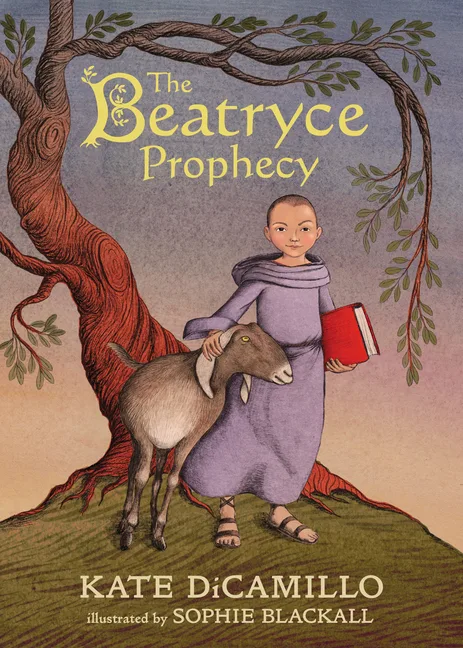 The Beatryce ProphecyKate DiCamilloA masterfully crafted story set in medieval times begins with a girl named Beatryce, who can’t remember anything about her past except her name. Brother Edik finds Beatryce in the monastery stable and convinces his fellow monks to harbor her. Although disguised as a novice monk, Beatryce puts the monastery in danger as a girl who can read and write. In a nearby village is an orphan named Jack Dory, bent on revenge against the robber who killed his parents. When Jack Dory arrvives at the monastery to find a monk to take a dying soldier’s confession, the head monk sends Beatryce—and a disagreeable goat named Answelica that’s devoted to her—instructing Jack not to bring them back. Shortly after, Brother Edik comes upon a prophecy about a girl who will bring down a king and realizes it must be Beatryce. Soon they’re all on the run from soldiers who murdered Beatryce’s family at the king’s request, events that begin to come back to Beatryce. They’re helped by Cannoc, a sage who has secrets of his own. Smart and spirited, fierce and tender Beatryce; Jack, whose ache for revenge can’t quell his goodness; kind and gentle Brother Edik, with his quiet courage; and equally kind but fiercely capable Cannoc, who rejected the mantle of power, are such captivating, complicated characters, all white, who are navigating loss and sustained by love. Writing that sparkles with wit and is a pleasure to read, along with beautiful design and illustrations, make for a richly satisfying tale.Fiction for ChildrenLexile Text Measure 580LATOS Book Level 4.4View book details
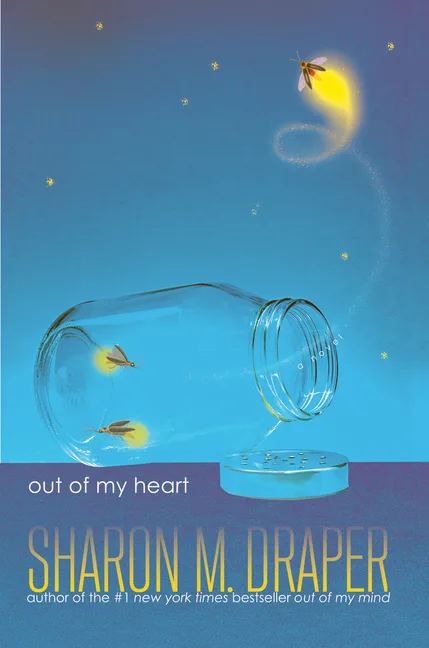 Out of My HeartSharon M. DraperMelody, 12, who has cerebral palsy, is spending a week at a summer camp for disabled kids. Three other campers share her tent. Karyn, like Melody, uses a wheelchair; Athena has Down syndrome; Jocelyn is neuro- divergent. They each have a counselor assigned to them, too. Even though not every other camper uses a wheelchair, or needs assistance eating, or speaks with the help of adaptive technology, Melody quickly realizes that she doesn’t feel different here, and it’s wonderful. Still, not everything is perfect: She and her tent mates bristle at the 24/7 presence of their counselors, no matter how nice they are, and advocate for time free from constant supervision to just hang out as friends. Camp brings other challenges, too. Melody is initially terrified to go swimming, but conquers that fear, as well as her uncertainty about horseback riding. But there are unexpected pleasures, too, including her first crush, on fellow camper Noah. Melody’s engaging voice is immensely enjoyable, offering observations and insights that bring her and other characters into full relief, whether she’s detailing her preference for Nike sneakers and skinny jeans, the distinct tastes and personalities of her fellow campers, or describing physical sensations she’s experiencing for the first time, such as when she’s floating in the pool. This is a welcome sequel to Out of My Mind, the book that introduced Melody and her family.Fiction for ChildrenLexile Text Measure 700LATOS Book Level 4.8View book details
 StarfishLisa FippsEleven-year-old Ellie has been a fat kid all her life. She got the nickname “Splash” when she jumped into the swimming pool at her fifth birthday party, though some kids also called her “whale.” Ellie, who is white, loves swimming and feels most comfortable in her body when she can float on her back with her arms and legs outstretched, imagining that she is a starfish. She is bullied at school, but has a good new friend next door, Mexican American Catalina. Ellie’s own mother is her worst bully, however. She began withholding food from Ellie when she was four, constantly comments on her weight, tries to “fix” her by forcing diets on her, and even considers pursuing bariatric surgery for Ellie. Fortunately, Ellie’s dad is in her corner. He stands up against her mother, takes Ellie to see a therapist, helps her to find a doctor who isn’t anti-fat, and even takes her to a plus-size clothing store for kids. Ellie’s therapist helps her begin standing up for herself, enabling her to confront classmates who hatch a particularly cruel plot, and to confront her mom, telling her how much she has hurt her over the years. Ellie has one Jewish and one Christian parent and practices both religions, her spiritual beliefs another welcome aspect of this ground-breaking novel in verse that will speak to many fat kids, as well as to those who bully or look down on them.Fiction for ChildrenLexile Text Measure HL630LATOS Book Level 4.1View book details
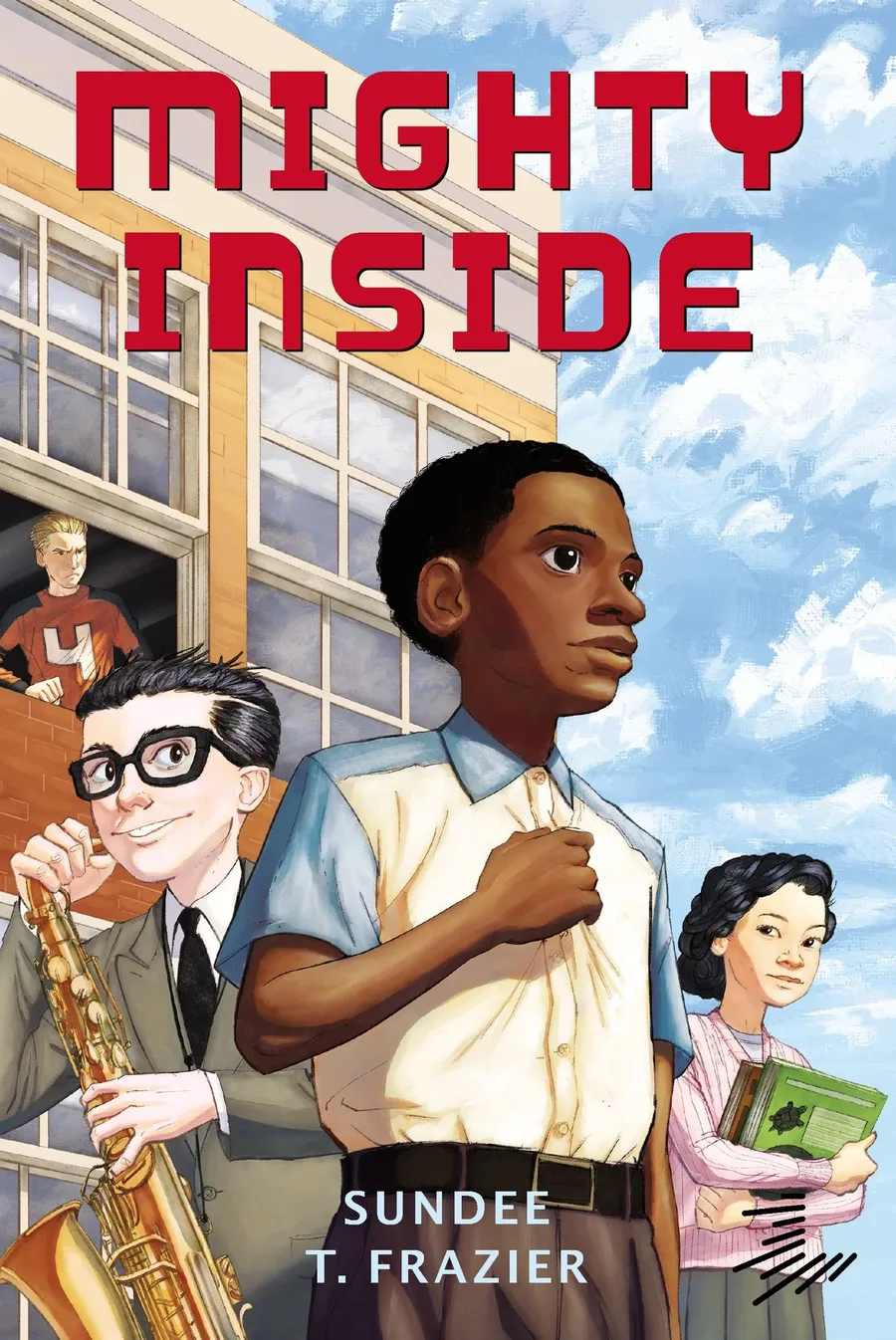 Mighty InsideSundee T. FrazierAfrican American Melvin is about to start high school in Spokane, Washington, in the 1950s, following in the footsteps of his high-achieving brother, Chuck, and accomplished sister, Marian. It would be a daunting prospect even if he didn’t have a stutter, worsened by anxiety, which Chuck’s well-meaning list of “dos and don’ts in high school” doesn’t help. Melvin’s long-time white bully doesn’t help, either. What does help is meeting white, Jewish Lenny on his first day. Lenny, an aspiring musician, talks enough for both of them, and when he learns that Melvin plays accordion (“Don’t ever bring your accordion to school” is on Chuck’s list), he’s eager for the two to jam. But Lenny and his widowed mom live above the Empire Club, a Black- owned nightclub that Melvin’s parents don’t frequent because they object to the owner’s whites-only policy five nights a week. Melvin’s freshman year is eye-opening in many ways. He learns from Japanese American Millie, whom Melvin has liked since grade school, about her family’s imprisonment during the war. Closer to home, he realizes that his parents and other adults in the Black community have been sheltering their kids from a lot of racism. The more he learns, the more Melvin realizes that, stutter or not, he has something to say. A vivid sense of time and place and lively characterizations ground this insightful story.Fiction for ChildrenView book details
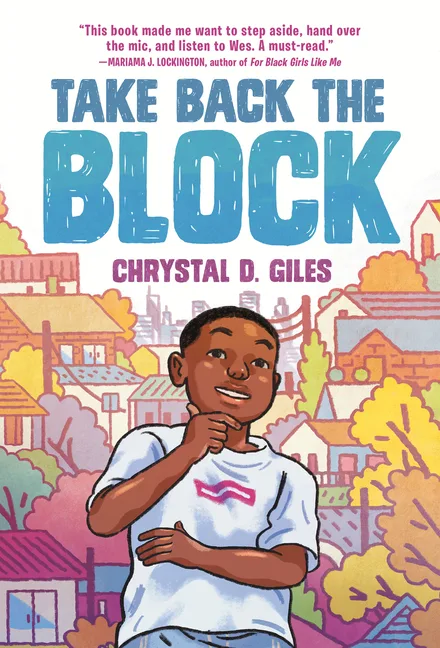 Take Back the BlockChrystal GilesSixth grader Wes Henderson lives in the predominantly Black Kensington Oaks neighborhood. When it’s targeted by a developer making attractive offers to buy people’s homes, some, like his best friend’s family, find it hard to resist. It creates a rift in their neighborhood between those who feel they can’t afford to say no and those who want homeowners to unite against taking the offers. Wes, who has been dragged along to more than one protest by his mom and has a friend recently displaced by another development, wants to remind his neighbors of how much they have in common and works with his friends to organize a block party. Soon, however, he’s determined to do more, connecting with the leader of a local group called “Save Our City” while tying what’s happening in his community to a social justice research project at school. Wes, his family members, friends, neighbors, and others are distinct, dynamic characters in this story in which the theme of change resonates throughout: Change in the community impacts the lives of Wes and his friends and neighbors; changes in their lives impact their friendships. Even as Wes realizes change itself—in lives, in communities—is inevitable, the results of his research efforts and the work of Save Our City have a welcome yet realistic impact, setting some limits on the extent to which his neighborhood can be transformed.Fiction for ChildrenLexile Text Measure 760LATOS Book Level 4.9View book details
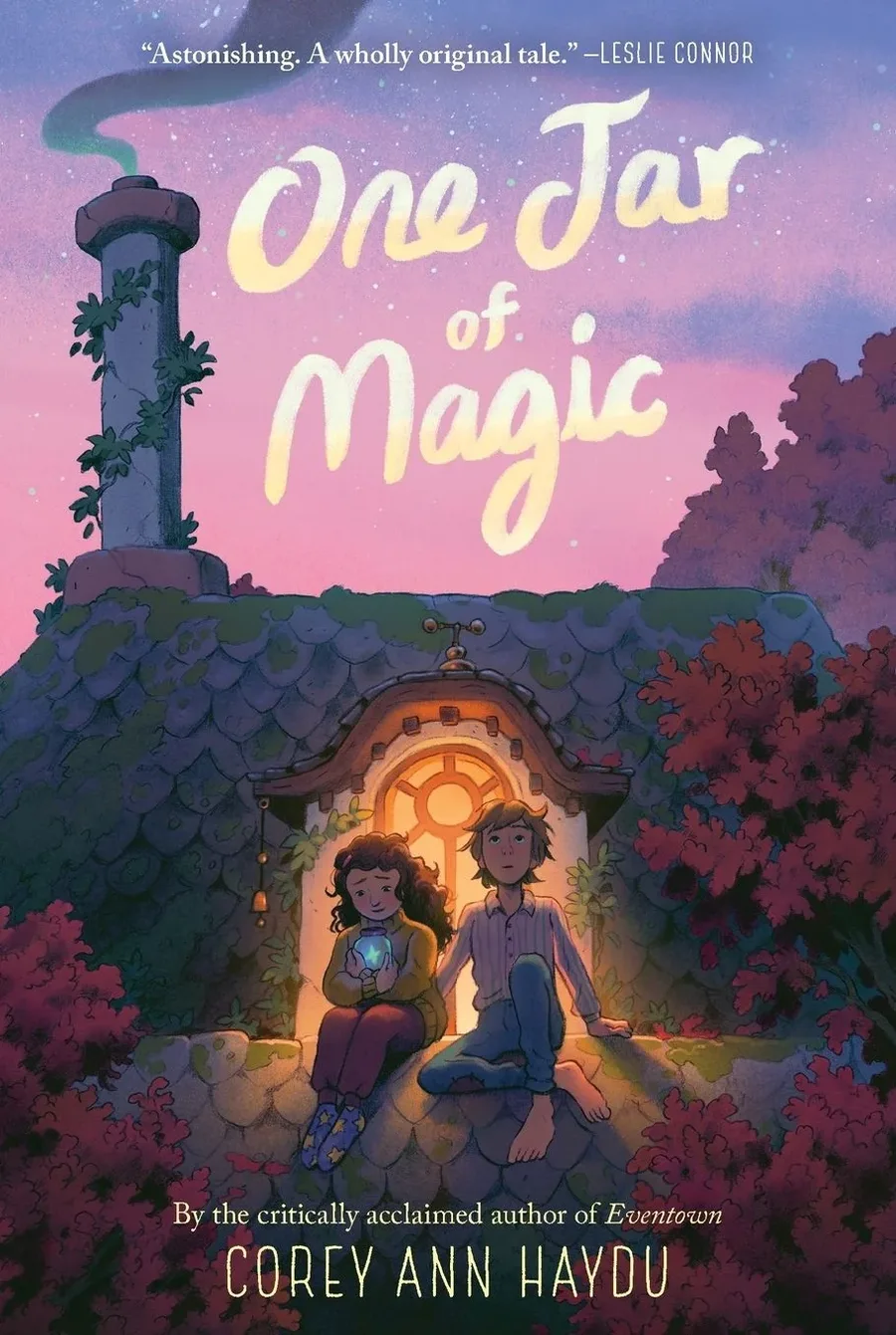 One Jar of MagicCorey Ann HayduRose Alice Anders’ father is convinced she’ll be the greatest collector of magic their community has ever seen. Right now, that distinction belongs to him. Magic gathering only happens on New Year’s Day, and never until one turns 12. As Rose’s first New Year’s Day gathering approaches, she’s feeling uneasy. Her dad has always assured her she’s destined for greatness and says that magic comes to those who deserve it, but what if isn’t true, or isn’t her? It doesn’t help that her best friend, Ginger, is spending less and less time with Rose and more with newcomer Maddy. Rose, who is white, vacillates between anxiousness and anger, her unease only increasing in moments that gradually reveal another dimension of life with her dad: He’s not only full of confidence, he has a temper, and he takes his anger out on those around him, usually her mom. Rose and her older brother Lyle, with whom she is close, have learned coping mechanisms and quiet ways of supporting each other, but they never actually talk about what sometimes happens inside their home. Only in the aftermath of a New Year’s Day full of surprising revelations does it become one of a number of truths that can no longer be buried or ignored. Magic and metaphor both have their place in a novel that examines the secrets and subterfuge surrounding domestic violence and the cycle of abuse in an appealing and affecting story that moves toward hope and healing.Fiction for ChildrenView book details
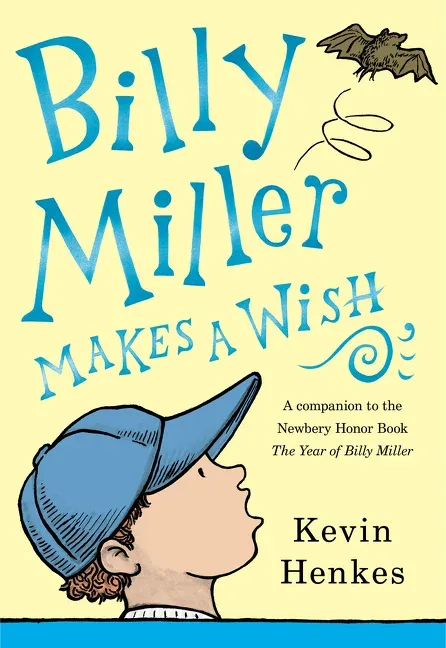 Billy Miller Makes a WishKevin HenkesOn his eighth birthday, Billy Miller blows out the candles on his cake and makes a wish that something exciting would happen. A few minutes later there are sirens in the street outside; Billy’s 92-year-old neighbor, Mr. Tooley, has died. In the week that follows, while Billy’s artist dad is away at art camp, Billy, his little sister Sal, and his mom start cleaning the basement, a project soon abandoned—but not before a bat in the basement complicates Billy’s admiration for the animal, and the discovery of his parents’ old love letters make him cringe. Mom naps a lot, and Sal is a force to be reckoned with, whether asking Mr. Tooley’s family to give back the sympathy cards she drew, using Billy’s new markers to draw butterfly tattoos all over her legs (they don’t wash off), or delivering their parents’ old love letters to the neighbors while playing post office. The week unfolds in a string of events ranging from poignant to comical in their authenticity. Through it all, as he was in The Year of Billy Miller, Billy, who is white, is patient, thoughtful, slightly anxious (wondering if his birthday wish is why Mr. Tooley died, worrying about his dad being away) and very much eight in a story that, like its predecessor, gives perfect weight to the interior life of a child.Fiction for ChildrenWord Count 17557View book details
 The Last CuentistaDonna Barba HigueraPetra Peña, 12, her little brother, Javier, and their scientist parents are among those chosen to flee earth in 2061 as the planet faces destruction. In hibernation for 380 years, bound for the distant planet Sagan, they’ll be monitored by multiple generations of caretakers, with Petra and other children hooked up to “cogs” that will download scientific knowledge to their brains. When Petra finally awakens, however, much has gone wrong. There’s no sign of her parents or little brother, and she and the three other kids she’s with are now referred to as the Zeta Unit. They’ve been programmed to serve The Collective, which subsumes individual identity and choice for the greater good. Petra remembers her past because of a glitch in her cog programmed by her first caretaker when he realized The Collective had infiltrated their ship. The three kids comprising the other members of the Zeta Unit remember nothing about who they once were, but at night they all love listening to the traditional Mexican stories Petra learned from her grandmother and shares. The more Petra learns about the Collective and its leader Nyla’s intentions, the more she is determined to escape with her unit—her friends—but the stakes grow even higher when she meets Epsilon 5, an aging scientist who unwittingly reveals the scope of the Collective’s inhumanity. This page-turning work of science fiction explores a classic idea in a compelling story featuring a courageous and quick-thinking young protagonist who embodies the challenge, pain, and beauty of being human.Fiction for ChildrenWord Count 71822View book details
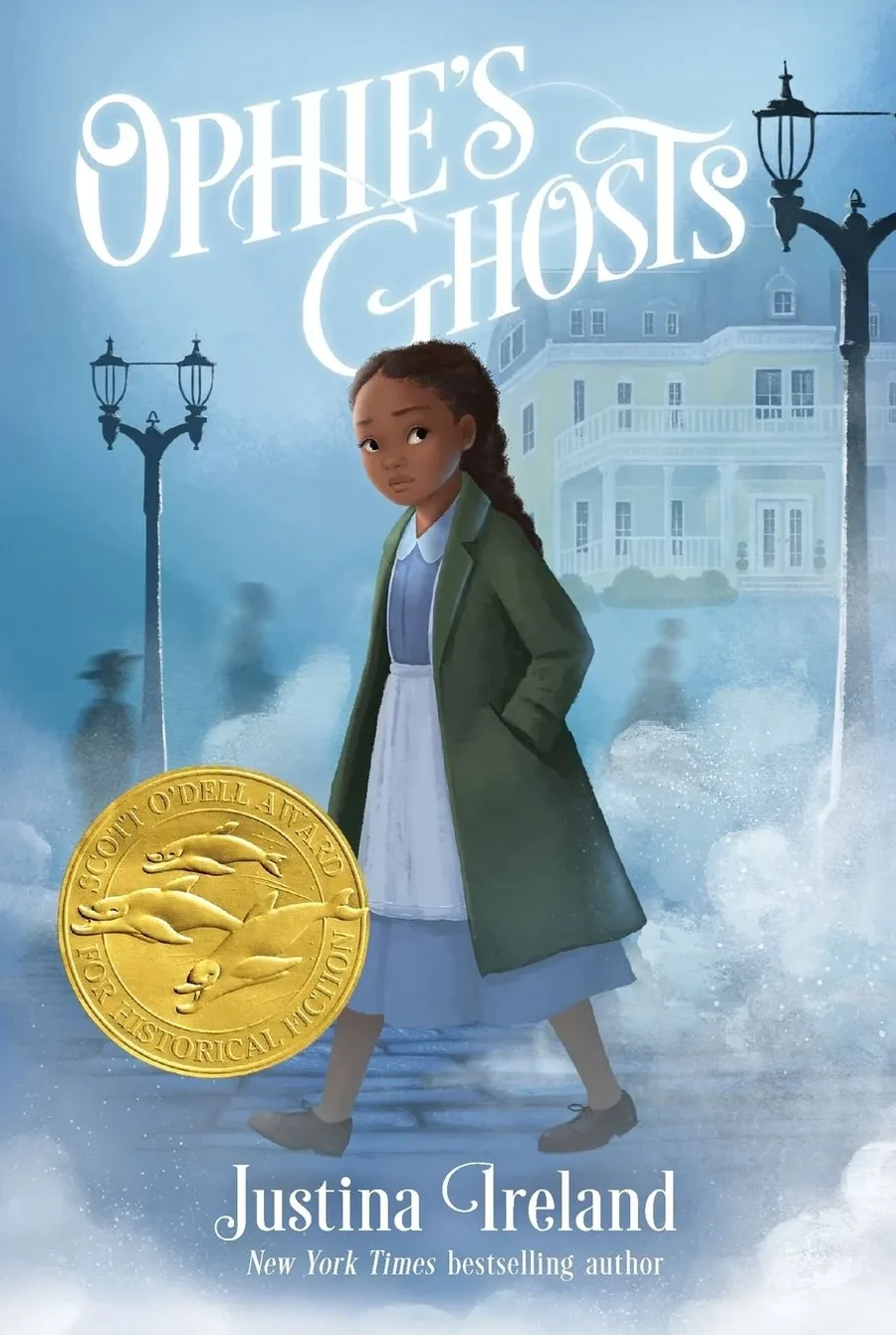 Ophie’s GhostsJustina IrelandA ghost story set in the 1920s features Ophelia, a young African American girl who moves with her mother to Pittsburgh to live with relatives after her father dies. Ophie accompanies her mom to her new job as a housekeeper for a Mrs. Caruthers, a wealthy white woman, and her adult son. Soon Ophie realizes the house is also occupied by ghosts—or haints, as her Aunt Rose calls them. Ophie learns from her aunt that she has inherited the ability to see and communicate with these otherworldly beings, each of who is stuck in a different time period but co-exists on Ophie’s plane. Ophie helps take care of cruel Mrs. Caruthers, who is casual with her racist remarks, and although Ophie is becoming increasingly comfortable with the haints, she doesn’t immediately realize that a young woman who comes to her aid during an early confrontation with Mrs. Caruthers is a ghost as well. Clara used to work in the household but “disappeared,” and people are unwilling to talk about her. Ophie learns from her aunt that there are ways she can help ghosts move beyond the limbo of their trapped existence in the world of the living and onto the next plane, but she also ignores some of Aunt Rose’s advice about how to be careful with ghosts; ultimately she finds herself in a dangerous situation. This original story blends Black history, mystery, ghosts, and Southern Black traditions to make a compelling read.Fiction for ChildrenView book details
 Playing the Cards You’re DealtVarian JohnsonFifth grader Anthony—aka Ant—wants his dad to be as proud of him as he is of Ant’s older brother, Aaron, the reigning teen champion of their neighborhood Spades tournament. Intent on winning, African American Ant practices as much as he can with his best friend and partner, Jamal. But when they play during recess at the start of the school year, Ant discovers a serious challenger in new student Shirley. At home, Ant’s dad has been unpredictable lately, going from overly upbeat about his business prospects to stressed out. He promise to help Ant practice, then forgets and comes home hours late. Aaron, away at boarding school, tells Ant to watch for signs that their dad is drinking. Ant knows their dad was in rehab when Ant was a baby, but he isn’t comfortable spying and says nothing when he does find evidence of drinking, and online gambling, too. Ant puts his heart and his hopes into winning the tournament, convinced it’s the key to turning around things for and with his dad. When Jamal is grounded, Ant partners with Shirley, even though some kids think he shouldn’t play with a girl. Ant discovers Shirley is not only a great player, she’s a great friend—something he’s not so sure Jamal is anymore. The weight of Ant’s emotions and his family’s struggles are balanced by the liveliness and buoyancy of Ant and the Black community that surrounds him, while the animated narration provides light-hearted comic relief.Fiction for ChildrenView book details
 Temple Alley SummerSachiko KashiwabaIn the dead of night, Kazu spies a girl in white emerging from his family’s altar room in Masuda, Japan. The next day, Kazu is bewildered when his classmates act as though the girl, Akari, has been a member of their class for years. When he learns that his house was once the site of Kimyoji, or “return-to-life temple,” Kazu suspects Akari may be a ghost; he’s even more certain after his uncle tells him that their family has been protecting a Kimyo Temple statuette with the power to bring the dead to life. Kazu befriends Akari and learns that she died as a child 40 years ago. When an elderly neighbor steals the statuette from his family’s altar with intent to destroy it, Kazu is determined to help Akari enjoy the time she has left. He helps her track down a story she’d begun reading before her death and wants to finish. Upon discovering that the ending was never written, the two embark on a search for the author with the hope of persuading her to complete it, making a surprising discovery in the process. Readers will root for Kazu and Akari, while the story-within- the-story, printed in full, is as gripping and magical as the primary ghost story. Both are rich with themes of friendship, second chances, and making the most of the time you’re given.Fiction for ChildrenLexile Text Measure 620LATOS Book Level 4.5View book details
 That Thing about BollywoodSupriya KelkarEleven-year-old Indian American Sonali has learned to tamp down her feelings about many things, but especially the obvious tension and growing dysfunction between her parents. When her life begins transforming into a Bollywood musical, Sonali has no idea what is happening. She and her best friend, Pakistani American Zara, are huge Bollywood fans, but that doesn’t explain why everyone around Sonali is suddenly bursting into song while others become chorus members and backup dancers. Rooms transform into Bollywood-like sets with saturated colors, and people she loves become shining, Bollywood versions of themselves. Even more confusing is how everyone around her takes it all in stride, as if there’s nothing unusual happening. Like her dad, Sonali does not like to share her feelings, and she finds her own compulsion (and his) to burst into song alarming. But when she can’t resist, the words that come out of her mouth as she sings and dances convey how she’s really feeling about what’s going on in her family, and in her changing friendship with Zara. Amidst the abundant humor of this laugh-out-loud story is a tender, honest exploration of family and friendship, with characters who are anything but Bollywood-like in their complexity.Fiction for ChildrenLexile Text Measure 830LATOS Book Level 5.4View book details
 Amina’s SongHena KhamAs this sequel to Amina’s Voice opens, Amina’s family is visiting Uncle Thaya Jaan’s family in Pakistan. Amina loves Pakistan and spending time with her cousins, especially Zohra, 16, but also sometimes feels like she isn’t Pakistani enough. Before going home, she promises her uncle, whose health issues have her worried, that she’ll “show people in America the beauty of Pakistan.” Back in Wisconsin, Amina feels changed by her trip and disappointed that her two best friends, Soojin and Emily, aren’t interested in hearing about it as the three start 7th grade. For a social studies project on a person she admires, Amina chooses Pakistani activist Malala Yousafzai, but after her short presentation to introduce the person she’ll be researching, the other students express dismay at the attack on Malala and Taliban restrictions to girls’ education in Pakistan. Knowing Pakistan is so much more than these two things, Amina feels like she’s failed her uncle and the country. She rethinks her approach to the assignment, willing to take a risk to broaden their perspectives. Amina’s appreciation for her culture and parents’ homeland is woven throughout a story that is also a wonderful look at middle school-age friendships, from Amina’s changing but still strong relationships with Soojin and Emily to Rabiya, her friend at mosque, and her new friend, biracial Nico (Black/African and Middle Eastern Arab), a boy who shares her interest in music and is teaching her how to record an original song she’s writing.Fiction for ChildrenView book details
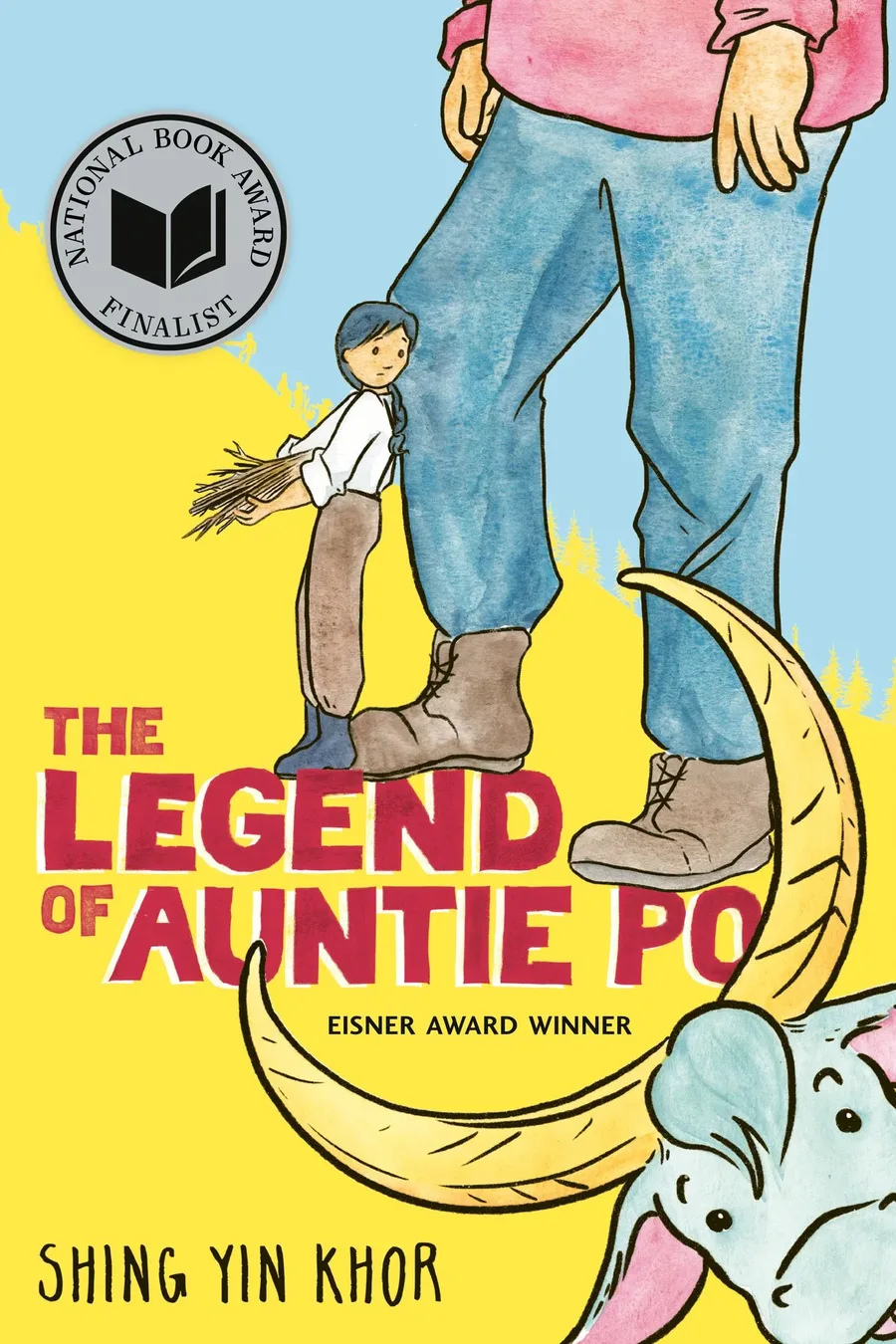 The Legend of Auntie PoShing Yin KhorChinese American Mei, 13, lives in a Sierra Nevada lumber camp in 1885. Her father, Hao, is the head cook; her best friend (and unacknowledged crush), Bee, white, is the daughter of the camp manager. Mei, who dreams of going to college someday, is a popular storyteller among the younger children of camp families, both white and Black. (There are no other Chinese families.) Her tales of Auntie Po, a larger-than-life Chinese woman who leads a lumber crew with the help of her blue water buffalo, Pei Pei, are a favorite of everyone, including Mei herself, who’s begun seeing Auntie Po on treks in the woods. Her presence is a comfort, but when a tragedy strikes the camp, Mei wonders if Auntie Po was only in her imagination after all. Still, the power of stories in general, and Mei’s storytelling in particular, help the children cope, while friendship and community prove essential to healing. There’s a lively sensibility and overall optimism suited to the spirit of tall-tale telling in this graphic novel, even as it tackles serious issues and events, especially anti-Chinese racism and limited opportunities and expectations for women and girls. An informative author’s note provides more information on the context of this story, including the Indigenous peoples whose history is part of this time and place.Fiction for ChildrenView book details
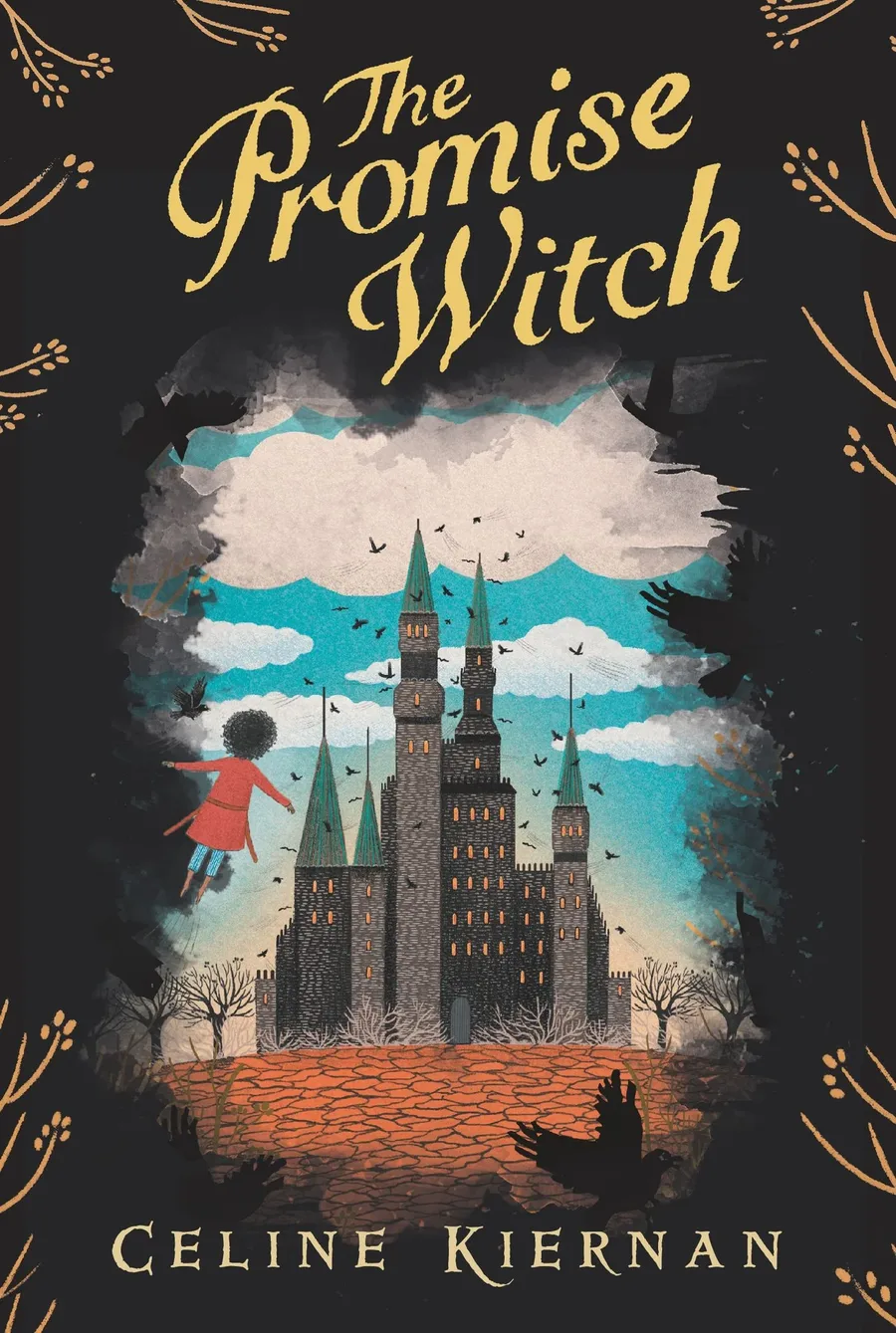 The Promise WitchCeline KiernanIn the concluding book of “The Wild Magic” trilogy, Mup’s grandmother, in hiding, continues to plague Witches Borough with dark magic, which has also brought drought upon the land. While Mup’s mother tries to build trust among the citizens after taking over from her mother’s cruel rule, biracial Mup (Black/white) worries about Crow. The song her friend keeps singing feels like dark magic, and he seems to have conjured a being reminiscent of his late father. When Crow’s mother discovers he may have a gift for dark magic, she hopes to curry the favor of Mup’s grandmother by bringing her Crow, whom she kidnaps, and traps Mup into being her unwilling guide. The ongoing development of secondary characters is part of what sustains the freshness of this series with its many intriguing characters and strong environmental theme.Fiction for ChildrenLexile Text Measure 731LATOS Book Level 4.7View book details
 BordersThomas KingA Blackfoot boy and his mother, who live on a Blackfoot reserve in Alberta, Canada, pack the car with food, blankets, and clothing and set out to visit the boy’s older sister, who has left the reserve for Salt Lake City. Arriving at the border between Canada and the United States, the boy and his mother are asked to specify whether they are Canadian or American. “Blackfoot,” the boy’s mother calmly but firmly insists, refusing to concede when pressed repeatedly to choose a “side.” Prohibited entry, mother and son hunker down in the liminal space between borders, passing time in the duty-free shop and sleeping in their car overnight. One day turns into two, and then three, before the arrival of news vans prompts the border guards to permit the boy and his mother to cross into the United States. Clean artwork accompanies a tightly focused narrative about a woman who models a strong act of resistance for her son. This graphic novel deftly demonstrates the injustice of requiring member of an Indigenous nation to claim citizenship of a country established by colonizers whose geopolitical borders divide their traditional homelands.Fiction for ChildrenView book details
 Soul LanternsShaw KuzkiNozomi, 12, lives in Hiroshima, Japan, in 1970. At the annual memorial ceremony for victims of “the flash” (the atomic bomb), when lanterns carrying victims’ names are floated out to sea, she notices one of the lanterns her mom releases is nameless. In the coming days, Nozomi and her friends learn their art teacher, Mr. Yoshioka, lost his fiancée in the bombing; the only thing he found was a comb he’d once given her as a gift. The students decide to organize an art show, encouraging classmates to talk to a survivor and create a piece of art based on that person’s story. One of Nozomi’s friends talks to Mrs. Sudo, who lost her husband in battle and her little boy in the flash and regrets that the last words she spoke to her son were in anger. Another learns that his aunt, a young teacher, perished in the bombing along with six of her students, whom she was trying to protect. And Nozomi talks to her mom, learning more about her mother’s past and people she lost. Nozomi’s curiosity about her mother’s story and the experiences of others creates a sense of mystery and tension in this quiet and deeply affecting novel, while the heartrending stories of loss that emerge invite full-hearted compassion among Nozomi and her friends, who see for the first time the depth of grief carried by their elders.Fiction for ChildrenLexile Text Measure 850LATOS Book Level 5.8View book details
 Red, White, and WholeRajani LaRoccaMiddle schooler Reha is the American-born daughter of parents from India; a beloved only child who often feels caught between her parents’—especially her mother’s—more traditional expectations and her own American identity. She moves easily between friends at school during the week and friends in the Indian immigrant/first-generation community on weekends. She loves visiting her extended family back in India. But she’s frustrated by other things, like the fact that even though her dad convinces her mom to let Reha attend her first school dance, her mom’s disapproval is obvious. Reha loves her parents and knows they love her, but wishes she could explain to her mom that she needs to fully embrace and express both the American and Indian aspects of who she is. In this novel-in-verse set in 1983-84, the “red, white, and whole” of the title references both Reha’s identity and blood cells, which become critical after her mom is diagnosed with leukemia. Both of these dimensions of the plot are given space to beautifully and movingly unfold and align, even as other aspects of Reha’s life, including her sweet first more-than-friendship relationship with classmate Pete, also develop. In a story about family, identity, what is lost, and what is found, Reha discovers that her mom has seen and understood her all along.Fiction for ChildrenView book details
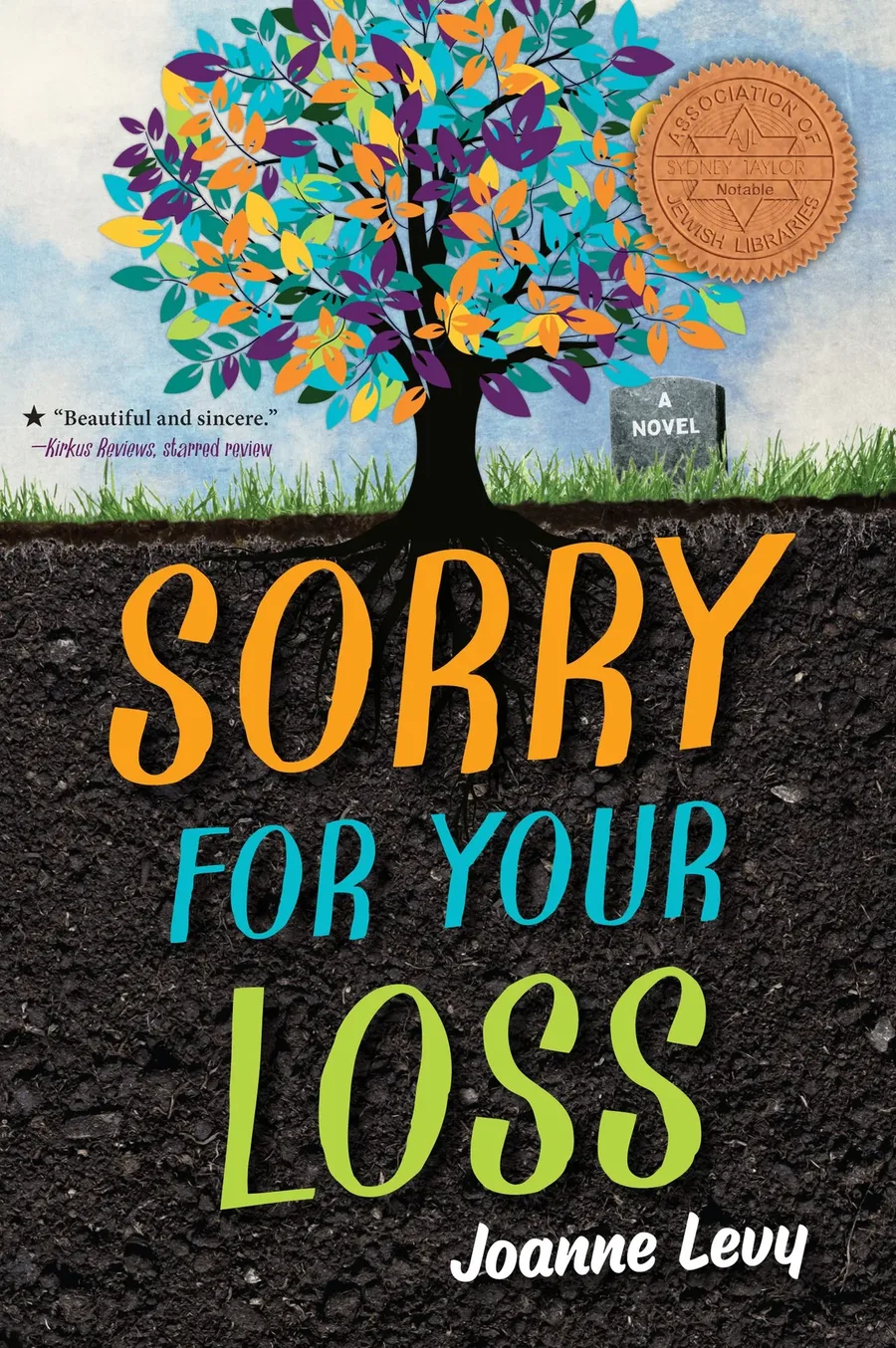 Sorry for Your LossJoanne LevyEvie is teased by other middle-school girls at her Jewish private school because of her parents’ work: They run a funeral parlor, work that Evie is interested in pursuing someday. She meets Oren when her parents ask her to sit with him while they help his uncle plan the service for Oren’s parents, who were killed in a car accident. Evie doesn’t know what to say to Oren, but Oren isn’t interested in talking; in fact, he hasn’t talked since the accident. Oren’s uncle later arranges for Oren, who is Evie’s age, to spend summer days at Evie’s. Evie talks enough for the both of them (a trait she is aware of but can’t easily curb), and they text to communicate. The two develop something that isn’t, Evie insists, a friendship, because she’s sworn off friends. Oren’s fascination with what happens at the funeral parlor is one way he’s starting to process his grief, but it’s spending time with Evie and her family, for whom talking about feelings and providing comfort and support to the grieving may not be easy but is always something they’re willing to do, that has the biggest impact. Meanwhile, Evie discovers Oren is a true friend after all. Varied Jewish traditions and beliefs around life and death are an essential part of this story featuring two singular, quirkily realistic kids, both white, whose burgeoning friendship is a delight in a sometimes funny, always moving story.Fiction for ChildrenView book details
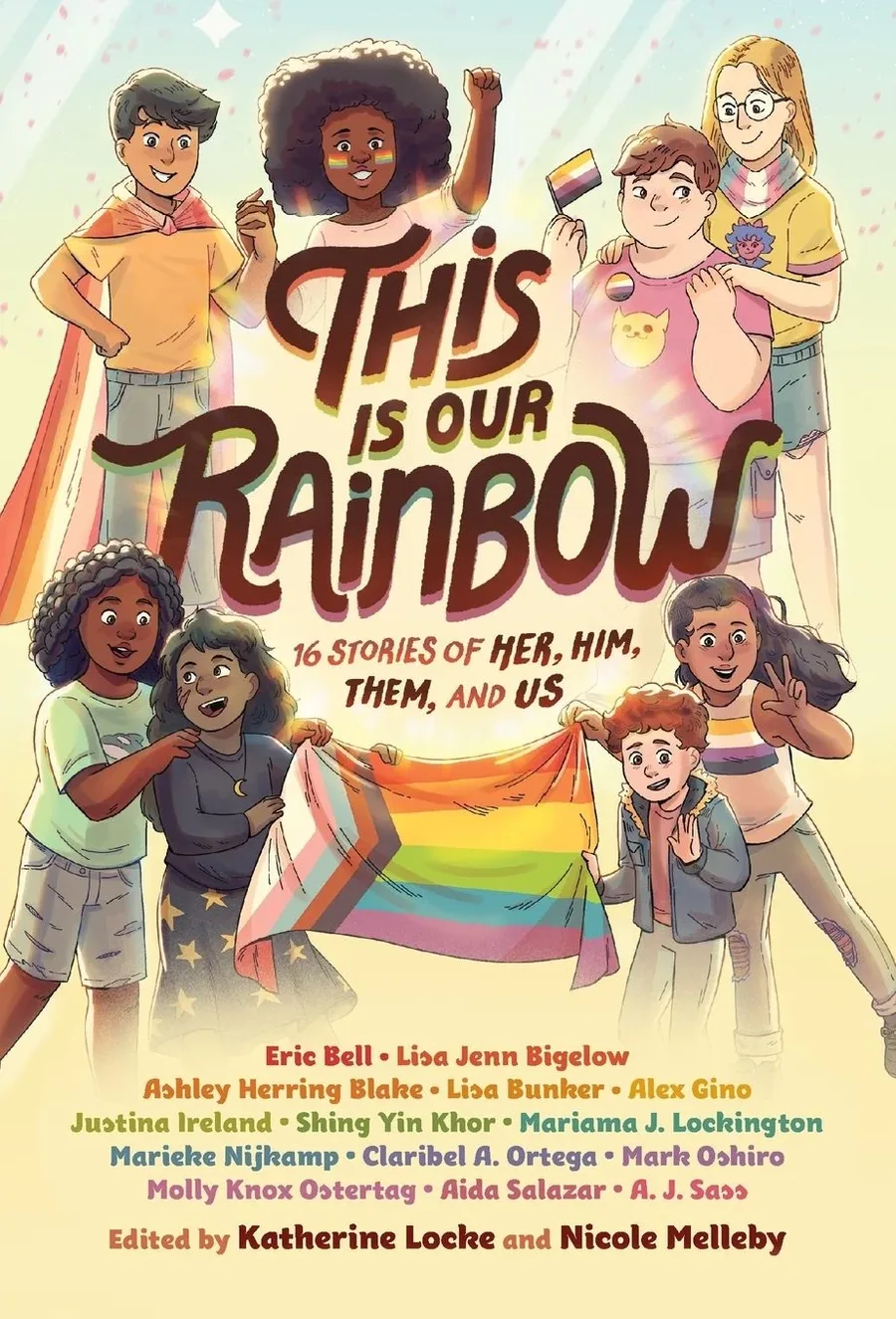 This Is Our Rainbow: 16 Stories of Her, Him, Them, and UsKatherine Locke, Nicole MellebyA collection of 16 middle-grade stories features diverse characters across the gender identity and sexuality spectrums. The plots and themes are refreshingly wide ranging: coming out, crushing, the desire for a cat, friendship, family, finding comfort in one’s own skin, and more. This welcome anthology offering both entertainment and affirmation includes contemporary realism and fantasy, and one graphic short story and one story in verse.Fiction for ChildrenView book details
 Thanks a Lot, UniverseChad LucasBrian, who is white, has social anxiety (which he calls SAWS: Super Awkward Weirdo Syndrome) and generally doesn’t spend a lot time with kids at school. At home, his parents are loving and supportive, though his mom understands his anxiety better than his dad. Biracial Ezra (Trinidadian Canadian/white) has three best friends with whom he often spends time in person; when not together they’re often texting in laugh-out- loud funny exchanges. Alternating chapters from Brian’s and Ezra’s points of view follow their stories as they intertwine. Brian’s life feels like it’s unraveling after his dad, in legal trouble, disappears, and his mentally ill mom overdoses on prescription pills. While his mom is hospitalized, Brian and his younger brother end up in foster care and run away. Meanwhile, Ezra is trying to navigate a changing friendship with Colby, one of his close friends, who is not only becoming girl-obsessed but has started making occasional racist comments. Ezra reaches out to Brian after noticing Brian seems stressed and unhappy. Adults step up to help Brian’s family, too, but the developing friendship and growing trust between these two middle-school- age boys are at the heart of this welcome story. While there are elements around Brian’s running away and its aftermath that stretch plot and secondary-character credibility, there is so much that is pitch perfect, including Brian’s anxiety and panic attacks, and Ezra, who is gay, beginning to come out to his friends.Fiction for ChildrenLexile Text Measure 580LATOS Book Level 3.8View book details
 Too Bright to SeeKyle LukoffBug and Bug’s mom are grieving Bug’s Uncle Roderick, who lived with them and recently passed away after a long illness. It was Uncle Roderick who taught Bug about ghosts, so when spooky things start happening— doors open and close, objects move around—Bug suspects it’s Uncle Roderick, trying to communicate something important. While snooping in Uncle Roderick’s room for clues, Bug finds pamphlets about what it means to be transgender. Uncle Roderick was an out gay man and a drag queen, but Bug begins to wonder: Had Uncle Roderick been trans and afraid to come out? Meanwhile, Bug’s best friend, Moira, has discovered makeup and boys and wants to give Bug a makeover before the start of sixth grade, despite Bug’s disinterest. Bug, white, has always felt awkward, but knows a makeover isn’t the answer to figuring out being a girl. Pondering everything, including the stranger Bug sometimes sees when looking in the mirror, Bug finally realizes that Uncle Roderick wanted Bug to know it’s okay to be yourself. For Bug, expressing the truth that he’s a boy finally brings comfort in his own skin. So much more than a ghost story, this tale of identity, family, loss, and friendship is lovely in every way, from descriptive details to a quietly affirming sensibility. It keenly captures the feeling of dysphoria, the certainty of self-knowledge, and the beauty of family and friends who see and accept the truth of Bug’s identity matter-of-factly and with love.Fiction for ChildrenLexile Text Measure 790LATOS Book Level 5.1View book details
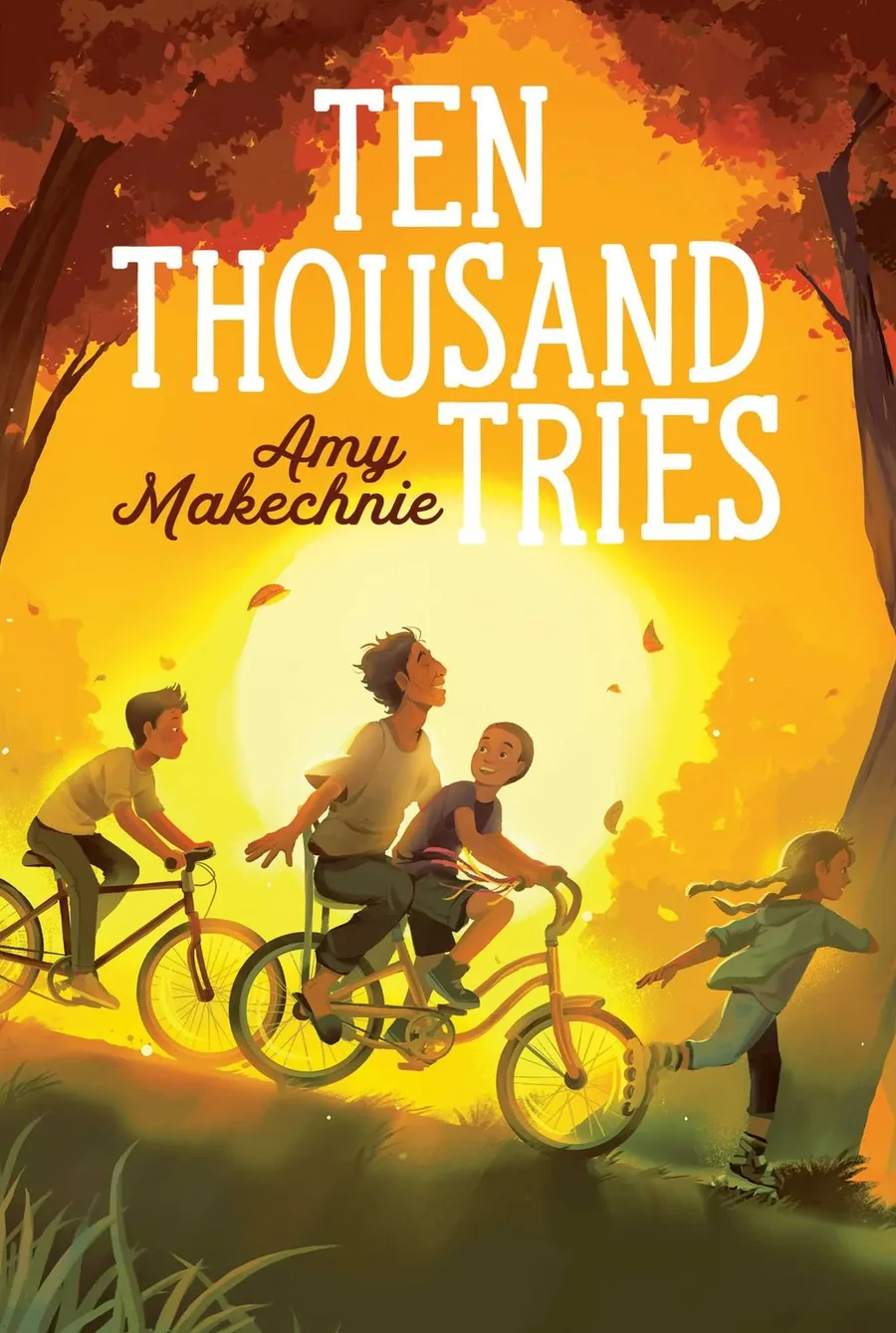 Ten Thousand TriesAmy MakechnieGolden and his family live and breathe soccer. A big Lionel Messi fan, Golden is obsessed with putting in 10,000 hours of practice toward becoming a master of the game, and he’s ecstatic to be elected co-captain of his team (coached by his mom) along with his best friend, Lucy. But Golden’s ability to focus on soccer begins to deteriorate along with his dad’s health. Although his parents have told the family the Dad will eventually pass away due to his ALS, Golden is in denial. He thinks that if he can get his team to the championship game, work out enough with his dad, and maintain a positive attitude, his dad will find the strength to beat ALS. To make matters worse, Lucy breaks the news that she and her mom will be moving to Maine for her stepdad’s new job, and Golden is devastated; meanwhile, he’s reluctant to let his other good friend, Chinese American Benny, come over—it’s hard to deny how serious things are if he sees the truth in other people’s eyes. Sometimes heartbreaking and always emotionally resonant, this novel offers a realistic view into the constantly disrupted routines of a white family dealing with a life-changing illness. As Dad’s ALS worsens and emotions run high, Golden and his siblings learn to step up, offer support, and provide care even when it feels like everything is falling apart.Fiction for ChildrenView book details
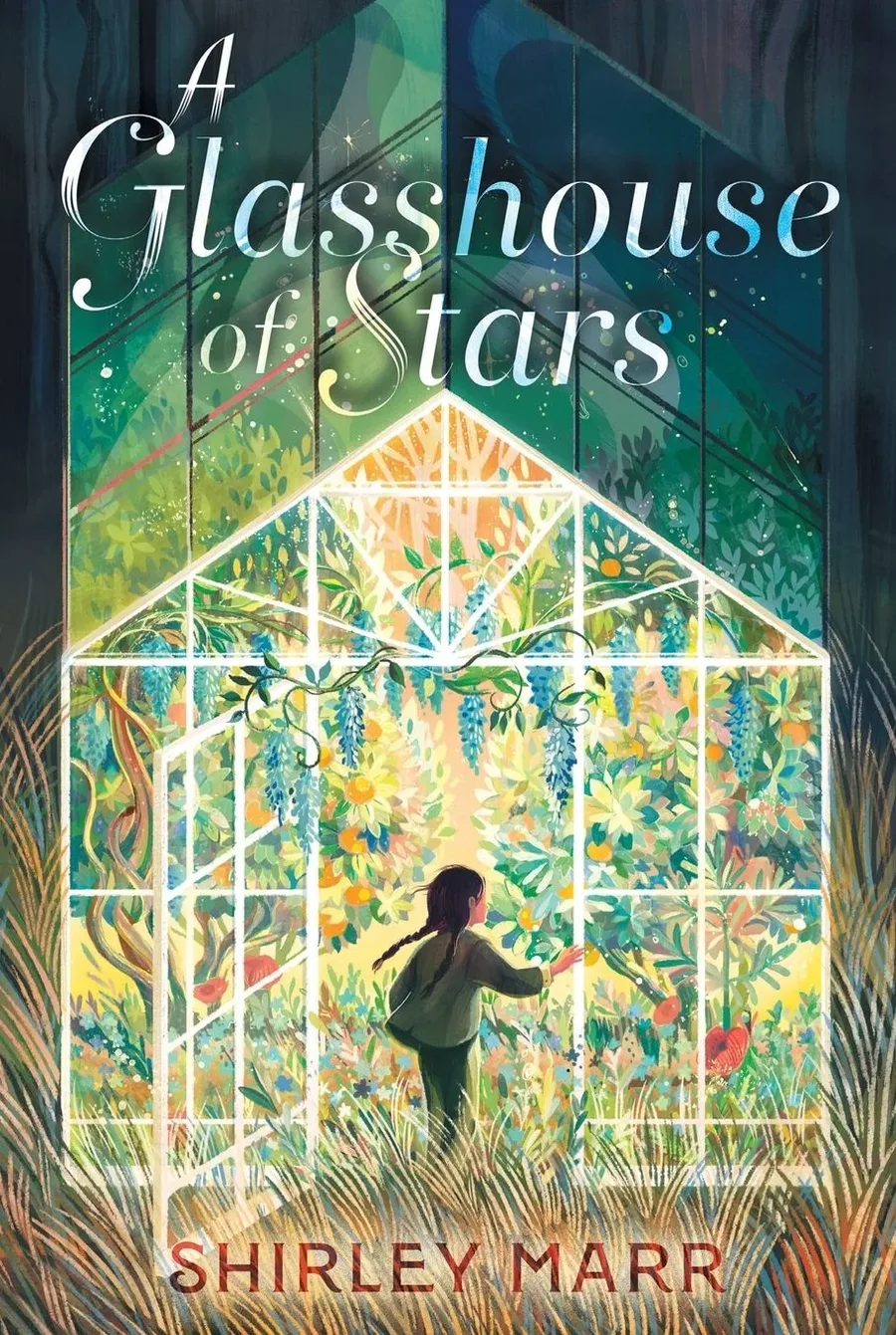 A Glasshouse of StarsShirley MarrMeixing and her parents, Ma Ma and Ba Ba, move from China to the New Land, where they will live in the New House left to them by Meixing’s uncle. Meixing calls the house Big Scary. It seems to communicate with her, sometimes glowing pink, or expanding or contracting depending on how Meixing is feeling and what is happening in her life. In the backyard there us a glasshouse with an orange orchard, her deceased uncle’s ghost, and seeds that grow impossibly fast to reveal the planter’s memories. It’s magical and comforting, and Meixing needs both as she struggles with feeling so ungrounded. After a rough start, things at Meixing’s new school begin to improve thanks to the efforts of the one teacher who doesn’t make her feel unwelcome and the two friends Meixing makes in her ESL class—one from Vietnam, one from the Middle East—where all three gain confidence. But things at home, already tense, fall apart when Ba Ba is killed in an accident and pregnant Ma Ma grows severely depressed. The arrival of Meixing’s aunties brings temporary relief, but in the wake of their leaving Ma Ma gets worse, and Meixing feels even more alone. It’s up to readers to decide whether the magic that permeates this story is Meixing’s imagination helping her cope or a tangible part of her world, but what’s clear is that it takes courage to ask for help, and that there are people willing to answer when you do.Fiction for ChildrenATOS Book Level 5.8AR Interest Level Middle Grades (MG 4-8)View book details
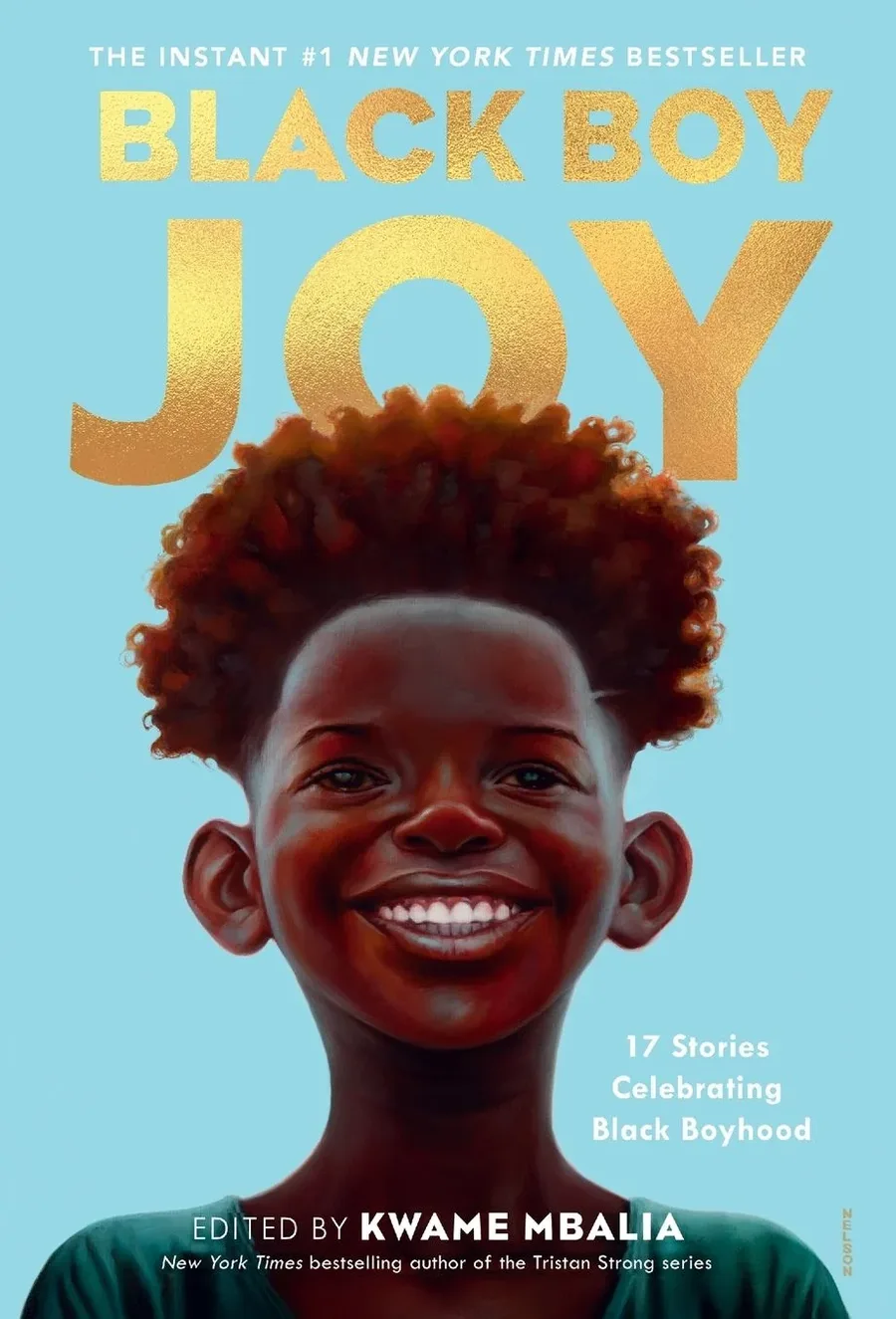 Black Boy Joy: 17 Stories Celebrating Black BoyhoodKwame MbaliaBlack boys engaged in everyday and extraordinary moments are celebrated in this collection of short stories that also includes a poem and a comic. A three-part framing story invokes magic in the collection of joy, while other entries find joy in a diverse spectrum of moments that range from perfecting one’s first day of school look to skateboarding during the pandemic and competing in an intergalactic race. Families, friends, and neighborhood communities often play important roles in these boys’ lives. A welcome mix of voices and styles offers adventure, humor, and poignant connection to young readers.Fiction for ChildrenView book details
 The Swallows’ FlightHilary McKayAlternating stories set from the late 1920s to 1947 follow Erik and Hans, best friends from Berlin, and Ruby and Kate, British pen pals. Growing up, Erik and Hans share adventures and dreams. Neither boy likes the changes in their country as Hitler rises, but both end up Luftwaffe pilots, evem as Erik’s mother harbors a Jewish woman in their home. When war breaks out, Ruby, living in Plymouth, and Kate, in Oxford, are 12. Ruby has never gotten along with her older brother, Will, who has often been unkind about her facial birthmark and many other things. It was a relief when he joined up and left home; then he goes missing in France. Kate, youngest of six, wants to do something meaningful for the war effort, like her older siblings, but isn’t sure what that might be. The girls share a godmother, Clarry, who brings Kate to a farm outside Plymouth to pick up Ruby, who is coming to stay with Kate’s family. A fifth main character is a mistreated, abandoned dog who, with Clarry’s help, finds his way to Kate’s family. All of the storylines converge when Erik and Hans end up in a dogfight with British fighters over the Plymouth farm. These singular primary characters, all white, are surrounded by richly developed secondary characters, mostly family members with whom they have distinct relationships; all of them are an essential part of this story about friendship and family, growth and change, and, especially, compassion and kindness.Fiction for ChildrenLexile Text Measure 780LATOS Book Level 5View book details
 Merci Suárez Can’t DanceMeg MedinaBack at Seaward Academy for seventh grade, Cuban American Merci has been tapped by the principal to revitalize the school store with classmate Wilson Bellevue. Meanwhile, Merci’s nemesis, Edna, in charge of planning the upcoming school dance, is capitalizing the time of Merci’s friend Hannah, straining Merci and Hannah’s friendship. At home, Lolo’s Alzheimer’s is progressing and Tía Ines is dating Papi’s employee Simon. It’s too much change, and with the exception of spending time with Wilson, Merci doesn’t like any of it; her warm feelings about Wilson, meanwhile, leave her confused. Merci’s resistance to moving outside her comfort zone is further challenged by Tía’s new dance studio and the expectation to participate. There are so many authentic characters and moments in this story, from some of Merci’s bad but believable decisions, especially around a borrowed iPad accidentally broken while in her care, to peer and family dynamics; from the matter-of-fact presentation of Wilson’s disability (he “swings one hip forward so his right leg can clear the ground. He says it doesn’t hurt or anything. He was born that way”) to the memorable scene in which Merci, talking to the principal about racist remarks, says, “It’s like getting paper cuts all the time, miss. They don’t look like much, but they hurt, especially if you get a lot of them, day after day.” Although Merci thinks she can’t dance, in the end she does, thanks to the support of her family and friends.Fiction for ChildrenLexile Text Measure 710LATOS Book Level 4.5View book details
 How to Become a PlanetNicole MellebyPluto, who is white, loves astronomy, missed the last month of seventh grade due to major depression and anxiety. This summer she’s under constant supervision as she’s towed to and from her mom’s pizzeria. Her dad wants her to move in with him in New York City, but Pluto just wants everything to go back to normal. She has a checklist of tasks that, if completed, will prove she can be her old self again: attend her best friend’s birthday party, start therapy, meet with a tutor, and visit the planetarium for her birthday. She befriends and then starts crushing on Fallon, also white, whose own summer goals include cutting her hair and convincing her mom to let her wear a suit, rather than a dress, to her brother’s wedding. But Pluto’s road to recovery is anything but straight. She’s frustrated and angry and doesn’t feel like herself. And her mom, who is trying so hard, doesn’t always get things right. Notably, Pluto experiences no sudden or magical cure in this heartrending story; rather, she realizes she must learn how to manage and cope with her mental illness, while her mother and friends begin to learn how best to support her.Fiction for ChildrenLexile Text Measure 769LATOS Book Level 4.9View book details
 The Stolen Prince of CloudburstJaclyn MoriartyMost students and staff at Esther’s boarding school think that the new teacher, Mrs. Pollock, is wonderful— her teasing is so funny! But Esther, who is white, thinks Mrs. Pollock’s humor is cruel. Why doesn’t anyone else agree? It’s not the only strange thing going on. Esther’s dad, a historian, is convinced environmental changes disrupting the oceans is the work of an evil fiend, but he can’t get others to take him seriously. After an attack by Shadow Mages at the school, observant Esther tries using the limited magic skills she has to keep everyone safe. But Mrs. Pollock’s continual “teasing” make it harder and harder to feel confident, something Esther already struggles with. Then Esther discovers that she has magical gifts beyond anything she imagined, but accepting them means re-living a traumatic event from her early childhood. She’s caught glimpses of it in her dreams without understanding the whole story, let alone that it holds the key to why Esther’s mother seems to ignore her—a source of ongoing pain. Told in Esther’s first-person voice, this distinctive fantasy is uplifting even as it tackles serious issues, including bullying, manipulation, fear, love, fallibility, and forgiveness. Esther’s family’s dynamics with sisters Imogen and Astrid and their parents are intriguing, as is the way the book explores how easily people rationalize cruelty, in a story that ultimately is a triumphant tale of self-worth.Fiction for ChildrenLexile Text Measure 769LATOS Book Level 4.9View book details
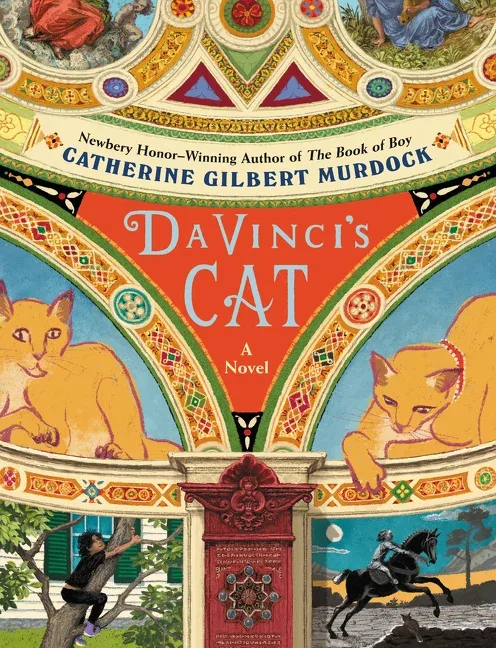 Da Vinci’s CatCatherine Gilbert Murdock, illustrated by Paul OTo ensure his father’s loyalty to the Pope, 11-year-old Federico is allowed to freely roam the papal palace in Rome while serving as a privileged hostage. The year is 1511, and Michelangelo is painting the Sistine Chapel ceiling, while the rival artist Raphael schemes to gain access through Federico to that off-limits work in progress. Lonely Federico is quick to befriend a cat he spots exiting an odd cabinet. Events take a time- warping turn when the cat is followed by Herbert Bother, an artist and dealer from 1920s New Jersey who is hoping to get Raphael to sign a sketch to increase its value. The odd cabinet, a gift to the Pope from France, was built by Leonardo Da Vinci. No one but Herbert, and now Federico, knows it’s a time machine. Juno, Da Vinci’s time-traveling cat, brings Bee, a 21st-century Italian American girl and the daughter of art historian mothers, into the story. Cleverly constructed connections across time link Federico and Bee, who must work together to resolve altered events in the 16th century that would otherwise irrevocably impact history.Fiction for ChildrenView book details
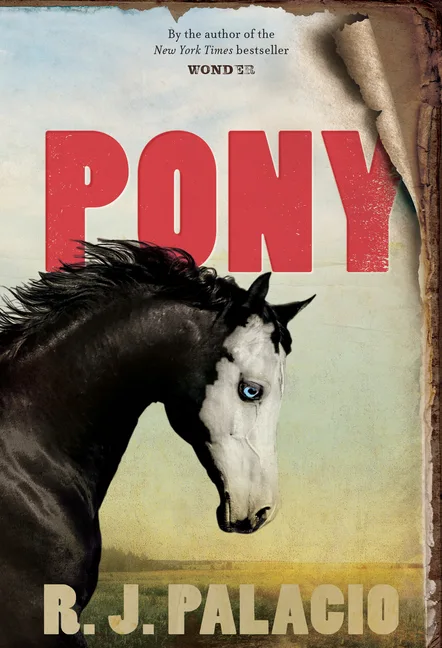 PonyR. J. PalacioIn 1860, sensitive, sheltered Silas, 12, lives with his loving, intelligent father, Martin Bird, and Mittenwool, a ghost who’s been Silas’s companion for as long as he can remember. When Silas’s father is forced at gunpoint to accompany three men looking for someone named Mac Boat, his parting instructions to Silas are to not follow. But when a horse that's run away from his father’s kidnappers shows up the next morning, Silas is sure it's a sign he should do exactly that. Accompanied by Mittenwool, Silas rides the horse, which he calls Pony, into the forest he’s feared since early childhood to find his father. Soon lost, he’s rescued by Marshal Farmer, a lawman looking for a band of counterfeiters. The marshal is reluctant to let Silas accompany him until Silas mentions the men and the name of Mac Boat, who, it turns out, is a famous counterfeiter. When the marshal is injured, he dispatches Silas to summon help from some local lawmen. Soon Silas, Sheriff Chalfont, and Deputy Beautyman are approaching the kidnapper’s cave where Silas’s father is held. The already enthralling plot is made even more intriguing as Silas discovers and unravels more than one mystery about his family’s past. But it’s the kindness and compassion of its main characters, all white, that give this story its deeper weight. Old daguerreotype and ambrotype photographs of people in the 19th century are the lead-in to chapters introducing key characters throughout this singular work.Fiction for ChildrenLexile Text Measure 740LATOS Book Level 5.1View book details
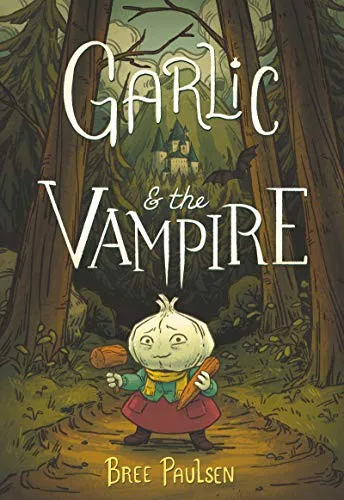 Garlic & the VampireBree PaulsenOversleeping on Market Day confirms Garlic’s worries that she’s a disappointment to those around her. Brought to life with a number of other vegetables by kind Witch Agnes, Garlic (a personified garlic head on a human-like body) is most comfortable in the security of her garden plot, growing garlic for the humans in the village. But the arrival of a vampire at a nearby castle threatens those humans, and petulant Celery is eager to suggest that Garlic is the obvious choice to confront the newcomer and determine his intentions (she’s garlic after all, and it’s a vampire). Garlic is truly afraid to go, but she does it anyway because it’s the right thing to do. To his dismay, Witch Agnes appoints Celery to accompany her. Celery bails at the first opportunity, but Garlic continues in spite of her fear, only to discover that the vampire isn’t so scary after all. In fact, he’s just as gentle and affable as Witch Agnes. This charming graphic novel soft pedals the scariness while delivering a sentient vegetable as memorable heroine.Fiction for ChildrenLexile Text Measure 381LATOS Book Level 2.7View book details
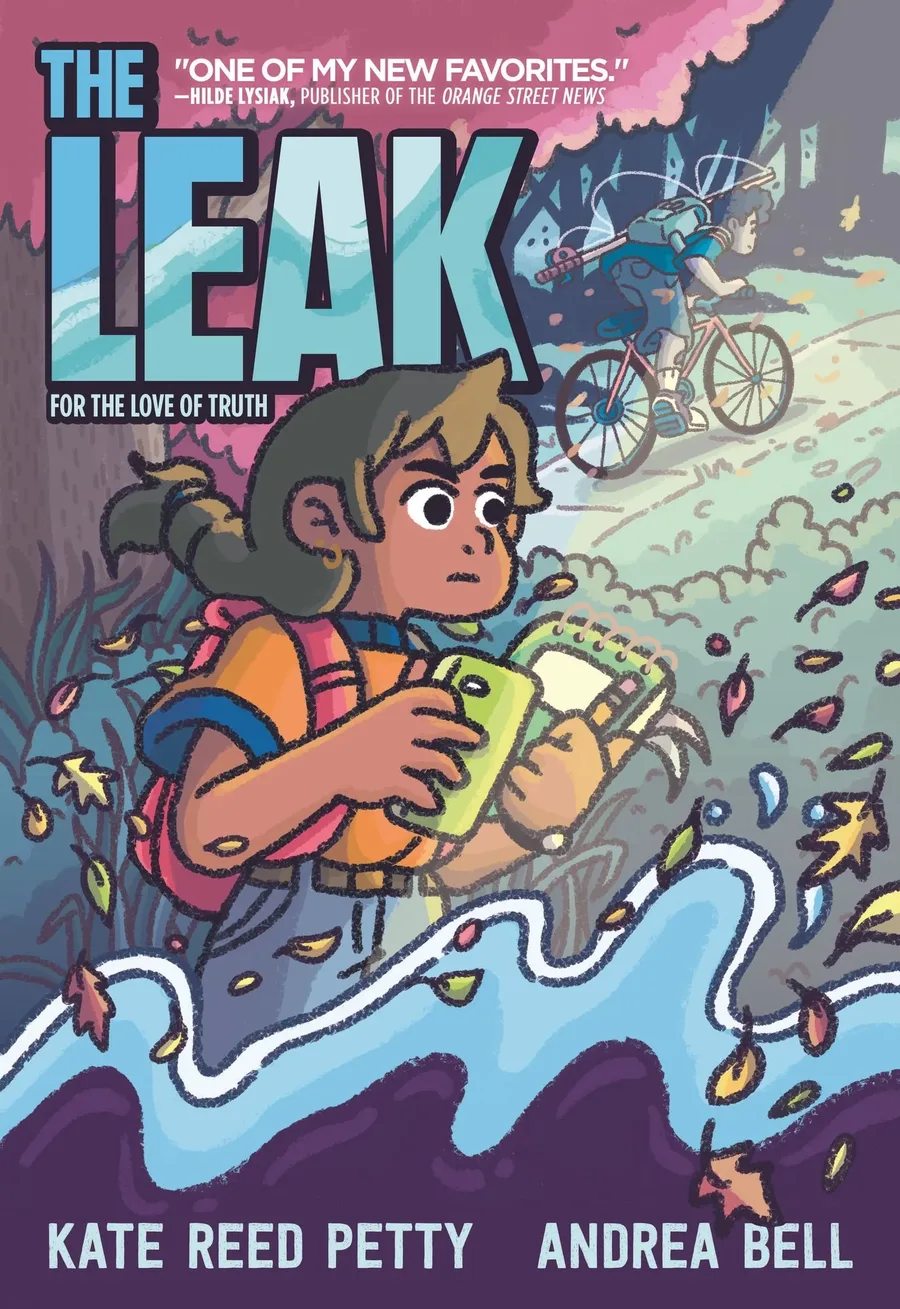 The LeakKate Reed PettyRuth, a 12-year-old aspiring journalist with her own weekly newsletter, is disturbed to find a dead fish and an unidentifiable black slime on the shores of a nearby lake. Sensing a story, and concerned about the pollution to boot, Ruth investigates. She’s mentored by her brother’s girlfriend, Sarita, who teaches her the rules of journalism known as OATH: objectivity, accuracy, transparency, and honesty. Already convinced the local country club is to blame for the lake pollution, Ruth struggles to maintain objectivity in her investigations. Her research leads her to the realization that several local businesses have violated the Clean Water Act. With the help of her science teacher, she tests the water for chemicals and finds it contaminated. When her efforts are covered by a popular blog, Ruth, who is brown-skinned with a multiracial family, finds herself suddenly in the spotlight; as a press conference approaches, local law-breaking companies pressure her to keep her discoveries under wraps. While Ruth’s ability to connect so many dots may come a bit too easily, this graphic novel delves into environmental issues and satisfyingly explores the struggles and successes of a proactive young investigative journalist.Fiction for ChildrenView book details
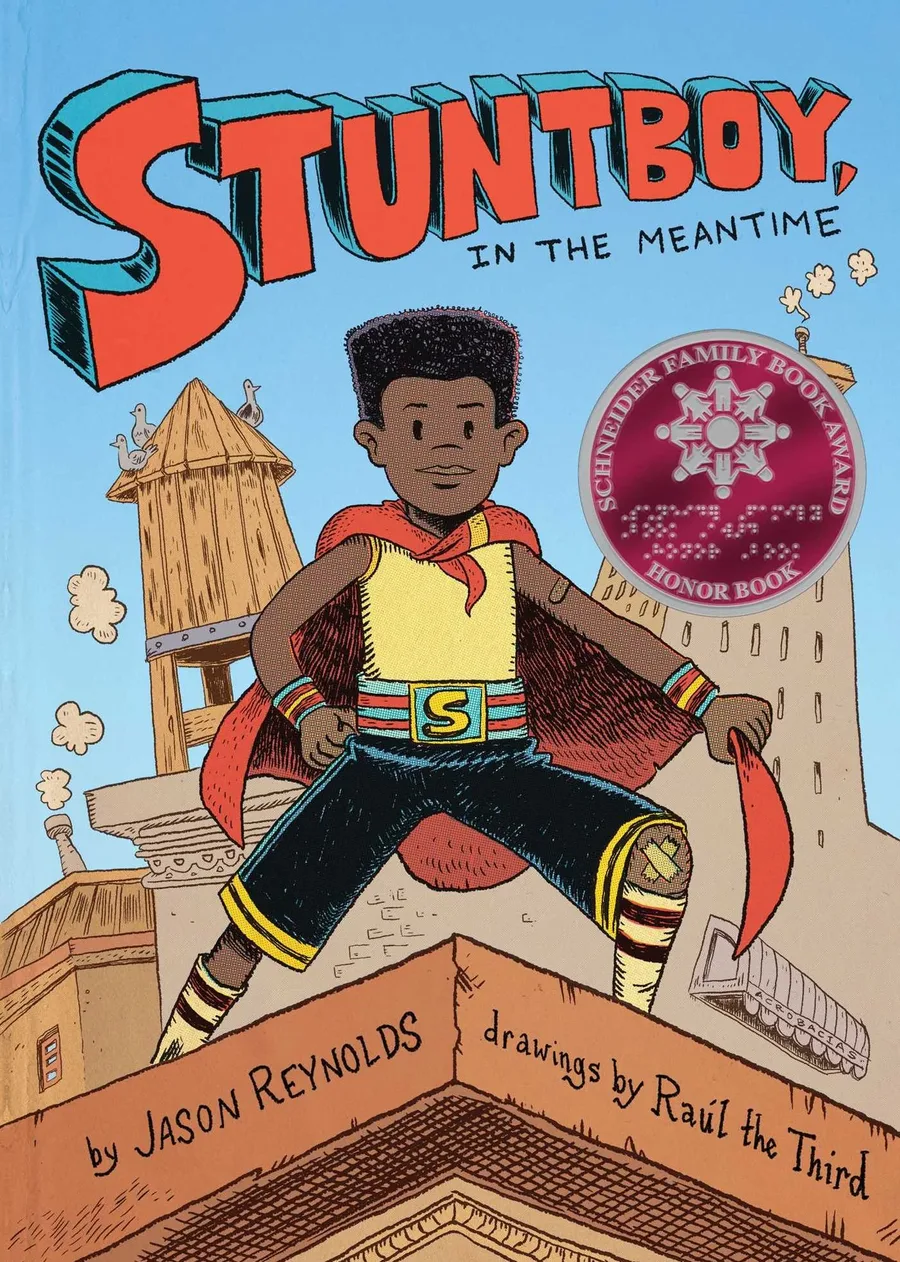 Stuntboy, in the MeantimeJason ReynoldsPortico Reeves, a ten-year-old Black boy, lives in a large apartment building that he likens to a castle, full of quirky characters he loves and appreciates. His best friend, Zola, lives there, too. Portico and Zola both love the same superhero television show, and Portico has a superhero alter ego, Stuntboy. His mission is to preserve the health and well-being of others in his building by performing stunts that either distract or diffuse a situation. For example, when he spots an elderly neighbor about to tumble down the stairs, Portico jumps in and takes the fall for him. Lately Portico’s parents have been arguing a lot over various possessions, and soon they’ll be moving into two different apartments, one upstairs and one down. Portico has anxiety, which he refers to as “the frets.” He’s a sensitive boy who worries a lot about others; he also trying to steer clear of a bully in the building, Hector Singletary the Worst. Portico’s superhero status is enhanced and enlarged by Raúl the Third’s comic-style illustrations which zigzag throughout nearly every page of the book. The over- the-top humor of the superhero story buzzes along on top of two more serious underlying subplots—Portico’s anxiety and his parents’ pending divorce—in an engaging story with a lot of heart.Fiction for ChildrenView book details
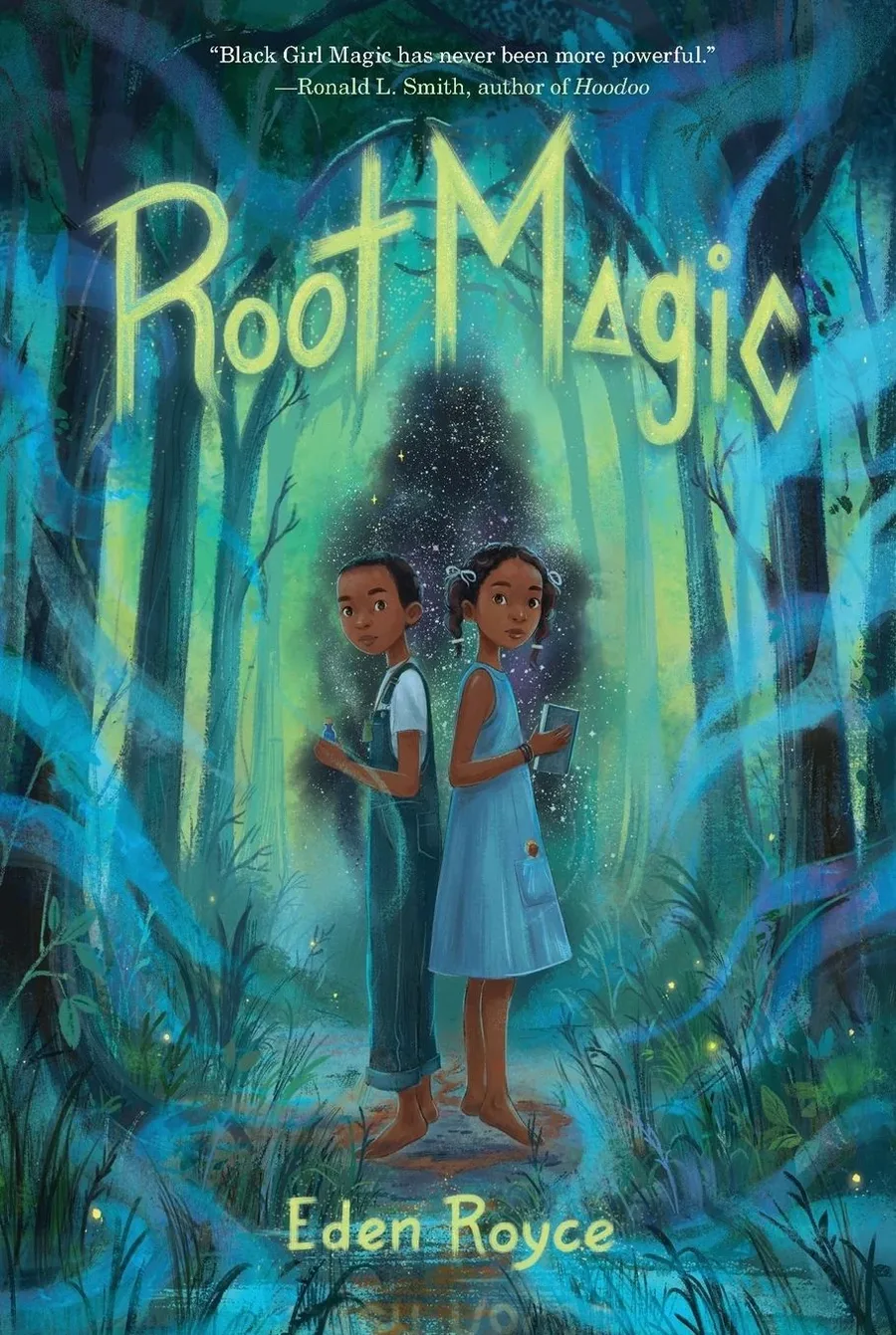 Root MagicEden RoyceOn Wadmalaw, an island 20 miles from Charleston, South Carolina, many in the Gullah Geechee community rely on rootworkers for healing. Others are suspicious, believing rootwork to be witchcraft. When Jezebel and Jay’s grandmother, the island’s best rootworker, passes away, their uncle, Doc, begins to teach the 11- year-old twins rootwork as a form of protection against malevolent spirits and flesh-and-blood threats like racist police officer Deputy Collins. Jez isn’t sure she believes in magic or haints and boo-hags, but she eagerly attends her lessons; making her first root bag, she hopes to use it to attract a friend. At school, Jez faces bullying by Black classmates who believe rootwork is “old-fashioned” and “only for uneducated people,” even as many of their families on rely on Jez’s family’s healing skills. New classmate Susie is different, however, curious about rootwork and defending Jez. As the twins’ lessons progress, spooky things begin to occur: Invisible hands grab Jez in the marsh, and the doll that Gran made for her begins to speak. Not only does Jez discover the magic is real, she learns it runs particularly strong in her and someone—or something—may be trying to steal it. Facing both human and supernatural threats, Jez embraces her heritage and harnesses her power in this unique and affirming coming-of-age story set in 1963.Fiction for ChildrenView book details
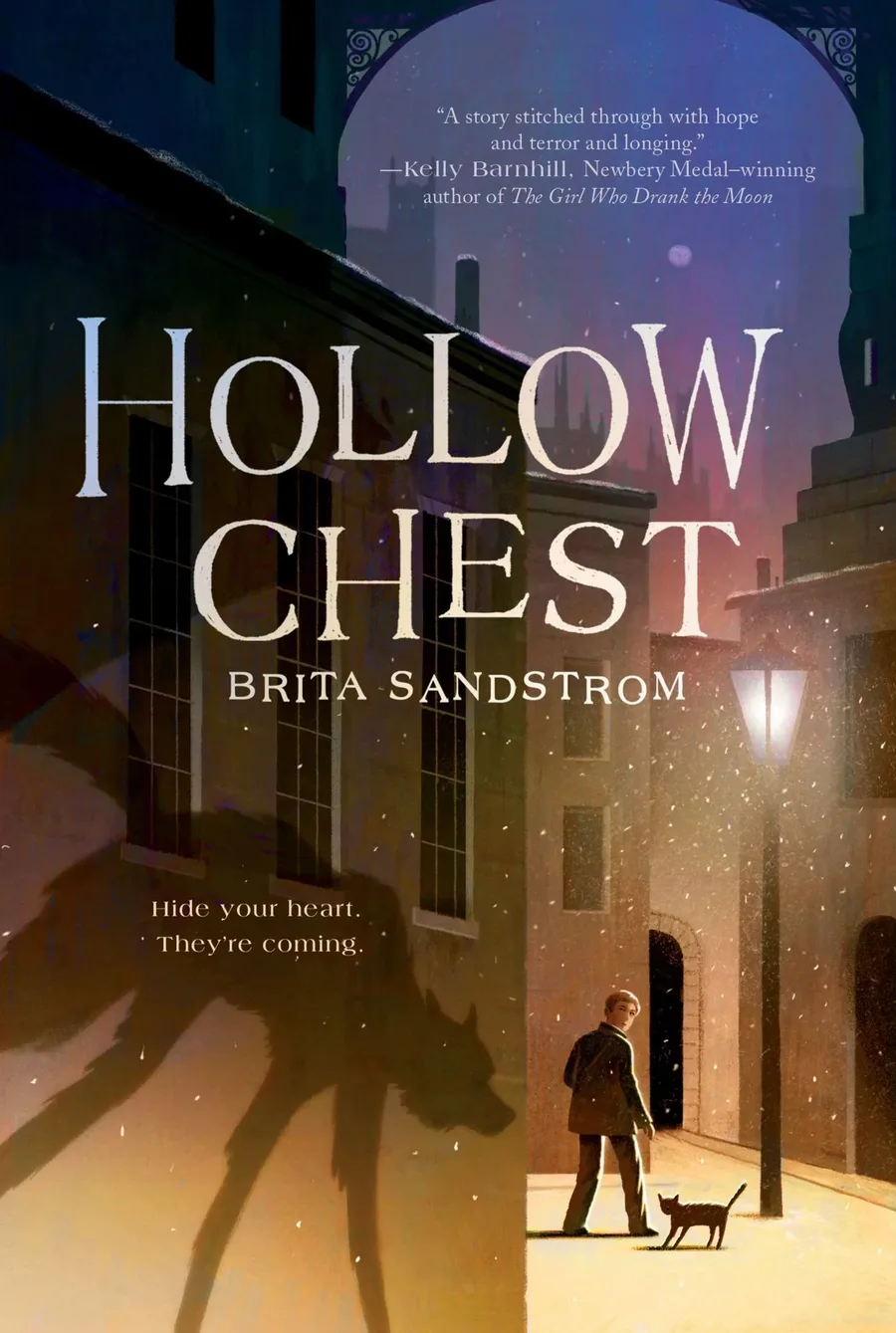 Hollow ChestBrita SandstromAs World War II is drawing to a close, Charlie’s older brother, Theom returns to their home in London after being wounded in battle. Charlie, who is white, has missed Theo; he’s also counting on Theo’s return to help ease the burden of responsibility Charlie’s felt since their dad died. Their mom is working hard to support the family, while their grandfather has days when he’s confused. Despite Grandfather’s warning to not expect Theo to be the same, Charlie expects exactly that. But Theo isn’t the same; he’s distant and angry. Charlie discovers that Theo is at the mercy of War Wolves, beasts that steal and eat the hearts of vulnerable soldiers who’ve seen too many horrible things. Determined to recover Theo’s heart, Charlie sets out to track the War Wolves down. He’s helped by Mellie, an older woman dealing with her own trauma; a young soldier at the nearby convalescent center; his cat, Biscuit; and two retired carrier pigeons, Bertie and Pudge. Individual War Wolves represent the most challenging aspects of human nature and behavior, and they, along with the reality of what’s happened to Theo and other soldiers, make for a sobering look at the impact of war. This spellbinding quest makes clear that Theo’s recovery is dependent not just on Charlie’s success, but on help from the human world, too.Fiction for ChildrenView book details
 Amber & ClayLaura Amy SchlitzTwo children’s fates entwine in a novel set in Greece, 5th century B.C.E. Melisto, daughter of a wealthy Athenian family, has everything she wants except her mother’s love; Rhaskos, a slave in Thessaly, is deeply loved by his mother, a noble Thracian enslaved during war. Rhaskos loses his mother when she’s sold, while Melisto gains a caregiver who guides but doesn’t judge her independent spirit. At 10, Melisto is chosen to serve the goddess Artemis as a child priestess, known as a Little Bear, and enjoys the freedom of running wild in the woods but knows she’ll eventually have to return to her family and marry. Meanwhile, Rhaskos, who finds solace and pleasure in drawing horses in stolen moments, becomes personal servant to unpredictable, often violent Menon. The children have never met but a connection is forged in the aftermath of tragedy by Rhaskos’ mother, who grieves being torn from her son and cares more for Melisto than she will admit. That connection becomes the driving force of this inventive, beautifully written novel told in verse and prose from multiple perspectives, including occasional, often humorous intercessions from Greek gods. A cast of vividly realized characters includes the philosopher Sokrates, who befriends thoughtful young Rhaskos after Rhaskos arrives in Athens and is sold to a potter. Photographs of museum artifacts appear throughout with an explanation of how each might have been used in Ancient Greece before being cleverly woven into this captivating, often surprising story.Fiction for ChildrenLexile Text Measure 781LATOS Book Level 5View book details
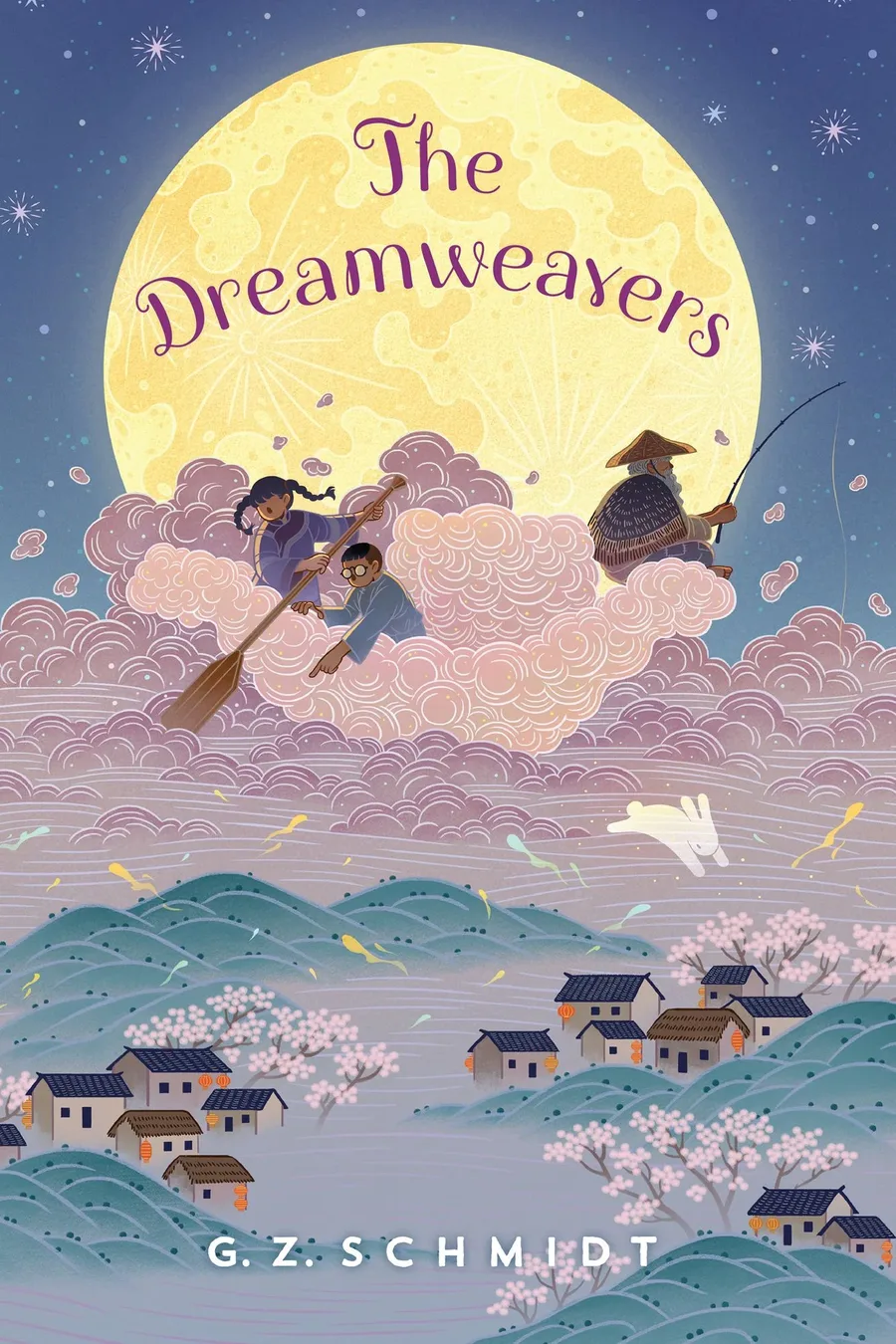 The DreamweaversG.Z. SchmidtA story set during the Ming Dynasty (1500s AD) in China follows twins Mei and Yun, 12, on a quest to save their grandfather after he’s arrested for cursing the emperor’s second son. The duo—adventurous and intuitive Mei, cautious and scholarly Yun—journey first to the cursed City of Ashes, where its inhabitants are trapped in a ghostlike state, and then to the Imperial City, where they must sneak into the enchanted library and search old records for proof that a man accused of treason years before was innocent. It is his wife, Lotus, who cursed the City of Ashes, and it is that curse that has now seeped beyond the city’s boundaries, causing all the trouble. The twins’ encounters with Princess Zilla, a daughter of the emperor, and Fu-Fu, 9, a lonely and angry relative of the imperial family, factor into their planning, but most significant is their realization that the wisps of color they’ve always been able to see around people are dreams, the essence of which can be collected. A contemporary omniscient narrator (in the form of Jade Rabbit) recounts this adventure-filled tale with its notable characterizations.Fiction for ChildrenView book details
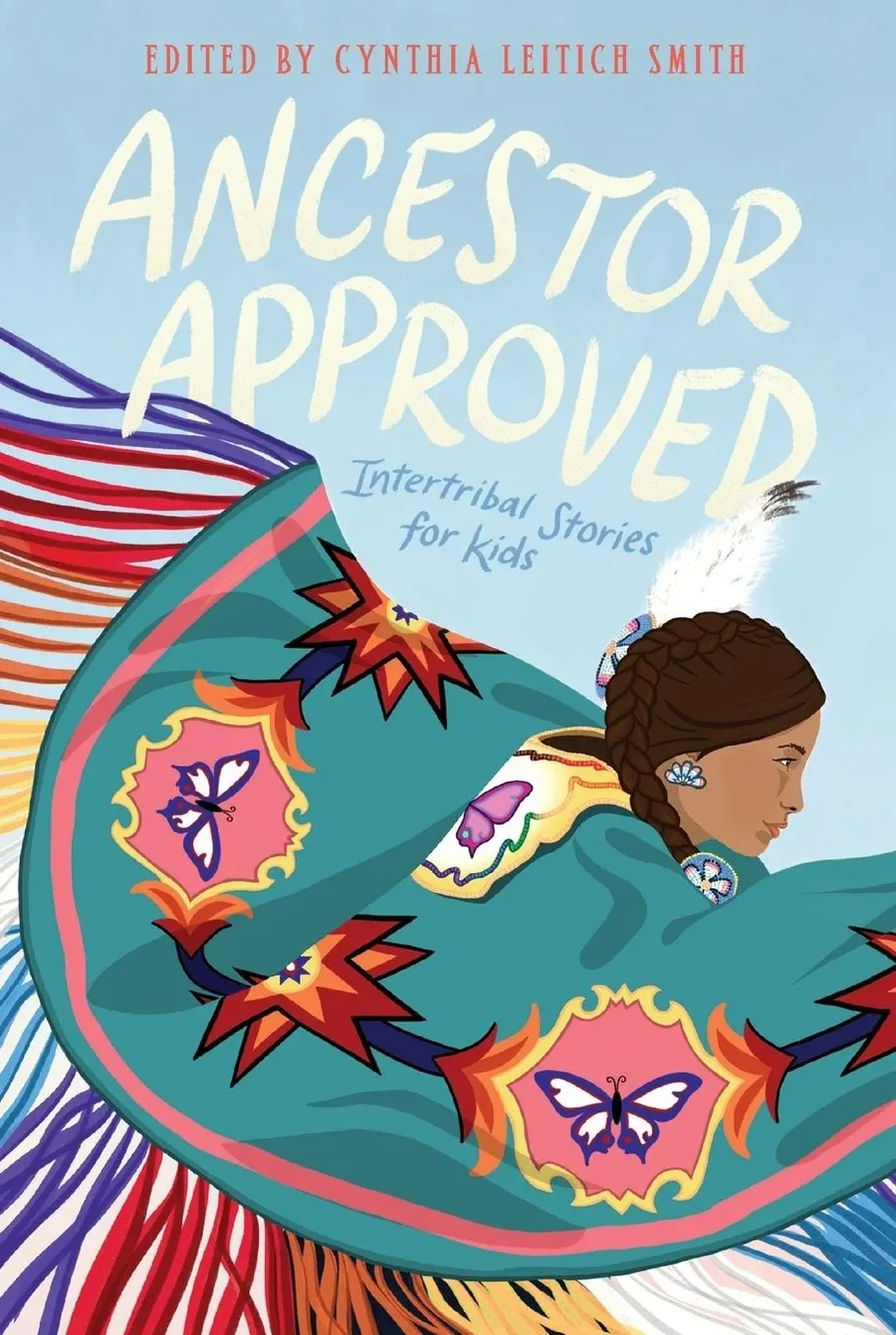 Ancestor Approved: Intertribal Stories for KidsCynthia Leitich SmithA bustling anthology of 16 short stories framed by opening and closing poems all connect to an annual intertribal powwow in Ann Arbor. Readers are immersed in the sights, sounds, energy, and emotions of a powwow experience as diverse Native protagonists, most older children and young teens (and one rez dog), prepare for, travel to, and converge on the event for a variety of reasons: They’re experienced or novice powwow dancers; or vendors’ kids helping to sell the “World’s Best Fry Bread,” corn soup, or jewelry on the powwow circuit. One is a wryly resigned traveler with a lively group of Choctaw Elders; another is staying with his cousin while his professor parents speak at the university. Their reasons for being there are sometimes an aside to the plot of their particular stories, which are thoughtful, funny, probing, or all of the above. Most of the characters are strongly connected to their Native culture and identities; one is just starting to explore his Native heritage, another is challenged to consider questions of identity and belonging through another's eyes. The contributors collaborated to reference one another’s characters, allowing the work as a whole to mirror the interconnectedness of an intertribal powwow experience. Across stories that read with ease, each of these characters from a number of different North American Indigenous cultures illuminate a facet of the complexity of Native identity and experience in a collection that is purposeful, affirming, and always entertaining.Fiction for ChildrenView book details
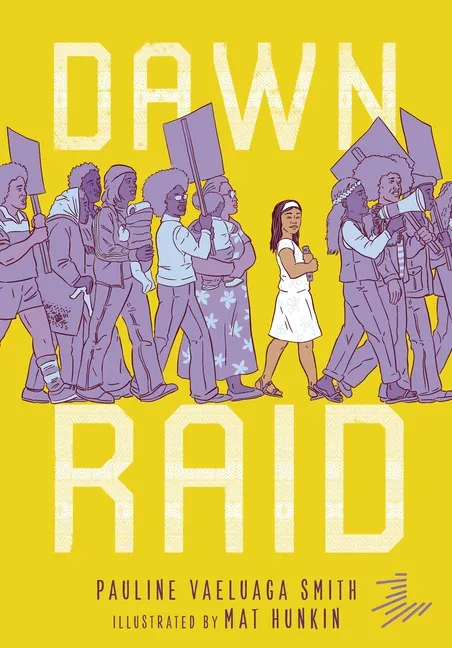 Dawn RaidPauline Vaeluaga SmithTwelve-year-old biracial Sofia (Samoan/white) lives in New Zealand in the mid-1970s. Sofia is chosen to participate in a regional speech competition after wowing with a classroom presentation titled “About Me.” Sofia is encouraged to pick a topic she’s genuinely interested in for the 10-minute competition entry, but she has no idea what that might be. Her older brother Lenny is the one who tells her about the Polynesian Panthers, an activist and community support group, modeled on the Black Panthers, working to end the dawn raids against Pacific Islanders in New Zealand. Aimed at arresting “overstayers” whose visas have expired, Sofia learns the raids are racially motivated, primarily targeting Pacific Islanders, although two-thirds of those in violation are from Australia and Europe. This story about family, friendship, activism, and social justice is told through Sofia’s entertaining diary entries. Her voice is often funny and always fresh and honest, whether describing her quest to earn enough to buy white Go-Go boots, the antics of her younger brothers, surprising discoveries about people she thought she had figured out, or the intersection of the personal and political.Fiction for ChildrenView book details
 Egg Marks the SpotAmy Timberlake, illustrated by Jon KlassenSkunk and Badger, who joined the ranks of literary duos of mismatched perfection with their first outing (Skunk and Badger), are back; or rather, they’re leaving, off on a field expedition for Badger’s Important Rock Work. Skunk, an inexperienced but optimistic backpacker, is a little hampered on the hike to the campsite by bringing everything but (or maybe including) the kitchen sink in his oversized pack, but he perseveres. Badger is after an agate; what he finds is an egg. A dinosaur egg, to be specific, with an about- to-hatch baby inside. It’s a rare and precious thing, which is why Badger’s sneaky cousin Fisher is after it. Fisher has contracted with a large number of Norway rats to do the dirty work of bringing the egg out of the cave where it’s hidden. But Agatha and the other chickens are determined to protect their distant young relative, and Skunk and Badger are game to help out … if help is needed, that is. Big personalities, surprising plot twists, abundant humor, and quirky charm once again make for delight in a story perfect for reading aloud or independently. Occasional black-and-white illustrations and several sepia-toned plates add to the pleasure.Fiction for ChildrenLexile Text Measure 619LATOS Book Level 4View book details
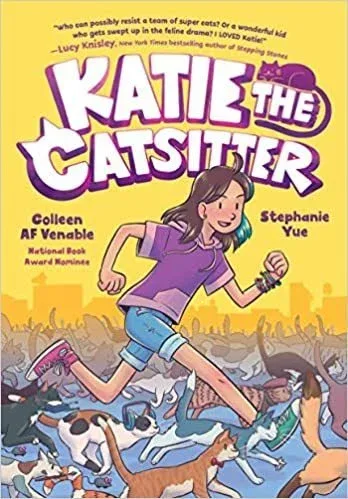 Katie the CatsitterColleen AF Venable, illustrated by Stephanie YueTo earn money for fees to join her best friend at Camp Bear Lake, Katie, who is white, tries to get work doing odd jobs in her apartment building. Watering plants, cleaning, and carrying groceries are all a bust, but a cat- sitting job for glamorous Ms. Lang in 5B has potential. It turns out brown-skinned Ms. Lang not only has a LOT of cats (217!) but they are individually extraordinary and collectively a force to be reckoned with. Mackerel is a semaphore expert; Mariposa has a photographic memory; Pierogi is skilled in textiles, Moe crafts and glue guns, Moritz counterattacks. The list of cats—and their unique talents—goes on. Katie has started to suspect Ms. Lang may be the alter ego of supervillain Mousetress, because Ms. Lang is always out when Mousetress commits a crime. But it turns out Ms. Lang and her cats are firmly on the side of good—is Katie ready to join them? This hilarious, hypoallergenic graphic novel with a secondary friendship plot is quirky, clever, and, to be continued.Fiction for ChildrenLexile Text Measure GN340LATOS Book Level 3View book details
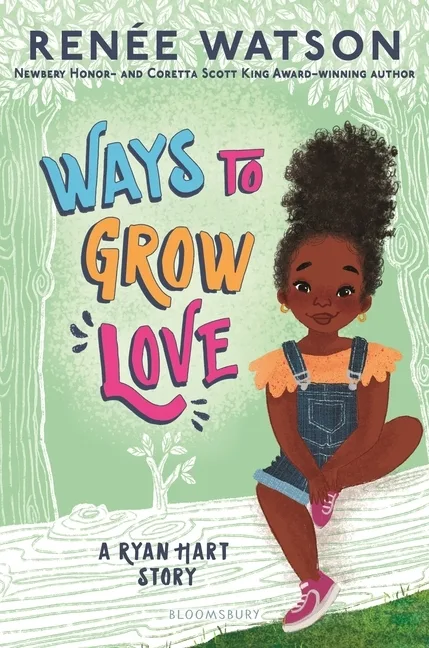 Ways to Grow LoveRenée Watson, illustrated by Nina MataIn this follow-up to Ways to Make Sunshine, African American Ryan’s summer is disrupted when her pregnant mom is put on bedrest. Even though Ryan is excited for the pending arrival of her little sister, she’s disappointed by the changes to her summer routine. But she still has church camp to look forward to, even though big brother Ray is trying to make first-time camper Ryan nervous. Camp will mean time with her two best friends, Kiki, and Amanda; the trio haven’t had a chance to spend a lot of time together since Amanda moved away. News that Amanda has invited along her new friend Red, a girl who was mean to Ryan at Amanda’s birthday party, casts a shadow on camp at first. But camp activities, including creating a skit from the parable of “The Good Samaritan,” not only create opportunities for Ryan to show her leadership skills, but also to reflect and grow. An appealing, accessible novel for younger readers is notable for addressing complexities of friendship, including a terrific discussion between Ryan and her grandma about the importance of kindness, and also of standing up for oneself when someone else isn’t being kind to you.Fiction for ChildrenWord Count 27674View book details
 Healer of the Water MonsterBrian YoungNathan, 11, is spending a few summer weeks with his paternal grandmother, Nali, who lives in a mobile home on the Navajo reservation in New Mexico. When he’s saved while lost in the desert by an ailing water monster, Nathan promises to do what he can to heal the Holy Being, whom Nathan calls Pond. Nathan is helped by a talking lizard who works with Pond to teach Nathan everything he needs to know for his journey to the Third World to meet with Mother Water Monster and retrieve medicine. At the same time, Nathan’s Uncle Jet, a veteran, is struggling with depression and drinking but is reluctant to participate in the N'dáá, a traditional ceremony also known as Enemy Way, that Nali is trying to arrange with their clan’s hataałii (medicine man) because she believes it will help him. The theme of healing in a story firmly grounded in Navajo traditions and culture and integrating the Navajo language throughout extends to the earth, as Nathan discovers Pond is suffering from radiation sickness from a polluted lake. The seamless blending of traditional beliefs and practices with contemporary life extends from Nathan’s interests and identity—including his passion for video games and hints that he has a future as a traditional healer—to the fact that Uncle Jet’s journey to healing is supported by both traditional and modern medicine. Appealing characters, a captivating plot, and dashes of humor all buoy a novel followed by a thoughtful and thought-provoking author’s note.Fiction for ChildrenLexile Text Measure 731LATOS Book Level 4.7View book details
Fiction for Young Adults
24 selections
 Himawari HouseHarmony Becker, illustrated by Harmony BeckerBiracial (Japanese/white) Nao moved to the United States from Japan as a young child. As a new high school graduate, Nao returns to Japan to reconnect with the language and culture of her birth. Spending a gap year at Himawari Sharehouse and attending language school is an immersive experience, rooted in Nao’s longing to feel truly Japanese. Her housemates, Hyejuno (Korean) and Tina (Singaporean), and Japanese brothers Shinichi and Masaki, each have their own distinctive stories, while the believable friendship that develops among the group feels authentic to their age and experience. Nao’s year in Tokyo is filled with shared meals, television drama viewing, language school stress, late night conversations, and a romance. It’s also marked by her expanding Japanese language skills and growing sense of belonging. The graphic novel format is well suited to incorporating the range of languages spoken (English, Japanese, Korean, and Singlish) in predominantly bilingual speech bubbles, while also giving visibility to accents, mispronunciations, and moments of incomprehension. An Author’s Note addresses the inclusion of accents and mispronunciations, acknowledging their historically stereotyped use as comic relief in one-dimensional characters. Her intent here was to create “fully actualized, three-dimensional” characters whose accents are “not a point of shame but a point of pride, because after all, what is an accent but proof of the ability to speak more than one language.” Her success extends to visual depictions: the well-developed characters are always clearly identifiable in the finely crafted illustrations, which also deftly convey memories and emotions.Fiction for Young AdultsView book details
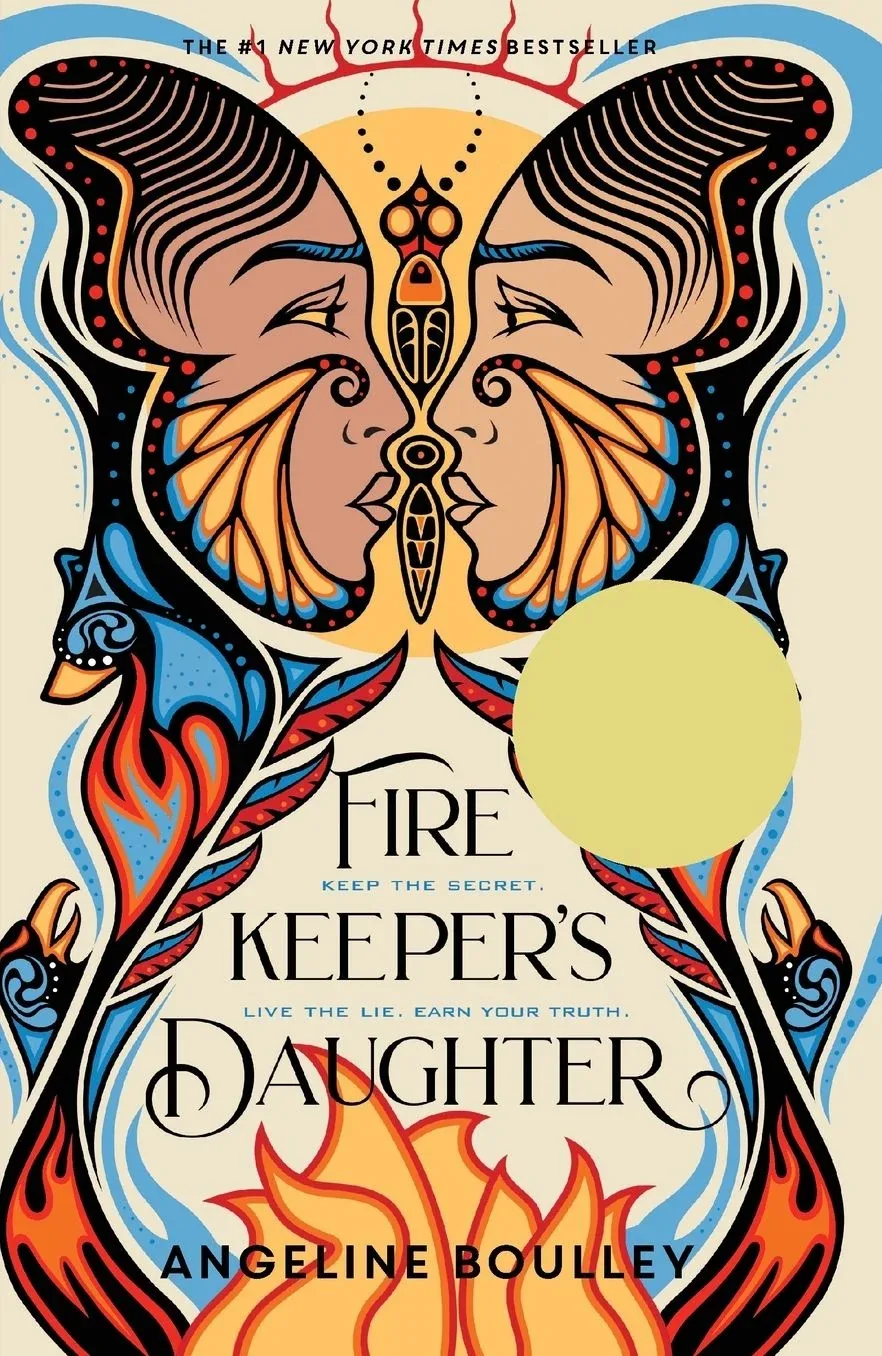 Firekeeper’s DaughterAngeline BoulleyDaunis, 18, has postponed attending the University of Michigan to stay in Sault Ste. Marie for her mother, who is reeling from the recent death of Daunis’s uncle and the failing health of Daunis’s grandmother—the wealthy white woman who wouldn’t allow Duanis’s Ojibwe father to be named on Daunis’s birth certificate. Daunis is close to her late father’s family regardless, including half-brother Levi, and immersed in her Ojibwe community. A stellar hockey player in high school, Daunis’s prospects were ended by injury, but she remains a fan. Levi asks her to show a new player on the local team around town, and she can’t deny—at least to herself—the attraction she feels to Jamie. But when Daunis’s best friend, Lily, is murdered by Lily’s estranged boyfriend, a once funny, smart kid now addicted to meth, she discovers that Jamie, also Native, is an undercover FBI agent investigating an especially dangerous strain of meth traced to the area. Feeling both betrayed and grief-stricken, Daunis eventually agrees to be a confidential informant; a role she learns her late uncle also played. This riveting thriller weaves irresistible elements of the genre—rising action; mounting tension; a smart, capable protagonist both sure-footed and uncertain—with a nuanced portrayal of the complexity of contemporary Native identity and experience. It confronts painful truths, including racism and violence against Native women, and lingers on beautiful ones, especially the role of community in healing and thriving.Fiction for Young AdultsView book details
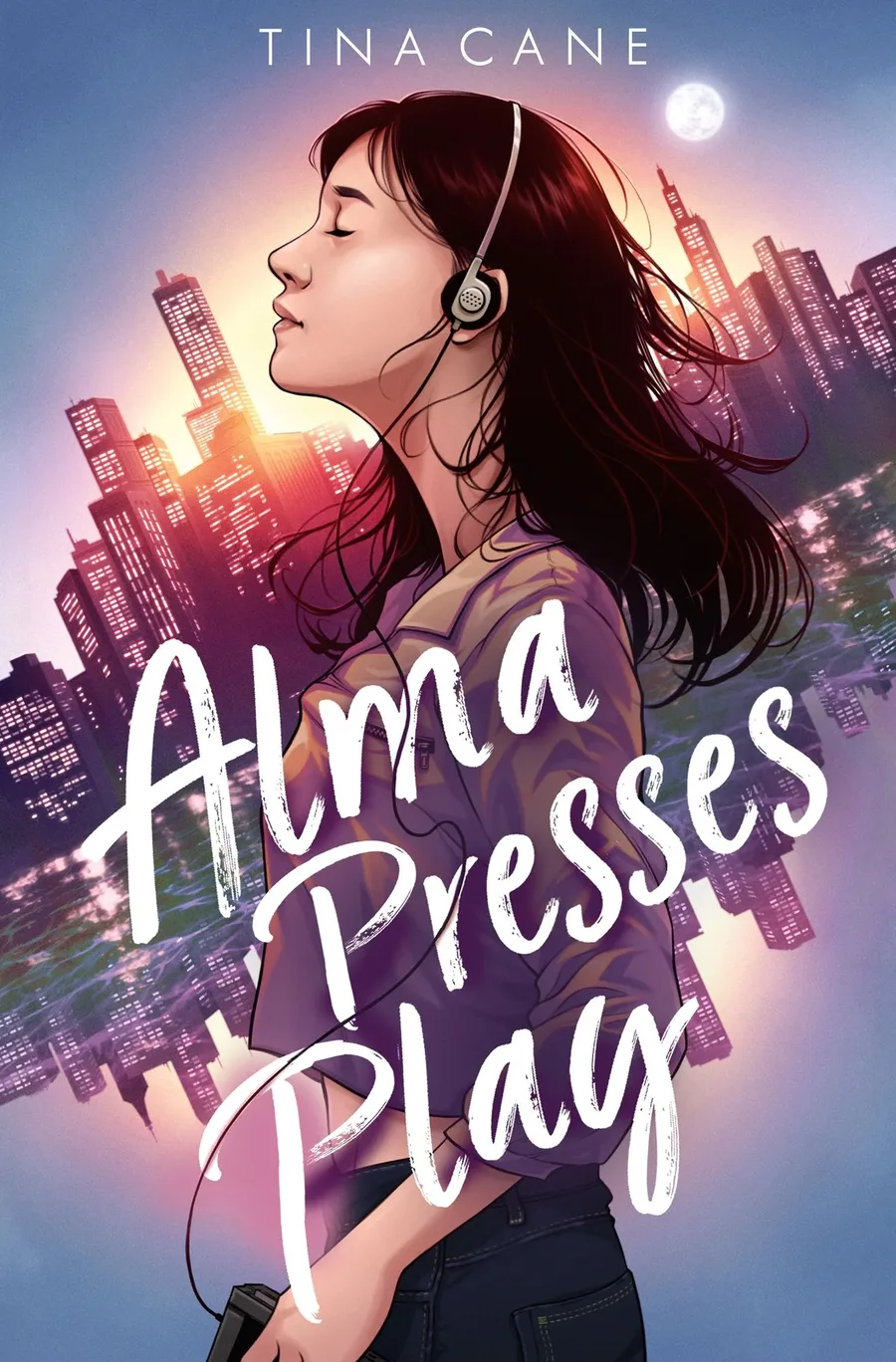 Alma Presses PlayTina CaneIn late 1970s New York City, Alma lives in the East Village with her Chinese American mom and white Jewish dad. She loves spending time with her friends and riding her bike on her own; most of all, she loves music, with tastes that are eclectic and wide-ranging. When Alma’s parents, who argue a lot, tell Alma they’re divorcing, it isn’t exactly a surprise, but that doesn’t make it easy. Both her parents clearly love her and still care about each other, but trying to balance what’s best for each of them individually with their needs as a family is a challenge. The power and pleasure of this novel in verse is in the keenly captured details of Alma’s feelings—about her family, her friends, her neighborhood, her first kiss, her terrific guidance counselor, her burgeoning feminism (evident in her analysis of the Greek myth she’s studying in English class), and so much more. All of it is vibrant and vivid on the page, along with a marvelous sense of time and place. The many cultural references to music and other elements of life in the late 1970s (many poems reference or open with song lyrics from the era) won’t always be recognizable to today’s readers, but what is recognizable, and resonant, are the feelings and experiences of young teenage girlhood that transcend any specifics of the era.Fiction for Young AdultsView book details
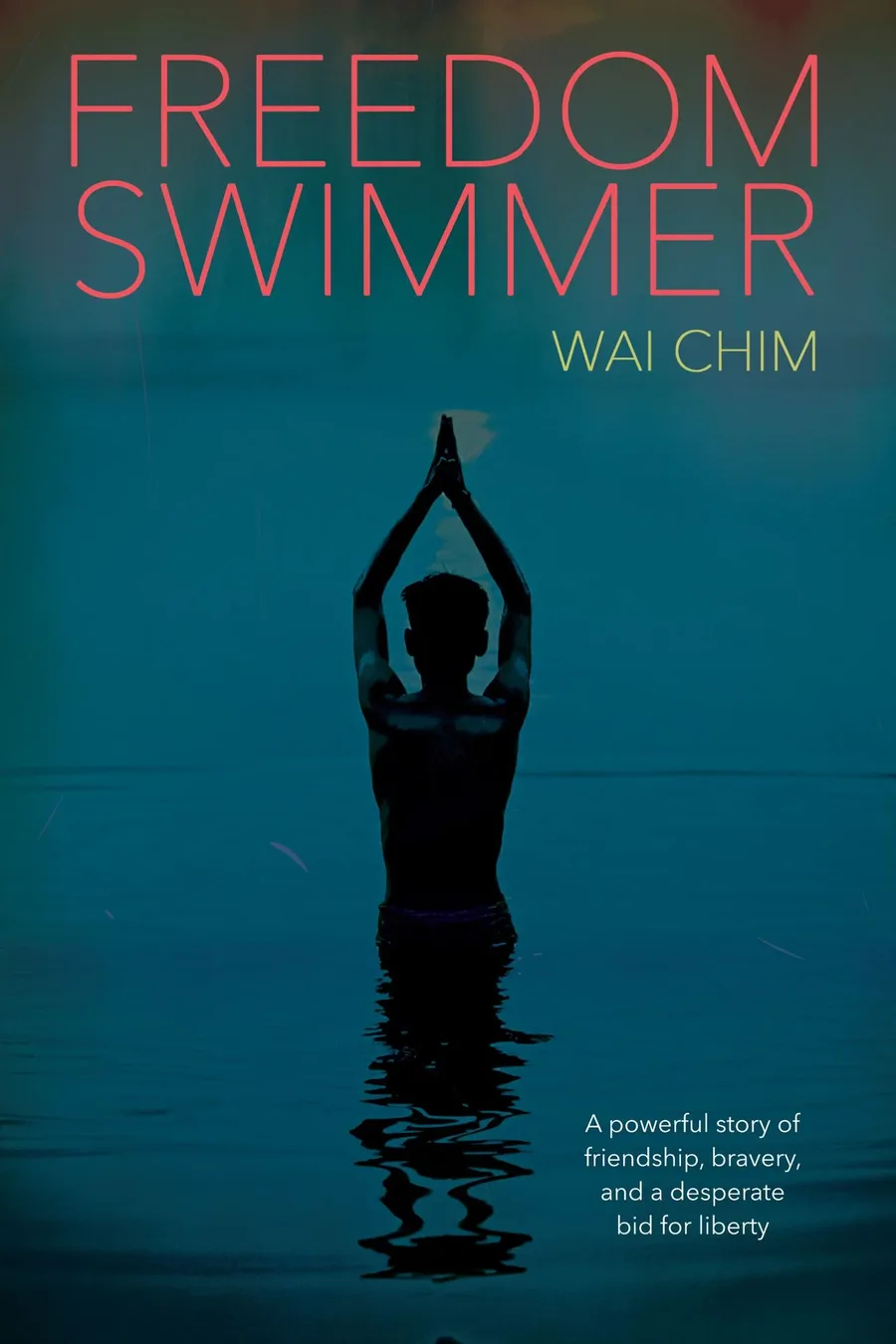 Freedom SwimmerWai ChimIn Guangzhou province, China, 1968, teenage Ming lives with other, older orphans and works in the fields like everyone else in his village. Six years before, Ming’s mother, like many in the village, died during the great famine that the government attributes to natural disasters but was in fact the result of poor policy. Ming’s father died—likely by gunshot—while trying to flee China by swimming to Hong Kong. Li is a member of the Red Guard sent to Ming’s village with other soldiers to learn how to farm. Observant and able to think for himself, he stands out among his comrades/fellow guards, and the two young men become friends. Li helps Ming see Fei, a girl he likes; Ming teaches Li to swim. Li doesn’t understand the village’s recent history, such as why everyone avoids the river (where they took their dead during the famine), but living in the village helps him to see that Mao’s words and policies are not necessarily good for everyone; a tragedy in his own family underscores this. This riveting story, inspired by the author’s father’s experience, uses fiction to illuminate aspects of Chinese history, politics, and policy during the Cultural Revolution. Above all it reveals through distinct and compelling characters that the desire for freedom is sometimes philosophical and sometimes a matter of survival, while the line between them is sometimes indistinct. In a note the author tells more about this period of history and her own father’s story.Fiction for Young AdultsView book details
 Hunting by StarsCherie DimalineA high-energy, action-filled work of speculative fiction that’s a follow up to The Marrow Thieves alternates in short chapters between the points of view of French, captured and imprisoned in one of the “residential schools”; Rose, who has gone in search of French, accompanied by Derrick; and other members of their Family. French’s brutal experience while imprisoned includes no-win choices: Does he give up hope or does he pretend to believe Canadian government propaganda and work as an agent, helping capture other Indigenous people as a potential way to escape and return to the Family? Becoming the bearer of other prisoners’ final messages adds to his pain, as does a shocking discovery. Rose and Derrick fall into the clutches of a cultlike group angling to steal their blood, but form an alliance with one of the members, non- binary Nam. The rest of the Family learn that changes in the government’s approach to stealing Indigenous people’s marrow means pregnant Wab and her future baby are at particular risk. With the guidance of a member of a resistance group of nurses from the “schools,” they leave the encampment that was starting to feel like safety to sneak over the U.S. border. As with the first book, various characters’ “Coming To” stories fill in details of their lives, the fall of society, and the importance of the bonds they’ve formed. Tense and intense, this riveting work with beautiful descriptive writing demands familiarity with the first book while setting the stage for book three.Fiction for Young AdultsView book details
 The Passing PlaybookIsaac FitzsimonsSpencer, who is Black/biracial, has decided not to come out as trans at his new private high school, since coming out the year before at his old school didn’t go well. Spencer’s parents want him to take things slowly, including sticking to clubs like AV rather than sports like soccer that involve locker rooms and changing clothes. But Spencer misses soccer and tries out without his parents’ permission, making the team. One of his new teammates is Justice, who is white and from a conservative religious family. Justice is gay but isn’t out at home. The two boys are attracted to each other and have the full support of their soccer teammates when they begin exploring a relationship. Deciding if and when to come out as trans becomes a bigger and bigger issue for Spencer as he and Justice grow closer, and as Spencer seeks to support genderqueer classmate Riley’s quest for a gender neutral bathroom. Things get even more complicated when a discriminatory league rule threatens Spencer’s place on the team. Characters that are wonderfully and fully drawn, from Spencer and Justice to their families, including Spencer’s autistic brother, Theo; their classmates; and others, distinguish this novel that also offers plenty of soccer action.Fiction for Young AdultsView book details
 The Life I’m InSharon FlakeCharlese, 16, is an orphan who’s been living with her older sister Juju. But Juju is fed up with Char, who’s been kicked out of four schools for fighting and refuses to go to therapy; she decides to send Char to their grandparents. During the bus ride south, Char meets April, a young woman traveling with her baby. At April’s stop, April leaves her daughter with Char while meeting someone who’s offered her a job, but she doesn’t come back. Char has some money and finds a cheap motel room, excited to have a baby to love, naive about the work involved and how long her funds will last. Enter Anthony, the man April was meeting. The “job” he offers Char is a front for trafficking, and soon Char is being repeatedly demeaned, abused, and raped. Her only consolation is that she got the baby to safety. Char bonds with some of the other girls Anthony is trafficking before she’s able to seize on a rare opportunity to escape. Back with Juju, traumatized Char won’t bathe, is terrified to leave the house, and feels she deserves everything that happened. Her renewed friendship with Maleeka (from The Skin I’m In); Saturday “school” sessions with their former teacher, Miss Saunders; the support of Juju; and her willingness to finally get outside help at a trauma center all play a part in her slow recovery as this young Black woman begins a journey toward self-esteem and empowerment.Fiction for Young AdultsView book details
 The Gilded OnesNamina FornaDeka lives a kingdom called Otera where girls and women are treated like chattel and subjected to a purity test during puberty that will determine if they are pure-bred or demons. The unfortunate ones whose blood runs gold rather than red are either killed, outcast, or, if lucky, selected to join the alaki, an all-women military corps where they are trained to fight for the Emperor for a period of 20 years. Otera’s enemies are monsters known as deathshrieks, and Deka learns that she has a special gift: She can control them with her mind and voice. Her natural talent is nurtured and further trained by an older woman Deka calls White Hands, who teaches her not only to channel her power but also about the Gilded Ones, long-ago goddesses who once ruled Otera. In battle after battle, Deka is used by the Emperor to vanquish nests of deathshrieks, and gradually, she finds that she can not only control them, she can understand their language—and the word they most often hurl at her is “Traitor!” Discovering why they call her this upends everything Deka has been taught to believe in this fast-moving, West Africa-inspired fantasy. The story has a bit of romance and a lot of action, but its true strengths lie in the closeness and camaraderie of the women warriors, and in its strong feminist message as Deka joins those working to challenge the status quo.Fiction for Young AdultsLexile Text Measure 780LATOS Book Level 5View book details
 How Moon Fuentez Fell in Love with the UniverseRaquel Vasquez GillilandMexican American Moon Fuentez is spending the summer following high school graduation on a Fotogram (aka Instagram) tour with her twin sister, Star, and other young social media influencers. A gifted nature artist, Moon is there as Star’s photographer. Physically Star takes after their dad’s European ancestry; her “brand” is beautiful, pale, pure, delicate, religious teen waif. Moon sees herself as the opposite in every way. She has a large, curvy body, dark coloring, and very different attitudes about religion and sex. Their mom calls Moon a heathen slut for having had sex; the fact that their mother clearly has mental health issues makes her assaults no less painful for Moon. Moon works the merch table on the tour along with Santiago, brother of Fotogram’s founder. Biracial (Colombian/white) Santiago is initially taciturn and crabby, but Moon’s verbal sparring—ranging from witty to profane—amuses him. Moon is attracted to Santiago but can’t believe he might feel the same for her; she’s outwardly rejected the purity/whore narrative, and has been defiant of her mother and the way she’s been treated all her life, but she’s also internalized all of it. The sparks and stutters between Moon and Santiago provide a traditional romantic arc for this story, but Moon’s transformative perception of herself as someone worthy of love—helped along by her supportive Tía—is among the things that makes it a standout. Elements of magical realism add to the wonder of a lush tale full of gorgeous writing and radical self-affirmation.Fiction for Young AdultsView book details
 The Forest of Stolen GirlsJune HurIn 1426, Min-Hwani has returned to Nowon Village, on the island of Joseon, to reunite with her younger sister, Min-Maewol, and search for their father, a detective who went missing while investigating the disappearance of girls from the village. The two sisters remember their father differently: He’s always been like a shining light for Min-Hwani, while Min-Maewol feels he abandoned her when she was left behind as apprentice to the village shaman and he and Min-Hwani moved to the mainland. Before the separation, the sisters shared a traumatic experience neither fully remembers; both were found unconscious in the forest near the body of a young woman who died. Min-Hwani remembers nothing except a white-masked figure; now she’s certain that figure is related to the disappearance of both the village girls and her father. Although they are odds over some things, including whether Shaman Nokyung, the old woman training Min-Maewol, might have something to do with the disappearances, the sisters work together to try to unravel the mysteries, gradually discovering the disappearances are connected to the practice of giving girls to Emperor Ming of a China as a way to smooth relations. Power and politics both play a role in this mystery set in 15th-century Korea, but family is at its heart, with two sisters trying to reconcile conflicting feelings about their father and the past. Vivid characters, time period and sense of place all enrich the telling.Fiction for Young AdultsView book details
 Hani and Ishu’s Guide to Fake DatingAdiba JaigirdarHumaira (Hani) Khan (Banladeshi) and Ishita (Ishu) Dey (Indian), both Bengali, are the only South Asians in their year at their Irish secondary school, and that’s about the only thing they have in common. Although they know each other through their families, they’ve resisted being lumped together by having as little to do with each other as possible. Ishu is very studious and works hard to please her parents. Hani, a devout Muslim, is popular and has always fit in with her white friends. She is out as bisexual, but her friends have decided she must not really be bi if she’s only ever dated boys. In a fit of anger, Hani blurts out that, as a matter of fact, she is dating Ishu. To cover the lie, Hani calls Ishu and proposes that they “fake date,” and Ishu readily agrees because she thinks being with Hani will bring her instant popularity, the one thing she really needs to be named head girl. While pretending to date, the two girls realize that they have a lot in common. They gradually develop crushes on each other, which eventually blossom into love. There is a lot of discussion between the girls and their families about politics, culture, religion, and queerness, all in natural-sounding dialogue that’s often witty and never veers into the didactic.Fiction for Young AdultsView book details
 A Snake Falls to EarthDarcie Little BadgerNina, a Lipan Apache teen, lives with her bookseller dad but often visits her grandmother on the family’s ancestral land. Nina has been working for years to translate her late great-great-grandmother’s stories from Lipan Apache and Spanish, knowing they hold truths she longs to understand. Oli is a cottonmouth snake living in the Reflecting World, or pseudo-earth. Animal spirits like Oli once moved freely back and forth between the two worlds, until earth became too dangerous. Now only a few risk the journey, taking on their false (human) form to bring back relics (books) to better understand the human world. Young Oli’s chosen family includes a gentle toad named Ami, mischievous coyote sisters Risk and Reign, and an irrepressible hawk named Brightest. When Ami grows ill, the friends know it means Ami’s species on earth is at risk of extinction. Nina recognizes the four distinct teens who arrive at her house as animal spirits in false form. She joins their effort to save Ami’s species, but a hurricane, intensified by climate change, is bearing down, putting Nina’s grandmother, who grows inexplicably ill if she leaves the family land, at risk. The group heads there to help, unaware that a man who lives nearby is a particular threat to Oli and his friends. Strong characterizations and terrific dialogue propel this complex and compelling tale alternating between Nina’s and Oli’s perspectives as it explores the importance of connection and stories in individual lives and collective understanding.Fiction for Young AdultsLexile Text Measure 829LATOS Book Level 5.3View book details
 Last Night at the Telegraph ClubMalinda LoIn 1954, high school senior Lily Hu is everything her parents expect her to be: studious, respectful, responsible; she never ventures far from her close-knit Chinese American community in San Francisco’s Chinatown. When the FBI confiscates her immigrant father’s citizenship papers after he refuses to reveal information about one of his patients suspected of being a Communist, Lily has to be even more careful. But Lily can’t deny that her heart pounds when she sees a newspaper ad for male impersonator Tommy Andrews, or that she’s thrilled by lesbian pulp fiction she reads surreptitiously in the neighborhood drugstore. Nor can she resist when her white classmate Kathleen Miller offers to take her to the Telegraph Club to see Tommy Andrews perform. Fake IDs in hand, Lily and Kath begin to sneak out on a regular basis, becoming more and more at home in the counterculture lesbian community at the club. As the only Asian, indeed the only BIPOC, at the Telegraph Club, Lily endures regular microaggressions, including being called “China doll.” But the insults never come from Kath, and their growing friendship blossoms into love. Lily and Kath’s heady romance takes place at the end of the McCarthy Era, when the Red Scare and the Lavender Scare are twin threats alongside Lily’s fear about her family discovering she’s a lesbian, and what happens when they do. It’s a heart-pounding romance delving into family, identity, racism, political repression, gender roles, homophobia, and the butch/femme culture of the 1950.Fiction for Young AdultsLexile Text Measure 900LATOS Book Level 6.3View book details
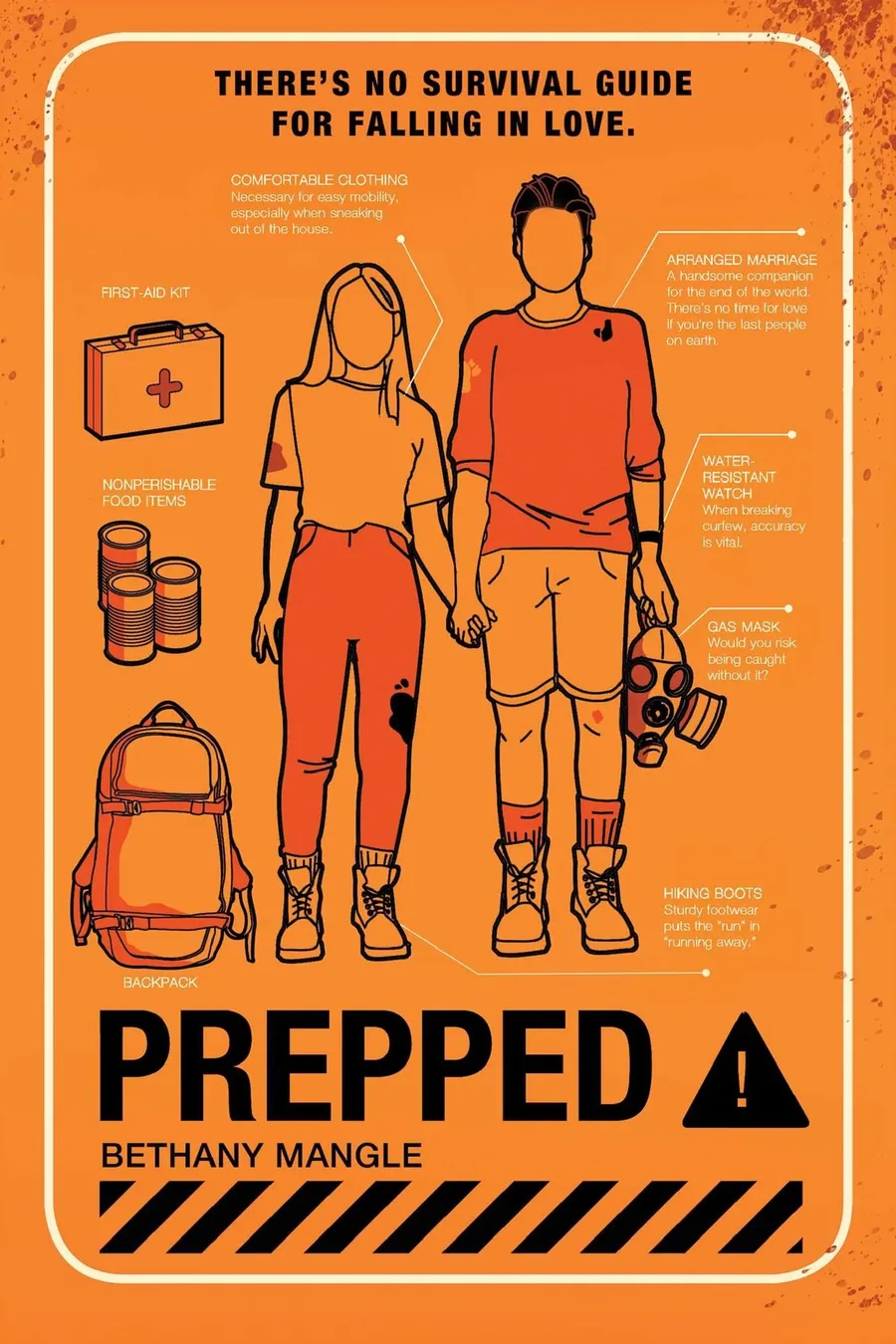 PreppedBethany MangleHigh school senior Becca Aldaine, white, has grown up in a community of doomsday and worst-case scenario preppers led by her dad. It’s already been decided she’ll marry Korean American Roy Kang, another teen in their community, after she graduates. From what Becca can tell, Roy isn’t very bright, but he’s a high achiever on their physical training exercises and the adults in their community love him. Becca has no intention of marrying Roy, however. For years she’s been pretending to agree with her parents’ beliefs while working toward college scholarships as a means of escape. Then her dad is seriously injured by a drunk driver and her mom, chosen as the new community leader, changes the rules by which they live, now determined to “train” even children as young as 10—the age of Becca’s sister, Katie. Prior to the accident, Katie maintained a sense of eye-rolling skepticism about their community; now she’s giving in to the paranoia and parroting their mom. News that she’s received a full scholarship to Carnegie Melon to study physics is meaningless to Becca if it means leaving Katie behind in such a psychologically abusive environment. She finds an unlikely ally in Roy Kang, dismayed to discover that Roy has also been faking it all along. Like Becca, he wants to escape. And he’s ready to do it together. Snappy writing, engaging characters, and a fast-paced plot propel a love story that is also a tale of emotional survival.Fiction for Young AdultsView book details
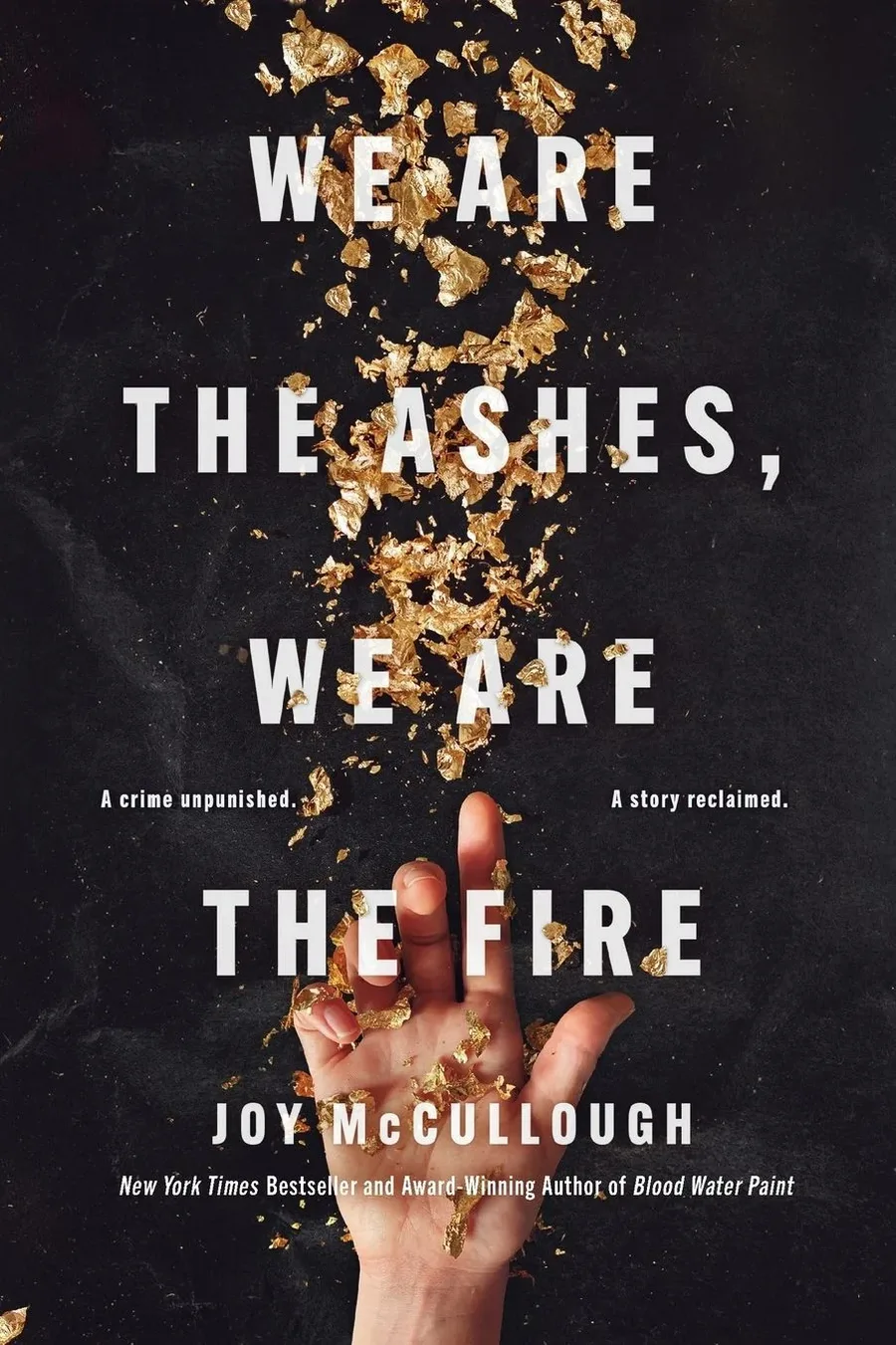 We Are the Ashes, We Are the FireJoy McCullough, illustrated by Maia KobabeEm’s older sister, Nor (Elinor), was raped during a frat party her freshman year of college. One year later, despite attempts to discredit Nor, her attacker is found guilty on all charges. Then the judge sentences him to time served. Em (Marianne) doesn’t know what to do with her rage, or her guilt, having convinced Nor to push for a full trial. Everywhere Em turns in Seattle she sees signs of the patriarchy and rape culture prevailing, while her effort to counter the continued online slander of her sister only makes things worse. The stress and tension has frayed the fabric of their family. Em learns about Marguerite de Bressieux from classmate Jess. Marguerite, a young 15th-century French noblewoman raped during the pillage of her father’s estate, trained as a knight and took revenge on her rapists. Em becomes obsessed with writing a story about Marguerite, poems that white, genderqueer Jess, an artist seeking refuge with Nor’s family from their parents’ bitter divorce, begins illuminating like medieval manuscripts. These poems and drawings are interspersed through the primary prose narrative following the contemporary characters. Nor’s family includes her Guatemalan immigrant dad, who turned from a doctorate in poetry to plumbing to help support them, and her white, literature professor mom. Untangling their messy, complicated feelings surrounding the trauma of Nor’s rape and its impact on all of them is powerful, and essential to their healing as individuals and a family.Fiction for Young AdultsView book details
 The Immortal Boy / El InmortalIbáñez, Francisco MontañaThere are two parallel narratives in this dual-language (Spanish/English) edition of a short but haunting novel first published in Colombia. In the first, five siblings ranging in age from five to 12 have been left to fend for themselves after their mother dies and their father leaves them, telling them to take care of each other and stay together while he supposedly searches for work. In the second, a young girl, Nina, has been left in an orphanage after her parents were imprisoned for their political activity. Both Nina and the siblings wait in desperation for parents to return and, in the meantime, try to manage without them. The siblings’ story weaves in and out of all five children’s minds, with the older children feeling the burden of responsibility. Desperate for work, Hector, the oldest, is promised a high-paying job by an enigmatic older boy named Julian and soon finds himself selling drugs. Meanwhile, Nina is learning how to survive the bullies at the orphanage, and when a boy she doesn't know steps in to defend her and then disappears, she searches for him. He’s called The Immortal Boy because, according to rumor, he can’t be killed. Nina becomes obsessed with finding and befriending him, and slowly, she forges a friendship of sorts. The rising tension in the story comes not just from how these children fare, but also in the relationship between the two storylines as it gradually becomes clear.Fiction for Young AdultsView book details
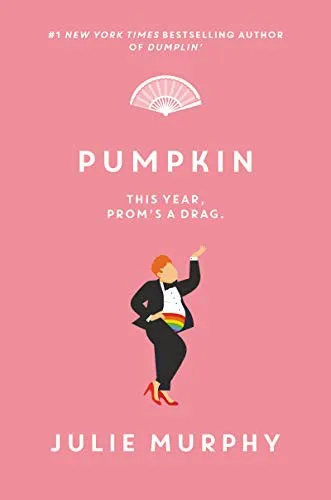 PumpkinJulie MurphyWaylon Brewer, aka Pumpkin—nicknamed for his bright red hair—is fat, gay, and biding his time in Clover City until his real life can begin after graduation, when Pumpkin and his twin sister, Clementine, who is lesbian, plan to attend community college in Austin. Although he isn’t closeted in Clover City, Pumpkin, who is white, isn’t loud and proud, and he can’t wait to be. In the meantime, he loves spending time with his supportive family and watching the drag competition show Fiercest of Them All. Disappointed when his favorite contestant, who is fat, doesn’t win, he tapes himself trying drag at home with the vague idea of submitting a video for the next round of competition. Instead, the video goes viral at school, and Pumpkin is nominated—as a joke—for Prom Queen. His sister’s girlfriend, Hannah Perez, is nominated for King. The drag queens of Hoedown City make a return appearance, offering support and encouragement, in this stand- alone companion to Dumplin’ and Puddin’, as Pumpkin enters the competition, becoming an idol to younger LGBTQ+ kids at school in the process. Through it all, he wonders what is up with Tucker Watson, the football player in the running for prom king who ditched him when they were younger but is suddenly sending definite signals that suggest he’s interested in more than just renewing their friendship. A book of frothy wish fulfilment with unexpected depth, Pumpkin is irresistibly affirming and uplifting, funny, and poignant.Fiction for Young AdultsView book details
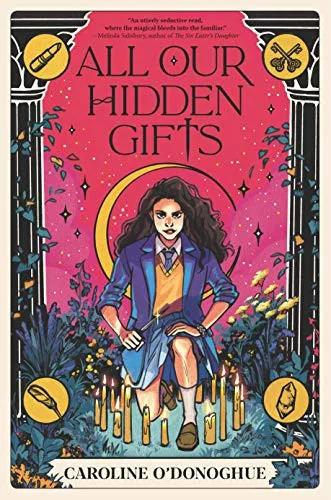 All Our Hidden GiftsCaroline O’DonoghueAfter finding an old pack of Tarot cards, Maeve Chambers, who is white, discovers she has an affinity for readings; remembering what the cards symbolize is easier than any schoolwork, and Maeve’s good at intuiting people, too. Classmate Fiona, her first customer, soon becomes a friend, something Maeve is short on since dumping former best friend Lily. But one strange card, The Housekeeper, doesn’t seem to belong in the pack. Maeve removes it, but it shows up later in a reading she does for Lily after being egged on by classmates; afterward, Lily disappears in the middle the night. Maeve is not only frightened for Lily, she’s worried Lily’s sibling, Roe, a bisexual, gender nonconforming musician with whom she’d been getting close, will find out how mean she was to their sister the year before. Meanwhile, a group in town called the Children of Brigid, with a charismatic and manipulative leader in handsome Aaron, is encouraging young followers to protest “the sin of homosexuality.” It turns out Aaron, like Maeve, is a sensitive, but his is a negative energy somehow connected to The Housekeeper. With Roe and Fiona’s help, Maeve is determined to figure things out, bring Lily back, and rid her city of the Aaron and the Children of Brigid. The melding of magic and the occult with societal issues is brilliantly executed in this captivating novel with its complicated characters and a smart, sometime snarky teen voice.Fiction for Young AdultsView book details
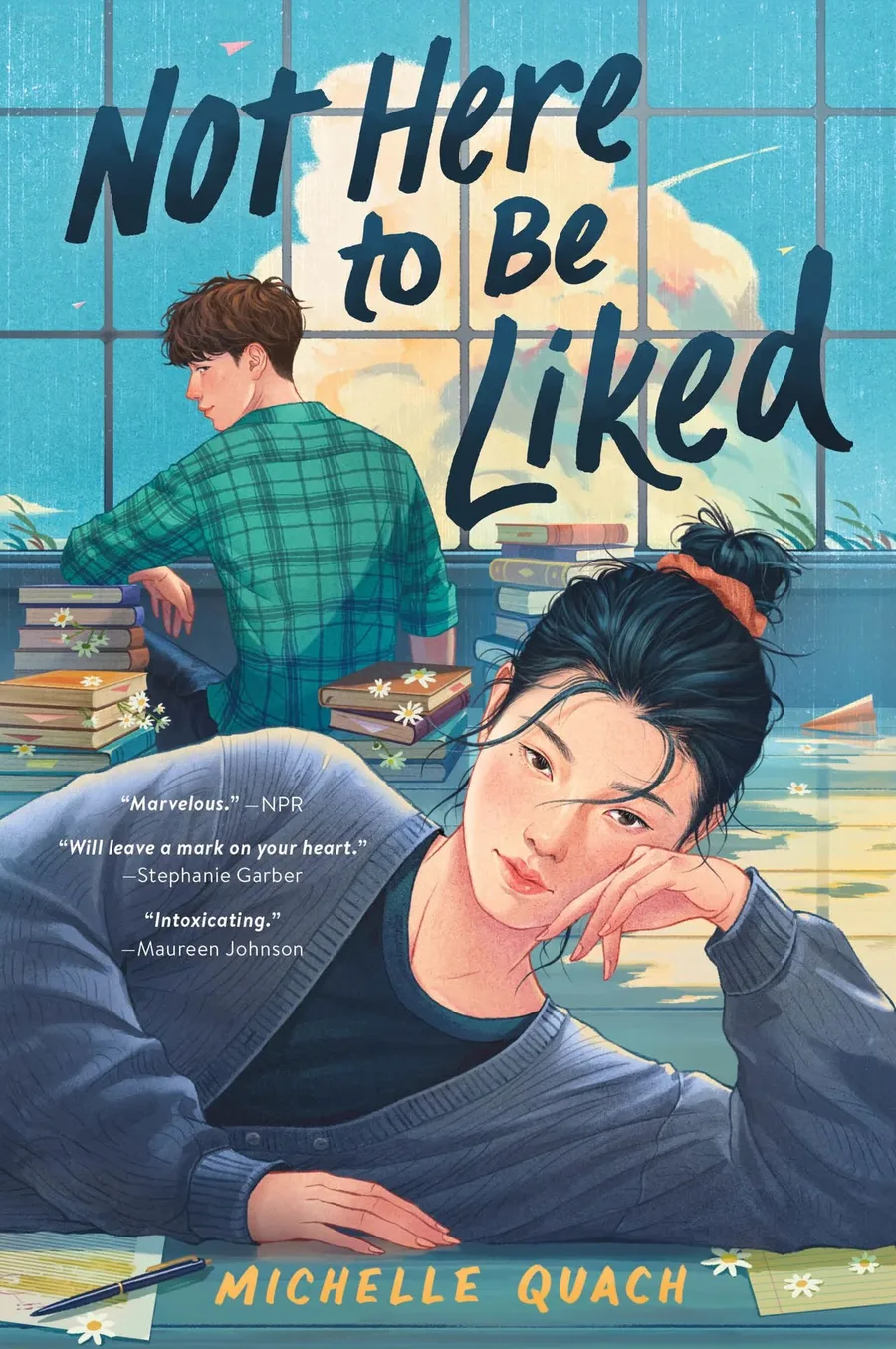 Not Here to Be LikedMichelle QuachJunior Eliza Quan, who is Chinese and Vietnamese American, is running unopposed for editor of her high school paper. Just before the election, biracial Len DiMartile (Japanese American/white), former baseball player and current staff writer, decides to run too. Hardworking, experienced Eliza is not a people person; Len is a good writer with natural warmth. He wins. She writes a private rant on misogyny and the patriarchy. The following Monday she’s shocked to see it on the front page of the online school paper, launching a feminist movement at her school. To Eliza’s surprise, popular Serena Hwangbo joins the cause. To her even greater surprise, Len is one of their allies. To her dismay, she starts falling for him in this romcom distinguished by the depth of the characters as well as the ideas they are exploring. Is Eliza compromising her values in being with Len? It’s a question she examines deeply. Serena projects a shallow façade for a reason. Len is a nice guy figuring things out and he messes up sometimes, as does Eliza. The interactions and relationships, including what we see of Eliza’s family, where she’s always been “the smart one,” her older sister Kim “the pretty one,” explore how people label and judge and limit one another in many ways, but especially with regard to gender, in this funny, insightful novel.Fiction for Young AdultsView book details
 She Drives Me CrazyKelly QuindlenA fake-dating, enemies-to-lovers plot about two young women is full of tropes and tons of fun. Scottie, who is white, is a basketball player, hung up on her ex, Tally. Indian American Irene is the head cheerleader, determined to win her high school’s Senior Athlete of the Year Award—something no cheerleader has even attempted before. A fender bender in the parking lot between them puts Irene’s car out of commission. While it’s in the shop, Scottie begrudgingly gives Irene a ride to and from school each day. But when Scottie finds out that Irene likes girls, she offers to give Irene the cost of the repair co-pay if Irene will pretend to date her. Scottie’s goal: make Tally jealous. When Irene and the cheer team begin showing up at the girls’ basketball practice (because it’s what a good girlfriend would do), the basketball team gains greater attention and confidence, a bonus for Scottie, who would love to beat Tally’s rival team. Of course Scottie and Irene fall for each other, but Scottie still has messy feelings for Tally, complicating a rom-com that offers a refreshing look at two queer teens whose families are totally, unflinchingly accepting of their sexuality. Moments of laugh-out-loud humor include references to classic 1980s romance movies, some of which are smartly discussed and deconstructed.Fiction for Young AdultsView book details
 American BetiyaAnuradha D. RajurkarIndian American Rani Kelkar’s parents have always been clear: No dating in high school. She’s always respected that rule. She meets Oliver, who is white, at an art show at the start of her senior year. She’s exhibiting photographs she took on her last visit to her grandparents in India; he’s showing his paintings. The two banter easily and their attraction is immediate. And when they start secretly dating, he’s sensitive to her desires as their relationship becomes sexual. Still, he sometimes does things that annoy or offend her. It begins with a nickname: He calls her Princess Jasmine. But she doesn’t seriously challenge the racism, consumed by buoyant emotions and the physical charge of being in love. When Oliver, who has a messy home life, begins pressuring Rani to introduce him to her parents, something she’s made clear she cannot do, she struggles with guilt at shutting him out of her family, and anger that he doesn’t respect or try to understand where she’s coming from. But it isn’t until her growing unease that he views her culture –and her—as exotic comes into full and shocking relief that she gains clarity. Rooted in Rani’s perspective, this nuanced and compelling novel reveals Oliver as genuinely likable in many ways, making the racism he doesn’t see or acknowledge in his behavior all the more powerful—and realistic—when it’s fully revealed. Through it all, Rani’s family, immediate and extended, are sources of grounding and pride in her identity.Fiction for Young AdultsView book details
 Aristotle and Dante Dive into the Waters of the WorldBenjamin Alire SáenzPicking up where Aristotle and Dante Discover the Secrets of the Universe left off, this novel follows Ari’s life and his and Dante’s developing relationship through the rest of the summer and their senior years of high school. Ari and Dante are in love, but even as their relationship becomes more intimate both are struggling with internalized homophobia, knowing their lives and their love will face added challenges because they are gay. These heartrending feelings are tempered by the abundance of love and support they receive from their parents, Ari’s sisters, and friends they learn they can trust. For loner Ari, these friendships prove especially lovely and surprising. He knows Dante is steadfast; he wasn’t expecting Carmella, a girl he’s disliked for a long time, to be so, too. AIDS—about which so little is known at this time in the 1980s beyond the grief for those left behind—and the increasing activism of the gay community are two larger social elements of a story in which insightful, introspective Ari also struggles to resolve anguished feelings about his older brother, who murdered a trans woman and has no remorse. This quiet, immersive novel about two Latinx teens on the cusp of adulthood, growing and changing before readers’ eyes, combines beautiful writing with incredible depth of thought and feeling.Fiction for Young AdultsView book details
 Concrete RoseAngie ThomasAfter teenage Maverick discovers he’s a father, the overwhelmed teenage mother of his baby leaves the infant with him and disappears. Maverick’s hardworking mom steps up to help but makes it clear that Maverick’s son is his responsibility. Since his cousin Dre, who does his best to protect Maverick from the harshest aspects of gang life in their neighborhood, has made Maverick promise to stop selling hard drugs, Maverick takes an after-school job at a neighborhood store to earn money for formula and diapers. Between taking care of his son and working for demanding Mr. Wyatt, Maverick is exhausted. He, too, is overwhelmed, in love with his son, and scared about the future. Despite Dre’s help, there’s no easy way out of gang life in his neighborhood. When a shooting death hits close to home, grief-stricken Maverick finds solace with his former girlfriend, Lisa, whom he still loves, their reconnection giving him hope for their future together. Maverick’s irresistible first-person voice is compelling, authentic, honest, sharply perceptive, by turns funny and heartbreaking. Exceptional dialogue reveals the complexity of the characters and their lives—even those making brief appearances, like Maverick’s dad, who’s trying to be a good parent from prison. For Maverick, understanding that his choices have consequences that impact not only him but those he loves clarifies the kinds of decisions he wants to make moving forward in this prequel to The Hate U Give that centers on Starr’s dad as a teenager.Fiction for Young AdultsView book details
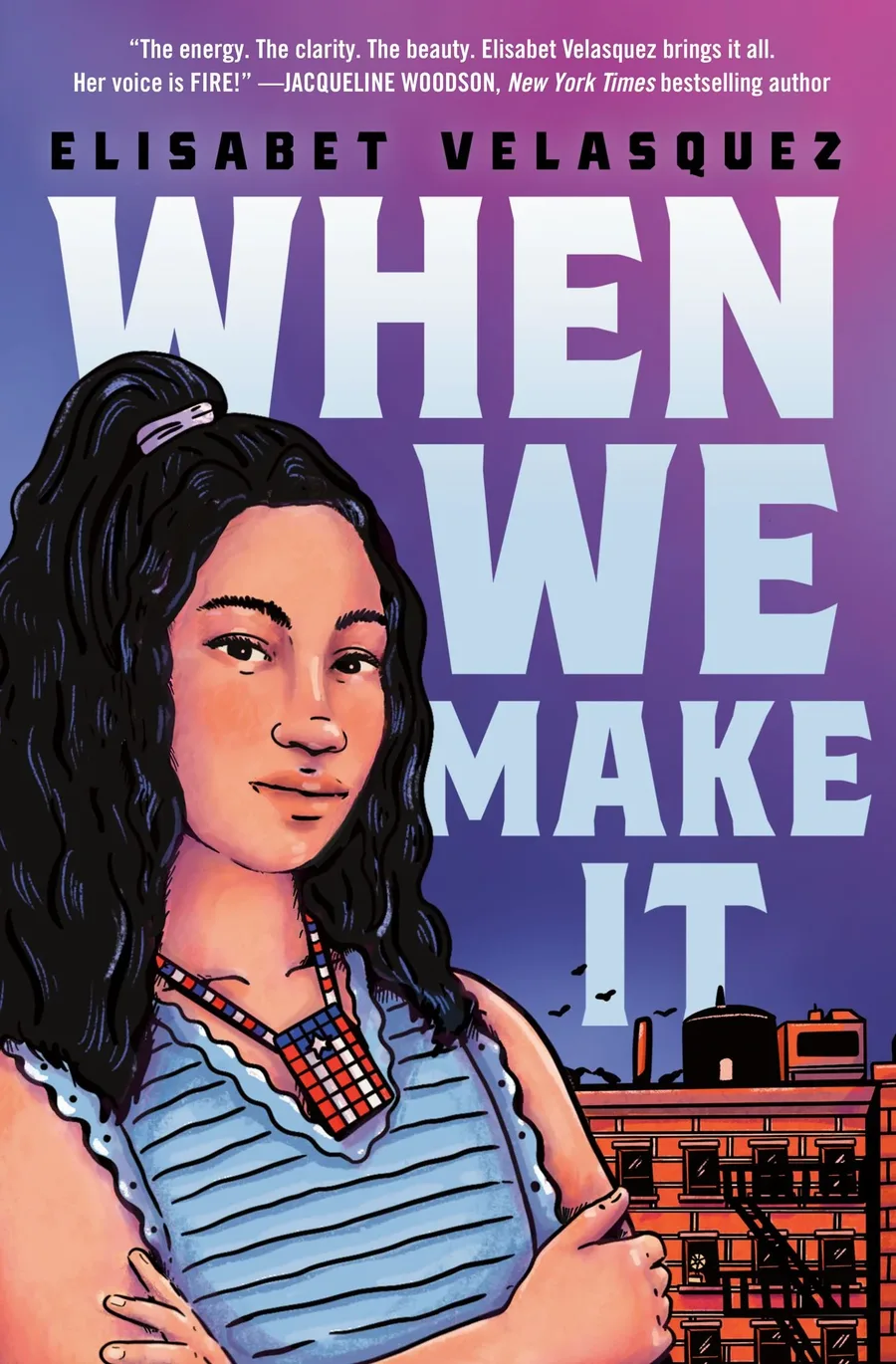 When We Make ItElisabet Velasquez“I am supposed to be someone. Someday … That’s what my teachers keep telling me. / My potential is something they like to throw in my face … I could be someone if I really wanted to? / So, who do they think I am now?” Teenage Sarai lives with her mom and older sister, Estrella, in Bushwick in the 1990s. She is proudly Puerto Rican and joyfully celebrates her identity even as she wonders if she can claim it when she’s never been to the island. The struggle to keep a roof over their heads and food in their bellies has left their mom bitter and angry, but the sisters love and support each other. When their family finally gets an apartment they can stay in for awhile, it’s in a broken down building where drug dealing is a daily occurrence. Sarai dreams of getting out of Bushwick, a place the police and media see as problematic and violent, but also knows there’s so much more to Bushwick beyond these stereotypes, and that the place is part of her in many good ways. Sarai is 13 when the novel opens; 15 and a mother by story’s end, determined to love her daughter the way she was never loved, determined to love herself, and determined to embrace who she is and where she comes from as the starting point for her dreams. This smart, stunning debut with its searing social observation and commentary is grounded in Sarai’s raw, exquisite voice.Fiction for Young AdultsView book details