
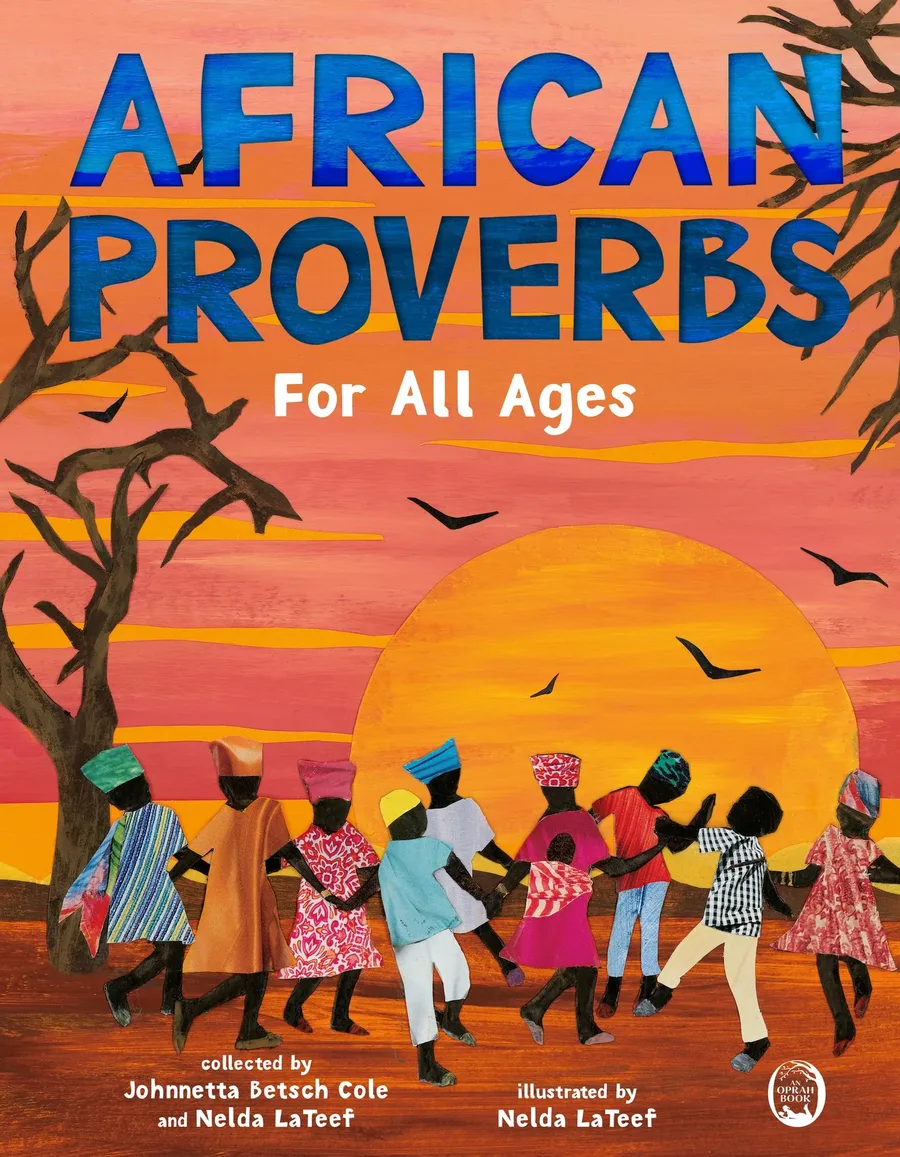
 African Proverbs for All AgesJohnnetta Betsch Cole, Nelda LaTeef, illustrated by Nelda LaTeefThis picture book explores proverbs from cultures across Africa. It considers how these short sayings, rooted in long experience, carry wisdom and change over time. Through its collection of proverbs and illustrations, the book focuses on the role such expressions play in sharing ideas, experience, and cultural knowledge. It presents African proverbs as forms of language that can connect people across generations.Kindergarten to Second GradeView book details
NCSS/CBC Notable Social Studies Trade Books for Young People 2022
The 2022 edition contains 183 selections published by the National Council for the Social Studies. The source organizes the selections into Kindergarten to Second Grade, Third to Fifth Grade, Sixth to Eighth Grade, and Ninth to Twelfth Grade. It is one annual edition of the NCSS bibliography for social studies teaching and learning.
2022 Notable Social Studies Trade Books for Young PeopleSee the original list
Selections183
Published byNational Council for the Social Studies
Sections4 sections
Browse sections4 sections
Kindergarten to Second Grade
74 selections
African Proverbs for All AgesJohnnetta Betsch Cole, Nelda LaTeef, illustrated by Nelda LaTeefThis picture book explores proverbs from cultures across Africa. It considers how these short sayings, rooted in long experience, carry wisdom and change over time. Through its collection of proverbs and illustrations, the book focuses on the role such expressions play in sharing ideas, experience, and cultural knowledge. It presents African proverbs as forms of language that can connect people across generations.Kindergarten to Second GradeView book details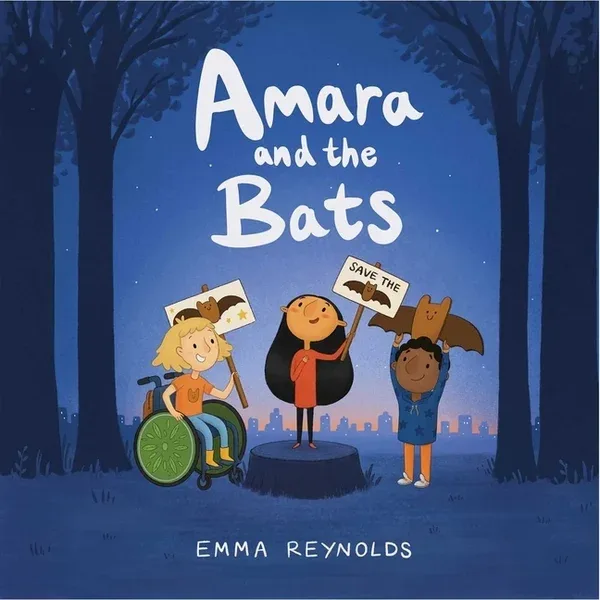 Amara and the BatsEmma Reynolds, illustrated by Emma ReynoldsAmara loves bats and eagerly learns facts about them after her family finds one in their attic and contacts wildlife rescue. When she moves, she finds no bats near her new home because trees have been cut down for construction. With her classmates, Amara helps make the park more welcoming by creating bat houses and a small sanctuary. Over time, bats begin returning to the park in this story of habitat loss and community action.Kindergarten to Second GradeLexile Text Measure AD820LATOS Book Level 5.2View book details
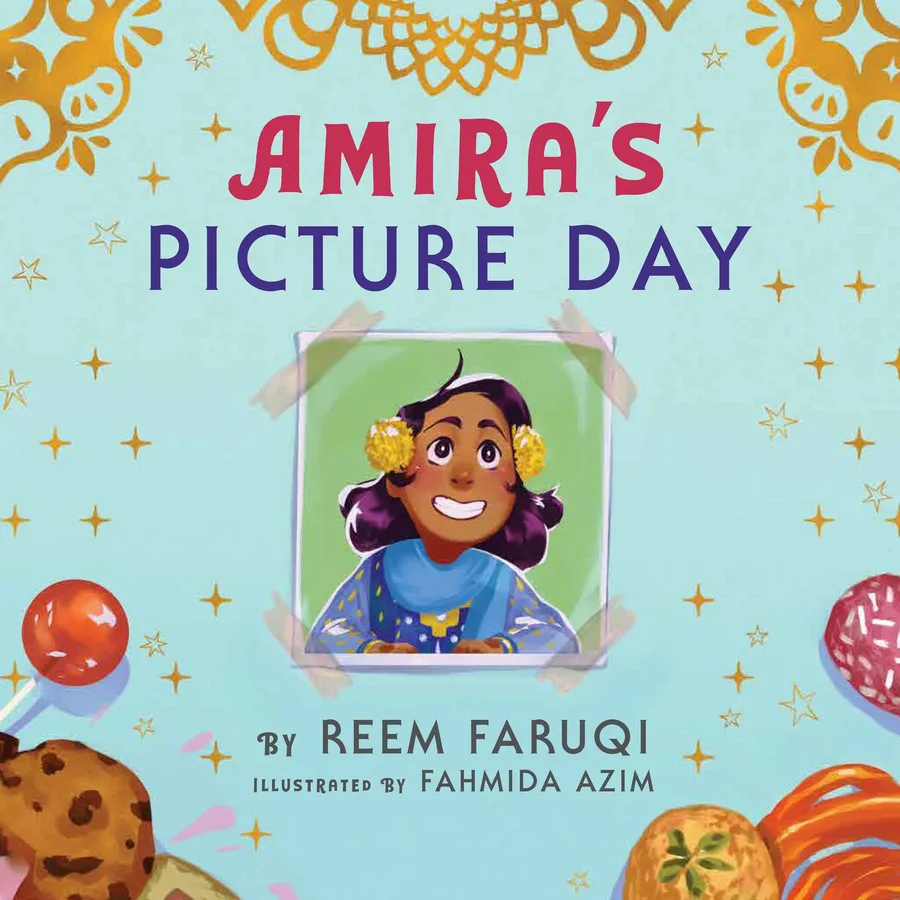 Amira’s Picture DayReem FaruqiRamadan has ended, and Amira eagerly anticipates celebrating Eid with new clothes, goody bags at the mosque, and the festivities she loves. Then she notices that school picture day falls on the same day. Amira wants to be home for Eid and at school for the photograph, leaving her to wish she could be in both places. The story features her celebration at the end of Ramadan and the conflict created by the overlapping school event.Kindergarten to Second GradeView book details
 An Equal ShotHelaine Becker, illustrated by Dow PhumirukThis nonfiction picture book tells the story of Title IX, the United States civil-rights law that protects equal rights for students, athletes, and professionals regardless of gender. It focuses on the women who worked to enact the law and the political risks involved in securing it. The account considers Title IX’s importance through the efforts that shaped the legislation and its connection to women’s opportunities and futures under the Constitution.Kindergarten to Second GradeView book details
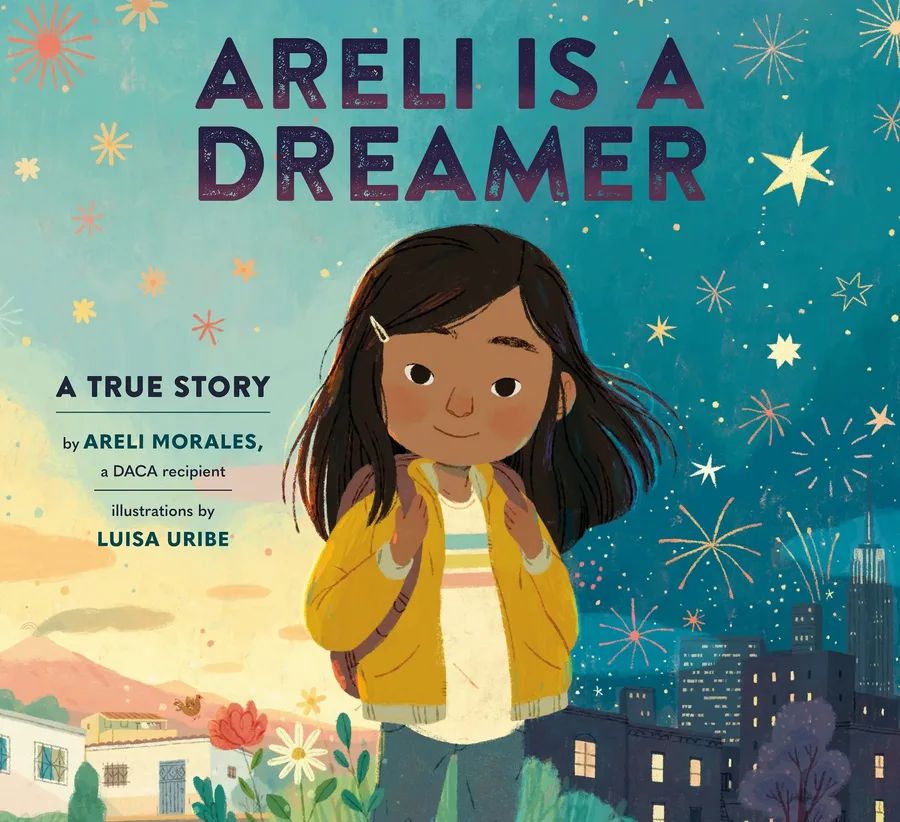 Areli is a DreamerAreli MoralesAreli and her brother Alex live with their grandmother in Mexico while their parents live in the United States. Alex moves to New York City first, and later Areli leaves her grandmother, cousins, and friends to join the family. The transition is difficult as she learns English and adjusts to city life. When a classmate calls her “illegal,” her mother explains that Areli is not a U.S. citizen, leaving Areli afraid she could be sent back to Mexico. Over time, she makes friends and comes to understand her immigration story in a wider context.Kindergarten to Second GradeLexile Text Measure AD550LATOS Book Level 3.1View book details
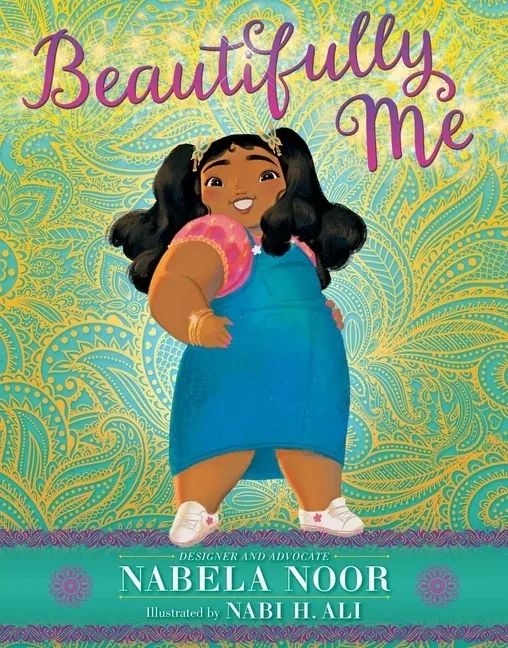 Beautifully MeNabela NoorZubi, a Bangladeshi girl looking forward to her first day of school, begins to worry about her appearance after hearing her mother call herself “too big.” During the day, Zubi notices more criticism of people’s bodies, including criticism people direct at themselves. Her response at dinner prompts her family to recognize the effect of those comments. The story follows Zubi’s confusion about body image and her family’s move toward self-acceptance.Kindergarten to Second GradeLexile Text Measure AD530LATOS Book Level 3.2View book details
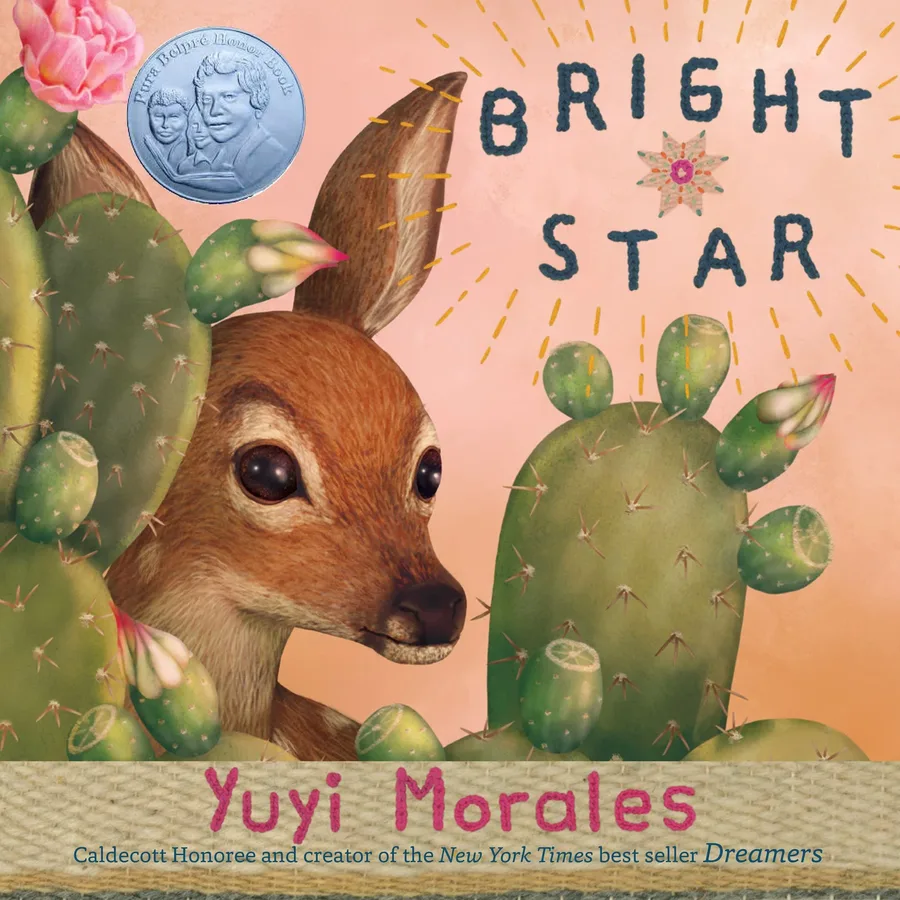 Bright StarYuyi MoralesA newborn fawn learns from her mother how to move through a desert that holds both beauty and danger. When a wall separates the fawn from her mother, she is frightened and alone. The story then shifts to a brown-skinned girl whose pose reflects the fawn’s, linking the need for safety, security, and love with migration, immigration, and borders. A gentle voice encourages the young figure to face fear and obstacles.Kindergarten to Second GradeView book details
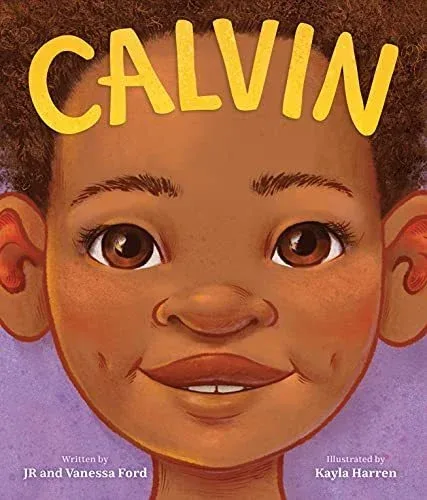 CalvinJR Ford, Vanessa FordCalvin is a Black transgender boy preparing for his first day at school. Although he begins the day apprehensive, he tells his family, grandparents, and school community the name he wants to use. The story follows this reintroduction as Calvin shares his true self with the people around him, including family members and friends who support him.Kindergarten to Second GradeLexile Text Measure AD520LATOS Book Level 3.4View book details
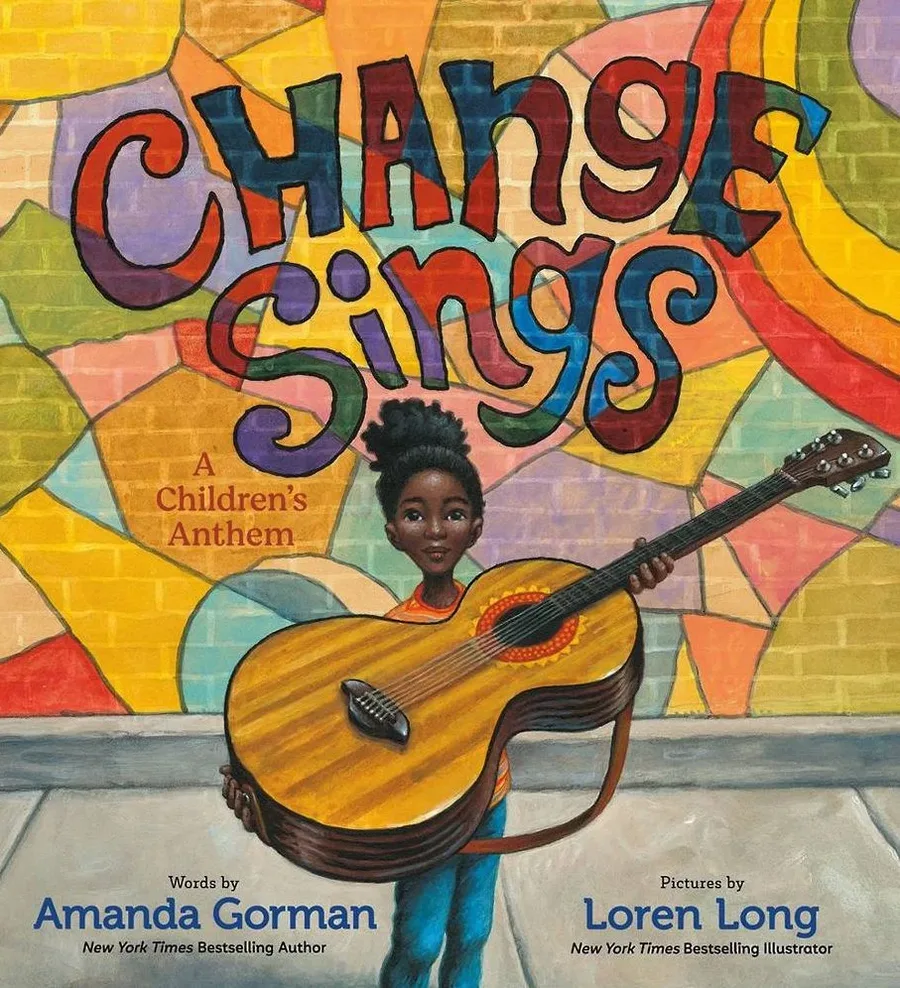 Change SingsAmanda GormanThis picture book uses lyrical language and colorful illustrations of diverse children to explore change. Its focus is on voices joining together and on children embracing change in themselves and in their communities. The book presents collective voices as part of imagining what can become possible, linking personal change with shared action. Its visual world includes children from varied backgrounds working toward change together.Kindergarten to Second GradeLexile Text Measure AD470LATOS Book Level 3.2View book details
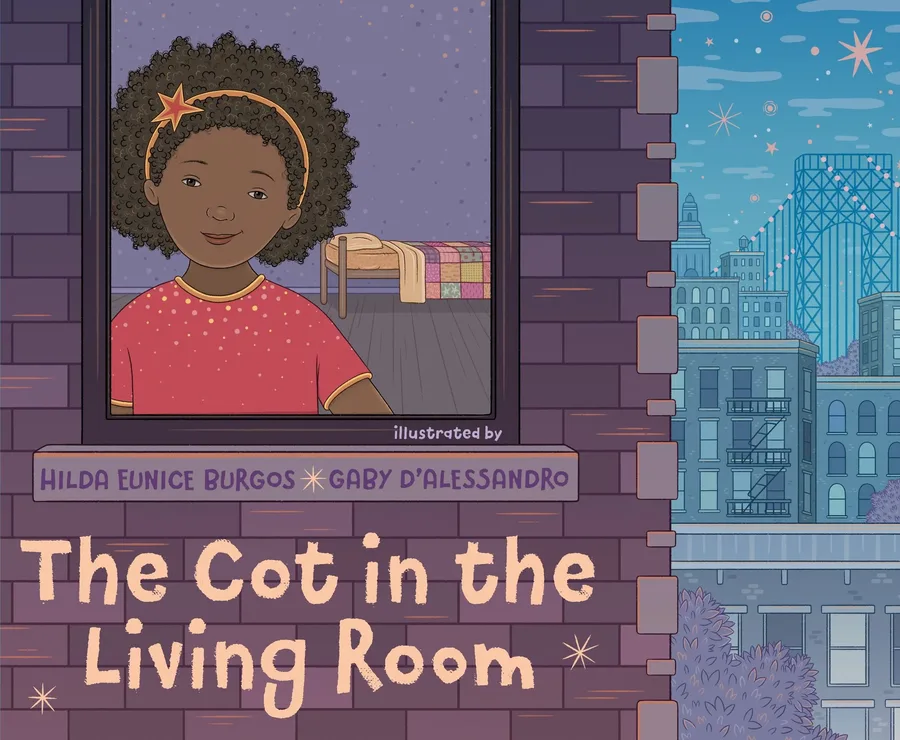 The Cot In The Living RoomHilda Eunice BurgosA Dominican American girl in New York City resents the children who stay overnight with her family while their caregivers work night shifts. She envies their place on the living-room cot, their access to her parents, and their view from the window. But when she finally sleeps there herself, the unfamiliar bed and nighttime shadows make her uneasy. Her experience helps her understand the visiting children’s anxiety and homesickness, especially when another child returns to stay.Kindergarten to Second GradeLexile Text Measure AD490LATOS Book Level 2.7View book details
 Except AntarcticaTodd SturgellAn off-page narrator begins with a claim that turtles live on every continent except Antarctica. One turtle puts on a warm hat and sets out to disprove it, arguing with the narrator along the way. The turtle is joined by a mouse, frog, owl, snake, bee, and dung beetle. At the ocean, they stack on the turtle’s shell to cross the water, reach Antarctica, meet confused penguins, and then head back because of the cold.Kindergarten to Second GradeLexile Text Measure AD540LATOS Book Level 4View book details
 Families CanDan SaksThis book celebrates families in their many forms. Its illustrations portray diverse American households and highlight both the differences among families and the love they share. Rather than focusing on one household, the book presents a broad view of family life, making room for varied family arrangements and the connections within them. The result is a simple portrait of diversity, belonging, and love across households.Kindergarten to Second GradeLexile Text Measure AD480LATOS Book Level 3.2View book details
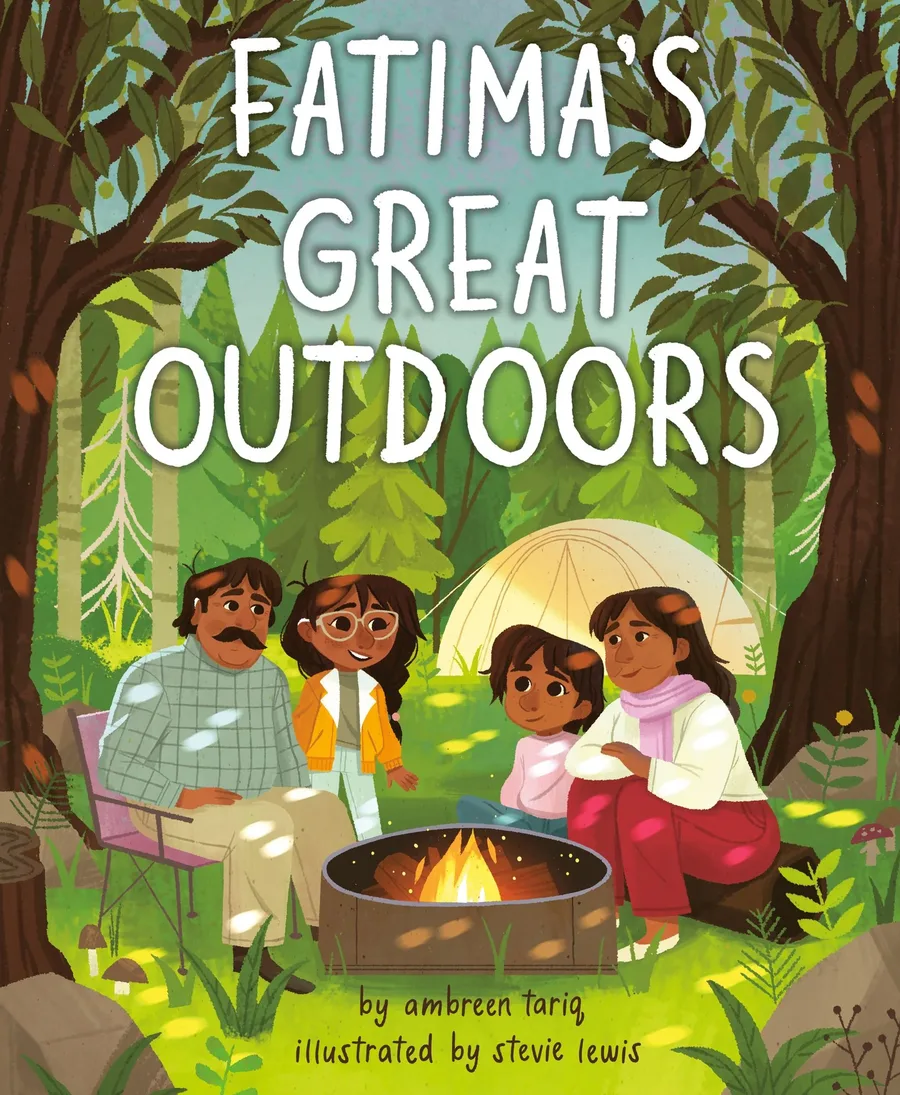 Fatimas Great OutdoorsAmbreen TariqAfter emigrating from India, Fatima finds school difficult. A weekend camping trip becomes her family’s first experience camping in the Midwest. As they spend time outdoors together, Fatima learns more about herself. The story follows an immigrant family entering an unfamiliar kind of adventure and connects Fatima’s experiences at school, home, and on the camping trip.Kindergarten to Second GradeView book details
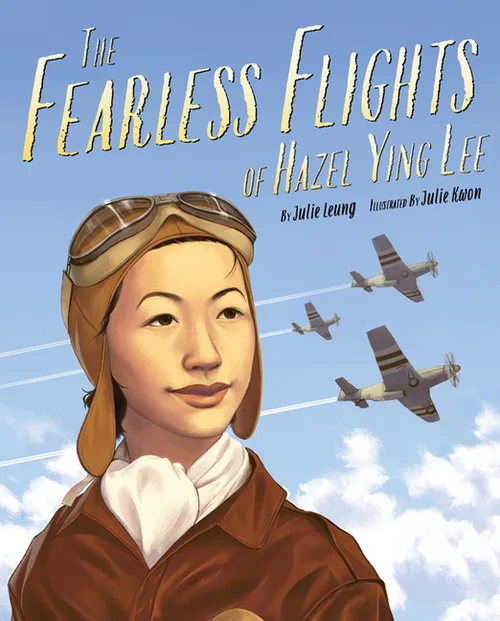 Fearless Flights of Hazel Ying LeeJulie LeungHazel Ying Lee dreamed of flying despite the limited opportunities available to women and Chinese Americans. She paid for flight school while working as an elevator operator and, during World War II, joined the Women Airforce Service Pilots. Although women could not fly in war zones, Hazel tested newly built aircraft and reported defects. One of only 132 women qualified to fly the fastest planes, she later died in a two-plane crash caused by a control-tower miscommunication. Her family fought for her burial in a whites-only cemetery.Kindergarten to Second GradeView book details
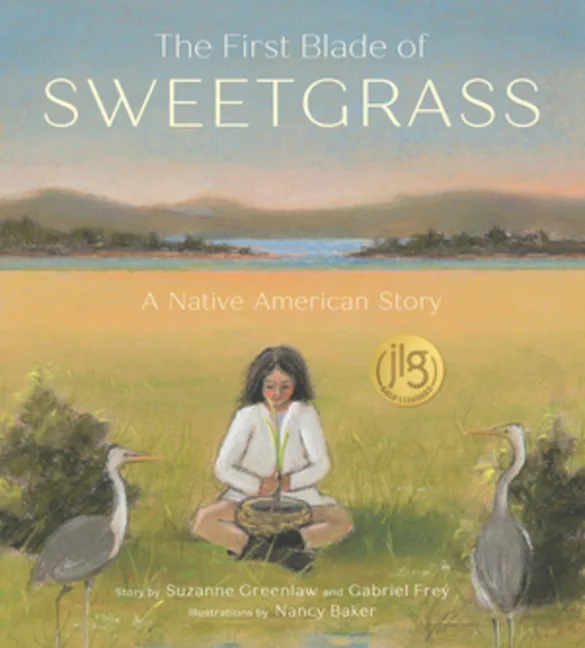 The First Blade of SweetgrassSuzanne Greenlaw, Gabriel Frey, illustrated by Nancy BakerMusquon gathers sweetgrass with her grandmother in a salt marsh. As she learns to tell sweetgrass apart from the surrounding grasses, she must work through her impatience. The landscape gradually brings her a sense of calm, and she follows an ancestral practice by leaving the first blade she finds to grow for future generations. Back matter discusses traditional basket making and includes a Wabanaki glossary.Kindergarten to Second GradeLexile Text Measure 511LATOS Book Level 3.4View book details
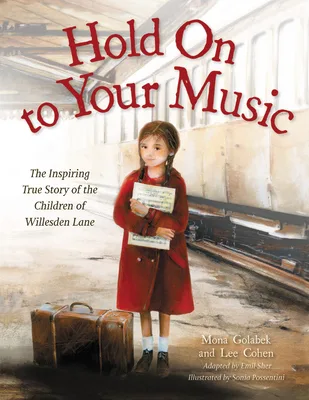 Hold on to Your Music: The Inspiring True Story of the Children of Willesden LaneMona Golabek, Lee Cohen, (Adapted by) Emil Sher, illustrated by Sonia PossentiniBased on a true story, this illustrated book follows a girl who escapes the Holocaust and later becomes a concert pianist. Adapted for a younger audience, it tells her story in relation to the children of Willesden Lane. Music is central to the account, alongside the girl’s escape from Nazi persecution and her path toward a life as a performing musician.Kindergarten to Second GradeView book details
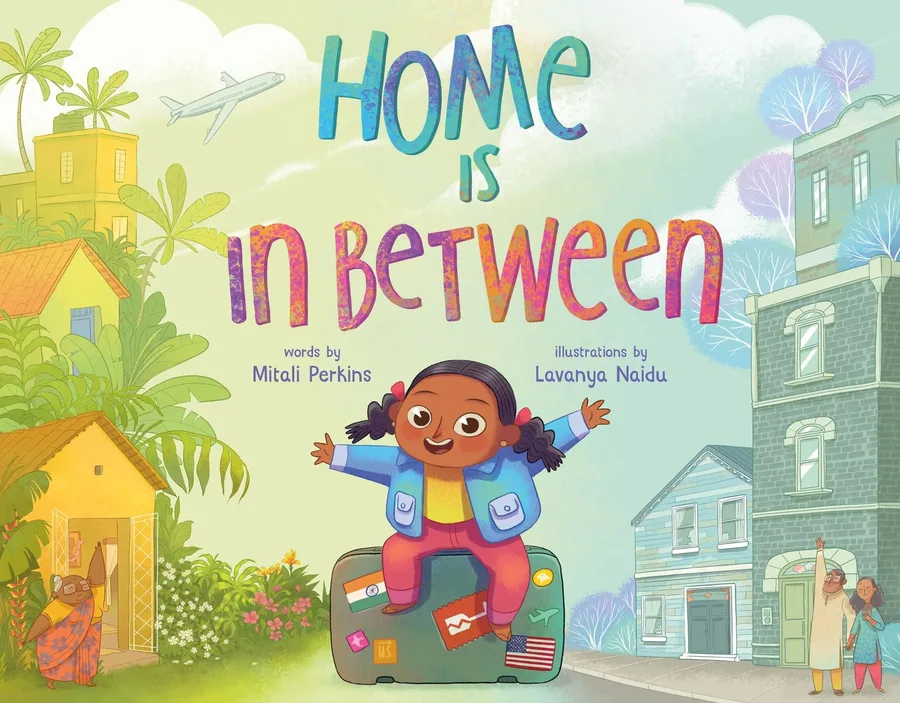 Home is In BetweenMitali Perkins, illustrated by Lavanya NaiduThis picture book follows a girl as she navigates two cultural worlds and looks for where she belongs. It explores the experience of living among multiple cultures and finding home in the space between them. Rather than presenting home as a single, simple place, the book centers the complexity of an in-between home and the girl’s effort to embrace it as part of her identity.Kindergarten to Second GradeLexile Text Measure AD430LATOS Book Level 2View book details
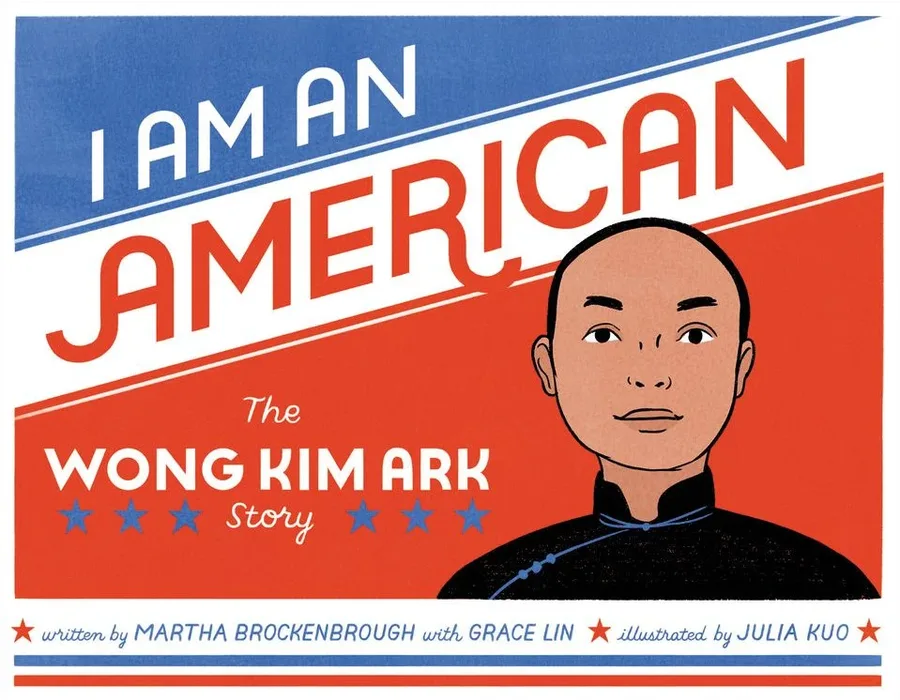 I Am an American: The Wong Kim Ark StoryMartha Brockenbrough, Grace LinThis book tells the story of Wong Kim Ark, born in San Francisco in 1873 to Chinese immigrant parents. As anti-Chinese laws and sentiment intensified, his parents could not become citizens and later returned to China while he remained in the United States. After visiting them, Wong Kim Ark was denied entry by officials despite his claim to citizenship and was imprisoned for more than a month. His legal challenge continued after his release and reached the U.S. Supreme Court.Kindergarten to Second GradeView book details
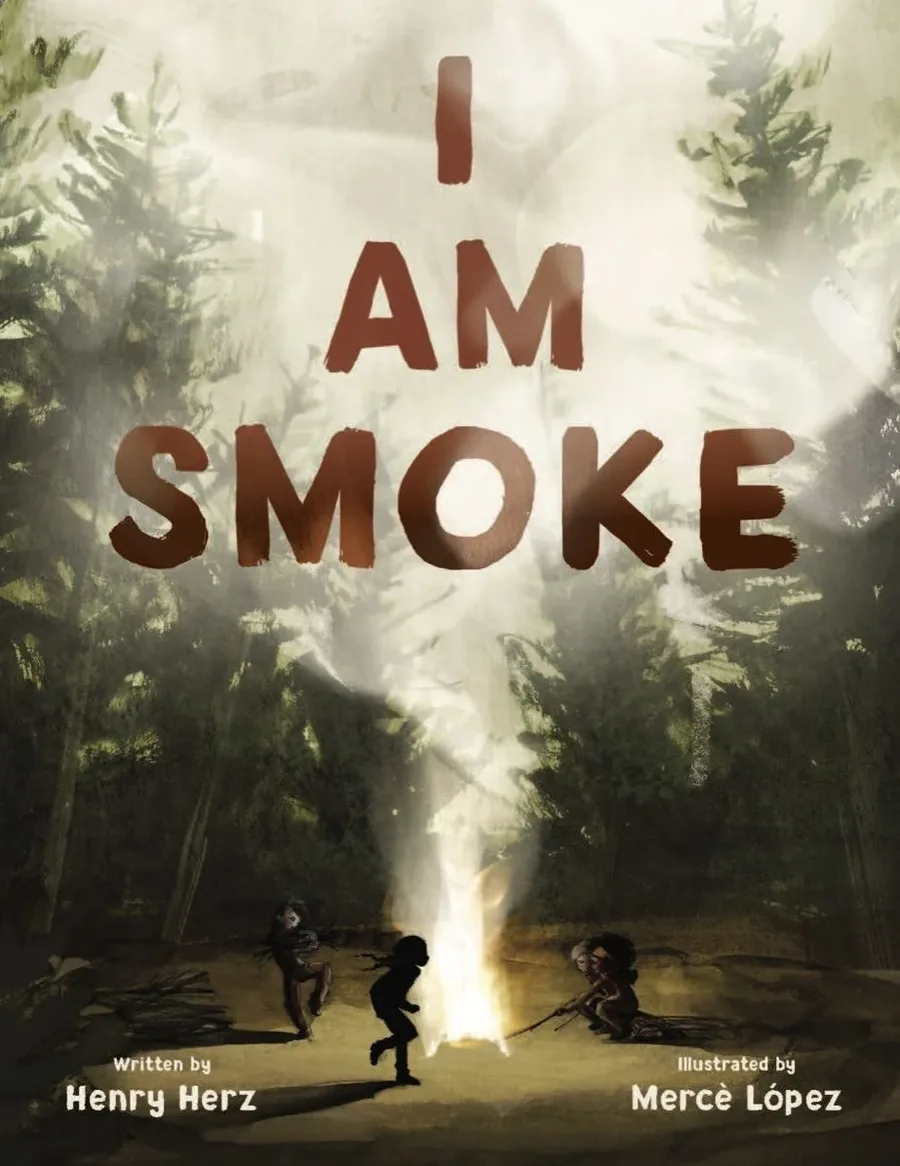 I Am SmokeHenry HerzSmoke speaks as the narrator of this account of its own existence and its long relationship with people. It describes serving human communities since prehistoric times in many ways, including sending signals, tending bees, preserving and flavoring food, supporting religious rites, and fumigating insects. The book also addresses smoke’s cycle of existence. Watercolor, naturalistic illustrations accompany this first-person voice and the history of smoke’s uses across civilizations.Kindergarten to Second GradeView book details
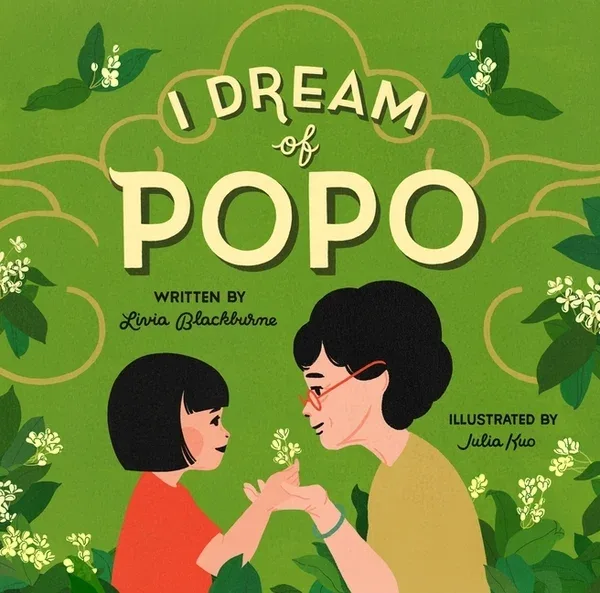 I Dream of PopoLivia BlackburneA girl in Taiwan shares everyday moments with Popo, her grandmother: being held, walking in the park, telling her about adventures, and honoring her at New Year’s. When the family moves to San Diego, she continues to speak with Popo across the sea and thinks of her while meeting new children. As she grows older and uses her first language less fluently, she returns to Taiwan and embraces Popo. Their love remains through distance, time, and Popo’s aging.Kindergarten to Second GradeLexile Text Measure AD510LATOS Book Level 2.9View book details
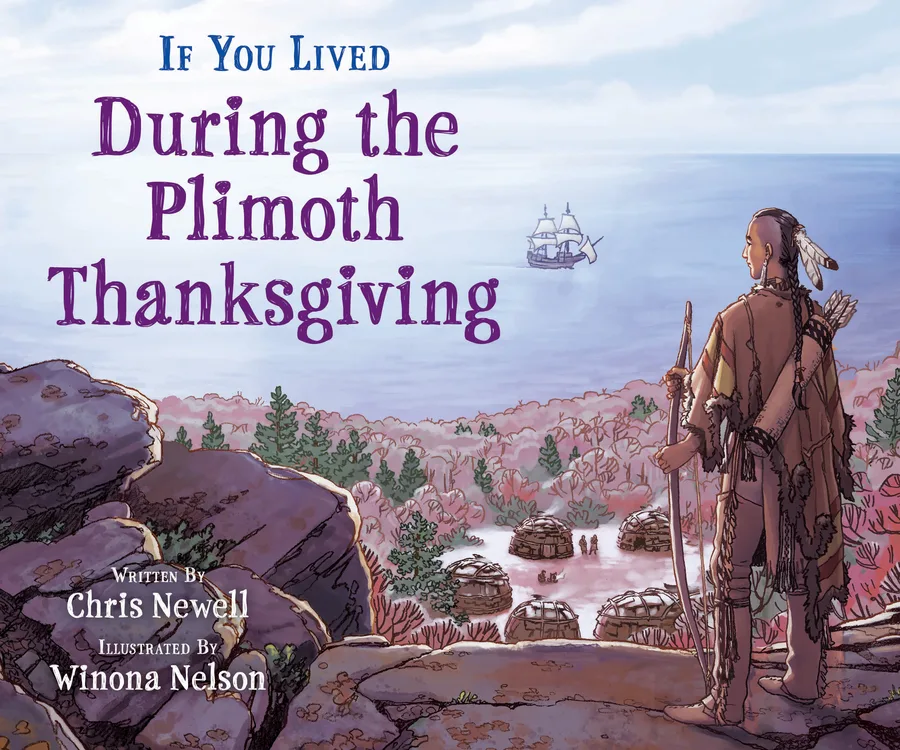 If You Lived During the Plimoth ThanksgivingChris Newell, illustrated by Winnona NelsonIf You Lived During the Plimoth Thanksgiving explores the Thanksgiving feast at Plimoth by asking readers to imagine daily life in a different historical time and place. It raises questions about the feast itself and about how living in another era or location could change everyday experience. Part of the If You Lived series, the book uses questions to address an event in American history and compare it with ordinary life today.Kindergarten to Second GradeLexile Text Measure 1090LATOS Book Level 7.6View book details
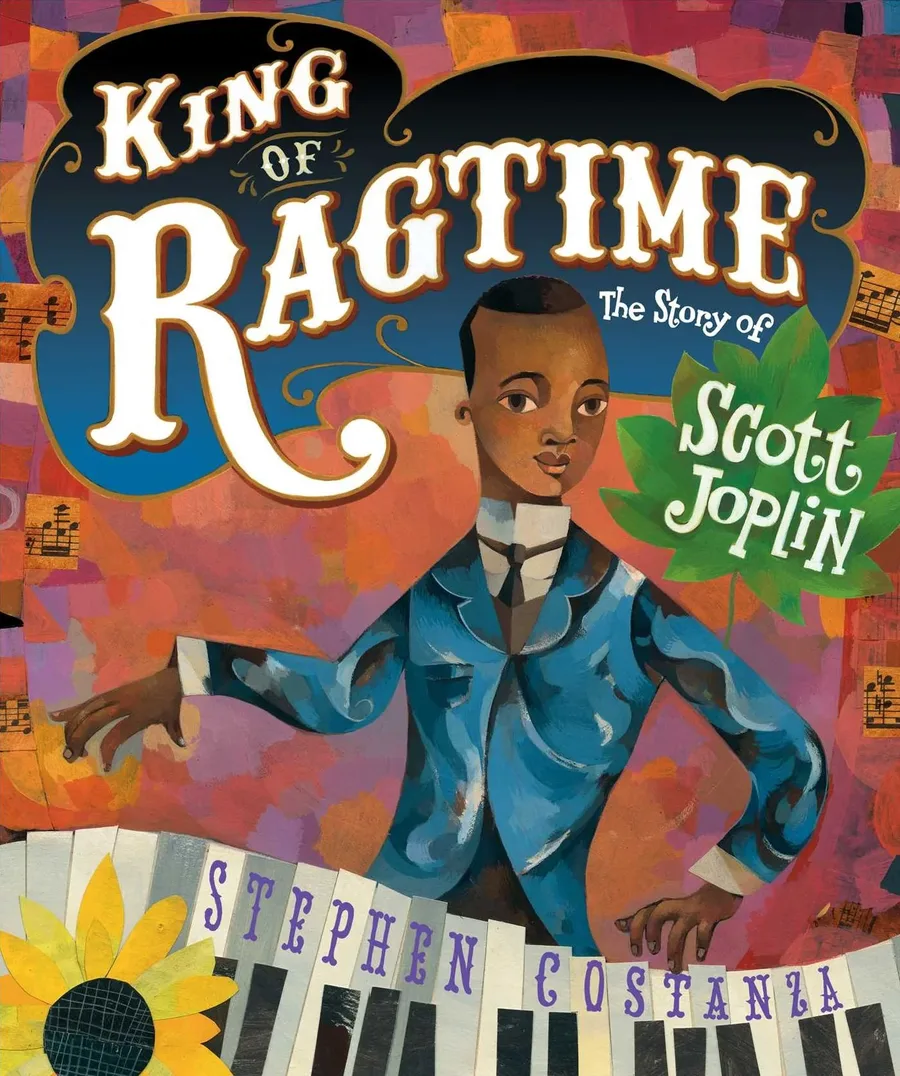 King of RagtimeStephen CostanzaThis picture-book biography follows African American composer Scott Joplin from his childhood in the Texas Red River Valley to his work as a musician and composer. Raised in a musical family, he played cornet before encountering a piano and later left Texas as a young man. After hearing ragtime in Chicago, he taught piano in Missouri, performed at the Maple Leaf Club, studied composition, and wrote “Maple Leaf Rag.” Joplin went on to compose more ragtime pieces, operas, and ballets.Kindergarten to Second GradeLexile Text Measure AD930LATOS Book Level 6.1View book details
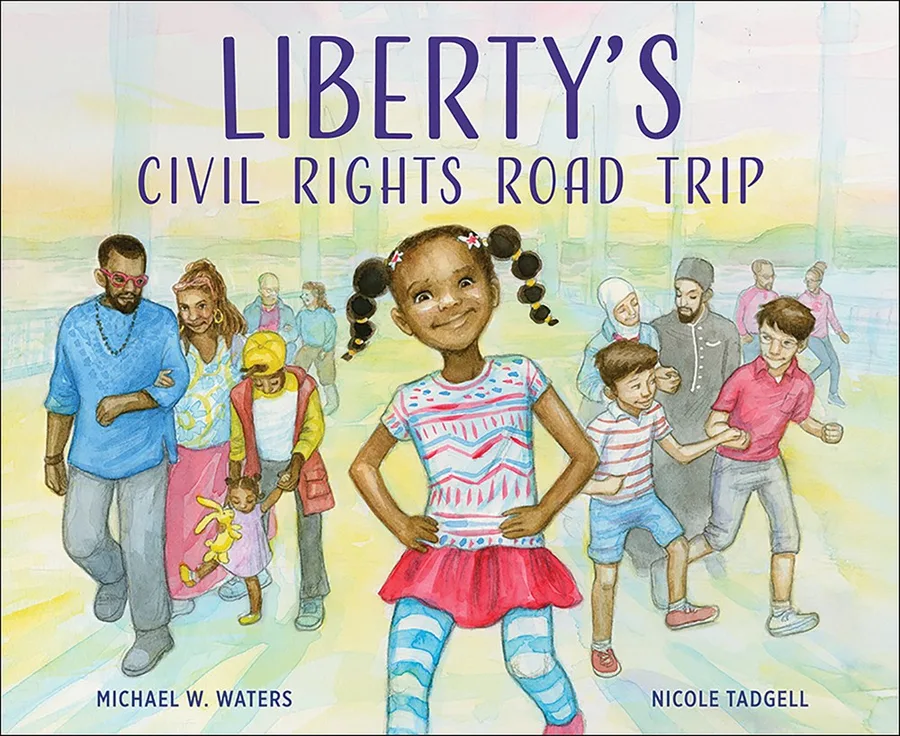 Liberty’s Civil Rights Road TripMichael W. Waters, illustrated by Nicole TadgellLiberty and her friend Abdullah take a bus trip with their families and a varied group of fellow passengers. Their journey begins with a stop in Jackson, Mississippi, and continues to places important to the civil rights movement. Based on an actual trip, the story follows what the two friends encounter at these sites and their wish to join others in working toward a better world. The journey gives the pair a shared route through civil rights history.Kindergarten to Second GradeView book details
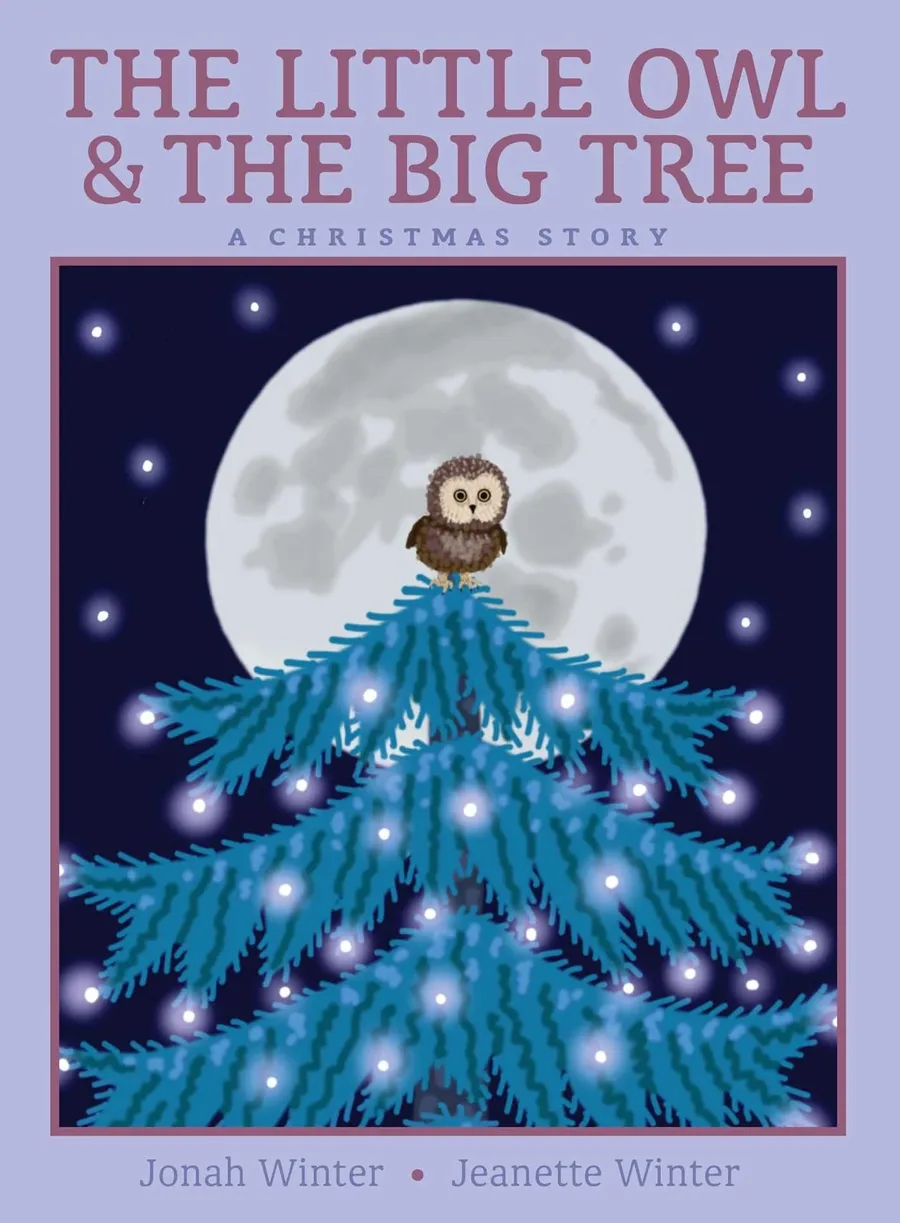 Little Owl & the Big TreeJonah WinterThis picture book retells a true Christmas story about a tiny owl discovered in the tree selected for the Rockefeller Center holiday display. The owl had lived in a tree before it was brought into the city, and the story considers how the small bird responds to its unfamiliar urban surroundings. It combines a holiday setting with the journey of an owl from a tree to Rockefeller Center.Kindergarten to Second GradeView book details
 Lucas at the ParalympicsIgor Plohl, illustrated by Urska Stropnik SoncAt the Paralympics, Lucas and Eddie, friends with physical disabilities, cheer for athletes as they compete. The events include wheelchair basketball, running, para archery, swimming, wheelchair fencing, and sitting volleyball. The book explains rules intended to make play fair. One example concerns blind runners: competitors wear blindfolds, whether they are totally blind or have limited sight, so none has an unfair advantage.Kindergarten to Second GradeLexile Text Measure AD920LATOS Book Level 6View book details
 Lunch Around the WorldJeanette FerraraThis book considers lunch as an everyday experience shared by children in many countries. It places eating lunch alongside going to school and playing games, while showing that these familiar activities can differ from place to place. The book travels among countries to explore cultures and traditions, emphasizing both differences and similarities among people around the world. Lunch provides the subject through which that global comparison is made.Kindergarten to Second GradeView book details
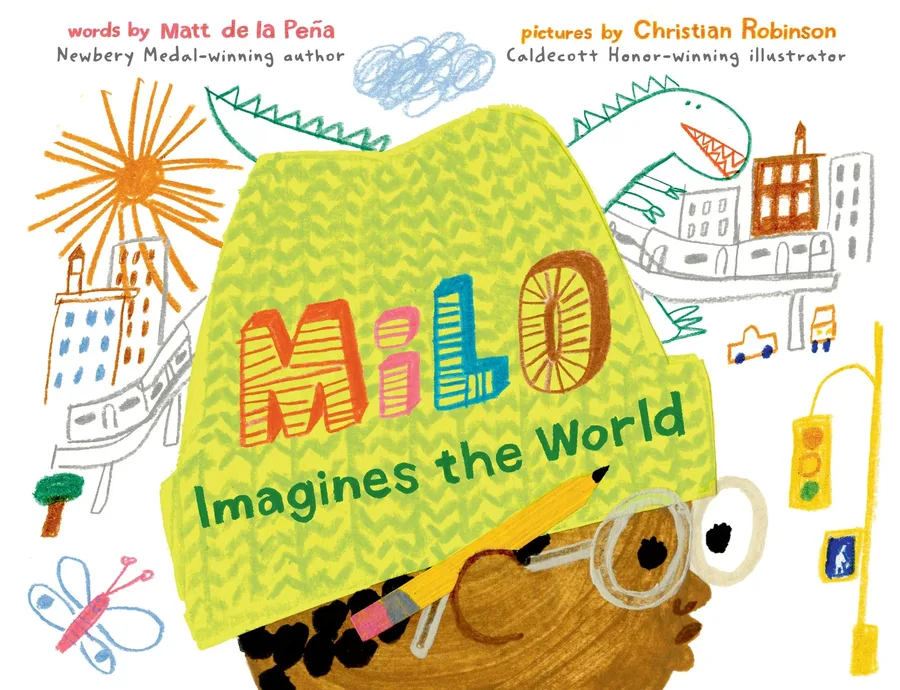 Milo Imagines The WorldMatt de la PeñaWhile riding the subway, Milo feels nervous and draws the people around him to occupy himself. He imagines private lives for a man with facial hair, a bride, a boy in spotless sneakers, and a group of break dancers. When he meets the other boy’s gaze, Milo considers what strangers might imagine about him. He and his sister later join a long line, where he sees the boy again.Kindergarten to Second GradeView book details
 My AmericaKim JohnsonA teen fights to save her father and brother from a justice system stacked against them. The novel examines racial injustice in the United States criminal justice system, particularly its treatment of Black men. It presents the family’s struggle within a system shaped by inequity while retaining hope. The story centers family bonds, a young person’s determination, and the consequences of racial injustice in law and incarceration. An author’s note and additional resources are included.Kindergarten to Second GradeLexile Text Measure HL640LATOS Book Level 4.3View book details
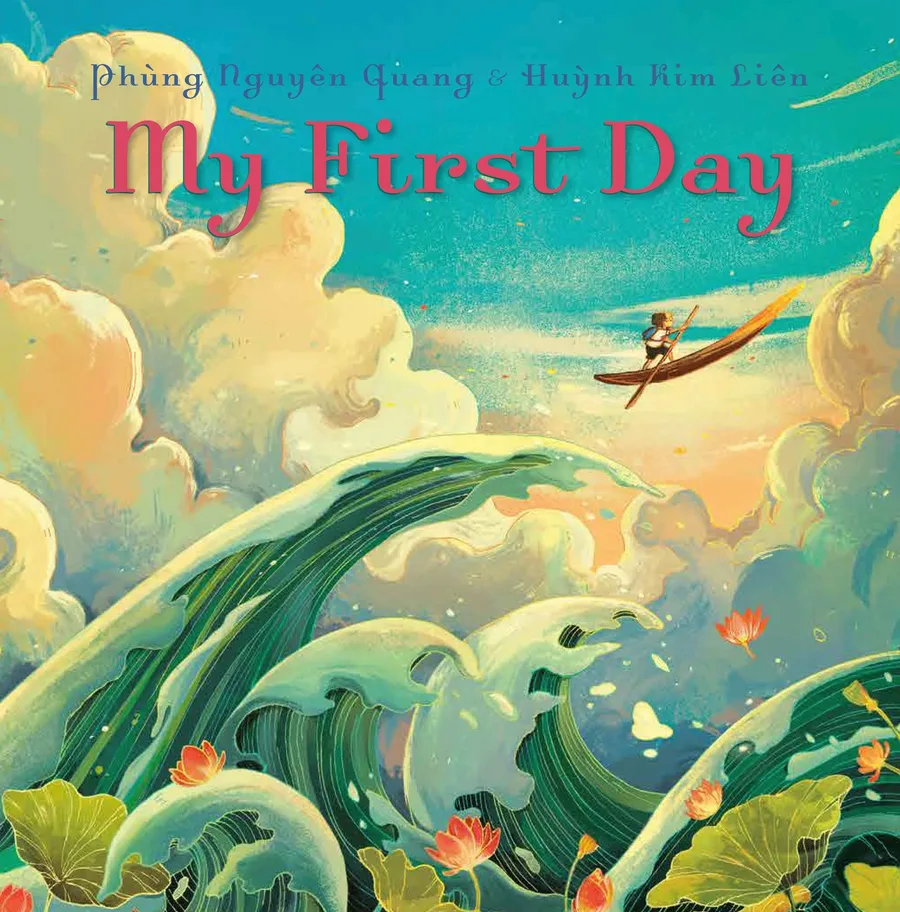 My First DayPhùng Nguyên Quang, Huỳnh Kim LiênIn the Mekong Delta of Vietnam, An sets out alone by wooden boat for the first day of the school year. Excited and nervous about traveling by himself, he paddles across the water and through a mangrove forest. He describes his route and the plants and animals he sees through school-related comparisons. On the final stretch, he passes schools of fish and water buffalo before reaching shore and greeting his classmates. The book includes information about the Mekong Delta and the role water plays in everyday life there.Kindergarten to Second GradeLexile Text Measure AD680LATOS Book Level 3.1View book details
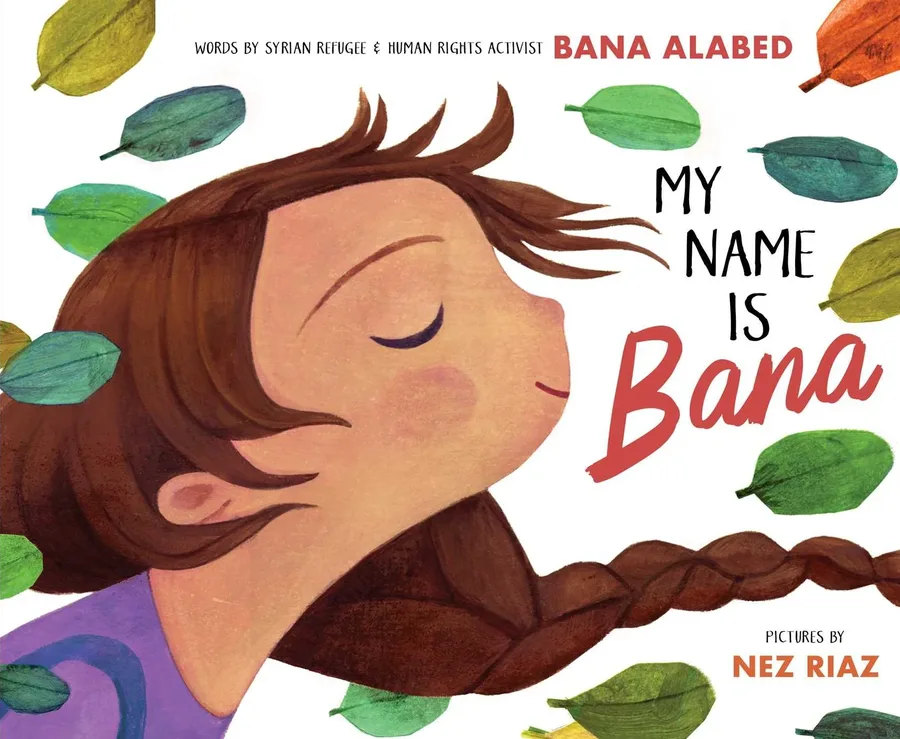 My Name Is BanaBana Alabed, illustrated by Nez RiazThis picture book memoir is by Bana Alabed, a Syrian girl from Aleppo whose messages reached people around the world. It draws on her experience as a seven-year-old and her efforts to describe what was happening to her. The book connects Bana’s voice with advocacy for refugee rights and centers her wish to live without fear. It is a personal account shaped by Syria, displacement, and communication with a wider audience.Kindergarten to Second GradeView book details
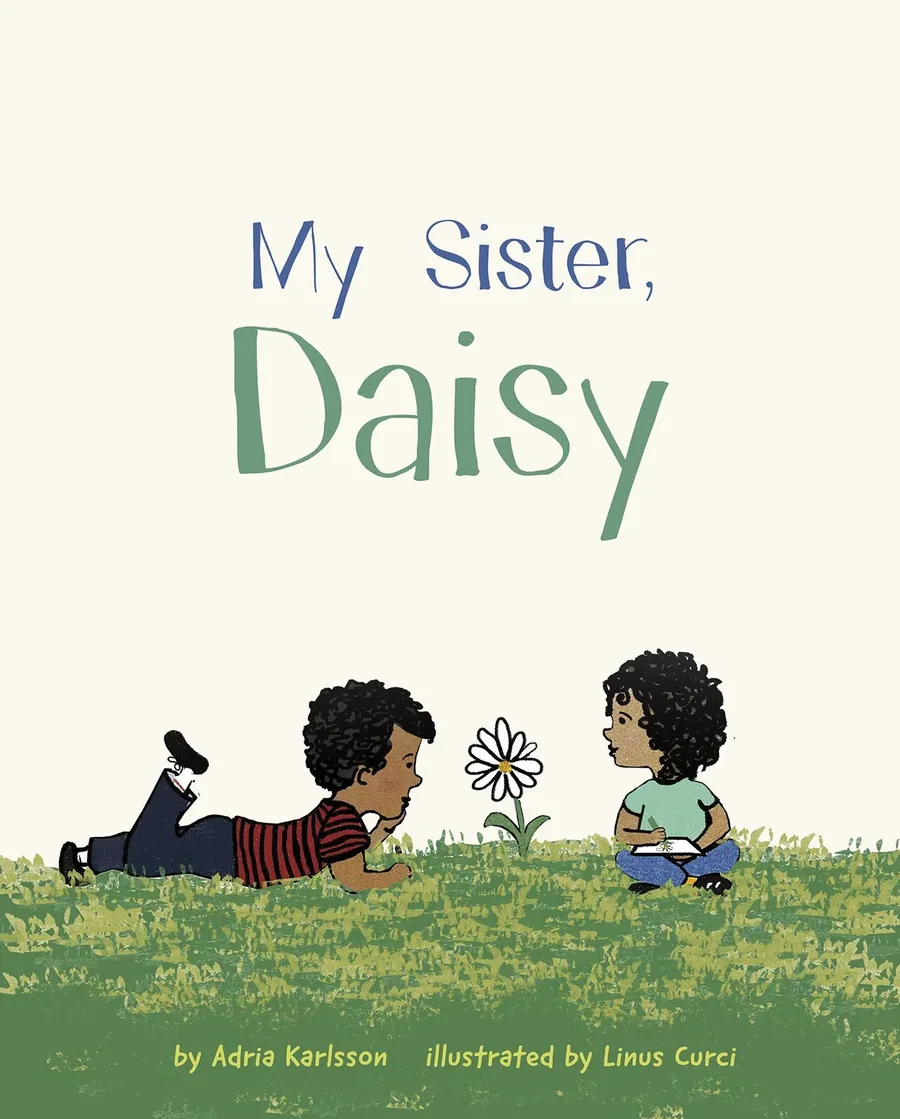 My Sister, DaisyAdria Karlsson, illustrated by Linus CurciDaisy’s older brother is excited when Daisy becomes part of the family. The two siblings become close companions and do many things together. When Daisy starts kindergarten, however, their relationship changes. This story follows the bond between an older brother and his new sister as a school transition alters the routines they have shared.Kindergarten to Second GradeView book details
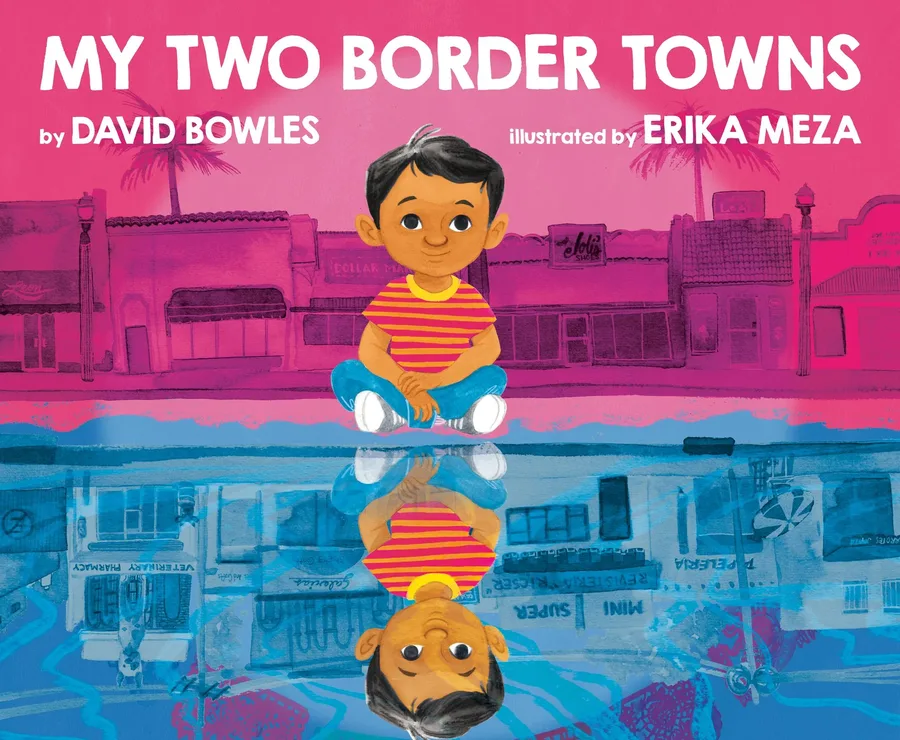 My Two Border TownsDavid BowlesBefore sunrise, a boy and his father make their weekly trip across the United States–Mexico border. They drive beside the Rio Grande, cross a bridge, pass through border patrol, and enter a Mexican town. There they have breakfast, visit the boy’s aunt and uncle at their jewelry store, and shop for groceries and prescription medicine. They also buy clothing, water, and sweets for friends waiting on the bridge between the two countries, hoping to enter the United States. The journey shows the connections between the boy’s two towns.Kindergarten to Second GradeLexile Text Measure AD680LATOS Book Level 3.5View book details
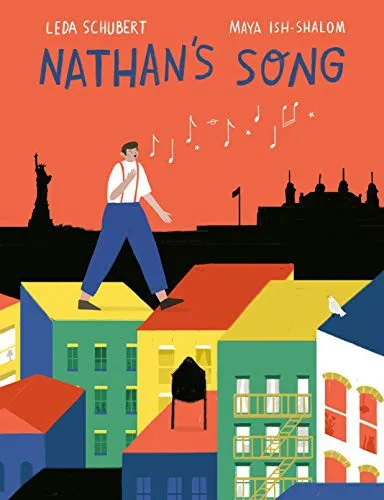 Nathan’s SongLeda SchubertNathan grows up in a shtetl in Russia, where he is always singing. After hearing a famous opera soloist in a nearby town, he realizes the importance of music to him. Later, he leaves home to study opera, but boards the wrong boat and accidentally sails to New York City. This picture book follows Nathan’s journey within the Jewish immigrant experience of the early twentieth century.Kindergarten to Second GradeView book details
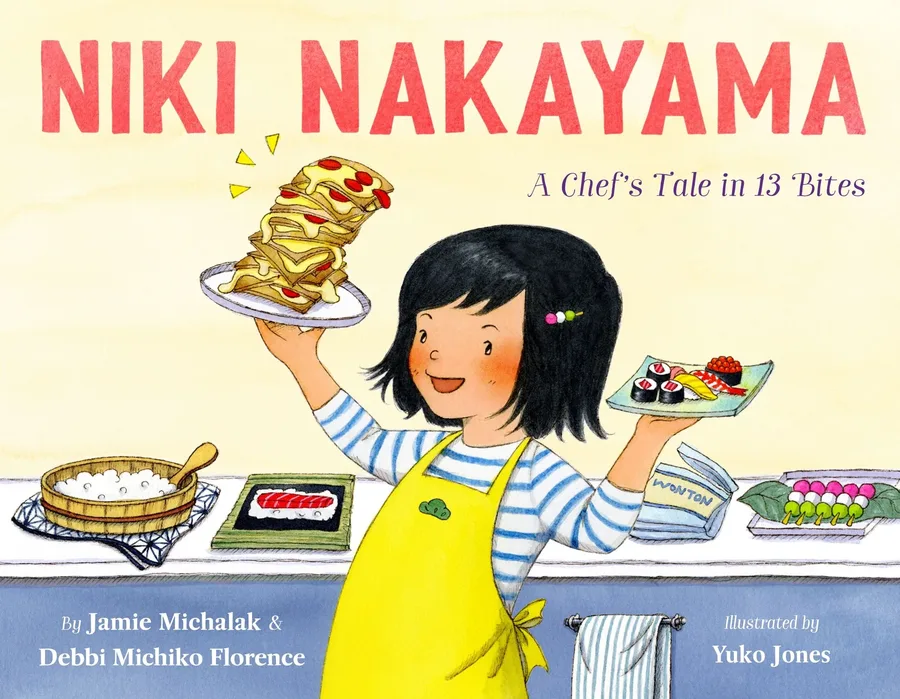 Niki Nakayama: A Chef’s Tale in 13 BitesJamie Michalak, Debbi Michiko FlorenceThis picture-book biography follows Japanese American chef Niki Nakayama and her pursuit of haute cuisine. From childhood into adulthood, she encounters people who discourage her, as well as gender-based discrimination in a profession dominated by men. The book recounts her path to becoming a master chef. Illustrations, a timeline, recipe, and notes accompany the story of her career in food and cooking.Kindergarten to Second GradeView book details
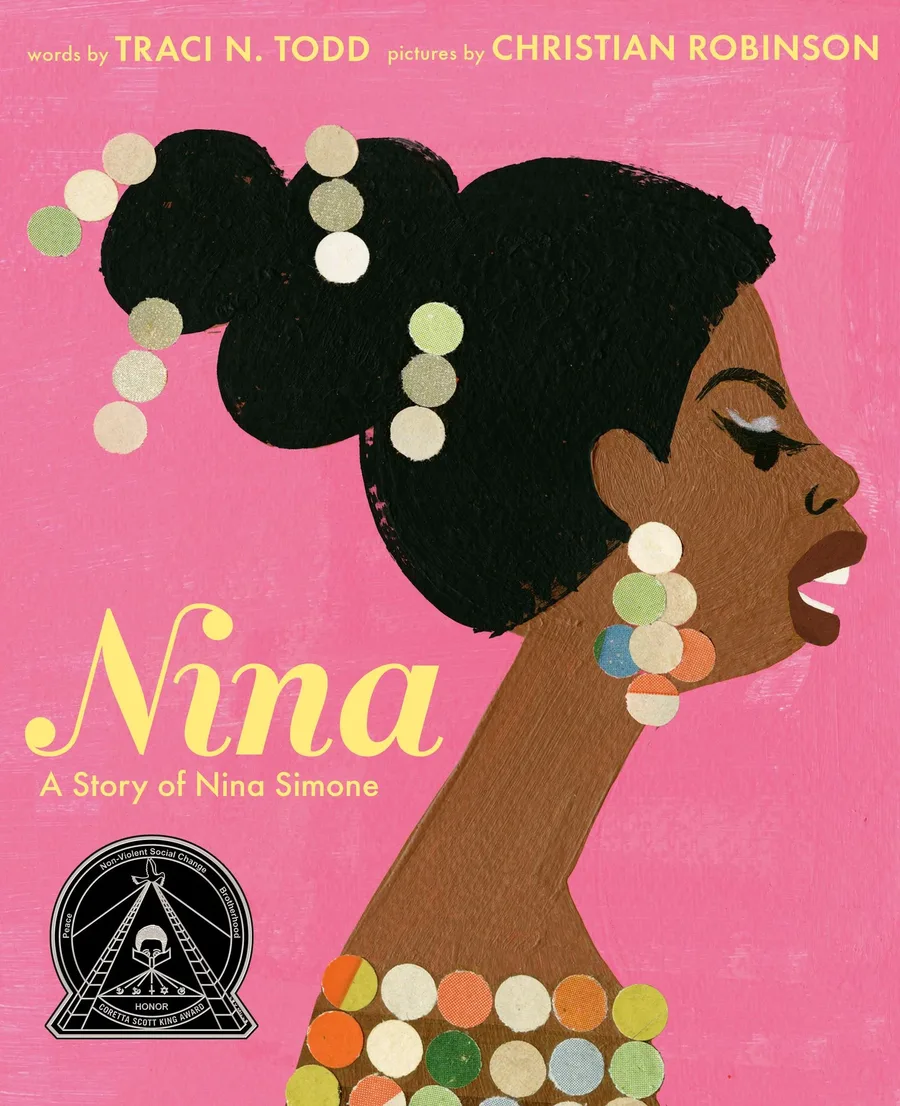 Nina: A Story of Nina SimoneTraci N. ToddThis picture-book biography follows Nina Simone, born Eunice Kathleen Waymon, from her musical childhood in North Carolina. Her father introduces her to jazz piano, while her mother favors church music. Eunice encounters racism early, including at a recital involving her parents’ seats. After studying at Juilliard and stepping away from music for a time, she performs under the name Nina Simone and later uses her career to express Black pain, struggle, and joy in America.Kindergarten to Second GradeView book details
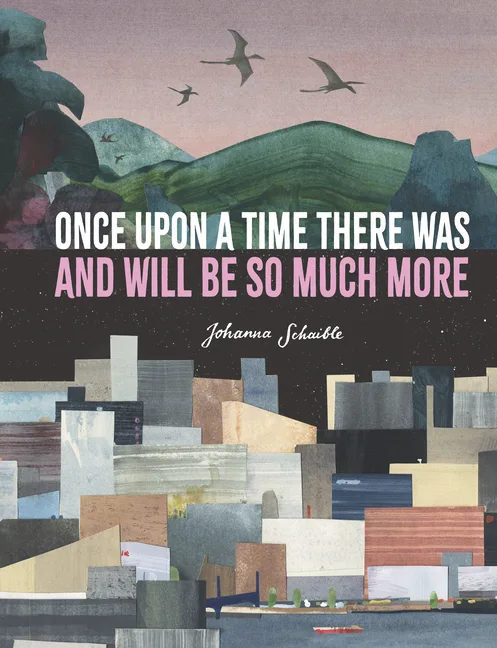 Once Upon a Time There Was and Will Be So Much MoreJohanna Schaible, illustrated by Johanna SchaibleA journey through time moves from Earth’s distant past toward an imagined future. It notes the formation of land, the age of dinosaurs, people building pyramids, and smaller shifts closer to the present, from ten years to a month and then a minute ago. Gradually changing page sizes reflect time passing, before the book turns to a question about what may happen in the coming week.Kindergarten to Second GradeView book details
 Our Skin: 1st Convo About RaceMegan Madison, Jessica Ralli, illustrated by Isabel RoxasThis read-aloud book is part of a series that gives adults a way to start informed conversations with young children. The series draws on research that supports discussing race, gender, consent, and body positivity from the toddler years onward. This volume opens a conversation about race, while the broader series connects it with those related topics. It was written by Megan Madison and Jessica Ralli.Kindergarten to Second GradeView book details
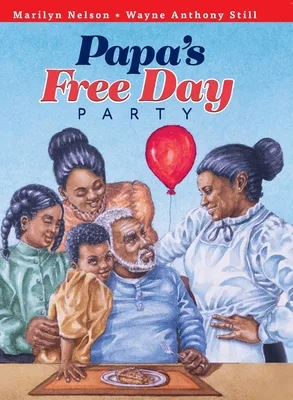 Papa’s Free Day PartyMarilyn Nelson, illustrated by Wayne Anthony StillJohnnie wants to mark her Papa’s birthday, but he cannot say exactly when he was born. As he tells her about his childhood and the life he made in Boley, Oklahoma, Johnnie begins to understand why. The town was all Black. Inspired by his story, she plans a different celebration for Papa: a party honoring his Father’s Day of freedom. The story is based on the author’s grandfather.Kindergarten to Second GradeView book details
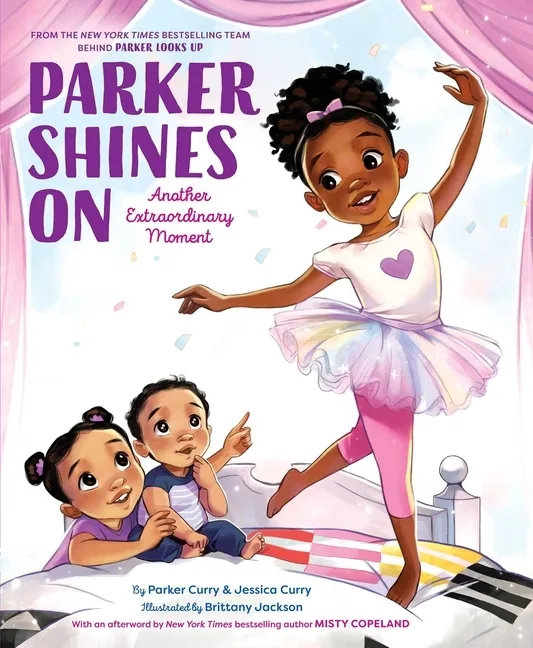 Parker Shines OnParker Curry, Jessica Curry, illustrated by Brittany JacksonParker enjoys being a big sister, playing dress-up with Ava and piano with Cash. She also loves dancing, with its twirls, leaps, and spins. When a new dancer enters her class and needs help, Parker questions whether she can be both a dancer and a friend. Her experience centers on meeting someone new, offering help, and finding ways to express herself.Kindergarten to Second GradeLexile Text Measure AD550LATOS Book Level 3.6View book details
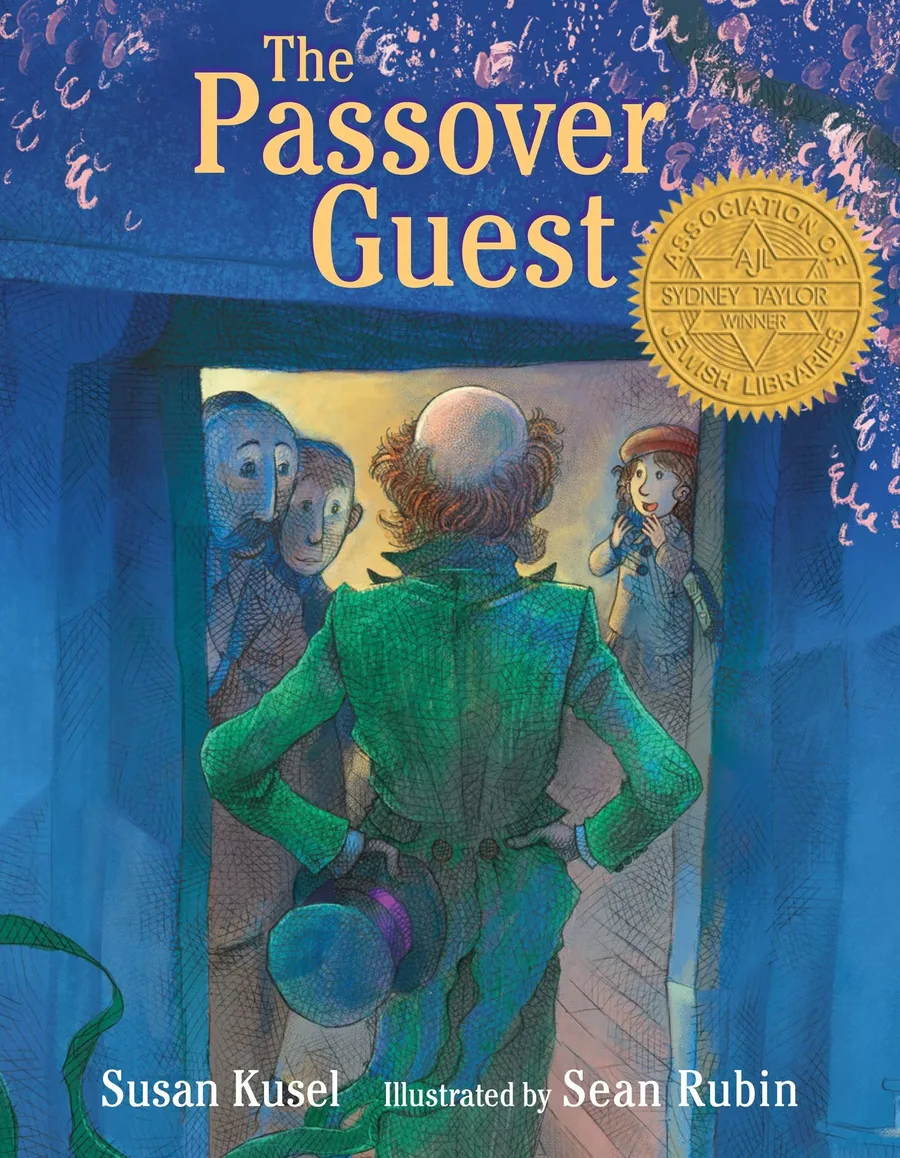 The Passover GuestSusan KuselDuring the Great Depression in Washington, D.C., Muriel’s family cannot afford the food needed for a Passover Seder. They leave the door open for Elijah, even though they have no wine to place in his cup. On her way home before sundown, Muriel sees a poor man performing magic who suddenly appears transformed. The same visitor soon arrives at her home, and the family’s empty table becomes a meal abundant enough to share with their Jewish community. The story adapts a tale by I. L. Peretz.Kindergarten to Second GradeView book details
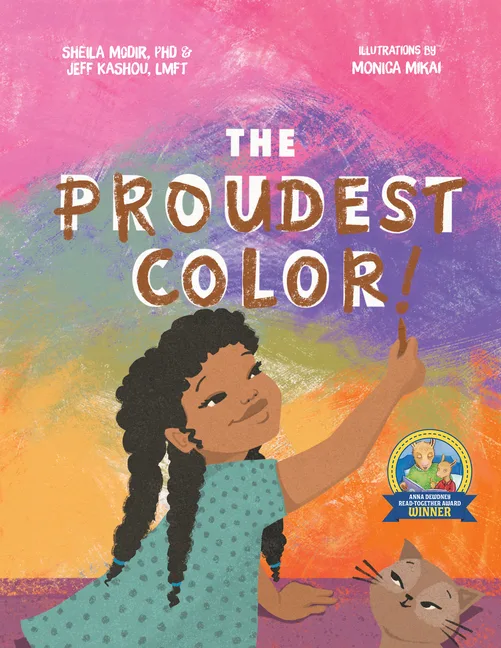 The Proudest ColorSheila Modir, Je ff rey Kashou, illustrated by Monica MikaiZahra experiences the world through vivid colors: happiness feels pink in her hands, while sadness is blue behind her eyes. She is uncertain about the color of her own skin after children at school tell her she is different. Her mother encourages her to take pride in herself. The story addresses race, racism, and racial pride through Zahra’s changing feelings about brown.Kindergarten to Second GradeLexile Text Measure AD630LATOS Book Level 4.1View book details
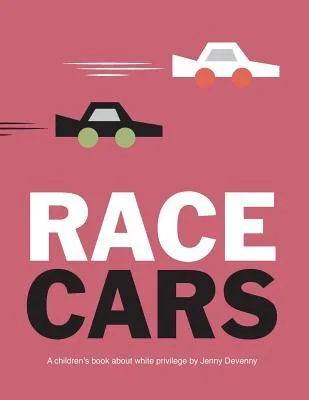 Race Cars: A children’s book about white privilegeJenny Devenny, illustrated by Jenny DevennyTwo best friends, one a white car and the other a black car, enter the same race. Although they share the competition, they encounter different rules and have unequal experiences. Their story is used to explore race, privilege, and oppression. The book is framed as a starting point for conversations between children and adults about those issues and about racial bias.Kindergarten to Second GradeView book details
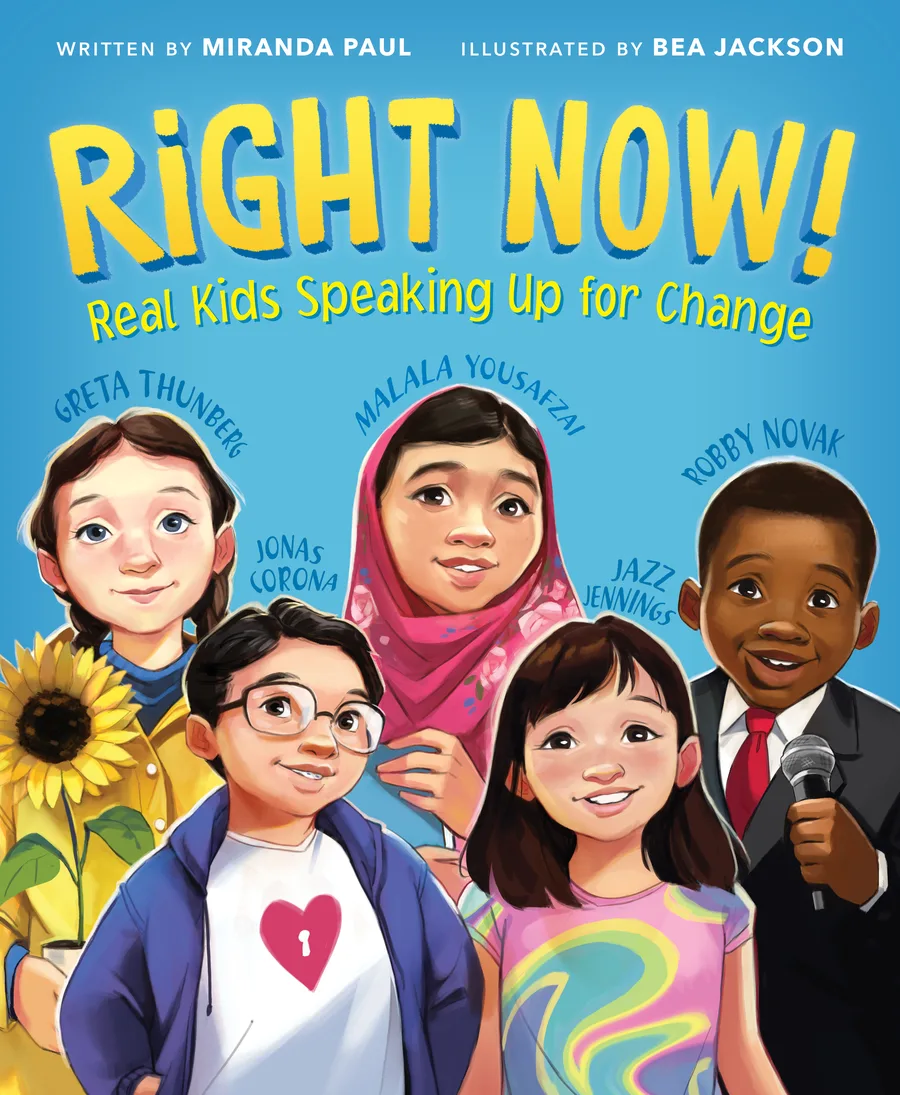 Right Now! Real Kids Speaking Up for ChangeMiranda PaulThis book presents short profiles of young people working on causes that matter to them. Featured activists include Greta Thunberg on climate, Jaylen Arnold on bullying, and Bana Alabed on peace. An author’s note, additional resources, and an “Actions to Make a Difference” section extend the profiles. Together, these materials outline ways young people can pursue change and help others.Kindergarten to Second GradeView book details
 Rock by RockJennifer BradburyThis picture-book biography tells the story of self-taught artist Nek Chand. After leaving his childhood home because of the partition of India, Chand created a sculpture garden hidden in the jungle as a reminder of that home. His private art project later became a celebrated site in India. The book includes a timeline and afterword alongside the account of Chand’s garden-making.Kindergarten to Second GradeView book details
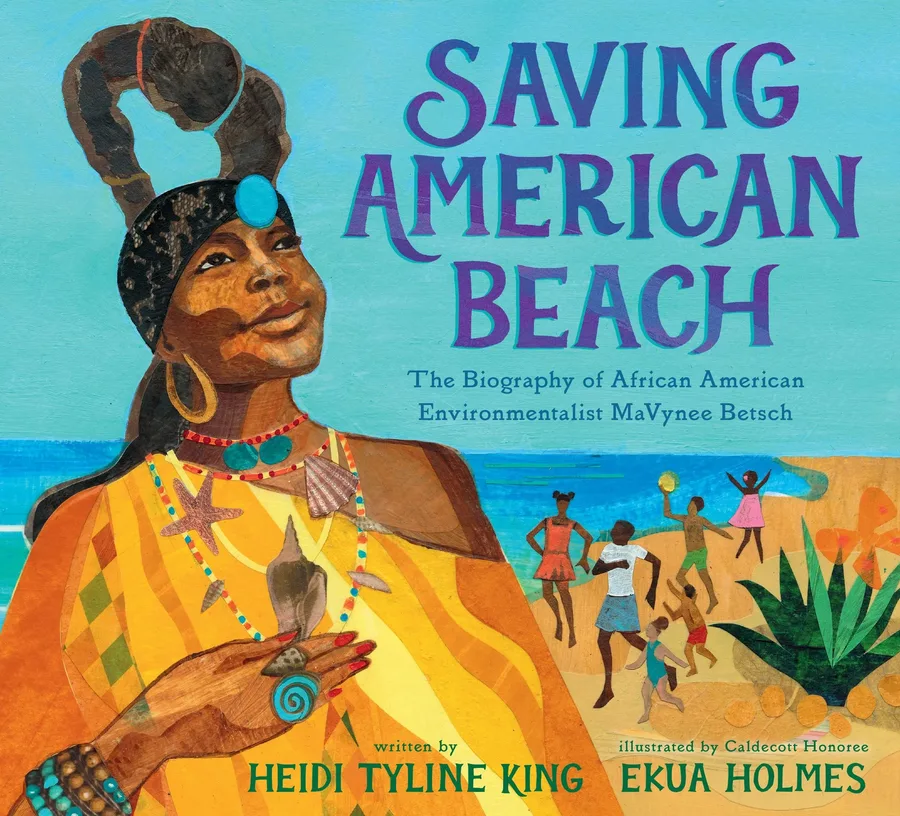 Saving American BeachHeidi Tyline KingThis picture-book biography introduces MaVynee Betsch, an African American opera singer who became an environmentalist. It recounts her efforts to protect a Florida beach that her great-grandfather had bought during the Jim Crow era. Betsch used her body as a canvas in protesting its destruction. The book follows the preservation of the beach and the legacy connected to it.Kindergarten to Second GradeView book details
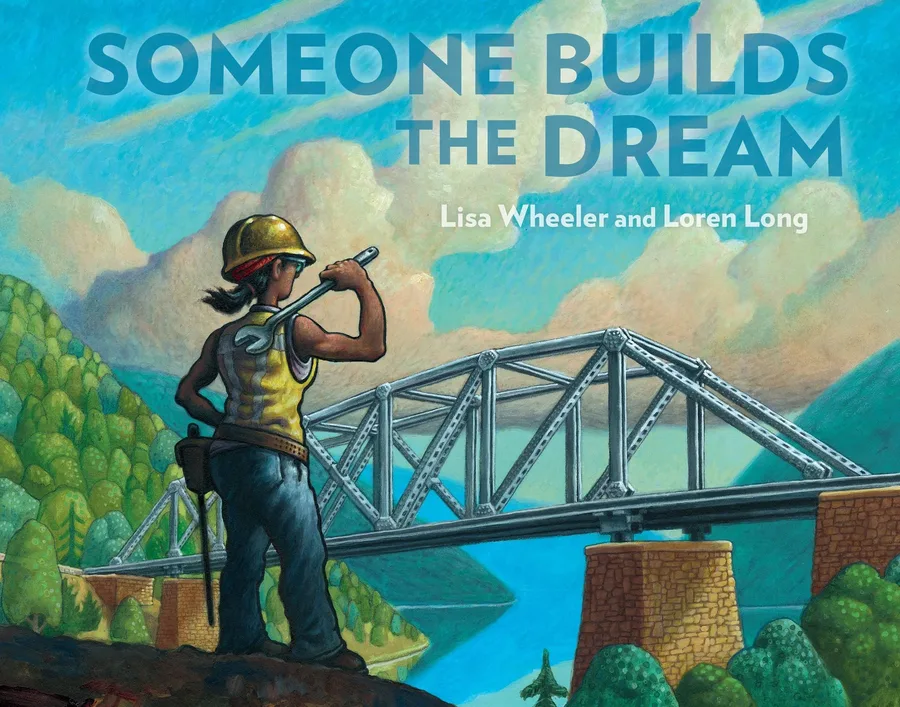 Someone Builds The DreamLisa WheelerThis rhyming picture book looks beyond big ideas to the people who make them real. It follows plans for a house, bridge, fountain, wind turbine, amusement park, and book, showing workers who tighten bolts, operate cranes, drive machines, set text, run presses, and load paper. Architects, artists, engineers, authors, and illustrators appear alongside the many other workers whose labor brings each project into being.Kindergarten to Second GradeLexile Text Measure AD610LATOS Book Level 4View book details
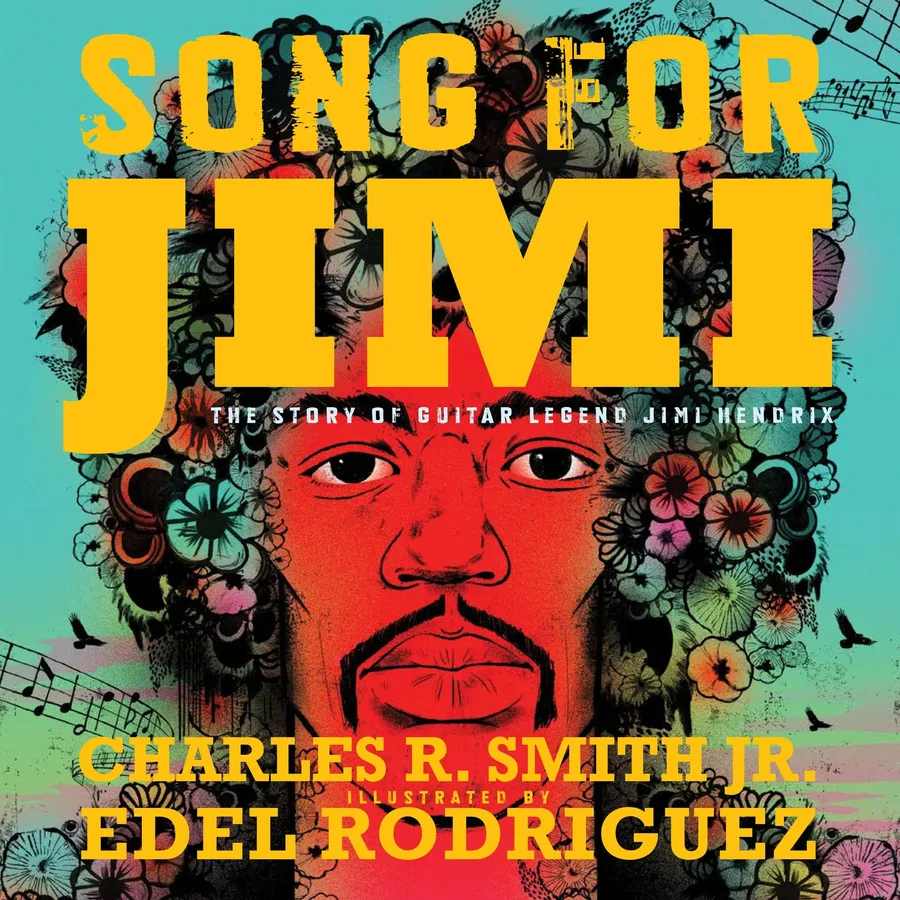 Song for JimiCharles R. Smith Jr, illustrated by Edel RodriguezThis lyrical account portrays the life of guitarist Jimi Hendrix. It begins with his turbulent childhood and continues through his appearances at the Monterey and Woodstock festivals. The book pairs Charles R. Smith Jr.’s rhythmic narrative with artwork by Edel Rodriguez. A poster is included beneath the book jacket. Its biographical scope links Hendrix’s early life, musical talent, and major festival performances.Kindergarten to Second GradeView book details
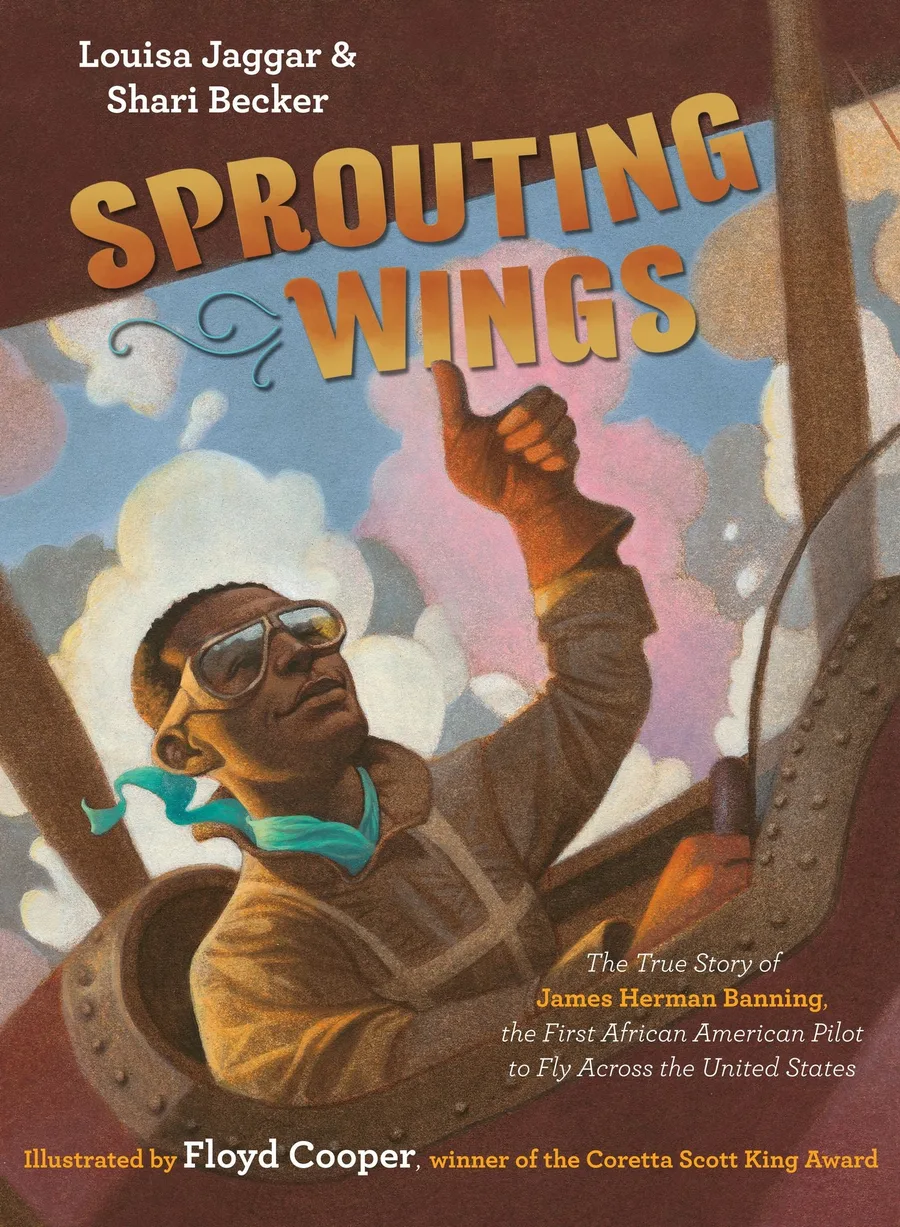 Sprouting WingsLouisa Jaggar, Shari Becker, illustrated by Floyd CooperJames Herman Banning is a farm boy from Oklahoma who dreams of flying. The questions before him are practical and daunting: how can he find a plane, and how will he learn to fly it? He also notices that the other pilots do not look like him. The story follows his effort to make his ambition of reaching the sky real.Kindergarten to Second GradeView book details
 Stitch by StitchConnie Schofield-MorrisonThis picture-book biography tells of Elizabeth Hobbs Keckly, an enslaved woman and skilled needleworker. Born in 1818 on a Virginia plantation, she bought freedom for herself and her son. Keckly later became Mary Todd Lincoln’s dressmaker. Historical details and words from Keckly’s journals are combined with mixed-media artwork using oil paint, fabric, embroidery, and appliqué.Kindergarten to Second GradeView book details
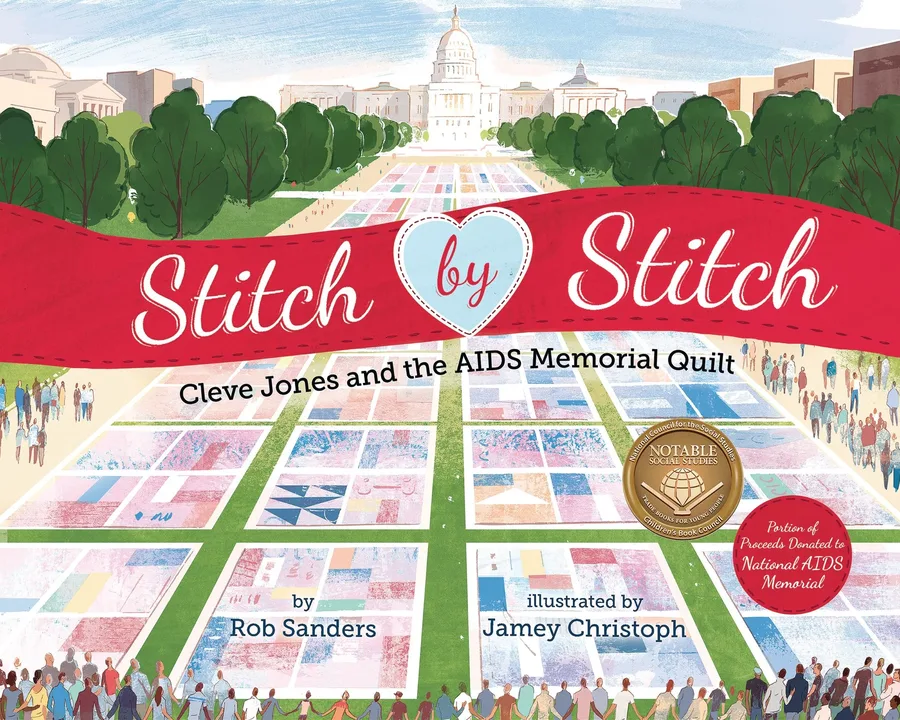 Stitch by Stitch: Cleve Jones and the AIDS Memorial QuiltRob Sanders, illustrated by Jamey ChristophThis biographical picture book traces key threads in Cleve Jones’s life, beginning with a blanket made by his great-grandmother. As a young man in San Francisco, he gathered friends and developed the idea for a large memorial made from fabric and thread. The book focuses on Jones as the person who imagined the AIDS Memorial Quilt, a textile monument assembled piece by piece. Supplementary material includes a discussion guide, a timeline, and additional information about his life.Kindergarten to Second GradeView book details
 Survivor TreeMarcie ColleenA pear tree grows at the foot of the Twin Towers in New York City, marking the seasons amid streets, buildings, roots, and sewer pipes. Thirty years later, it stands between the towers when two airplanes strike them. The tree survives the collapse’s rubble, though most of it is destroyed. Green shoots are found in the ruins, and the tree is moved and replanted in good soil. Centering the tree’s experience, the book recounts survival after September 11 and the regrowth that follows devastation.Kindergarten to Second GradeLexile Text Measure 420LATOS Book Level 2.9View book details
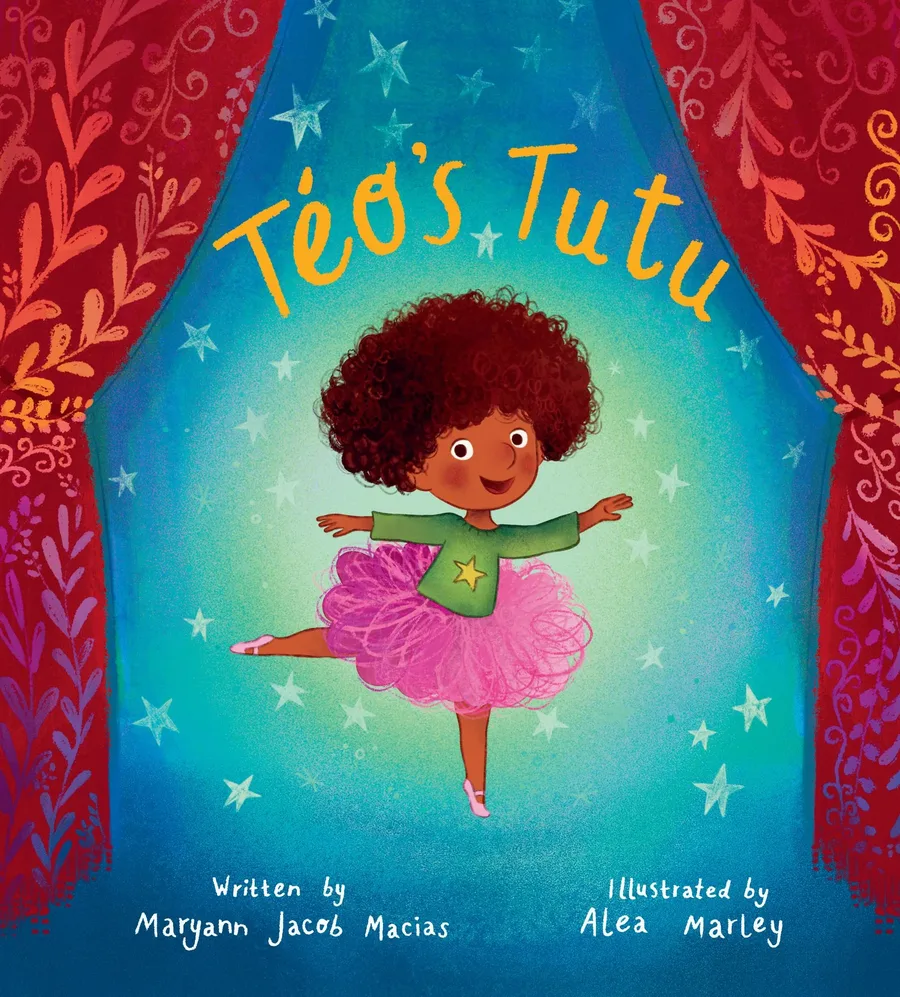 Téo’s TutuMaryann Jacob Macias, illustrated by Alea MarleyTéo loves dancing cumbia with Papí, bhangra with Amma, and ballet in Miss Lila’s class. He also loves how wearing a tutu makes him feel. Before his first ballet recital, however, Téo must choose between a sparkly tutu and silver pants, and he worries about being his most authentic self onstage. The story follows his relationship with dance, clothing, and self-expression.Kindergarten to Second GradeView book details
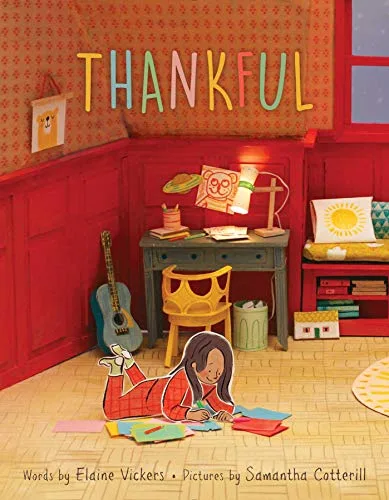 ThankfulElaine Vickers, illustrated by Samantha CotterillAs the season’s first snow falls, a girl makes a Thankful Chain to mark small joys in her life. The picture book takes the form of a lullaby about appreciating everyday things. One source describes gratitude for a home that is safe and warm. Diorama illustrations bring the book’s winter setting and reflections on home, safety, and everyday gratitude to life.Kindergarten to Second GradeLexile Text Measure AD450LATOS Book Level 3.3View book details
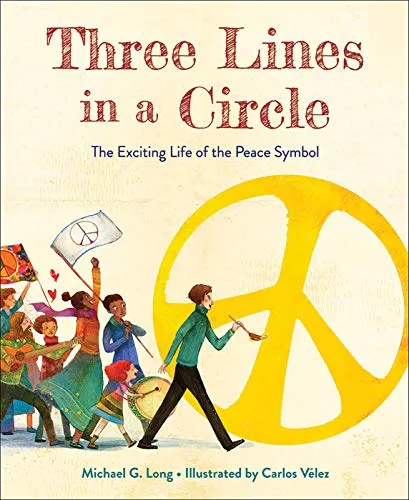 Three Lines in a Circle: The Exciting Life of the Peace SymbolMichael G. Long, illustrated by Carlos VélezThis picture book follows the history of the peace sign, a design made of three lines enclosed by a circle. A London activist created it in 1958 while protesting nuclear weapons. The book then traces how the image traveled beyond its original purpose, becoming a recognizable symbol in demonstrations and social movements around the world.Kindergarten to Second GradeView book details
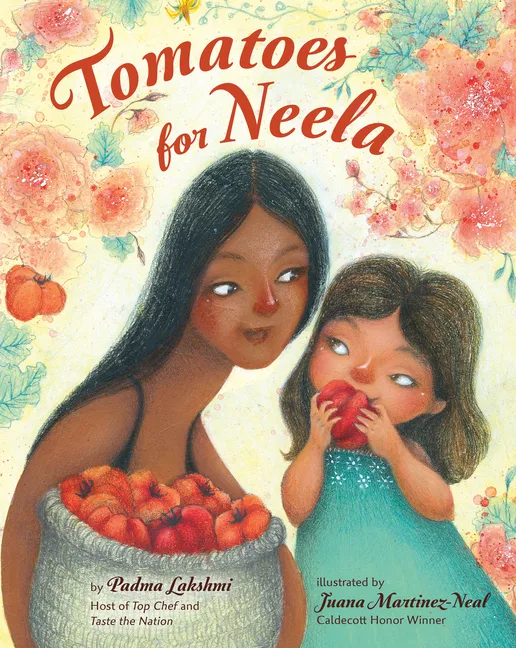 Tomatoes For NeelaPadma Lakshmi, illustrated by Juana Martinez-NealNeela cooks with her amma and records recipes in a notebook. Cooking helps her feel close to Paati, her grandmother, who lives in India. On a Saturday trip to the green market, Neela and Amma shop for tomatoes for Paati’s sauce. Before choosing, Neela learns about the different kinds of tomatoes available. The story connects a family recipe with a grandmother living far away.Kindergarten to Second GradeLexile Text Measure AD890LATOS Book Level 5.7View book details
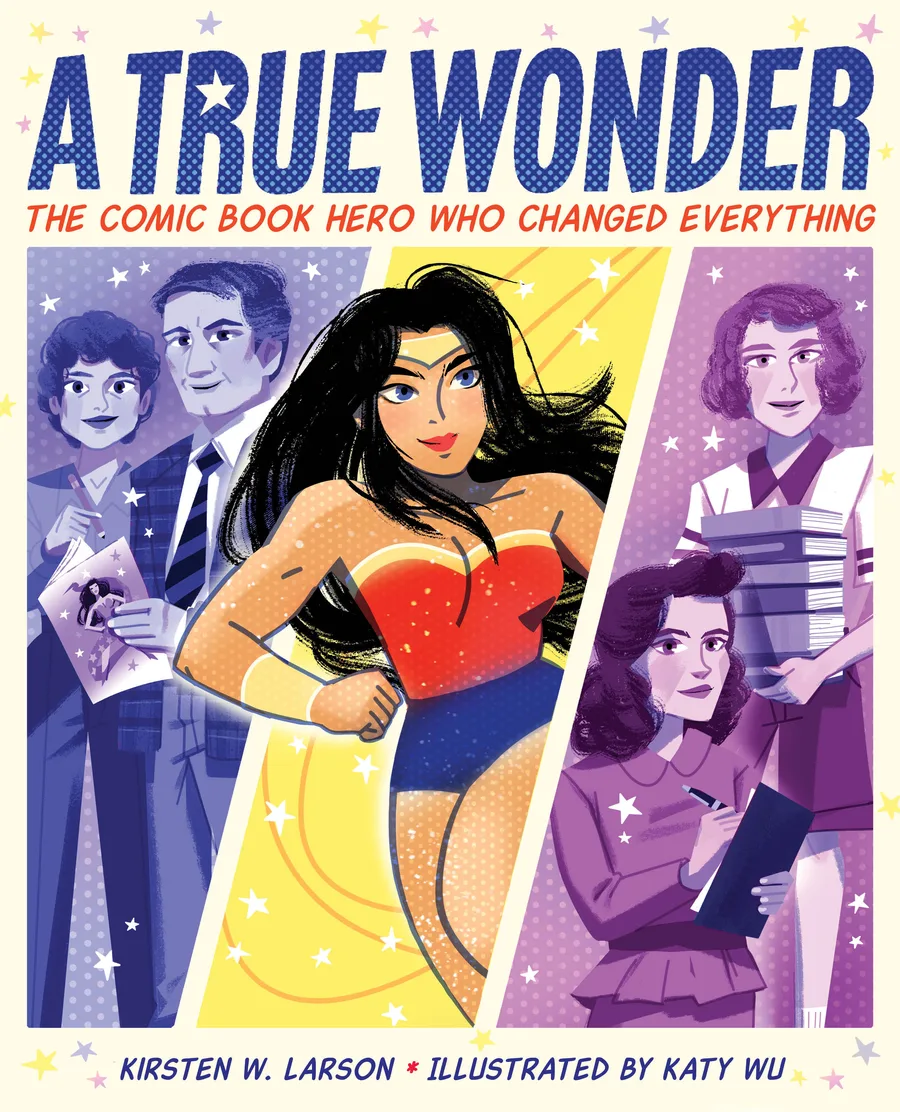 A True WonderKristen Larson, illustrated by Katy WuA True Wonder takes a behind-the-scenes view of Wonder Woman’s development as a comic-book character. It follows the character’s creation and later evolution, connecting that history with women who were working for gender equality. Wonder Woman is presented as a figure associated with female strength and power, and the book considers her influence on girls and women across generations.Kindergarten to Second GradeView book details
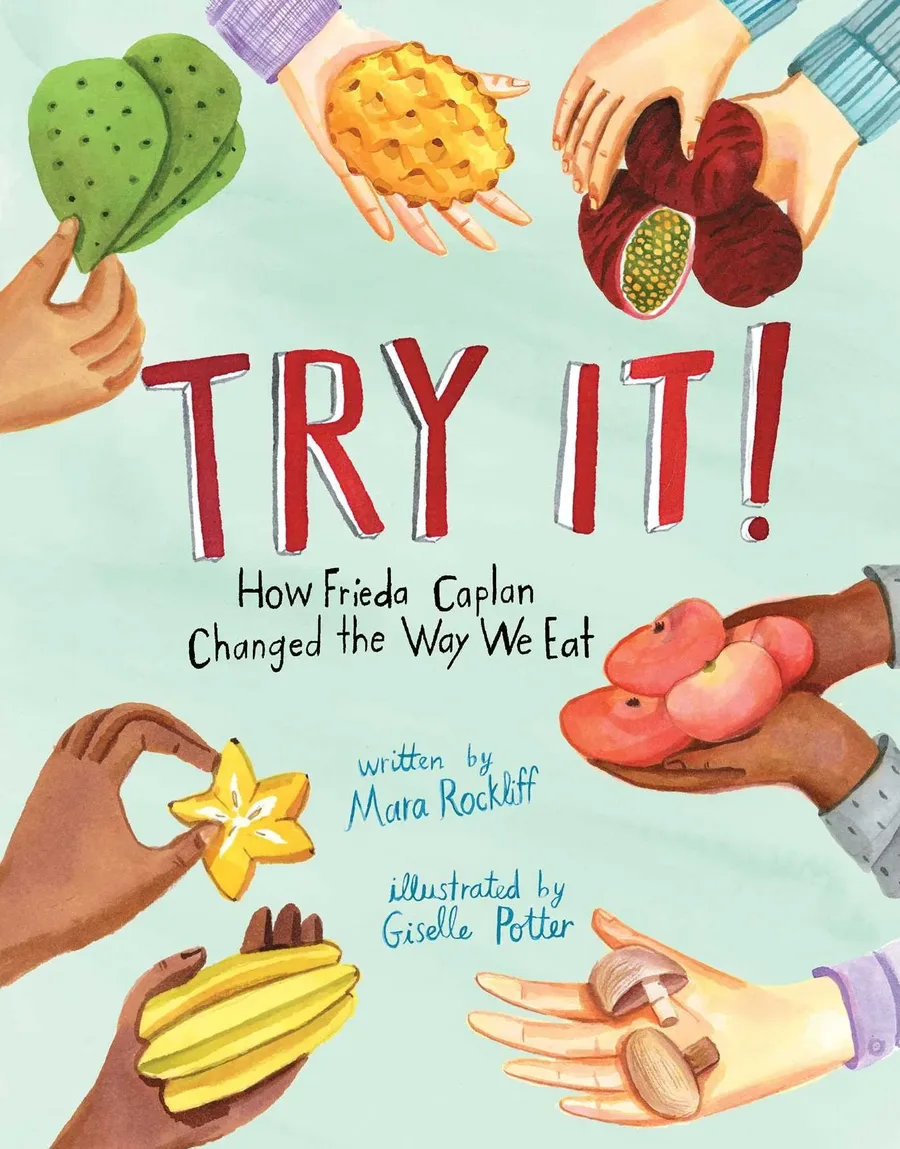 Try It! How Frieda Caplan Changed the Way We EatMara Rockli ff, illustrated by Giselle PotterFrieda Caplan worked at Los Angeles’s Seventh Street produce market in the 1950s and wondered about fruits and vegetables that were not commonly sold nearby. She introduced unfamiliar produce to customers, beginning with mushrooms, and offered ideas for preparing it. Her curiosity led her to try items such as kiwis, jicama, cherimoyas, black radishes, dragonfruit, and lychees before encouraging others to sample them. Later, her daughters joined her work, helping expand supermarket produce choices across the United States.Kindergarten to Second GradeView book details
 Unbound: The Life and Art of Judith ScottJoyce Scott, with Brie SpanglerThis account of artist Judith Scott is told by her twin sister, Joyce. As children in the 1940s, Judy and Joyce are inseparable until Judy, who is nonverbal and has Down syndrome, is sent to a special school. Years later, Judy moves in with Joyce and attends the Creative Growth Art Studio, where she begins making colorful wrapped and woven, cocoon-like artworks.Kindergarten to Second GradeLexile Text Measure AD810LFountas & Pinnell Text Level TView book details
 The Water Lady: How Darlene Arviso Helps a Thirsty Navajo NationAlice B. McGintyThis picture-book account follows Darlene Arviso as she delivers water by tanker truck to homes on the Navajo reservation. When Cody’s family runs out of water, he learns about the Water Lady’s route as she fills her truck at a water tower and travels from home to home. Over a month, she serves more than 200 families before beginning again. At Cody’s house, she refills the family’s barrels with clean water, which they use carefully and sparingly.Kindergarten to Second GradeView book details
 WatercressAndrea WangA Chinese American girl joins her family in gathering wild watercress beside a road in Ohio. She feels embarrassed by the stop, but her mother shares memories from China that reveal why the food matters to their family. Through the watercress, the girl begins to understand the connection between a familiar meal, her parents’ immigrant experience, and family memories that link the past with the present.Kindergarten to Second GradeLexile Text Measure AD610LATOS Book Level 4View book details
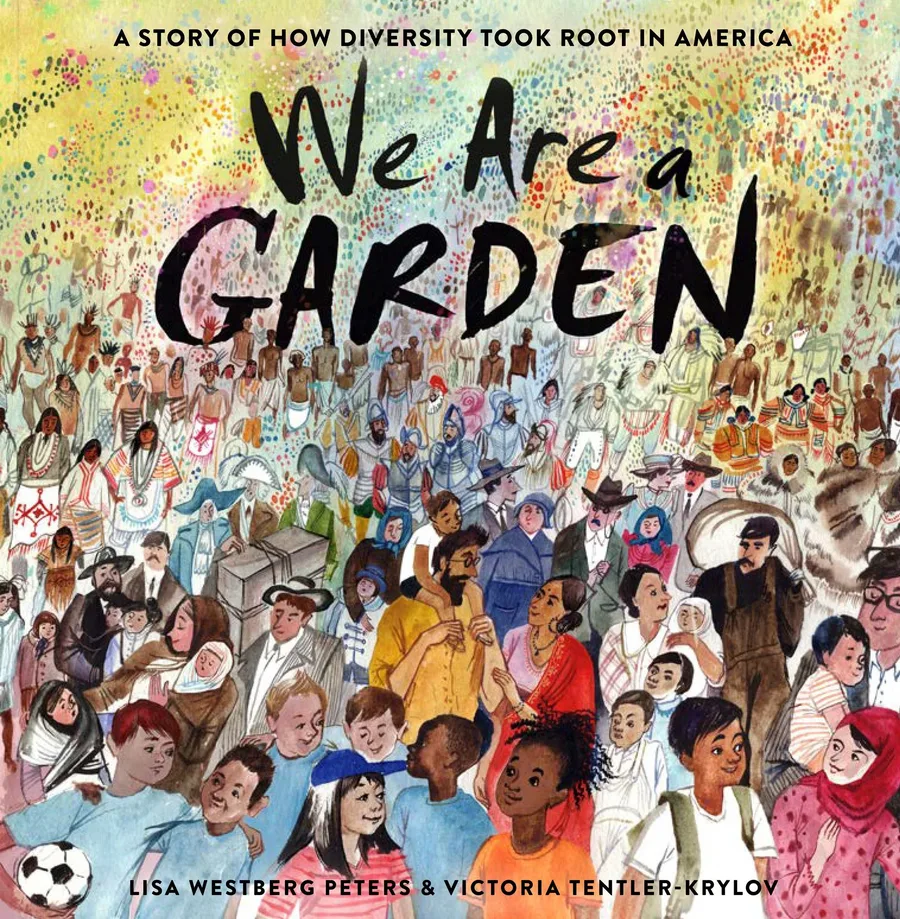 We Are a GardenLisa Westberg Peters, illustrated by Victoria Tentler-KrylovThis picture book traces the many migrants who have made homes in North America across centuries. A recurring wind carries people to a new land, beginning with a girl and her clan while mammoths roam the tundra, then a boy and his family crossing frigid waters. As time passes, newcomers arrive from many directions, creating a story of migration and diversity.Kindergarten to Second GradeView book details
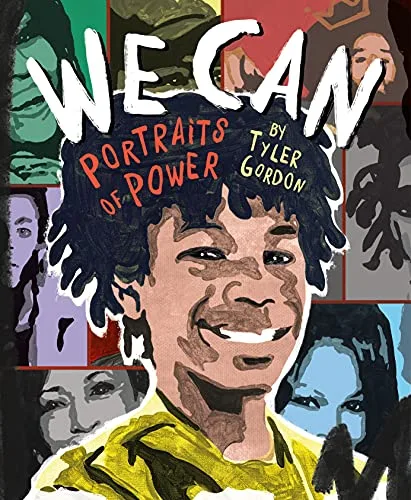 We Can: Portraits of PowerTyler GordonIn We Can: Portraits of Power, a first-person speaker recounts the doctors' statements given when they were born. The speaker's mother was told survival was uncertain. The doctors expected health problems and said the child would be blind, deaf, and severely mentally delayed. Tyler Gordon wrote this 40-page book in 2021.Kindergarten to Second GradeView book details
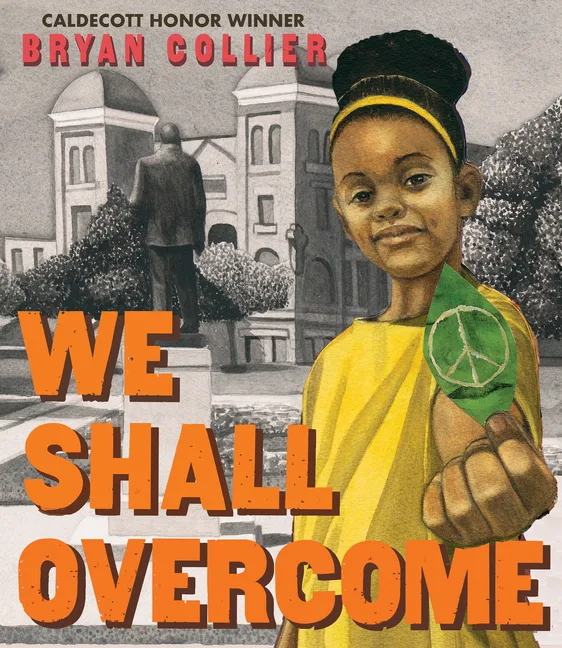 We Shall OvercomeBryan CollierThis picture book places the lyrics of the civil rights anthem alongside collage illustrations. It connects events and struggles from the twentieth-century Civil Rights movement with a contemporary Black child’s day, as well as present-day protests and demonstrations. The book traces the song’s role in nonviolent civil rights activism and the continuing pursuit of justice.Kindergarten to Second GradeLexile Text Measure AD360LATOS Book Level 2.7View book details
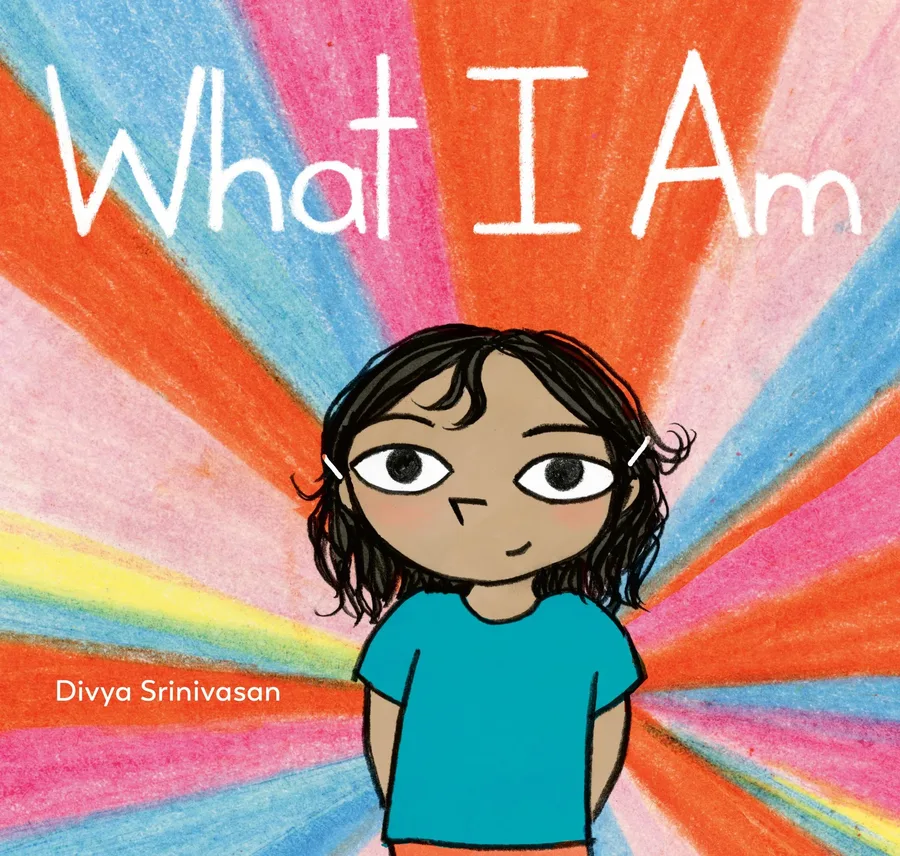 What I AmDivya SrinivasanA young girl considers how to answer a question about what she is. Her response gathers many parts of her identity: she is a girl, human, daughter, granddaughter, Indian, and American. She also describes herself through contrasts and changing feelings: she can love animals while being nervous around them, or be selfish and generous, mean and kind, scared and brave in different circumstances. The book presents identity as personal, layered, and connected to family and relationships.Kindergarten to Second GradeView book details
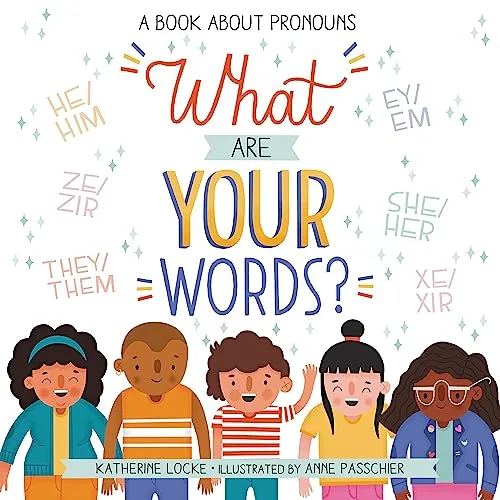 What Are Your Words?: A Book about PronounsKatherine Locke, illustrated by Anne PasschierIn What Are Your Words?, Katherine Locke uses Ari's neighborhood search to introduce gender-inclusive pronouns. Ari moves through their neighborhood while trying to find their words. The book connects the search to its discussion of pronouns, using Ari's movement through the local setting as its frame. Little, Brown Books for Young Readers published the 40-page book on May 25, 2021.Kindergarten to Second GradeView book details
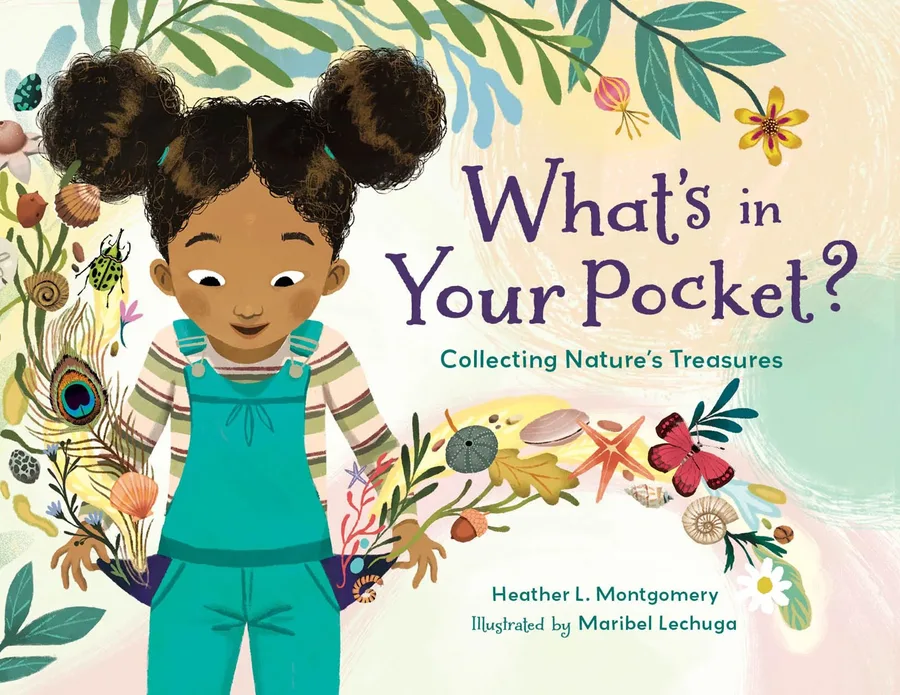 What’s in Your Pocket?Heather L. MontgomeryThrough biographical sketches, it introduces nine scientists and explains how they got their start. It links childhood curiosity to the discoveries of nine scientists. Jane Goodall, Charles Darwin, and George Washington Carver are described as curious children with pockets full of treasures. Digital illustrations portray them as children and as adults. It also includes back matter and notes from its author and illustrator.Kindergarten to Second GradeView book details
 Who Is Jane Goodall?Lisbeth Kaiser, Who HQ, illustrated by Stanley ChowJane Goodall’s life and work are presented in a board-book biography with brief chronological text. It traces her path to becoming a scientist who observed chimpanzees in Africa for decades, then a conservationist and activist. Stanley Chow’s stylized illustrations accompany the pages. At the back, a read-aloud biographical summary connects her curiosity and care for nature with primate research and patient observation.Kindergarten to Second GradeLexile Text Measure AD640LFountas & Pinnell Text Level LView book details
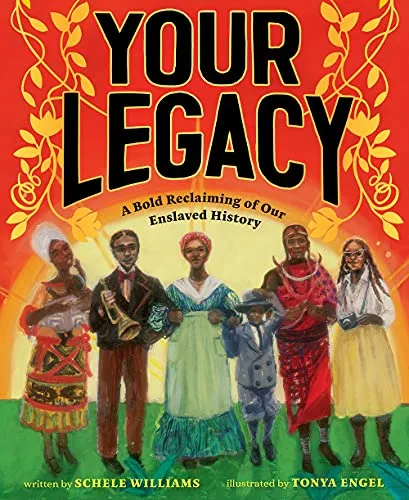 Your Legacy: A Bold Reclaiming of Our Enslaved HistorySchele Williams, illustrated by Tonya EngelThis picture book introduces African American history through centuries of courage and survival. It begins with African ancestors and addresses 400 years of slavery in America, focusing on the legacy carried forward across generations. The book honors enslaved ancestors while presenting their endurance and the history passed down to their descendants.Kindergarten to Second GradeView book details
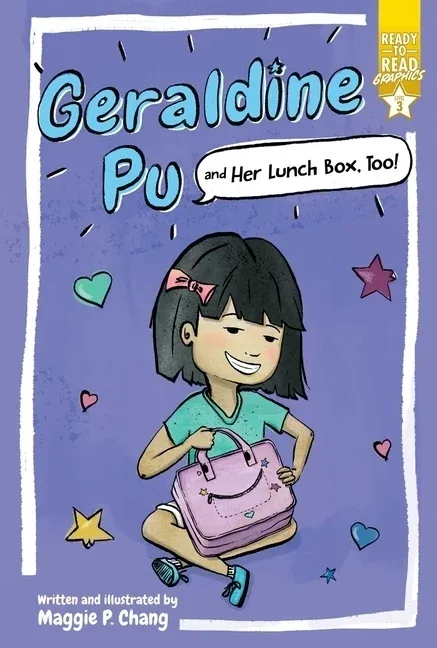 Geraldine Pu and Her Lunch Box, Too!Maggie P. Chang, illustrated by Maggie P. ChangGeraldine Pu’s favorite time at school is lunch, when she opens the lunch box she calls Biandang. She eagerly anticipates the food her grandmother, Amah, packs for her. One day, the lunch box contains stinky tofu as well as an unexpected surprise. Geraldine’s school experiences include confronting a bully and making a new friend, alongside the cultural traditions connected with her family’s food.Kindergarten to Second GradeLexile Text Measure GN480LATOS Book Level 3.2View book details
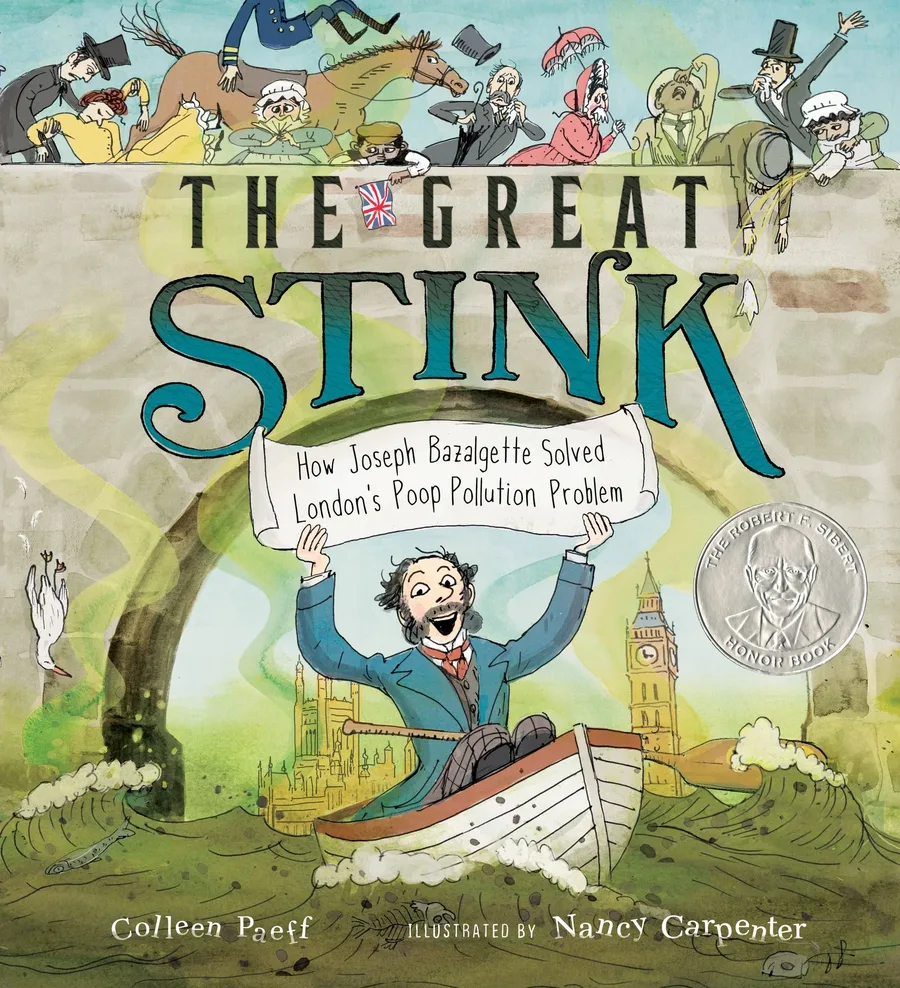 Great StinkColleen PaeffThis nonfiction picture book examines London’s sewage pollution in the summer of 1858, when waste contaminated the River Thames and the city’s drinking water. It traces how older sewers built to carry rainwater became connected to toilets and cesspools as London grew, and how polluted water contributed to cholera outbreaks. Engineer Joseph Bazalgette proposed and designed a sewer system that moved sewage through underground pipes to a reservoir before release toward the ocean. Back matter addresses present-day sewage pollution and includes a timeline.Kindergarten to Second GradeView book details
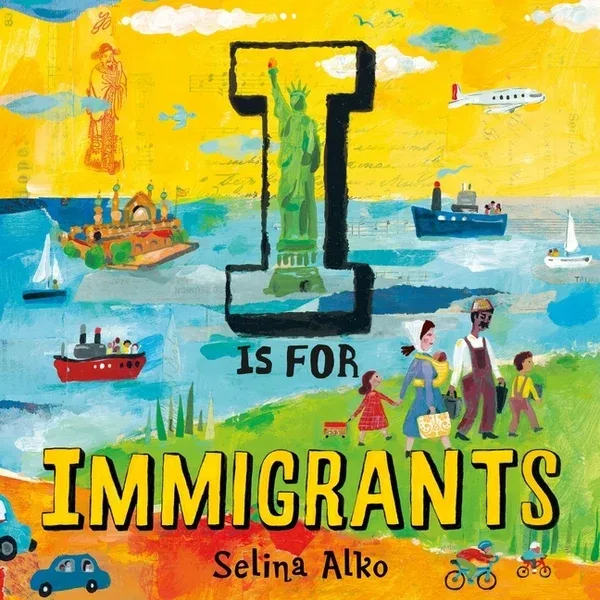 I Is for ImmigrantSelina AlkoAn alphabet picture book brings together a range of immigrant experiences in the United States. Its entries include ambition, African dance, zest, and ziti, highlighting cultural contributions by immigrants. The book also considers the ways immigrant communities enrich shared life. Detailed, colorful illustrations accompany this ABC presentation of immigrant cultures. It is a companion volume to B Is for Brooklyn.Kindergarten to Second GradeLexile Text Measure NP0LATOS Book Level 0.1View book details
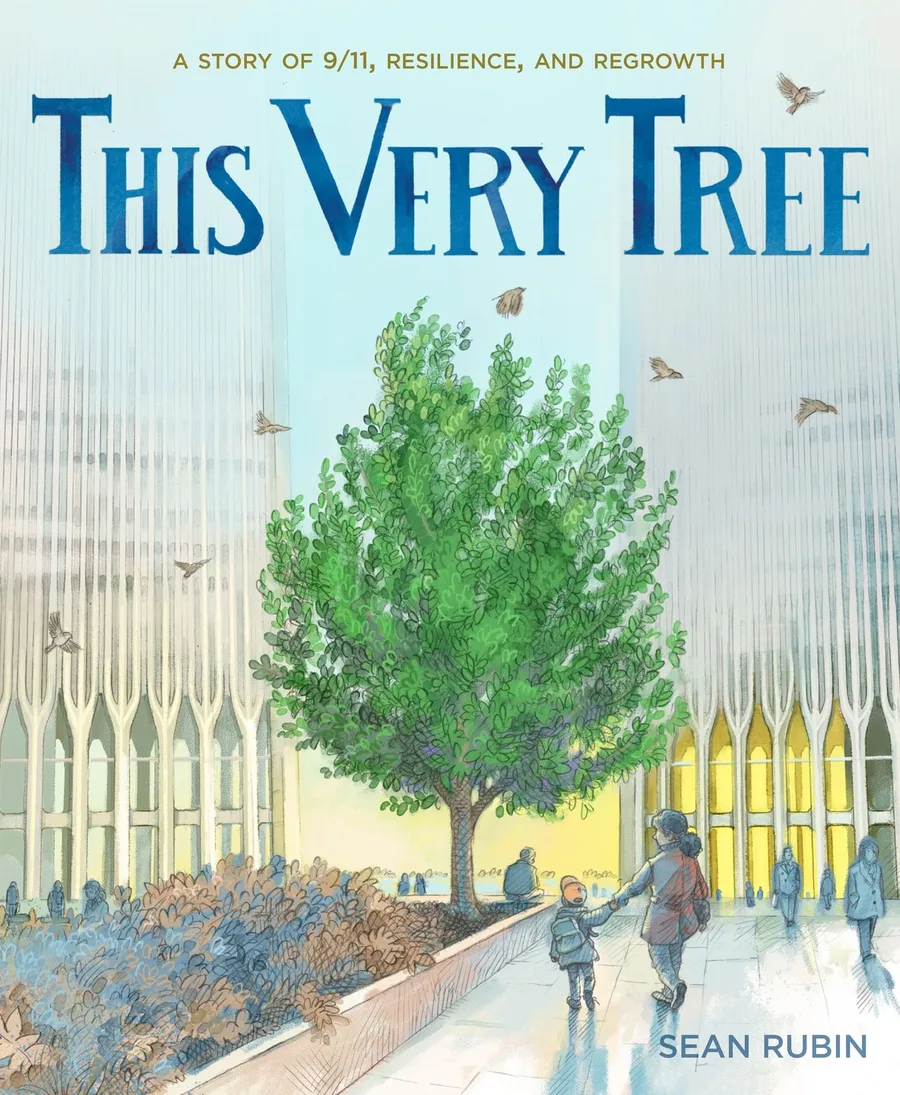 This Very TreeSean RubinTold from the perspective of a tree that survives September 11, this account follows its life over many years. Before the tragedy, the tree offers shade to people seeking rest, provides a home for birds, and brings spring blooms. The story then turns to the tree’s survival of the attacks and the strength and hope connected with its regrowth. Illustrations accompany this tree-centered account of loss, survival, and renewal after September 11.Kindergarten to Second GradeLexile Text Measure AD520LATOS Book Level 3.4View book details
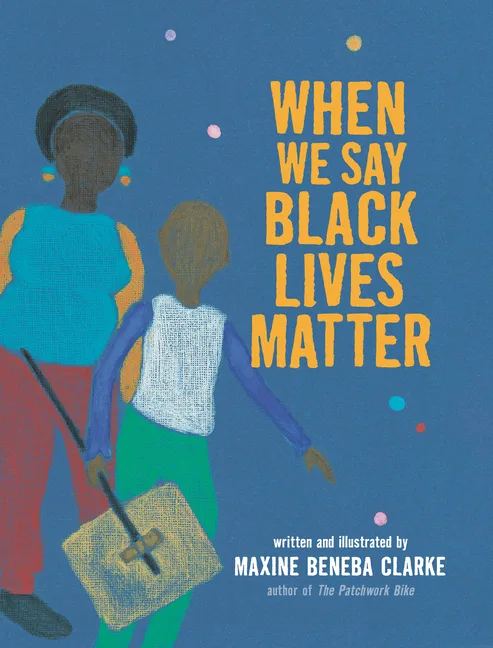 When We Say Black Lives MatterMaxine Beneba Clarke, illustrated by Maxine Beneba ClarkeA loving Black parent helps a young child understand the meaning and significance of Black Lives Matter. The story places that conversation in family life, school, and other everyday settings, while also looking to history and ancestors. Protest scenes and people making music on djembe drums appear alongside the refrain. The book holds hope, warmth, strength, anger, and joy together as the child encounters the movement’s message.Kindergarten to Second GradeLexile Text Measure 530LATOS Book Level 3.5View book details
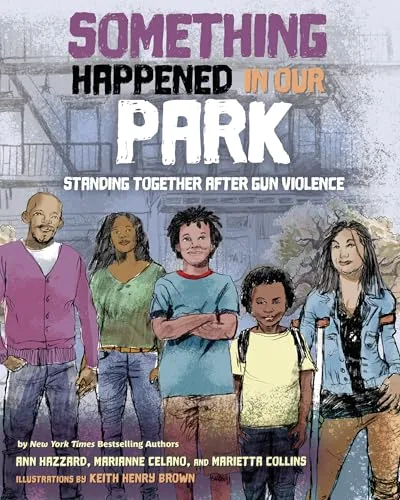 Something Happened in Our Park: Standing Together After Gun ViolenceAnn Hazzard, Marianne Celano, Marietta Collins, illustrated by Keith Henry BrownAfter Miles’s cousin Keisha is hurt in a shooting, he and his community face the aftermath of gun violence. The story follows Miles as he comes to understand that people can join together to lower the chance of future violence where they live. It centers on a community responding after a shooting and on collective efforts to make that community safer.Kindergarten to Second GradeView book details
Third to Fifth Grade
45 selections
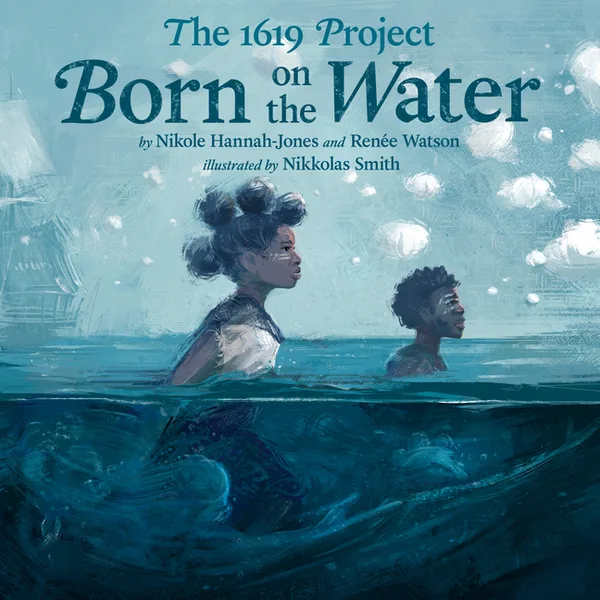 1619: Born On The WaterNikole Hannah-Jones, Renée WatsonWritten in verse and illustrated by Nikkolas Smith, this picture book follows a student as she discovers her family’s concealed history. The account traces African American ancestry from 1619, considering both African ancestors’ lives before enslavement and slavery’s origins and lasting effects in the United States. Across this history, the student encounters a family legacy marked by endurance and hope.Third to Fifth GradeLexile Text Measure 860LATOS Book Level 5.5View book details
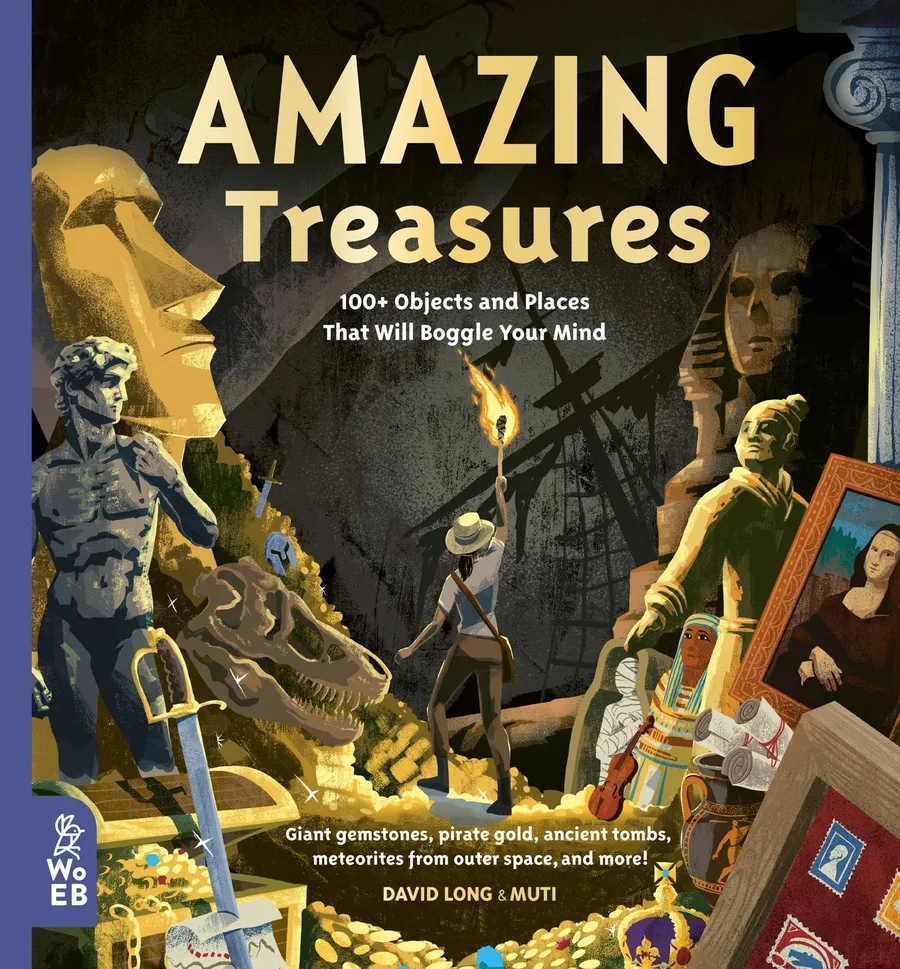 Amazing Treasures: 100+ Objects and Places That Will Boggle Your MindDavid LongThis nonfiction compendium surveys more than 100 natural and human-made treasures from across the world and across thousands of years. Its entries include giant gemstones, precious artworks, architectural landmarks, ruins, moon rocks, sunken ships carrying pirate gold, royal tombs, and meteorites. The collection uses these objects and places to explore history, culture, geology, and the environment. Color illustrations, a glossary, and sources accompany the wide-ranging tour.Third to Fifth GradeView book details
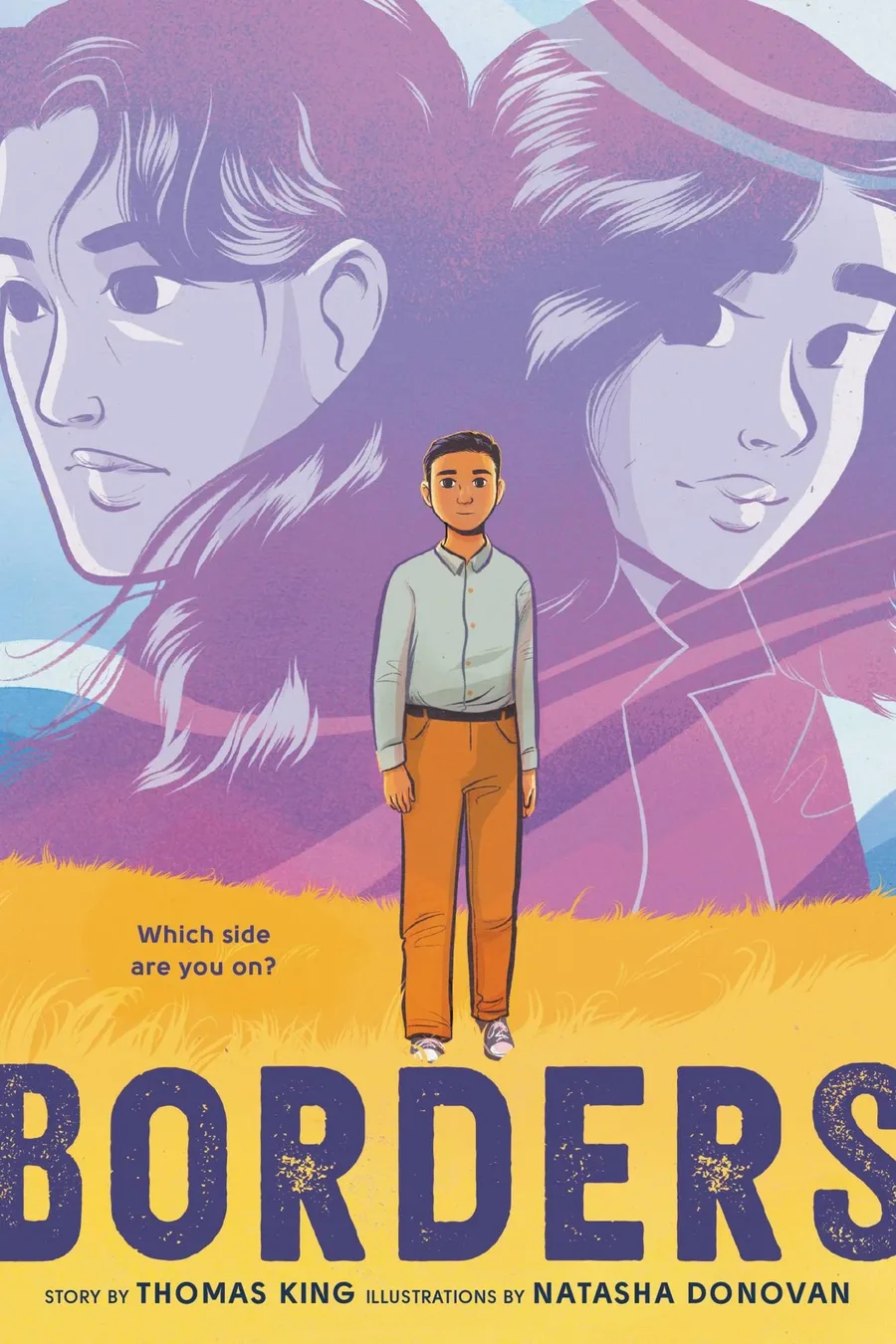 BordersThomas KingA Blackfoot boy and his mother drive from their home on a Blackfoot reserve in Alberta to visit his older sister in Salt Lake City. At the Canada–United States border, officials demand that they identify as either Canadian or American. His mother answers Blackfoot and refuses to choose either national label. Denied entry in both directions, they spend several days in the space between the borders, sleeping in their car and passing time at the duty-free shop. Their journey centers on identity, family, and resistance.Third to Fifth GradeView book details
 Child of the Flower-Song People: Luz Jiménez, Daughter of the NahuaGloria AmescuaThis account follows Luz Jiménez, who was born in late nineteenth-century Milpa Alta, Mexico. Raised with Nahuatl and stories from her Aztec, or Nahua, elders, she learned traditional practices and hoped to read and become a teacher. A government school barred her language and traditions, and after her father’s death during the Mexican Revolution, her family moved to Mexico City. There, Luz worked with artists as a model, taught Nahuatl to scholars, and guided anthropologists and artists through Milpa Alta, helping document her culture.Third to Fifth GradeView book details
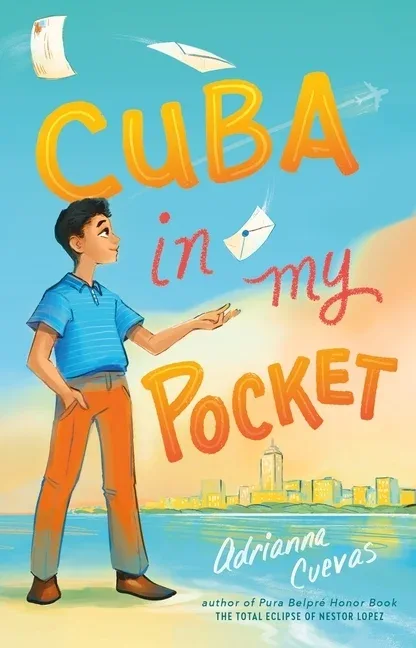 Cuba in My PocketAdrianna CuevasSet in 1961 after the Bay of Pigs invasion strengthens Castro’s power in Cuba, this historical novel follows twelve-year-old Cumba. His family sends him alone to Florida, separating him from home and family. Homesick in the United States, Cumba must adjust to a new home, school, and language while holding onto memories of Cuba and hoping for reunion with his family.Third to Fifth GradeLexile Text Measure 760LATOS Book Level 4.8View book details
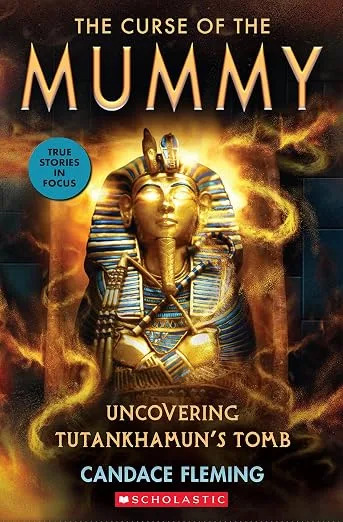 The Curse of the MummyCandace FlemingCandace Fleming’s narrative nonfiction book explores the search for Tutankhamun’s tomb and the controversy that followed its discovery. It begins with the young pharaoh’s life and burial, then turns to the European fascination with ancient Egypt and the long effort to locate his resting place. The account follows the opening of the tomb, disputes over ownership of its treasures, and the Western public’s belief that those who disturbed it faced a curse. Reports of illnesses, accidents, and deaths become part of an examination of how archaeological discovery, competing interests, and sensational stories shaped public understanding of the excavation.Third to Fifth GradeATOS Book Level 6.8AR Interest Level MG+ 6 and upView book details
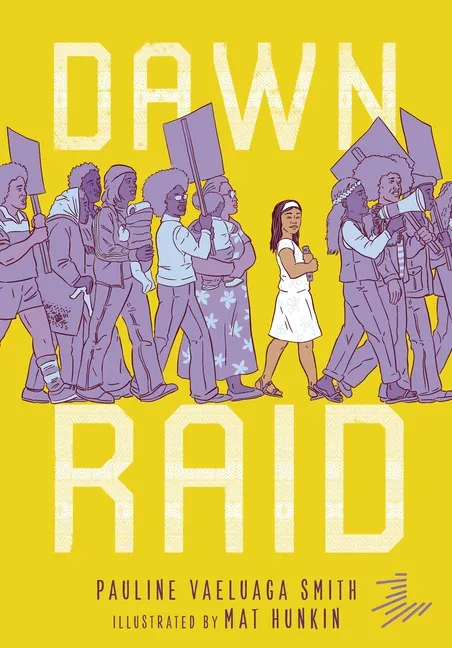 Dawn RaidPauline Vaeluaga SmithIn mid-1970s New Zealand, twelve-year-old Sofia, who is Samoan and white, prepares for a regional speech contest after a successful classroom talk about herself. Seeking a subject that matters to her, she learns from her brother about the Polynesian Panthers, a community-support and activist group opposing dawn raids on Pacific Islanders. Sofia discovers that the raids target people whose visas have expired but are racially focused. Her diary-recorded story brings together family, friendship, activism, and social justice.Third to Fifth GradeView book details
 A Day for Rememberin’: Inspired by the True Events of the First Memorial DayLeah HendersonTold by a young boy, this picture book recounts a Decoration Day observance in Charleston, South Carolina. His community of formerly enslaved people gathers to honor Union soldiers who died in the war. The story draws on events of May 1, 1865, which is regarded as the first Memorial Day, and places the remembrance within the boy’s understanding of a day important enough for him to leave school.Third to Fifth GradeATOS Book Level 4.8AR Interest Level Middle Grades (MG 4-8)View book details
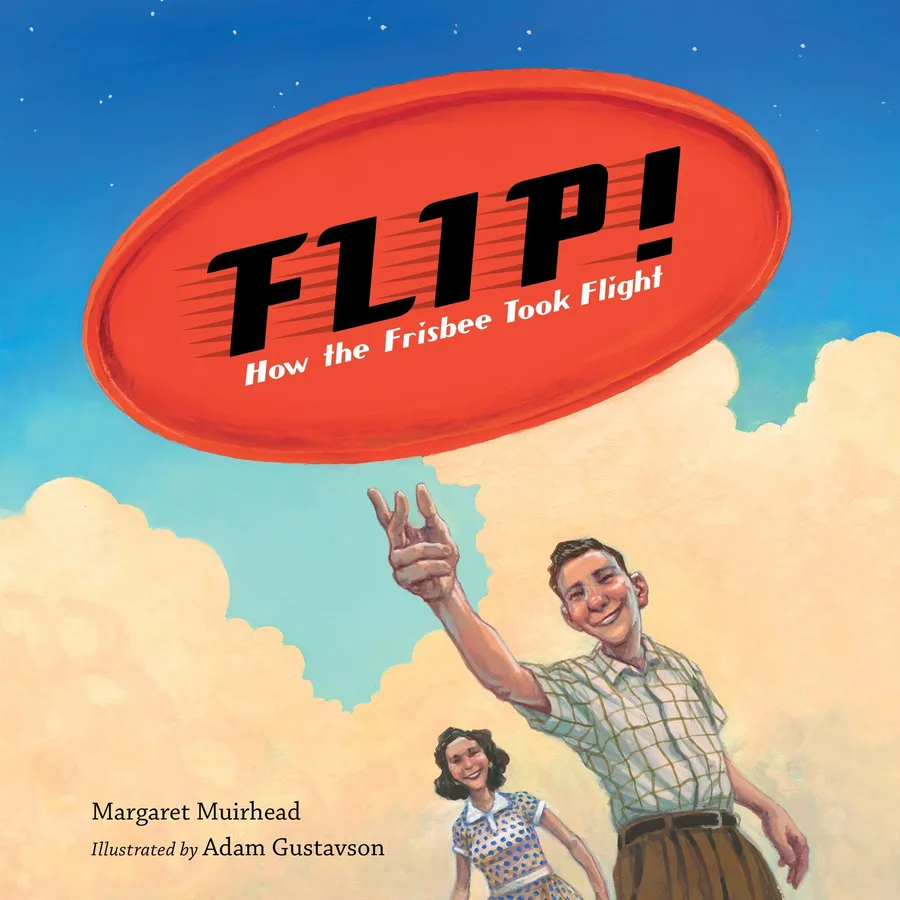 Flip! How the Frisbee Took FlightMargaret Muirhead, illustrated by Adam GustavsonThis picture-book biography focuses on the inventor of the Frisbee. It follows the development of the invention through changes and unexpected turns, rather than treating innovation as a simple path. The book also emphasizes the persistence involved in reaching success, connecting the Frisbee’s creation to the inventor’s sustained effort and the uneven course of invention.Third to Fifth GradeView book details
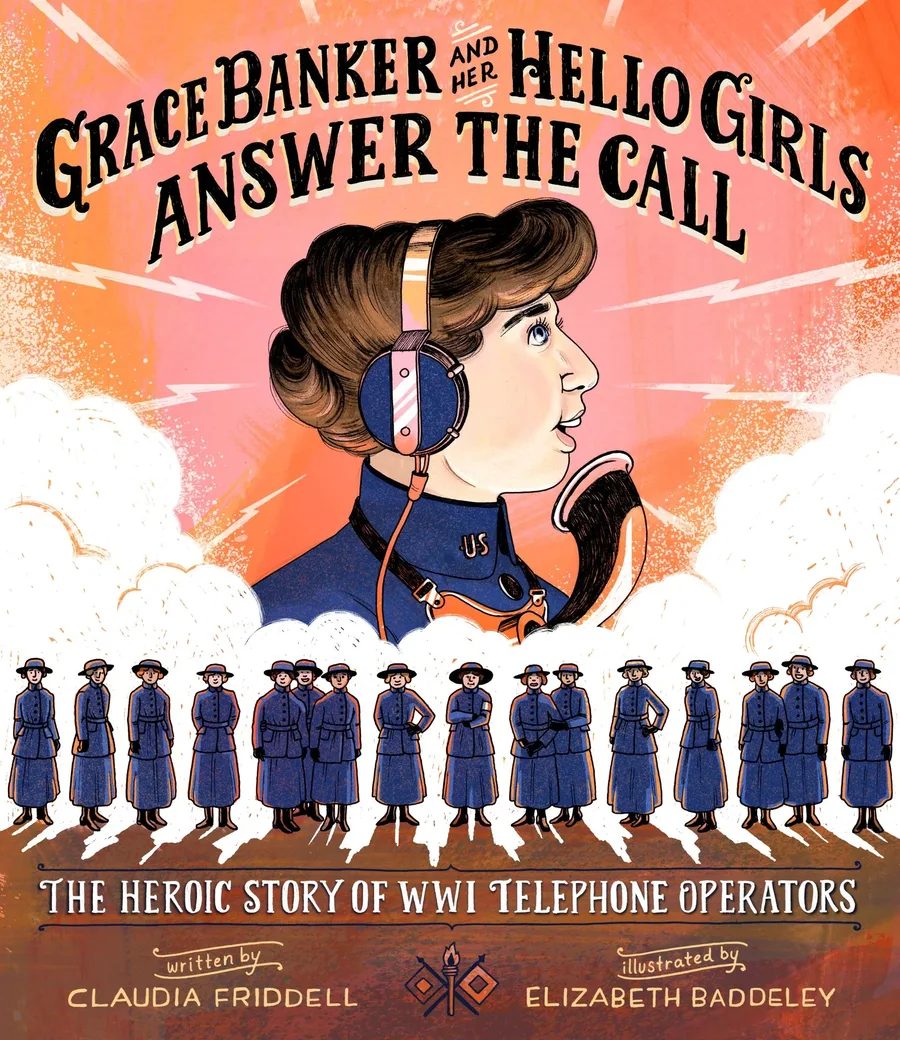 Grace Banker and Her Hello Girls Answer the Call: The Heroic Story of WWI Telephone OperatorsClaudia FriddellThis account follows Grace Banker from her work training telephone-switchboard operators in New York to her role as a chief operator during World War I. At age twenty-five, she led thirty-two telephone operators known in the United States as the Hello Girls. The group became the first female combatants in the war. The book includes historically accurate illustrations, a timeline, photographs, and additional factual material.Third to Fifth GradeView book details
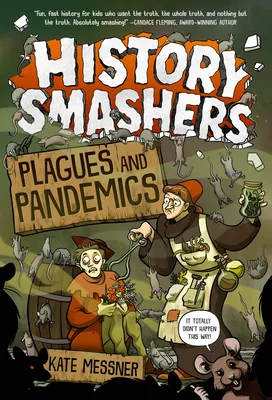 History Smashers: Plagues and PandemicsKate Messner, illustrated by Falynn KochThis nonfiction volume revisits epidemics from the Black Death through COVID-19, looking at bubonic plague, cholera, smallpox, tuberculosis, polio, and influenza. It corrects a popular image of Black Death doctors: the herbal beaked masks associated with them came from a later plague outbreak and were not worn by most physicians. Sidebars, illustrations, photographs, and comics-style panels accompany its history of disease.Third to Fifth GradeView book details
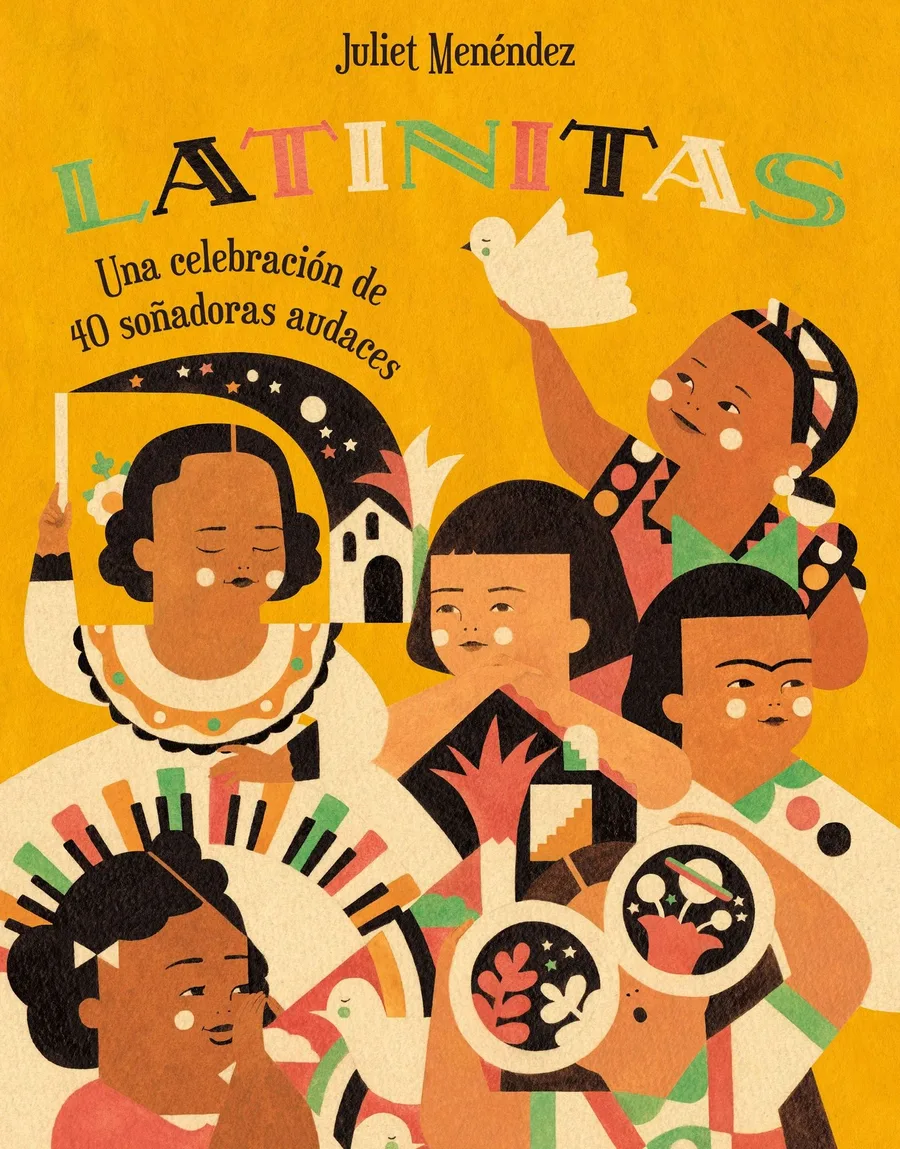 LatinitasJuliet MenéndezLatinitas is the Spanish-language edition of Juliet Menéndez’s author-illustrator debut. It celebrates Latinas and women from Latin America whose influence is recognized today. The book introduces forty influential women and considers how they became the women celebrated in its pages. Menéndez both wrote and illustrated this debut, bringing attention to Latina and Latin American women in a Spanish edition.Third to Fifth GradeView book details
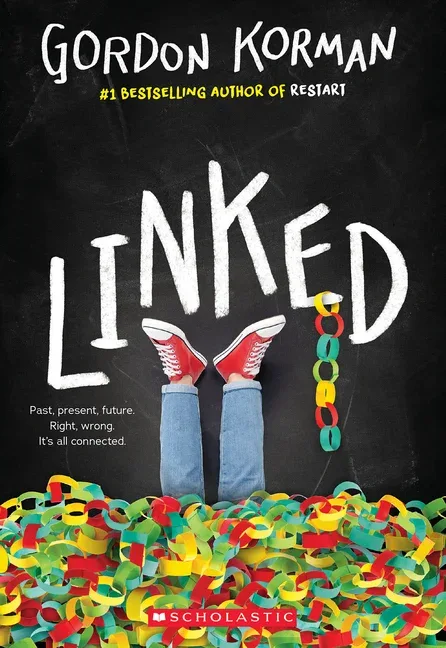 LinkedGordon KormanA swastika appears at a school, disrupting a previously quiet town and leaving students to confront a symbol of hate. Michael, the first person to see the vandalism, becomes the first suspect. Link, a popular student, faces pressure to help determine who is responsible. As swastikas continue to appear, middle schoolers seek understanding, discover more about themselves, and build stronger bonds within their community.Third to Fifth GradeLexile Text Measure 829LATOS Book Level 5.3View book details
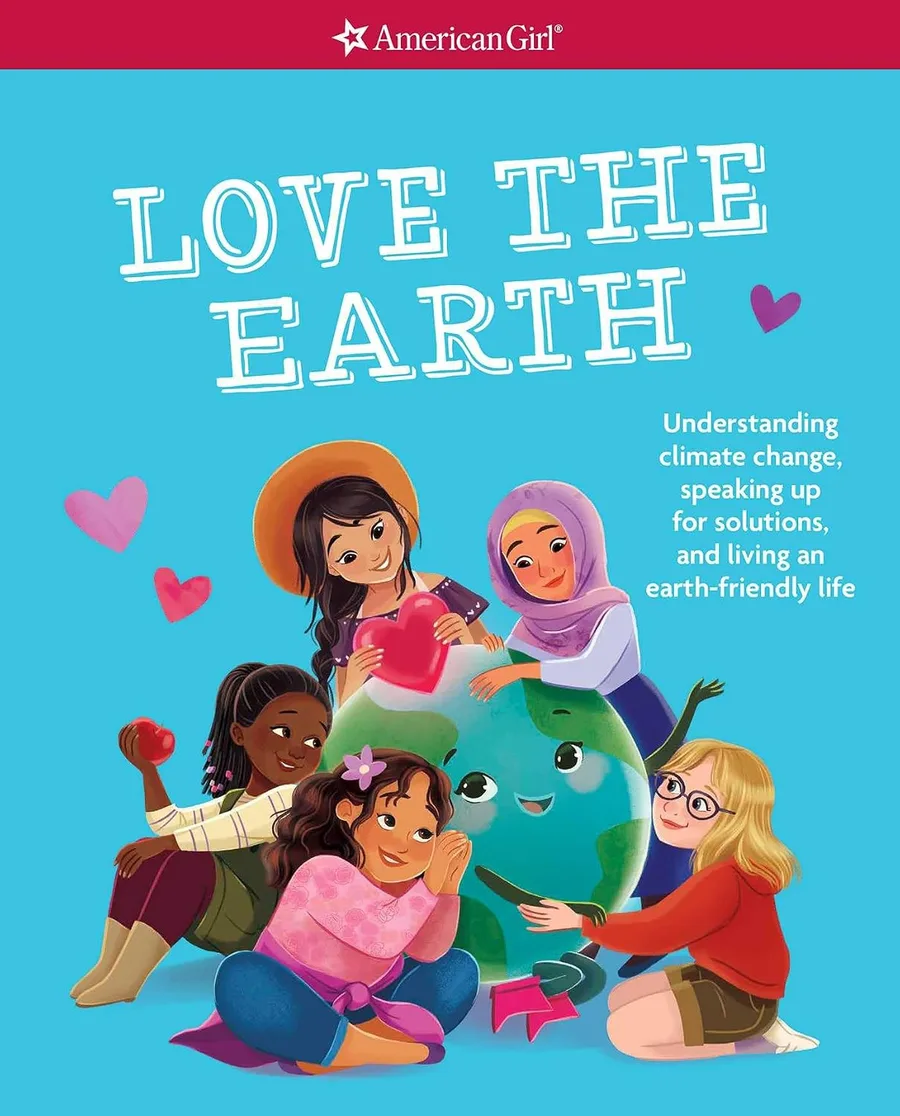 Love the Earth: Understanding Climate Change, Speaking Up for Solutions, and Living an Earth-Friendly LifeMel Hammond, illustrated by Monique DongThis informational book gathers ideas and facts for girls concerned about the Earth. It addresses climate change and helps readers build an understanding of that subject. The book also considers how people can advocate for solutions and make choices that support an Earth-friendly way of living. Its focus joins environmental information with actions and speaking up about possible responses.Third to Fifth GradeView book details
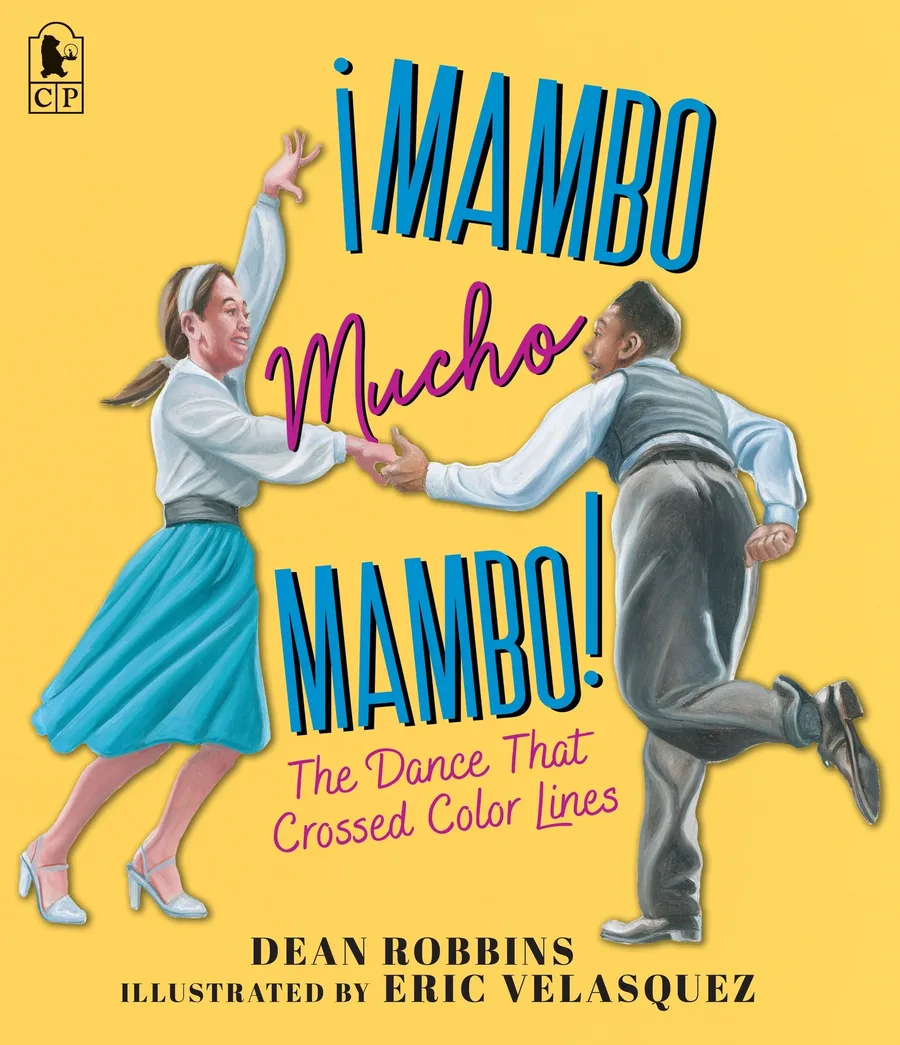 ¡Mambo Mucho Mambo! The Dance That Crossed Color LinesDean RobbinsSet around New York City’s desegregated Palladium Ballroom in the 1940s, this picture book explores the history of mambo and Latin jazz. A diverse cast gathers in a ballroom where music and dance cross racial and cultural boundaries. Millie begins by dancing to jazz in her Italian neighborhood, while the book traces the dance and music traditions associated with mambo. It was published in both Spanish and English.Third to Fifth GradeView book details
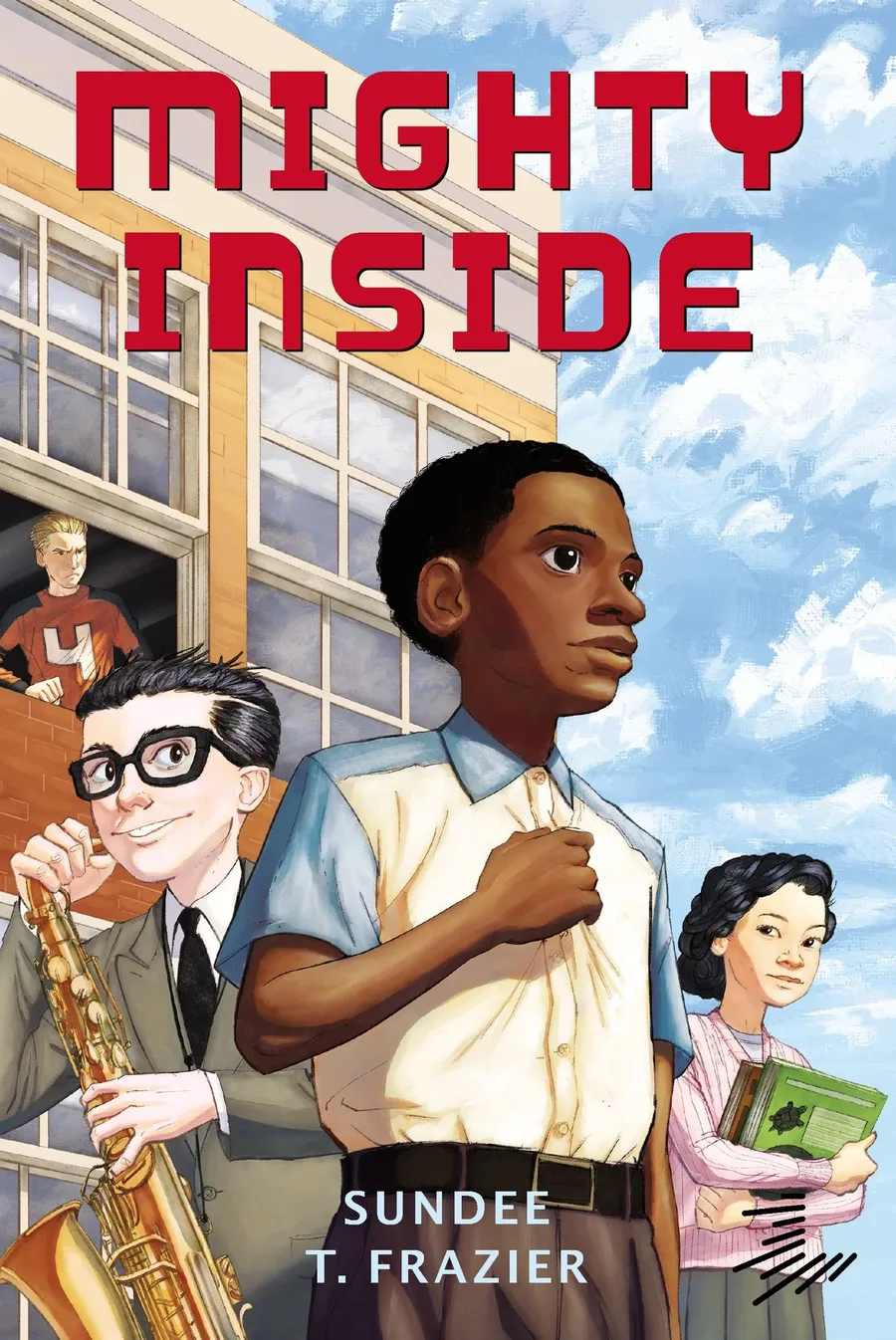 Mighty InsideSundee T. FrazierIn 1950s Spokane, African American Melvin Robinson is preparing to start high school while living in the shadow of his accomplished older siblings. His stutter, intensified by anxiety, and a long-standing white bully make the transition harder. A friendship with Lenny, a white Jewish aspiring musician, grows through their shared interest in music and Melvin’s accordion. Meanwhile, Melvin encounters the Empire Club’s whites-only policy and learns from Millie about her Japanese American family’s wartime imprisonment.Third to Fifth GradeView book details
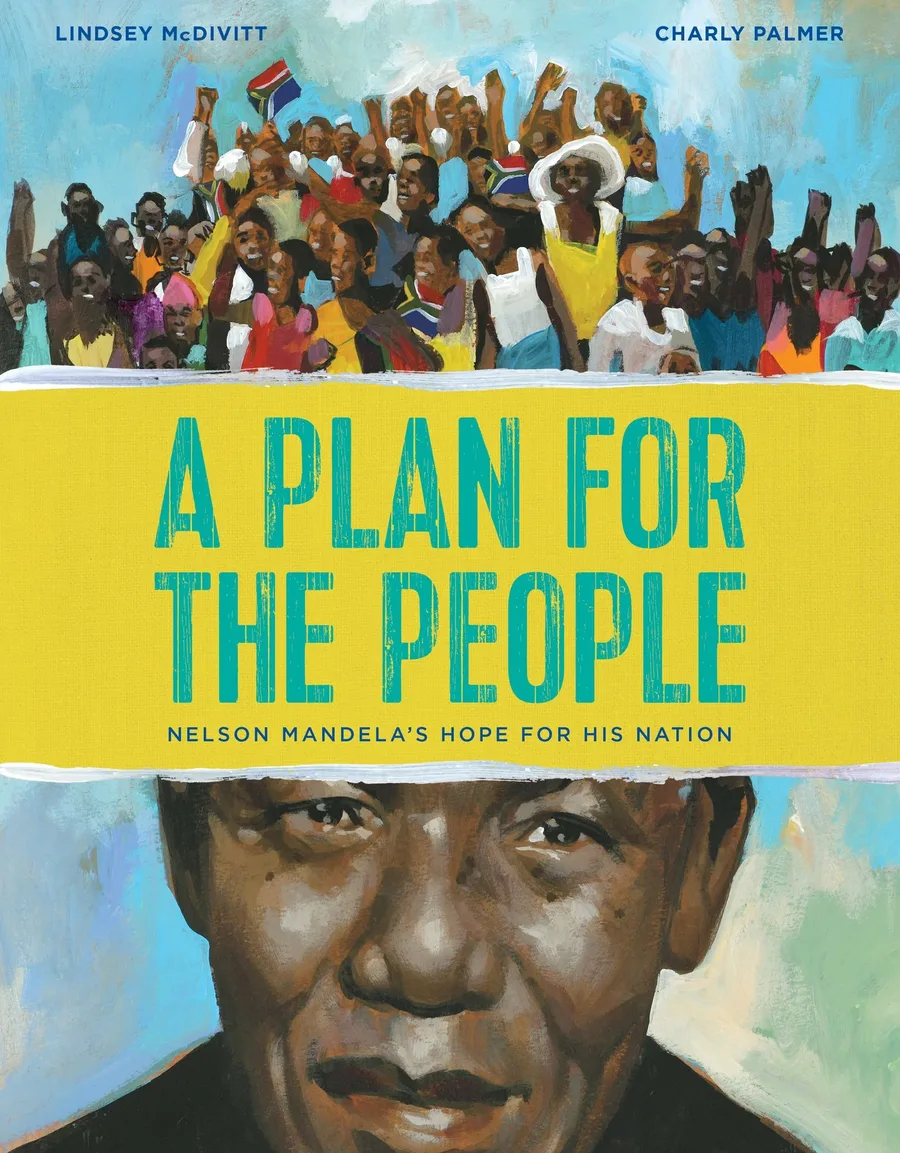 A Plan for the People: Nelson Mandela’s Hope for His NationLindsey McDivittThis book traces Nelson Mandela’s life under apartheid in South Africa, where race-based separation imposed abusive laws and harsh limits on nonwhite citizens. Mandela’s desire for freedom grew alongside his grief and anger, but he retained hope for a nation shared by everyone living there. The account follows his work with the African National Congress, imprisonment on Robben Island, and later rise to the presidency as a force against injustice.Third to Fifth GradeView book details
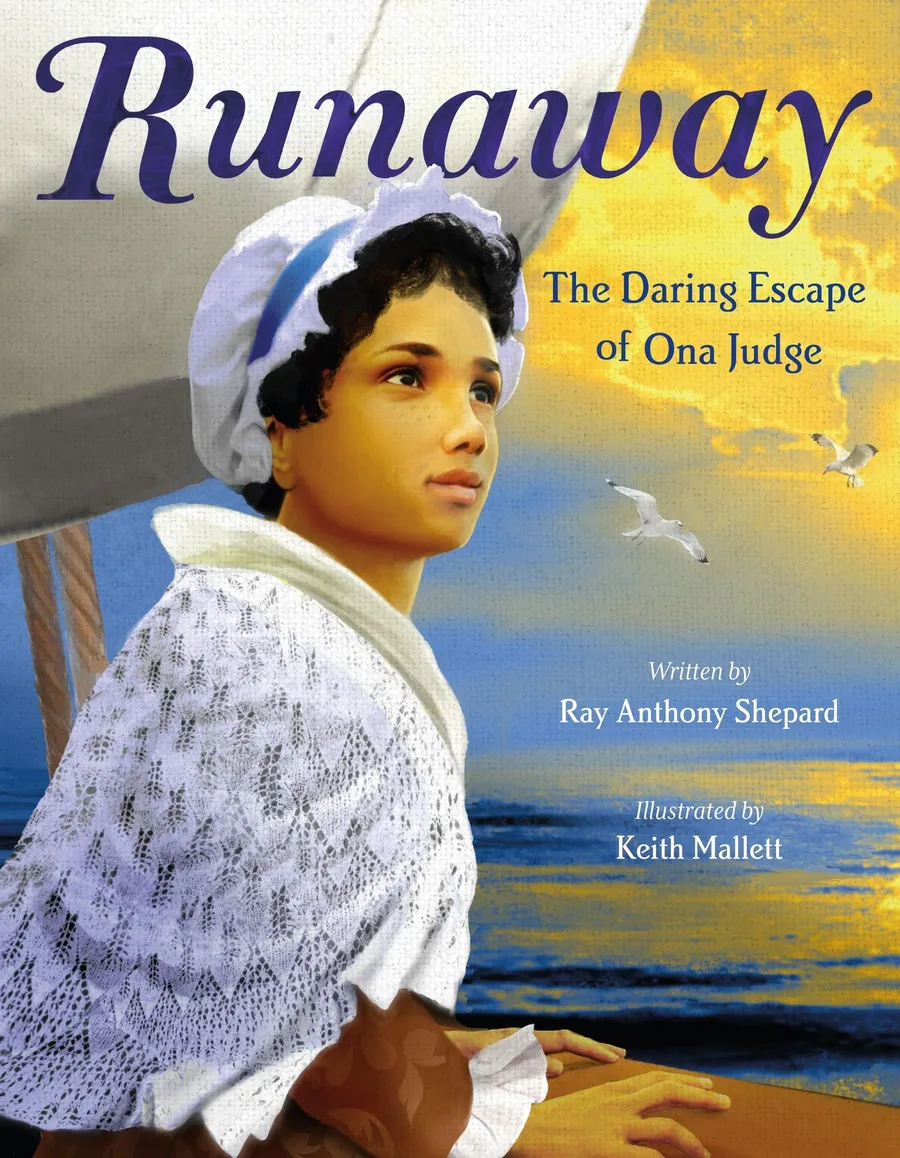 Runaway: The Daring Escape of Ona JudgeRay Anthony ShepardThis poem-based account tells of Ona Judge’s escape from enslavement in George Washington’s household, where she served Martha Washington. Addressing Ona directly, the narrator repeatedly asks why she ran while recounting her life in the Washington home. After her escape, the book answers through Ona’s hopes to read, write, choose where to go, and ensure that her children would not be enslaved. The narrative centers her determination to claim freedom for herself and her future family.Third to Fifth GradeView book details
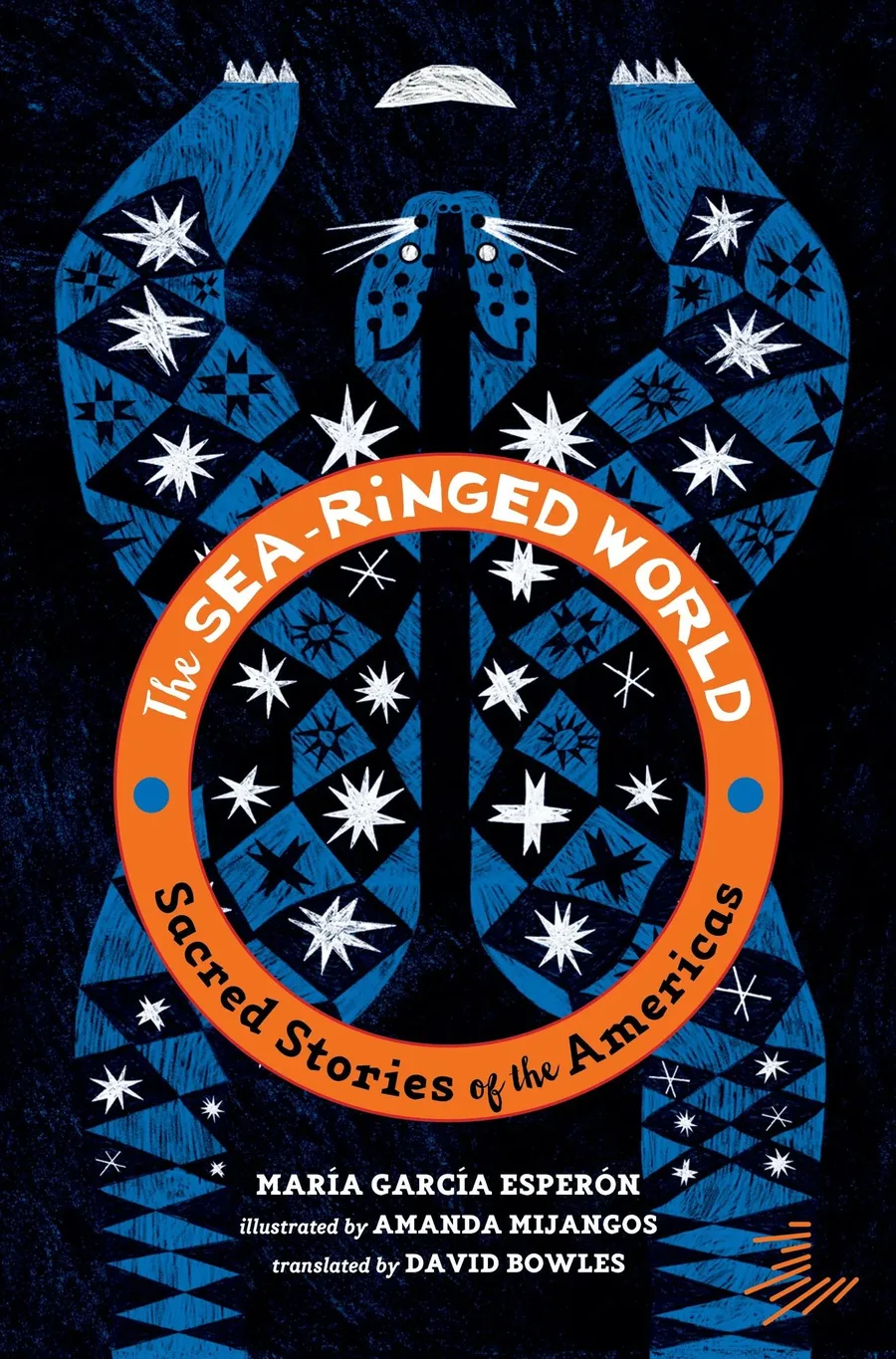 The Sea-Ringed World: Sacred Stories of the AmericasMaría García EsperónPoetry, prose, and artwork present traditional tales from eighteen Indigenous cultures, reaching from Argentina to Alaska. The collection includes creation accounts, cautionary tales, and other sacred stories from peoples who lived in the Americas long before Europeans arrived. Digital illustrations in black, white, and blue accompany the texts. Back matter provides additional material about the stories and their cultural contexts.Third to Fifth GradeView book details
 Separate No More: The Long Road to Brown v. Board of EducationLawrence GoldstoneThis history examines the gradual struggle against racial segregation in the United States and the path to the Brown v. Board of Education case. It recounts the progress that led toward the landmark decision, which ended segregation and had a major effect on the country. Archival photographs accompany the step-by-step account of that legal and social fight.Third to Fifth GradeView book details
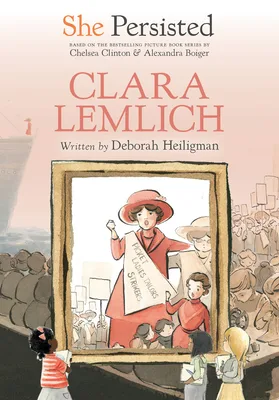 She Persisted: Clara LemlichDeborah HeiligmanThis biography recounts Clara Lemlich’s move from Ukraine to New York after she fled danger. On the Lower East Side, she worked in clothing factories and recognized that workers were treated unfairly. Lemlich acted in support of workers’ rights, with particular attention to girls and women. Her efforts changed how factory workers were treated in the United States, tracing a life shaped by immigration, labor, and a commitment to fairness.Third to Fifth GradeView book details
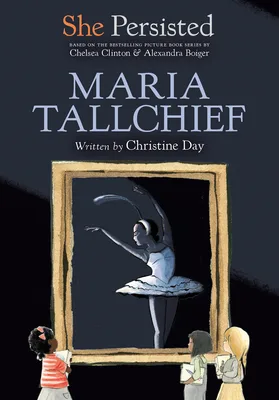 She Persisted: Maria TallchiefChristine DayThis biography follows Maria Tallchief’s path as a dancer. Although she was told that a more Russian-sounding name might be necessary for a professional ballet career, she kept her Osage name. Tallchief continued working to dance at her best and became America’s first prima ballerina. The account also notes that many well-known American ballets were created for her, linking her career to both dance and Osage identity.Third to Fifth GradeView book details
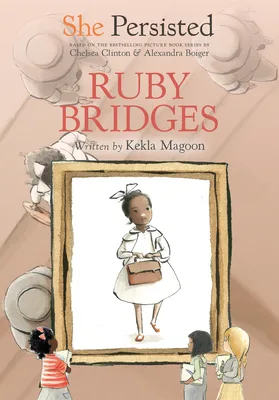 She Persisted: Ruby BridgesKekla MagoonThis biography tells of Ruby Bridges entering William Frantz Elementary School in New Orleans as its first Black student while she was in first grade. Integrating the school was difficult for the six-year-old. Ruby’s courage and perseverance went on to encourage children and adults to continue the fight for equality and social justice. Her story centers on a child facing school integration and the wider struggle for equal treatment.Third to Fifth GradeView book details
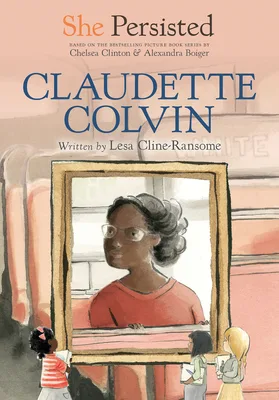 She Persisted: Claudette ColvinLesa Cline-RansomeThis biography introduces Claudette Colvin, who was fifteen when she refused to surrender her seat on a Montgomery, Alabama, bus. Her action came before Rosa Parks’s widely known refusal on a Montgomery bus. Colvin stood up for what she believed was right by remaining seated, and her decision became part of a fight for equality, fairness, and justice. The book centers on her role in challenging unequal treatment.Third to Fifth GradeView book details
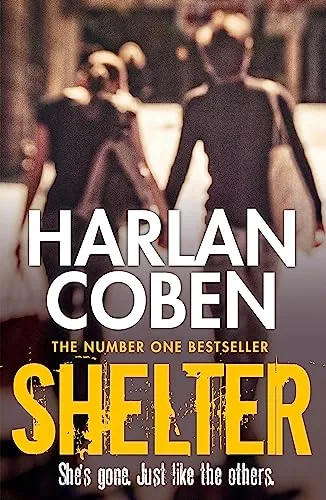 ShelterChristie MathesonThe first in an exciting series of YA thrillers from the master of the hook-and-twist. When tragic events tear him away from his parents, 15-year-old Mickey Bolitar is sent to live with his estranged uncle, Myron.Third to Fifth GradeLexile Text Measure 750LATOS Book Level 4.7View book details
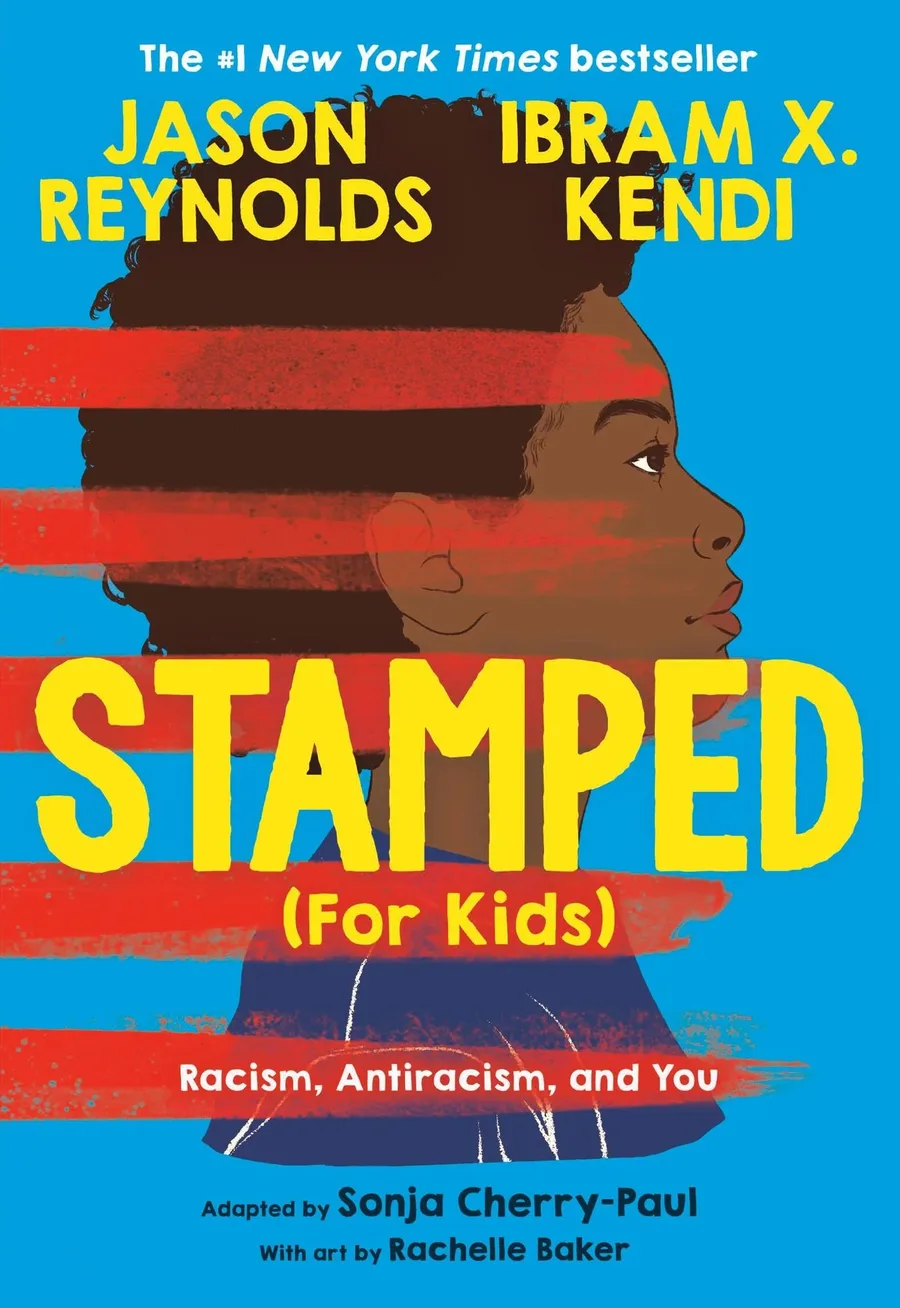 Stamped for Kids: Racism, Antiracism, and YouSonja Cherry-Paul, Jason Reynolds, Ibram X. KendiThis adaptation traces racist ideas in America and the responses of people who opposed them. It defines segregationist, assimilationist, and antiracist before moving through selected periods of U.S. history, from European conquest and rationalizations for slavery to the nation’s founding, the Civil War, the Civil Rights Movement, and Black Lives Matter. Short chapters and illustrations accompany the narrative. Back matter includes a timeline, glossary, and suggestions for further reading.Third to Fifth GradeView book details
 The Story of BodriHédi FriedA woman recalls her teenage years during the Holocaust, beginning with ordinary family life and her beloved dog, Bodri. After Hitler comes to power, life changes, and she and her sister are sent to a death camp while Bodri is left behind when the family is transported by train. In the camps, memories and imagined possibilities for Bodri’s survival help sustain her amid the loss of her family, home, and safety.Third to Fifth GradeView book details
 The Stu ff Between the Stars: How Vera Rubin Discovered Most of the UniverseSandra NickelThis picture-book biography follows astronomer Vera Rubin’s interest in the night sky and the mysteries surrounding it. As she pursued astronomy in college, men often obstructed her participation in the field. Rubin continued to study galaxies and look for patterns in their arrangement. Her work led to the discovery of dark matter, described as making up 80 percent of the known universe.Third to Fifth GradeView book details
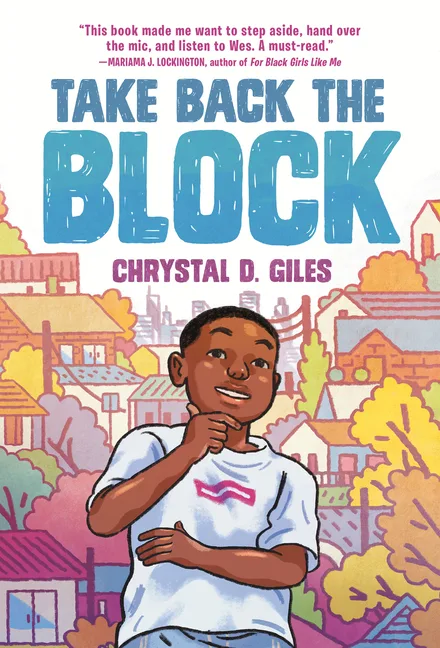 Take Back the BlockChrystal GilesSixth grader Wes Henderson lives in Kensington Oaks, a predominantly Black neighborhood targeted by a developer offering to buy residents’ homes. The offers divide neighbors: some cannot afford to refuse, while others want homeowners to stand together. With a friend displaced by development and experience attending protests with his mother, Wes organizes a block party and connects with a local group as he links the conflict to a school social-justice project.Third to Fifth GradeLexile Text Measure 760LATOS Book Level 4.9View book details
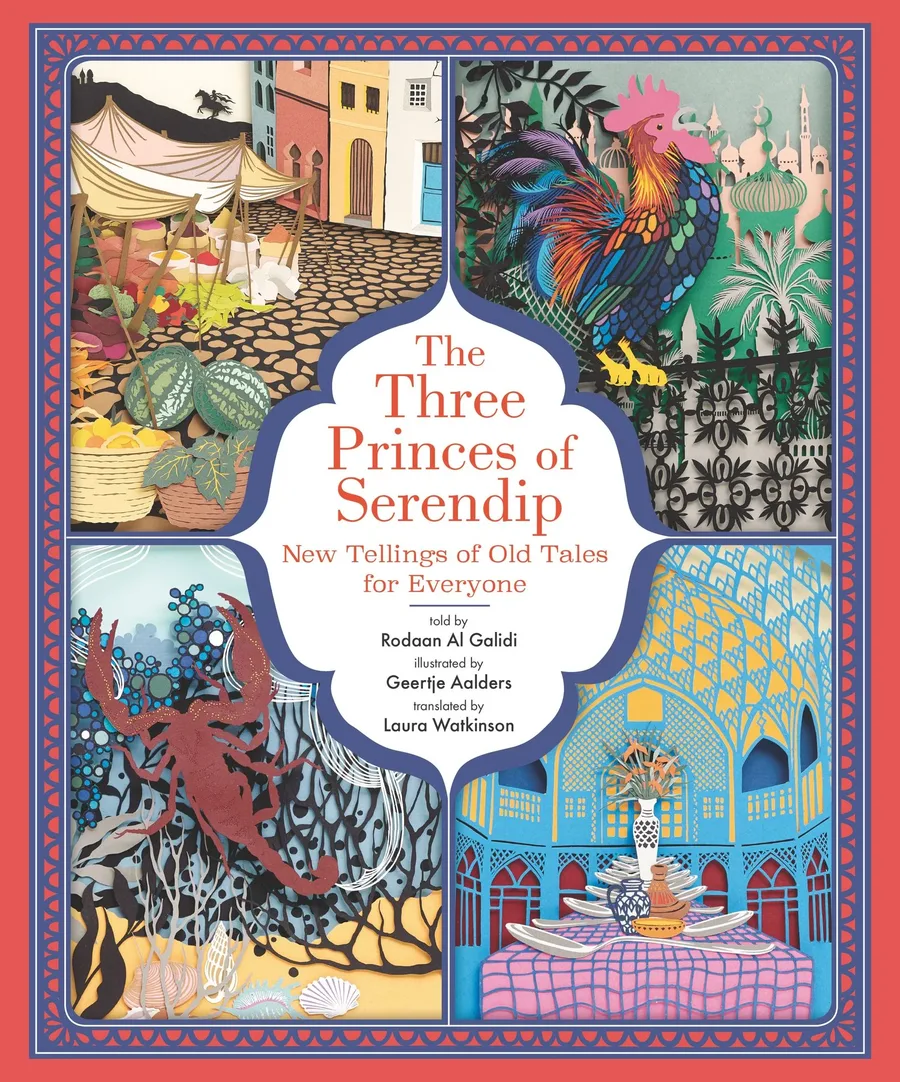 The Three Princes of Serendip: New Tellings of Old Tales for EveryoneRodaan Al GalidiThis illustrated collection contains twenty fables and folktales from the Middle East. Its stories feature figures including donkeys, roosters, kings, sheikhs, and paupers, and are accompanied by cut-paper art. The tales carry ideas about love and acceptance while cautioning against foolishness. Shaped into a children’s book after the author migrated to the Netherlands, the collection was translated into English by Laura Watkinson.Third to Fifth GradeView book details
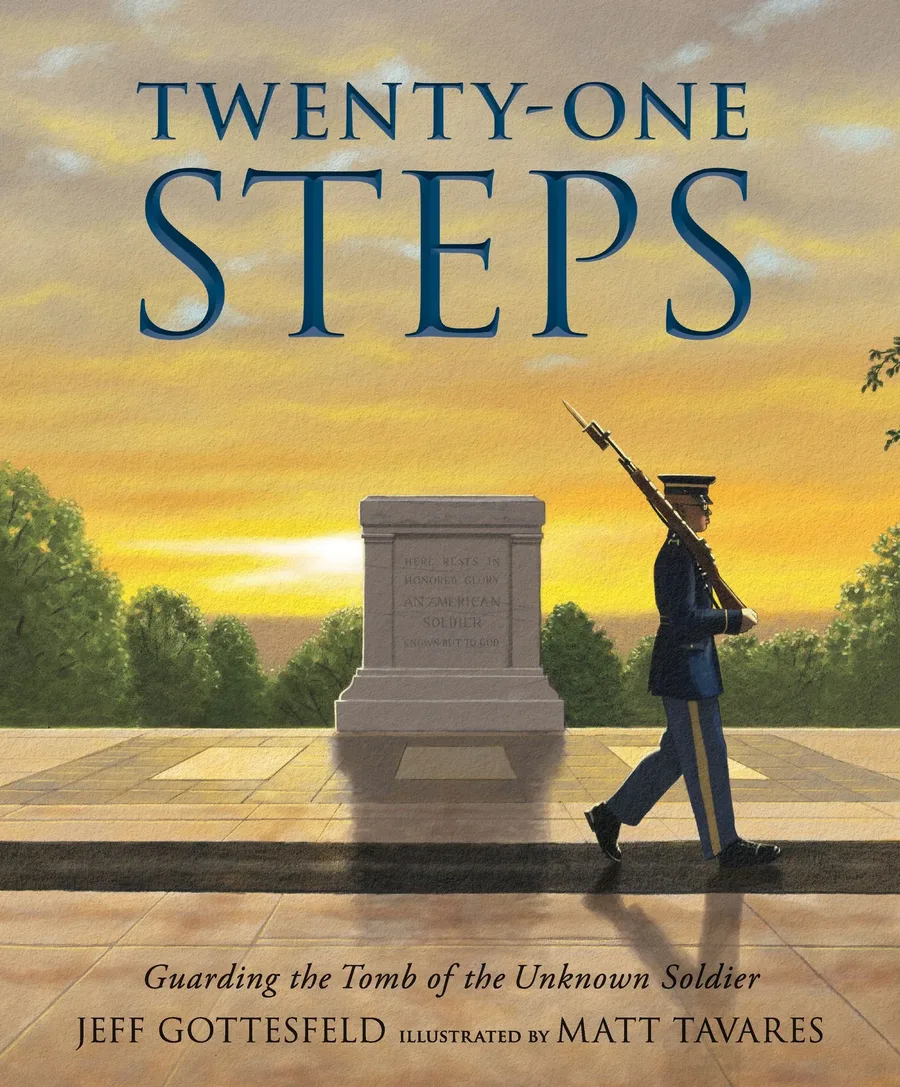 Twenty-One Steps: Guarding the Tomb of the Unknown SoldierJeff GottesfeldThis account explains how the United States honors soldiers who died in service without being identified. At Arlington National Cemetery, sentinels keep watch at the Tomb of the Unknown Soldier. Their steps and turns are performed with precision as they remember the fallen and maintain the vigil in all weather and at all hours. The book notes that the guard line has continued without interruption since July 2, 1937. It also describes the demanding path required to earn this Army assignment.Third to Fifth GradeView book details
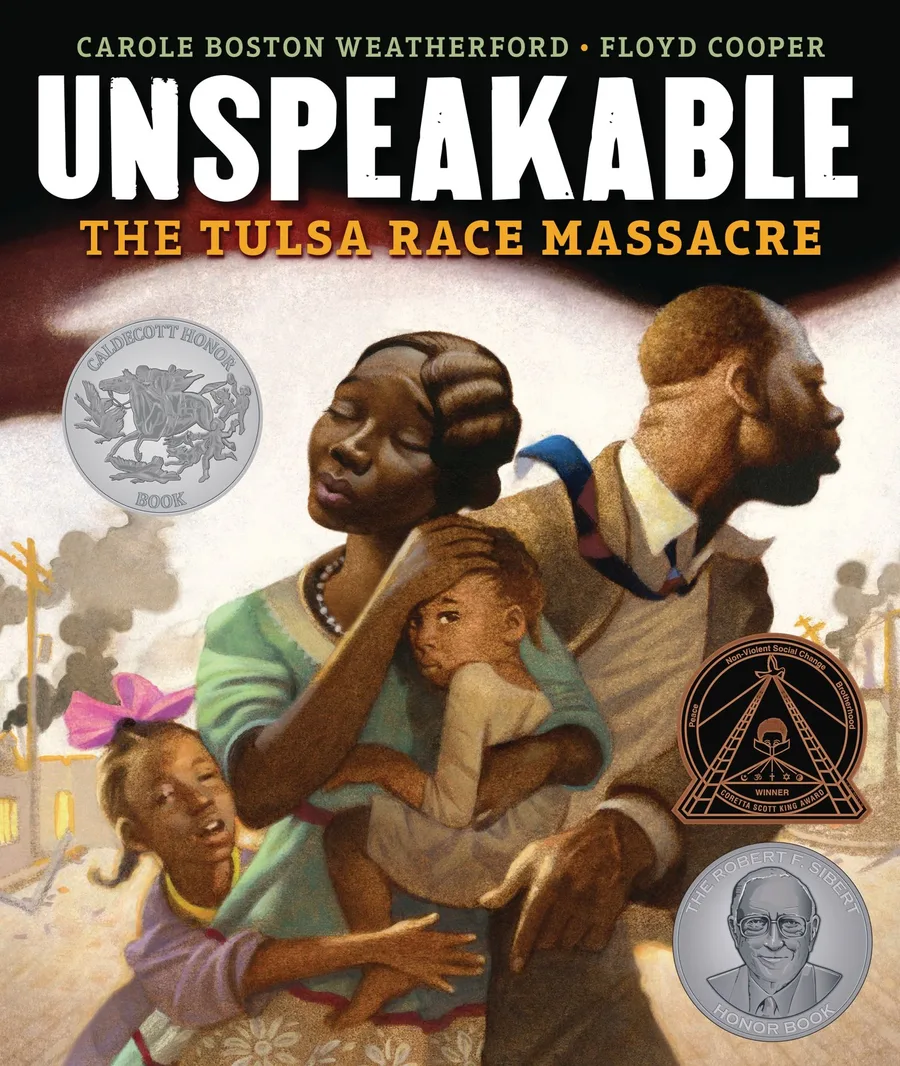 Unspeakable: The Tulsa Race MassacreCarole Boston WeatherfordWritten in verse, this picture book recounts the history of the 1921 Tulsa race massacre. It first portrays Greenwood as a Black district with its own schools, libraries, churches, restaurants, post office, and movie theaters. Over May 31 and June 1, an armed mob looted homes and businesses while Black families fled. The book records how a thriving community was transformed during those two days of racial violence.Third to Fifth GradeView book details
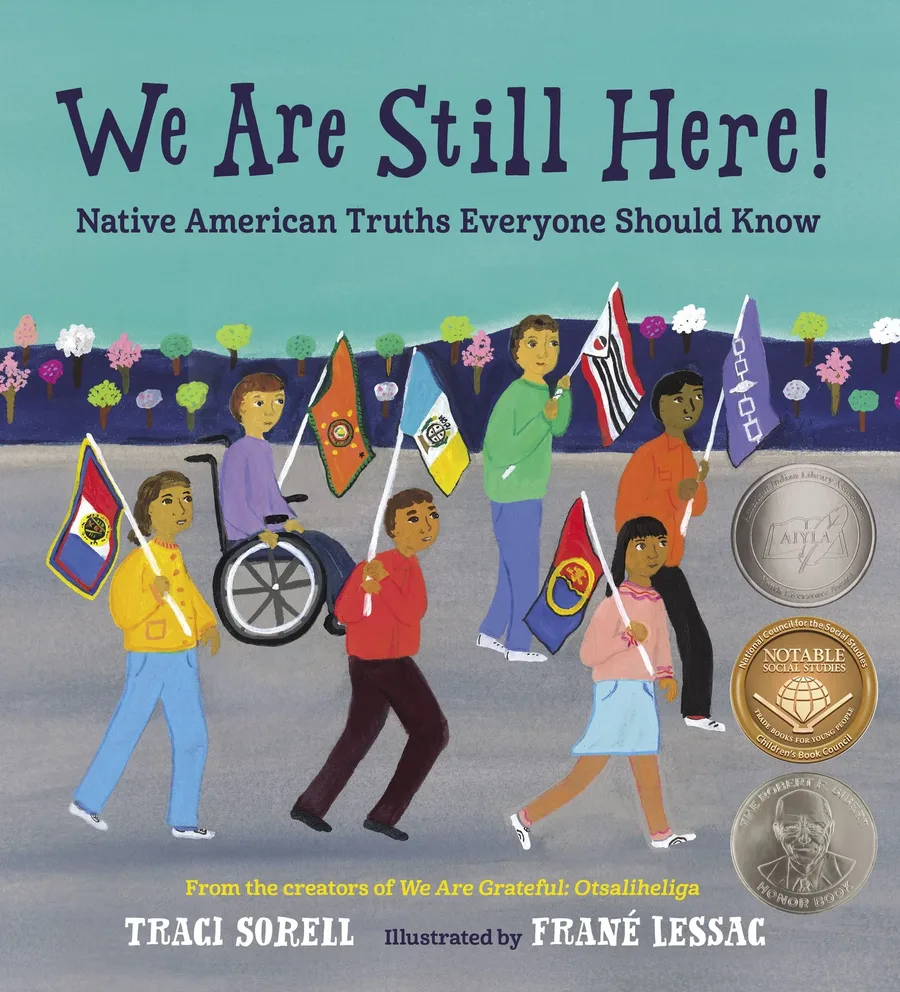 We Are Still Here!Traci SorellA classroom of Native students gives presentations for Indigenous Peoples’ Day, exploring Native American history and present-day life. Their topics include allotment, assimilation, termination, relocation, tribal activism, self-determination, language revival, and sovereign resurgence. Each presentation provides an introduction and related points, while culturally specific illustrations add context. A timeline, glossary, and notes about people and events appear in the end matter.Third to Fifth GradeLexile Text Measure 1410LATOS Book Level 11.7View book details
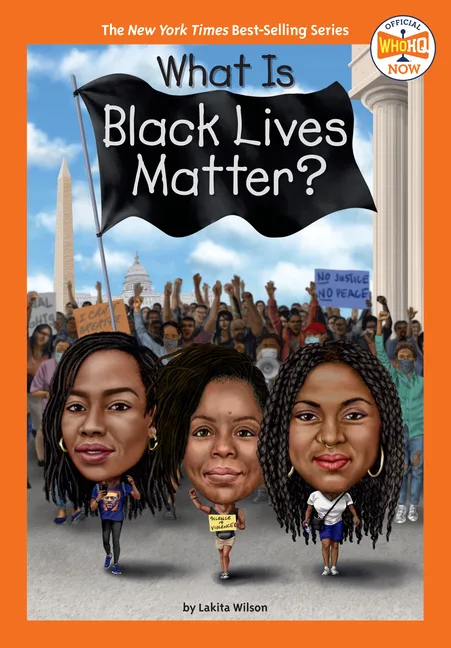 What Is Black Lives Matter?Lakita WilsonThis nonfiction book traces the history of Black Lives Matter as a political and social movement. It examines the movement’s use of nonviolent civil disobedience and protest in response to police brutality and other racially motivated violence against Black people. The account begins with the 2012 killing of Trayvon Martin and the call for his killer to be held accountable.Third to Fifth GradeLexile Text Measure 960LATOS Book Level 6View book details
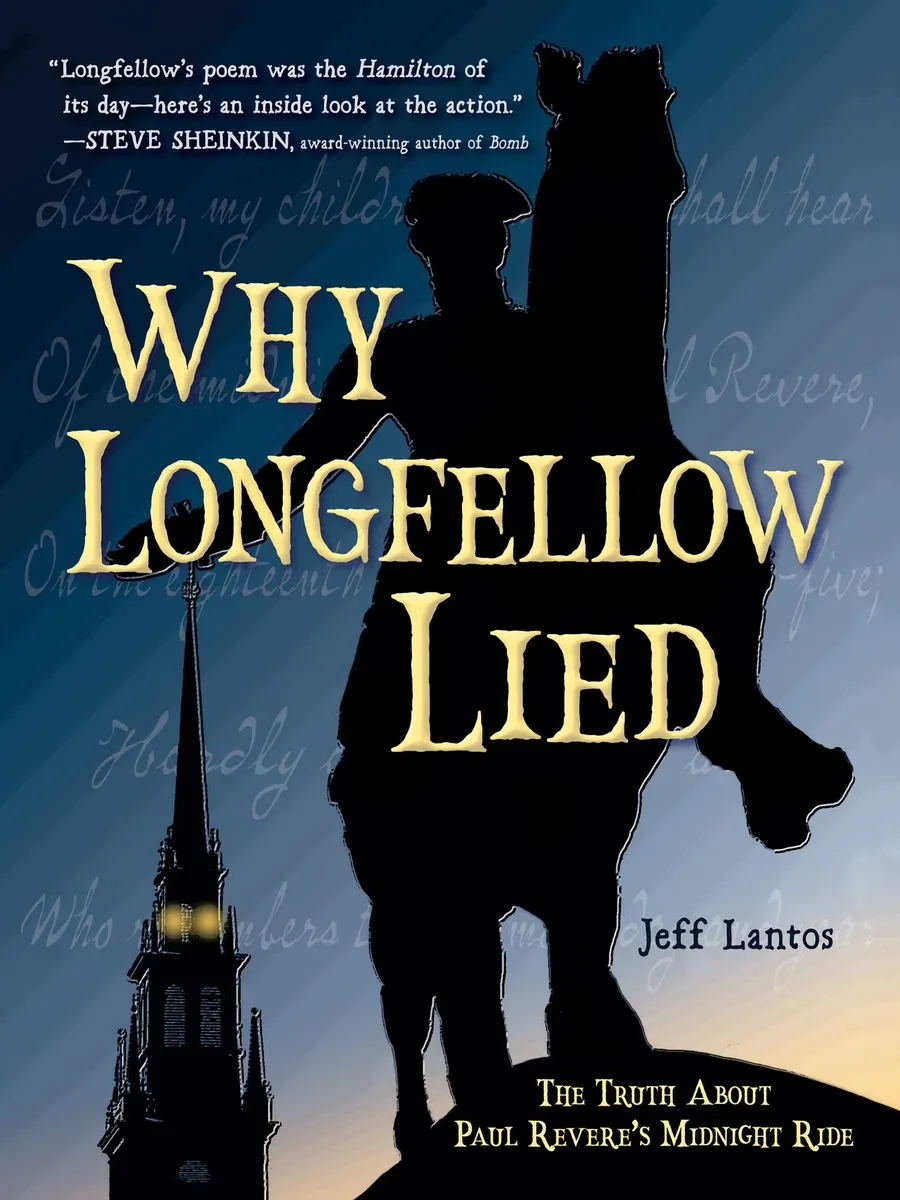 Why Longfellow Lied: The Truth About Paul Revere’s Midnight RideJe ff LantosThis account of the American Revolution examines the events before and during the fighting at Lexington and Concord through Henry Wadsworth Longfellow’s “Paul Revere’s Ride.” Each chapter opens with an excerpt from the poem, then compares its version of events with the historical record. The book considers both the details Longfellow altered or left out and the ways history is remembered and reshaped. Its final chapter places the poem’s 1860 publication against the approaching Civil War and its appeal to patriotism.Third to Fifth GradeView book details
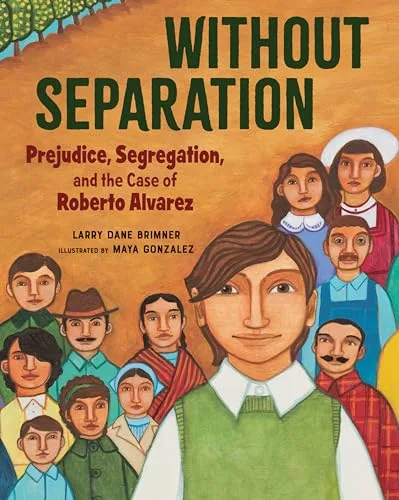 Without Separation: Prejudice, Segregation, and the Case of Roberto AlvarezLarry Dane Brimner, illustrated by Maya GonzalezThis civil-rights history centers on Roberto Alvarez, a student involved in a 1931 court case in Lemon Grove, California. The case challenged racism and segregation in schools. Alvarez’s immigrant community brought the fight to court and won, an outcome described as the first successful use of the courts by an immigrant community to oppose injustice. The book recounts this legal challenge to prejudice and school separation.Third to Fifth GradeView book details
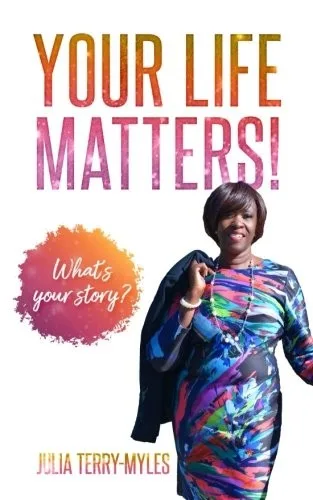 Your Life MattersChris Singleton, illustrated by Taylor BarronChris Singleton's Your Life Matters is a 106-page book that addresses Black children with the reassurance that their lives matter despite what they may hear, experience, or be told. It asks readers to embrace their own stories. Its description connects that embrace with freedom and abundance, presenting the message as empowering and validating. Laptop Lifestyle LLC published it in 2018.Third to Fifth GradeView book details
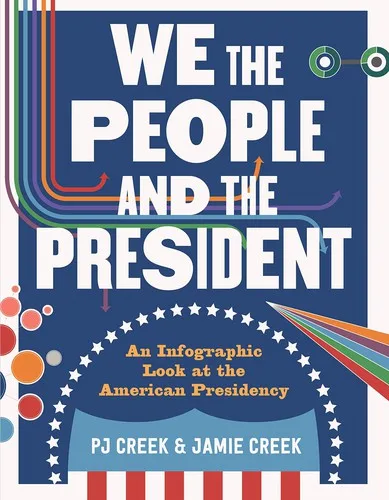 We the People and the PresidentPJ Creek, Jamie CreekWe the People and the President offers an introduction to the American presidency and the complexities of the office. It is presented as a way to build foundational knowledge about the presidency while giving readers a glimpse into American history. PJ Creek and Jamie Creek are credited as authors. Roaring Brook Press published the 96-page book on September 14, 2021.Third to Fifth GradeView book details
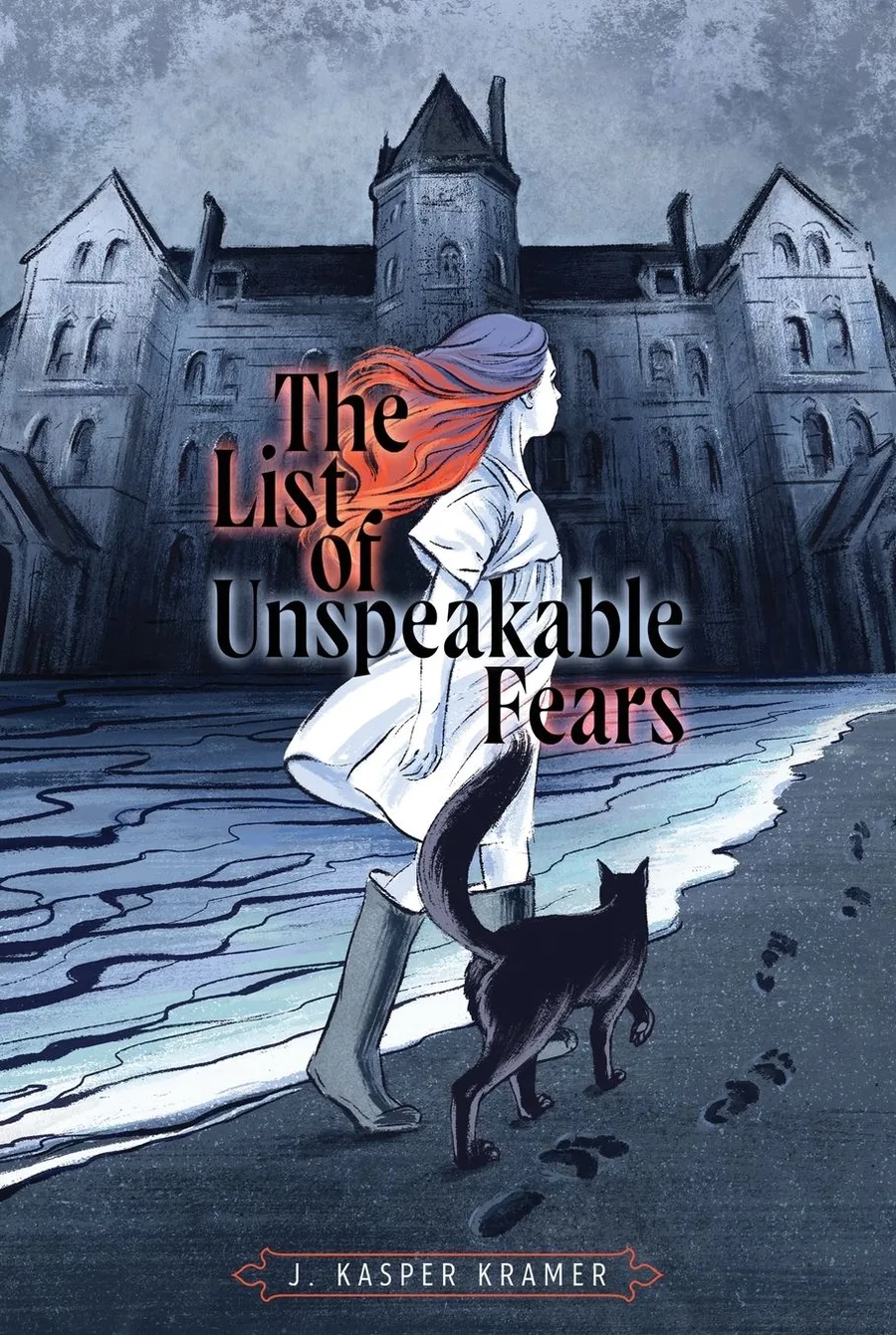 List of Unspeakable FearsJ. Kasper KramerEssie O’Neill fears cats, electric lights, a silver bell that recalls frightening memories, and a red door from her nightmares. After her mother remarries, Essie leaves a Bronx tenement for North Brother Island in the East River. There, her new stepfather runs a quarantine hospital for people with incurable illnesses, including Typhoid Mary, and Essie discovers further reasons for fear.Third to Fifth GradeView book details
 Making A BabyRachel Greener, illustrated by Clare OwenMaking a Baby is an inclusive guide about how every family begins, intended for conversations between parents and their young children. It uses an honest, cheerful approach to that subject. The book says that an egg, a sperm, and a womb are needed to make a baby. It also acknowledges that people may wait a long time and make repeated attempts.Third to Fifth GradeView book details
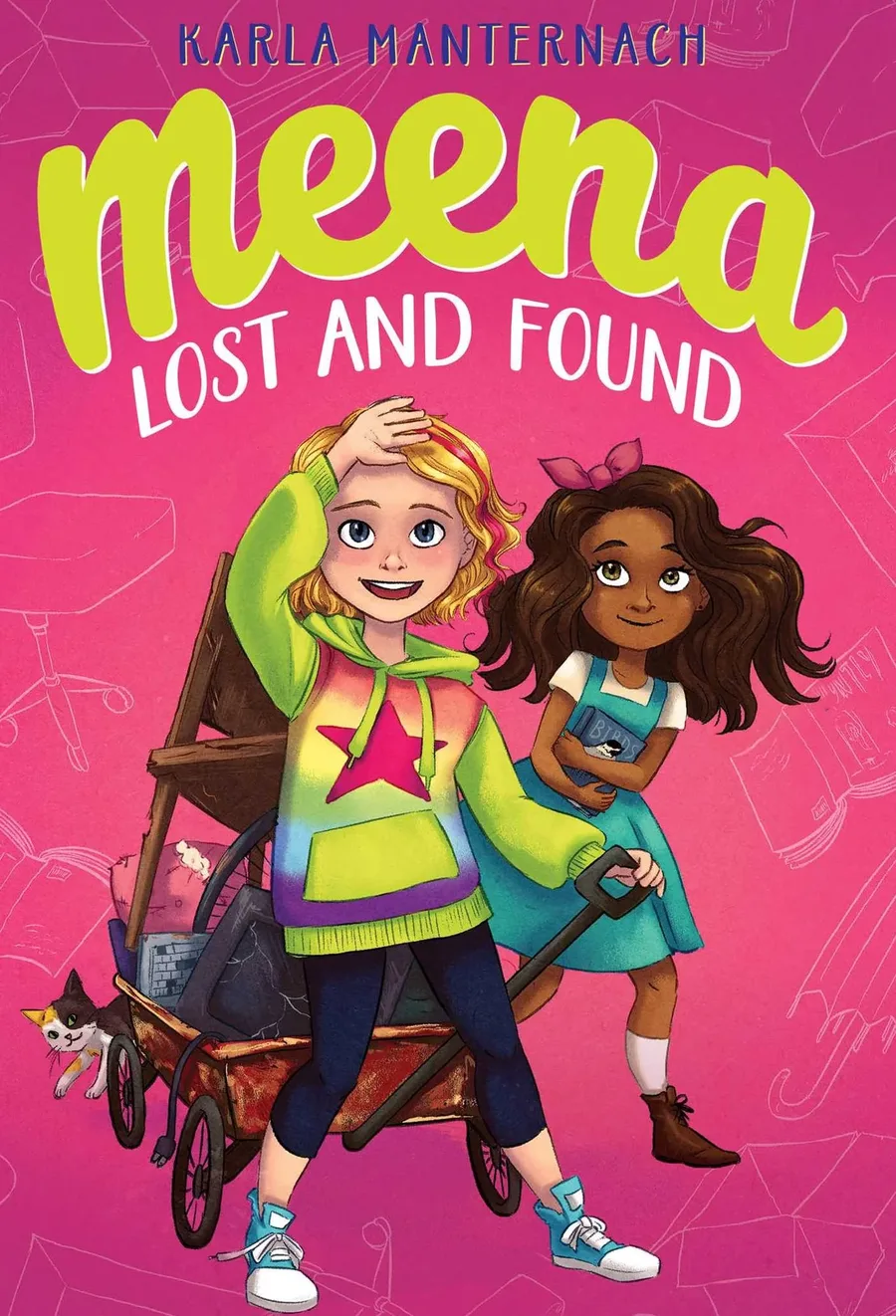 Meena Lost and FoundKarla Manternach, illustrated by Mina PriceMeena’s seizures are under control, and she has started the Finders Keepers Club. She is also trying to become a better friend. When Sofía’s cat, Oriol, disappears, Meena is the first person to join the search. The story combines Meena’s health, her club, and her effort to strengthen a friendship with the immediate problem of finding a missing cat.Third to Fifth GradeView book details
 Space ExplorersLibby Jackson, illustrated by Léonard DupondSpace Explorers brings together twenty-five accounts from the history of human spaceflight. The illustrated collection covers early astronauts, Moon missions, and the building and operation of the International Space Station. It also looks beyond well-known milestones to contributors, inventions, dangerous close calls, and the ingenuity used to solve problems. The stories highlight scientific achievement, courage, teamwork, and efforts to travel beyond Earth.Third to Fifth GradeView book details
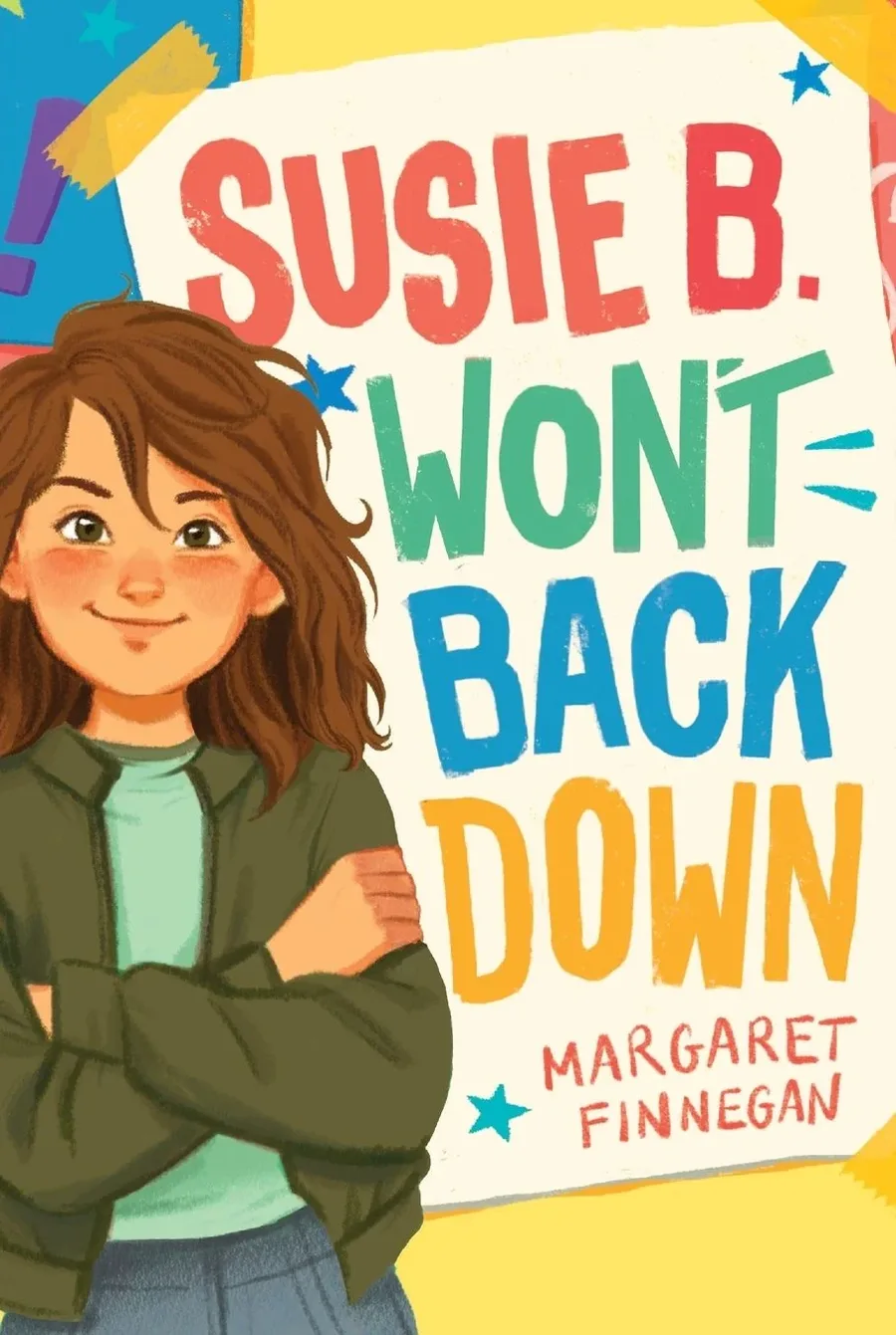 Susie B. Won’t Back DownMargaret FinneganSusie B. campaigns to become student council president and tells her story through letters addressed to Susan B. Anthony, her hero. She has plenty she wants to say as she pursues the school position. The novel centers on a young girl’s student-council campaign, using her correspondence with Anthony to frame the story and connect her political ambition with a historical figure.Third to Fifth GradeView book details
 New YearMei Zihan, illustrated by Qin LengOn the eve of Lunar New Year, a father in Beijing writes to his grown daughter, who lives in France. As he imagines her holiday with her husband, his letter recalls her earliest years, her childhood and adolescence, and family celebrations from the past. The picture book connects the holiday’s traditions with distance, homesickness, parental love, and memories passed through a family over time.Third to Fifth GradeView book details
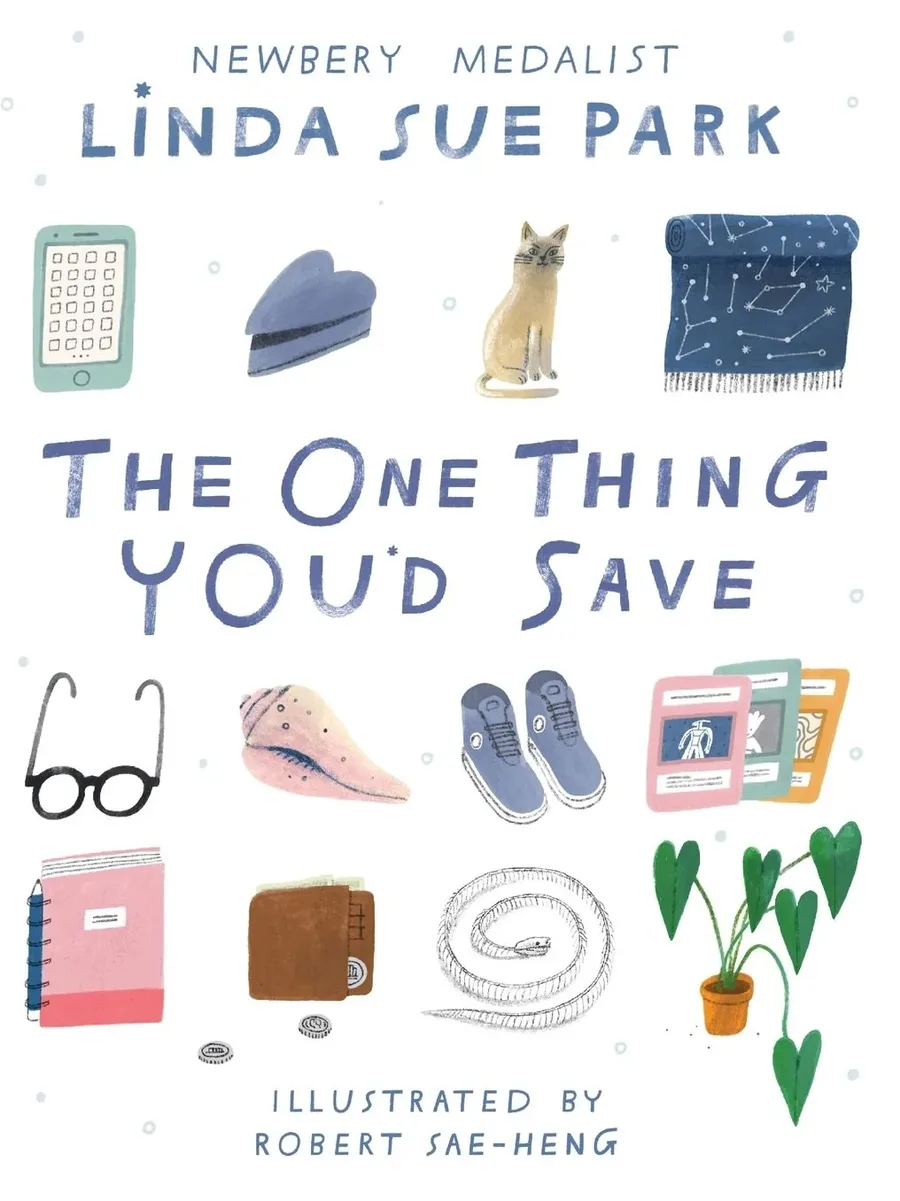 One Thing You’d SaveLinda Sue ParkA teacher asks her class to imagine that their homes are on fire and choose one object to save after people and animals have already evacuated. The students answer in linked sijo poems, a Korean form dating to the fourteenth century. Their choices range from practical items, including glasses and medicine, to meaningful keepsakes such as a knitted sweater or a baseball-game program. Dialogue and monologues create a classroom conversation about what matters most.Third to Fifth GradeView book details
Sixth to Eighth Grade
36 selections
 Art of Protest: Creating, Discovering, and Activating Art for Your RevolutionDe Nichols, illustrated by Various ArtistsThis nonfiction book examines protest art from different places and periods, including work connected to the civil rights movement, Black Lives Matter, Keith Haring, and Extinction Rebellion. It considers how artists use words and visual elements to communicate political ideas. Examples range from 1960s antiwar poster lettering to the raised-fist image. Readers are invited to look closely at color, symbols, artistic methods, and typography, while also encountering work by young activist artists and considering how earlier art can inform present-day revolutionary action.Sixth to Eighth GradeView book details
 Barefoot Dreams of Petra LunaAlda P. DobbsAfter soldiers take Petra’s father, she promises to look after the family still with her: her grandmother, younger sister Amelia, and baby brother Luisito. As their town burns, they head north across the desert in search of safety and a chance to reunite. Petra also clings to a personal hope of learning to read, even when her grandmother warns her that such hopes are not meant to travel far.Sixth to Eighth GradeLexile Text Measure 730LATOS Book Level 4.8View book details
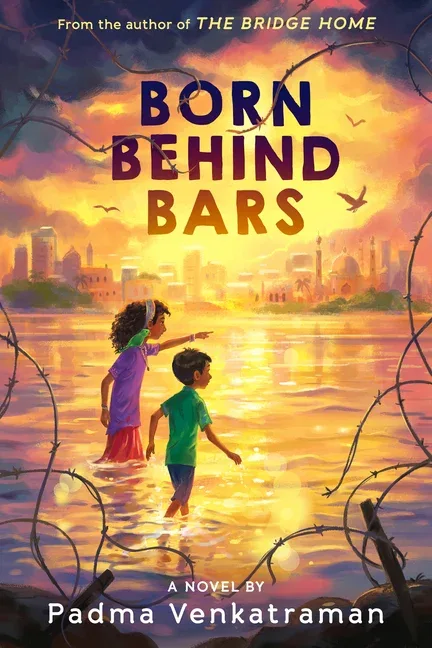 Born Behind BarsPadma VenkatramanIn India, nine-year-old Kabir has known only prison, where he lives with his mother and has never met his father. His fellow prisoners form his family, while a teacher’s stories open a view beyond the walls. When a new warden decides Kabir is too old to remain, he is released to a supposed uncle who plans to sell him. Kabir flees, facing an unfamiliar world as he tries to find freedom.Sixth to Eighth GradeLexile Text Measure 720LATOS Book Level 4.5View book details
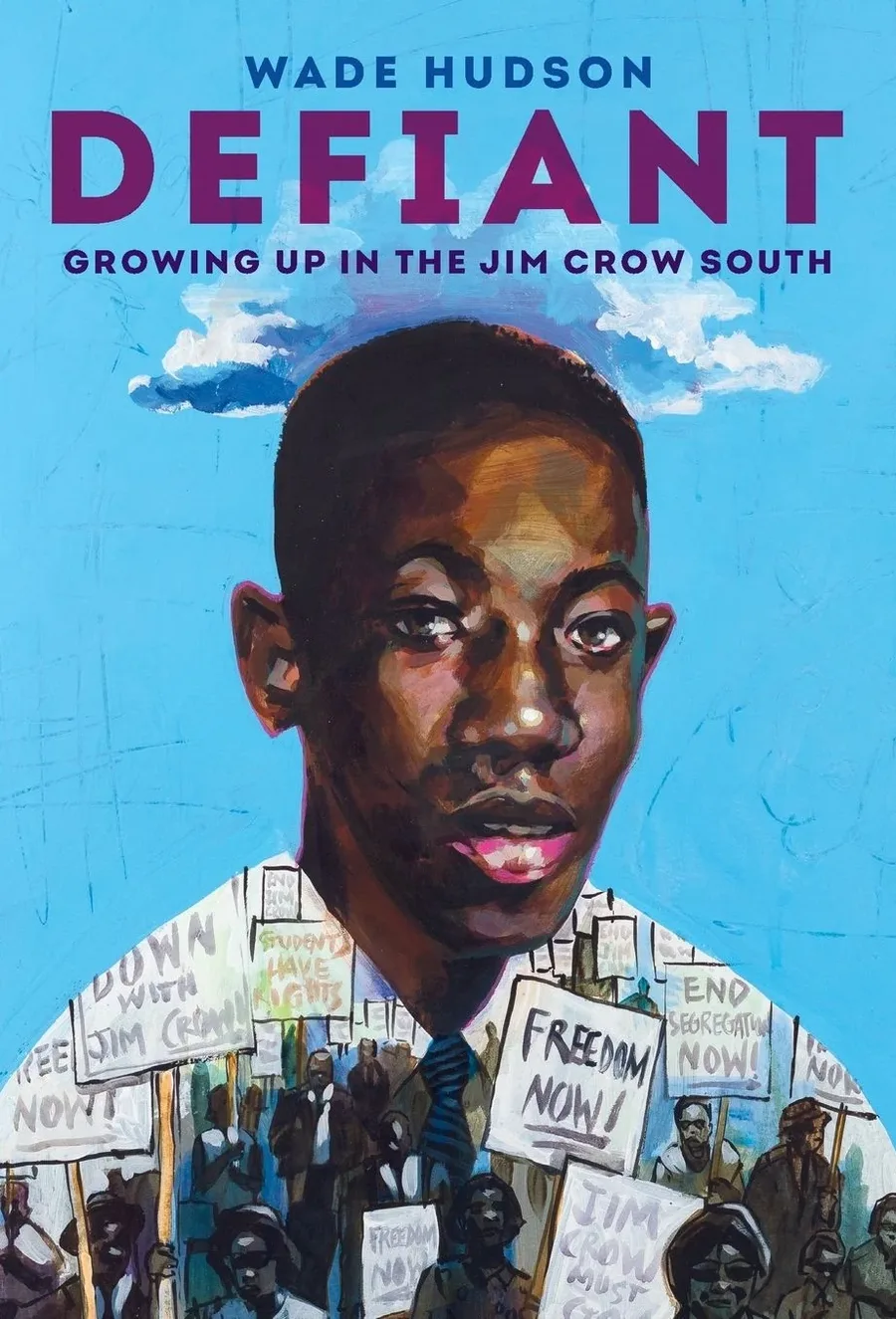 Defiant: Growing up in the Jim Crow SouthWade HudsonWade Hudson’s memoir recalls his childhood and young adulthood in Mansfield, Louisiana, during the Civil Rights Movement. He writes about family, neighborhood life, baseball, school, church, and the relationships that shaped him as one of eight siblings. In 1963, violent opposition to civil rights activists and other events changed his understanding of the world. He went on to college with activism in mind; the memoir begins with his arrest on false charges and closes with his release and resolve to keep fighting for Black people’s lives and dignity.Sixth to Eighth GradeView book details
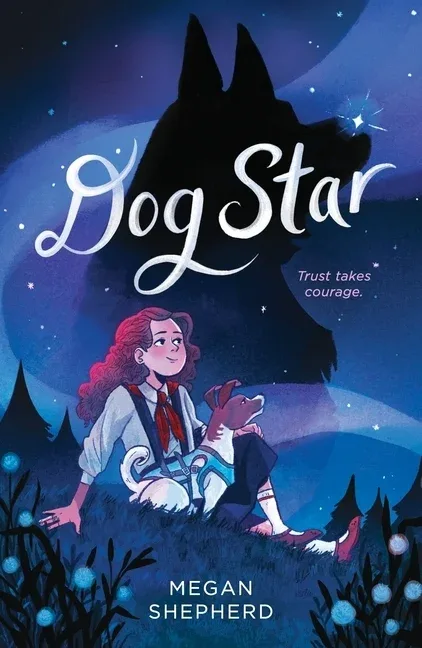 Dog StarMegan ShepherdSet amid the Soviet space program, this story follows Nina, a girl uncertain of her place in communist society. She befriends Laika, a stray dog whose wish for a home contrasts with her role in Nina’s father’s laboratory, where she is studied for a space mission. As Nina and Laika’s friendship develops, the book considers the ethical and political questions surrounding Laika’s journey into outer space. Archival photographs and back matter accompany the narrative.Sixth to Eighth GradeLexile Text Measure 730LATOS Book Level 4.7View book details
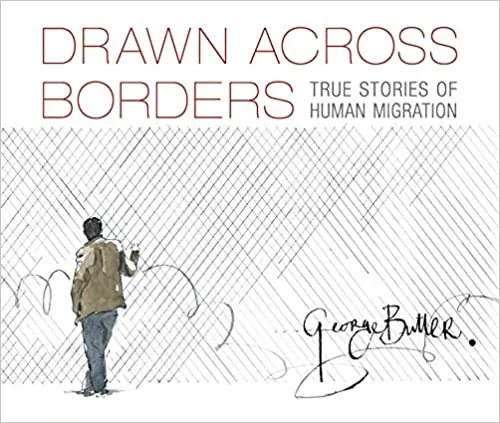 Drawn Across Borders: True Stories of Human MigrationGeorge Butler, illustrated by George ButlerTwelve drawn portraits document migrants and refugees whose journeys span the Middle East, Europe, Africa, and Asia. As the artist works, the people he portrays share their own experiences. Their accounts address leaving home because of poverty, disaster, or war, and traveling toward work, education, or safety. The book presents individual human lives within migration stories often reduced to news headlines.Sixth to Eighth GradeView book details
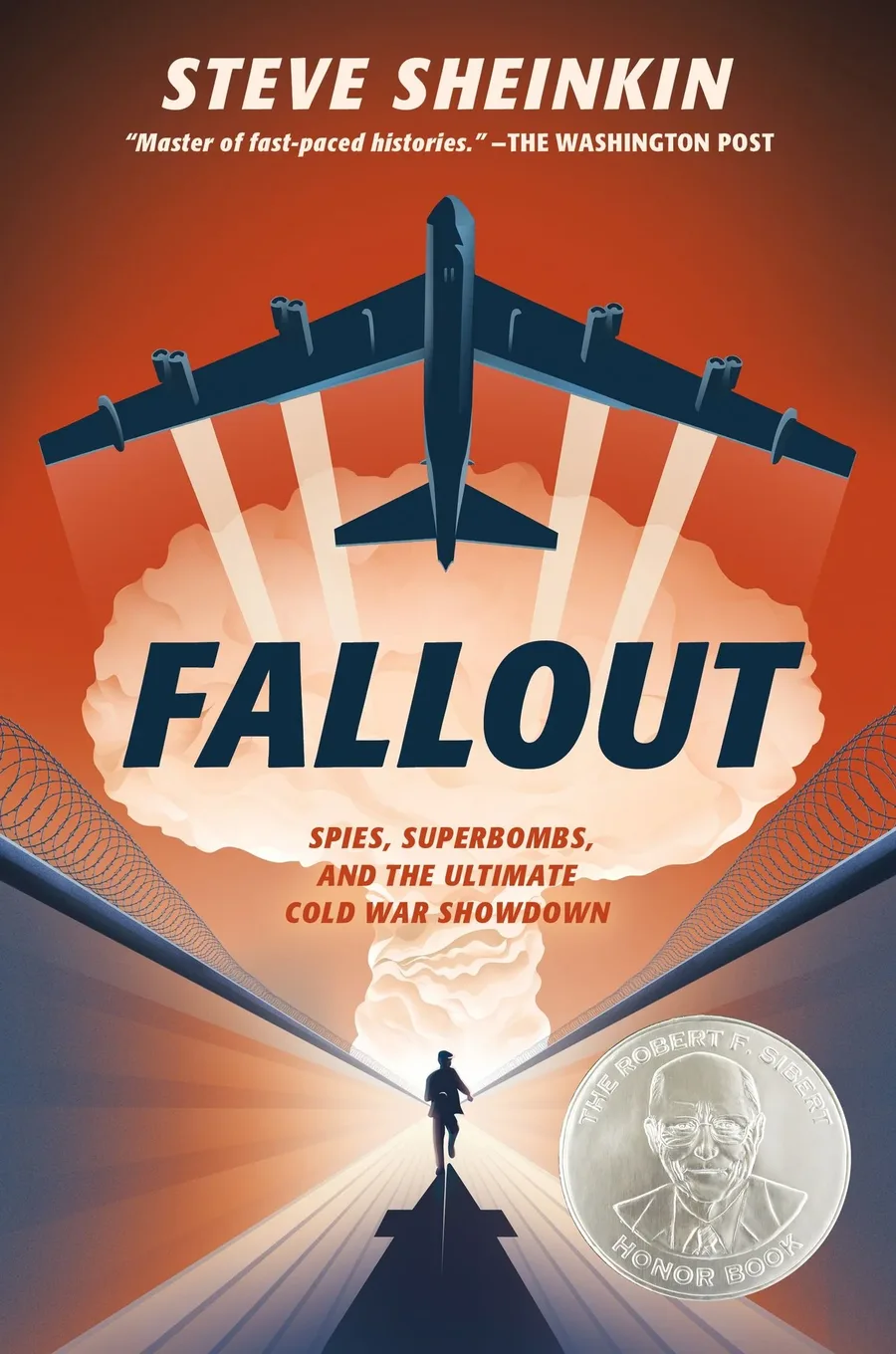 Fallout: Spies, Superbombs, and the Ultimate Cold War ShowdownSteve SheinkinThis nonfiction account traces the Cold War from U.S.–Soviet tensions of the 1950s through the Cuban Missile Crisis in 1962. It examines espionage, the race to build nuclear weapons, competition in space, and the threat posed by the hydrogen bomb. Photographs introduce major figures at the beginning of its three sections, while anecdotes and recollections illuminate shifting leaders, close calls, and the mounting stakes between the two nations.Sixth to Eighth GradeView book details
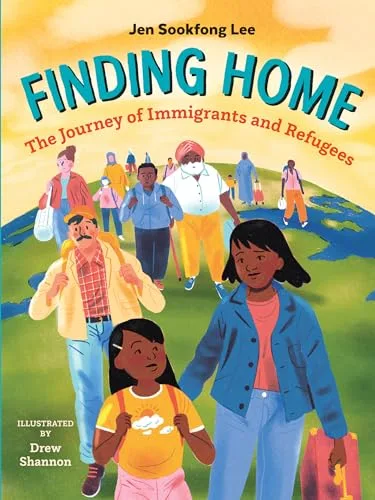 Finding Home: The Journey of Immigrants and RefugeesJen Sookfong Lee, illustrated by Drew ShannonFinding Home considers why people seek new places to live. It looks at the enduring search for a place to call home and names war and politics among the reasons people leave where they are. The book centers immigration and refugee journeys as part of a broader human history of moving in pursuit of a new home.Sixth to Eighth GradeView book details
 Flight Of The Pu ffi nAnn BradenLibby, a seventh grader, creates postcards with encouraging messages. Her cards reach three other middle school students around the country, linking four young people whose lives are difficult in different ways. Bullying, homelessness, and grief are among the challenges they face. Told through four voices, the story follows how the connection created by the postcards helps each of them feel supported.Sixth to Eighth GradeLexile Text Measure 650LATOS Book Level 4.3View book details
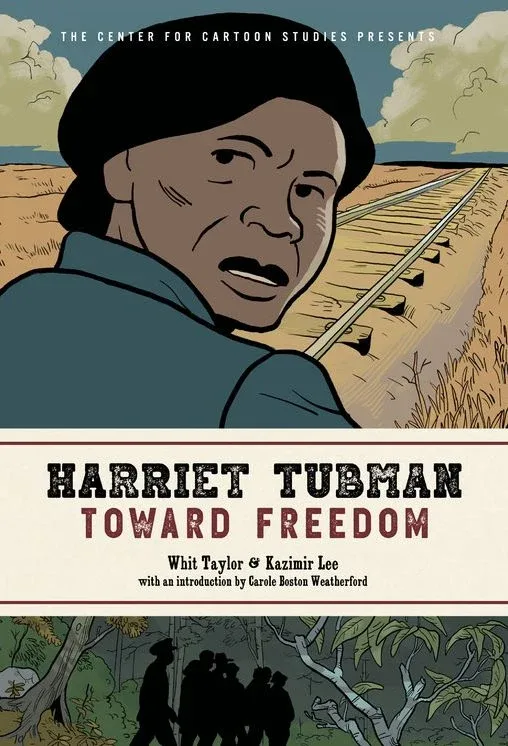 Harriet Tubman: Toward FreedomWhit Taylor, illustrated by Kazimir LeeThis graphic-novel biography focuses on Harriet Tubman and her escape from slavery. It presents her life as a story of exceptional courage and places her among significant figures in American history. Through the graphic-novel form, the book centers on Tubman’s act of escaping slavery and the determination associated with that act.Sixth to Eighth GradeView book details
 The History of Western Art in Comics Part One:Prehistory to the RenaissanceMarion Augustin, illustrated by Bruno HeitzIn this graphic novel, two children touring Paris with their grandfather begin discussing the art around them, from movie houses and stadiums to museums and the subway. Their conversation becomes a history of Western art. It starts with cave drawings and the pyramids of Giza, then moves through Greco-Roman ingenuity and Renaissance frescoes. The book uses a family outing and comics to trace art across these periods and places.Sixth to Eighth GradeView book details
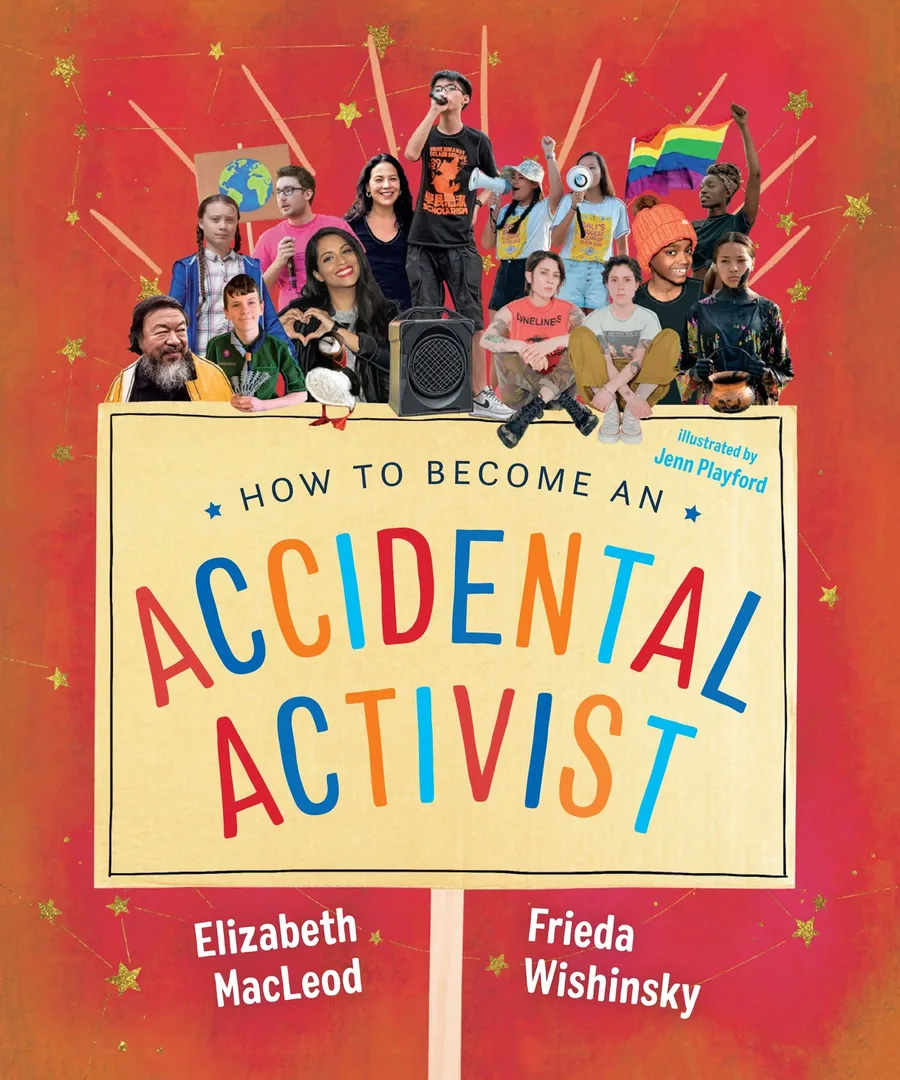 How to Become an Accidental ActivistElizabeth MacLeod, Frieda Wishinsky, illustrated by Jenn PlayfordHow to Become an Accidental Activist profiles nearly one hundred activists from around the world. Its subjects include Greta Thunberg, Pete Seeger, and Lilly Singh, alongside other people described as changemakers. By bringing together many individual profiles, the book focuses on activism across different places and on the people whose actions have sought change.Sixth to Eighth GradeView book details
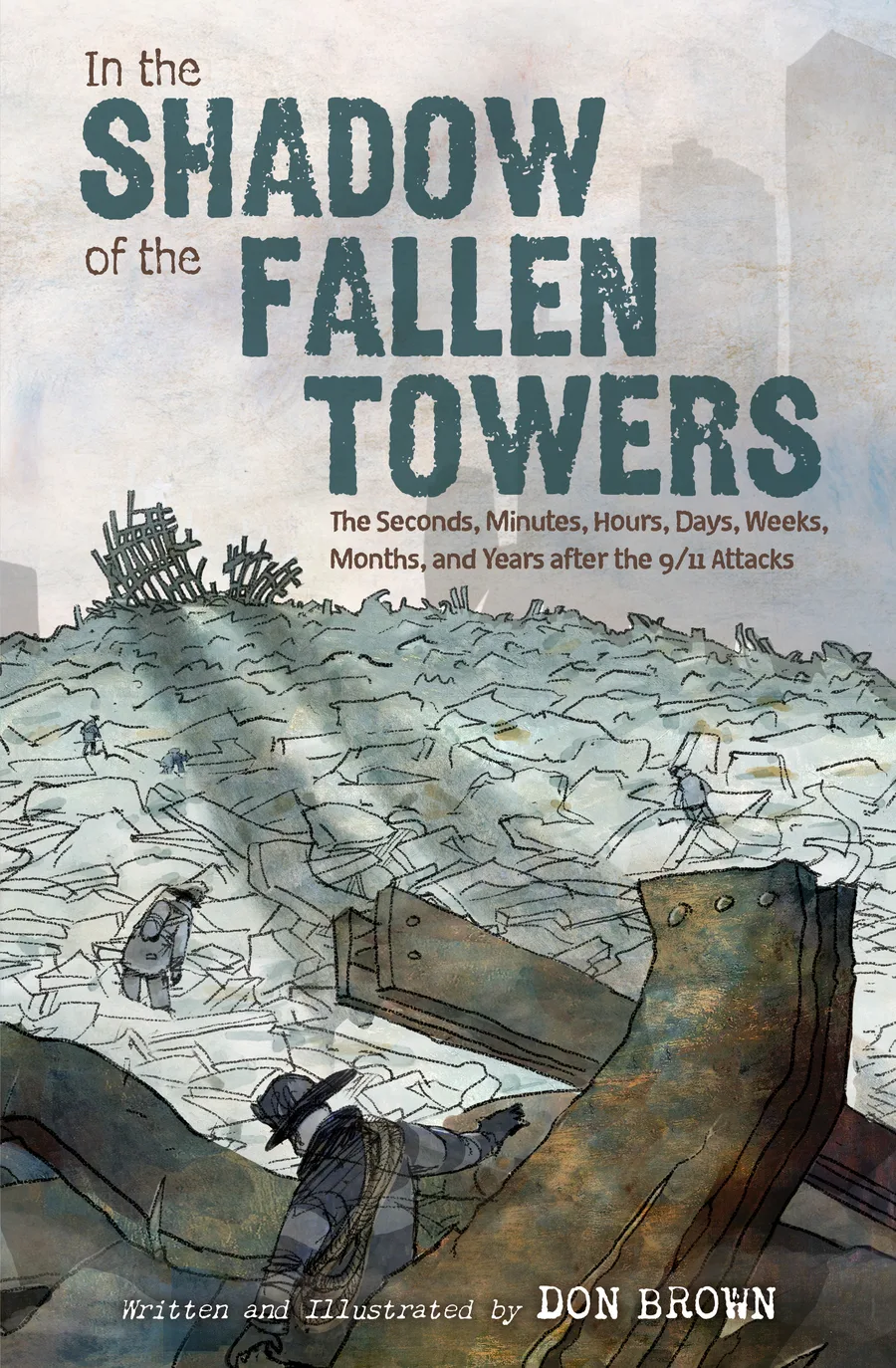 In the Shadow of the Fallen TowersDon BrownThis graphic novel chronicles the immediate aftermath of the September 11, 2001 attacks and their continuing political and personal consequences. It includes accounts from 9/11 survivors, showing the tragedy as more than a date in history. Pen-and-ink artwork with digital paint accompanies the narrative, which also contains extensive back matter about the event and its lasting effects.Sixth to Eighth GradeView book details
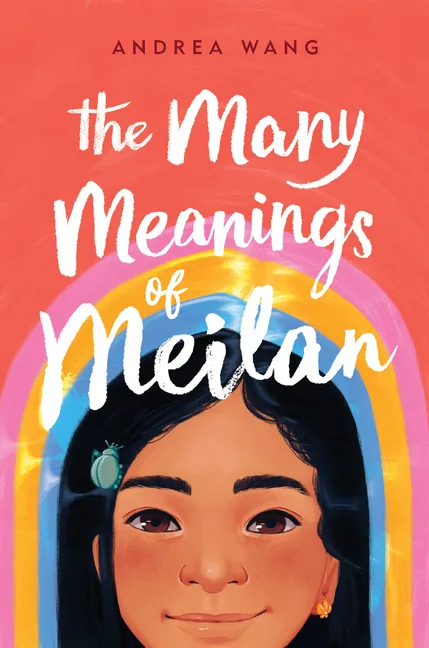 The Many Meanings Of MeilanAndrea WangMeilan Hua’s family moves from a Chinatown in a large city to a small town in Ohio, changing the world she knows. At school, she is given a different name as she tries to settle into her new surroundings. Meilan must decide how to assert who she is and find strength in her own name while navigating identity and injustice after the move.Sixth to Eighth GradeLexile Text Measure 730LATOS Book Level 4.7View book details
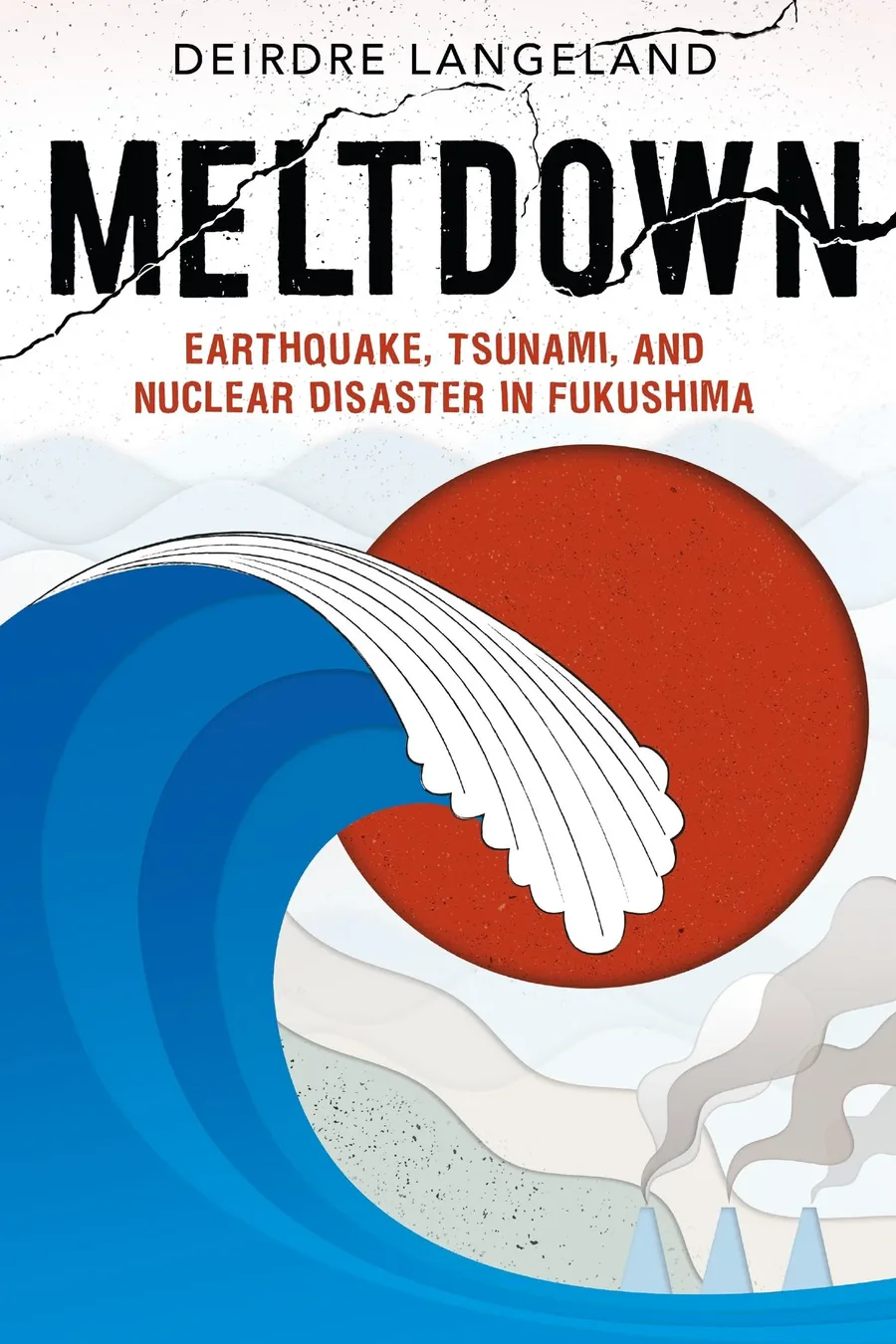 Meltdown: Earthquake, Tsunami, and Nuclear Disaster in FukushimaDeirdre LangelandThis nonfiction account recounts the disasters that struck Japan in March 2011: a magnitude-9 earthquake off Honshu, the tsunami that followed, and reactor failures at the Fukushima Daiichi nuclear plant. It explains the science of earthquakes, tsunamis, and nuclear power through photographs, diagrams, and graphs. The book also covers Japan’s disaster-preparation systems, such as warning networks and earthquake-resistant technology, as well as tendenko, a principle of prioritizing personal safety during a tsunami. Personal stories accompany the scientific and historical material, including the continuing consequences for affected residents.Sixth to Eighth GradeView book details
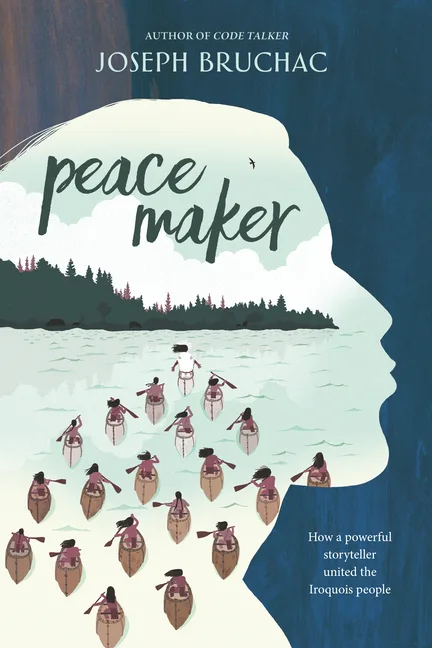 PeacemakerJoseph BruchacIn this historical novel, twelve-year-old Okwaho and his best friend are hunting when men from a neighboring tribal nation seize the friend. Okwaho escapes and returns to a village frightened of further attacks. The Five Nations of the Iroquois have fought each other for so long that peace is no longer remembered. As Okwaho searches for a way forward, his desire for revenge is tested by the vision of a mysterious peacemaker.Sixth to Eighth GradeLexile Text Measure 810LATOS Book Level 5.4View book details
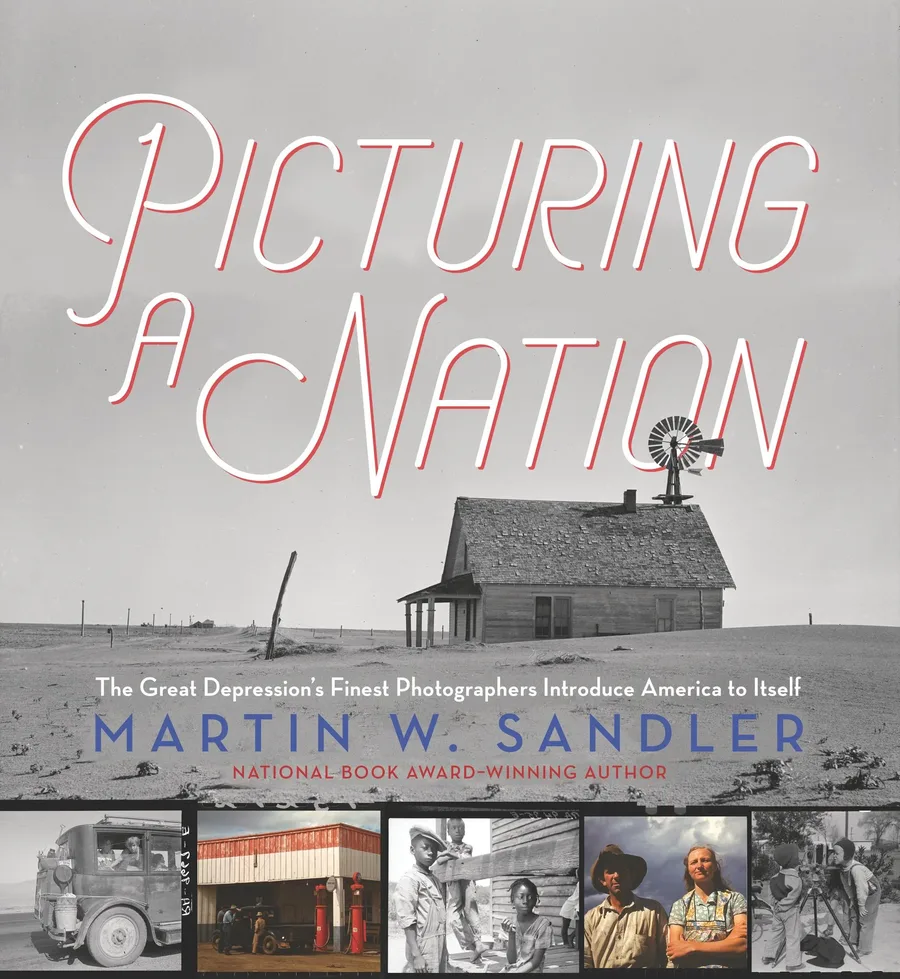 Picturing a Nation: The Great Depression’s Finest Photographers Introduce America to ItselfMartin W. SandlerThis nonfiction volume uses 140 color and black-and-white photographs to examine the Great Depression through the United States Farm Security Administration’s visual record. Photographs by Gordon Parks, Dorothea Lange, Walker Evans, and other noted photographers document everyday life in the United States during the 1930s. Alongside the images, the book includes profiles of photographers and source notes, placing their work within the history of the Depression and its photographic documentation.Sixth to Eighth GradeView book details
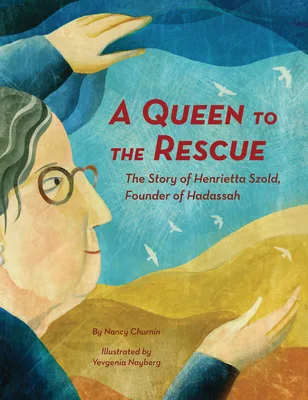 A Queen to the Rescue: the Story of Henrietta Szold, Founder of HadassahNancy Churnin, illustrated by Yevgenia NaybergThis biography tells the story of Henrietta Szold, who looked to Queen Esther as an example while working to help Jewish people. In 1912, she founded Hadassah, a Jewish women’s social justice organization. She established it to provide emergency medical care for mothers and children in Palestine. During World War II, Szold helped rescue Jewish children from the Holocaust. Hadassah later expanded its work to education, youth development, and women’s rights.Sixth to Eighth GradeView book details
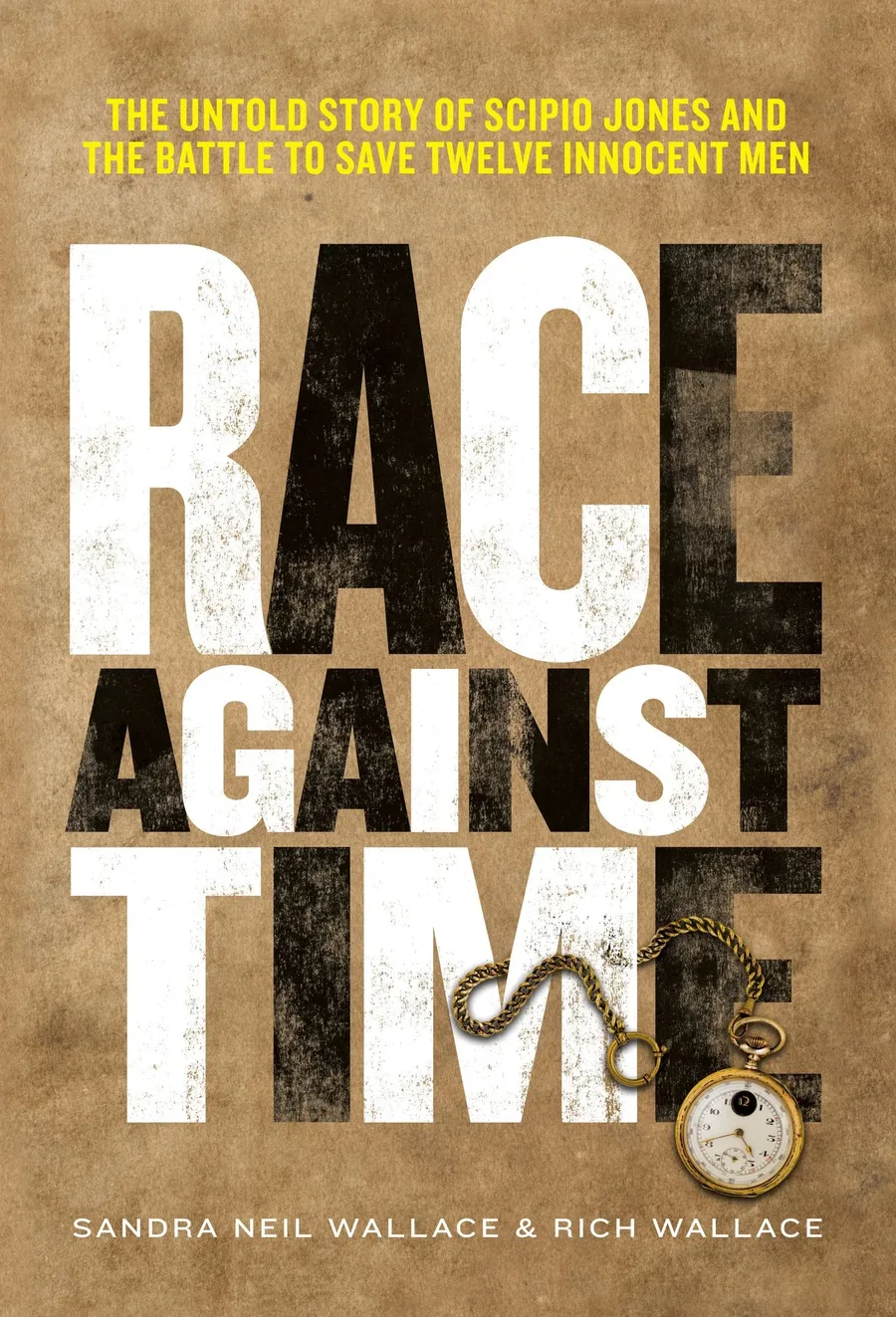 Race against Time: The Untold Story of Scipio Jones and the Battle to Save Twelve Innocent MenSandra Neil Wallace, Rich WallaceThis nonfiction book recounts events in Arkansas in 1919, when Black sharecroppers gathered at a church to organize for fair crop prices. After armed white men attacked the meeting and burned the church, violence spread through the area, killing many people. Twelve Black men who had attended the gathering were arrested, convicted of murder, and given death sentences in an unfair trial. Scipio Jones, a Black attorney born into enslavement, represented them for years and carried one case to the U.S. Supreme Court.Sixth to Eighth GradeView book details
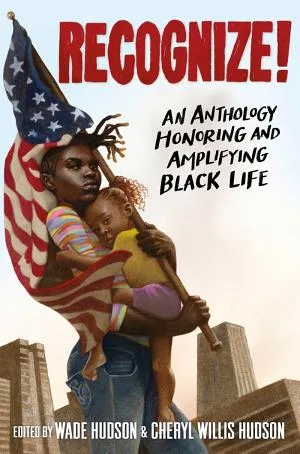 Recognize! An Anthology of Honoring and Amplifying Black LifeWade Hudson, Cheryl Willis HudsonRecognize! is an anthology that combines essays, poems, short stories, and historical excerpts. An eight-page, full-color art insert accompanies the written pieces. Together, the selections depict pride, prestige, and jubilation connected with being Black in America. The collection uses several literary forms alongside visual art to honor and amplify Black life. Wade Hudson and Cheryl Willis Hudson compiled this 208-page anthology, published in 2021.Sixth to Eighth GradeView book details
 Rez DogsJoseph BruchacMalian is visiting her grandparents on a Wabanaki reservation when COVID-19 closures leave her there until travel resumes. She continues online classes when the internet works and spends time with her elders, who share stories about their lives and their people. A stray dog arrives, and the same dog appears in her grandparents’ stories from earlier times. The dog’s connection to Malian’s family carries an element of mystery as she is embraced by her family’s Native traditions.Sixth to Eighth GradeLexile Text Measure 830LATOS Book Level 5.1View book details
 Samira SurfsRukhsanna GuidrozSamira Surfs follows a Rohingya family forced to flee Myanmar and rebuild their lives as refugees in Bangladesh. Samira finds a place in a surf club, where surfing brings her friends and a sense of empowerment. Told in free verse, the book includes stark black-and-white illustrations and back matter. It centers displacement, a family’s new life, and the friendships Samira finds through surfing.Sixth to Eighth GradeLexile Text Measure 680LATOS Book Level 4.4View book details
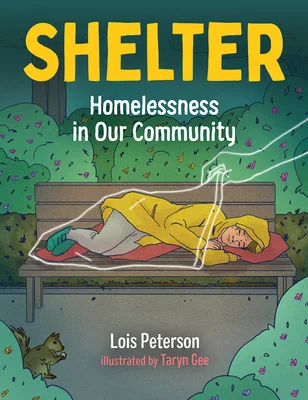 Shelter: Homelessness in Our CommunityLois Peterson, illustrated by Taryn GeeThis nonfiction book examines homelessness as an issue found in communities around the world. It considers why people experience homelessness, including its underlying causes and effects. Personal accounts from unhoused people appear alongside the experiences of adults and children who work with them. The book also looks at efforts by people and organizations to respond to the problem, presenting homelessness as a subject that calls for knowledge and compassion.Sixth to Eighth GradeView book details
 A Shot in the Arm!: Big Ideas That Changed the World #3Don BrownA Shot in the Arm! maps the development of vaccination from smallpox to the COVID-19 pandemic and examines efforts to limit infectious disease. It discusses measles, polio, rabies, cholera, and influenza, along with the immune system and the discovery of bacteria. It also covers the anti-vaccination movement. The historical figures named include Edward Jenner, Lady Mary Wortley Montagu, Louis Pasteur, and Antonie van Leeuwenhoek.Sixth to Eighth GradeView book details
 StarfishLisa FippsEleven-year-old Ellie loves swimming and feels most at ease floating in the pool like a starfish. At school, she is bullied and called cruel names because of her size. At home, her mother comments on Ellie’s weight, withholds food, imposes diets, and considers surgery. Ellie’s father supports her: he challenges her mother, helps her see a therapist, finds a doctor who is not anti-fat, and takes her to a plus-size children’s clothing store. A new neighbor, Mexican American Catalina, becomes a good friend as Ellie faces fat-shaming and searches for freedom in a weight-obsessed world.Sixth to Eighth GradeLexile Text Measure HL630LATOS Book Level 4.1View book details
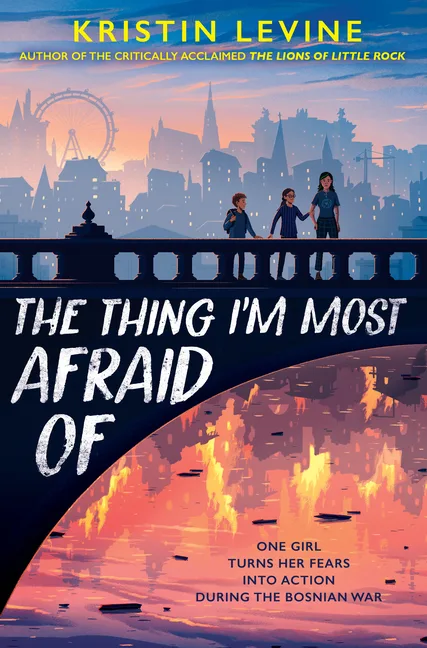 The Thing I’m Most Afraid OfKristin LevineBecca, twelve, is due to spend the summer in Austria with her father, but severe anxiety shapes what she expects from the trip. She worries that airport metal detectors could cause cancer and that the long flight could give her blood clots. Her Doomsday Journal helps her manage these fears: she writes down what frightens her and plans for the worst. During the summer in Vienna, she also encounters unexpected friendships.Sixth to Eighth GradeLexile Text Measure 620LATOS Book Level 4.2View book details
 A Time of FearAlbert MarrinAlbert Marrin’s account spans the first Red Scare and the Cold War and examines fear of communism in the United States during that period. It considers public suspicion and political pressure through the Rosenberg trial, the Hollywood Ten, Senator Joseph McCarthy, and other defining events. It also describes how loyalty campaigns and accusations affected civil liberties, careers, and American life.Sixth to Eighth GradeView book details
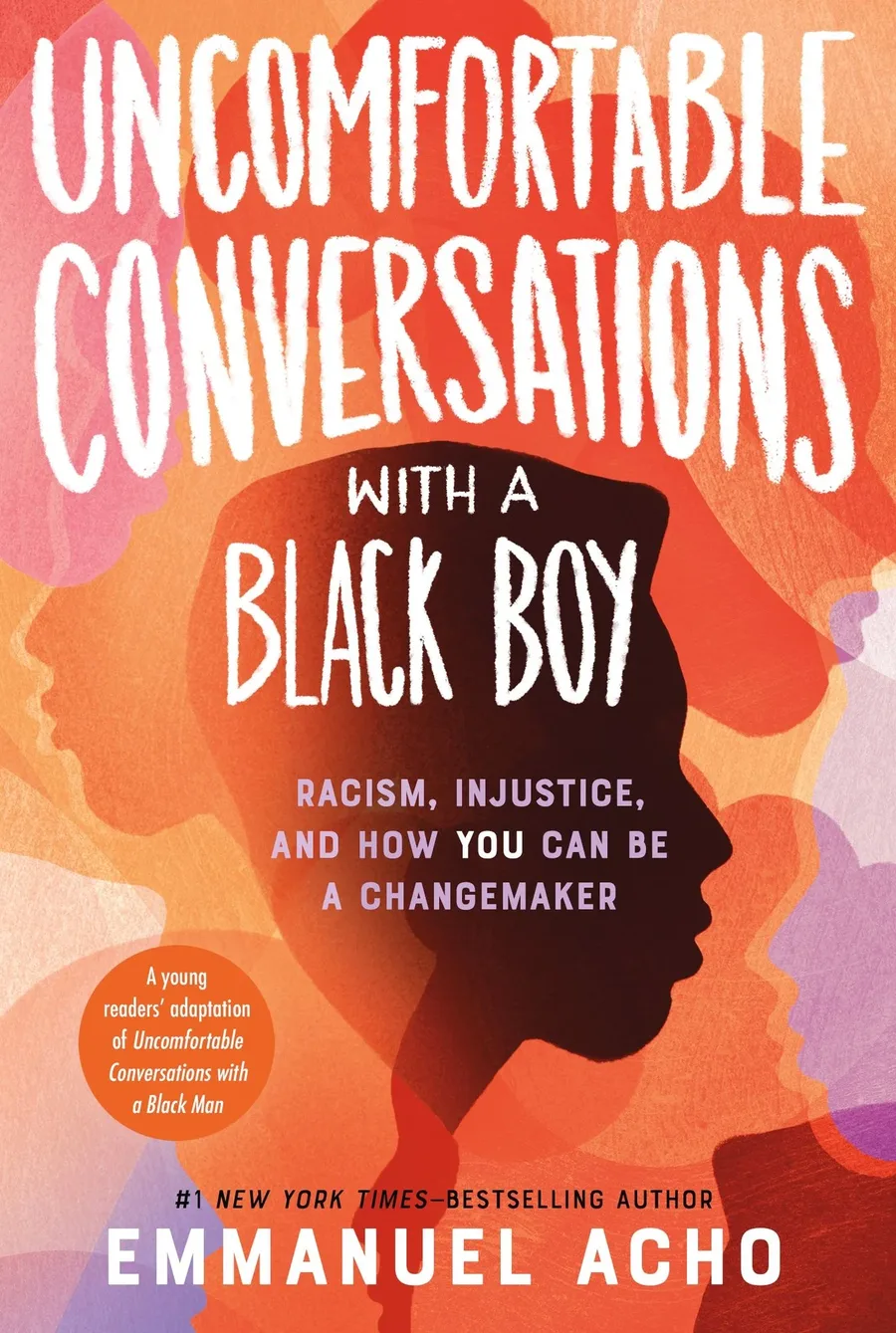 Uncomfortable Conversations with a Black BoyEmmanuel AchoEmmanuel Acho addresses questions that can feel awkward or taboo in conversations about race and racism. Drawing on his own experiences in majority-white preparatory schools and on majority-Black NFL football teams, he connects personal experience with Black history and Black culture. The book calls for open dialogue and honest questions about systemic racism, injustice, and how people can respond. Its focus is the relationship between individual conversations, racial identity, and broader social conditions.Sixth to Eighth GradeLexile Text Measure 1090LATOS Book Level 8View book details
 View from Pagoda HillMichaela MacCollSet in 1878, this historical story follows Ning, a Chinese American girl forced to leave Shanghai for America. She must live with her American father’s parents, relatives she barely knows, after leaving the home she has known. As Ning adjusts to this move, she struggles to work out where she belongs in a new country and unfamiliar household. The narrative centers on family separation, migration, and a young person’s search for a place in the world.Sixth to Eighth GradeView book details
 Who Is Alexandria Ocasio-Cortez?Kirsten AndersonThis biography follows Alexandria Ocasio-Cortez from her work as a bartender in New York City to her 2018 election to Congress at age twenty-eight. Her victory made her the youngest woman elected to serve there, and she became widely known as AOC. Once in office, she spoke in support of healthcare for all and action on climate change. The book centers on her rapid rise in national politics and the causes she championed.Sixth to Eighth GradeLexile Text Measure 820LATOS Book Level 5.2View book details
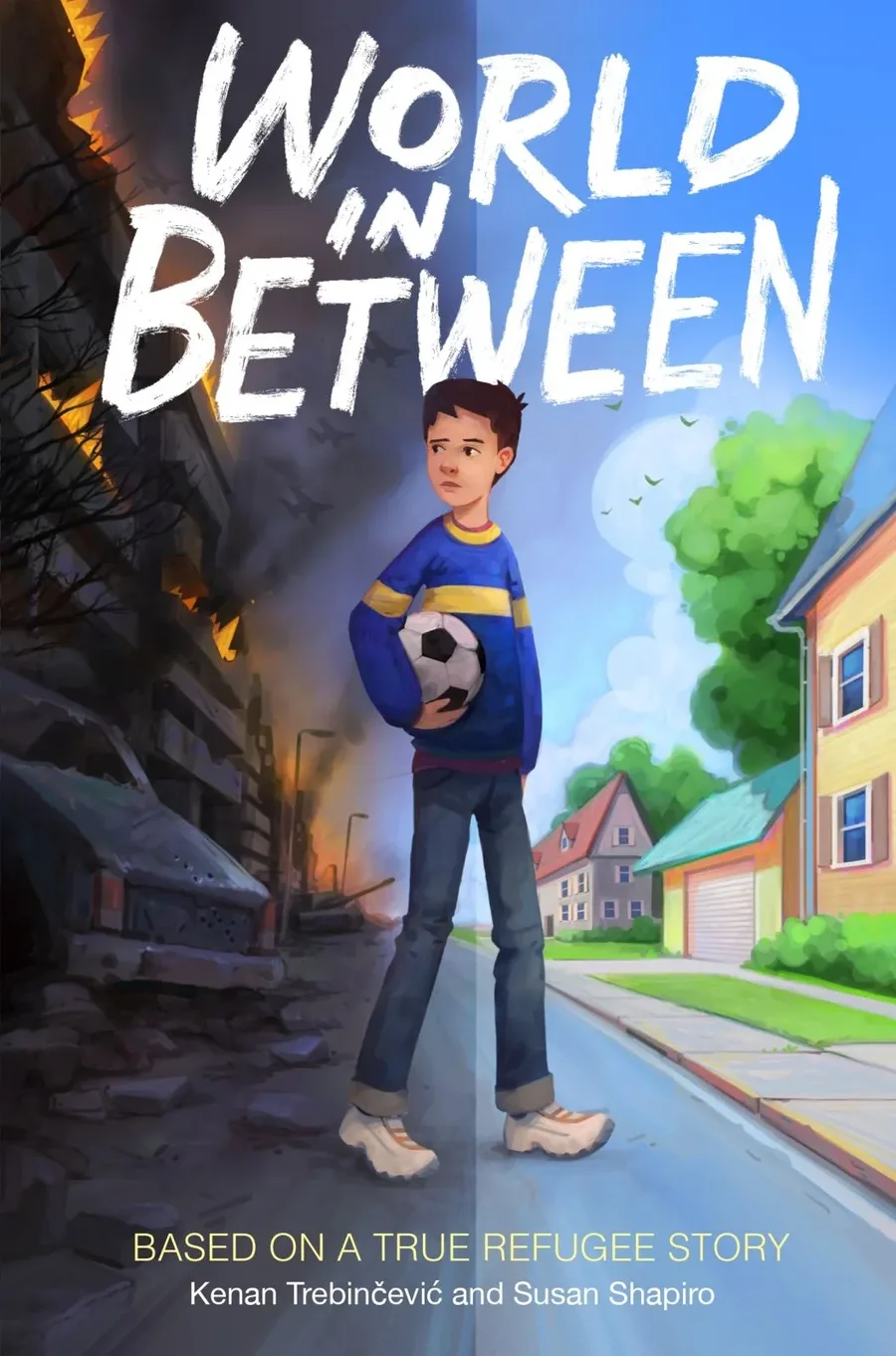 World in BetweenKenan, Susan ShapiroEleven-year-old Kenan and his family escape Bosnia during the 1992 Serbian invasion and the massacre of Muslims that followed. Their flight takes them from a country torn by war to the United States. The book depicts a Muslim boy’s exile and a family’s effort to make a new life in America. It is based on a true refugee story.Sixth to Eighth GradeLexile Text Measure 769LATOS Book Level 4.9View book details
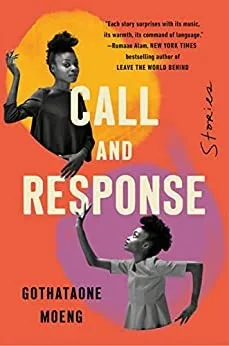 Call and ResponseVeronica ChambersCall and Response is a collection of stories about ordinary families in contemporary Botswana. The stories follow relationships, traditions, and caregiving as the world around the families changes. One story concerns a young widow who wears mourning clothes for nearly a year in keeping with expectations, while questioning what the tradition means and whether she is ready to meet those expectations.Sixth to Eighth GradeView book details
 Everything You Wanted to Know About Indians But Were Too Afraid to Ask (Young Readers Edition)Anton TreuerWritten by Ojibwe scholar Anton Treuer, this young readers edition uses a question-and-answer format to address Native peoples in the present-day United States and Canada. It challenges stereotypes and combines its FAQ approach with archival photographs and back matter. The book focuses on questions relevant to both Native and non-Native readers while centering Native peoples and their lives today.Sixth to Eighth GradeView book details
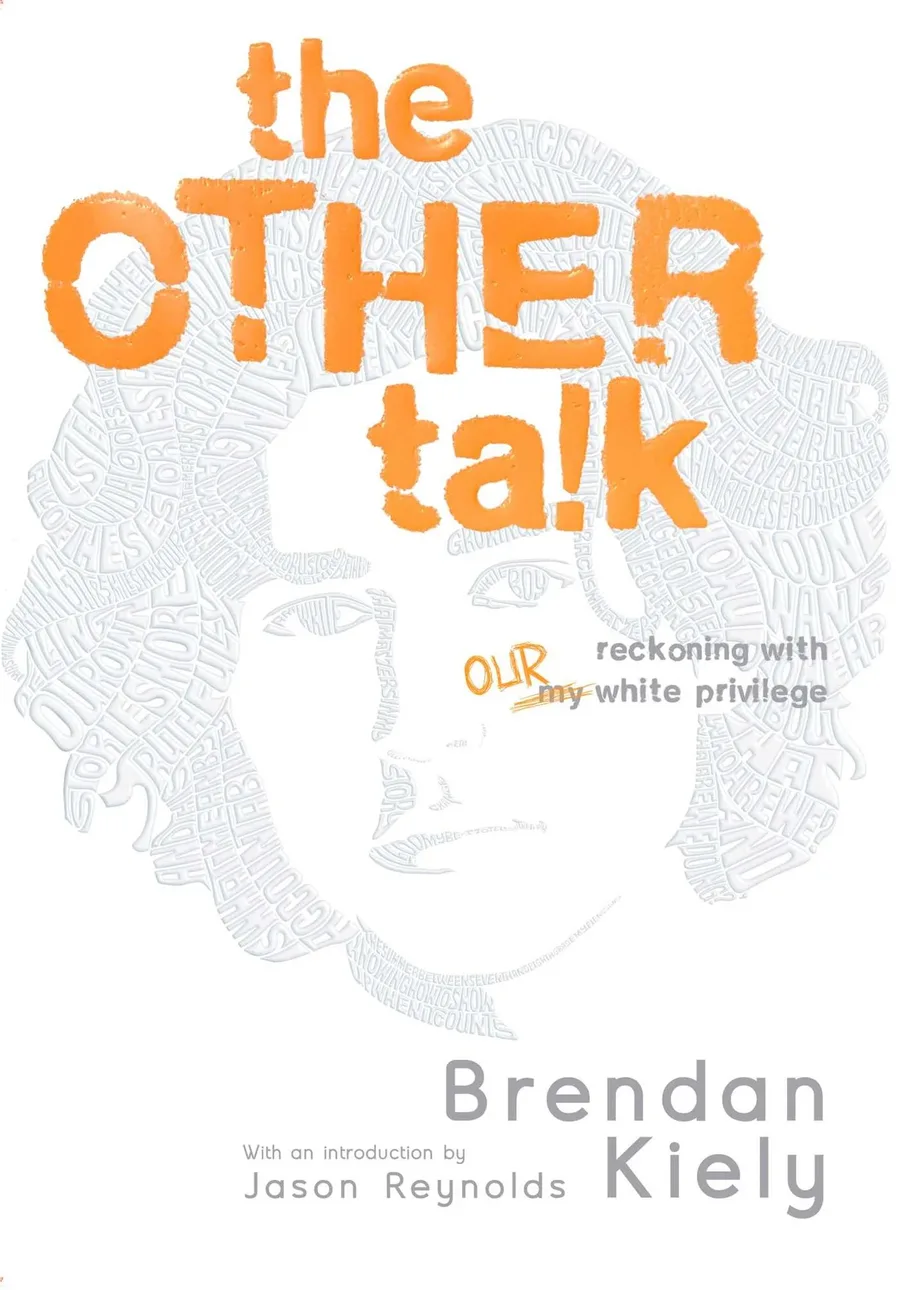 Other TalkBrendan Kiely, introduction by Jason ReynoldsBrendan Kiely uses experiences from his own life to examine white privilege and racism. He recounts incidents he witnessed, mistakes he made, and later reflections on his younger years, inviting consideration of how race affects perception and treatment. The book discusses how racism shapes the treatment of people who are not perceived as white. Studies and statistics are cited in the end matter, alongside further reading. An author’s note considers the responsibility of white people to confront racism and listen to Black, Indigenous, and other people of color.Sixth to Eighth GradeView book details
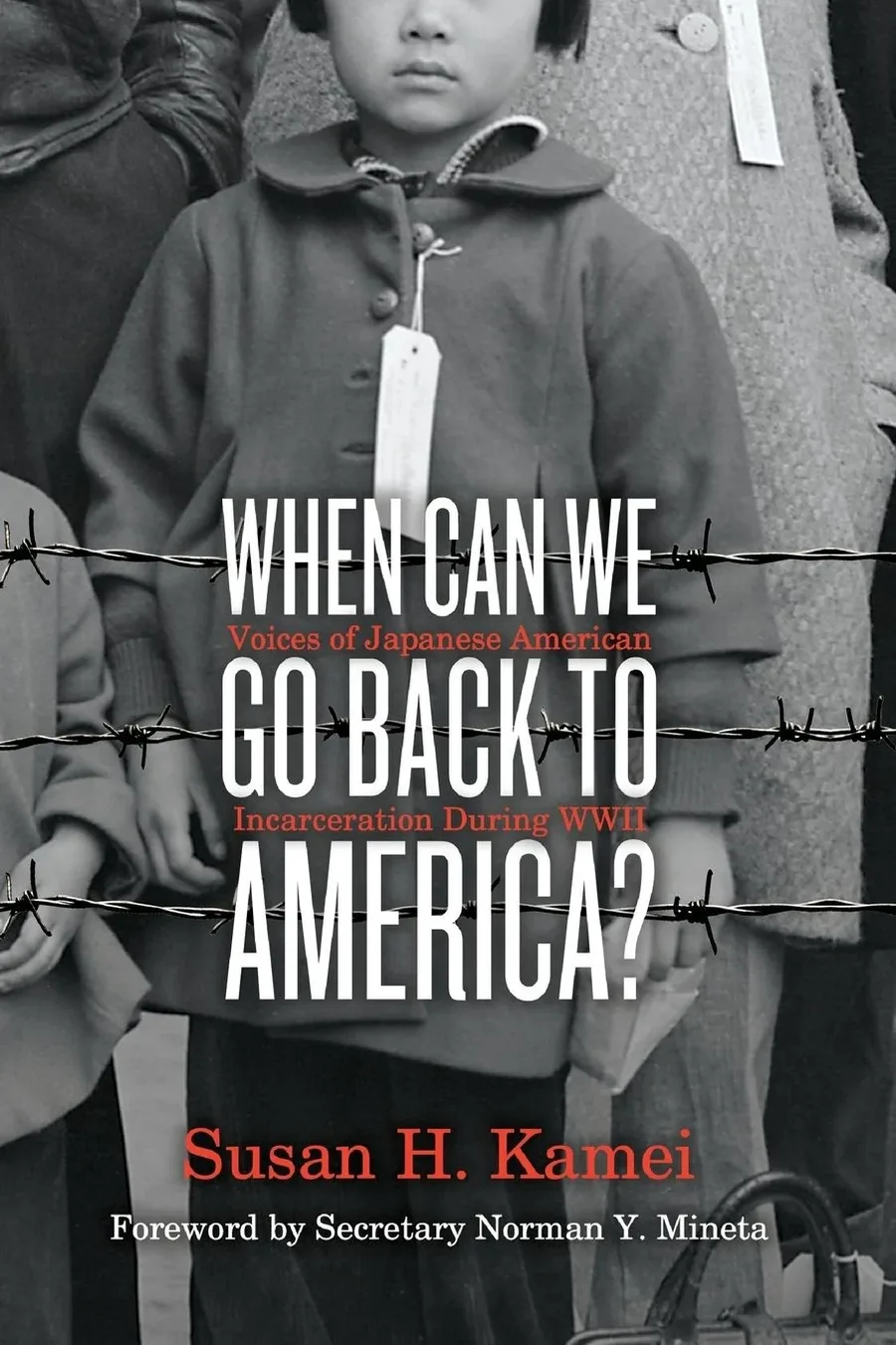 When Can We Go Back to America?Susan H. KamePeople who experienced Japanese American incarceration during World War II recount what happened to them and describe its lasting effects. Their accounts place personal memories within a painful period of United States history. The book brings together Secretary Norman Y. Mineta’s experience with those of others who lived through incarceration, examining how that history continued to affect their lives long afterward.Sixth to Eighth GradeView book details
 When the World Was OursLiz KesslerOn the eve of World War II, Leo, Elsa, and Max are three nine-year-old friends in Germany. Two are Jewish, while Max is destined to become a Nazi. After sharing a happy day, they are separated as Europe descends into war. Their lives move through Germany, England, Prague, and Poland, raising the question of whether they can find each other again. Inspired by a true story, the novel follows friendship and family bonds under conflict.Sixth to Eighth GradeLexile Text Measure HL630LATOS Book Level 4.4View book details
Ninth to Twelfth Grade
28 selections
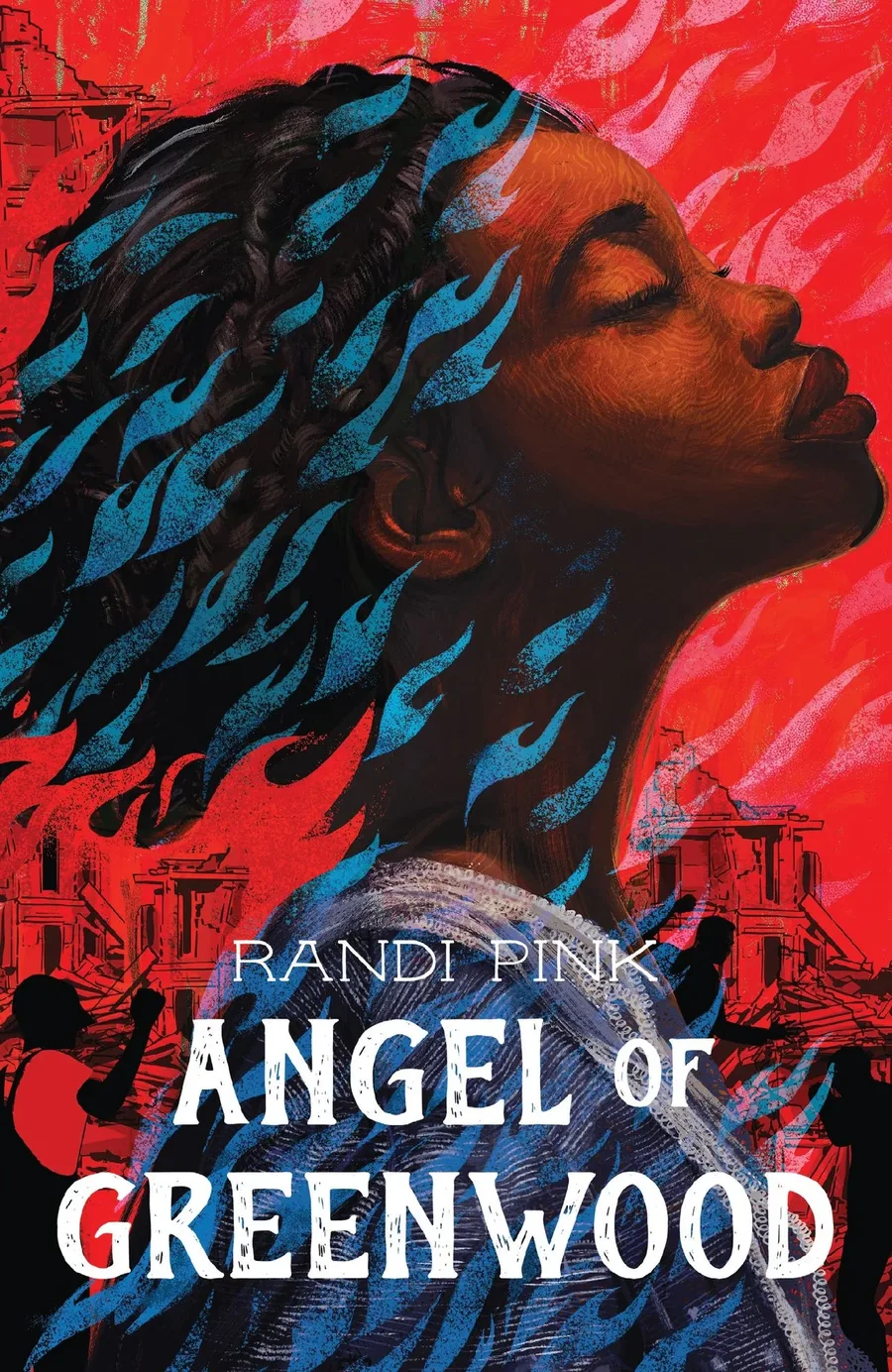 Angel of GreenwoodRandi PinkSet in Greenwood, Tulsa’s Black Wall Street, this novel follows two African American teenagers, Angel and Isaiah, as they gradually form a connection through poetry and dance. Isaiah keeps a journal and writes poems in secret, while Angel is isolated at school as her father’s health declines and her family faces financial strain. Their developing relationship unfolds against the 1921 Tulsa Race Massacre, when a White mob burns the Greenwood district.Ninth to Twelfth GradeView book details
 At Night All Blood is Black: A NovelDavid Diop; Translated from the French by Anna MoschovakisDuring World War I, Alfa Ndiaye, a Senegalese man who has never previously left his village, serves with the French army. His regiment companion Mademba Diop is badly hurt in combat and asks Alfa to end his suffering in No Man’s Land. Alfa cannot do so. The refusal becomes a source of guilt, which he views as cowardice, and his mind begins to unravel. The novel follows the consequences of that moment amid war.Ninth to Twelfth GradeView book details
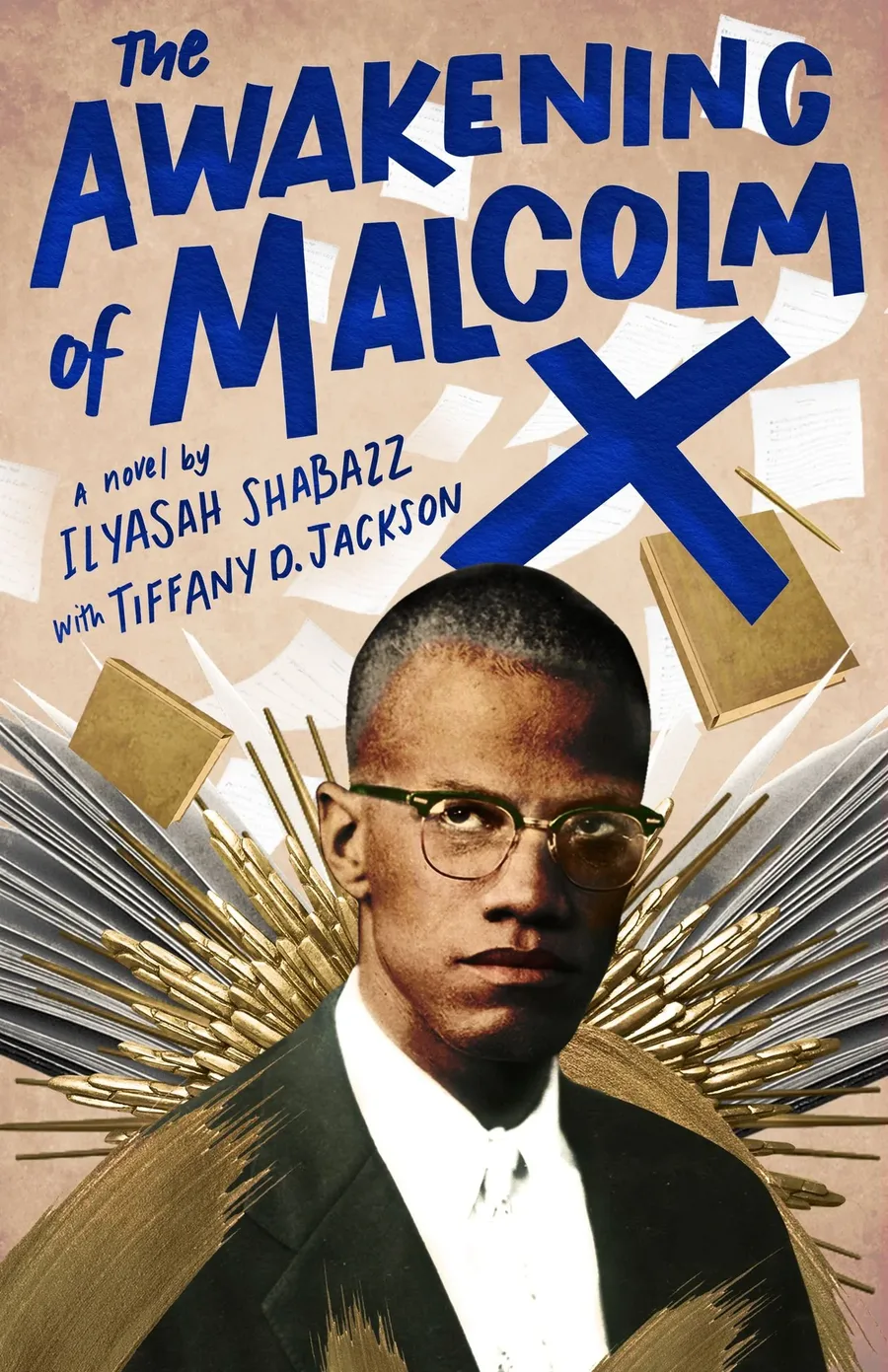 Awakening of Malcolm XIlyasah Shabazz, Ti ff any D. JacksonMalcolm is troubled by nightmares and passes his days without a clear sense of what lies ahead. In prison, he begins to form friendships with other incarcerated people and writes letters to his family. He reads every book in the prison library, participates in the debate team, and joins the Nation of Islam. These experiences mark a changing period in Malcolm’s life.Ninth to Twelfth GradeView book details
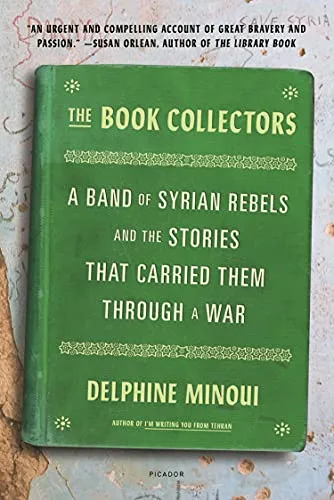 The Book Collectors: A Band of Syrian Rebels and the Stories That Carried Them Through a WarDelphine Minoui; Translated from the French by Lara VergnaudDaraya, long a place of peaceful resistance to the Assad regimes, was besieged in 2012. For four years, nobody could enter or leave, and aid was prevented from reaching the city. Amid chaos and bloodshed, people searching for survivors find a cache of books. They gather those books and continue searching for more.Ninth to Twelfth GradeView book details
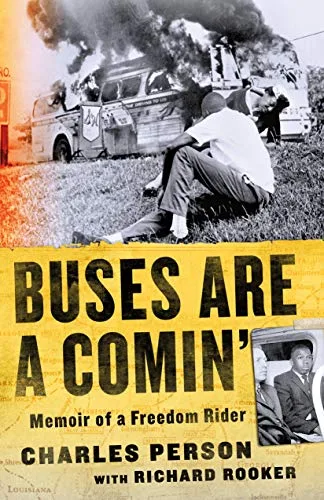 Buses Are A Comin’: Memoir of a Freedom RiderCharles Person, Richard RookerIn this firsthand account, a pioneer in the Civil Rights Movement reflects on the personal cost of taking part in efforts to change the United States. The book presents bus travel as part of that struggle and focuses on the sacrifices bound up in moving the country forward. It offers a personal perspective on civil rights, change, and the price paid by people who joined the movement.Ninth to Twelfth GradeView book details
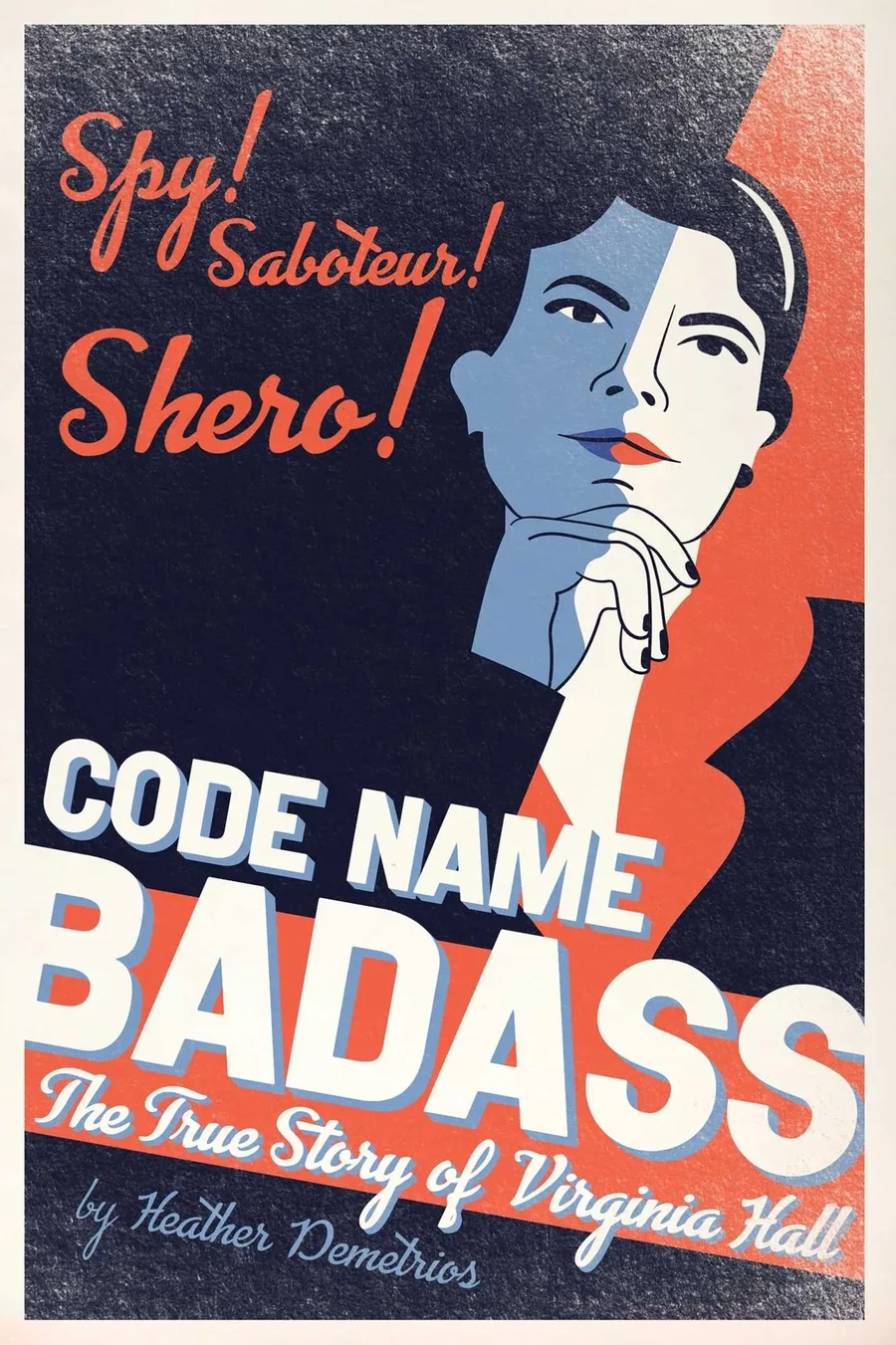 Code Name BadassHeather DemetriosHeather Demetrios’s 2022 biography recounts the life of Virginia Hall, an Allied spy who worked behind enemy lines. The book presents her espionage work as a dangerous undertaking and identifies Hall as a key Allied operative. It draws on research to tell the story of a woman working during wartime, with danger and courage central to the account. Atheneum Books for Young Readers published this 384-page book.Ninth to Twelfth GradeView book details
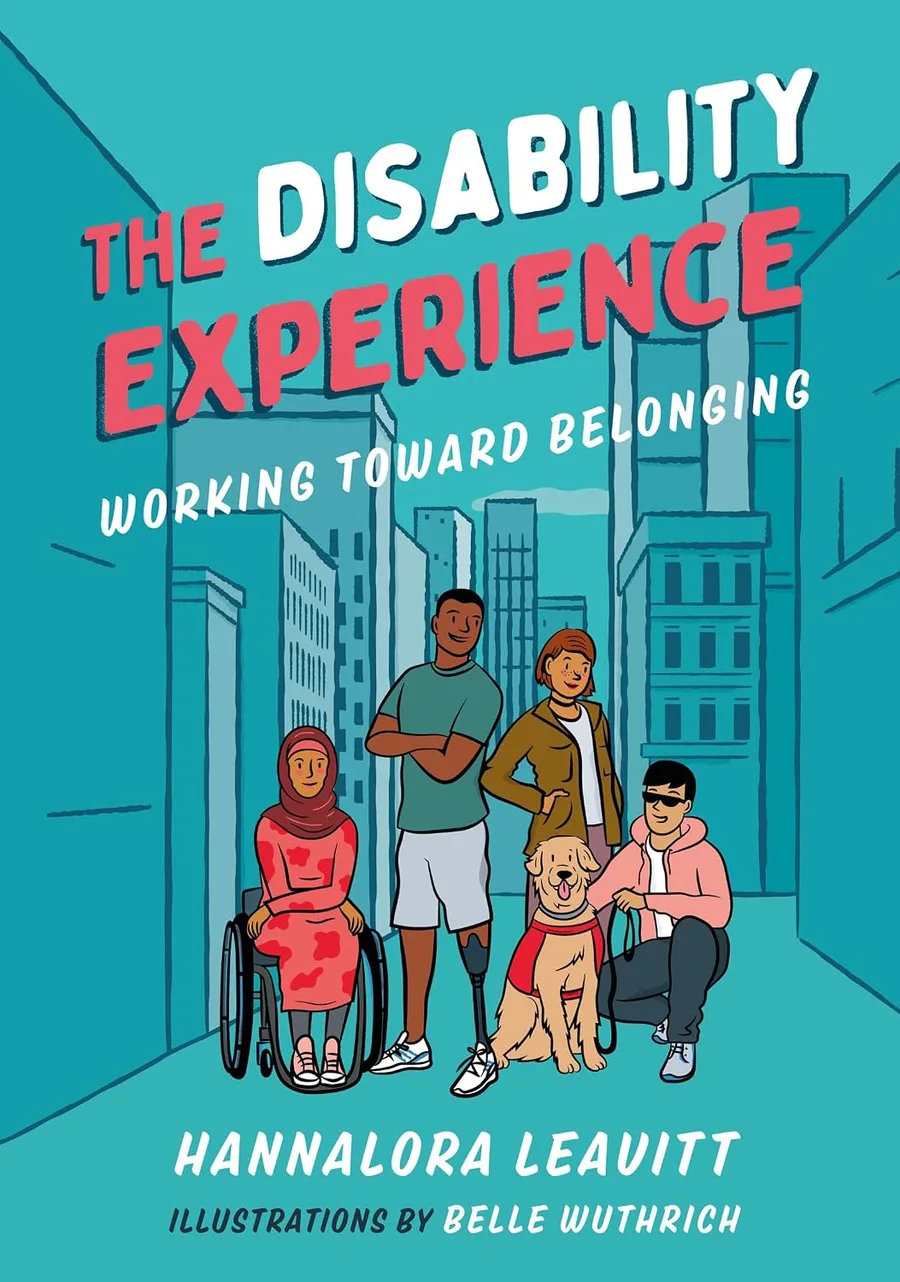 The Disability Experience: Working Toward BelongingHannalora Leavitt, illustrated by Belle WuthrichThis book addresses the experiences of people with disabilities and the barriers that can affect their pursuit of ordinary life goals. It states that disabled people have aspirations comparable to anyone else’s, while unequal access can make those goals harder to reach. The access gaps named include education, jobs, housing, transportation, and health care. Its focus is on disability alongside the practical inequities that shape opportunities to participate in these areas of life.Ninth to Twelfth GradeView book details
 Disability VisibilityEd. Alice WongAn anthology of first-person pieces about contemporary disability experience, this collection brings together activists, writers, lawyers, politicians, artists, and other people. The contributors describe both joys and difficulties in daily life. Their accounts present disability through many individual perspectives and roles, rather than as a single shared experience, and focus on the ways people make lives for themselves in the modern world and take part in their communities and work.Ninth to Twelfth GradeView book details
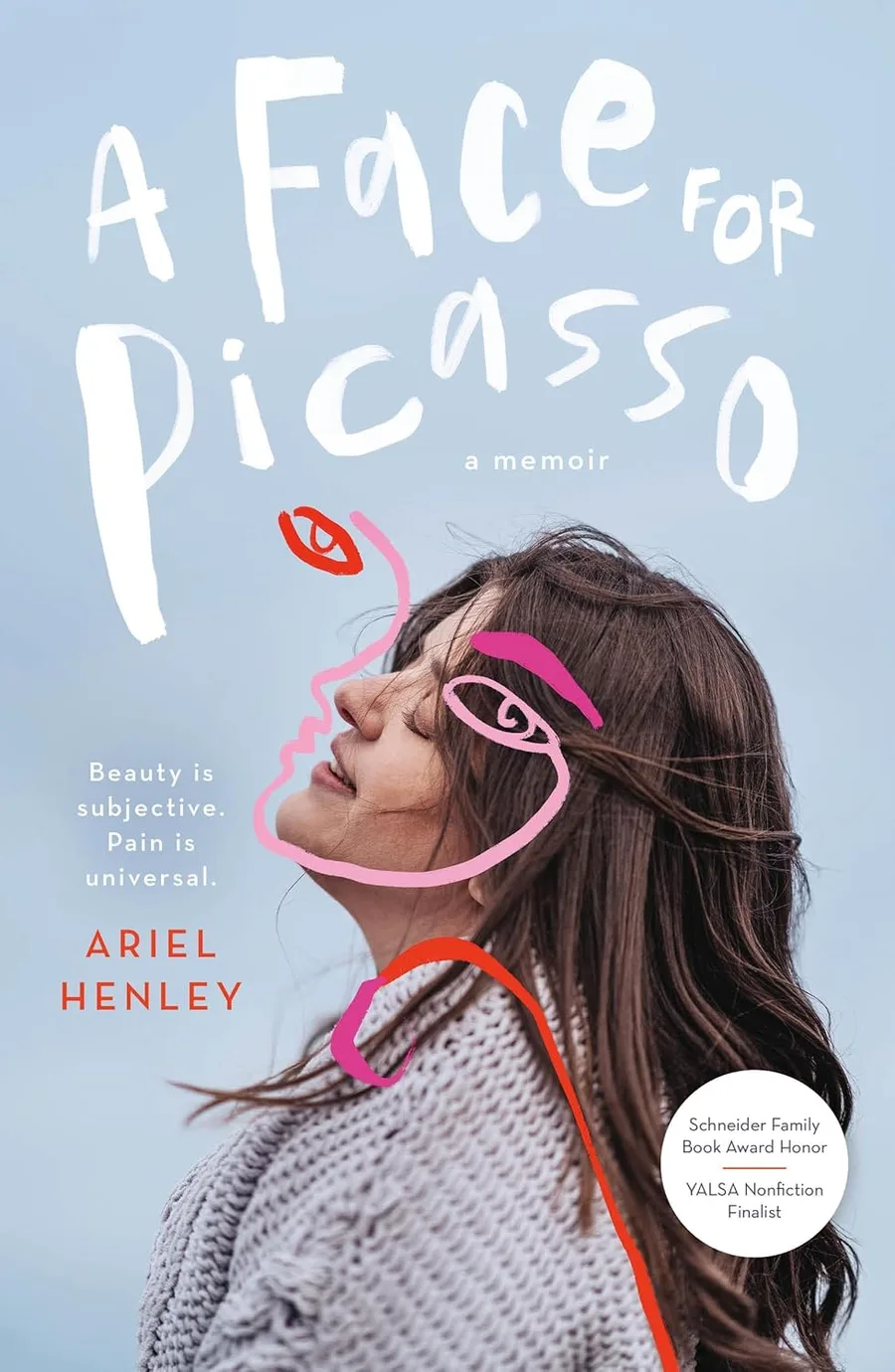 A Face for PicassoAriel HenleyAriel Henley’s memoir recounts growing up with her identical twin sister, Zan, after both were diagnosed as infants with Crouzon syndrome, a rare condition in which skull bones fuse too early. The sisters underwent numerous procedures that altered their appearance. Surgeries involved breaking bones in their heads and faces to create room for growing organs. The book connects this medical history with their experiences as twins and with ideas about beauty and appearance.Ninth to Twelfth GradeLexile Text Measure 880LATOS Book Level 6.3View book details
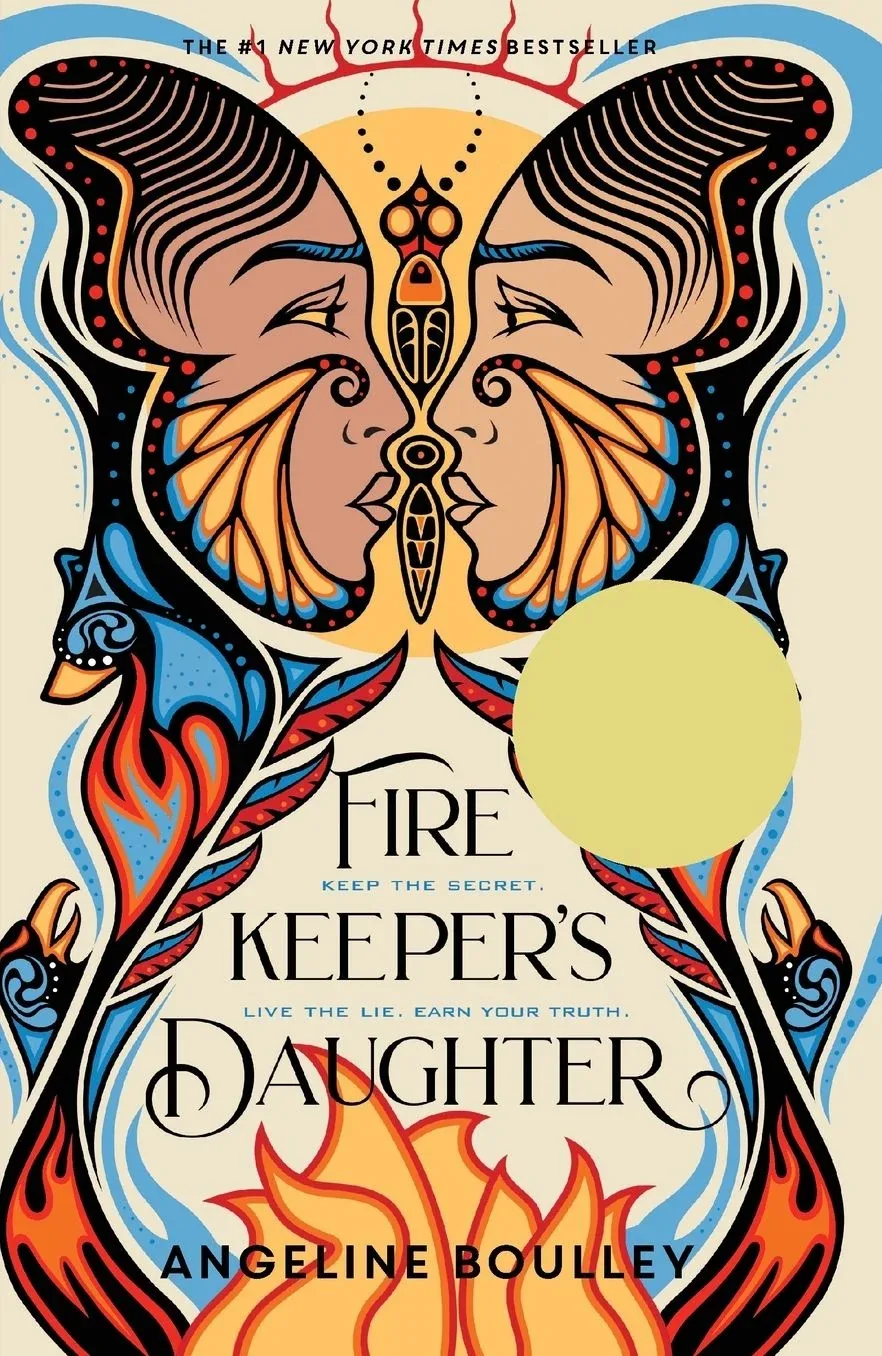 Firekeeper’s DaughterAngeline BoulleyDaunis postpones college plans to remain in Sault Ste. Marie with her mother after her uncle’s death and as her grandmother’s health worsens. Though her white grandmother did not allow Daunis’s Ojibwe father to be named on her birth certificate, Daunis remains close to his family and involved in her Ojibwe community. After her friend Lily is killed by an estranged boyfriend addicted to meth, Daunis learns that Jamie, a new local hockey player, is an undercover FBI agent investigating a dangerous meth supply in the area.Ninth to Twelfth GradeView book details
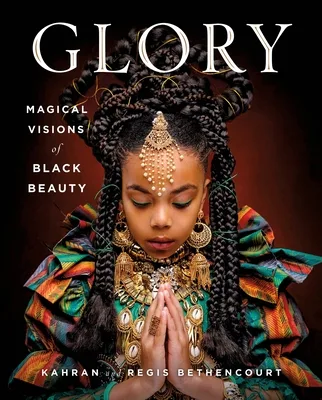 Glory: Magical Visions of Black BeautyKahran, Regis BethencourtGlory: Magical Visions of Black Beauty is a photography book created by Kahran and Regis Bethencourt, a husband-and-wife duo behind CreativeSoul Photography. Their book challenges conventional beauty standards for Black children. St. Martin's Press published the 256-page book on October 20, 2020. Its title identifies its subject as magical visions of Black beauty, expressed through photography as a visual art form.Ninth to Twelfth GradeView book details
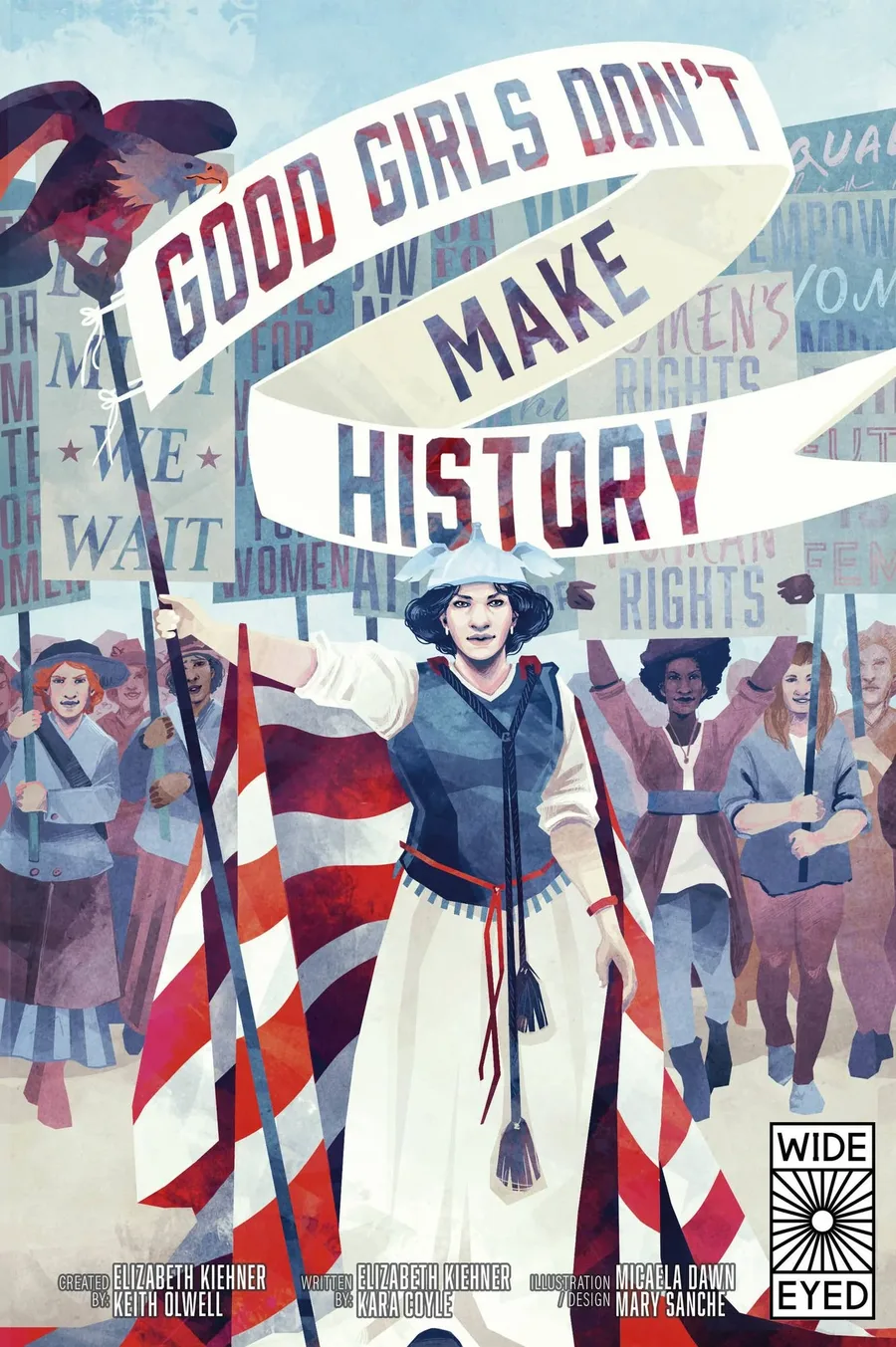 Good Girls Don’t Make HistoryElizabeth Kiehner, Kara Coyle, Keith Olwell, illustrated by Micaela DawnGood Girls Don’t Make History is a graphic novel that gives female legends a place in the historical record. Its coverage moves from 1840 to the present day and uses a woman’s point of view to address a history in which women’s perspectives have rarely been foregrounded. Elizabeth Kiehner, Kara Coyle, and Keith Olwell are credited as the book’s authors.Ninth to Twelfth GradeView book details
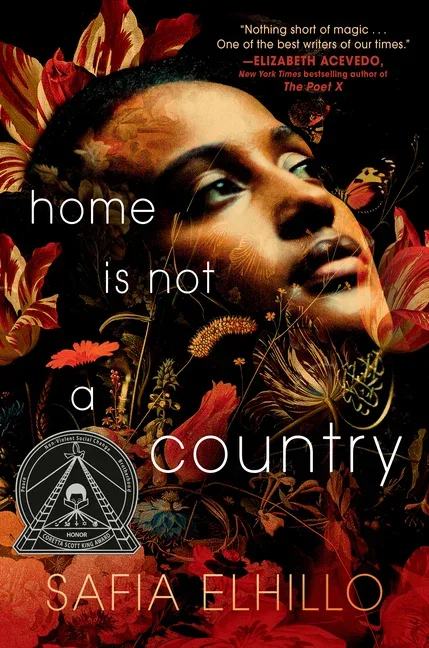 Home is Not a CountrySafia ElhilloNima wishes she could be someone else. She feels disconnected from her mother, who grew up in another country, and does not feel accepted in her suburban town. A bullied Muslim immigrant teen living with her widowed mother in a post-9/11 American town, she dreams of a homeland she has never seen. Written in free verse, the novel follows her questions about identity, belonging, family, and the life she imagines might have been hers.Ninth to Twelfth GradeView book details
 How to be a Global CitizenDKAn illustrated guide examines challenges facing the world and considers ways people can help address them in their own communities. It presents information and tools connected with responsible citizenship and taking action locally. The book frames children and adults as participants in responding to shared problems, with attention to being informed, getting involved, and helping create change. Its subject is global citizenship understood through community engagement and efforts to meet wider challenges.Ninth to Twelfth GradeView book details
 Huda F Are YouHuda FahmyA fictionalized memoir in graphic-novel form, this book follows Huda during her first year of high school after she moves to a new town. The transition leads her to reconsider who she is. The story centers the changes of starting school in an unfamiliar place and Huda’s effort to re-examine her identity.Ninth to Twelfth GradeView book details
 In the Wild LightJeff ZentnerDelaney and Cash have been close friends since each lost parents to addiction. After receiving full scholarships, they leave their rural Tennessee home for a prep school far away. At school, their circumstances and possibilities broaden, raising the question of whether the changes in their lives will pull the two friends apart. The novel brings friendship, loss, school, and transition into the lives of two teenagers.Ninth to Twelfth GradeView book details
 Last Night At The Telegraph ClubMalinda LoSet in San Francisco during the 1950s, this historical novel centers on Lily Hu, a teenager and the American-born daughter of Chinese immigrants. As she explores her sexuality, Lily forms a relationship with Kath, a white classmate. Their relationship unfolds in Chinatown amid Red Scare fears. Lily’s father faces possible deportation despite being a citizen and having renounced communism. The book brings together first love, Chinese American identity, and the political pressures surrounding one family.Ninth to Twelfth GradeLexile Text Measure 900LATOS Book Level 6.3View book details
 Luck Of The TitanicStacey LeeValora and Jamie Luck are British-Chinese twins who work as acrobats and travel aboard the Titanic on its first voyage. Valora has a ticket for the ocean liner and a dream, but encounters exclusion at the gangway: she is told that Chinese people are not permitted to enter the United States. Determined to board the ship, Valora’s situation unfolds on the Titanic’s ill-fated maiden journey, alongside her twin and their shared British-Chinese identity.Ninth to Twelfth GradeView book details
 Revolution in Our Time: The Black Panther Party’s Promise to the PeopleKekla MagoonThis nonfiction history places the founding of the Black Panther Party in 1966 within the longer experience of Black people in America, beginning in 1619 and continuing into the early 1960s. It examines the organization in chronological and thematic ways, covering its structure, political beliefs, protests, and community-outreach work. The book also addresses actions by police departments and the U.S. government that sought to undermine, attack, frame, and kill Party members. Accounts of leaders from around the country include many women.Ninth to Twelfth GradeView book details
 Rise Up!Crystal Marie FlemingThis collection contains 29 accounts of young people from around the world confronting extraordinary challenges. Its stories include a child surviving a plane crash in the jungle and young people striking in response to climate change. Together, the accounts focus on girls and boys who overcome difficult circumstances and take action in the face of danger or major challenges.Ninth to Twelfth GradeView book details
 Somewhere in the Unknown World: A Collective Refugee MemoirKao Kalia YangKao Kalia Yang, herself a Hmong refugee, gathers accounts of refugees now living in the Twin Cities. The people represented came from places including Syria, Bosnia, Thailand, and Liberia, and have rebuilt their lives after leaving what they held dear. Set against Minnesota’s unusually large refugee population, this collective memoir looks beyond headlines to consider who refugees are, how they live, and what they have lost. It centers resettlement, displacement, and the creation of home.Ninth to Twelfth GradeView book details
 Sugar Town QueensMalla NunnFifteen-year-old Amandla lives in a South African shantytown after apartheid. She is biracial and has never met the relatives on her White mother’s side. On a difficult day for her mother, Amandla’s family tensions are already close at hand. With help from friends, she begins to uncover secrets and truths within her family. The story connects friendship with questions about family, identity, and life in post-apartheid South Africa.Ninth to Twelfth GradeView book details
 Unbound: My Story of Liberation and the Birth of the Me Too MovementTarana BurkeTarana Burke recounts her life story and explains the path that led her to say “me too.” The memoir connects that personal history with the launch of the Me Too movement, identified here as a major cultural event in American history. Written by the activist named as the movement’s founder, it also records how she came to launch the movement.Ninth to Twelfth GradeView book details
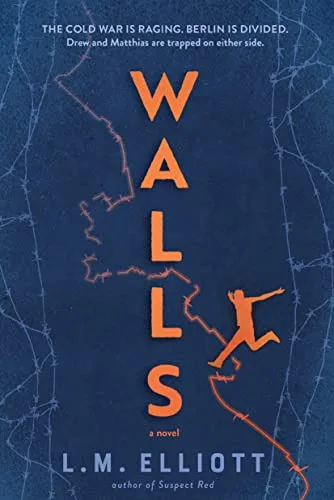 WallsL. M. ElliottWalls follows two cousins during the Cold War, when Berlin is divided and their friendship is under strain. Drew, an American army child, lives in West Berlin, where his father is stationed as soldiers stand against communist Russia. His German cousin lives on the other side of the division. Political and social upheaval culminates in the sudden construction of the Berlin Wall, which threatens to keep the cousins apart permanently.Ninth to Twelfth GradeView book details
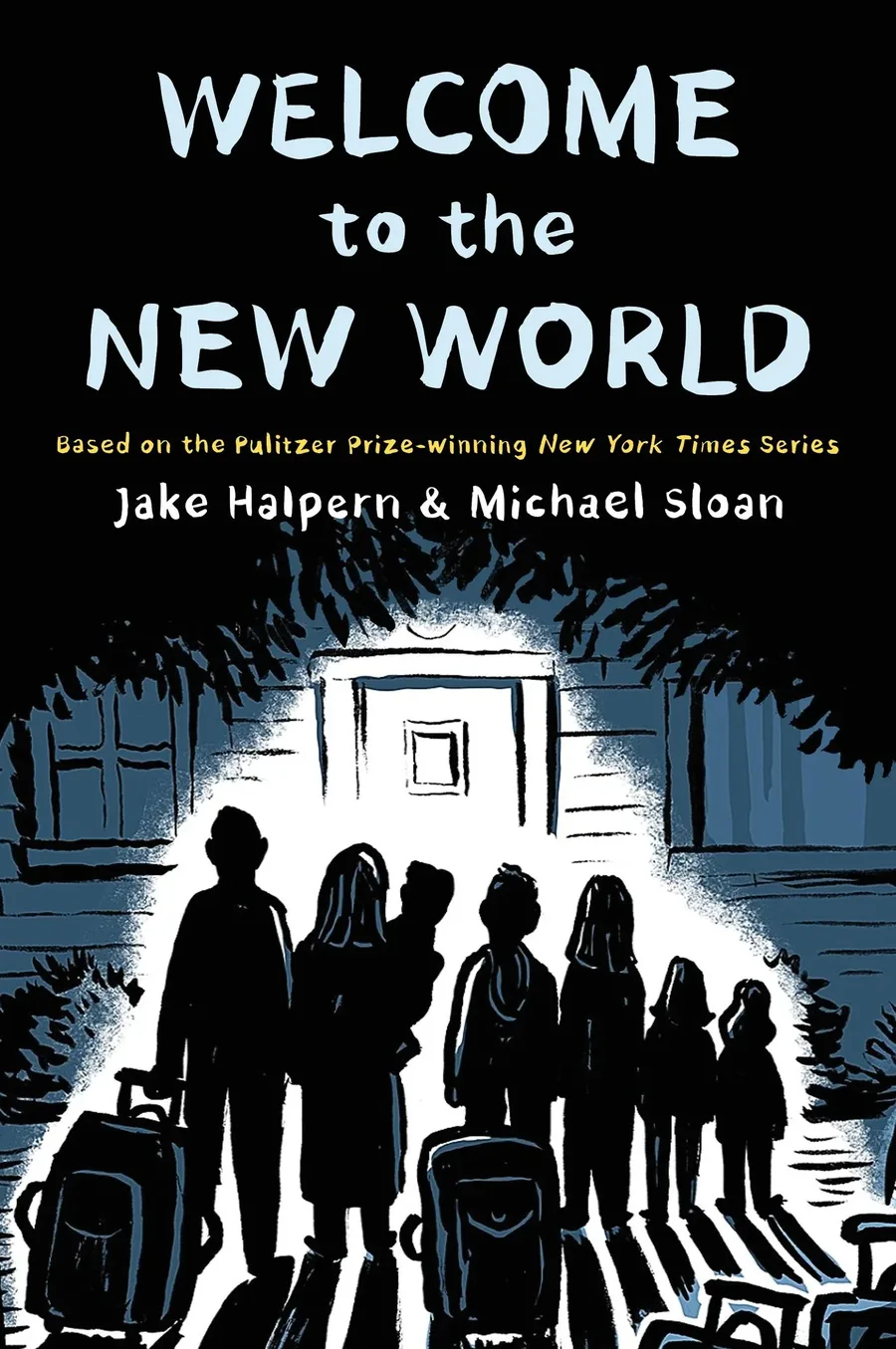 Welcome to the New WorldJake Halpern, illustrated by Michael SloanThis graphic story follows Ibrahim Aldabaan and his family after he escapes a prison in Syria. Fleeing the country during the Syrian civil war, the family seeks protection in the United States. Their story concerns leaving a conflict behind and beginning a life in America as refugees. The book focuses on one family’s movement from Syria to the United States and the circumstances that force their departure.Ninth to Twelfth GradeView book details
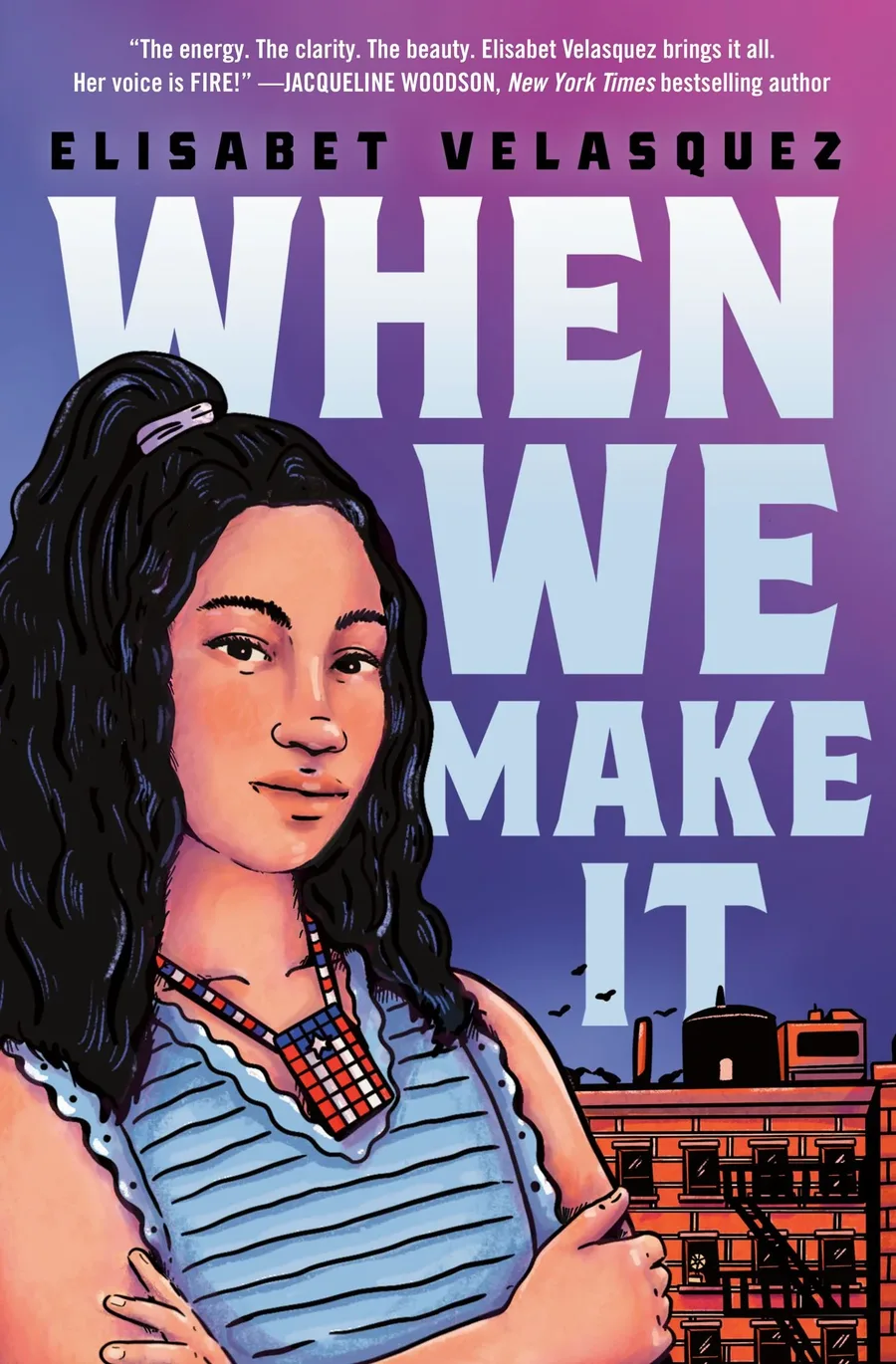 When We Make ItElisabet VelasquezTeenage Sarai lives with her mother and older sister, Estrella, in 1990s Bushwick. Proud of her Puerto Rican identity, Sarai also wonders about belonging when she has never been to the island. As the family faces trauma, housing insecurity, and a rapidly gentrifying Brooklyn, the sisters’ love and support for each other remain important. When they find an apartment they can keep for a while, it is in a deteriorating building where drug dealing is a daily presence.Ninth to Twelfth GradeView book details
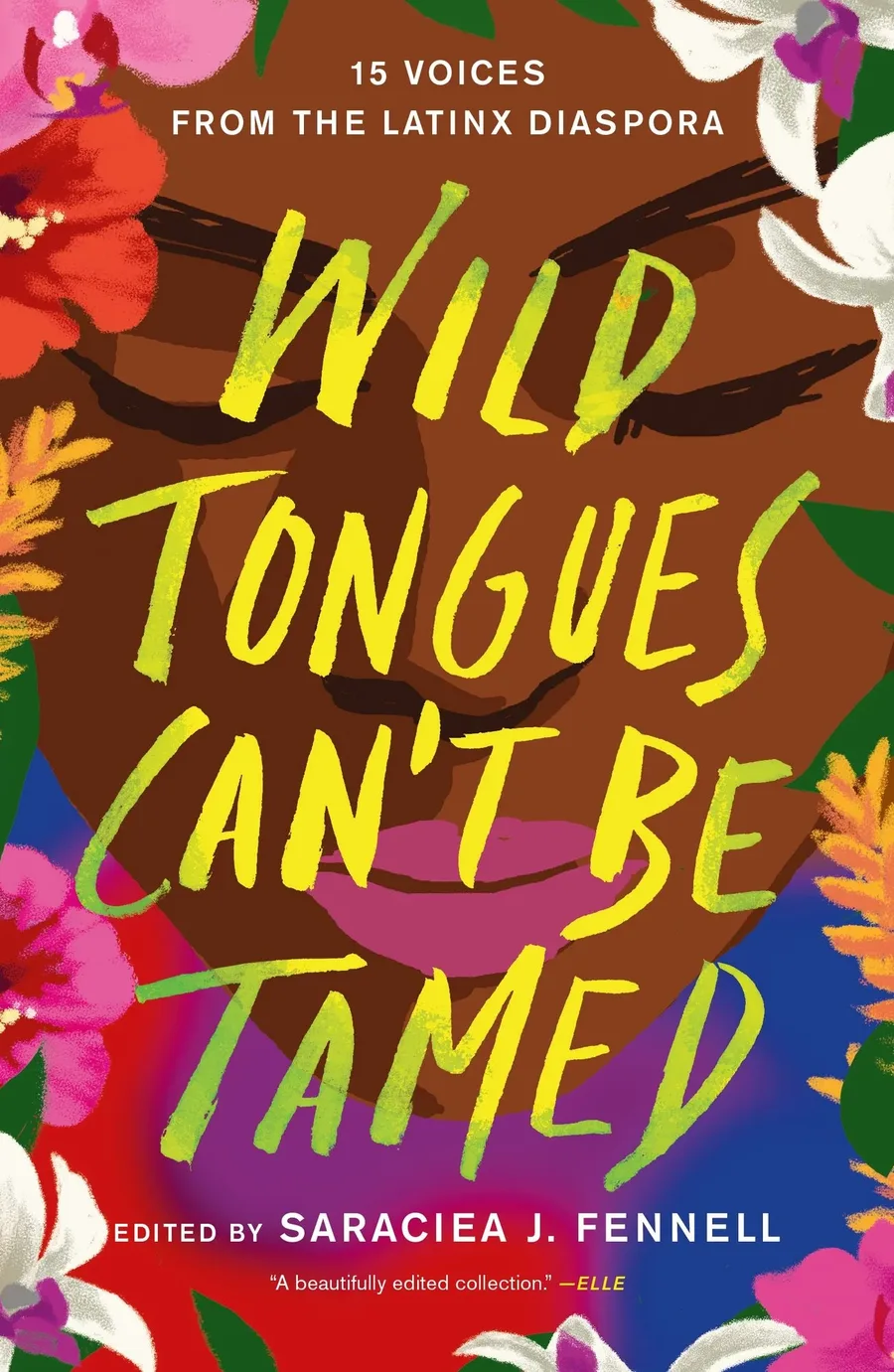 Wild Tongues Can’t Be Tamed: 15 Voices from the Latinx DiasporaSaraciea J. FennellFifteen original pieces bring together perspectives from Afro-Latinx, Caribbean, and Central American writers. Their subjects include kitchen memories, travel, ghost stories, superheroes, addiction, grief, love, and questions of identity. The collection also addresses racism, anti-Blackness, cultural experience, self-acceptance, and the feeling of not fitting in. Across the pieces, writers share their own experiences and describe speaking openly in their own voices.Ninth to Twelfth GradeView book details
 You Can’t Say That!: Writers for Young People Talk About Censorship, Free Expression, and the Stories They Have to TellLeonard S. MarcusLeonard S. Marcus interviews thirteen prominent writers for young people about what occurs when free expression is challenged. Their conversations address censorship and the pressures surrounding the stories authors choose to tell. One example concerns a photographic essay about transgender teenagers that was characterized as hostile to religion and family. The book uses these interviews to examine authorship, contested ideas, and threats to expression in literature for young readers.Ninth to Twelfth GradeView book details