
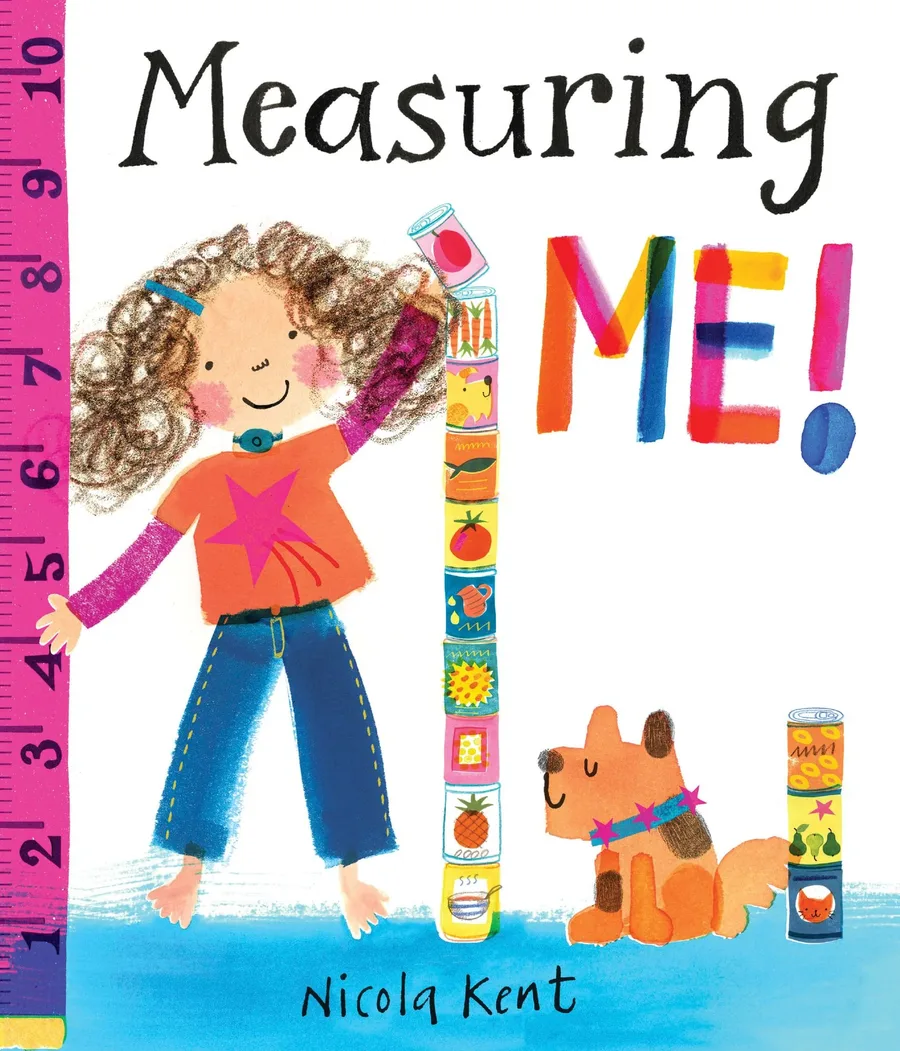
 Mathical Prize WinnerMeasuring Me!Nicola Kent, illustrated by Nicola KentThis book explores measurement through the human body and everyday examples. It considers ways to work out a person’s height using food tins and examines how much electricity a body can produce. Human-body facts accompany the measurement concepts, while lively artwork provides a visual element. A pull-out height chart is also included, extending the book’s focus on comparing and recording physical size.Pre-KindergartenView book details
Mathical Book Prize 2025
The 2025 edition includes 22 Mathical Honor Books and 5 Mathical Prize Winners. The source organizes the selections into Pre-Kindergarten, Grades K through 2, Grades 3 through 5, Grades 6 through 8, and Grades 9 through 12. It records that year's Mathical Prize, Honor, and Hall of Fame results across the program's grade groups.
2025 Mathical Book Prize Winners and Honor BooksSee the original list
Selections27
Published byMathical Book Prize
Sections5 sections
Browse sections5 sections
Pre-Kindergarten
4 selections
Mathical Prize WinnerMeasuring Me!Nicola Kent, illustrated by Nicola KentThis book explores measurement through the human body and everyday examples. It considers ways to work out a person’s height using food tins and examines how much electricity a body can produce. Human-body facts accompany the measurement concepts, while lively artwork provides a visual element. A pull-out height chart is also included, extending the book’s focus on comparing and recording physical size.Pre-KindergartenView book details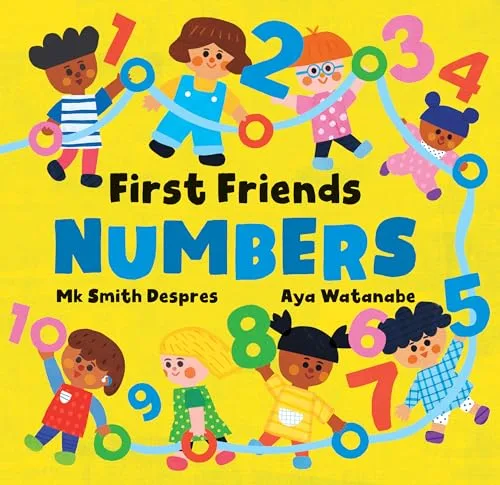 Mathical Honor BookFirst Friends: NumbersMk Smith Despres, illustrated by Aya WatanabeA daycare class counts from one through ten as the day unfolds. At drop-off, the children have one goodbye kiss and one hello hug; when it is time to leave, there are ten farewell waves. The counting continues across daily activities, including playtime and naptime. Toddlers from a diverse group move through these familiar daycare routines, with objects to seek out later in the book.Pre-KindergartenView book details
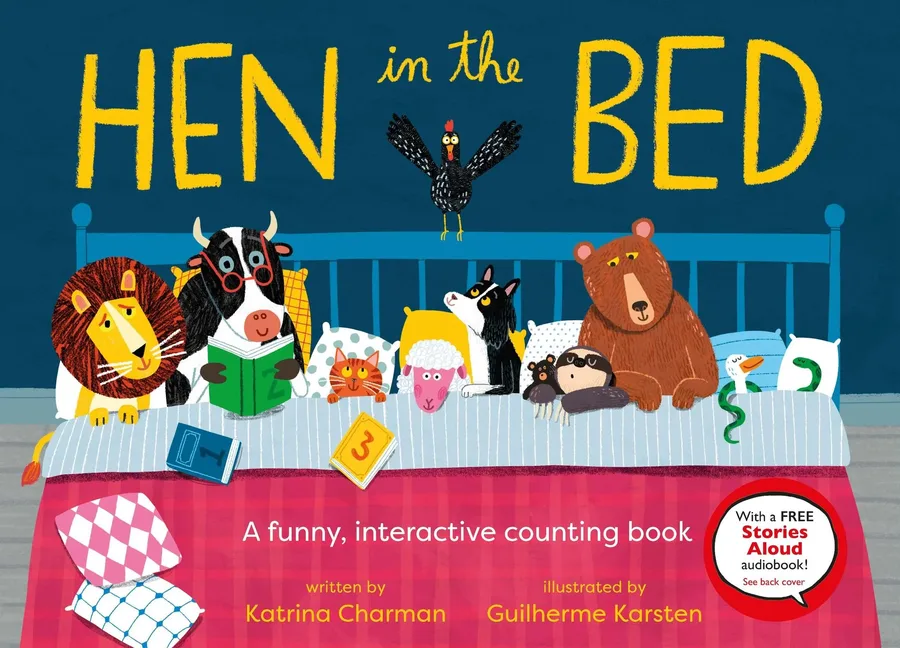 Mathical Honor BookHen in the BedKatrina Charman, illustrated by Guilherme KarstenTen animal friends begin together in a bed with a speckled hen. As they roll, flop, and tumble out one at a time, the number remaining changes from ten downward. The noisy departures make bedtime increasingly chaotic as the bed empties. This split-page picture book centers on counting the animals through their successive exits and the question of whether anyone will finally get to sleep.Pre-KindergartenView book details
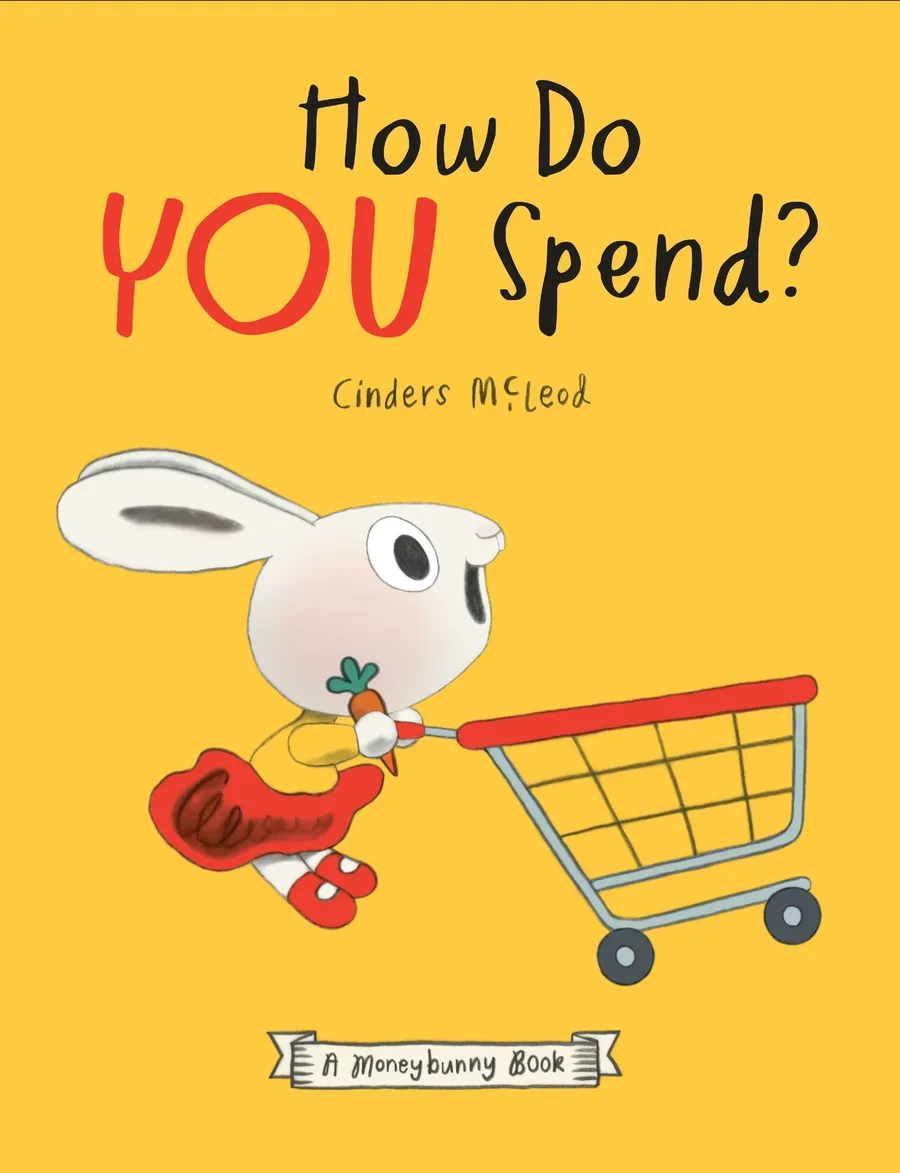 Mathical Honor BookHow Do You Spend?Cinders McLeod, illustrated by Cinders McLeodHow Do You Spend? introduces Bun, a little bunny who has saved carrots and is ready to use some of them. As Bun considers different ways to spend her savings, the book brings in pairs of opposites. By Cinders McLeod and published by Penguin Young Readers Group in 2024, it uses a rabbit’s carrot savings to explore choices about spending.Pre-KindergartenView book details
Grades K–2
5 selections
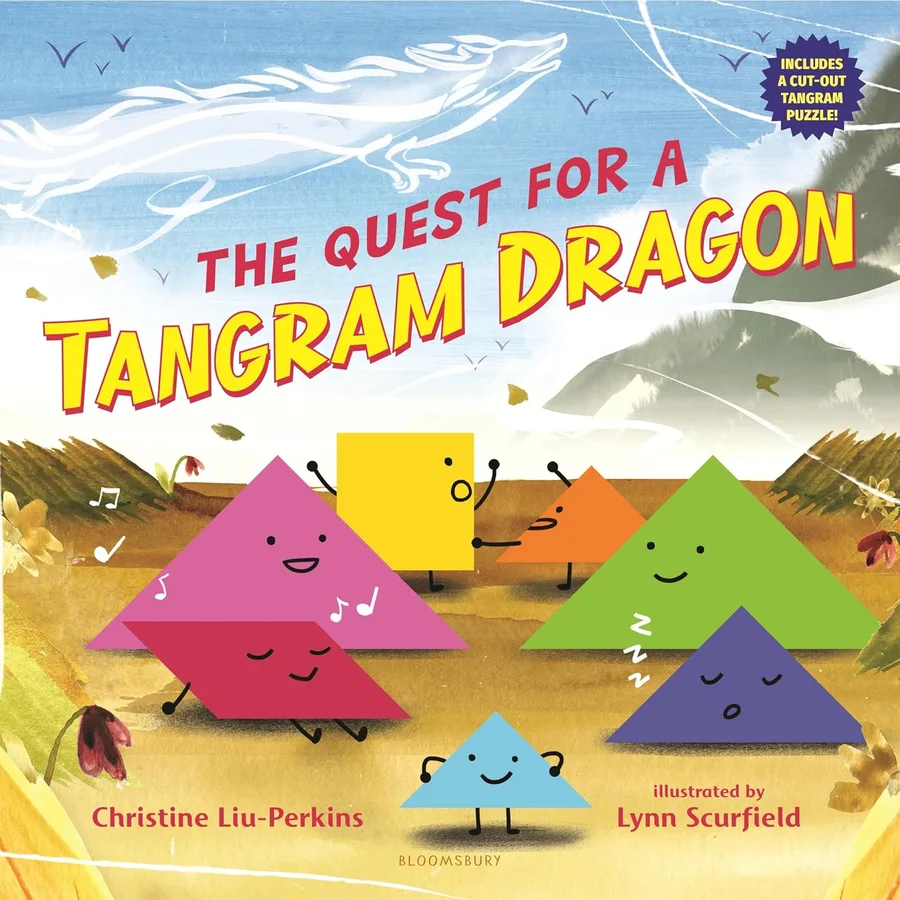 Mathical Prize WinnerThe Quest for a Tangram DragonChristine Liu-Perkins, illustrated by Lynn ScurfieldDuring a long drought, Little Triangle sets out to find a Chinese dragon. Other shapes join the journey and work with Little Triangle using tangrams, a Chinese puzzle made from shapes. Their transformations include two triangles becoming a butterfly by flipping and moving, while a square helps make a bat. The quest combines a search for the dragon with the different ways shapes can change and combine.Grades K–2View book details
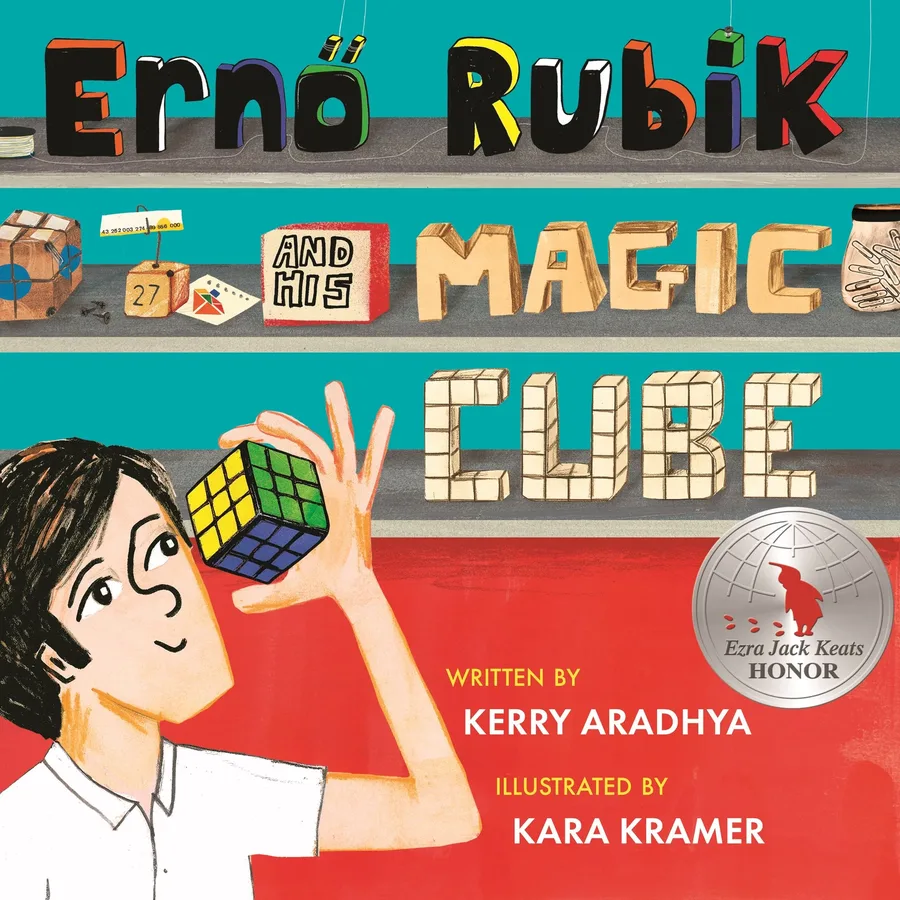 Mathical Honor BookErnő Rubik and His Magic CubeKerry AradhyaThis picture-book biography follows Ernő Rubik from his curious childhood in mid-twentieth-century Budapest through studying art and architecture and becoming a teacher. While building models to help students understand three-dimensional objects, he set out to make a large cube of smaller cubes that could move while remaining connected. The account traces the trial, error, breaks, and observations behind the puzzle later known as the Rubik’s Cube.Grades K–2View book details
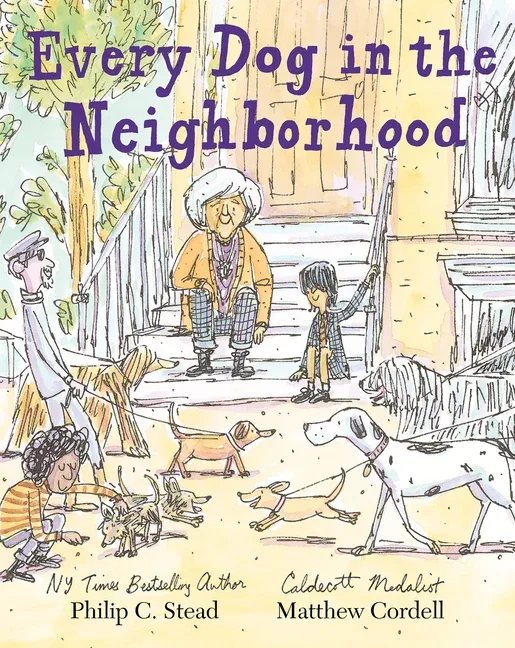 Mathical Honor BookEvery Dog in the NeighborhoodPhilip C. SteadLouis and his grandmother go door to door through their neighborhood to determine whether it already has enough dogs. Louis counts the dogs as part of making his case. Their survey becomes an adventure through the community, where they encounter details and humor along the way. By the end, Louis discovers that one particular dog needs a home, changing the purpose of his count.Grades K–2Lexile Text Measure AD510LATOS Book Level 3.4View book details
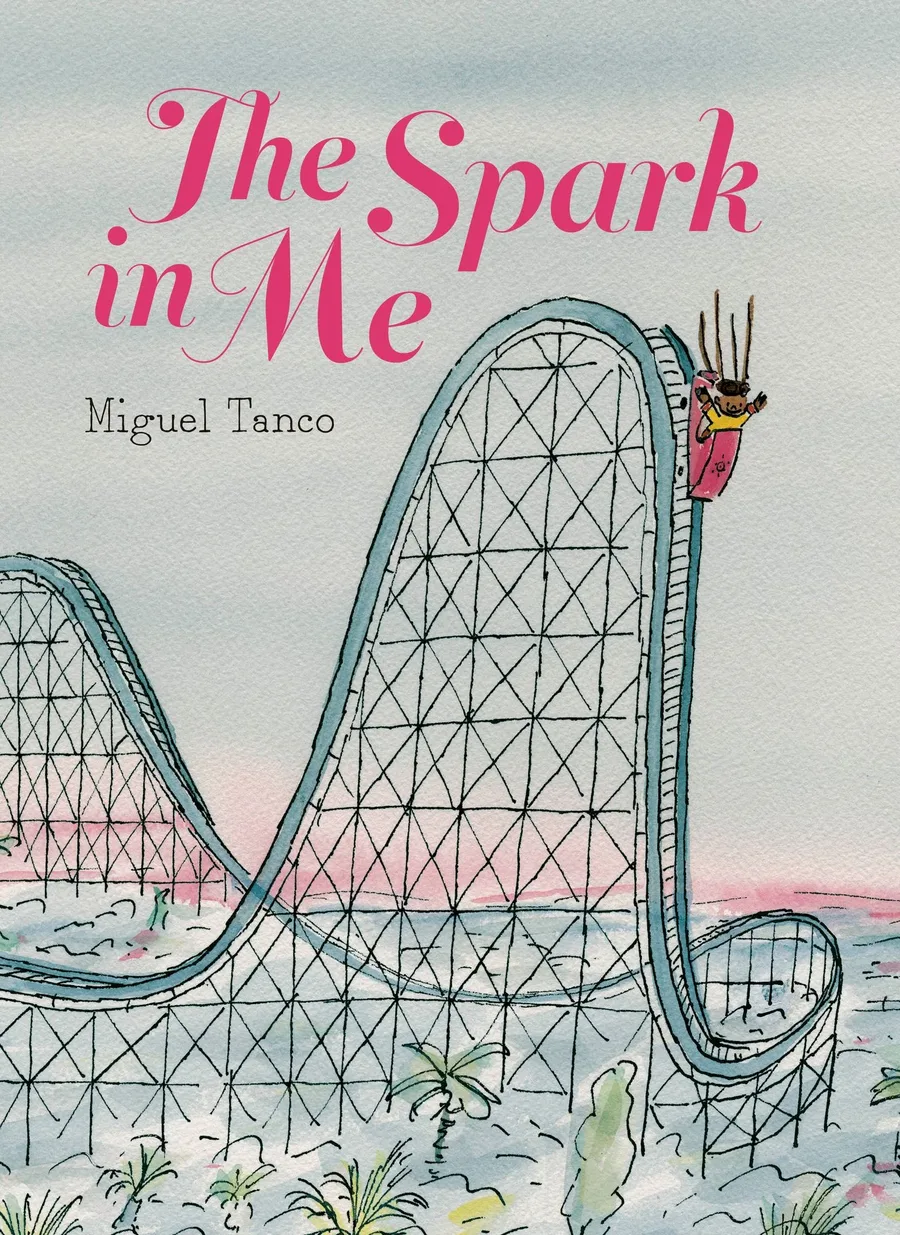 Mathical Honor BookThe Spark in MeMiguel Tanco, illustrated by Miguel TancoA young brown-skinned girl searches for answers to her questions and discovers an interest in physics. She researches what she wants to know, recording her questions on notebook pages. The picture book presents her as someone who sees the world differently and whose curiosity leads her toward scientific investigation. Detailed ink-and-watercolor illustrations accompany her developing interest in how things work.Grades K–2View book details
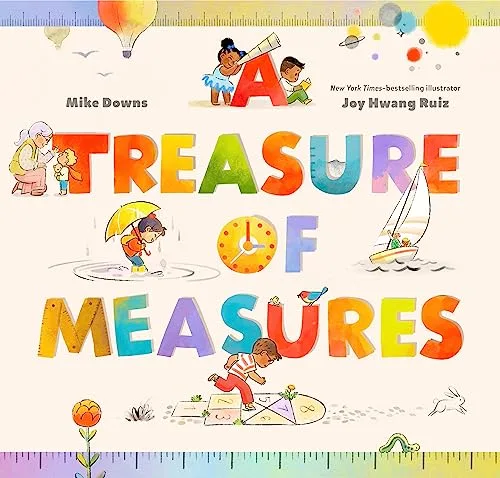 Mathical Honor BookA Treasure of MeasuresMike Downs, illustrated by Joy Hwang RuizThis book considers many ways to measure ordinary moments in life. Reading time can be counted in minutes or hours, but it can also be considered through page turns, laughter, tears, or requests to read again. Rainfall offers another comparison: it may be measured through the sound of rain or by noticing how many people open umbrellas. These examples invite different ways of thinking about quantities and measurement.Grades K–2View book details
Grades 3–5
7 selections
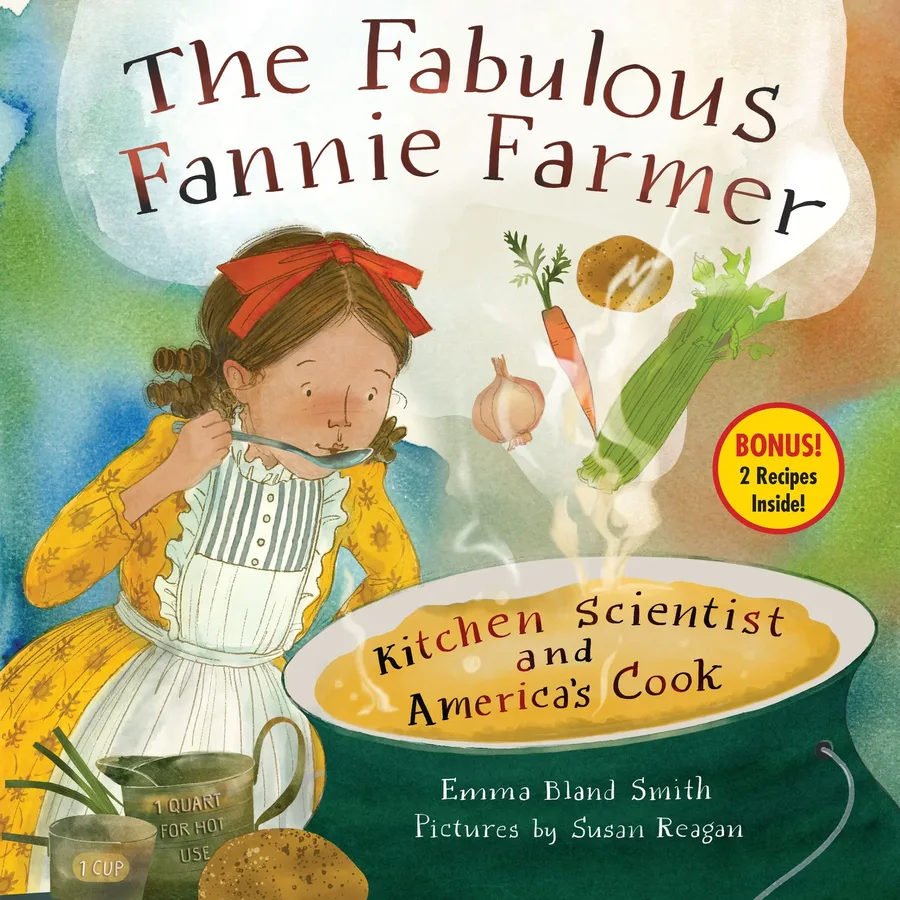 Mathical Prize WinnerThe Fabulous Fannie Farmer: Kitchen Scientist and America’s CookEmma Bland SmithThis biography recounts Fannie Farmer’s life as a cook and food pioneer. After polio left her unable to use one leg as a teenager, cooking helped direct her future. She noticed that recipes often relied on vague amounts, which could produce inconsistent results. Farmer attended the Boston Cooking School, later became its principal, and promoted exact measurements and clear recipe instructions. She revised the school cookbook to demonstrate this approach and bring those methods to a wider public.Grades 3–5View book details
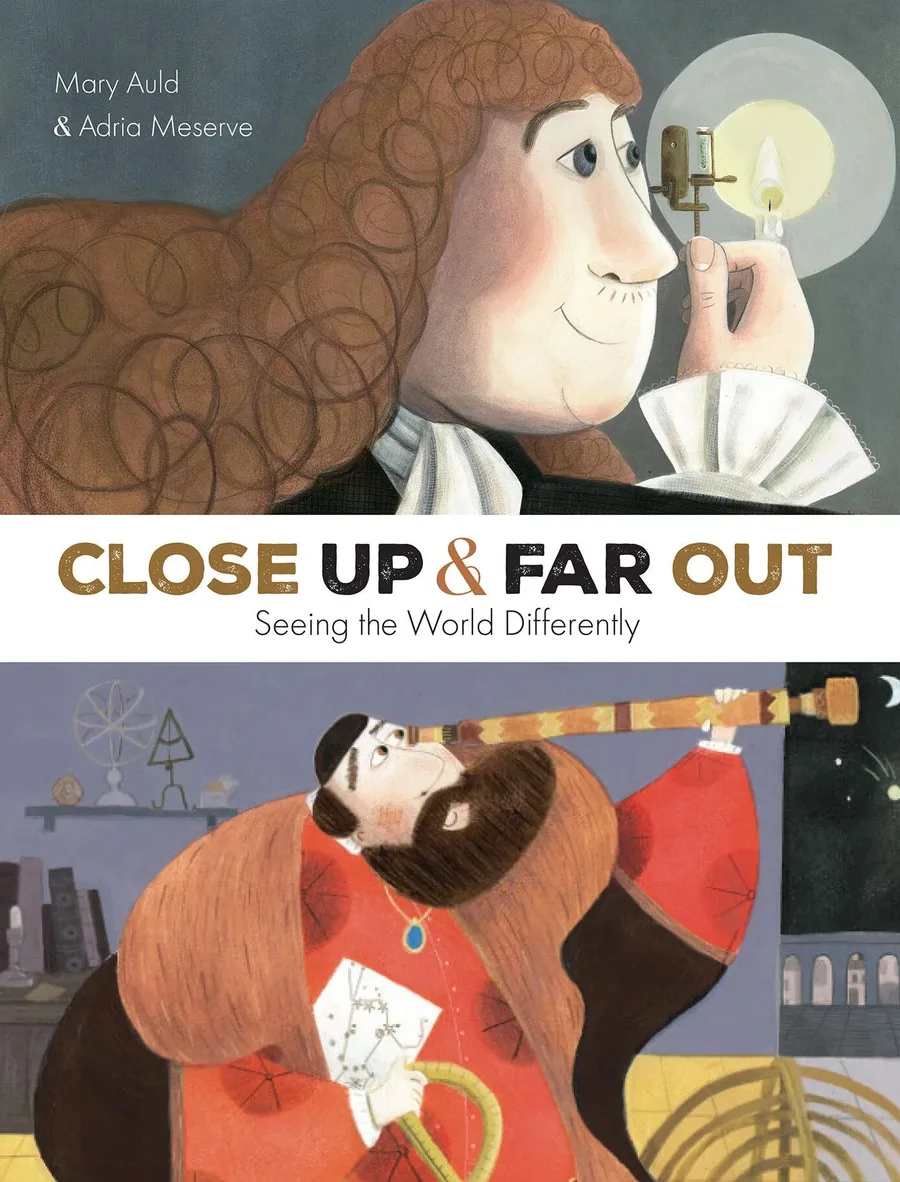 Mathical Honor BookClose Up and Far OutMary Auld, illustrated by Adria MeserveThis book contrasts two natural philosophers, now called scientists, who used comparable tools to investigate very different subjects. Antoine van Leeuwenhoek examined drops of water at close range. Galileo Galilei directed his attention outward, toward the universe. Their paired approaches show one investigator studying a tiny nearby world while the other looks into space, despite their use of similar tools.Grades 3–5View book details
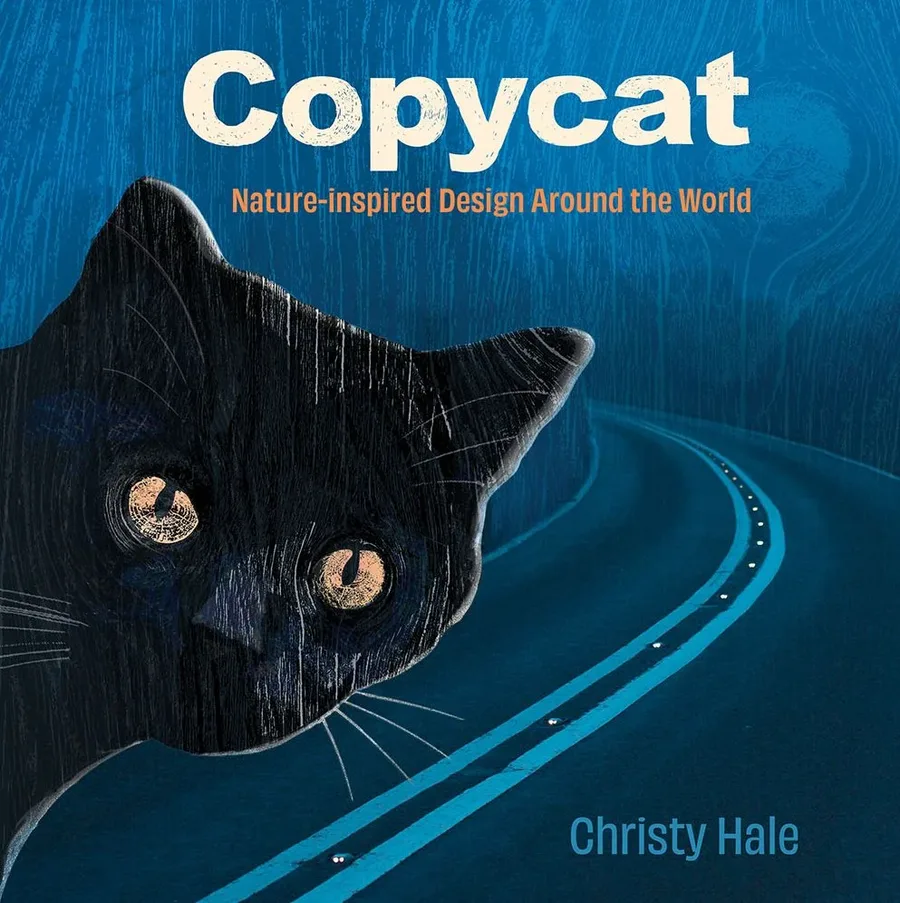 Mathical Honor BookCopycat: Nature-Inspired Design Around the WorldChristy HaleThis nonfiction book examines inventions and designs that take ideas from nature. A lotus leaf is connected to the umbrella, while cats’ eyes are linked to safety reflectors used on roads. Other examples include space-saving cars, robotic arms, and apartments arranged like honeycombs. Digital artwork and photographs accompany the examples, and the book includes source notes and additional back matter about its nature-inspired designs.Grades 3–5View book details
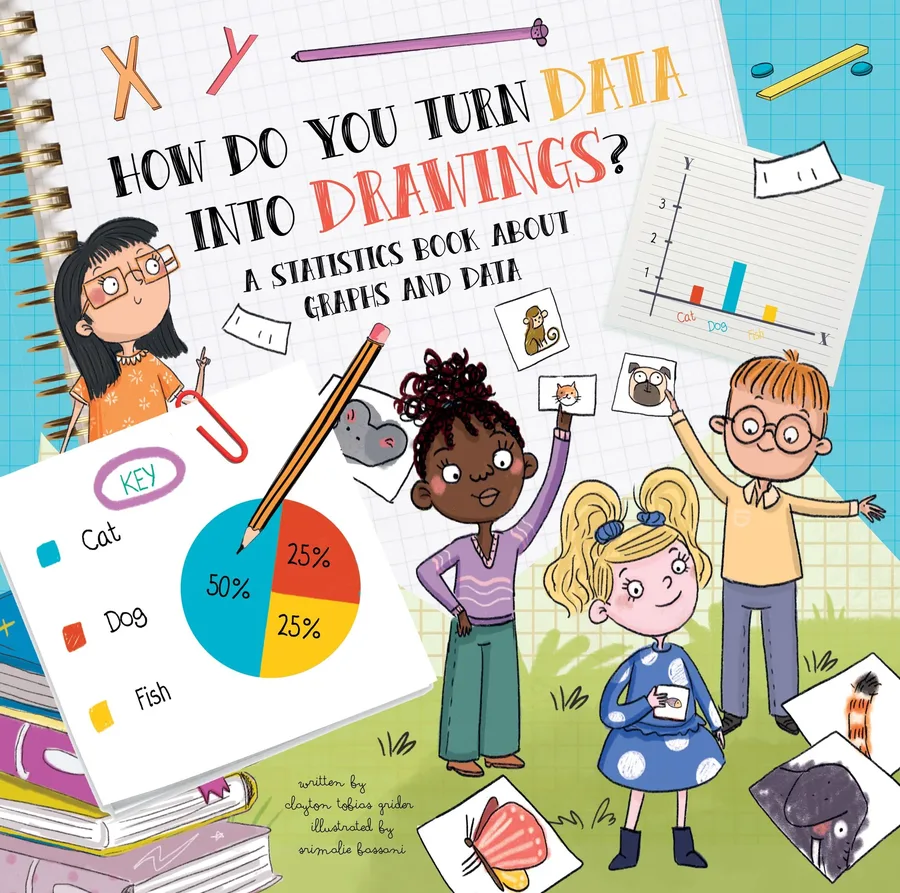 Mathical Honor BookHow Do You Turn Data into Drawings?Clayton Grider, illustrated by Srimalie BassaniThis introduction to statistics explains how information can be gathered, recorded, and displayed in graphs and charts. It covers descriptive statistics and inferential statistics, along with several ways to make graphs. Charts, illustrations, and informational text support the explanations. The book connects data collection with visual forms that organize and communicate that information, showing how numerical material can become graphs and charts.Grades 3–5View book details
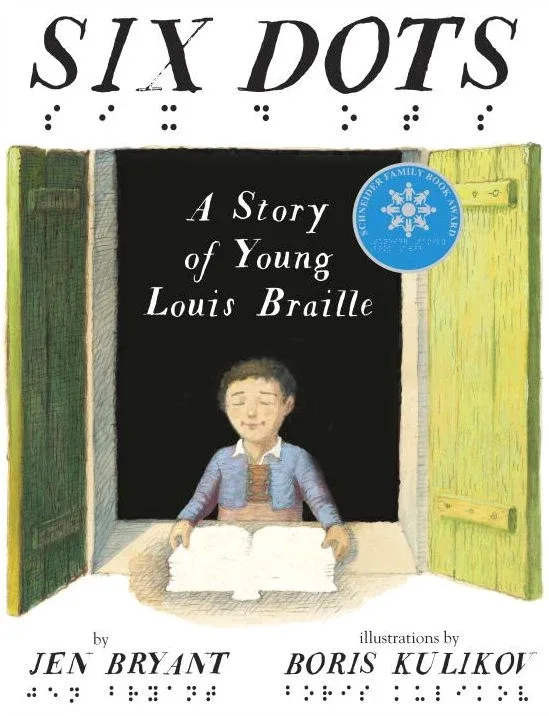 Mathical Honor BookSix Dots: A Story of Young Louis BrailleJen BryantTold in the first person, this picture-book biography describes Louis Braille as a blind child determined to read. After losing his sight at age five, he developed an alphabet that enabled him to read. The book presents this invention as one that changed the world. Mixed-media illustrations accompany the narrative, and the endpapers feature the Braille alphabet. References are included as well.Grades 3–5View book details
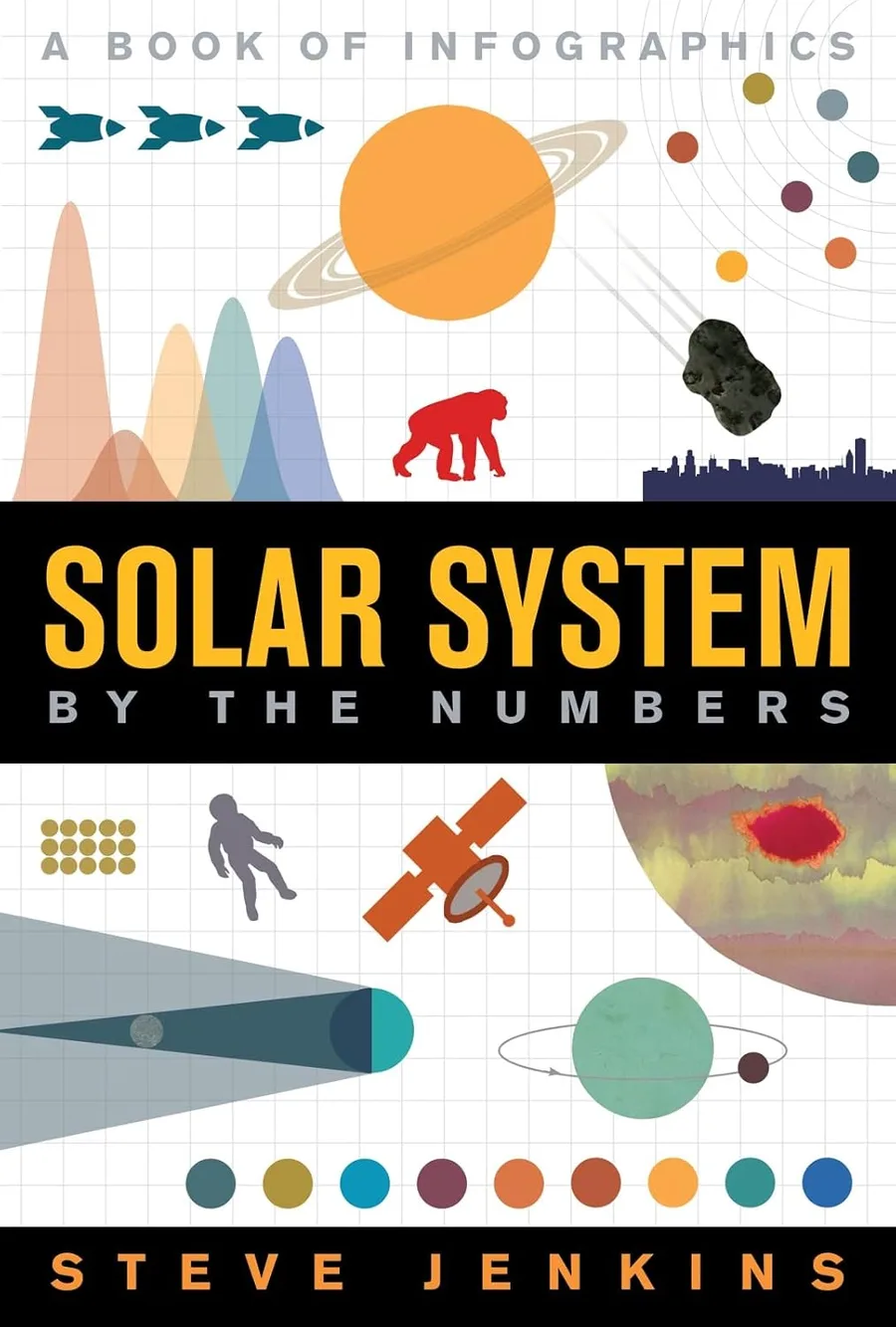 Mathical Honor BookSolar System: By the NumbersSteve Jenkins, illustrated by Steve JenkinsSolar System: By the Numbers uses infographics and full-color cut-paper illustrations to explore outer space. It considers solar systems through numerical presentation, using visuals to address their immense scale and other aspects of the subject. The book belongs to the By the Numbers infographic-reader format and presents information about solar systems through illustrations, infographics, and a focus on outer space.Grades 3–5Lexile Text Measure 800LATOS Book Level 5.1View book details
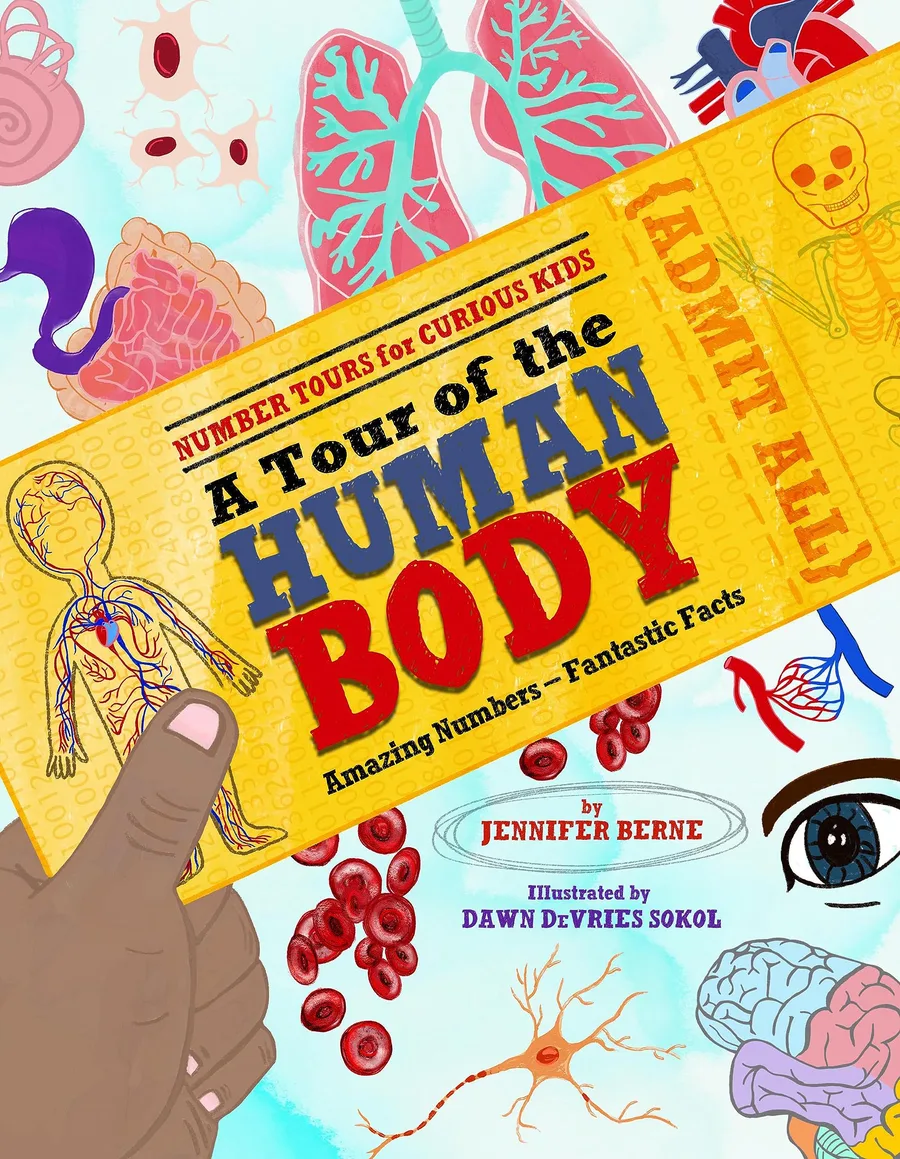 Mathical Honor BookA Tour of the Human Body: Amazing Numbers — Fantastic FactsJennifer Berne, illustrated by Dawn DeVries SokolThis picture book tours the human body from eyes to toes, explaining how it works through facts and numbers. It notes that hearts beat 100,000 times each day and that tongues have 8,000 taste buds able to detect five flavors. It also describes 60,000 miles of blood vessels, a distance greater than twice around the world. Informative illustrations accompany these examples of the body’s systems and scale.Grades 3–5View book details
Grades 6–8
7 selections
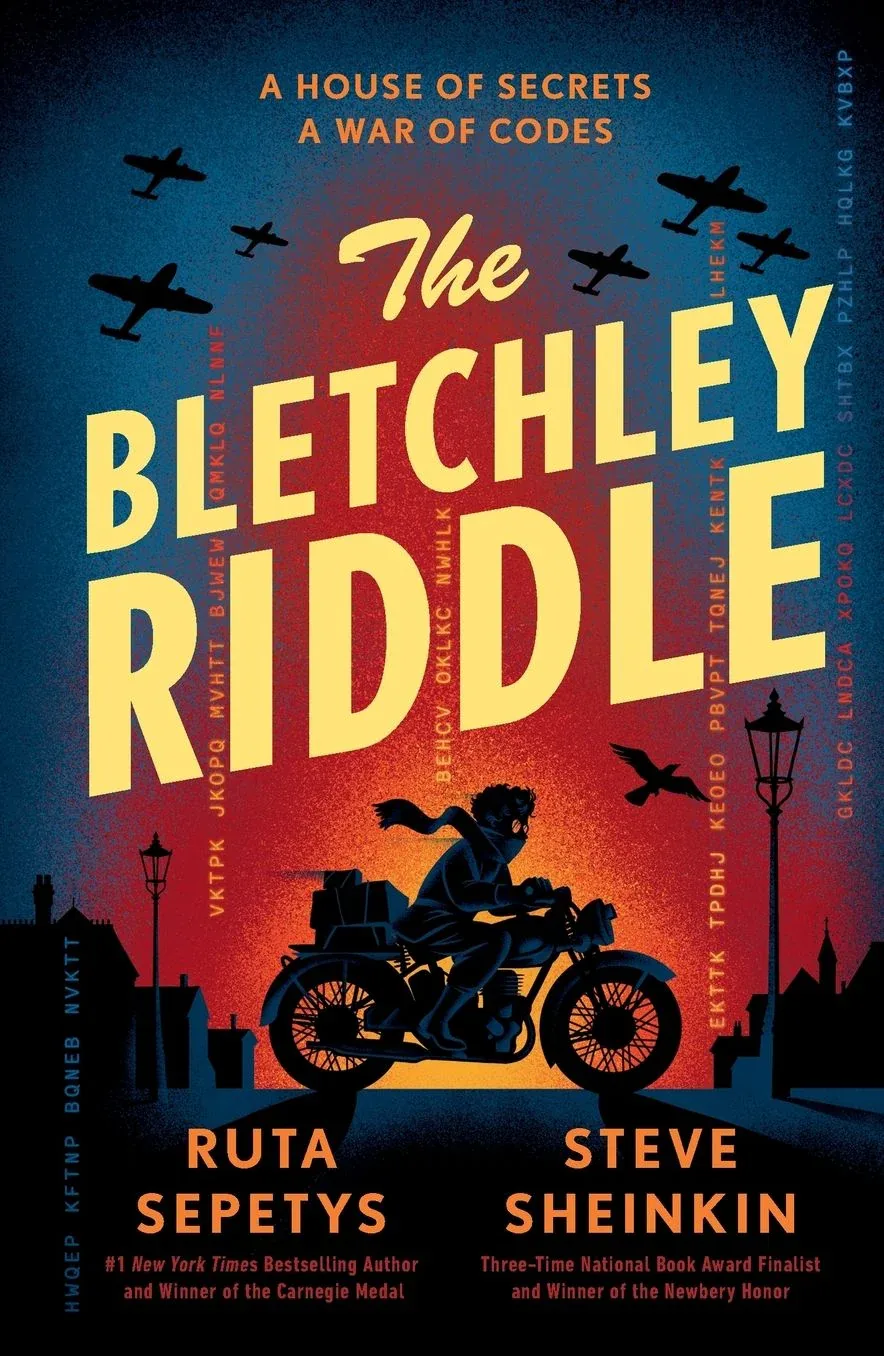 Mathical Prize WinnerThe Bletchley RiddleRuta Sepetys, Steve SheinkinDuring World War II, Lizzie and her older brother Jakob are separated from their mother after she is caught in Poland while working for the American embassy. Though she is presumed dead, Lizzie refuses to accept it. She finds documents hidden in their London apartment and tries to show that their mother is alive. Jakob, a Cambridge mathematics student, works near Bletchley Park on secret efforts to break German Enigma messages. Alternating chapters follow Lizzie’s search and Jakob’s codebreaking work.Grades 6–8Lexile Text Measure 631LATOS Book Level 4.1View book details
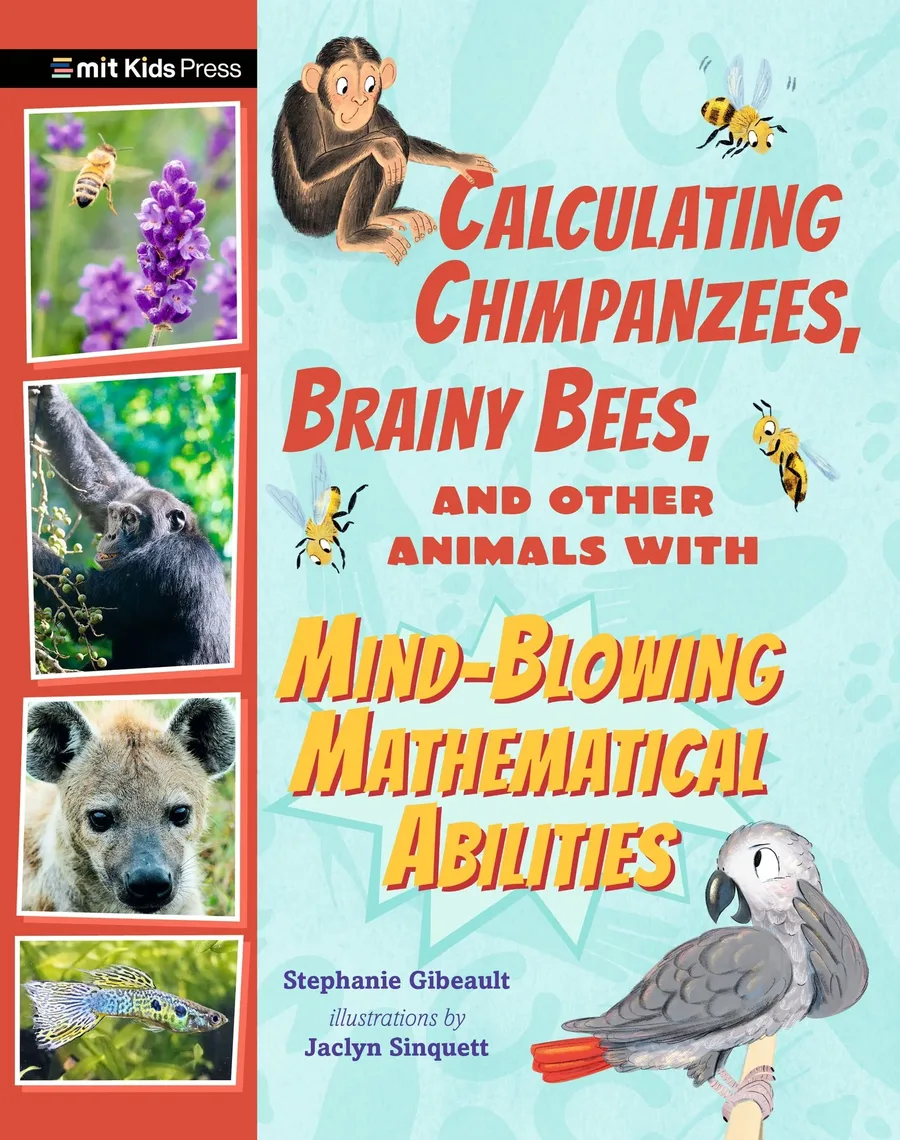 Mathical Honor BookCalculating Chimpanzees, Brainy Bees, and Other Animals with Mind-Blowing Mathematical AbilitiesStephanie Gibeault, illustrated by Jaclyn SinquettThis book investigates animal number sense and the ways animals use it. It asks whether a pet could help with math homework and suggests that animals understand more about numbers than people might expect. Stephanie Gibeault is credited as the author. Candlewick Press is the publisher; the edition was published on 2024-05-07. Chimpanzees and bees are both explicitly named in its title.Grades 6–8View book details
 Mathical Honor BookGamer Girls: 25 Women Who Built the Video Game IndustryMary Kenney, illustrated by Salini PereraThis nonfiction book introduces 25 women whose work shaped video games. It traces their contributions from the 1960s through early-2000s Uncharted titles. The women featured worked in writing, game design, scores, and the engines behind games; they also created games, developed genres, and founded studios and companies. The book explores each of their stories and their work within the industry.Grades 6–8View book details
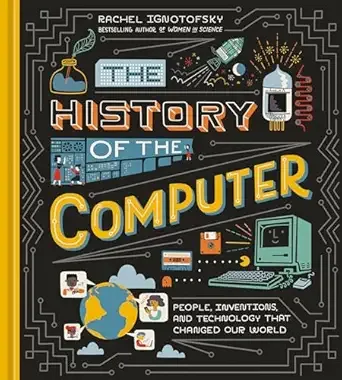 Mathical Honor BookThe History of the Computer: People, Inventions, and Technology That Changed the WorldRachel Ignotofsky, illustrated by Rachel IgnotofskyAn illustrated history follows computing from ancient counting systems and mechanical devices to smartphones and artificial intelligence. It considers important inventions, including algorithms used by AI, and traces how technology has altered everyday interactions and surroundings. The book profiles contributors such as An Wang, Margaret Hamilton, Steve Jobs, and Tim Berners-Lee, examining their aims and the effects of their inventions on daily life.Grades 6–8View book details
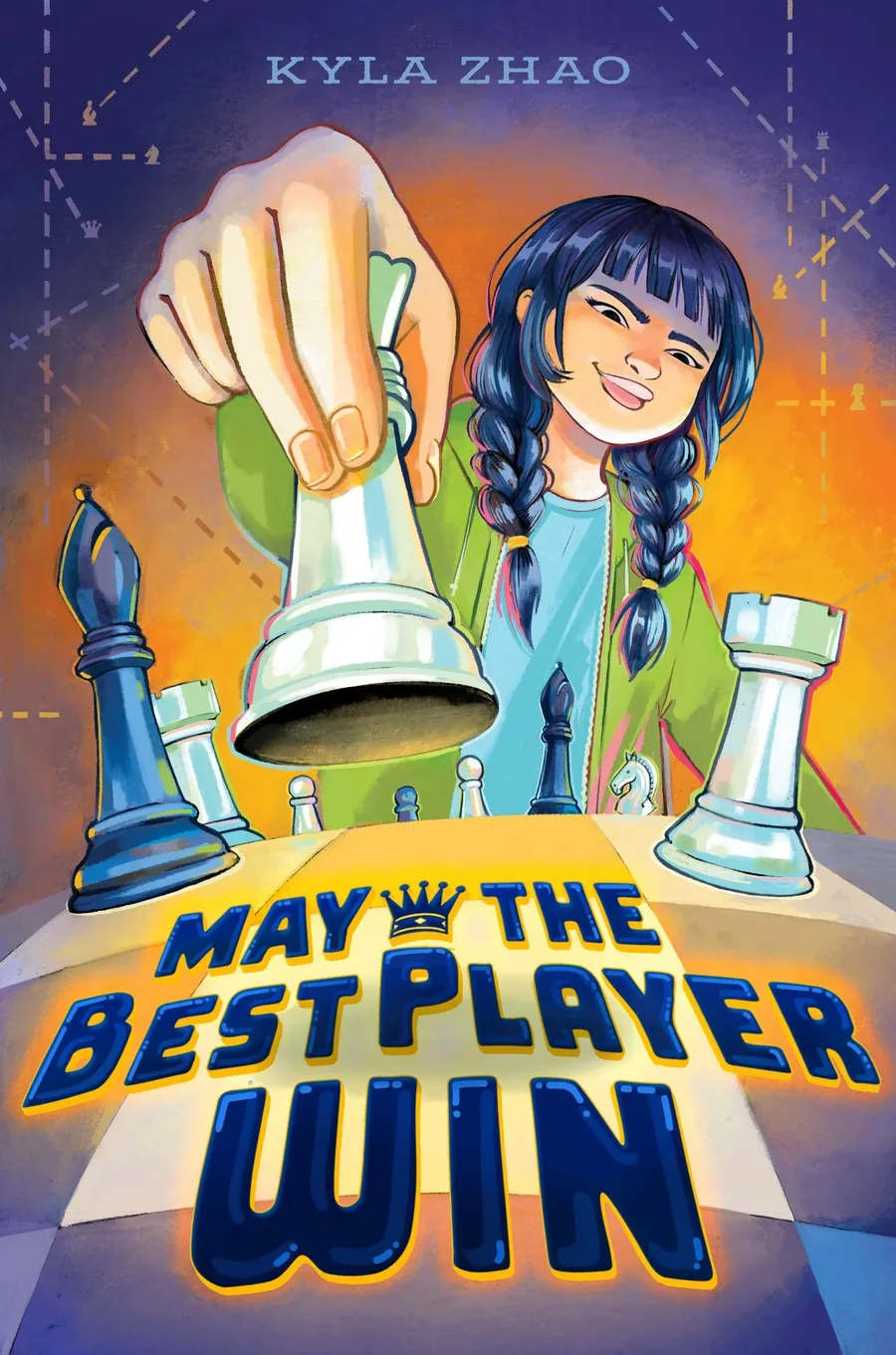 Mathical Honor BookMay the Best Player WinKyla ZhaoMay the Best Player Win features May, who receives an award as the country’s top female chess player and appears in a leading national chess magazine. Although those achievements seem exciting, May is not necessarily delighted. Written by Kyla Zhao and published by Penguin Young Readers Group in 2024, the book places a young chess player’s public recognition at its center.Grades 6–8View book details
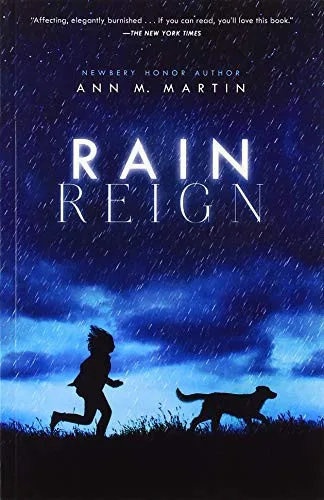 Mathical Honor BookRain ReignAnn M. MartinRose Howard is deeply interested in homonyms and sets rules about them. She names her dog Rain because the name has two homonyms, Reign and Rein, which she considers especially important. Her teachers, peers, and single father do not always understand her obsessions or differences. When a storm floods roads and makes rivers overflow in their rural town, Rain disappears.Grades 6–8Lexile Text Measure 720LATOS Book Level 4.3View book details
 Mathical Honor BookThe Woman Who Split the Atom: The Life of Lise MeitnerMarissa Moss, illustrated by Marissa MossThis biography follows Lise Meitner’s work on radiation and her efforts to solve difficult problems in nuclear science. As Hitler came to power in Germany, Meitner faced sexism and life-threatening anti-Semitism. Her scientific discoveries took many years to receive recognition as her own. The book presents the obstacles surrounding her career alongside her contributions to nuclear science and radiation research.Grades 6–8View book details
Grades 9–12
4 selections
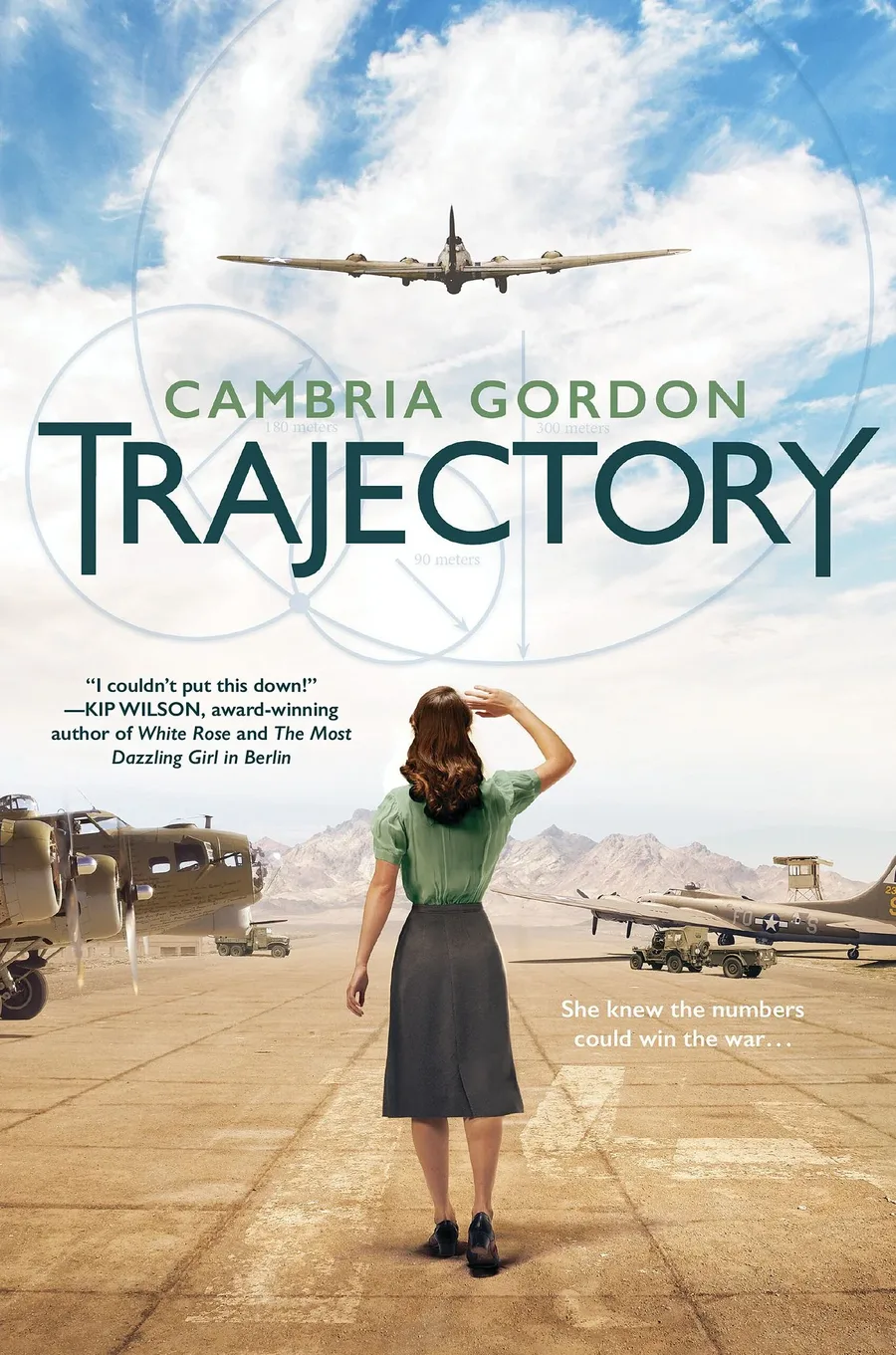 Mathical Prize WinnerTrajectoryCambria GordonSeventeen-year-old Eleanor admires Eleanor Roosevelt but sees herself as timid and uncertain of what she can offer. After her mathematician father has a stroke, Eleanor hides her own problem-solving ability. In 1942, she is recruited to an all-female group working to improve ballistic trajectories. The work gives her an opportunity to develop her abilities and find greater confidence in what she can do.Grades 9–12View book details
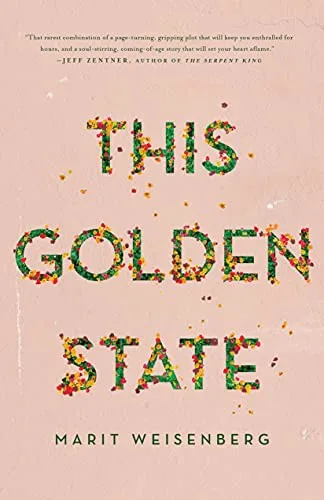 Mathical Honor BookThis Golden StateMarit WeisenbergPoppy has spent her life with a family that is hiding and constantly on the move. The Winslows follow rules about concealing their real names, leaving when danger seems possible, and keeping the family together. A move to California exposes a weakness in her parents' efforts to remain undercover. As Poppy seeks the truth, a DNA test threatens the carefully constructed life her family has maintained.Grades 9–12View book details
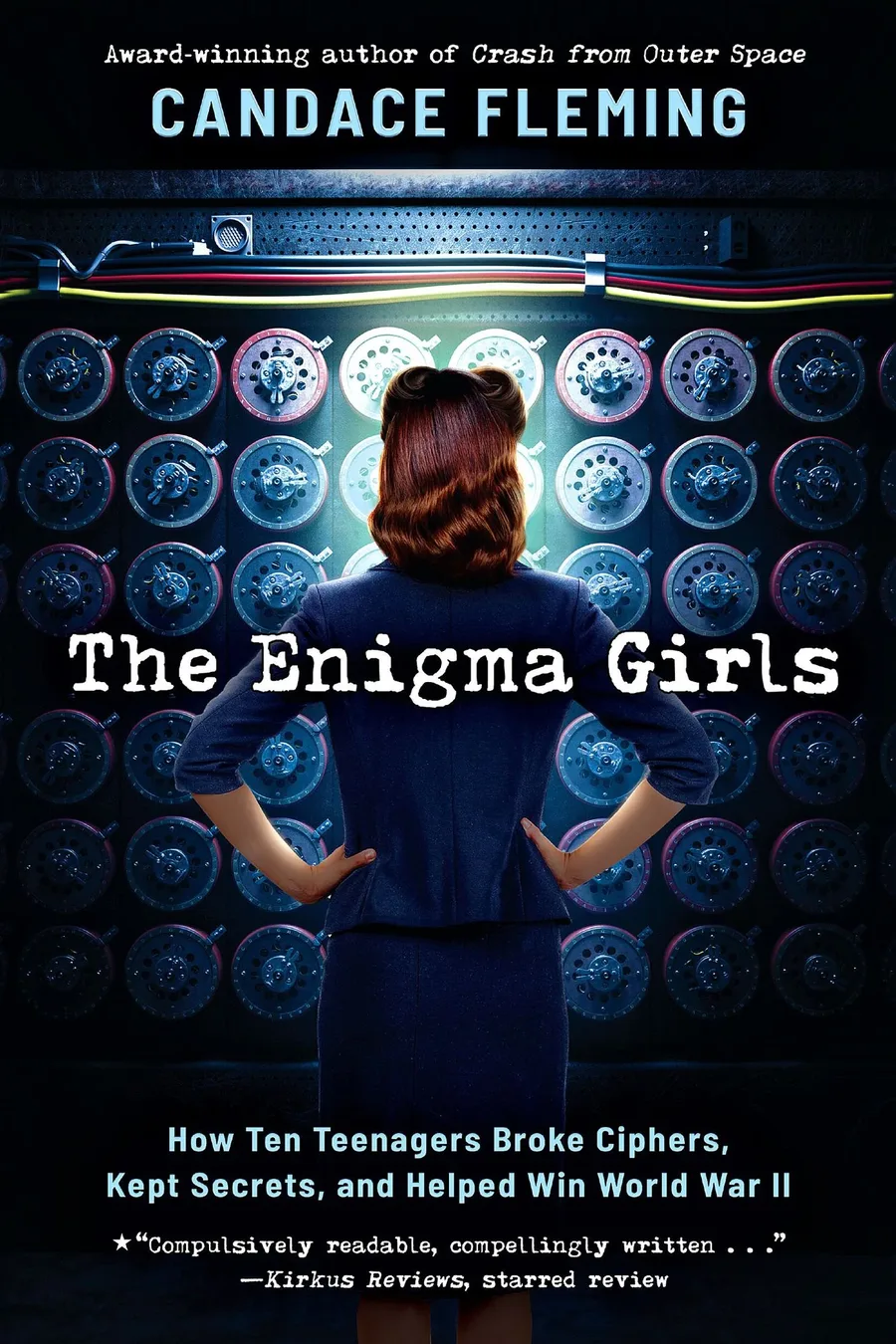 Mathical Honor BookThe Enigma GirlsCandace FlemingThis historical account follows young women who arrived at Station X, a run-down mansion surrounded by huts, without knowing what work awaited them. At Bletchley Park, they broke ciphers in secret during World War II. Their codebreaking work helped alter the course of the conflict. The book centers on the hidden wartime efforts of these young women and the need to keep their work confidential.Grades 9–12Lexile Text Measure 870LATOS Book Level 5.6View book details
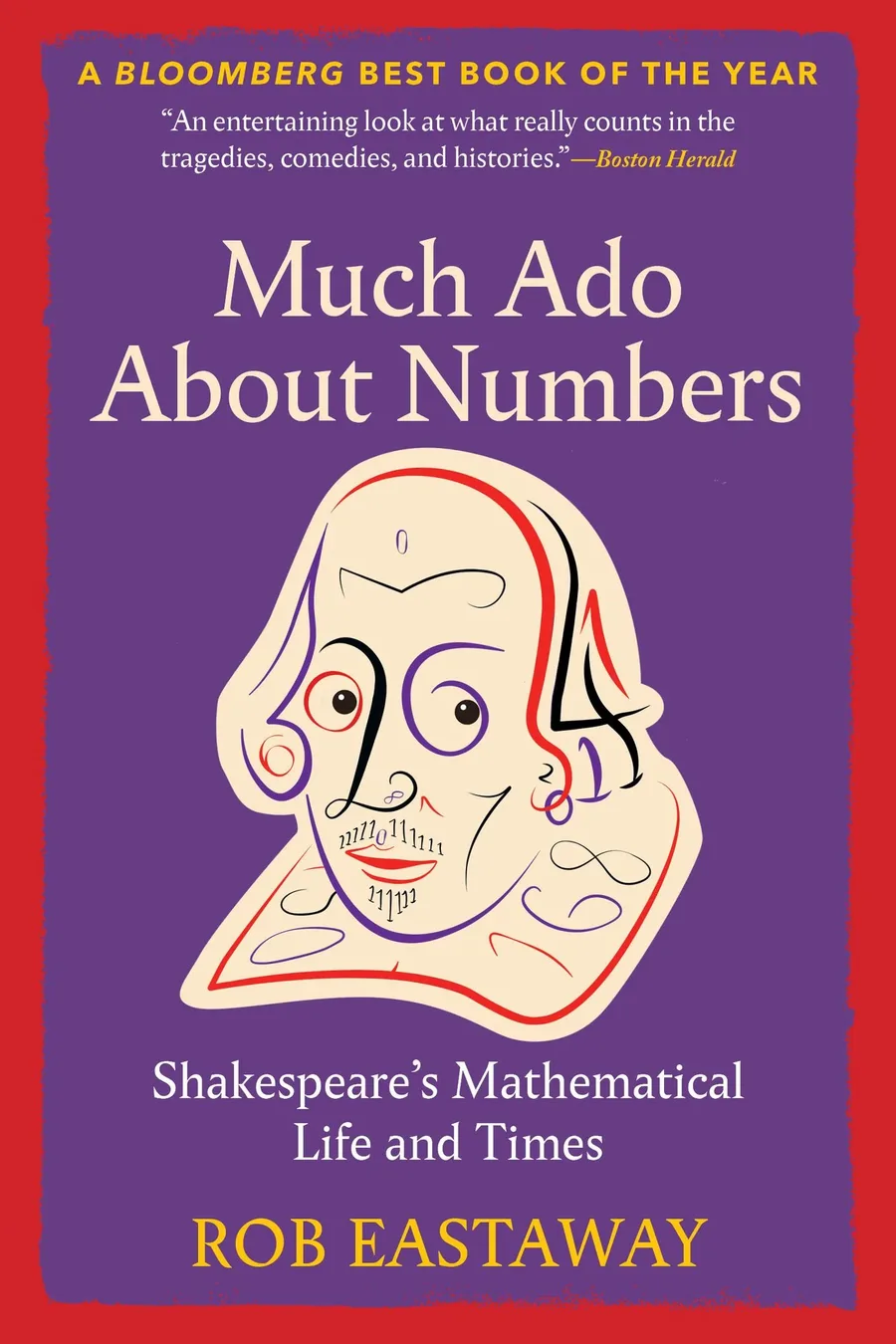 Mathical Honor BookMuch Ado about NumbersRob EastawayThis nonfiction book examines the mathematical changes shaping Shakespeare’s time and considers how numbers informed both his plays and the world around him. It ranges from the emerging idea of zero to Galileo’s revised understanding of the heavens. The book also connects mathematics with astronomy, codes, measuring time, navigation, music, and games, showing the many forms numerical thinking took during the Renaissance.Grades 9–12View book details