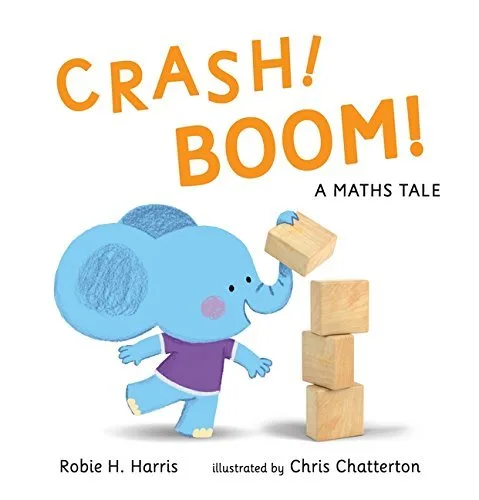
 Mathical Prize WinnerCrash! Boom! A Math TaleRobie H. Harris, illustrated by Chris ChattertonElephant tries to construct something tall enough to match Elephant’s height using a bucket of blocks. When a structure falls, Elephant rebuilds, adding and arranging blocks in new attempts. The story incorporates counting, balancing, estimating, measuring, questioning, and making predictions as the tower changes. Its block-building sequence moves between construction, collapse, and another try at making a stable, tall structure.Pre-KindergartenView book details
Mathical Book Prize 2019
The 2019 edition includes 1 Mathical Hall of Fame title, 10 Mathical Honor Books, and 4 Mathical Prize Winners. The source uses 6 audience or subject sections, including Pre-Kindergarten, Grades K through 2, Grades 3 through 5, and Grades 6 through 8. It records that year's Mathical Prize, Honor, and Hall of Fame results across the program's grade groups.
2019 Mathical Book Prize Winners and Honor BooksSee the original list
Selections15
Published byMathical Book Prize
Sections6 sections
Browse sections6 sections
Pre-Kindergarten
3 selections
Mathical Prize WinnerCrash! Boom! A Math TaleRobie H. Harris, illustrated by Chris ChattertonElephant tries to construct something tall enough to match Elephant’s height using a bucket of blocks. When a structure falls, Elephant rebuilds, adding and arranging blocks in new attempts. The story incorporates counting, balancing, estimating, measuring, questioning, and making predictions as the tower changes. Its block-building sequence moves between construction, collapse, and another try at making a stable, tall structure.Pre-KindergartenView book details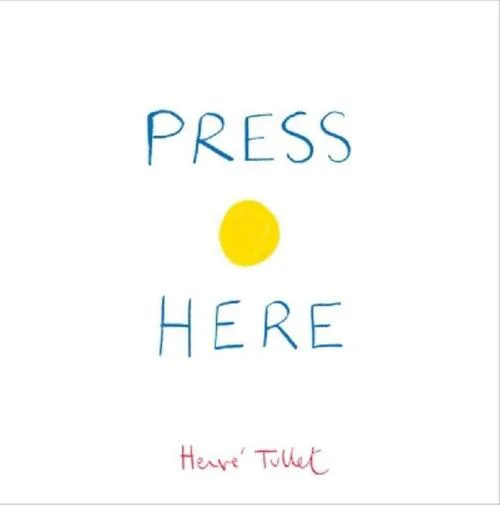 Mathical Honor BookPress HereHervé TulletA yellow dot on the cover begins a sequence of instructions for the reader. Readers press dots, shake the pages, and tilt the book, then see the dots multiply, shift direction, and become larger. The changing actions and dots take place on the printed pages, making the reader’s participation part of how the book unfolds.Pre-KindergartenLexile Text Measure AD480LATOS Book Level 3.2View book details
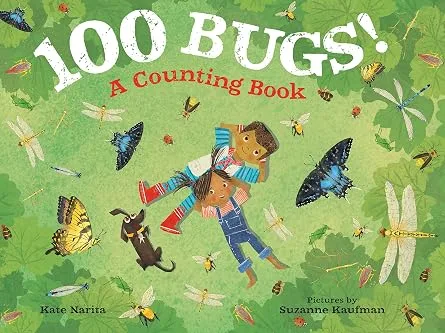 Mathical Honor Book100 Bugs! A Counting BookKate Narita, illustrated by Suzanne KaufmanTwo young explorers count insects in groups of ten, using ten kinds of bugs and ten different methods of reaching ten. Their counting builds collections of ten until the total reaches one hundred. The bugs include walking sticks, spittlebugs, dragonflies, and katydids. The book combines a search-and-find format with rhyming text as the explorers look for and count the insects.Pre-KindergartenLexile Text Measure AD440LView book details
Grades K–2
5 selections
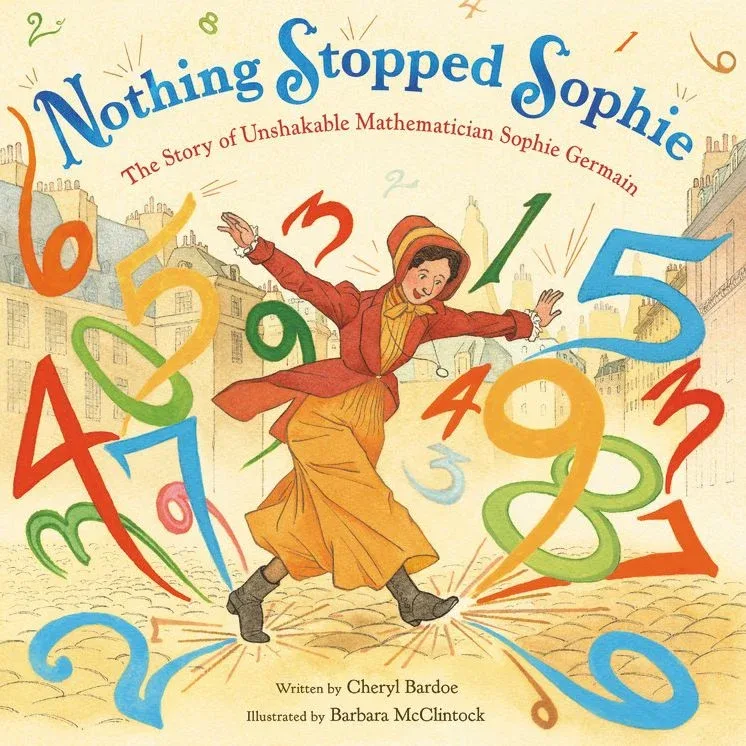 Mathical Prize WinnerNothing Stopped Sophie: The Story of Unshakable Mathematician Sophie GermainCheryl Bardoe, illustrated by Barbara McClintockThis biography follows Sophie Germain, an eighteenth-century mathematician who found order in mathematics during the French Revolution. Although women were barred from university study, she continued working independently and submitted work under a man’s name. The book describes her effort to develop a formula for predicting vibration patterns, as well as the connection between mathematics and physics.Grades K–2Lexile Text Measure 1030LATOS Book Level 5.3View book details
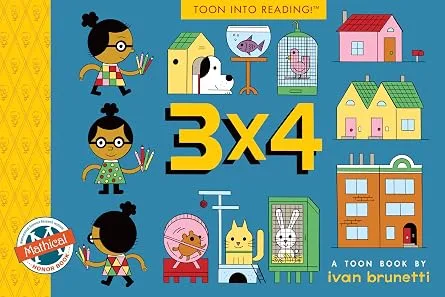 Mathical Honor Book3×4Ivan Brunetti, illustrated by Ivan BrunettiAnnemarie and her classmates work with sets of twelve, drawing groups in a range of arrangements. Their task asks them to use imagination to devise creative solutions as they count and explore multiplication. The book presents a classroom activity built around making twelve in different ways, connecting visual groups, counting, and the basic idea of multiplication. They are asked to find imaginative arrangements for their sets of twelve in class.Grades K–2View book details
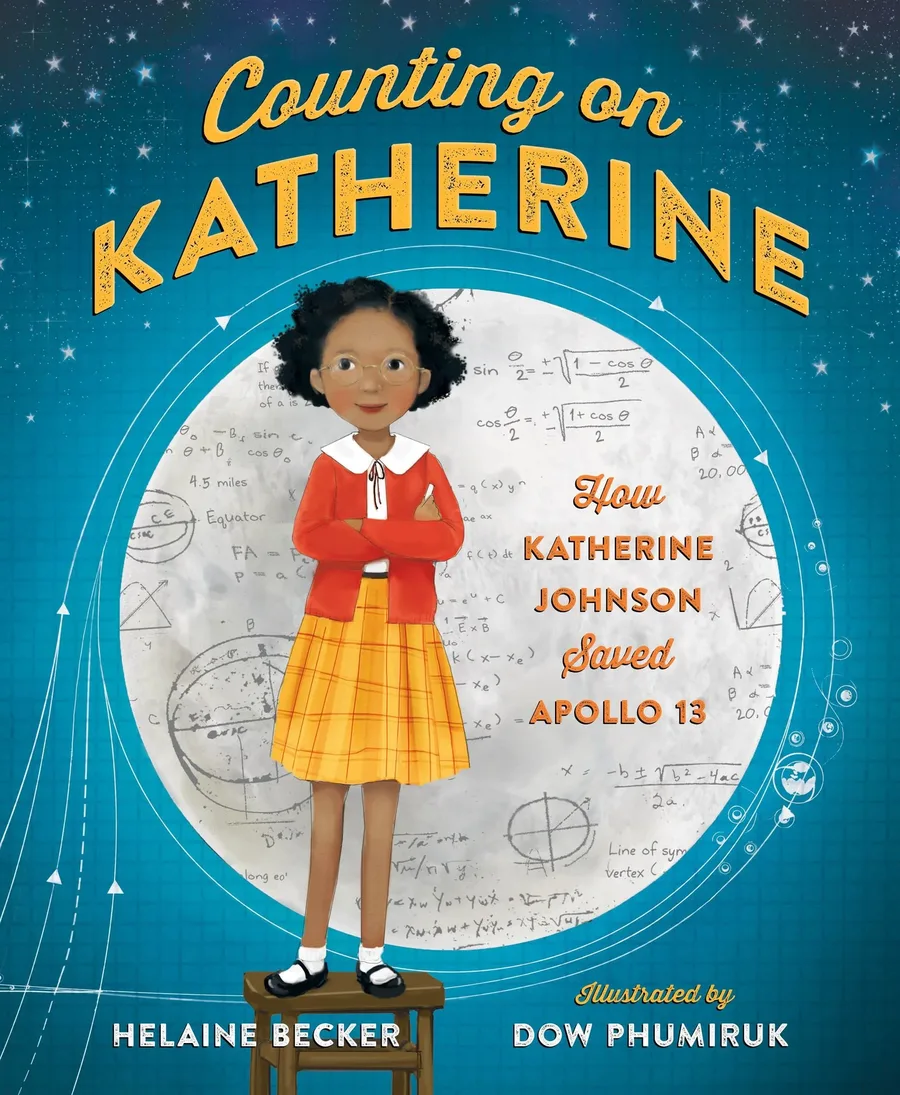 Mathical Honor BookCounting on Katherine: How Katherine Johnson Saved Apollo 13Helaine Becker, illustrated by Dow PhumirukA picture-book biography follows Katherine Johnson from a childhood spent counting everyday things in segregated West Virginia to her work as a mathematician at NASA. During the space race, her calculations contributed to lunar missions and to Apollo 13's safe return. The account describes a Black American woman whose work made a major historical contribution. Back matter offers additional information about Johnson and sources.Grades K–2View book details
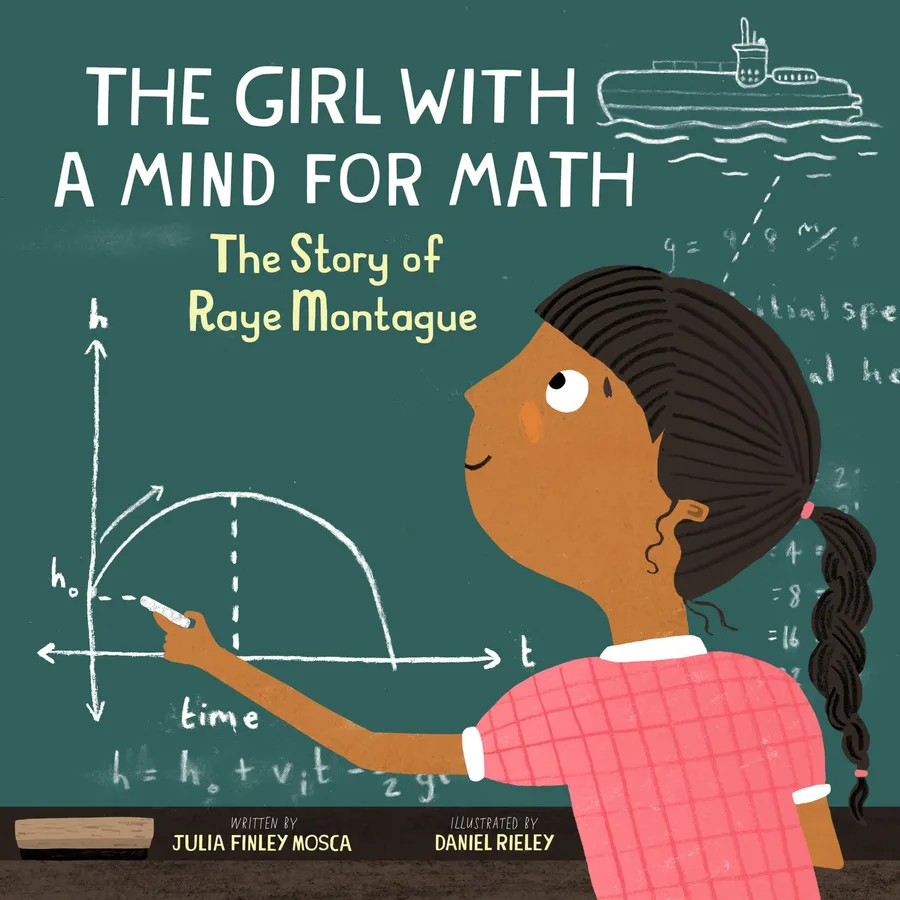 Mathical Honor BookThe Girl With a Mind for Math: The Story of Raye MontaguJulia Finley Mosca, illustrated by Daniel RieleyJulia Finley Mosca’s book tells the story of Raye Montague, a girl associated with mathematics. The title presents math as a defining part of Montague’s identity, while the description introduces her as a previously overlooked figure whose influence extended to the U.S. Navy. The book connects a girl’s mathematical abilities with recognition in a Navy setting. This 40-page publication is from The Innovation Press.Grades K–2Lexile Text Measure GN460LATOS Book Level 3.1View book details
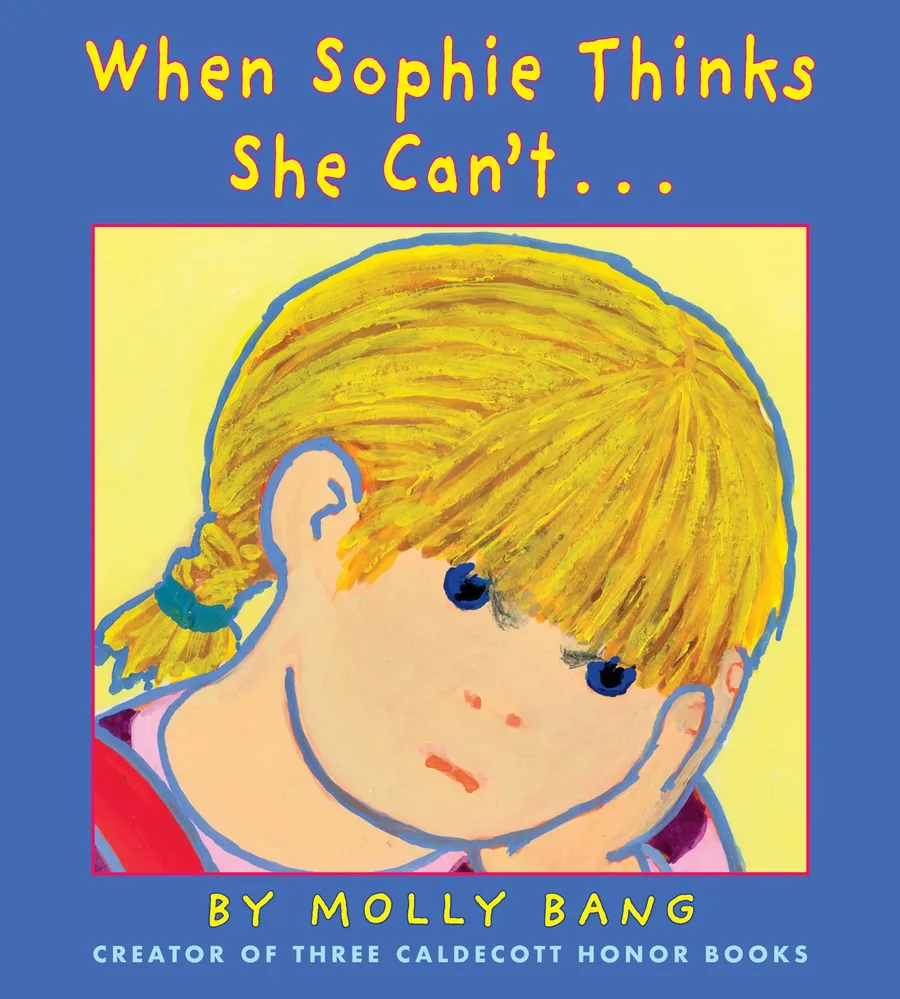 Mathical Honor BookWhen Sophie Thinks She Can’tMolly Bang, illustrated by Molly BangSophie feels discouraged and inadequate when she cannot solve a math puzzle, because math and puzzles have been difficult for her. Her teacher introduces the importance of trying and of adding “yet” to what she believes she cannot do. The story follows Sophie as frustration over a puzzle becomes an opportunity to approach a problem differently and keep trying at it.Grades K–2Lexile Text Measure 520LATOS Book Level 2.5View book details
Grades 3–5
3 selections
 Mathical Prize WinnerThe Miscalculations of Lightning GirlStacy McAnultyAfter a lightning strike leaves Lucy with remarkable math abilities, her grandmother enrolls her in middle school after years of homeschooling. At twelve, Lucy has unusual behavioral rituals and must adapt to regular school. Her adjustment is aided by an orphan dog, new friends, a math teacher, and a supportive family, as she finds life involves much more than just math.Grades 3–5Lexile Text Measure 530LATOS Book Level 3.7View book details
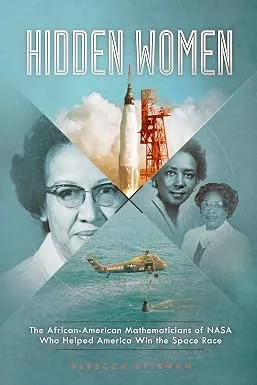 Mathical Honor BookHidden Women: The African-American Mathematicians of NASA Who Helped America Win the Space RaceRebecca RissmanThis book tells the story of four African American women mathematicians whose work made the launching of U.S. rockets and astronauts into space possible. It traces each woman’s contribution to the space program, the resistance and struggles she encountered, and the results of her work. The account includes contributions from consultants who work for NASA in preparing these histories.Grades 3–5Lexile Text Measure 820LFountas & Pinnell Text Level XView book details
 Mathical Honor BookAnimals by the Numbers: A Book of InfographicsSteve JenkinsAnimals by the Numbers uses infographics, graphs, diagrams, and illustrations to compare animals through measurable facts. Its spreads examine subjects including species size, biomass, speed, and life spans. The book asks questions about how many species exist, the combined weight of insects, and how far animals can travel. Examples include animal tongues measured against body size and the relative biomass of insects and humans.Grades 3–5View book details
Grades 6–8
2 selections
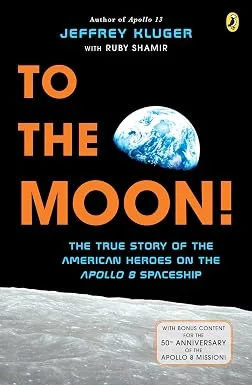 Mathical Prize WinnerTo the Moon! The True Story of the American Heroes on the Apollo 8 SpaceshipJeffrey Kluger, Ruby ShamirTo the Moon! recounts Apollo 8's trip involving Frank Borman, Jim Lovell, and Bill Anders. In December 1968, Borman, Lovell, and Anders became the first astronauts to go beyond Earth's orbit and travel around the moon. The book is presented as a true story. Jeffrey Kluger and Ruby Shamir are credited as the authors of the book. Puffin Books is the publisher; the edition was published on 2019-05-07 and has 304 pages.Grades 6–8Lexile Text Measure 1180LFountas & Pinnell Text Level ZView book details
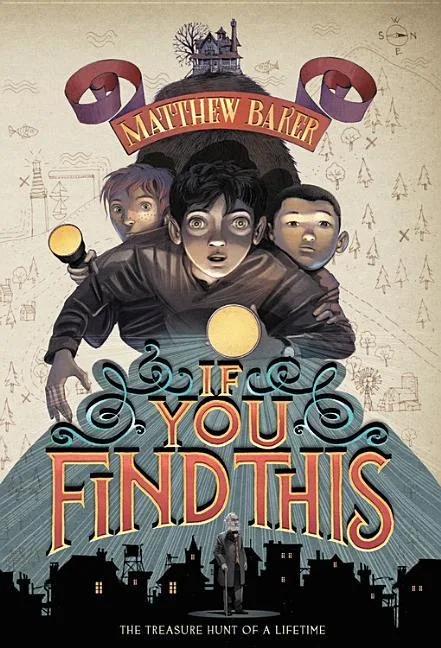 Mathical Honor BookIf You Find ThisMatthew BakerEleven-year-old Nicholas Funes is a mathematical and musical genius whose father has lost his job. Facing the possible sale of their home, Nicholas searches with his grandfather, recently released from prison and living with dementia, for heirlooms said to be buried. Nicholas hopes the search will prove that his grandfather’s treasure is real and help save the family home.Grades 6–8Lexile Text Measure 769LATOS Book Level 4.9View book details
Grades 9–12
1 selection
Hall of Fame
1 selection