
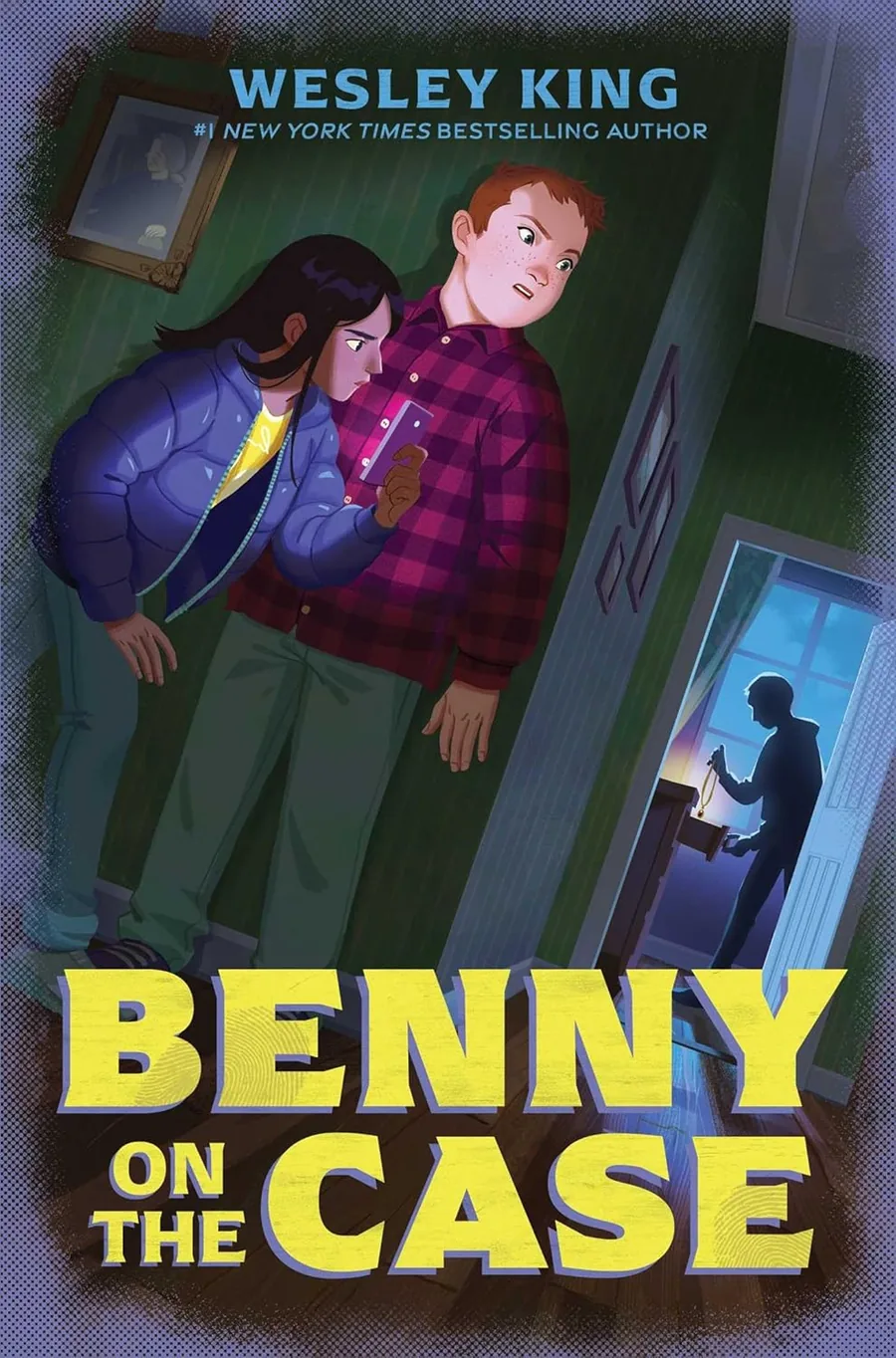
 Benny on the CaseWesley KingA guide to Newfoundland sayings prefaces this middle grade mystery set in a small coastal town in the Canadian province. Benny is an eleven-year-old b’y (that’s Newfoundland slang for “buddy,” among other things) who has mosaic Down syndrome and is transitioning to a mainstream classroom after spending his entire school career in special education. Benny lives with his widowed mother (both are white) in a large old house that doubles as a retirement home that she runs called Starflower by the Sea. Benny’s best friend is an 86-year-old man named Mr. Tom, whom Benny assists in fixing up old machines and vehicles. Mr. Tom is hopeful that Benny will make friends his own age, but Benny is doubtful based on the teasing and prejudice he experiences. Benny finds that he is not the lone new kid—an American transfer student from Seattle has moved to town. Salma is a city girl who is quickly treated like an outsider in the small island community, especially because she is Tunisian American and speaks some Arabic. Benny and Salma become friends with mutual bullies and team up to solve a mystery of stolen jewelry at the Starflower—Benny with his ability to piece things together and Salma with her tech skills. While not all aspects of the plot are believable, the budding friendship between Benny and Salma and the kindred connection between Benny and Mr. Tom buoy this bucolic whodunnit.Fiction for ChildrenATOS 4.6AR interest Middle Grades (MG 4-8)View book details
CCBC Choices 2026
An annual selection from the Cooperative Children's Book Center professional library team.
CCBC Choices 2026See the original list
Selections231
Published byCooperative Children's Book Center, University of Wisconsin–Madison
Sections13 sections
Browse sections13 sections
Fiction for Children
18 of 38 selections on this pageContinued from page 3
Benny on the CaseWesley KingA guide to Newfoundland sayings prefaces this middle grade mystery set in a small coastal town in the Canadian province. Benny is an eleven-year-old b’y (that’s Newfoundland slang for “buddy,” among other things) who has mosaic Down syndrome and is transitioning to a mainstream classroom after spending his entire school career in special education. Benny lives with his widowed mother (both are white) in a large old house that doubles as a retirement home that she runs called Starflower by the Sea. Benny’s best friend is an 86-year-old man named Mr. Tom, whom Benny assists in fixing up old machines and vehicles. Mr. Tom is hopeful that Benny will make friends his own age, but Benny is doubtful based on the teasing and prejudice he experiences. Benny finds that he is not the lone new kid—an American transfer student from Seattle has moved to town. Salma is a city girl who is quickly treated like an outsider in the small island community, especially because she is Tunisian American and speaks some Arabic. Benny and Salma become friends with mutual bullies and team up to solve a mystery of stolen jewelry at the Starflower—Benny with his ability to piece things together and Salma with her tech skills. While not all aspects of the plot are believable, the budding friendship between Benny and Salma and the kindred connection between Benny and Mr. Tom buoy this bucolic whodunnit.Fiction for ChildrenATOS 4.6AR interest Middle Grades (MG 4-8)View book details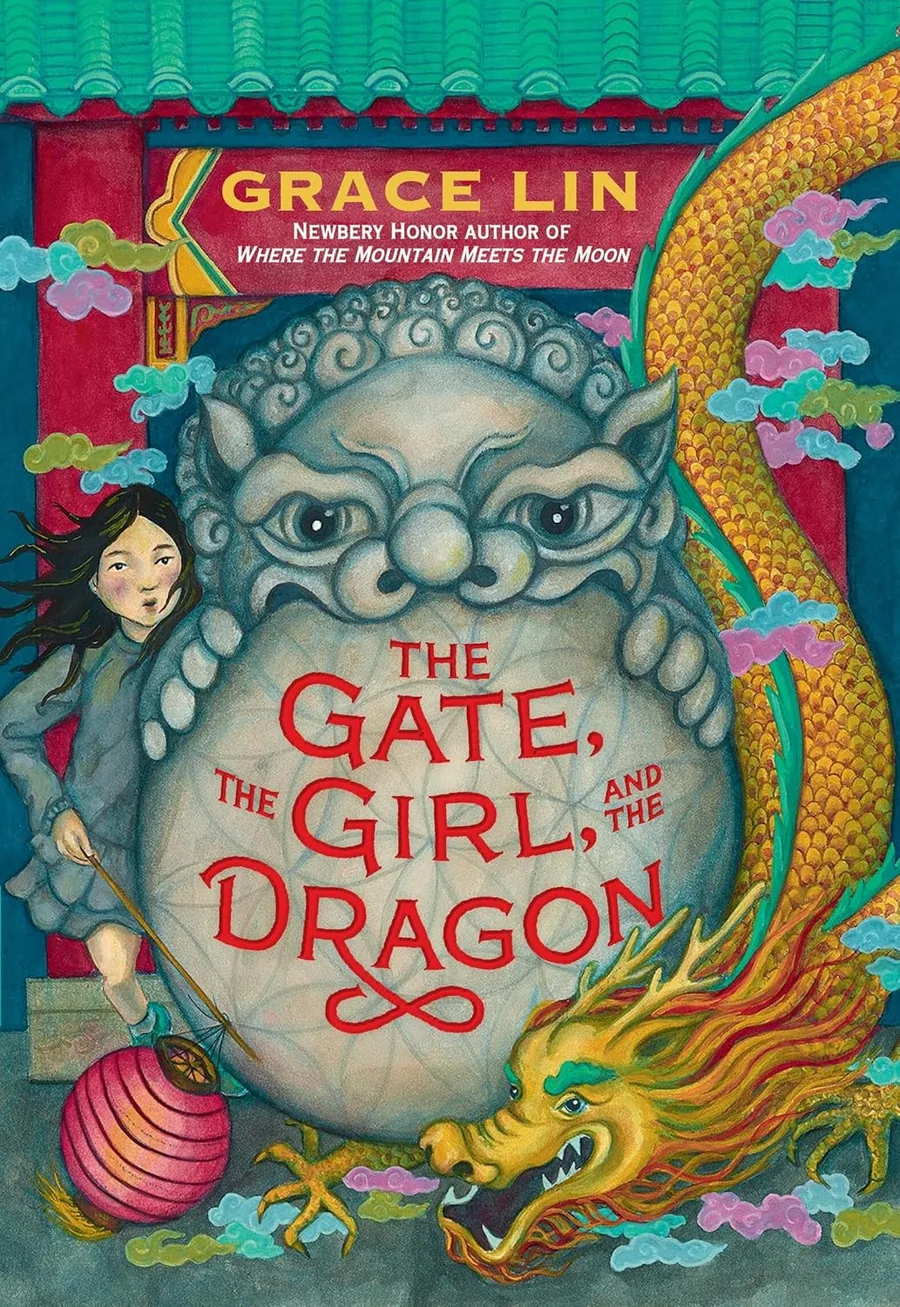 The Gate, the Girl, and the DragonGrace Lin, illustrated by Grace LinLike all Gongshi, Jin is a stone statue imbued with a spirit whose sacred duty is to watch over humans. Jin, though, prefers kicking around the zuqiu ball with other Gongshi to spending time in the human world. While the statues may take any shape, Jin is a lion cub; his lion father is additionally tasked with guarding the Sacred Sphere, which maintains balance in the universe. When the Sphere falls off its pedestal and rolls through the Old City Gate one day, Jin chases it—and finds himself trapped in the human world. There he meets a girl, Lulu (Chinese), who can hear the same mysterious, disembodied voice that’s calling Jin. Joining forces with a mustached worm who claims to be a dragon, they race to unlock the Gate before the Gongshi on the other side perish. What Jin doesn’t realize is that the Sphere was summoned through the Gate by an enigmatic Sculptor who wishes to use the Sphere for his own purposes; the owner of the mysterious voice, too, has his own self- serving intentions. The threads of this action-packed story based on elements of Chinese folklore are woven into a satisfying ending that sees villains vanquished, families reunited, and Jin gaining a new appreciation for his sacred responsibilities.Fiction for ChildrenATOS 5.2AR interest Middle Grades (MG 4-8)View book details
 Dreki My Icelandic DragonMary LogueJohan is excited to spend a few weeks with his beloved Icelandic grandfather while his parents travel abroad. While Grandpa Siggy is not as spry as he once was, 12-year-old Johan (white) values his company. Soon into his stay, Johan discovers that Grandpa has been hiding something in the basement for decades: a baby dragon named Dreki. Shocked by Grandpa’s secret and the existence of this mythical beast, Johan doesn’t have much time to process before Grandpa adds to the drama. Dreki needs to return to his homeland. He has grown too big, and Grandpa Siggy has grown too old. Leaving the Mississippi shores of Stockholm, Wisconsin, behind, Johan assists with covertly smuggling Dreki onto an international flight and through customs with his plucky grandfather. Once on Icelandic soil, Johan is enchanted with the ancient island home of his grandparents, where he learns that dragons, elves, and other elements of magic are just as real as the majestic fjords and kind people. Johan realizes that not only will he be leaving Dreki in Iceland, but Grandpa Siggy will not be returning home. Humor and tenderness prevail in this fantastical family story.Fiction for ChildrenView book details
 Graciela in the AbyssMeg Medina, illustrated by Anna Balbusso, Elena BalbussoOn her 13th birthday, Graciela (Latine) falls from a bluff into the sea and drowns. When she awakens 100 years later, it is to the calming presence of Amina, her spirit guide in the underwater world. As a sea spirit, Graciela works as a glazier, creating sea glass from trash, whereas Amina aspires to become an Alma, a “ruler of the sea realm.” Graciela dreads losing her friend to the Almas, so when she unexpectedly intercepts the Almas’ invitation to Amina, she hides their note. Graciela’s story alternates with that of Jorge (Latine), a living boy who stumbles upon a harpoon with a driftwood grip that resembles a horrified face caught mid-scream. As it turns out, the harpoon belonged to an unscrupulous ancestor who attempted to lance sea spirits and harvest the pearls their teeth had become. Graciela’s, Jorge’s, and Amina’s paths intersect as Jorge, in a disintegrating dinghy, flings the harpoon into the sea to prevent it being used by his greedy parents. He and Graciela, with some help from Amina and the Almas, must recover the harpoon, properly destroy it, and return Jorge to the safety of land. Rich worldbuilding and a fairy-tale ambience make for a magical, fast- paced fantasy adventure.Fiction for ChildrenView book details
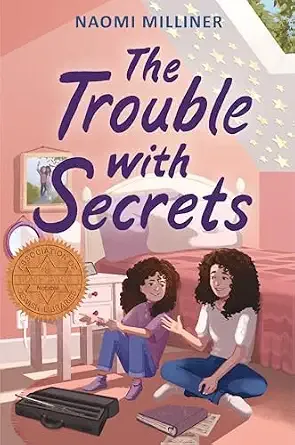 The Trouble with SecretsNaomi MillinerBecky (white) would much rather practice her flute than prepare for her upcoming bat mitzvah. She worries that her Torah reading will pale in comparison to those of her talented older siblings, and she wants to audition for the All-County Band. When her dad refuses to grant permission for her to try out, Becky forges her mom’s signature on the form and secretly earns herself a spot. Becky and her three siblings are all close, but 16-year-old Sara is Becky’s most trusted confidant. When Becky learns that Sara is dating Sean, a boy who’s not Jewish—against her parents’ express wishes—Becky and Sara promise to keep one another’s respective secrets. Predictably, this requires increasingly elaborate and stressful lies and cover-up, and one terrible night, Sara sneaks out to meet up with Sean with tragic consequences. While the specifics of this heartbreaking story may speak most strongly to Jewish readers, the sibling dynamics, drama of secret-keeping, and personal exploration of one’s religious practice will resonate widely.Fiction for ChildrenView book details
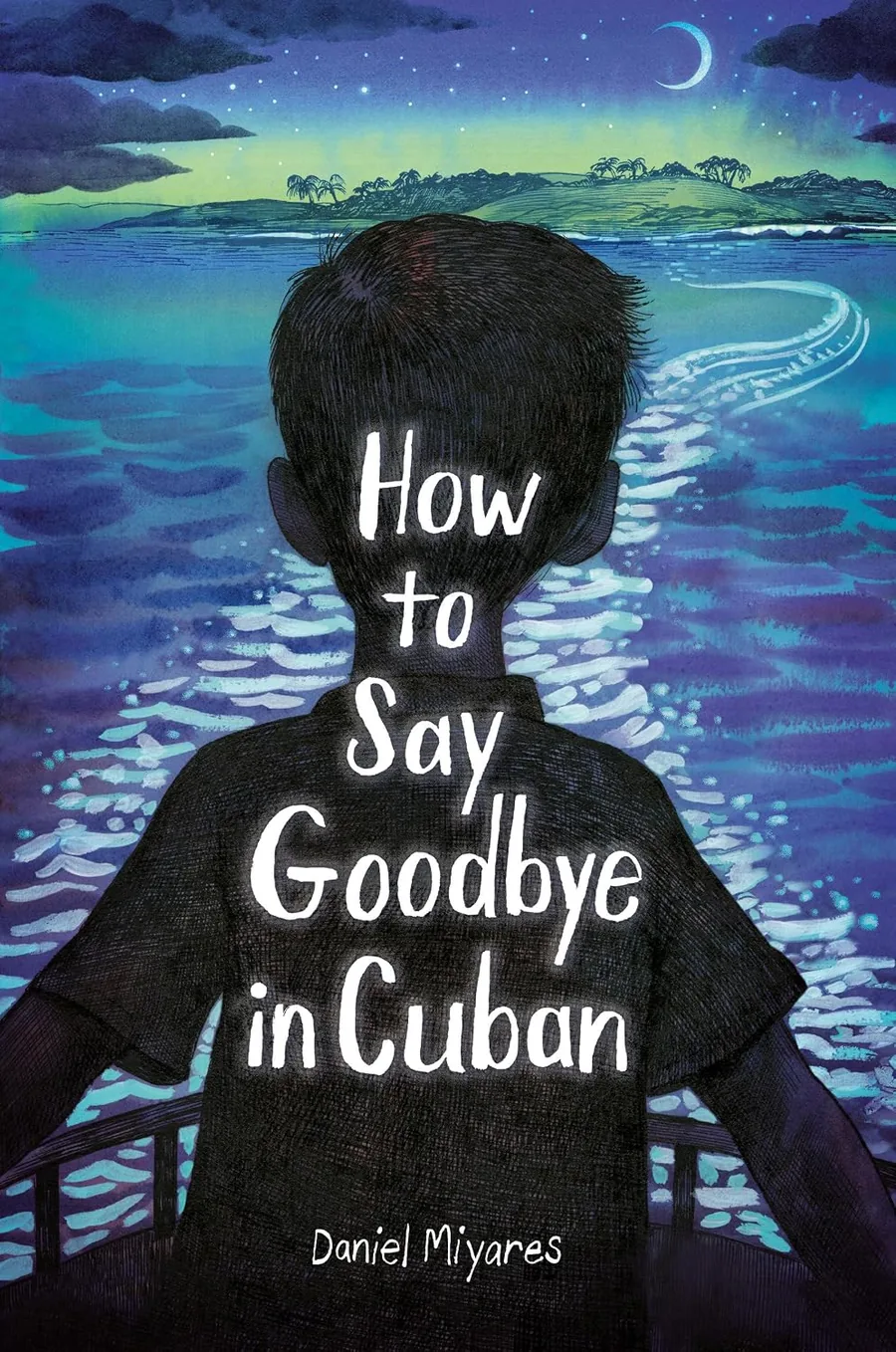 How to Say Goodbye in CubanDaniel Miyares, illustrated by Daniel MiyaresIn 1956, 12-year-old Carlos and his family live on a sugarcane farm in Ceiba Mocha, Cuba, where life for Carlos is mostly carefree. But political and personal changes are coming. When his papi wins the lottery, the family moves to the city, where Carlos must adjust to a new school with students who call him “country kid” and assume he’s wealthy because his dad has his own business. Carlos also misses his abuelo, and he’s alarmed by the civil unrest in the city. Fidel Castro, recently returned to Cuba after exile, has taken control of the government. Soon Papi’s business is shut down, and suspicion abounds as neighbors begin to spy on one another in search of anyone not in support of Castro’s Revolution. Carlos knows his homeland is in turmoil, but frustratingly, his parents keep him mostly in the dark regarding political events. And then Papi disappears. In this fictional graphic novel based on the author’s father’s childhood experiences, a timeline of historical events is interspersed throughout, drawn in black-and-white and kept short and digestible. The ink- and-watercolor artwork accompanying the primary narrative is detailed and set in an earth- toned palette with pops of oranges and pinks. Life before and during the Cuban Revolution is realistically depicted from a child’s limited perspective, and the ending promises hope and a chance of a new life for Carlos and his family despite a difficult goodbye.Fiction for ChildrenLexile 370LATOS 2.9View book details
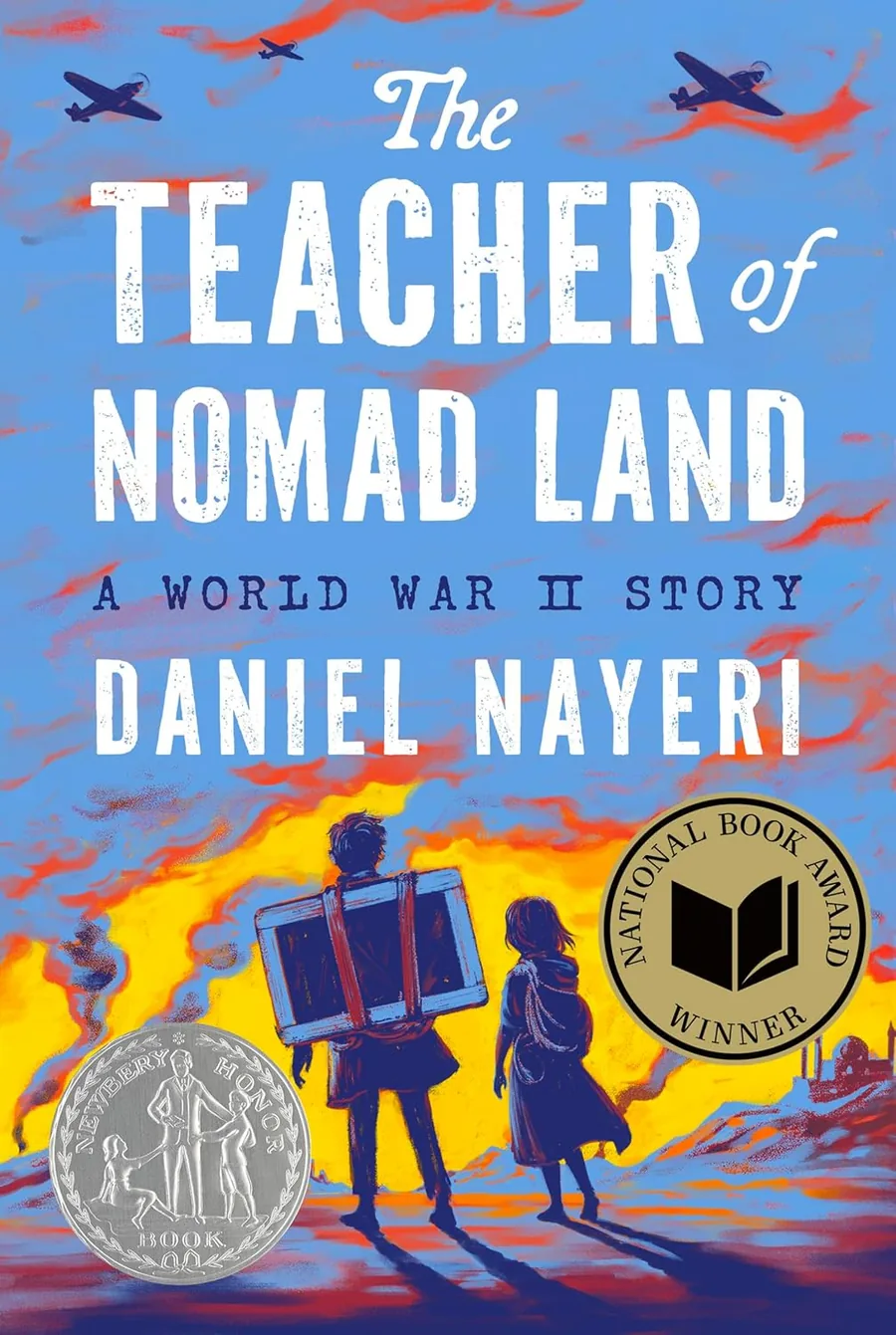 The Teacher of Nomad Land: A WWII StoryDaniel NayeriNayeri’s heartfelt storytelling provides a Middle Eastern perspective on World War II in this moving novel. Set in Iran in 1941, Babak and Sana are orphaned siblings. Iran is a neutral country occupied by the British and Soviets. The only thing Babak has left to his name is his father’s large chalkboard with carrying straps. Babak is at a loss, but Sana, full of wit and wisdom, sees opportunity. The siblings head for the hills, where they hope to find a position with a nomadic tribe, but they are dismissed by the leader as a liability. Babak is devastated, but Sana stays buoyant until they come across an armed soldier named Vulf in the woods. Terrified, the siblings try to appease him by sharing fire and food. They escape but discover that they are being followed by Ben, a young Jewish boy being hunted by Vulf. Ben is rude and deeply annoys Sana. Patient Babak coaxes Ben to share his traumatic exodus from Europe and vows to reunite him with his lost brother. The trio are soon on a fast-paced escape from Vulf, only to be caught at a military checkpoint by British and Soviet soldiers. With pluck and luck, the trio make it to the train that will take Ben to his brother—and then Vulf reappears for a final showdown. This slender novel offers a memorable sibling adventure story and fills a geographical gap in middle grade WWII novels.Fiction for ChildrenATOS 4.3AR interest MG 4–8View book details
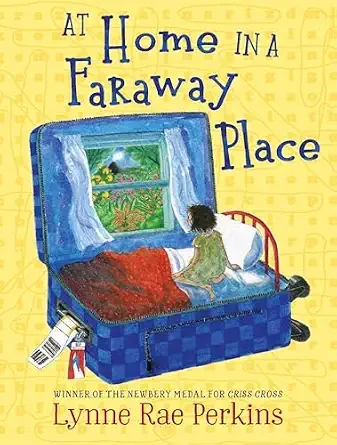 At Home in a Faraway PlaceLynne Rae PerkinsLissie (white) hopes to learn Spanish on the trip she’s taking with her dad and grandma to visit her dad’s friend, Raúl, who lives “where most people speak Spanish.” Word by word, phrase by phrase, Lissie’s Spanish skills expand in that faraway place where she has both new and familiar experiences and meets many kind people. Raúl takes them to do “local” things, like playing soccer (fútbol) in a park (parque), and “touristy” things, like visiting a Mayan pyramid, where the guide also teaches Lissie a little Kaqchikel—his first language. Time with Flory and Mateo, children of Raúl’s girlfriend, Ana, is filled with fun, good feeling, and lots of Spanish; it isn’t long before they’re making and exchanging friendship bracelets (las puseras de la Amistad). At the airport on the way home, Lissie uses her limited but ever-growing Spanish skills to lead a couple of restless younger kids in a game of Simón dice (Simon Says). Lissie also gives them each a friendship bracelet. “I know it’s not a real friendship,” she tells her grandma. “But it felt like a tiny one.” Her grandma replies, “The world is held together by tiny friendships. And bigger ones too, of course.” Black-and-white drawings illustrate elements of Lissie’s trip, as well as some of the words, phrases, and concepts she is learning in Spanish, with phonetic pronunciation and English translation provided in this quietly captivating, full-hearted story.Fiction for ChildrenView book details
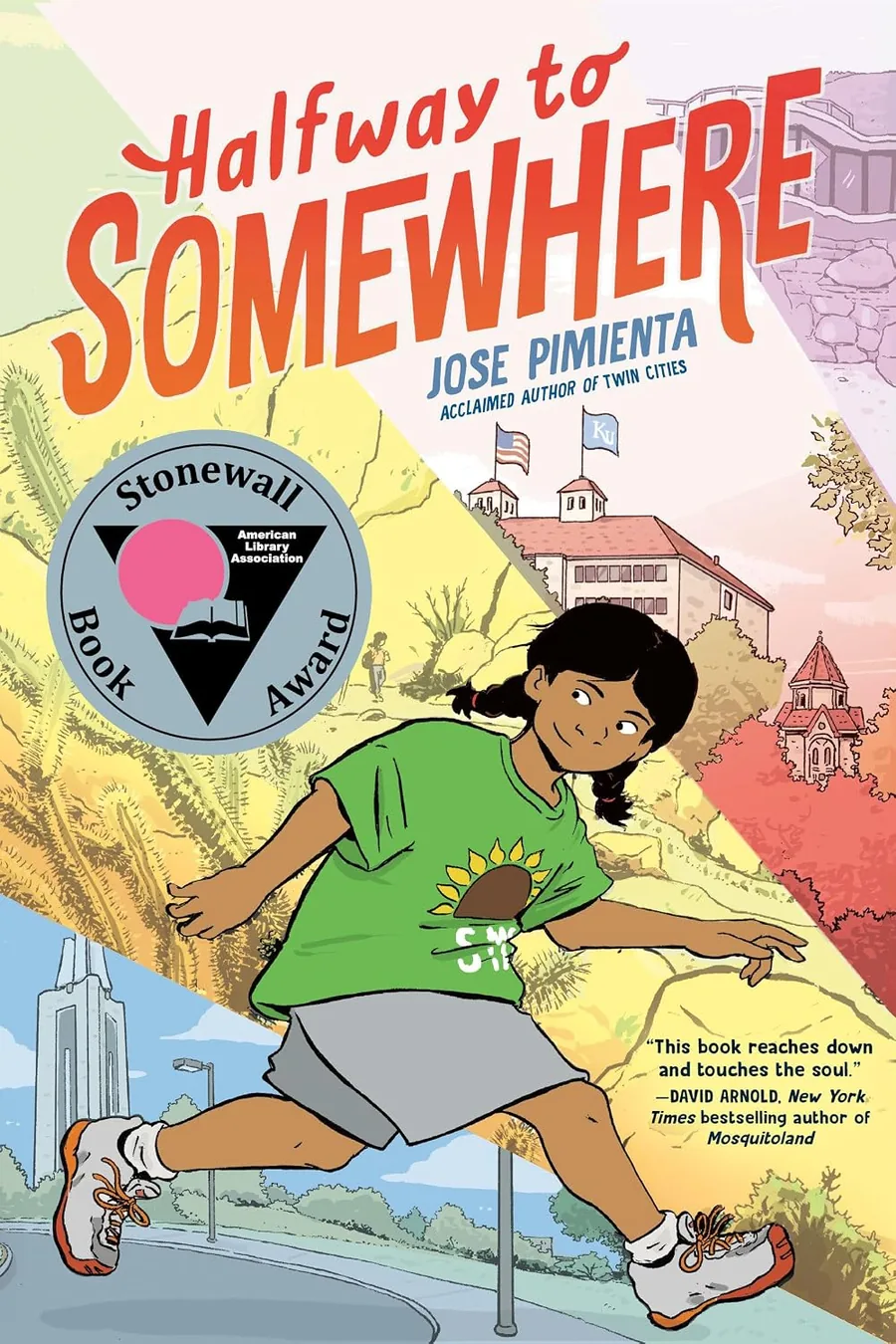 Halfway to SomewhereJose PimientaAdjusting to life in Lawrence, Kansas, proves challenging for nonbinary Ave (Mexican American), who has moved there with their mom and younger brother, Ramón. They miss the bustle of Mexicali and long for the day when their older sister and father will join them in Kansas. Stuck in their professor mom’s office during the summer, Ave meets future classmate Rene. Unlike Ramón, Ave doesn’t speak much English and worries that if they learn, they’ll risk losing their native tongue. Although Rene’s Spanish is limited, he and his friends warmly fold Ave into their friend group, even inviting them to be the fourth in their track team’s relay group. Things are just beginning to look up when Ave learns that there were never any plans to reunite the family. Their parents have separated, and Ave feels betrayed and devastated. Repairing the broken trust in the family will require both Ave and their mother to open up about feelings and experiences they’ve been keeping to themselves. This graphic novel inspired by the author’s personal experience deftly depicts a young person trying to hold onto their identity in a place so far—literally and culturally— from home, especially when it seems everyone in their life has a different opinion on what it means to be Mexican.Fiction for ChildrenView book details
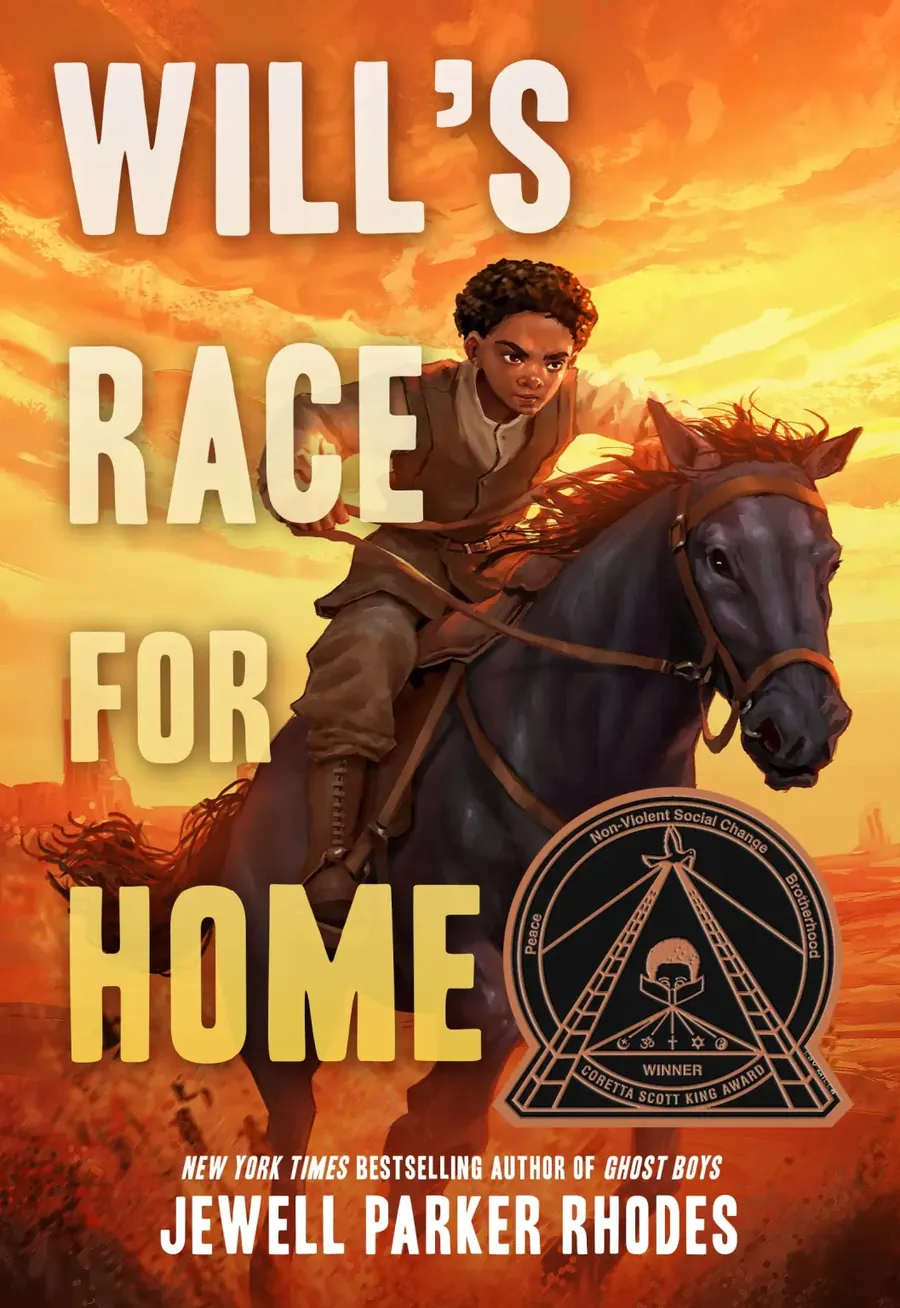 Will’s Race for Home: A WesternJewell Parker RhodesAfter decades of backbreaking, thankless sharecropping work in Texas, Will’s father, who was enslaved as a child, is “grim and dull,” and Will longs for a closer relationship with him. When they hear of the Oklahoma Land Rush, they recognize it as the chance of a lifetime. With a wagon of supplies pulled by their mule, Belle, Will and his dad join thousands of others racing to stake out their own land. The journey is arduous, but Will repeatedly rises to the occasion. He kills a snake that threatens Belle. He guides Belle across a treacherous river. And he meets both friend and foe along the way, the former a fellow Black traveler and Union soldier named Caesar, who helps Will defend his supplies from thieves. Joining Will and his father on their journey, Caesar becomes like family. But he has an enemy of his own, a white Confederate soldier who has been tracking him, putting them all in danger. Before Will and his dad reach “the promised land,” Will will test the limits of his courage, daring, and loyalty in order to protect his home and loved ones. Action-packed and fast- paced, this novel offers a satisfying arc for its characters, who grow both in confidence and in closeness with one another. While mentions of Indigenous peoples are absent in the main narrative, an Afterword covers their forced relocation and acknowledges that all who settled Oklahoma took part in their oppression.Fiction for ChildrenView book details
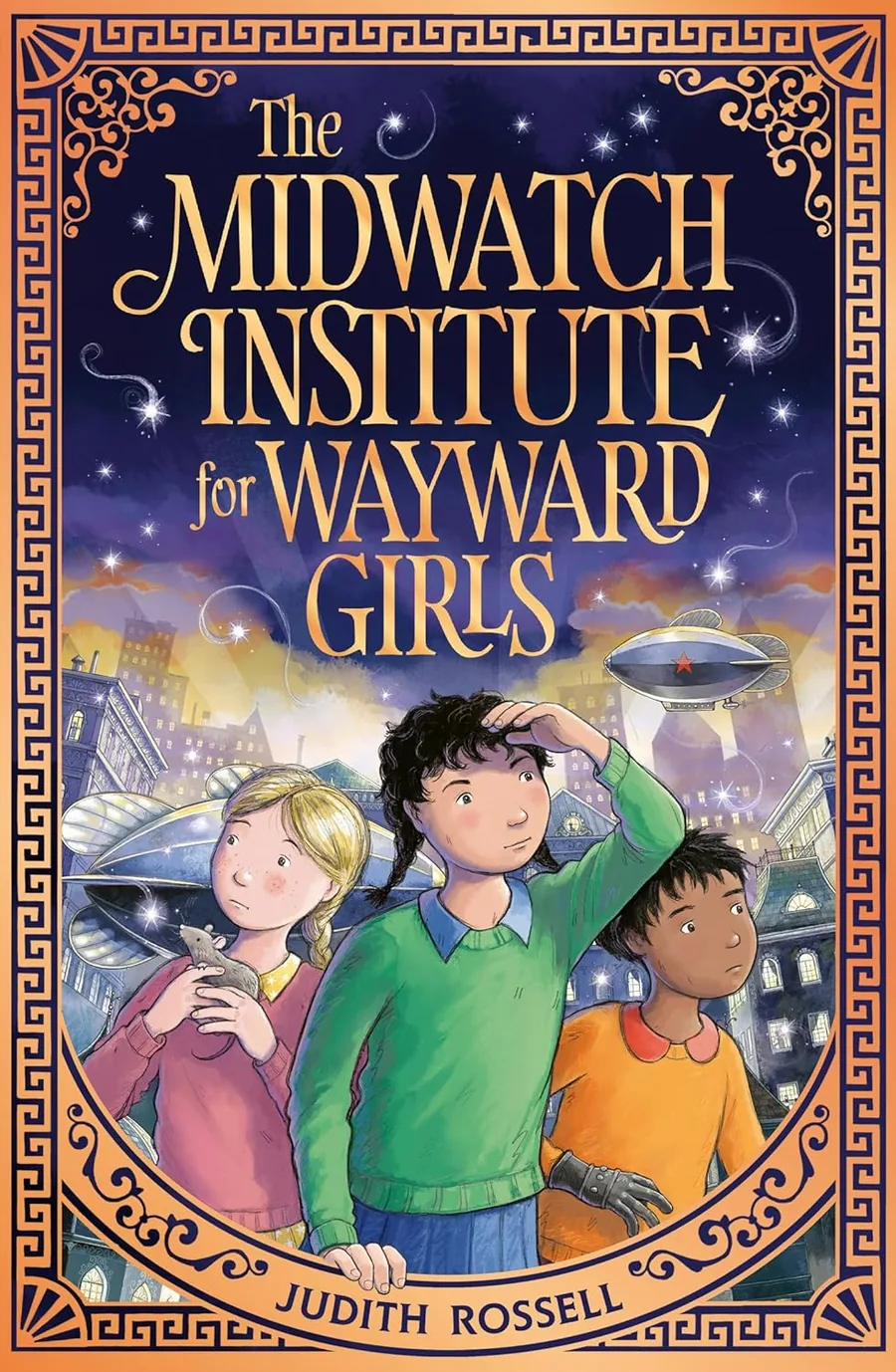 The Midwatch Institute for Wayward GirlsJudith Rossell, illustrated by Judith RossellExpelled from her latest orphanage, Maggie (white) is dropped off at the Midwatch Institute for Wayward Girls, where she joins fellow newcomers Nell (white) and Sofie (brown-skinned) in learning that the Institute’s dreary exterior is a front for a school that trains girls in the art of fighting crime. Often unnoticed and underestimated, girls can be rather useful in this arena. Maggie, Nell, and Sofie are enrolled in specialized classes (Hiding, Maps, Contriving, Motorcars, and Observing, to name a few) and each given a doll that conceals tools. Only a few weeks after the girls arrive at Midwatch, a man named Mr. Entwhistle enlists the school’s help. His friend, Miss Fenchurch, has disappeared, leaving a mysterious note behind. When Nell decodes the letter, the first-years are assigned to the case. Sneaking into the city for a reconnaissance mission via old subway exits connected to Midwatch’s underground headquarters, the girls make three discoveries. The first is that Mr. Entwhistle has been bludgeoned by a soup tureen that seems to have fallen from the sky. Second, they find a dragonfly brooch hidden inside the library book Miss Fenchurch had been using. Finally, they realize they are being pursued. The girls’ investigations, along with their skills and daring spirits, lead them into and out of the hands of the villain in this funny, quirky mystery-adventure set in a lightly steampunk city. Ample pencil illustrations decorate the pages, adding to the charm.Fiction for ChildrenView book details
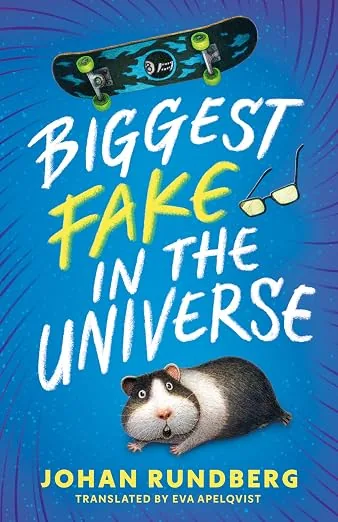 Biggest Fake in the UniverseJohan Rundberg, Eva ApelqvistMovits Lind, who goes by Mo (pronounced “moo”), lives in a suburb of Stockholm with his parents and sisters (white). He has a guinea pig, Domino, who does tricks, and a best friend named Ruben. He loves to play chess and cook up unique dishes. While joining Ruben at a local skate ramp to watch Ruben’s older brother perform, Mo is instantly smitten by a talented skater girl. His feelings make him feel physically ill—it’s his first time being attracted to a girl—so he seeks the advice of his older neighbor and confidant, a brash, funny woman named Ingbritt. Ingbritt has a new boyfriend on the weekly and informs Mo on the power of love. Mo’s solution is to take up skateboarding to try to meet up with his crush, Bea. After a few bumpy lessons, Mo finds himself at a parking ramp with a bunch of experienced skaters, including Bea. As they take turns skating down the long ramp, Mo accidentally performs a series of moves that almost gets him injured but instead seems like an intentional and impressive feat. Captured on video, it instantly goes viral, turning Mo into an overnight skating celebrity. Mo has major imposter syndrome … but on the other hand, he also has Bea’s attention. When he’s asked to demonstrate his moves on TV, his simple desire to meet a girl backfires spectacularly. The over-the-top plot is kept on the rails with credible characters, wry humor, and a satisfying conclusion.Fiction for ChildrenView book details
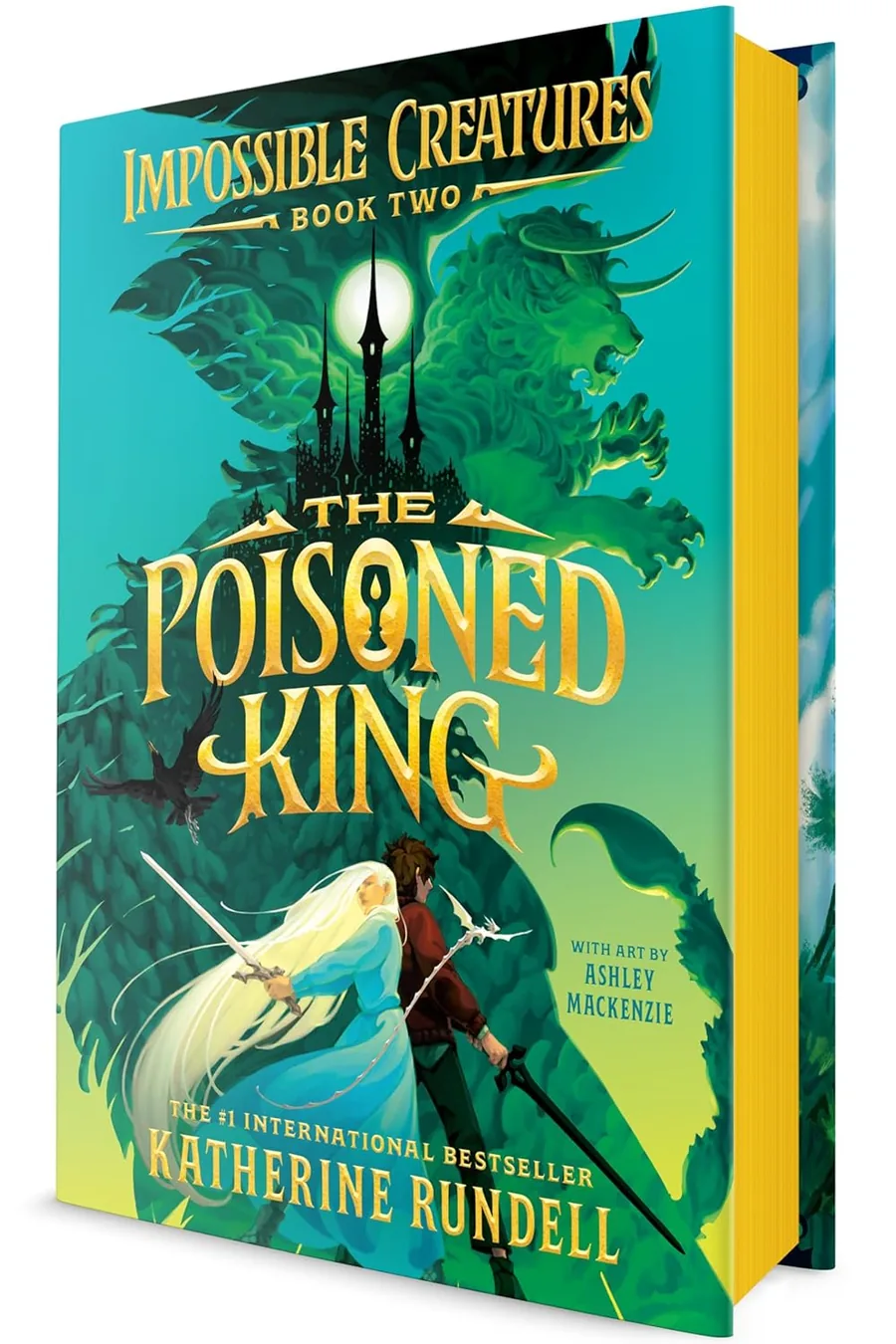 The Poisoned KingKatherine Rundell, illustrated by Ashley MacKenziePicking up roughly a year after Book One, Christopher (white) awakens in his London home to a dragon nibbling on his face. It’s Jacques, a jaculus dragon, summoning Christopher to return to the Archipelago because his Guardian powers are needed to save dying dragons. Meanwhile, in the Archipelago, a new character is introduced. Anya (white) is the princess, second in line to the throne, though the formality of royal life in the castle does not suit her. Until recently, Anya and her father were sequestered in a forest home on the palace grounds, he with his books and botany work, and Anya with the royal gaganas, magical birds that are her constant companions. In a swift series of events, the king is poisoned, and Anya’s father is jailed for treason. With the gaganas’ help, Anya deduces that her uncle orchestrated the murder plot to secure his position as king—and Anya’s next on his list. Anya’s escape from her uncle coincides with Christopher’s return to the Archipelago. As they take sanctuary at a compound for injured creatures, the pair surmise that Christopher’s dragon-tending and Anya’s kingdom troubles are intertwined. Clue-gathering reveals that Anya’s uncle is poisoning the dragons to steal their wealth. Together, the friends plot a way to protect the dragons and bring Anya’s uncle’s treachery to light. Short, fast-paced chapters filled with rich descriptions and witty banter make this an engaging middle grade fantasy.Fiction for ChildrenATOS 5.0AR interest Middle Grades (MG 4-8)View book details
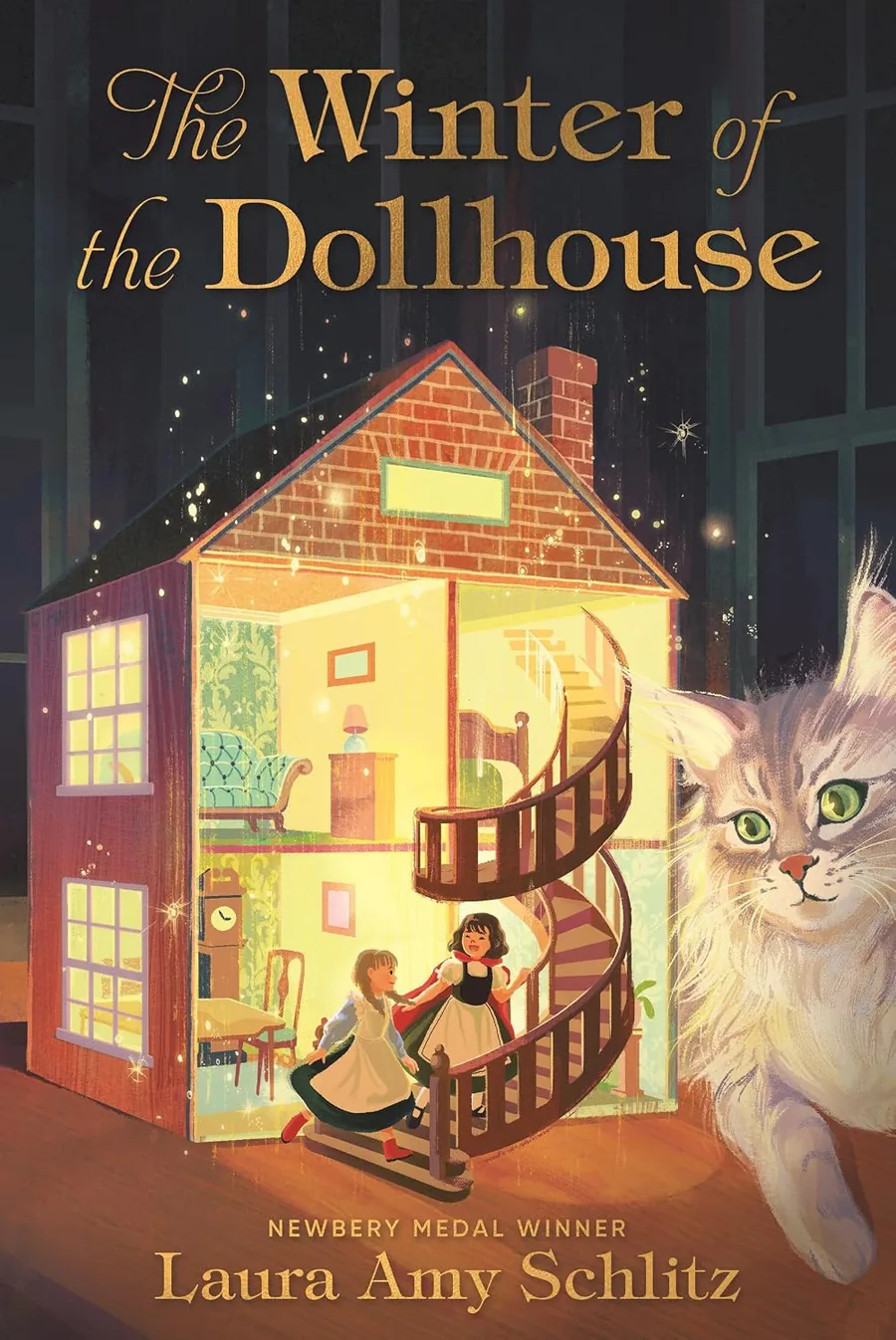 The Winter of the DollhouseLaura Amy SchlitzEleven-year-old Tiph is pushing her little brother Phillip in his stroller when she sees an old lady gripping a fence as if close to collapsing. Tiph collects the woman’s dog and helps her to a seat at the nearby dollhouse store, where Gretel, a small doll, has been put on display in hopes of a Christmas sale. Although Gretel is vintage and valuable, collectors pass her by year after year. Gretel doesn’t want a collector—she wants a child. And so, the stage is set for this unexpected trio to form a connection that will impact each of their lives in small and in significant ways. The old woman is Ms. Rózsahegyi, a sometimes prickly and often outspoken elder who solicits Tiph’s help to walk her dog and care for her cat as she recovers from surgery. Tiph welcomes the chance to get out of her house, where her father and stepmother are clashing and a new baby demands attention. She also wants to earn the money to buy Gretel from the store whose owner believes Tiph is guilty of an earlier theft—and he’s right. Complex contemporary characters and realistic interactions merge seamlessly with the magic of the dollhouse world. The satisfying conclusion heals rifts new and old while fitting together the plot’s puzzle pieces into heartfelt perfection.Fiction for ChildrenView book details
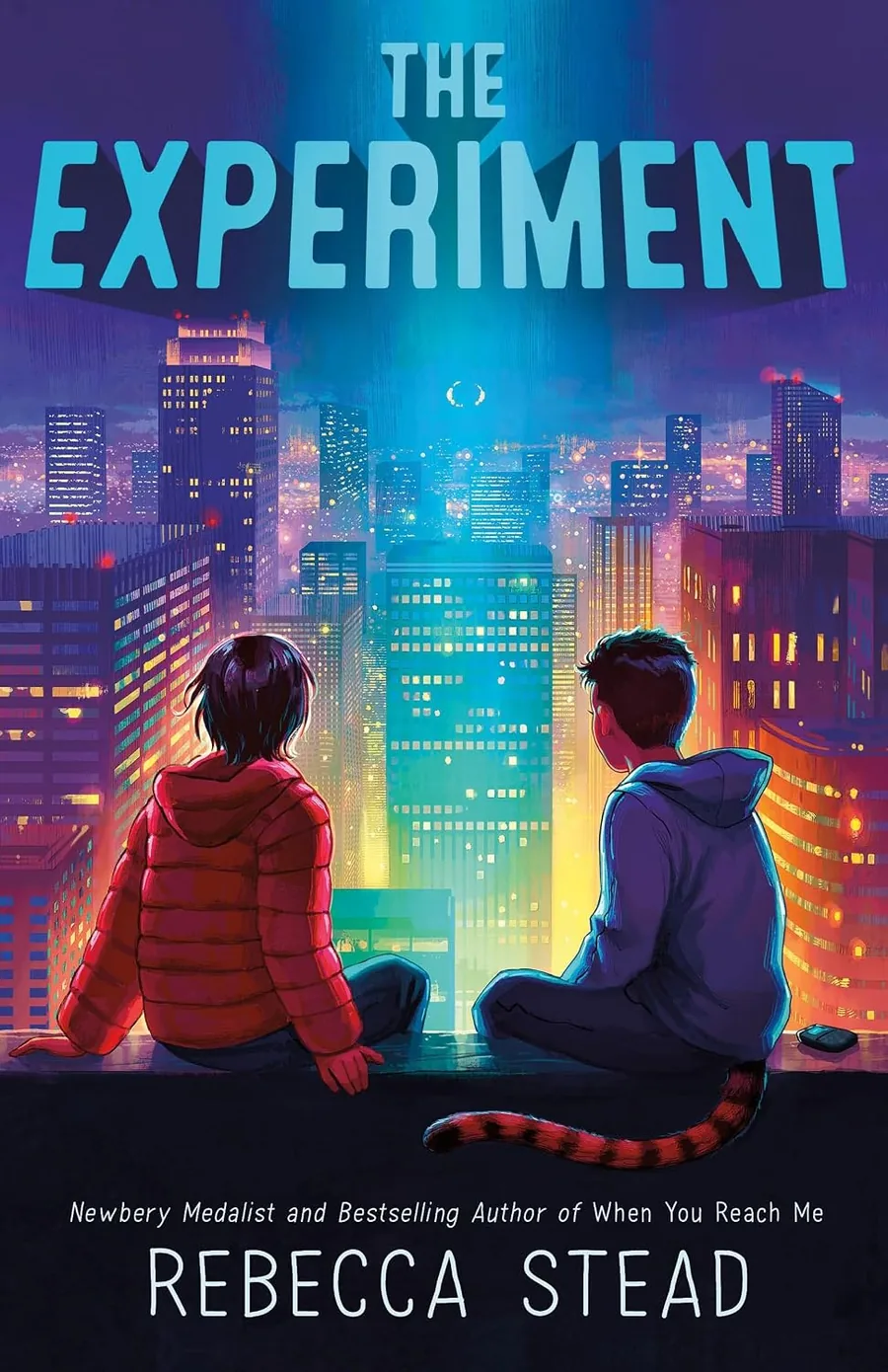 The ExperimentRebecca SteadNobody knows that Nathan and his family are extraterrestrials, part of a select group taking part in an experiment meant to determine whether their people, the Kast, can live safely on Earth. Unlike his parents, brown-skinned Nathan was born in New York City and has never visited the Kast mothership (“the Wagon”). When he unexpectedly grows a sentient tail, though, Nathan is summoned to appear at the Wagon—a worrisome development, as several other Kast kids, including Nathan’s friend, Izzy, have been called there and have never returned. What Nathan learns on the Wagon (disguised as a storage facility) upends everything he’s ever known. Hester, the Kast leader, is thrilled with Nathan’s tail and instructs him and his family to return home. Before he does, though, Nathan stumbles upon Izzy, now an imprisoned laborer on the Wagon, who believes they’ve all been deceived: She and Nathan are not Kast, but human. It will be up to Nathan (and his tail) to rescue not only Izzy and the others, but the actual Kast themselves—who are not what Nathan has been led to believe—from Hester. Fast-paced and exciting, this sci-fi novel is full of surprises as it unfolds. It’s easy to root for Nathan, an affable protagonist who loves his friends and carries the weight of his family’s secret identity with fortitude.Fiction for ChildrenATOS 4.2AR interest MG 4–8View book details
 The Cartoonists ClubRaina Telgemeier, Scott McCloud, illustrated by Raina Telgemeier, Scott McCloudFour middle schoolers learn the ins and outs of comic making along with the reader of this how-to guide set within a fictional framing story. Makayla (Black), Howard and Lynda (both brown-skinned), and nonbinary Art (white) are distinct personalities with their own unique approaches to art and storytelling. Under the guidance of knowledgeable, hijab-wearing librarian Ms. Fatima (Black), the Cartoonists Club meets in the library to learn about comics vocabulary, layouts, and production processes; drawing facial expressions and body language; and making zines. The students have different interests and motivations, which are explored as they interact and workshop their comics. The club applies to host a table at their local public library’s comics convention; their acceptance gives them a chance to learn more about attracting readers (and to accept that growing an audience doesn’t happen overnight). Easy-to-follow, straightforward instructions and pointers; appealing, enthusiastic characters; and colorful illustrations make this a useful, inspiring, and encouraging guide for anyone interested in exploring this popular storytelling art form.Fiction for ChildrenATOS 2.9AR interest Middle Grades (MG 4-8)View book details
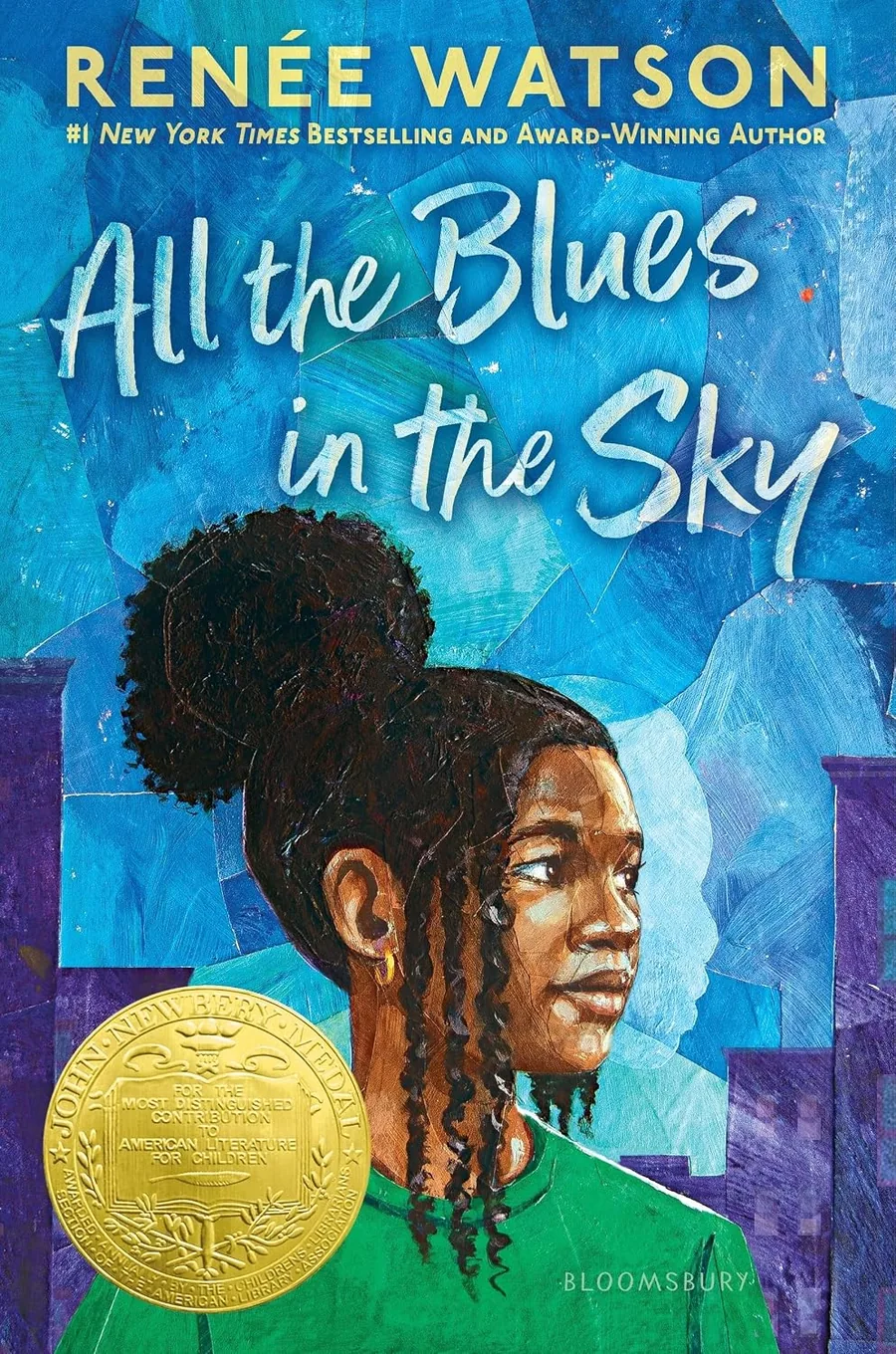 All the Blues in the SkyRenée WatsonA slim, heartrending novel written in both free verse and prose chronicles the fresh grief of 13-year-old Sage (Black), whose best friend was killed in a hit-and-run. Sage misses her best friend in every way. She longs to have a conversation with her, to sit with her at lunch, to hang out over the weekend, and to laugh and dance together. Sage attends a grief group with other kids after school, where she confesses to feeling guilty: Her best friend had been on the way to celebrate Sage’s birthday when she was struck by the car. Sage also feels prickly resentment toward some of the others in group, whose loved ones’ deaths were anticipated due to illness; unlike Sage, those kids had a chance to say goodbye. Sage forms tentative friendships—though she is reluctant to call it that—with two girls who also experienced sudden losses. They offer Sage empathy and connection when she lets her guard down. Despite her resistance, Sage finds that being honest about her raw emotions helps, and she realizes that no matter the circumstances, no one is ever truly ready for loss. With the help of her group, family members, and others, Sage takes a step toward healing, finally revealing the name of her best friend toward the story’s end as she finds a way to remember and celebrate her.Fiction for ChildrenLexile NPATOS 5.0View book details
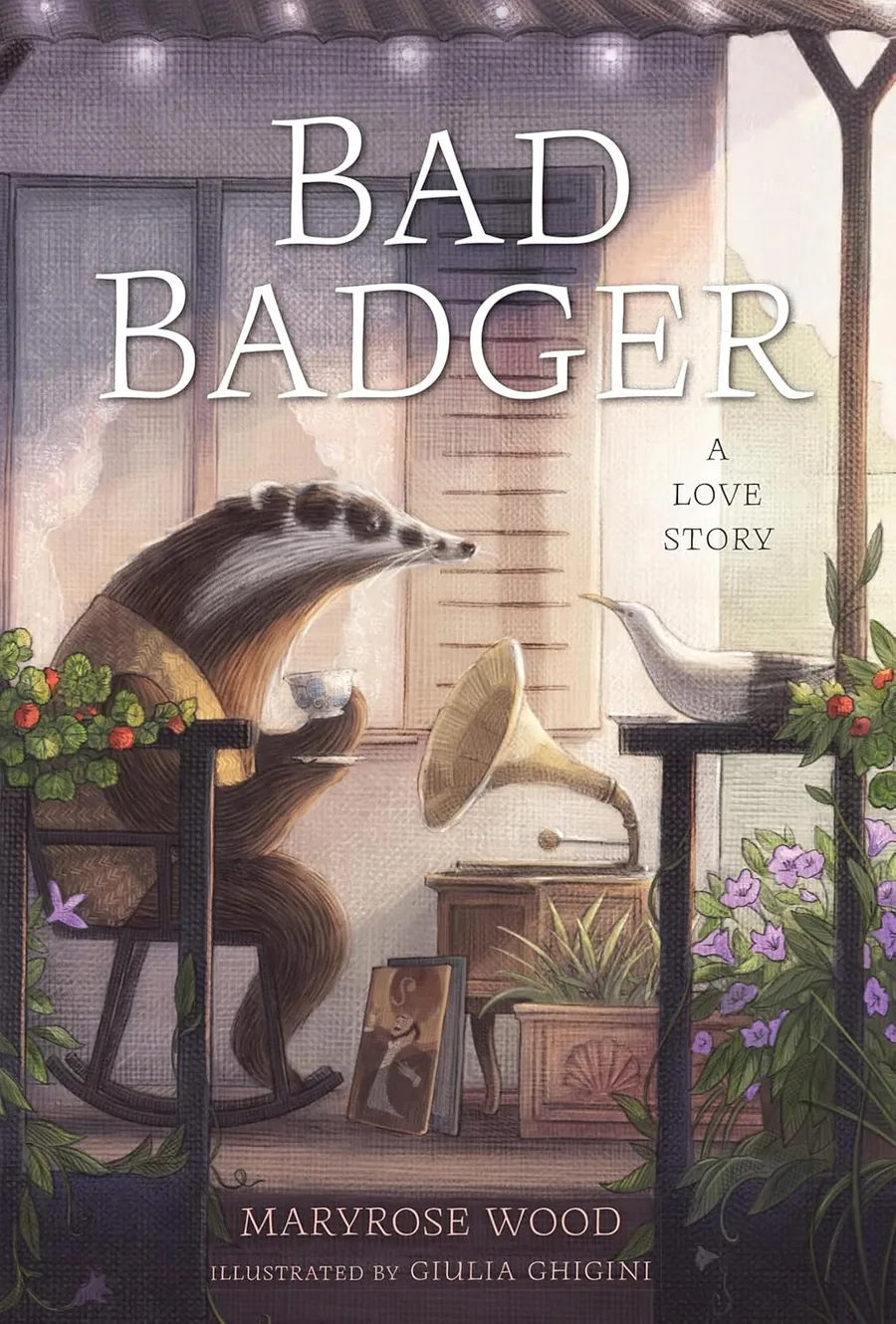 Bad Badger: A Love StoryMaryrose Wood, illustrated by Giulia GhiginiSeptimus is a fastidious, solitary badger living in a little cottage by the sea. Because he has spots instead of typical badger stripes on his nose, prefers the seaside to the traditional forest habitat of badgers, and likes drinking tea and listening to opera, he considers himself a “bad badger.” Sometimes he wonders if he even is a badger. Septimus’s first foray into friendship is with a seagull who starts hanging out on his porch, although Gully doesn’t say much. Septimus mostly infers his new friend’s feelings. All seems well until two outings lead to rough spots: Septimus’s choice of a tandem bike seems inconsiderate of his winged companion in retrospect, while a trip to the beach is eye-opening for Septimus as he watches Gully swoop gracefully over the sea, but it’s also annoyingly sandy. Despite Gully’s gift of a shell for Septimus’s collection, Septimus worries that they don’t have enough in common to be friends. A quirky, tender story full of laugh-out-loud moments (Septimus’s motto: “Badger safe than sorry.”) and important revelations about friendship and identity (e.g., it turns out that Septimus’s spots are “well within the parameters of badgerhood”) is full of sweet and satisfying surprises. The occasional full-page black-and- white illustrations brim with warmth and charm.Fiction for ChildrenLexile 660LATOS 4.3View book details
Fiction for Young Adults
33 selections
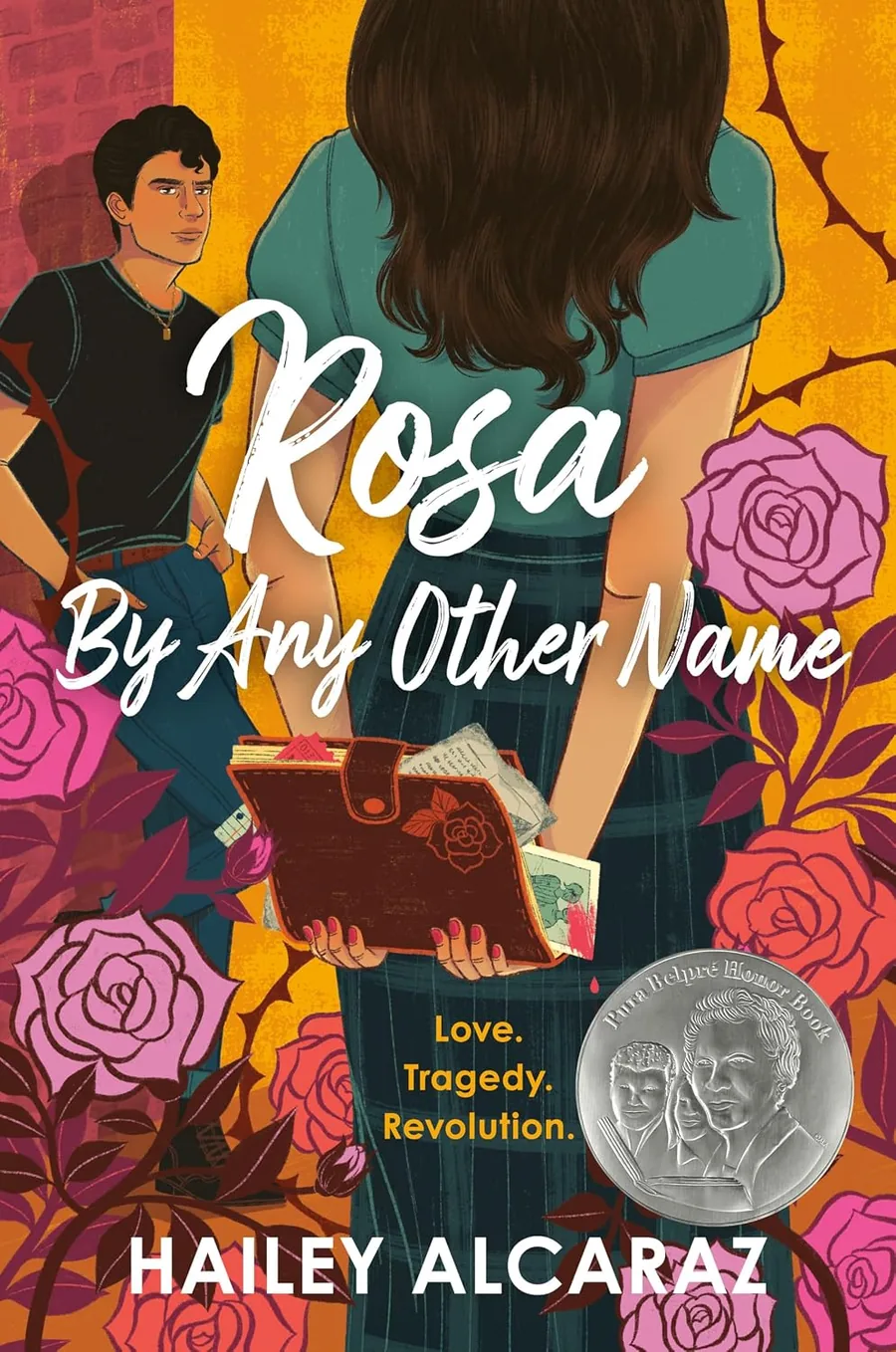 Rosa By Any Other NameHailey AlcarazMexican American Rosa is passing as white to attend a Phoenix high school that will help her get into college to study journalism. It’s 1955, and Brown v. Board of Education has been legislated, but that doesn’t mean going to the all-white school is easy. Rosa aims to lie low until graduation. When she discovers that Julianne (white), her only friend at school, is dating Ramón, her longtime best friend, Rosa is dismayed. She’s also angry with their idealistic plan to attend the school dance as an interracial couple. Rosa knows the danger this could provoke but reluctantly agrees to participate by going to the dance with Tim, a white football player, while pretending to be Ramón’s date for the benefit of Julianne’s parents. The worst-case scenario unfolds when Julianne’s father, the sheriff, sees through the charade and shoots Ramón, accidentally hitting and killing Julianne as well. He claims that the shots were fired to prevent Ramón kidnapping his daughter, and as the sole eyewitness, only Rosa can challenge his statement. Ramón’s brother Marco invites Rosa to attend a meeting of activists, where she becomes inspired by their campaign to fight racism and oppression and drawn into a romance with Marco. Quiet Rosa discovers her courage and voice when she speaks out about the murders and the sheriff’s cover-up. Her journey from the sidelines to public activist highlights the slow pace of cultural change lagging behind legal milestones while demonstrating the hope found in community engagement.Fiction for Young AdultsView book details
 Butterfly HeartMoa Backe ÅstotAt the start of summer, Vilda is a typical preteen attached to her phone and friends. Her friend group is starting to change, and appearance and dating are becoming more important. When an acquaintance says Vilda isn’t a real Sámi because she doesn’t look Sámi, Vilda is hurt and confused. Her dad is Swedish, but her mom is Sámi—albeit not very connected to the culture. Vilda’s beloved grandfather, Áddjá, is, though, and Vilda wants to learn more, both for herself and because she feels like she has something to prove to her peers. While visiting Áddjá, she tries on her late grandmother’s traditional clothing. It doesn’t fit right, but Vilda loves it; it feels like concrete evidence that legitimizes her heritage. When Áddjá dies suddenly from a heart attack, Vilda is devastated and regretful. She’s hurt when her best friend, Alma (away on summer holiday), only texts superficial condolences, and she feels resentful of her parents and sister, who don’t seem to be as saddened by Áddjá’s death as she is. At her grandfather’s funeral, Vilda develops a crush on a Sámi teen and later connects with him on social media; but at a chance meeting in person, Vilda embarrassingly realizes that she invented a romance in her head. This quiet, emotionally resonant novel captures the complexity of adolescent changes while exploring cultural identity and self-definition.Fiction for Young AdultsView book details
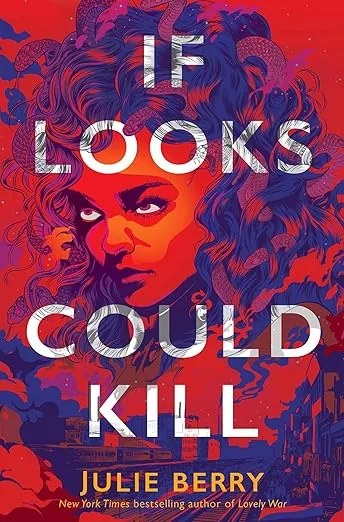 If Looks Could KillJulie BerryIn this work of historical fiction set in the seedy streets of London and New York City in 1888, earnest, pious Pearl and independent do-gooder Tabitha serve as “Hallelujah Lasses” in the lower ranks of the Salvation Army, a relatively new organization bringing religion and social services to the poor. Tabitha, a homely, humble middle-class teen, chafes against the pretty, pure, zealous farm girl with whom she has been paired. When the white teens encounter Cora, who’s been trafficked by a cruel, exploitative brothel owner, they attempt an undercover rescue with the help of burgeoning journalist Frayda (Jewish). The bustling city, the history of the Salvation Army, and the oil-and-vinegar banter of Tabitha and Pearl are richly drawn and immersive. Across the pond, Jack the Ripper is on his murderous spree in London’s East End. The author depicts Jack as a physically ill, deluded, misogynistic gentleman doctor who butchers his female victims to procure organs for life-giving tonics. During one of Jack’s attempted murders, his victim temporarily paralyzes him with her Medusa stare and writhing crown of snakes. Jack attempts to flee Medusa’s wrath (and London police) by sailing to New York. The stories of Tabitha, Pearl, Jack, Medusa, Cora, Frayda, and others collide in an intricate time bomb of violent events that singes with scorching feminism, fierce friendship, gentle romance, and cat-and-mouse mayhem. Extensive end matter adds rich context to this sharply imagined novel about the mythology of murderers.Fiction for Young AdultsView book details
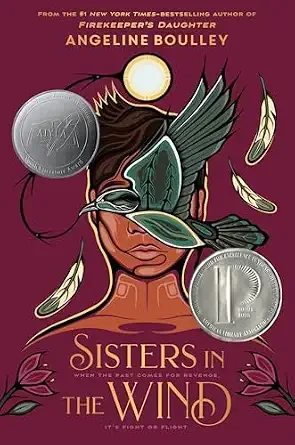 Sisters in the WindAngeline BoulleyA gripping thriller told in dual time periods explores the personal and generational trauma of Lucy, who in 2005 has just aged out of the foster care system. When Jamie, an attorney, tracks Lucy down to inform her that her Ojibwe maternal relatives have been searching for her, Lucy is confused and on edge. She also knows that she’s being pursued—the reader doesn’t yet know why or by whom—and plans to run, until a pipe bomb badly fractures her leg. Recovering under the care of Jamie and his girlfriend, Daunis, who know Lucy’s family, Lucy confronts the fact that her white father never told her the truth of her heritage. Jamie, who works to reunite adopted Native children with their Native family members, teaches Lucy about the Indian Child Welfare Act. Flashbacks recount Lucy’s childhood and adolescence growing up with her father, who died of cancer; the con-artist stepmother who abandoned her; and a series of foster families where abuse (emotional, sexual) was rampant. Lucy’s final and longest placement is with a farming family that fosters a group of teens— many of whom are pregnant when they arrive, or who become pregnant after moving in. Realizing that all on the farm is not as idyllic as it seems, Lucy begins investigating and finds that her past and present are more entwined than she ever imagined. Like Boulley’s other books, this emotional page-turner features a strong, clever female lead and deftly tackles systemic issues affecting Native communities.Fiction for Young AdultsView book details
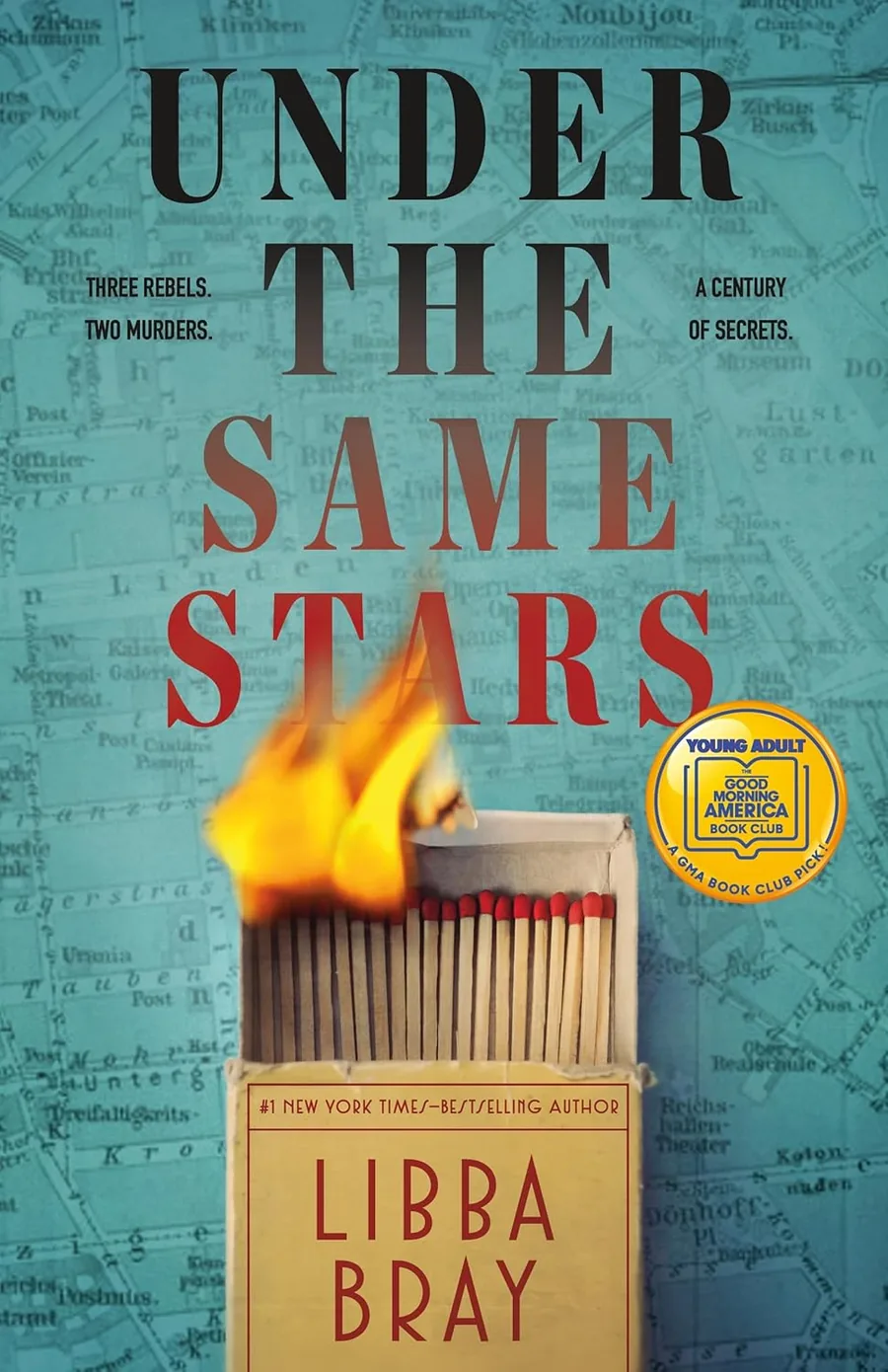 Under the Same StarsLibba BrayThree interconnected stories follow teenagers navigating the ordinary and the extraordinary as their lives are impacted by political and global events. In Kleinwald, Germany, in 1939, Hanna and Sophie (both white) find their friendship flailing as War II progresses, but it’s re-energized when they both join the Resistance. In 1980, Jenny moves with her image-conscious, upper-middle-class family to Berlin. Jenny (white), an amateur photographer, falls for punk rocker Lena, an East German escapee desperate to get her brother out. Jenny also befriends elderly neighbor Frau Hermann, who tells stories about Sophie and Hanna, two girls from her home village who went missing years before. In March 1980, in New York City, Miles (Filipino/white) is navigating the early days of the pandemic largely on his own. One of his moms, a nurse, is staying with a friend; the other, a photographer, is stuck in Amsterdam. Even as he navigates the unsettling present, including rising tensions around race and racism, he’s also delving into the past: His friend Chloe wants help researching information her grandmother sent about two girls, Sophie and Hanna, who disappeared in Germany in 1941. The three alternating narratives have finely developed characters and plot arcs; themes of oppression on a global scale and guilt and forgiveness on a personal one resonate across them as a historical mystery unfolds and the teens at the heart of each story make decisions about standing up and speaking out on behalf of others and themselves.Fiction for Young AdultsView book details
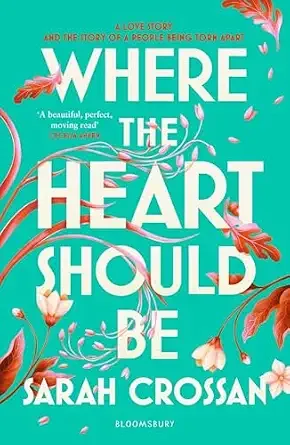 Where the Heart Should BeSarah CrossanIn fictional Ballinkeel, Ireland, in 1846, Nell (white) has just started work as a scullery maid in Lord Wicken’s “Big House.” Her meager pay becomes her family’s sole source of income when her father, a tenant farmer, finds his potatoes black, slimy, and inedible. A blight has struck Ireland’s crops, and families like Nell’s struggle to survive. The residents of the Big House, however, have more than enough; Wicken is even stockpiling food to sell overseas. The childless Wicken has just named his nephew, John Browning, heir to his estate and invited him to join him from London. Johnny, as he asks Nell to call him, is disarmingly friendly; he shows an interest in Nell, and they discover a shared love of poetry. Considering their respective stations, Nell knows their budding romantic relationship is ill fated, but everything about Johnny is appealing, from his good looks to his generous spirit and humble nature. When tragedy befalls Nell’s family, Nell finds herself torn between Johnny and her father, who joins a group of men planning to steal some of Wicken’s stockpile— and who needs Nell’s help to pull it off. Written in free verse, this engaging romance offers a glimpse into the lives of both working Irish and well-to-do landowners during the Potato Famine, one of the worst periods in Irish history.Fiction for Young AdultsView book details
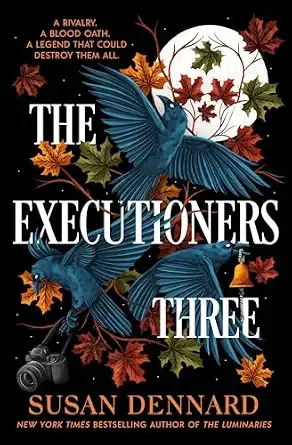 The Executioners ThreeSusan DennardFreddie Gellar (white) aspires to be a detective, so when a body is found in the nearby woods, she’s sure it’s murder — and she’s on the case. Unexplainable and eerie events around her small town seem tied to “The Executioners Three” poem, and perhaps to her own father. He had been the town’s sheriff until he died of a supposed heart attack when Freddie was a child, but no one, including her mother, will talk about the circumstances of his death. Her investigation becomes entwined with a long-standing rivalry involving an exchange of creative pranks between her high school and the local private academy. The current sheriff’s nephew, Theo, is a student at the academy and should be her sworn enemy, so why does Freddie find him so irresistibly attractive? Increasingly ominous attacks challenge Freddie’s deductive skills, but with the help of her best friend Divya (South Asian) she perseveres despite personal risk. The engaging enemies-to-lovers storyline and sharply funny dialogue balance the darker aspects of the mystery, while Nokia phones and X-Files references firmly root the story in 1999.Fiction for Young AdultsView book details
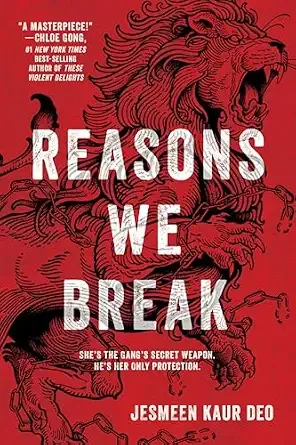 Reasons We BreakJesmeen Kaur DeoRajan has always had a soft spot for Simran, a kind and patient peer tutor who helped him with math in high school despite his rough-around-the-edges demeanor. Now, a year after graduation, the Punjabi Canadian teens’ lives again intersect. Released from juvie and clean, Rajan moves back home to Kelowna, British Columbia, hoping to stay out of the crosshairs of his former Vancouver gang, the Lion’s Share. Simran, a devout Sikh, is attending a local college, forgoing her dream school to stay near her mom, who has cancer. When the Lions find Rajan, demanding he work off his debt, Simran makes a deal with them behind his back: She’ll help decode the books of rival gang the Aces in exchange for Rajan’s freedom. The deciphering work is satisfying to Simran’s mathematical mind, and she’s good at it—so good that she quickly makes herself dangerously indispensable to the Lions and a target of the Aces. Leaving the Lions once Rajan’s debt is paid off is no longer an option. This taut, high-stakes contemporary thriller includes realistic scenes of violence and drug use. The third-person perspective alternates its focus between Simran and Rajan, whose believable, slow-burn romance will either ruin or rescue them. Despite their differing circumstances, the teens share commonalities as children of immigrants who experience certain pressures. With rich characterization and an engrossing plot, this novel delivers on every front.Fiction for Young AdultsView book details
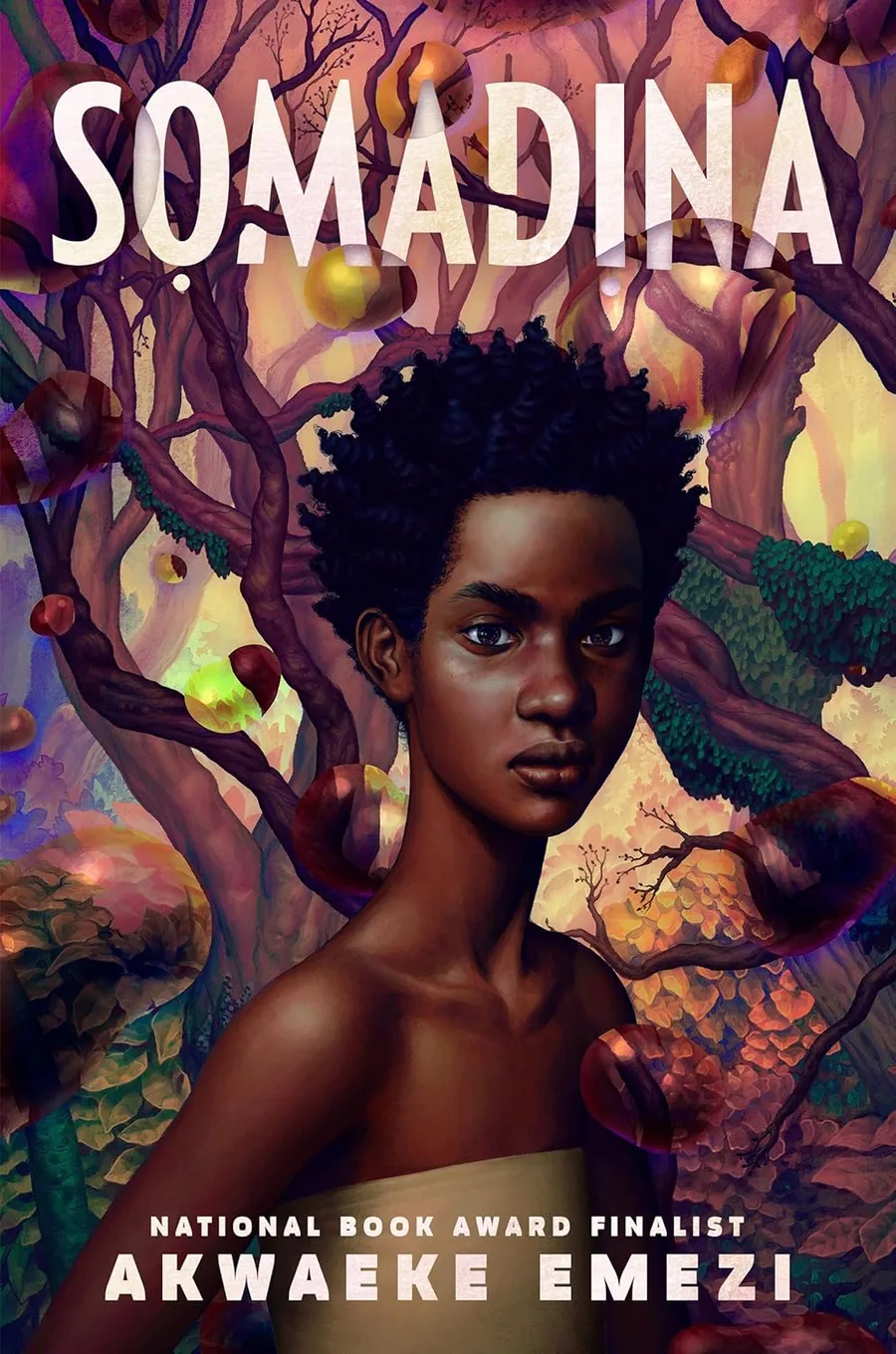 SọmadịnaAkwaeke EmeziLong before Sọmadịna and her twin, Jayaike, were born, the creation of the Split ended the Starvation War. A yawning chasm, the Split severs the rest of the world from Sọmadịna’s island, where most people receive one magical ability from the goddess, Ala, when they come of age. When the twins manifest multiple gifts—and one of Sọmadịna’s causes her to murder a violent peer against her will—they are deemed “abominations” and shunned by the community. And then Jayaike is snatched in the night, abducted by the sinister “hunter,” who has appeared in Sọmadịna’s dreams. Sọmadịna’s grandfather, Zerenjọ, and her sister, Nkadi, are dịbịas, “masters of medicine and spirit” who possess multiple powerful gifts; they help Sọmadịna prepare for the dangerous search for her brother. Together Sọmadịna, her best friend Ụwafụlamiro, and Nkadi set out on the journey. Along the way, Sọmadịna struggles to accept and control her gifts, especially an emptiness that can be harnessed to kill anything in her path. Sọmadịna and Jayaike have been claimed by Ala. But the “small gods” will not understand the full extent of their powers until they are reunited and facing death at the hands of the hunter. Set in a West African-inspired fantasy setting, this richly imagined coming-of-age novel brings to life a world in which magic is both coveted and feared. At its heart is a girl longing for acceptance as she discovers her place in her family and the world.Fiction for Young AdultsView book details
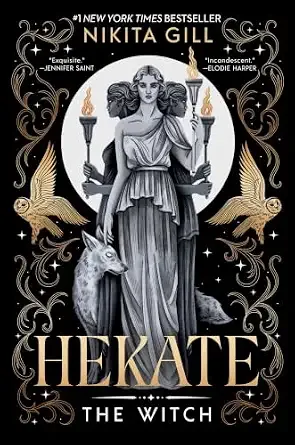 Hekate: The WitchNikita Gill“Children born in war / are made of a different kind of clay. / We become used to the din. / We grow used to the collapse / of crumbling buildings / and fire and develop a compassion / for broken things.” A stunning verse novel imagines the life of Hekate, daughter of Titans Asteria and Perses. Seeking safety for her child as the Olympians prevail, Asteria leaves Hekate in the care of the goddess Styx in the Underworld. Hekate grieves her mother, aches at the eternal torture of her father, and grows up lonely, curious, and lost without knowledge of her powers and purpose. Forbidden to explore, she wanders anyway, mapping the Underworld realms. As she matures, Hekate seeks out the Fates in Hades’s palace, sure they must know what she is meant to be. But it’s Thanatos, bringer of peace to the dying, who helps Hekate realize she can return the dead to life. Hekate abhors the gods’ lust for power that has torn her family and the world apart time and again. And she sees how goddesses are rulebound to limit women’s power. In response, Hekate breaks the rules to wield her own power with intelligence and compassion, and to live on her own terms. Themes resonant and relevant to contemporary readers (family, betrayal, forgiveness, identity, war, love) are deeply woven into this gorgeous, textured tapestry of a story that offers glimpses of other Greek myths while centering Hekate’s determination to know herself and offer grace.Fiction for Young AdultsView book details
 I Am the CageAllison Sweet GrantElisabeth (white) is a 19-year-old who has settled into a quiet, anonymous life in Fish Creek, Wisconsin, following a deliberate break from her past. Chapters alternate between present-day 1999, during which Elisabeth is trying to ride out a massive winter storm alone in her cabin, and flashbacks to her past, beginning with a traumatic medical event that began when she was 11 years old. Elisabeth is intentionally sheltered and self-protective in all aspects of her life. Throughout the course of the snowstorm, she reluctantly accepts necessary assistance from her rural neighbor, Noah, the town’s very young sheriff, when the power goes out for days. While huddled in blankets near the fireplace, Elisabeth finds a way to slowly emerge from her emotional cocoon and find her real self. The genuine care and kindness shown by Noah coaxes Elisabeth to examine the purpose of her self-loathing. When Elizabeth’s mom arrives unexpectedly to check on her snowed-in daughter, horrific pain and abuse from the past resurfaces. Partially based on the author’s childhood experience with limb-lengthening surgery, this book utilizes poetry and prose to process survival and resilience.Fiction for Young AdultsView book details
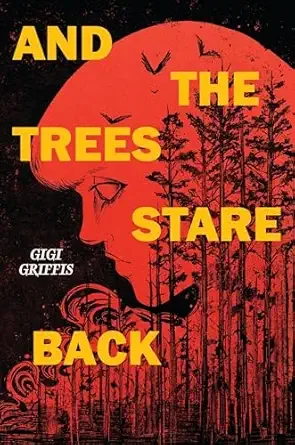 And the Trees Stare BackGigi GriffisIn 1980s Estonia, Soviet forces still occupy the country, but Estonians are feeling more freedom to speak out in protest. This political landscape frames the uncanny story of Vik (white), whose younger sister, Anna, disappeared five years ago when the two of them sneaked into the bog despite having been warned of its danger. Vik’s life is a shadow of what it once was … and then Anna reappears. Vik is stunned and joyous—until she realizes that Anna is still five years old. She’s dirty and mostly silent, but when she does speak, her words are in Russian, not Estonian. Could it be the magic of Soovana, a folklore trickster who draws humans into the bog with his glowing, lanternlike eyes? When word gets out about Anna’s return, the villagers suspect witchcraft and turn on Vik’s family, even when Anna falls deathly ill. Desperate to uncover the mystery behind this Anna-who-is-not- Anna, Vik and her friend, Liis (who has a limb difference), venture into the bog, calling on Vik’s oracle cards for guidance. Stumbling upon the Asylum, the girls discover the horrible truth—along with secret after secret about themselves and their own families—of what is taking place there: experimental cloning, with the eventual goal of bolstering the Soviet army. But getting the Asylum’s residents—and themselves—out may be an impossible feat. An Author’s Note identifies Vik’s mental illnesses as OCD and C-PTSD, which go unnamed in this intense, unsettling horror novel.Fiction for Young AdultsView book details
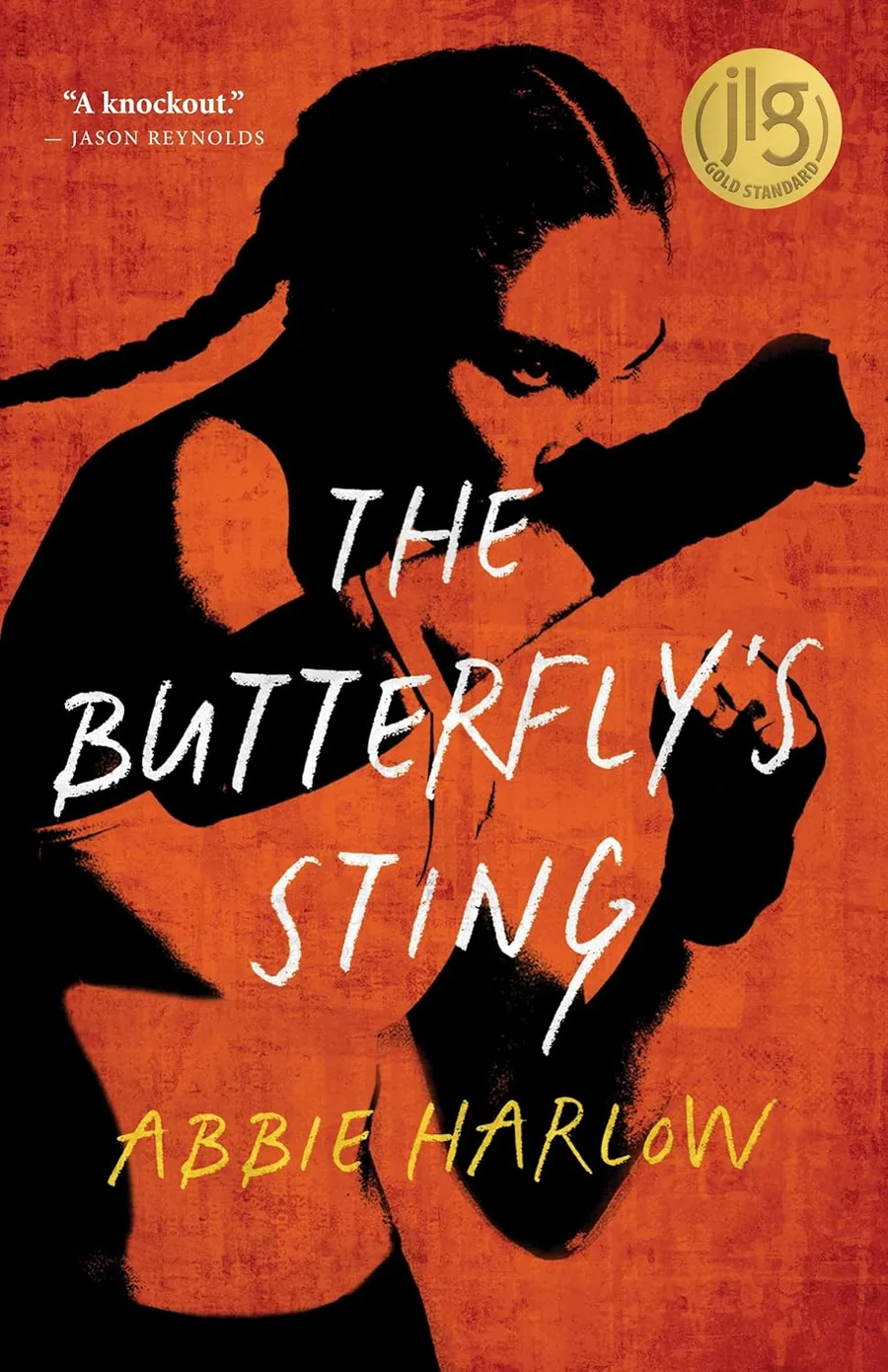 The Butterfly’s StingAbbie HarlowBo Clark has spent a year carefully developing The Plan for her 18th birthday. It centers on moving out of town and, most importantly, bringing her younger siblings Kate and Zach with her, delivering them all from the home of their volatile and abusive Uncle Jack. The Plan’s success hinges on Bo winning a boxing tournament and its significant cash prize. Bo’s mom deserted the family years earlier, and her uncle Jack was appointed guardian after her father’s death. A brief stint in separate foster homes traumatized all three of the siblings, but especially Zach, the youngest. Bo is determined to protect her brother and sister and willing to suffer her uncle’s physical abuse, if that’s what it takes. Bo seems to have inherited Jack’s boxing prowess, something he is determined to exploit. In truth, Bo enjoys fighting. She trains hard and keeps the illegal fight club, where her opponents are all men, a secret. Against expectations, Bo wins successive rounds in the tournament, in part because her new cutman, classmate Liam, is good at his job and has feelings for Bo. Despite all her strategizing, The Plan fractures at a critical moment, and the scene that follows is brutally violent. Although the outcome doesn’t completely align with Bo’s long-held hopes, it offers the siblings a future free from their uncle’s control. A propulsive plot punctuated by vivid fight scenes frames this moving account of a family in crisis.Fiction for Young AdultsView book details
 If I Could Go BackBriana JohnsonWhen she turns 18, high school track star Aaliyah (Black) contacts her parents, Lena and Quincy, for the first time, despite knowing that her stubborn but steadfast Grandpa Joe will be furious. Joe, who raised Aaliyah, vehemently believes that her parents are worthless. Aaliyah’s act of betrayal (in Joe’s eyes) drives a wedge between her and her grandfather. Joe soon suffers a stroke that puts him in the hospital, and Aaliyah’s best friend and cousin, Ivy, blames Aaliyah for putting their grandpa’s life at risk. Feeling isolated and overwhelmed, Aaliyah turns to Lena and Quincy, who want a relationship with her. This, however, proves challenging: Quincy is rude and stubborn, and Lena stands Aaliyah up on their first meeting. Aaliyah is cautiously willing to give them a second chance, but when she learns that Lena and Quincy have withheld important information from her, she’s not sure she can move past it. As Grandpa Joe recovers, he begins to come to terms with the fact that Aaliyah is now an adult with the right to make choices about her own life, including about her family, romantic relationships, and whether she’ll run track at UCLA—or even go to college at all. Aaliyah excels at communicating her needs, expectations, and boundaries, a skill that serves her well during a tumultuous period of her life. Debut author Briana Johnson offers a complex family story with fully realized characters who are flawed, messy, infuriating, learning, and loving.Fiction for Young AdultsView book details
 Biology LessonsMelissa KantorGrace (white) loves her small-town Texas life with her tight-knit family and best friends Addie and Sebastian. Yet she cannot wait to go to Barnard College in New York City after graduation, having fallen in love with life in the Big Apple after visiting her beloved aunt, Wendy. Her senior year countdown is transformed into a ticking timebomb when Grace discovers that she is six weeks pregnant. Shocked that a not-so-serious relationship resulted in a life-changing predicament, Grace spirals into an all-out panic. She cannot envision abandoning her big-city dreams, nor would her parents support an adoption. With the confidential support of her best friends, Grace processes and attempts to solve her predicament, ultimately deciding that an abortion is her desired option. However, in the geographical and political confines of post-Dobbs Texas, Grace quickly discovers that an abortion is nearly impossible to obtain. Even a simple internet search about seeking one puts Grace and her friends in a position of liability. This intentional novel realistically explores the emotional, logistical, religious, and socioeconomic realities of an unwanted pregnancy. Tense, compelling chapters explore Grace’s difficult journey to cross the border to a clinic. An Author’s Note and interviews with a client services manager and a legal scholar round out this contemporary novel.Fiction for Young AdultsView book details
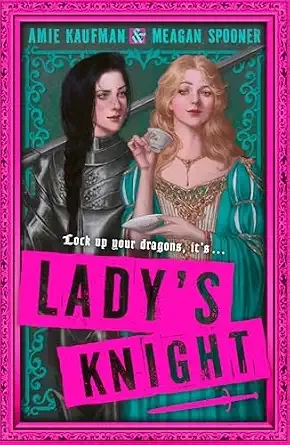 Lady’s KnightAmie KaufmanWhen blacksmith’s daughter Gwen (white), a talented metalworker in her own right, joins the annual jousting tournament as “Sir Gawain,” she only hopes to prove to herself that she’s as skilled as any male knight. Enter bold, clever Lady Isobelle (white), whose hand in marriage has been promised to whomever wins. Recognizing “Gawain’s” sword as the same one she’d seen Gwen (definitely a girl) with at the market, Isobelle approaches Gwen with a proposal: Gwen can train and live at the castle for the duration of the tournament, posing as imaginary Sir Gawain’s sister, Céline. If she wins the tournament, she’ll save Isobelle from a disastrous marriage to a cruel man. (It doesn’t hurt that the two girls are falling in love.) Under Isobelle’s wing, and with the help of Isobelle’s jack-of-all-trades lady’s maid, Olivia, Gwen undergoes a crash course in etiquette and enters Isobelle’s social scene, all while juggling multiple identities and putting in hours of training in sword fighting and jousting—which comes in handy when the populace learns that dragons are not, as previously believed, completely extinct. There’s much more to this medieval fantasy than sweet lesbian romance; notably, the story’s feminist sensibilities extend to all of the women in the well-developed cast, who find they are most powerful when pooling their strengths. Purposefully anachronistic language adds a delightful layer of humor and accessibility.Fiction for Young AdultsView book details
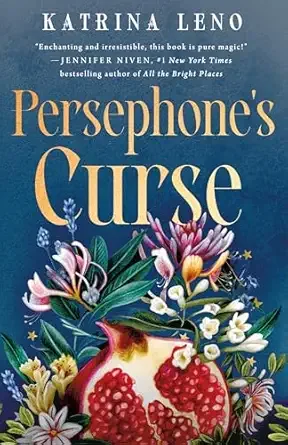 Persephone’s CurseKatrina LenoRumored to be descended from Persephone, Goddess of the Underworld, the white Farthing sisters think of Henry, the ghost of a 17-year-old boy who died in their home decades prior, like a brother. Winnie, 16, is the only sister who can sometimes see other ghosts, too, although this is hardly a gift on par with those of her sisters. Bernadette (20) is a prolific writer, Evie (18) a talented pianist, and Clara (14) a gifted artist whose paintings are sometimes prophetic. After realizing Evie is in love with Henry, Winnie takes drastic action so her sister will not limit her future to their brownstone, where Henry is bound. Henry disappears. Shortly thereafter, Evie disappears, too, and a black smudge appears in the sky above their house, exuding coldness and foreboding. Winnie feels horrible for banishing Henry, desperate for Evie’s safe return, and worried about the ominous mark in the sky, which was foretold in Clara’s latest painting. She tries to fix things, but it will take all four Farthing sisters working together to unravel the meaning and power of their gifts. The sisters’ bond is sometimes snarky, occasionally fraught, and always lively, loving, and deep in this spellbinding story weaving the extraordinary into real-world joys (e.g., Winnie’s burgeoning romance with a young woman named Maybe) and challenges (Bernadette’s recent diagnosis of bipolar disorder). The vibrant New York City setting, masterful plotting, spirited dialogue, and finely drawn cast of main and supporting characters make for a richly rewarding read.Fiction for Young AdultsView book details
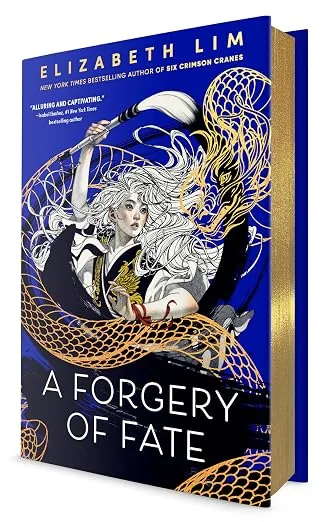 A Forgery of FateElizabeth LimWhen Truyan Saigas’s father is lost at sea, she turns to forging valuable paintings to support her mother and two younger sisters. Desperate for cash after her mother’s gambling loss causes a lender to threaten to collect by abducting her sister, Tru hopes to pay off the debt with the sale of her most impressive work. Instead, Elang, a half-human, half-dragon prince exiled from his homeland by his grandfather, the Dragon King, offers an alternative solution. If Tru agrees to marry him and paint a perfect portrait of his grandfather, the Dragon King will be dethroned, and Elang’s generous compensation will cover her family’s debt and set them up comfortably for life. As an added incentive, Elang shares that her father may be alive and imprisoned by the Dragon King. Tru signs a contract and travels with her new husband to his besieged underwater fortress in the dragon realm, where she works on the portrait, drawing both on her artistic skill and her hidden ability to paint visions of the future. In a Chinese-inspired nod to the “Beauty and the Beast” motif, Tru and Elang’s sham marriage evolves into genuine romance while the deadline for the portrait’s completion and the threat of the Dragon King’s powerful wrath draw near.Fiction for Young AdultsView book details
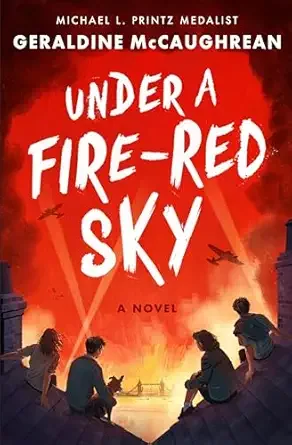 Under a Fire-Red SkyGeraldine McCaughreanA haunting but hopeful novel chronicles the experiences of four white teens at the advent of World War II. Two boys and two girls wait on a train that will evacuate them to the safety of the countryside, but in a spontaneous moment they decide to return home instead. They crawl out the train window, each to their own destiny. Superb writing captures the distinct essence of each character while also masterfully interweaving their stories. Lawrence is an intellectual, a dreamer and thinker whose teachers said he was too “intense.” Olive is observant, kind, and endlessly irritated by her mother’s nagging. Franklin wants to be a firefighter but gets turned away because of his age and inexperience. The Gremlin is a girl with a difficult past who decides to live in an abandoned van in the woods rather than return to her abusive father. The four teens find themselves spending time together, taking long rambles with the plausible excuse of wanting to learn local history. In time, they become friends, of sorts, and name their group “The Meridians.” When the bombing of London begins, the friends experience the horrors of war: the fires, destruction, and trauma. Their individual lives crisscross and intersect in impossible and beautiful ways, and their circle widens to include connections unbelievable outside of wartime. In part based on some of her father’s history, Geraldine McCaughrean’s well- researched novel is a masterpiece.Fiction for Young AdultsView book details
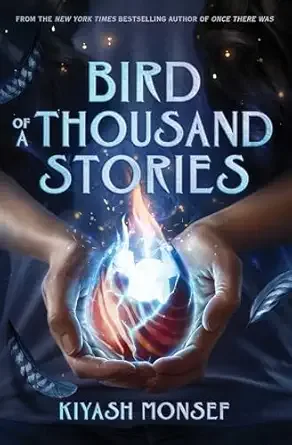 Bird of a Thousand StoriesKiyash MonsefThis companion novel picks up a year after the events in Once There Was. Marjan (Iranian Norwegian American) continues to live a double life of sorts; she’s a teenager with homework, but she also heals magical creatures for the Fells. Her roommate, Malloryn, a self-described witch estranged from her conservative religious family, works full time at an occult shop. While in Istanbul healing a vegetable lamb, a zoophyte, Marjan has a run-in with a dangerous Nordic villain at the rug shop of her estranged uncle, who is also an animal healer and former mentor of Marjan’s late father. The villain stole a rare bird that emerged from the egg that Marjan removed from the lamb. This bird of a thousand stories holds the stories, or culture, of the world, and was destined for Marjan’s protection. Determined to save it, Marjan needs help and can no longer trust the shadowy Fells. Partnering with her reclusive uncle and opening herself up to Malloryn’s well-intentioned (and perhaps not imagined) magical strengths, Marjan commences on an international cat-and-mouse game. Hidden powers, identities, and motives complicate Marjan’s maneuvers to rescue the bird. Short fairy tales interspersed with the intense storyline provide context for the mythical animals and commentary on the role of culture and story. Beautiful writing, at times muddled by the dramatic narrative, carries this satisfying sequel to a close.Fiction for Young AdultsView book details
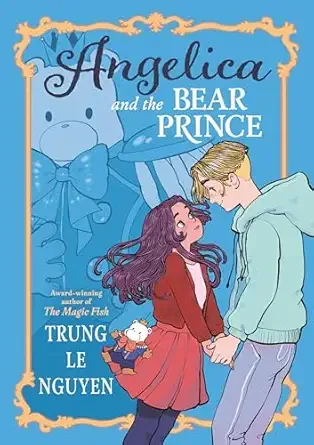 Angelica and the Bear PrinceTrung Le NguyenAngelica (Vietnamese American) is an over-achieving high school student experiencing burnout. Determined to find a single activity that brings her joy, Angelica interns at a local children’s theater, assisting in a production of East of the Sun, West of the Moon. Privately, Angelica has a literary crush on the Bear Prince character, Per, and has been chatting anonymously with someone running a Per the Bear fan account. She knows it’s weird, but she also feels safe and comforted by sharing memories of her late grandmother with a stranger. Evident to readers is that the author of @PertheBear is the new-to- town, kind, swoon-worthy nonbinary teen playing the role of the Bear Prince on stage. Meanwhile, Angelica’s best friend keeps trying connect with Angelica, but Angelica is alternately distracted and judgmental. Angelica also seems to be oblivious to her parents’ stress about the success of their restaurant business. Interspersed in this graphic novel is an episodic telling of the Norwegian fairytale, which parallels Angelica’s own quest for self-discovery and romance. Gorgeous, detailed illustrations add atmospheric warmth to a winter tale that successfully interweaves stories of personal growth and healing for multiple characters. Honest dialogue and well-crafted characters bring surprising depth to a story that at first glance appears to be about a wide-eyed girl falling in love with a teddy bear.Fiction for Young AdultsView book details
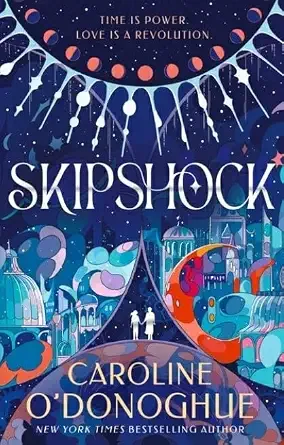 SkipshockCaroline O’DonoghueEn route to a new boarding school in Dublin after she was caught trying to pawn her father’s old watch, Margo (white) finds herself traveling to a world she didn’t know existed. On the train with her is Moon, a boy Margo’s age with a crescent moon tattoo on his face. Moon is Lunati, a member of a nomadic ethnoreligious group that has mostly been killed off. He’s also a salesman—someone who travels between worlds buying and selling resources—yet he has never heard of Earth. With an offer to help her find her way home, Moon takes Margo to a boarding house where she learns that time passes differently in each world, and that a wealthy world called Semper has restricted interworld travel and created a dictatorship to tamp down the other worlds’ revolt. When Moon and Margo realize that the Southern Guard of Semper is pursuing Margo, they join with members of a resistance group who believe that war is imminent and that Margo—or, perhaps, her father’s old watch—is a weapon. The first in a duology, this swiftly paced novel features outstanding, original worldbuilding; fascinating and complex characters; and a gratifying romance. Though it ends on a cliffhanger that hints at adventures and discoveries ahead, this volume feels complete and satisfying in its own right.Fiction for Young AdultsView book details
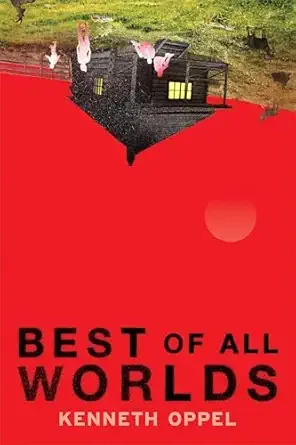 Best of All WorldsKenneth OppelWhen Xavier Oak (white), his father, and his pregnant stepmother, Nia (Haitian Canadian), wake up one morning, everything at their family lake cottage is as expected—except that it’s now in a completely unfamiliar location. Frightened and dumbfounded, the Oaks explore their now-rural surroundings and find that they are trapped within an invisible dome several miles in diameter. A nearby farm, complete with crops, goats, and chickens, becomes their source of food; any tools they need simply appear in the night. Assuming they’ve been abducted by aliens, their suspicion is confirmed when Nia delivers a boy, Noah, who is resuscitated by unseen visitors while Nia, Xavier, and Xavier’s father are unconscious. Reconciling themselves to their situation, the Oaks construct a peaceful, if lonely, life under the dome. Three years later, the Jackson family (white) arrives. Xavier, now 16 years old, quickly falls for Mackenzie, who is his age, while Noah befriends younger sister Alyssa. The Jackson girls’ father, Riley, presents a challenge. Friendly on the surface, volatile Riley subscribes to bizarre conspiracy theories and believes the government is behind their abduction. He’s determined to build a hot air balloon so his family can escape via a portal in the “sky”… and Xavier is considering going with them. Crackling with tension, this speculative thriller has the potential to spark conversations about climate change, politics, and human nature.Fiction for Young AdultsView book details
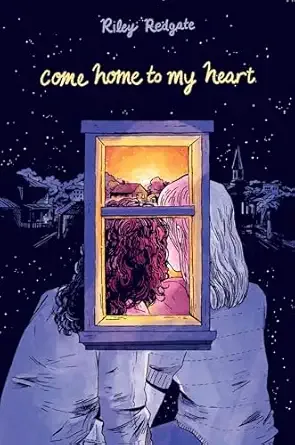 Come Home to My HeartRiley RedgateIn small, conservative Fisherton, South Carolina, high school seniors Xia (Chinese American/white) and Gloria (white) have little in common. A social outcast and closeted lesbian, Xia is simply hanging on until she can escape her parents and small-town life for the more diverse, queer, and intellectual crowds in college. Gloria is a devout Baptist who tries to control her same-sex attraction by limiting herself to five minutes per day on her blog, where she adds photos of girls and then scrupulously clears her browser history, knowing her dad will check it later. When she neglects to clear it one day, Gloria’s parents discover her blog and promptly kick her out. She begins sleeping in the unused orchestra pit at school, meticulously saving food from her school lunches and stretching her cash out to pay for meager gas-station meals. While doing homework at the bookstore, she crosses paths with Xia, who works there, and the two strike up an unexpected friendship that turns into romance. But Gloria keeps her living situation a secret, writing letters to her parents and biding her time, even as her situation becomes more and more desperate. Realistic in its depiction of religious homophobia and LGBTQ teen homelessness, this novel makes space for complexity: Gloria finds a new church but has no desire to abandon Christianity. Neither does she dislike her small town, where queer people—like Mr. Avery (Black), Xia’s boss, who offers much-needed support—do live and thrive.Fiction for Young AdultsView book details
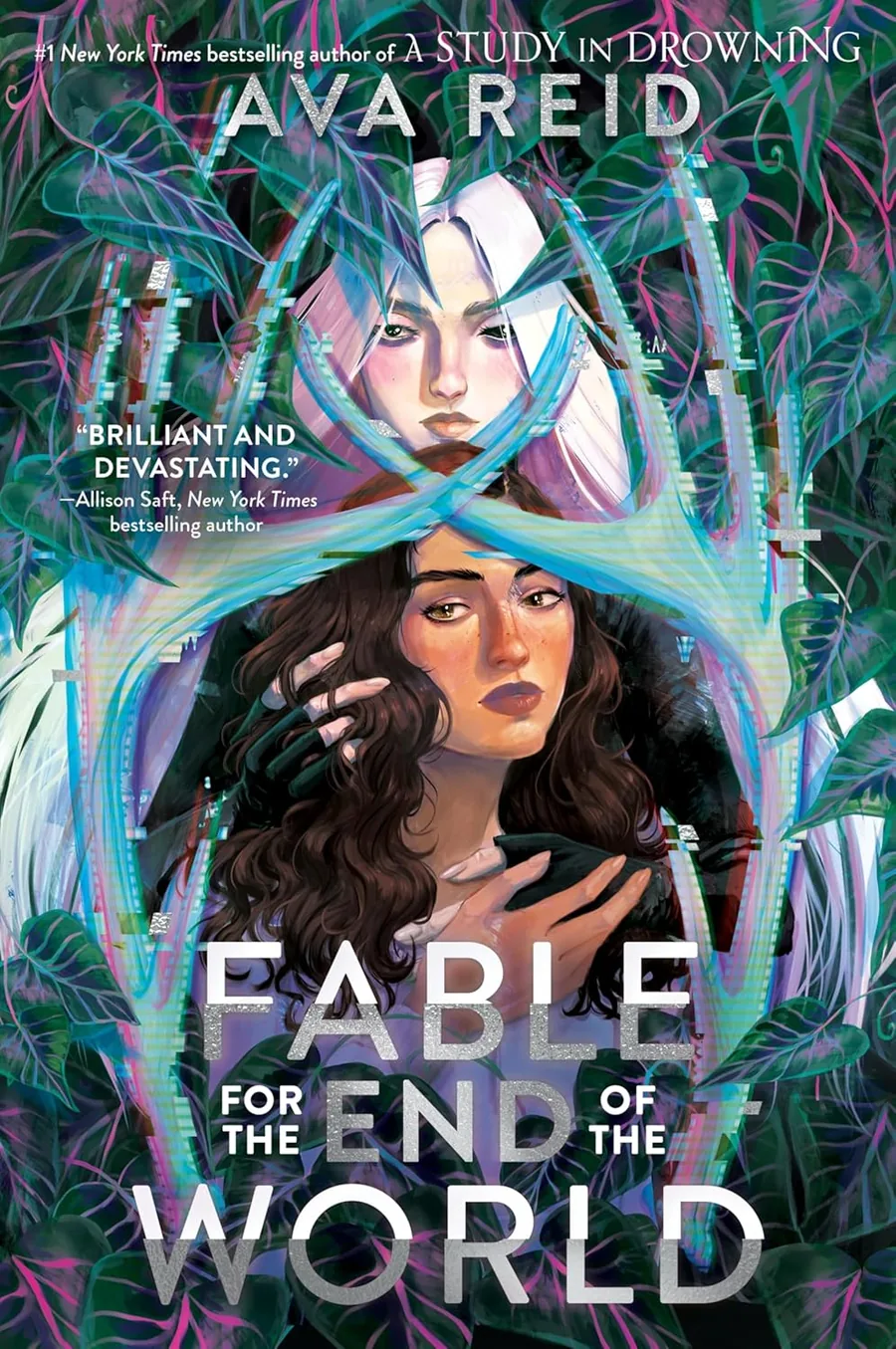 Fable for the End of the WorldAva ReidIn a future time when water levels have risen and the wealth gap has widened, brown- skinned Inesa sells non-mutated, taxidermied animals hunted by her brother, Luka. It’s barely enough to keep the family afloat, and the siblings learn just how far their mother has sunk them into debt when Inesa is declared the next Lamb for the Gauntlet, a livestreamed event in which cyborg hunters called Angels track and kill the Lamb within a set time frame. In return, the Lamb’s family’s debt will be forgiven. Melinoë (white), the Angel pursuing Inesa, has been suffering flashbacks to her last hunt, in which she was filmed having a (too-human) breakdown after killing a little girl. Despite reprogramming wipes, she has struggled to regain her single-minded, emotionless persona. Quickly the Angel catches up with the Lamb—but when Melinoë is injured, Inesa shows her compassion, delaying the Gauntlet’s inevitable end. As the two develop feelings for one another, Melinoë feels the pressure grow: Failure to kill Inesa will lead to forced retirement from her role as an Angel and marriage to a man wealthy enough to buy her. It’s her life or Inesa’s. While the queer romance in this high-stakes dystopian novel may feel rushed, the rich world-building, fast pace, and frighteningly believable culture make it an immersive page-turner.Fiction for Young AdultsView book details
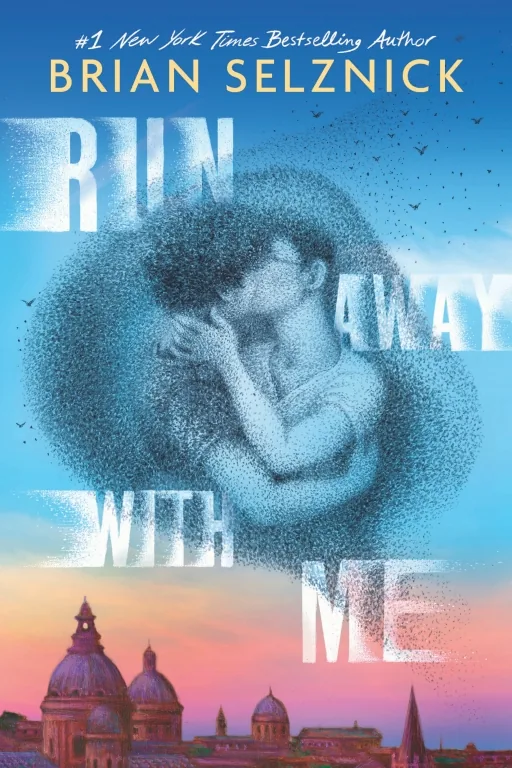 Run Away with MeBrian SelznickThis queer romance opens with an immersive, nearly 100-page visual tour of Rome’s art and scenery, including the Bocca della Verità (Mouth of Truth), the Elephant and Obelisk, the Pantheon, the Trevi Fountain, a souvenir shop, and the cobblestone streets and buildings of the city. Selznick’s striking black-and-white illustrations set the stage for a singular summer romance set in 1986. Danny (white) is sixteen and temporarily living in Rome while his mother, a book conservator, helps restore and decipher an old text found in the (fictional) Monda Museum. While out exploring, he meets an Italian boy named Angelo with an adventurous spirit. Danny is enchanted by him, and the two fall in love, though they are always aware that their time together will soon come to an end. The preciousness of their relationship is accentuated by their false names for each other, hidden notes, maps with clues, and the heady summer heat. Interwoven in their romance story are the puzzle pieces of other gay romances hidden in the history and art of Rome and revealed through Selznick’s signature style of cinematic mystery making. The contrasting excitement and boredom of travel, the newness and timelessness of romance, and the truth and fiction of stories are captured in a richly realized summer love story.Fiction for Young AdultsView book details
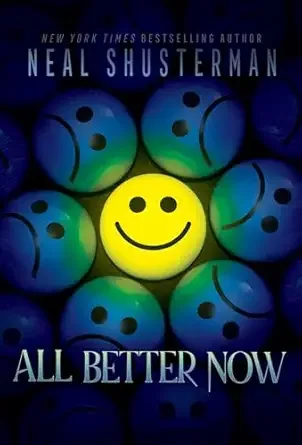 All Better NowNeal ShustermanWhat if a disease could make people happier and kinder? Crown Royale (CR) is a virus that kills one out of every 25 people infected, but the majority who contract it not only recover but also feel permanent contentment in the aftermath. Survivors are also compelled to give away their possessions and help those in need, even if it means risking their own lives. As the virus becomes a pandemic, generosity spreads around the globe, but so, too, do threats to capitalism and imperialism. Mariel (white), homeless prior to the arrival of CR, discovers she has a natural immunity to the disease. Rón (Latino), son of one of the wealthiest men on earth, is depressed and suicidal until he contracts CR; when he recovers, he learns he’s a one-man super-spreader. While teens Rón and Mariel, who’ve fallen in love, tussle with the moral and ethical implications of Rón’s desire to infect as many people as possible—in Rón’s mind, a mission to save humanity—Morgan (Chinese/white), a brilliant, cold-blooded 19-year-old, inherits a fortune and funds efforts to create a vaccine to limit CR’s economic impact and increase her own global power. These interconnected storylines move at a breakneck pace in a compelling work of speculative fiction in which the distinction between right and wrong, good and evil, selfishness and selflessness is sharp and clear … sometimes. This provocative novel also exposes unexpected complexities and ironies in drawing those lines, echoing the realities of human existence.Fiction for Young AdultsView book details
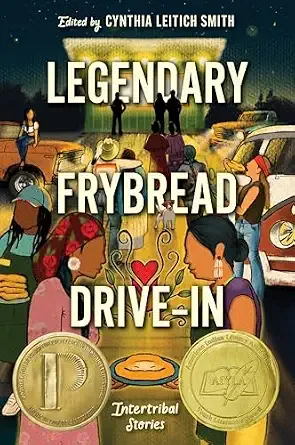 Legendary Frybread Drive-In: Intertribal StoriesCynthia Leitich SmithThe 17 stories in this anthology revolve around Sandy June’s Legendary Frybread Drive- In, a lively, bustling place that exists outside the space-time continuum, appearing when and where it’s needed. At the drive-in, the diverse Native teen protagonists at the center of these stories, who live across the United States, find food, mentoring, advice, solace—whatever they need, even if they don’t know it. A few of the teens are familiar with the drive-in, working there or visiting regularly, an important part of the welcoming atmosphere established by the elders who run it. Other main characters stumble upon Sandy June’s when they are struggling with current events in their lives. The stories, which cover a range of subjects and styles, quickly ground readers in the lives of their characters. Across the collection, the tone is upbeat, even as the teens are navigating situations that they find challenging, from aspects of identity or family dynamics to crushes or an impossible deadline that must be met. The sense of community and connection across the collection and at Sandy June’s is buoyed by intersecting characters across the stories.Fiction for Young AdultsView book details
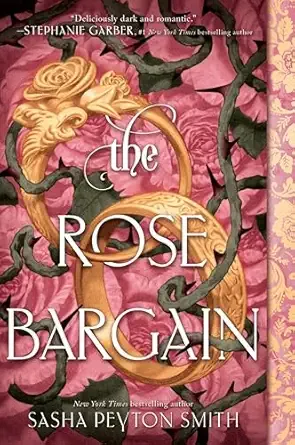 The Rose BargainSasha Peyton SmithIt’s 1848, and cruel fae queen Mor has ruled London for centuries, allowing each of her subjects to make a single bargain with her. Most young women do so during their debutante season, trading something of value—a body part, a memory, a talent— in exchange for a quality that will boost their marriageability. Ivy (white) hopes to marry rich and restore her family’s reputation, which was ruined after her older sister disappeared. (When her sister returned home, she had no memory of where she’d been.) Then, a surprise: Queen Mor announces a competition for the hand of her fae son, Prince Bram, in marriage. The catch? The losers will never be permitted to marry. With nothing to lose, Ivy is one of six women who throw their hats in the ring. But she is the only one to be approached by human Prince Emmett, who has discovered a loophole in the terms of the enchantment that keeps Mor in power; Ivy’s victory would break the spell. Ivy is determined to win Bram’s heart and free England—making the growing romantic and sexual tension between her and Emmett rather inconvenient. This twisty romantasy, the first in a duology, excels in its depiction of complicated relationships both romantic and platonic; Ivy’s five competitors are each afforded a point-of-view chapter, giving the reader insight into their individual motives and the evolving group dynamic as they go from vicious competitors to fierce allies and friends.Fiction for Young AdultsView book details
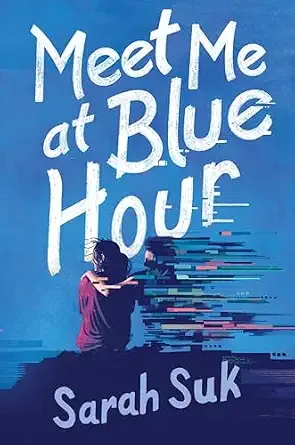 Meet Me at Blue HourSarah SukYena Bae has a summer job at her scientist mother’s groundbreaking memory-erasure clinic, Sori of Us, in Busan, South Korea. Yena’s task is to organize the archive of clients’ “mixtapes”: collections of sounds used to obliterate selected memories. Lucas Pak (like Yena, a Canadian) is determined to get his harabeoji, who has Alzheimer’s, into a memory- recovery study at Sori despite his grandfather’s disinterest in regaining lost memories. When Yena runs into Lucas, she’s shocked to see her old best friend, the boy on whom she had a crush; Lucas moved away when they were 14, inexplicably cutting contact with her. Yena is doubly surprised (not to mention hurt) when she realizes that Lucas has had all memories of her erased. Yena can’t tell Lucas about his own memory loss—the physical side effects would be painful for him—but she accompanies him around Busan, the two of them getting to know each other (again) as Lucas collects sounds to jog Harabeoji’s memory. What Yena doesn’t know is that she also had a memory erased, one that holds the key to their estrangement. While the scientific aspects of memory erasure take a backseat to romance in this speculative novel, the questions it raises regarding the ethics of memory tampering are thought-provoking.Fiction for Young AdultsView book details
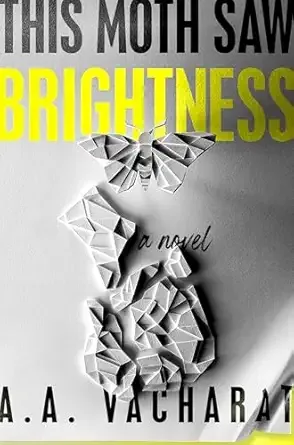 This Moth Saw BrightnessA. A VacharatWhen ’Wayne (who goes by “D”) is invited to participate in a high-profile Johns Hopkins study on teen health, he jumps at the chance, eager to challenge his dad’s low expectations of him. It doesn’t hurt that his crush, Jane (white, autistic), is also participating. D (Vietnamese and white) is fitted with a wristband, asked to complete daily puzzles and questions on his phone, and given a pill; he is not told what the pill is or how it might affect him. Knowing little about the study’s purpose, D and Jane begin meeting up to discuss their experience; D’s tech-whiz best friend, Kermit (South Asian), sometimes joins. Soon, the three of them wonder: Is something unethical—even sinister—going on here? Is it really a health study? What do the wristbands monitor? What makes D and Jane eligible? Why did a fellow study participant inexplicably drop out of school? Feeling increasingly paranoid, D begins tracking any observable changes in himself. He’s also reeling after receiving an unexpected email from his mom, who abandoned the family years ago and now wants to reconnect. This inventive, suspenseful novel, which incorporates emails, screenshots, footnotes, and other documents, asks important questions about the ethics of medical research in the United States, especially on vulnerable populations. While its open ending may frustrate some, it nonetheless invites speculation and discussion.Fiction for Young AdultsView book details
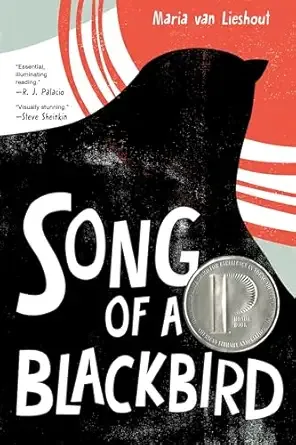 Song of a BlackbirdMaria van Lieshout, illustrated by Maria van LieshoutThis carefully crafted and artistically striking graphic novel moves between two timelines, with an omniscient blackbird providing narration. The first, in 2011 Amsterdam, follows Annick and her grandma, Oma (both white). Oma needs a bone marrow transplant, but in searching for a match she finds that her family members are not biologically related to her. This launches Annick’s investigation into Oma’s childhood. Annick uses a set of prints of Amsterdam buildings—given to Oma when she was a child during World War II—to get started. The second timeline takes place during WWII, when Emma (white), a student, is recruited by her teacher to help hide and relocate Jewish children, two of whom are Oma and her brother. The siblings are separated; Oma is taken in by a non-Jewish family, while her brother is sent to live with a priest who is hiding several Jewish boys in his church. Emma becomes involved with a group of print artists who are forging documents for Jews. The crisscrossing timelines come to a convincing conclusion that reaffirms that there are never easy answers in wartime. Mostly black-and-white art, which includes abundant photographs, conveys the dramatic story while also emphasizing the role of art as an act of resistance. Extensive end matter describes the people, events, and buildings featured in the story.Fiction for Young AdultsATOS 3.6AR interest Upper Grades (UG 9-12)View book details
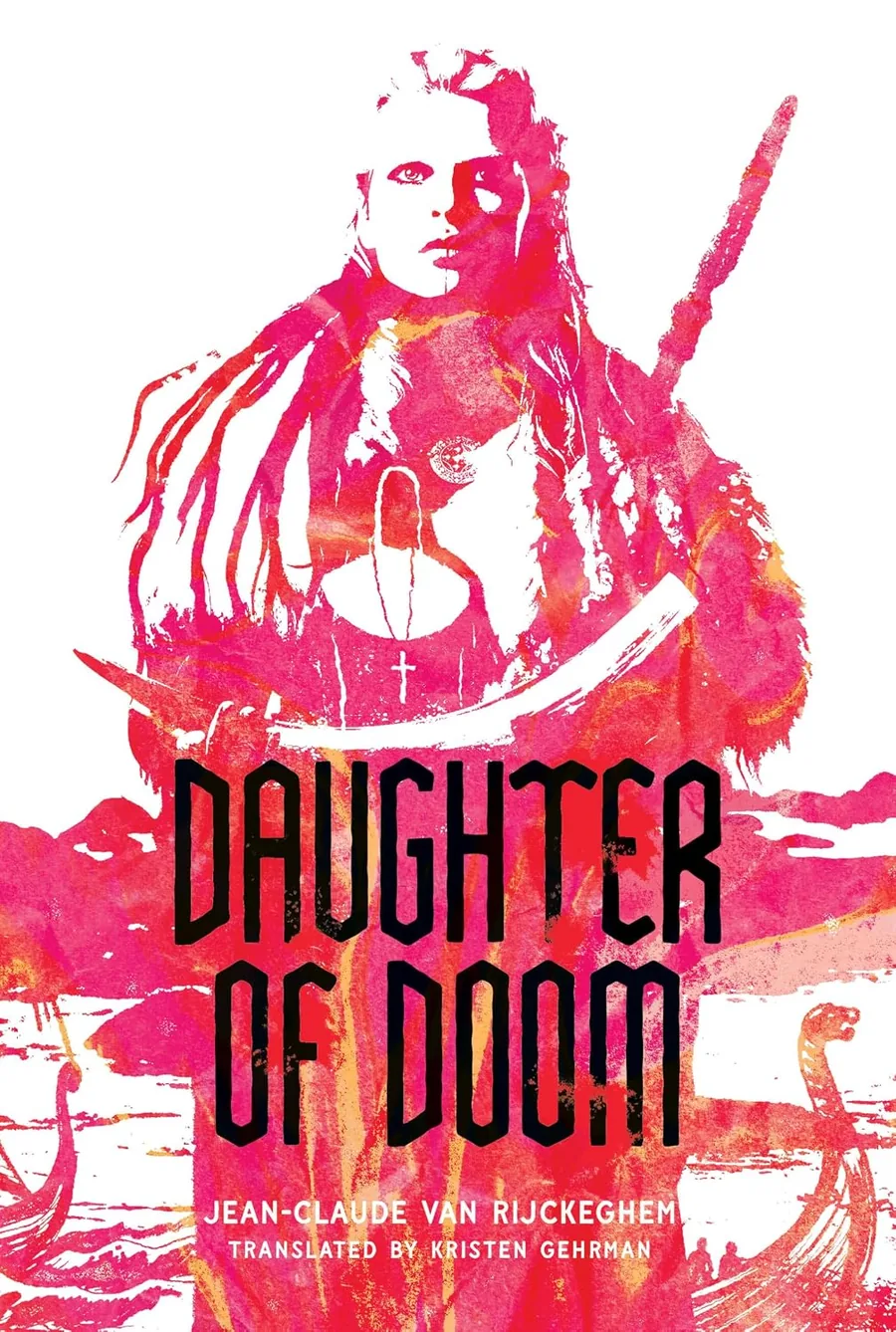 Daughter of DoomJean-Claude van RijckeghemYrsa (white) is the daughter of the great seafarer Toke, and though her father is a rich and respected leader, her social position in the small Danish coastal community of Mirmir’s Stool is inhibited by her crooked leg (likely club foot) and her rumored ability as a seeress. Life in the Viking village revolves around the male sailors—the whales and fish they hunt, the goods they trade, the silver and gold they steal, and the slaves and hostages they capture. After a long voyage, Toke and his men return from the seas with a prisoner, Sister Job (white), a young nun from Belgium likely to yield a handsome ransom for her safe return. Job is tough, tiny, and unabashedly intolerant of her pagan Viking captors. Yrsa, a fierce believer in the fates, nature spirits, and Viking deities, dismisses Job with her dedication to prayer, the written word, and strange tonsure. Opposite in appearance and beliefs, the young women are nonetheless strikingly similar in their quests for self- preservation. During a violent episode of vengeance and rape, Yrsa comes to Job’s aid and kills her attacker, the beloved son of a village leader. Immediately, the young women know that escape is the only chance for their survival. Vengeful warriors in pursuit, Yrsa and Job dodge dangers on land and sea, relying on their respective sharp wits and faiths to keep them one step ahead and toward a future of their own making.Fiction for Young AdultsView book details