
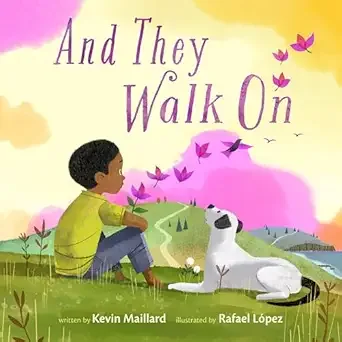
 And They Walk OnKevin Maillard“When someone walks on, where do they go?” The loss of a biracial (Mexican and Seminole) child’s grandmother evokes poignant imaginings about what happens after death. Could their loved one be found engaged in her usual activities, like “thumping melons” at the market, or fishing with a bucket of minnows? The child longs to tell their grandmother stories about their day and hopes that when she completes her journey, she’ll “turn around and come home.” Memories and reminders of her are everywhere: “hair in the brush, starlight mints by the bed, shoes on the floor.” The fragrances of eucalyptus tea and grape dumplings bring her cooking to mind. Toward the end of the book, the particularities of this child’s grief give way to universal, comforting reassurances that loved ones who “walk on” remain with us in our hearts and memories and continue to guide us. There’s a feeling of gentle solidarity and community in the closing line. “In the end, we all walk on… together.” The Author’s Note provides more information about the Native expression “walk on,” which can signify a “continuance of spirit” regardless of one’s belief in an afterlife.Understanding Oneself and OthersView book details
CCBC Choices 2026
An annual selection from the Cooperative Children's Book Center professional library team.
CCBC Choices 2026See the original list
Selections231
Published byCooperative Children's Book Center, University of Wisconsin–Madison
Sections13 sections
Browse sections13 sections
Understanding Oneself and Others
1 of 3 selections on this pageContinued from page 1
And They Walk OnKevin Maillard“When someone walks on, where do they go?” The loss of a biracial (Mexican and Seminole) child’s grandmother evokes poignant imaginings about what happens after death. Could their loved one be found engaged in her usual activities, like “thumping melons” at the market, or fishing with a bucket of minnows? The child longs to tell their grandmother stories about their day and hopes that when she completes her journey, she’ll “turn around and come home.” Memories and reminders of her are everywhere: “hair in the brush, starlight mints by the bed, shoes on the floor.” The fragrances of eucalyptus tea and grape dumplings bring her cooking to mind. Toward the end of the book, the particularities of this child’s grief give way to universal, comforting reassurances that loved ones who “walk on” remain with us in our hearts and memories and continue to guide us. There’s a feeling of gentle solidarity and community in the closing line. “In the end, we all walk on… together.” The Author’s Note provides more information about the Native expression “walk on,” which can signify a “continuance of spirit” regardless of one’s belief in an afterlife.Understanding Oneself and OthersView book detailsThe Arts
9 selections
 How Sweet the Sound: A Soundtrack for AmericaKwame Alexander, illustrated by Charly PalmerAn exuberant, lyrical text celebrates the rich history and variety of music made and influenced by Black Americans. The chronological account begins with the beat of talking drums, “the fireside chorus / of the motherland,” before moving to forms of music that “shouldered” the enslaved and “lifted / the insufferable weight off our world”: hymns, field hollers, juba, litanies, spirituals. Music “crooned” and “moaned” in juke joints and jazz clubs, sometimes a “rapid-fire tempo,” other times a “musical conversation.” As the decades passed, music evolved and genres emerged: scat and bebop, rock ‘n roll, funk, rap, and more. Often inextricably tied to or reflective of the political moment, Black music—American music—is “a symphony / of refuge and redemption / the sweet sound of a people / surviving and thriving / all the while learning / to love themselves / by singing it LOUD / and PROUD.” Brimming with energy and emotion, and smoothly incorporating song and album titles and lyrics, the text reads not like a straightforward history but like music itself; it begs to be read aloud and revisited. Vibrant, dynamic acrylic paintings complement the text, while extensive back matter provides additional historical context and elaborates on the musical styles, artists, and songs to which the main narrative alludes.The ArtsView book details
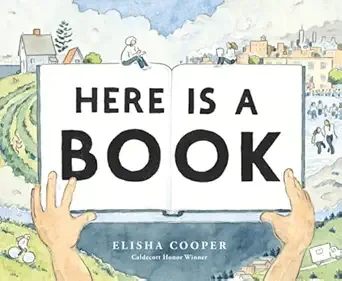 Here Is a BookElisha Cooper, illustrated by Elisha CooperFrom an artist seated on the grass with her sketchpad, this chronology of the creation, editing, and production of a book comes full circle to a child reading the book before moving to a blank sketchbook page to begin work on their own story. In between that beginning and ending, the description of the book’s path meanders through the components of daily life, concrete and abstract: paper, watercolors, tea, and wonder in the artist’s home studio; assistants, computers, coffee, and teamwork at the publisher’s office; paper, ink, glue, and time at the printer’s shop; and books, shelves, readers, and curiosity in the school where the books are delivered. Elisha Cooper’s trademark watercolor and pencil illustrations range from small thumbnails set off by generous white space to color- washed full-page spreads.The ArtsView book details
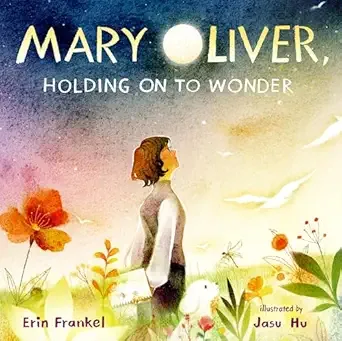 Holding on to WonderErin. Mary Oliver FrankelBeloved poet Mary Oliver’s life is lovingly related in this picture book biography. A quiet and observant child who was most comfortable outside, exploring nature, young Mary yearned for a way to express the peace and comfort she experienced on her wanderings. As a young woman, she was inspired to write to the sister of her favorite poet, the deceased Edna St. Vincent Millay, who offered Mary a job sorting through the poet’s papers. The opportunity helped Mary blossom; a budding poet herself, she began to share her words with the world. Her keen and profound observations made it easy for her to relate to a photographer she met, Molly Malone Cook, who became her lifelong romantic partner. Publishing a new book of poetry every one to two years, Mary eventually received a Pulitzer Prize. Known for her beautiful and accessible way with words, her poetry was also criticized for being pedestrian. Yet it was her childlike sense of wonder that inspired so many of her poems and warranted her appeal. Dreamy digital watercolor illustrations accompany the clear narrative.The ArtsView book details
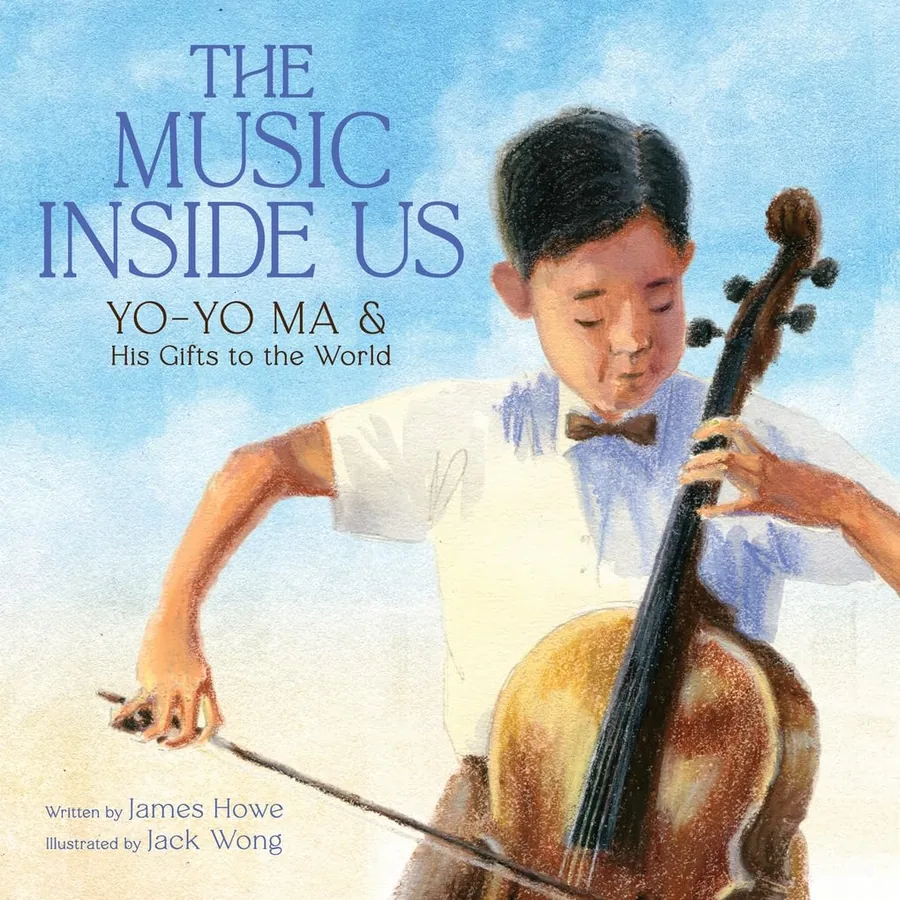 The Music Inside Us: Yo-Yo Ma & His Gifts to the WorldJames Howe, illustrated by Jack WongAs a young child, Yo-Yo Ma lived with his musical family in Paris. Unlike his sister and father, he did not want to play violin. He wanted a bigger instrument, so at age four he got a cello. He flourished under the tutelage of Paris’s best cello teacher. Able to play an entire Bach cello suite from memory, his incredible musical talent was apparent early. At age seven, his family moved to New York City, where he performed with his sister on television and for the President. At the time, though he was a well-trained musician, it took additional practice before Yo-Yo was able to play the cello with true feeling and from his heart. As he became a teenager, he worked to determine who he was outside of the expectations placed on him; eventually, he made the decision to go to college not for music but for anthropology. His interest in people and cultures inspired him to journey around the world learning about musical traditions, and to make music with people who were strangers. In this way, Yo-Yo Ma became his own best self and the world’s best cello player. The fresh tone of this inspiring text was written by cellist James Howe (of Bunnicula fame) and illustrated with intimate beauty by Jack Wong.The ArtsView book details
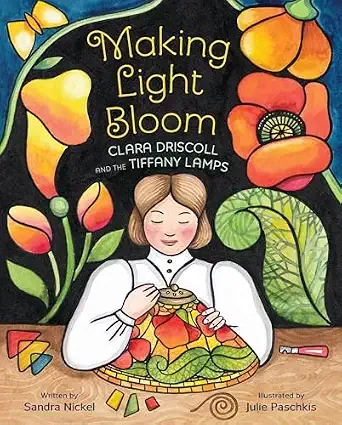 Making Light Bloom: Clara Driscoll and the Tiffany LampsSandra NickelIn childhood, Clara Driscoll reveled in the gardens and natural world of her home. After art school, she moved to New York City to earn money to help her family. Hired by glassmaker Louis Comfort Tiffany, Clara was one of “a team of artists who selected and cut glass to create pictures and shapes in windows.” She was soon put in charge of a workshop of women, the Tiffany Girls. When she asked her sisters to send flowers and butterflies from home, their return mail inspired her to design a lamp that incorporated the shape of butterfly wings, followed by another incorporating dragonflies. The lamps were laborious to make, but Louis was so impressed that he asked her to make one to display at the 1900 World’s Fair in Paris, where it won the bronze medal. Louis wanted more lamps and windows by the Tiffany Girls, which angered the company craftsmen who fit the glass pieces together with metal borders. While he promised the craftsmen that Clara’s workshop wouldn’t get bigger, he also put her in charge of lamp making. She designed nearly 60 intricate lamps, for which Louis Tiffany received credit until Clara’s letters to her sisters and mother describing her work were discovered after her and Tiffany’s deaths. Saturated colors and bold black outlines reflect the Tiffany glass aesthetic in the pen-and- ink and gouache illustrations.The ArtsView book details
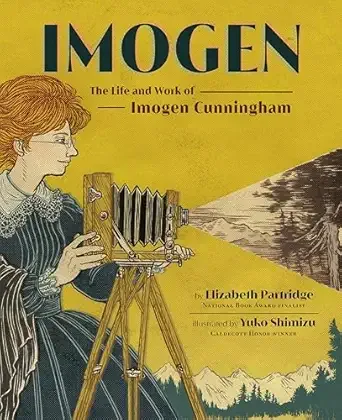 Imogen: The Life and Work of Imogen CunninghamElizabeth Partridge, illustrated by Yuko ShimizuA striking picture book biography details the pioneering work of photographer Imogen Cunningham, the author’s grandmother. Imogen grew up in a rural setting outside of Seattle as one of ten children. Her father, who named Imogen after a character in his favorite Shakespeare play, always found a way of supporting his daughter’s artistic pursuits, even when the family didn’t always have the means. A dreamer and observer, Imogen’s modes of artistic expression didn’t click until she discovered her potential as a photographer. At the turn of the century, photography equipment and female creative role models were difficult to come by, but Imogen made do. Her father converted a woodshed into a darkroom so that Imogen could make her own prints. Staging portraits became her career; she went on to photograph fellow artists, such as Frida Kahlo and Ruth Asawa, and exhibit her work in galleries across the U.S. and the world. Richly layered ink illustrations evoke printmaking and help convey Imogen’s life and vision.The ArtsView book details
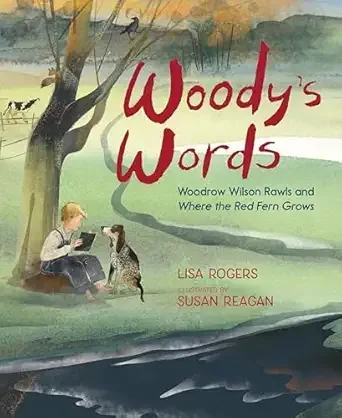 Woody’s Words: Woodrow Wilson Rawls and Where the Red Fern GrowsLisa RogersWhile his novel Where the Red Fern Grows has been read and loved by countless students, the impressive and unusual story behind its creation is less well known. A member of the Cherokee nation, Woodrow “Woody” Wilson Rawls grew up on an Oklahoma farm where he spent much of his time outdoors. He was captivated by The Call of the Wild, the book that “made Woody a reader.” It also made him want to be a writer. His family was poor, though, and Woody left school to look for work. He spent much of his adulthood in and out of jail for theft, but all the while he wrote for his own pleasure, never sharing his stories with anyone. Finally, he confided in his wife, Sophie. “I told her I had this great and awful desire to write.” It was Sophie’s encouragement (and willingness to proofread his work) that persuaded Woody to write a new draft of one of his old stories—a story about a boy and his dogs— and try to get it published. Well-chosen quotations and a straightforward narrative style illuminate the long, hard path taken by this writer to realize his lifelong dream.The ArtsView book details
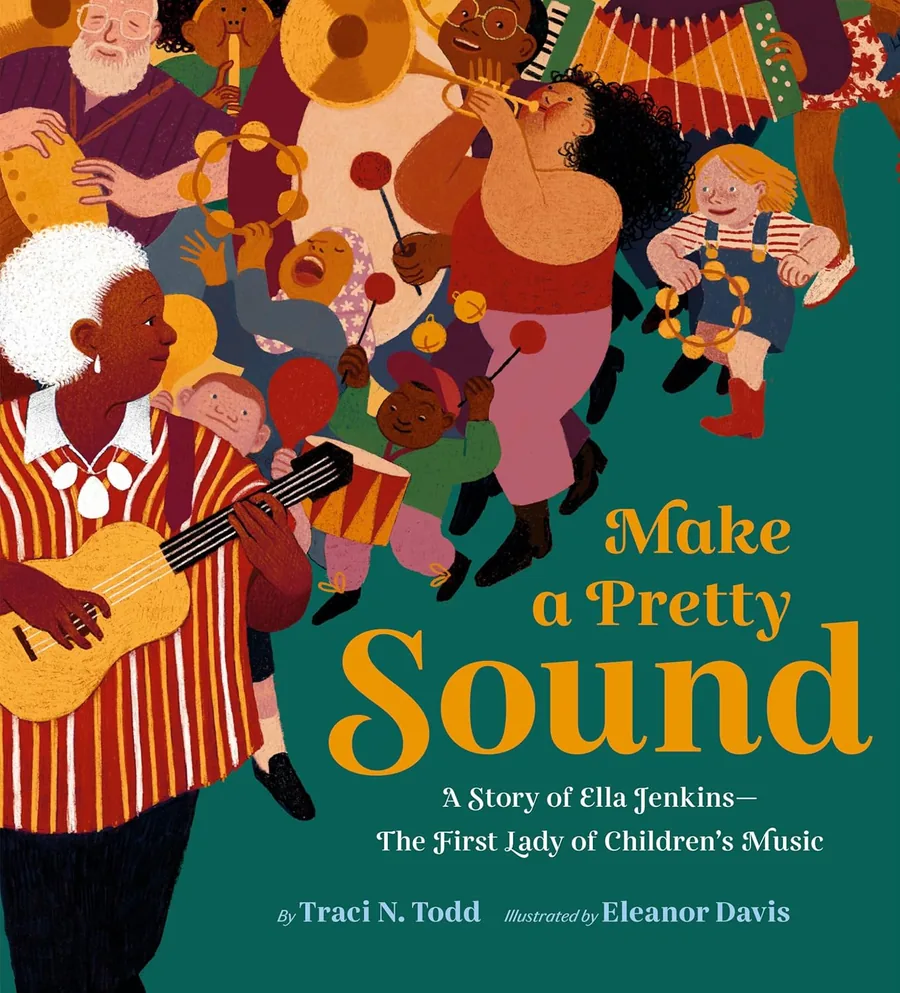 Make a Pretty Sound: A Story of Ella Jenkins–The First Lady of Children’s MusicTraci N. Todd“Ella is a South Side girl, a Bronzeville bird, skipping in streets that smell of sweets and black-eyed peas.” A narrative that pulses with rhythm and sings with lyrical language describes the life of Ella Jenkins, who was attuned to the sounds of the world around her, including music, from the time she was a child growing up in Chicago. Ella moved to San Francisco in adulthood, continuing to absorb diverse sounds and rhythms. She learned to play conga drums, developing her own style that she shared with the children she taught as she sang old songs and wrote new ones “on the spot.” She played and sang in marches for freedom, too, but singing for children gave her the greatest hope, “for all that music can teach them about themselves and about each other.” This “First Lady of Children’s Music” eventually traveled the world, playing for children and learning new songs and rhythms to share. Warm digital illustrations showcase Ella’s boundless energy and caring nature in this dynamic picture book written in the present tense. A lengthy Author’s Note tells more about Ella, who died at age 100 in November 2024, shortly before this book was released. Ella’s recordings for children will make a perfect accompaniment to this composition about her life.The ArtsView book details
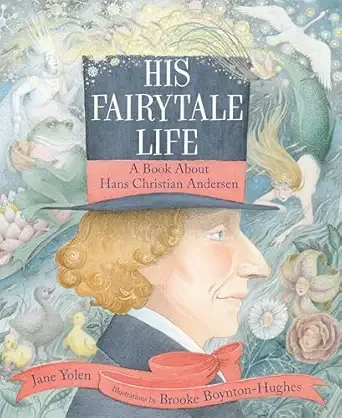 His Fairytale Life: A Book About Hans Christian AndersenJane YolenGrowing up a poor, illiterate Danish boy, a remarkable destiny seemed unlikely for Hans Christian Andersen. Today known worldwide as the Father of the Modern Fairy Tale, Andersen is the creator of 156 fairy stories (only 12 based on actual folktales). His life experiences echoed the trials and tribulations of the animals and princesses searching for love and meaning in his stories. The entire text of this efficient and admiring biography is a single sentence, complemented by warm watercolor illustrations that animate Andersen’s life and such memorable characters as the Ugly Duckling and the Snow Queen.The ArtsView book details
Poetry
5 selections
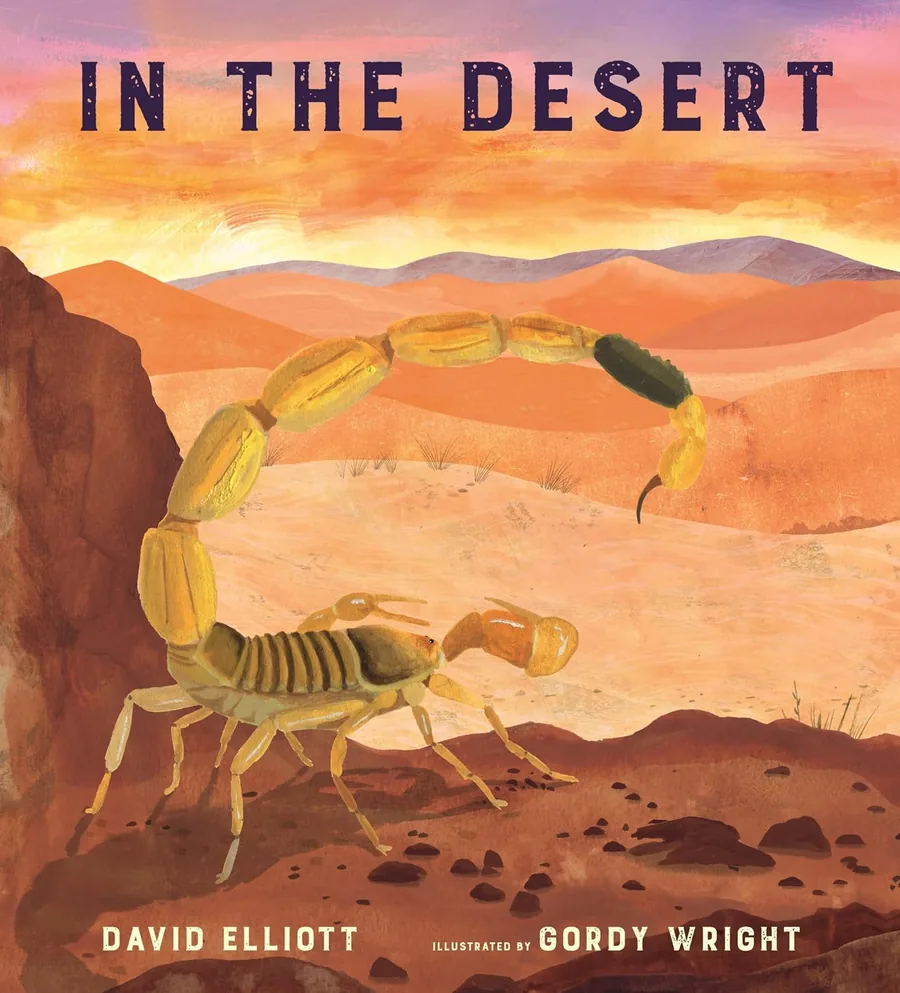 In the DesertDavid Elliott, illustrated by Gordy WrightA standout collection of clever, engaging poems about animals and insects living in the Sahara begins by setting the desert scene, where sun “blinds the sky / and scrapes the land / clean like a butcher / with his favorite knife.” This ominous imagery foretells the danger posed by several predators—the desert horned viper, the deathstalker scorpion, the Nile crocodile—highlighted in the poems that follow. The writing incorporates subtle rhyme and clever wordplay. (The Saharan cheetah is “spotted,” which refers not only to its black-dotted coat but also the fact that its prey has seen it lurking nearby.) Wry humor abounds, as in the two-liner about the Nile crocodile (“What are you thinking of now, Old Grinner? / I’m thinking of you, my dear. I’m thinking of dinner.”) and the two-worder on the desert hedgehog (“Yikes! / Spikes!”). The poems vary in length, but all are satisfyingly concise and artfully spotlight the distinctive and fascinating qualities of their animal subjects with admiration and respect. (The painted dog has a coat “so astonishing, / so original, / so rare.” The dung beetle’s “lowly work’s / determined / by the / stars. How / elegant!” The Nubian vulture, “the desert’s / hardest teacher” reminds us “that everything / must have its end.”) The collection concludes with additional trivia on the spotlighted creatures.PoetryView book details
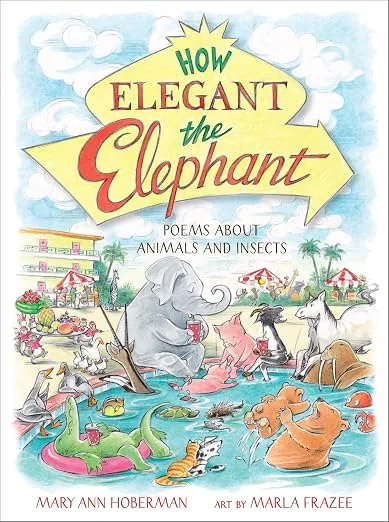 How Elegant the Elephant: Poems About Animals and InsectsMary Ann HobermanCompiled by the late Mary Ann Hoberman, poems from previously published books, plus eight new poems, celebrate creatures of all kinds. Pencil and watercolor illustrations by Marla Frazee imagine the menagerie of animals and insects as guests at a retro-style resort complete with a large crew of attentive squirrel bellhops. Clever wordplay animates animal antics, like the havoc wreaked by Mole (shown inconveniently popping up on a miniature golf course): “Look for the humps and the bumps and the lumps he strews out behind him . . . and then go and find them.” The nearly 70 poems, with perfectly matched visuals, offer young readers a refreshing vacation from prose.PoetryView book details
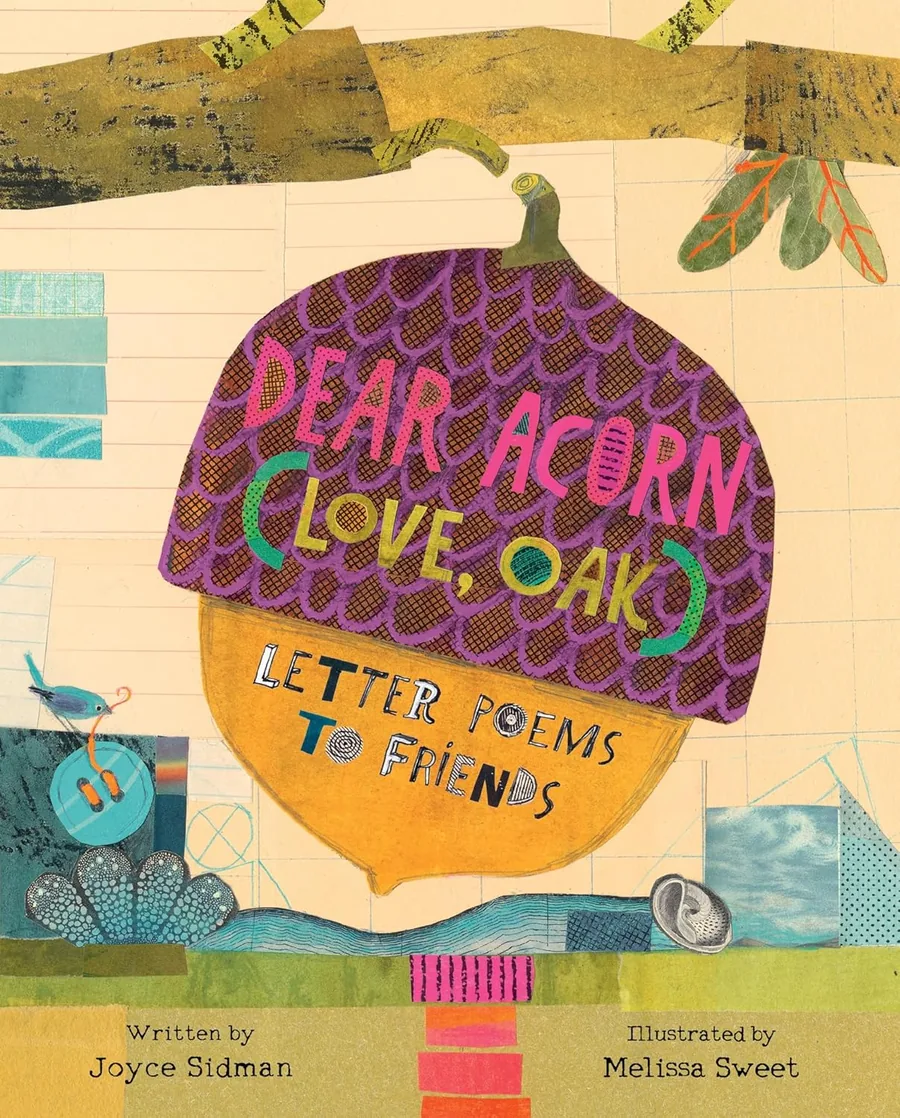 Dear Acorn (Love, Oak): Letter Poems to FriendsJoyce Sidman, illustrated by Melissa SweetEight pairs of poems, written as letters from one inanimate object to another, comprise this delightful book of poetry. The engaging epistolary format invites readers to celebrate each object as well as their relationship to one another. Crisp textual imagery and stunning artwork bring each poem to life. For example, in “Sky/Bubble,” a newly formed Bubble utters, “O Sky, as I float up and up / in your dazzling air—so blue— / how I long to / be / part / of you / POP!” In response, Sky says that while it holds many things, it rarely experiences the sensation of being held, and it reciprocates, “So, Bubble: / Thanks for that / brief, brilliant hug, / that soapy / kiss.” The distinctive voices of the letter writers are perfectly paired with bright and whimsical collage illustrations.PoetryATOS 3.8AR interest Lower Grades (LG K-3)View book details
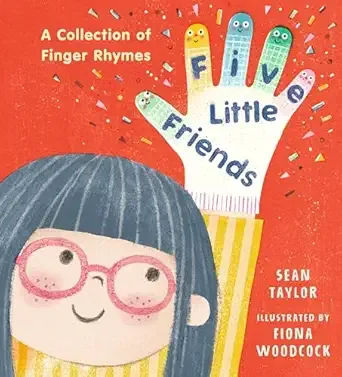 Five Little Friends: A Collection of Finger RhymesSean TaylorA cozy collection of new and familiar finger plays includes accessible illustrations that convey both the imagery of the poem and ways to engage with fingers or body while reading. For example, in “One Seed, Two Seed,” panels show the outlines of fingers acting out the seed planting, while mixed-media artwork imagines seeds, raindrops, and sunshine in step with each stanza. Illustrations featuring humans are notably inclusive in terms of hair, skin, and disability. Whether enjoyed as a lap-sit reading or as selections demonstrated during a group storytime, Five Little Friends provides fun, easy engagement for young children and their caregivers.PoetryView book details
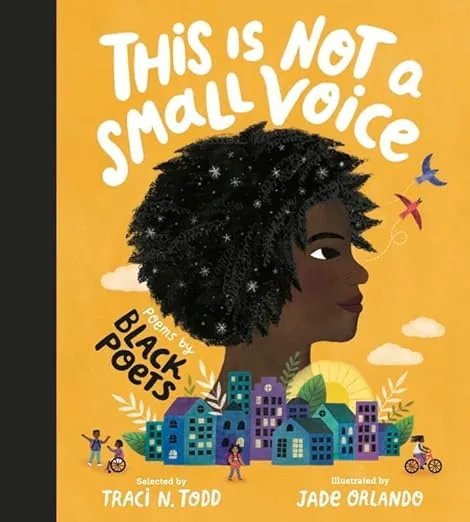 This Is Not a Small Voice: Poems by Black Poetsillustrated by Jade Orlando, Traci N. ToddThis handsome treasury opens with a letter from Traci Todd offering examples of the ways in which poetry shaped her life when she was a child and the inspiration behind this collection. She discusses the broad inclusion of Black poets, using identity terminology by time, culture, and mood. There are many types of poems, from haiku to hip hop, and from inspirational to intentional. Colorful illustrations by Jade Orlando depict realistic children as well as imaginative scenes and decorations. On a two-page spread, five children of different sizes, abilities, hairstyles, and skin tones are shown with confident expressions. On the left, Renée Watson and Ellen Hagan’s poem, “This Body II” declares, “My body is / perfect and / imperfect and / Black and / girl and / … my body is my masterpiece and / my body is mine.” On the right, an extract from “Morning Liturgy” by Ijeoma Umebinyuo affirms, “There is so much beauty within / beauty attached to my name / … beauty attached to my flaws / look at me, brewing stars in my skin.” A discussion about the African diaspora and poems about power and protests are included in the back.PoetryView book details
Picture Books
45 of 66 selections on this pageContinues on page 3
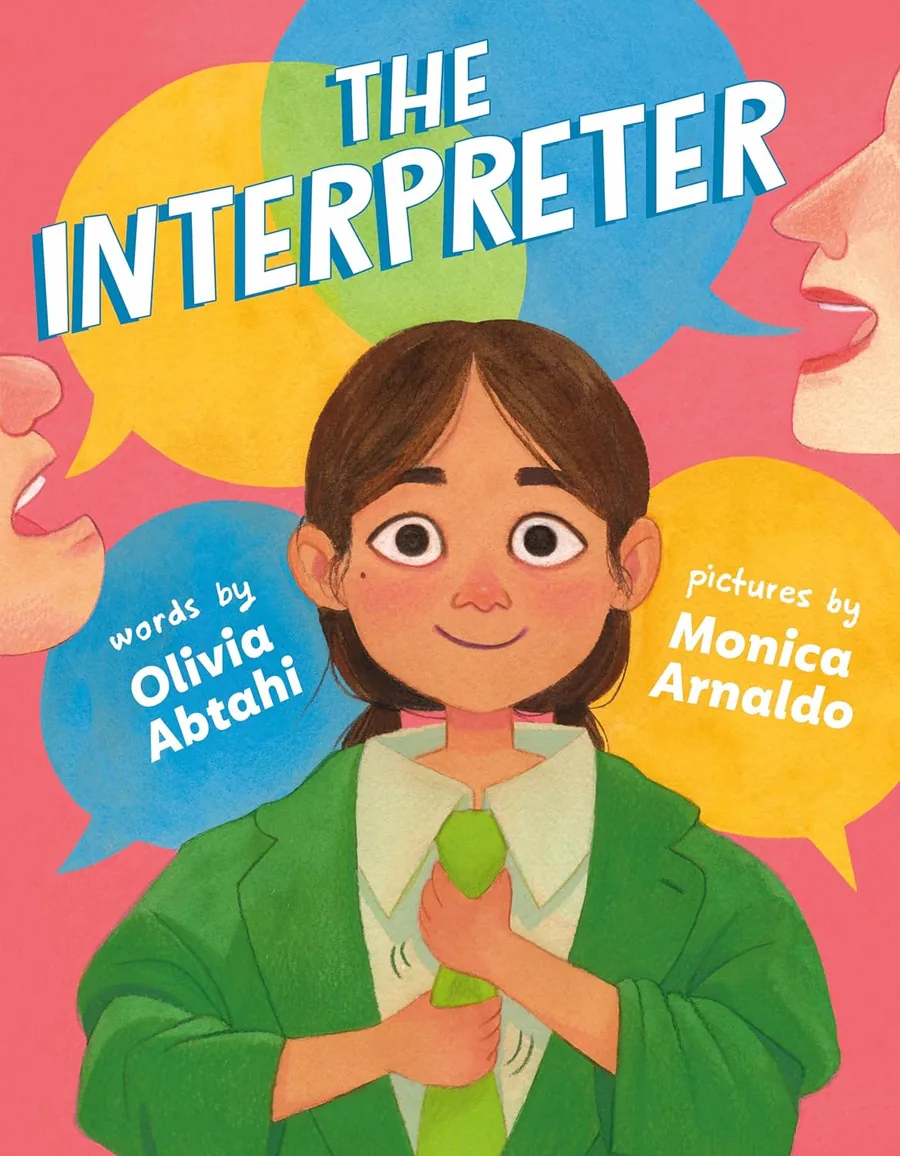 The InterpreterOlivia Abtahi, illustrated by Monica Arnaldo“Some kids had one job. To be a kid. Cecilia worked two.” Bilingual (Latine) Cecilia’s second—and more demanding—job is to interpret for her parents, who only speak Spanish. She does so at the doctor’s office, the DMV, the auto repair shop, the hairdresser’s, restaurants, and more. Her second job is running her ragged, and it often keeps her from the thing she’d rather be doing: simply playing with her friends. Finally, at a parent- teacher conference, her teacher asks Cecilia how she is doing. “Cecilia couldn’t take it anymore. She was done being a professional.” Her feelings come pouring out, cascading down the page. “I want to help,” she concludes. “Just not all the time.” After that, her older brother comes home from college to help for a weekend, and her aunt comes over to help with an appointment. Now her family acknowledges the work she does for them and makes sure she has breaks—and plenty of time to be a kid. With much of the dialogue in colored speech bubbles (blue for English, yellow for Spanish), the book’s design is clever but requires a measure of patience to follow. Despite that, this comically written yet deeply felt story is a refreshing validation of the necessary work many bilingual children do for their parents.Picture BooksLexile 530LATOS 2.4View book details
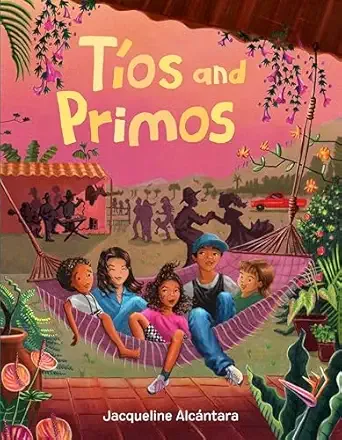 Tíos and PrimosJacqueline AlcántaraVisiting her papa’s homeland, a young Latine girl is anxious about meeting members of her large extended family for the first time. Every time she is introduced to a new uncle or cousin, she is asked if she speaks Spanish like her papa. “Más o menos” (“more or less”) is her standard response. She does know some Spanish but is intimidated to speak it while absorbing all the new sights and sounds on her travels. What she soon realizes is that her father’s family is simply glad to meet and spend time with her during their visit. Relatable exchanges, like enthusiastic hugs from unfamiliar grown-ups, and getting a manicure from a cool teen cousin, will be familiar to many children. Colorful illustrations convey familial love and warmth and the beauty of an unnamed country.Picture BooksView book details
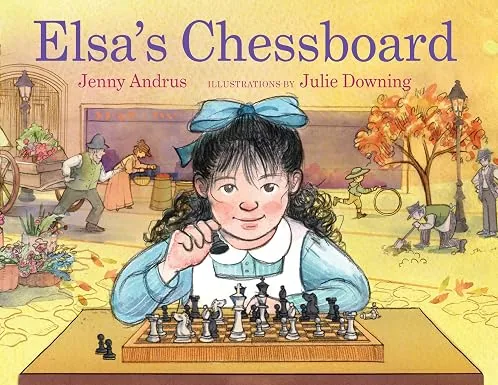 Elsa’s ChessboardJenny AndrusA passion for chess becomes a catalyst for human connection in this story based on actual events. Growing up in Vienna in the early 1900s, Elsa (white) defies gender expectations when she develops a skill for a game typically played by boys and men: chess. When she turns ten, her brothers present her with the “small wooden box with a latch that opened into a chessboard” that will accompany Elsa throughout her life. As an adult, she and her future husband, Edmund, enjoy a game on her chessboard at the library upon meeting for the first time, and later they play while their baby girl sleeps in a cradle beside them. The chessboard is among the few treasured possessions the Jewish family brings to the U.S. upon escaping Europe in the 1930s. When she finds work as a seamstress in San Francisco, chess becomes a shared language between Elsa and her English-speaking coworkers and bonds her to a group of women who want to learn the game. Later in life, when Elsa moves in with her grown daughter, the chessboard is packed away and, for many years, forgotten. It’s not until Elsa’s great-grandson accidentally discovers the latched box that Elsa returns to her beloved game, inspiring a love of chess in a new generation of her family. Young readers interested in chess will find ample resources on learning and playing in the end matter of this inspiring tale.Picture BooksView book details
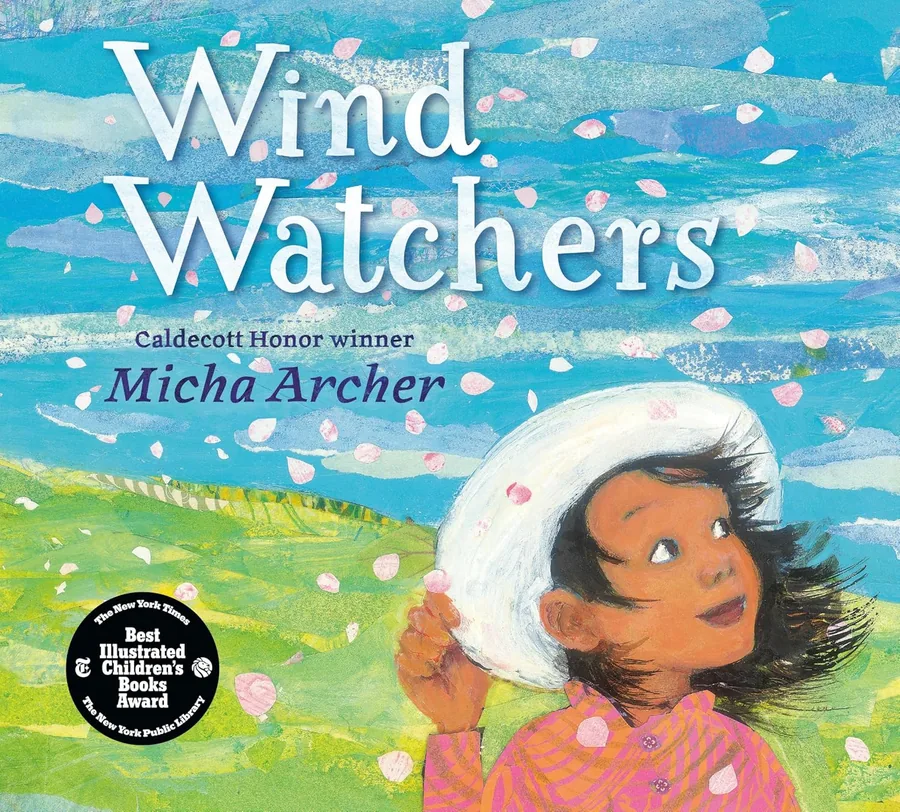 Wind WatchersMicha Archer“Sometimes we call out to Wind, ‘How will you blow today?’ In spring, Wind answers with a puff at the petals, making them flutter and fall, or by nudging rain clouds to send us showers.” Simple, descriptive text describes the changing nature of the wind throughout the four seasons as seen through the eyes of a trio of brown-skinned siblings. Gorgeous, layered illustrations made from acrylic ink and patterned paper collage bring vitality and dimension to the children’s escapades with the wind on the beach, during a rainstorm, and while the autumn leaves fall. Wind Watchers offers young readers a way to appreciate the invisibility of the wind through the vibrant and visible ways it engages the senses and interacts with the environment.Picture BooksView book details
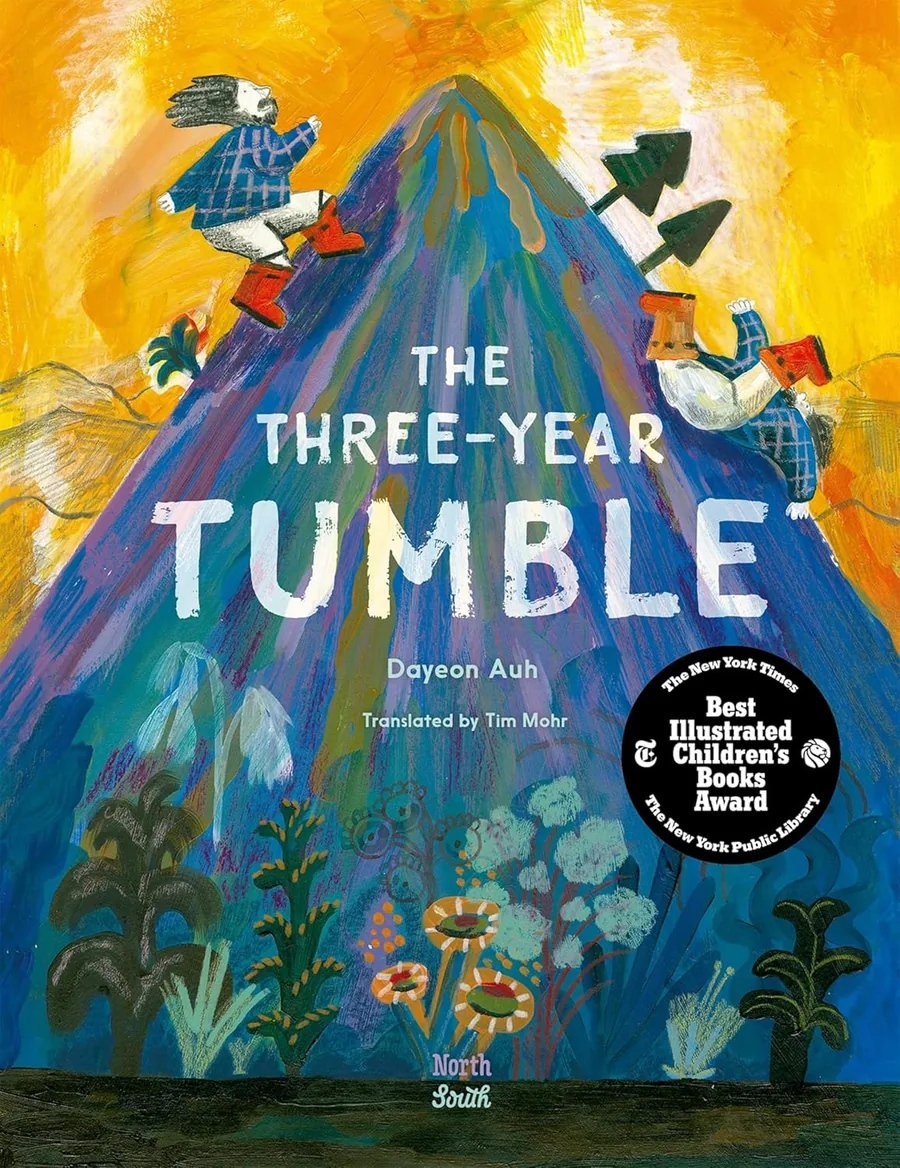 The Three-Year Tumble: Based on a Korean FolktaleDayeon Auh, illustrated by Dayeon Auh, Tim MohrIn a small Korean village, a large mountain stands in the way of travelers. Called Misfortune Mountain, anyone who falls while hiking on it has three years left to live. The old grandfather at the center of this story knows about the curse, but he needs to get to the village for supplies. He takes care, but a sudden noise causes him to fall while climbing the mountain, and he knows he is cursed. As the third year arrives, he grows ill, but when his granddaughter visits and hears his fateful story, she surprises him with a clever solution that saves his life. Now renamed Good Fortune Mountain, the grandfather and other travelers are no longer afraid of taking missteps. Bright, colorful paintings bring energy and humor to this fresh Korean folktale.Picture BooksView book details
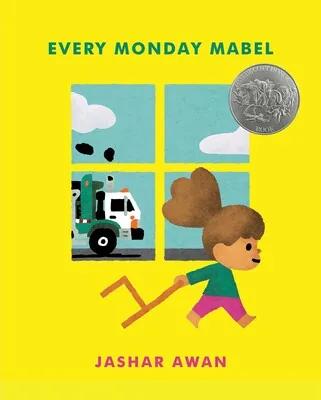 Every Monday MabelJashar Awan, illustrated by Jashar Awan“Monday is the best day of the week (according to Mabel, at least.)” Her Monday-morning routine includes dragging a chair out of her bedroom, through the house, and out the front door. Each of her family members has their own perspective on Mabel’s Monday activity. Her older sister thinks it’s “the most boring thing,” her mom “the cutest thing,” and her dad “the funniest thing.” Brown-skinned Mabel situates her chair at the top of the driveway, the “perfect spot to sit and wait.” Soon her patience pays off; there’s a rumbling and the blare of a horn. “It’s here! The best thing in the world is finally here! THE GARBAGE TRUCK IS HERE!” With the truck’s arrival, the pages’ backdrop becomes a vibrant yellow. Onomatopoeia peppers the pages. Exclamation points and capital letters abound. “IT GRABS THE TRASH CAN! AND LIFTS IT INTO THE AIR!” Once the truck has done its job, Mabel “sighs contentedly,” unable to believe that her family is so dismissive of such a magnificent sight. As she heads inside, the perspective shifts to follow the truck further into the neighborhood, where plenty of other fans are perched eagerly at their windows in anticipation. This book’s outstanding pace, design, and tone are sure to delight truck lovers (and maybe even the truck-indifferent) alike.Picture BooksATOS 1.9AR interest LG K-3View book details
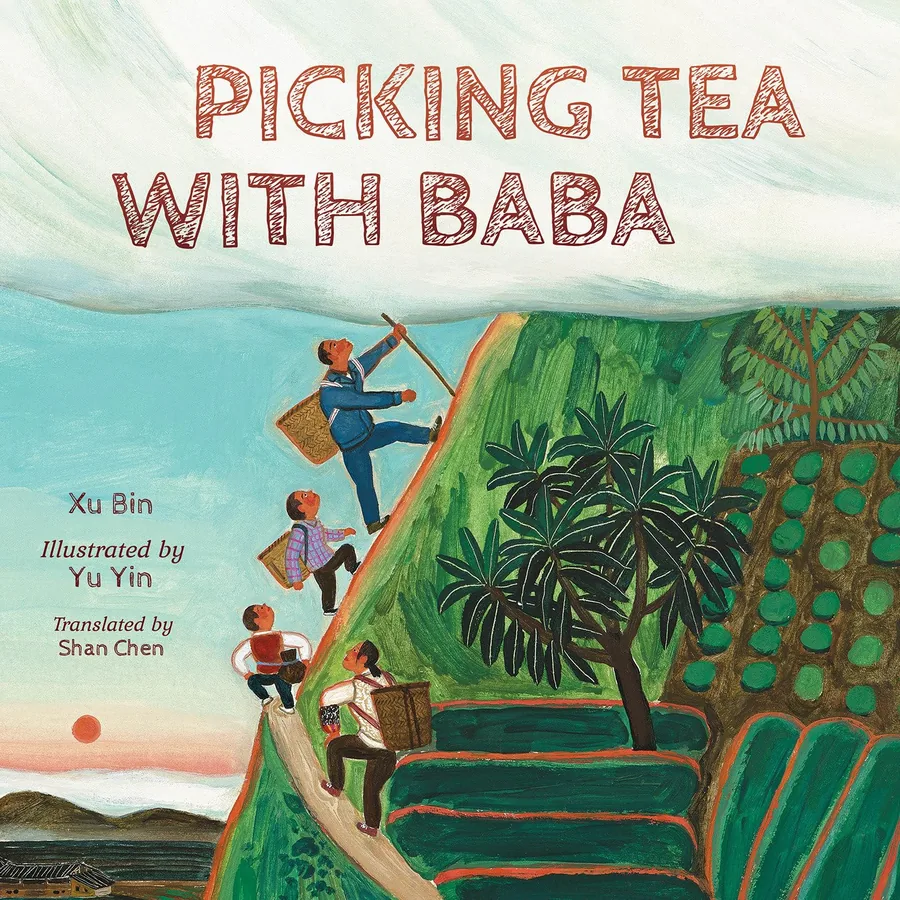 Picking Tea with BabaXu Bin, illustrated by Yu Yin, Shan ChenJoining Baba in picking tea leaves on the mountain near their Chinese village is “a special treat” for this book’s narrator and his brother. After a steep trek, the boys and their parents reach a “serene” garden striped with orderly rows of green tea shrubs. Baba gets to work immediately, snapping leaves off their stems. The boys help, but they also enjoy the garden’s delights: chasing bamboo partridges, catching praying mantises, and collecting fruits from a camellia tree to enjoy during lunch. They notice honeybees and black snakes and marvel at the way their voices echo. After lunch, the family weathers a short rainstorm, and at sunset they sort and bag their tea leaves. Before their day is done, though, they must stop by the tea factory to sell their fresh leaves. As they walk home, a truck carrying tea leaves passes them on the road. “There go our tea leaves!” While the boys’ wonder is at the forefront of the story, the painted illustrations reveal just how hard Baba works (even as the rest of the family naps after lunch). Yet the narrator’s reflection that the work may be “backbreaking” but “also joyful, especially when I do it with my family,” is abundantly clear.Picture BooksLexile 610LView book details
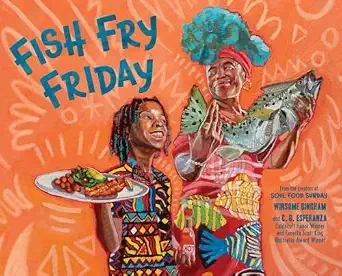 Fish Fry FridayWinsome Bingham, illustrated by C. G. EsperanzaFriday evenings are for fish fries at Granny’s, but this Friday is extra special. School is out, which means the young, Black narrator gets to join Granny in catching the fish. The day’s work begins before sunrise, but by the time they reach the pier at the Army post, the sky is glowing pink. Granny says a quick prayer before she and her grandchild are greeted like celebrities by the others at the pier; Granny’s the “fish magnet queen” who brings luck to everyone. Her grandchild helps Granny reel in a bucketful of “blue catfish and croakers, spots and speckled trout,” and then they head home to clean their catch and prepare a meal. Sensory details and cooking sounds pepper the page as Granny shows the narrator how to prepare the batter. It’s the narrator’s idea to turn the leftover batter into hushpuppies, which the two of them sample before the rest of the family arrives toting sides to complete the feast. Over the course of the story, Granny mentions a lot of favorites—the fillets, the batter, the hushpuppies—but spending the day with her grandchild is her “favorite, favorite, favorite part!” Vibrant, dynamic oil paintings add movement and excitement to a mouth-watering story.Picture BooksView book details
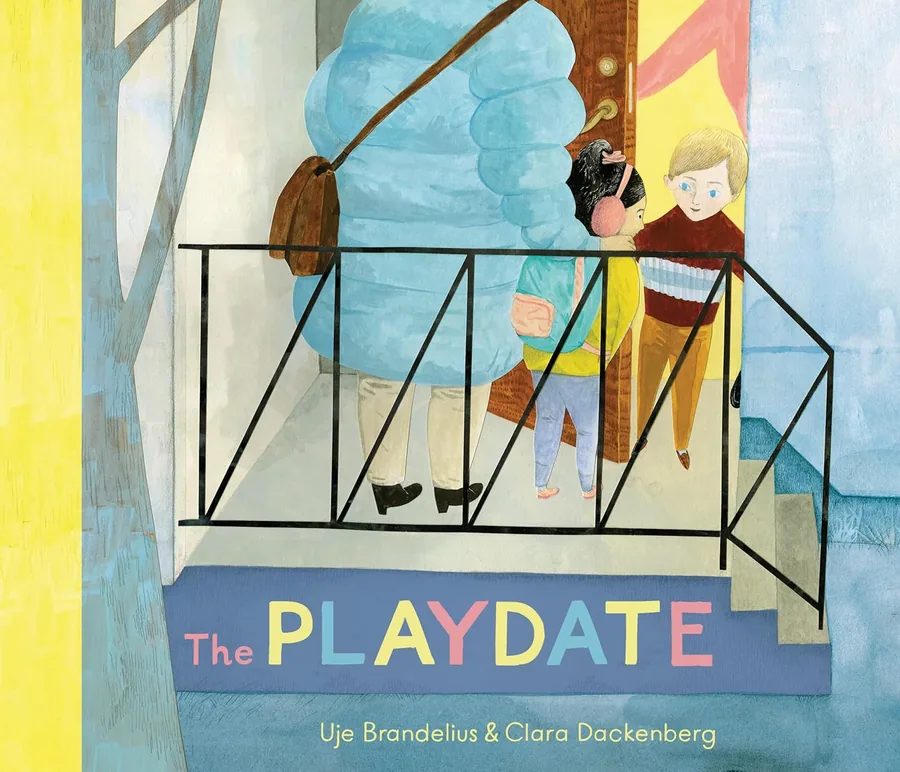 The PlaydateUje Brandelius“Me and Mom are going to Henry Henriksson’s house. I’m super excited to see Henry. He’s so fun to play with and has a funny dog.” A girl with light skin and black hair carefully packs snacks in her backpack and makes her way across town with her mother. Arriving at Henry’s, she is welcomed by his mom and starts playing with Henry and his little dog right away. A page turn shows the playdate in motion—the children running through rooms, the dog at their heels—while the girl’s mom carries a vacuum up the stairs. Left unsaid is that her mom is a house cleaner, and the playdate is actually work for her. Intentional visuals provide insight into Henry’s family’s privilege: They have large, framed works of art and a busy family calendar. In one scene, the girl and her mother eat their premade sandwiches in one room, while Henry and his mom enjoy spaghetti bolognese in another. The girl’s naivete (or indifference) to the socioeconomics at play is put on pause for a moment when she finds a coveted toy robot in a bag that has likely been set aside for charity. Later, she shows her mom the robot that she has stolen and hidden in her backpack. At first her mom is silent, but then she says that she’ll return it the following week. While straightforward, the solution to the situation is far from simple in this highly discussable book about wealth disparity.Picture BooksView book details
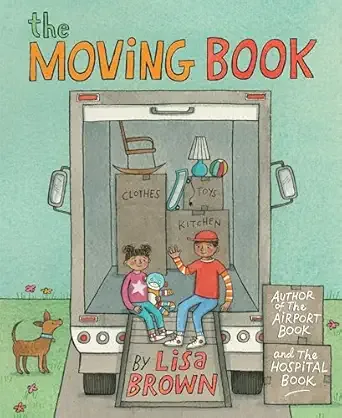 The Moving BookLisa Brown“Our family moves a lot. But you probably don’t remember.” These opening lines from an older to a younger sibling launch a description of all the times their family has moved. First there was a tiny apartment in a big house, where Grandpa lived downstairs. Next there was an apartment on the top floor of a tall building, followed by a big apartment in a building with elevators. Then they moved into their current house and got to choose their own rooms. Now they’re moving to a new house, which Grandpa will share with them. For each of their homes, the older sibling describes some of the things they did there and what was nearby. They also outline what will happen during their current move before their belongings are loaded into a moving van (except for their suitcases and pets, which go in the car). They admit that sometimes they don’t want to move, but their parents have pointed out the positives (a backyard garden, walking instead of busing to school) and they’re looking forward to Grandpa’s snacks and sleeping in a bunk bed. Whether they stay in the new house for a long time or make another change soon, one thing is certain: “we are good at moving.” India ink and watercolor with digital collage illustrations offer rich details that extend the text, while the successive moves of this multiracial family offer reassurance to young readers facing the uncertainty of relocation.Picture BooksView book details
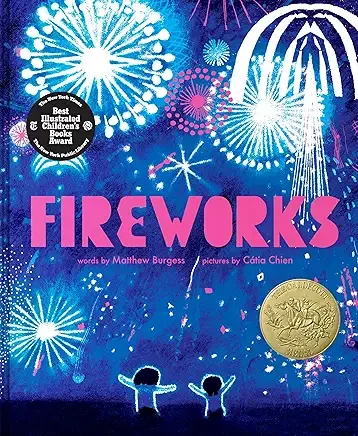 FireworksMatthew Burgess, illustrated by Cátia ChienFor the two children at the center of this blissful picture book, a carefree summer day is capped with a spectacular show. After a warm breakfast made by their grandmother, the Asian American siblings “venture out across steamy city sidewalks.” A splash in a leaky fire hydrant cuts the heat (“Whoop! Weee! Woohoo!”) as the kids wander their bustling neighborhood. Later, “shining red wedges” of watermelon quench their thirst, and salsa music drifts through open windows, inviting them to dance. As the sun sets, the siblings return home for Grandma’s sizzling dinner before climbing to the rooftop of their building. They wait. “POP! A comet streaking across the sky BURSTS into a flower of fire. (THE FIRST!)” The next several two-page spreads are devoted to the magnificent fireworks bursting in vibrant shades against black, with onomatopoeic words in various sizes scattered across the pages. “Pop POP / Swish / Zing / Tizzle-ting / POOF!” There comes a lull in the excitement. “‘Is it over?’ ‘Wait!’” A vertical gatefold reveals the cacophonous finale in all its glory. Afterward, with only the “ghosts” of the fireworks drifting in the sky, the children return home “to be tucked in with summer on our skin, listening to the gentlest kaboom kaboom kaboom within.” Glorious.Picture BooksATOS 3.5AR interest LG K-3View book details
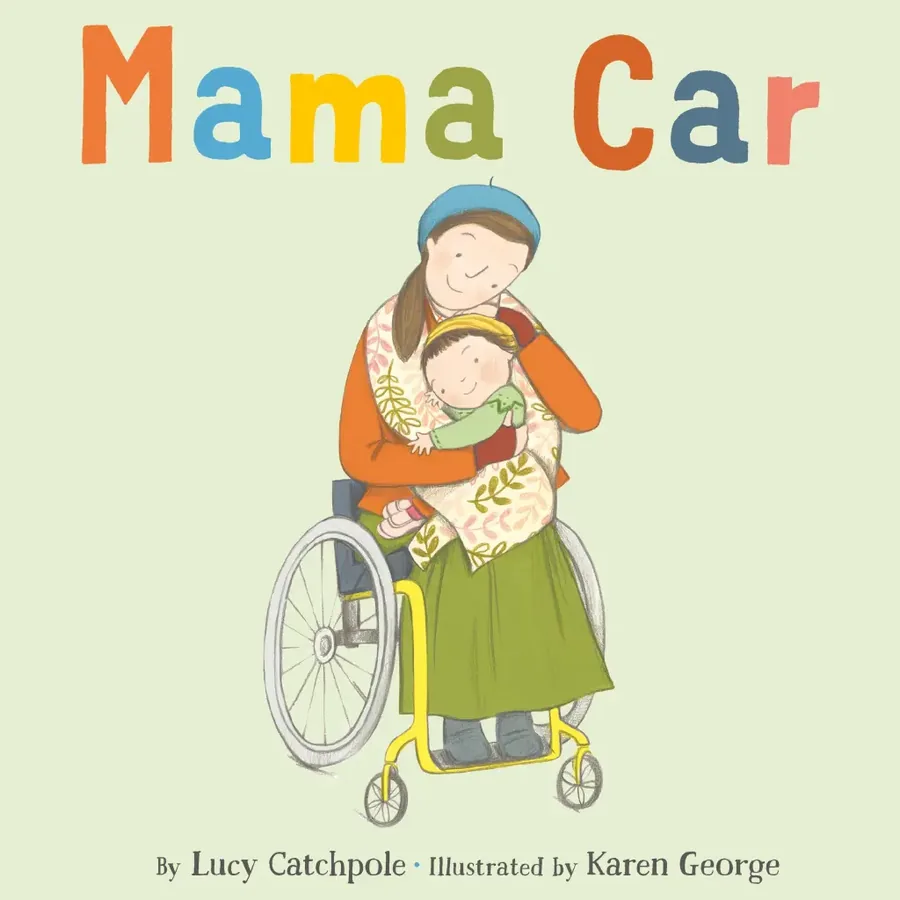 Mama CarLucy Catchpole, illustrated by Karen GeorgeTo the young, white narrator of this picture book, their mom’s wheelchair, or “Mama Car,” is a familiar, comforting part of her. Together they go on expeditions, which may be small (going from the bed to the kitchen for snacks) or big (going to the park). Wherever they’re going, the Mama Car gets them there or gets them around. If a vehicle is required, the Mama Car is folded, loaded, and brought along. Life with the Mama Car is natural and routine for this child, who decorates its wheels and helps by keeping watch for small toys that need to be moved out of its way. Just as the Mama Car is there to help Mama, it’s also there, “like home,” when the narrator needs the comfort of their mother’s lap. “In the Mama car I am as cozy as a sheep. The Mama Car is warm and I just have Mama all around me.” The love of this child for their mother—including her chair—is palpable in this welcome, child-centered story based on the author’s own chair and her daughter’s nickname for it.Picture BooksView book details
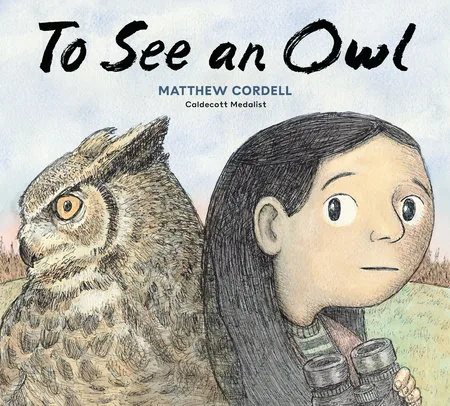 To See an OwlMatthew Cordell, illustrated by Matthew Cordell“To see an owl is magic.” A girl fascinated by owls draws them, dreams about them, and goes in search of them with her mom, to no avail. She watches programs about owls. She reads about owls. She keeps an owl journal with pictures and facts. She’s also drawn a map of the nearby woods. When her teacher, also a birder, looks at her map, he shows her a spot where he’s seen great horned owls nesting. After school that day, she and her mom head out. “When will I find you? … Hoo-hoo-hoo Hooooo-hooo.” A child’s passion is supported by her mom (who is clearly not as enamored with owls) and a teacher with a shared interest in this picture book that builds to a moment of wonder for the child and a jolt of happiness for readers and listeners. “Magic.” The story unfolds patiently and includes a judiciously repeated refrain: “Perfectly stout. Large, round eyes. Silent, knowing faces. Birds of the night.” The girl and her mother both have long black hair and light-brown skin in the detailed pen-and-ink and watercolor illustrations that include pages from the girl’s owl journal.Picture BooksLexile 510LATOS 2.6View book details
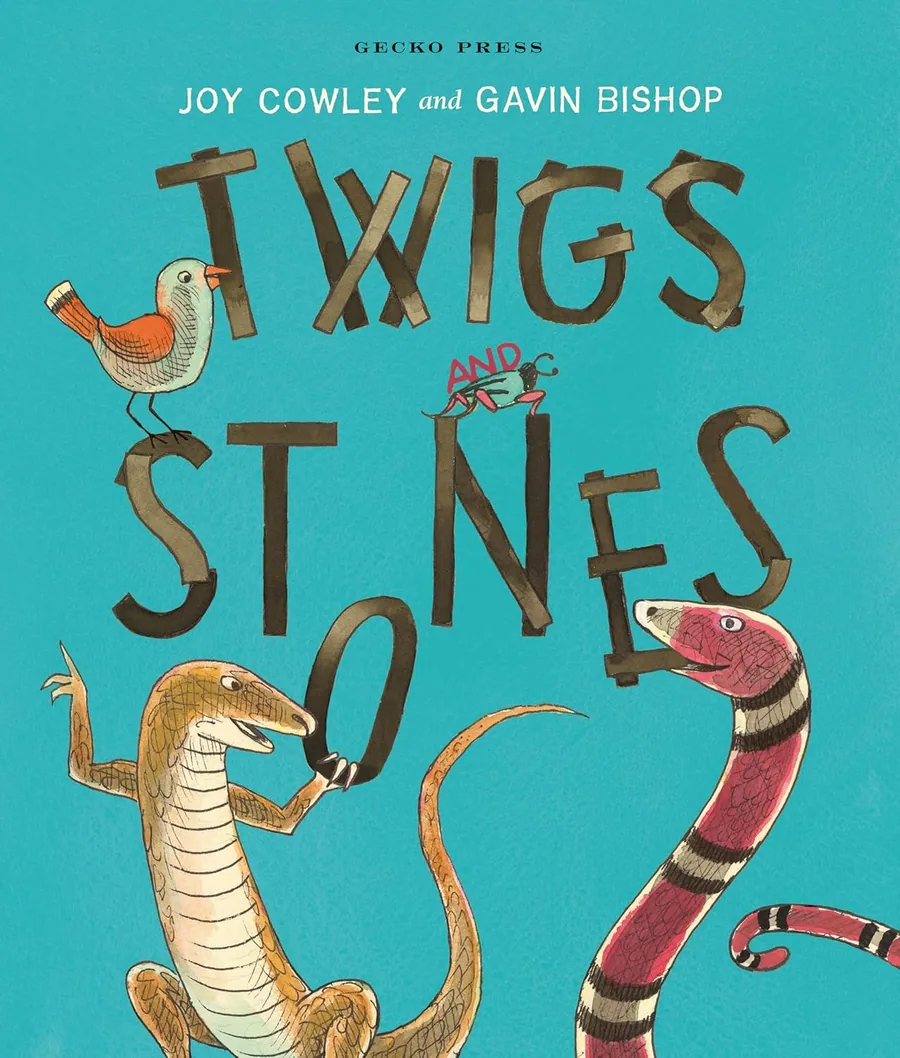 Twigs and StonesJoy CowleyTwigs and stones don’t just break bones. They can also hurt feelings, as in this story about Snake and Lizard, who live together in a hole under a rock. “Sometimes they were Friends with a big F, and sometimes the f was quite small. That’s how it is with friends.” One day, Snake is skeptical of Lizard’s new décor idea—using twigs to spell out their names above the entrance to their home—but when it’s all finished, she thinks it’s pretty clever. That is, until a desert wind knocks down the letters in SNAKE. Trying to fix the word in the dark, Lizard accidentally spells out SNEAK. Discovering this in the light of morning, Lizard laughs and tries to play it off as a compliment (“I admire your sneakiness”), but the inadvertent insult—not to mention Lizard’s dismissive laughter—angers Snake. She retaliates the next night, surreptitiously removing a couple of letters from LIZARD. Looking at their new sign, SNEAK AND LIAR, Snake and Lizard “didn’t say anything. This was no longer funny. It was terrible!” Together they dismantle the sign. Apologies are not even necessary; capital-F Friendship prevails through relatable misunderstandings and petty drama. Observant readers may notice other animals in the backgrounds of the earth-toned ink-and-watercolor illustrations gathering sticks to spell out the story’s theme.Picture BooksView book details
 A Song for Two HomesDr. Michael DatcherWhen her parents got divorced, Auset (Black) “got split / in two / too.” She doesn’t feel “lucky” to have two homes, two birthday parties, or two Christmases. School is hard, too, for different reasons; kids think her clothes and voice are too boyish, and Auset feels bad after hitting a classmate. She finds comfort in song lyrics by Sweet Honey in the Rock and Bob Marley, in her science class, and in playing the piano (“I can accompany / Myself / So I don’t need / Mom & Dad / To be / In harmony”). Her therapist “wasn’t good at / sewing kids back together,” but her stuffed dolphin is a good listener. And even though it’s hard to talk to her mom about her feelings, she “keeps it real” with her dad; like him, she does her best to “choose joy” every day, “Even though / Divorce / Makes Joy / A hard choice.” She knows that “one day” she’ll “be okay for reals,” and until then, she has music to get her through. Polished, deliberate text verges on stream-of-consciousness. Clear-eyed, emotionally intelligent Auset expresses strength and hope, but she’s also honest about her heartache and current challenges. Vibrant paintings depict an emotional Auset spending time with each parent, and Bob Marley makes an appearance to place a steadying hand on her shoulder.Picture BooksView book details
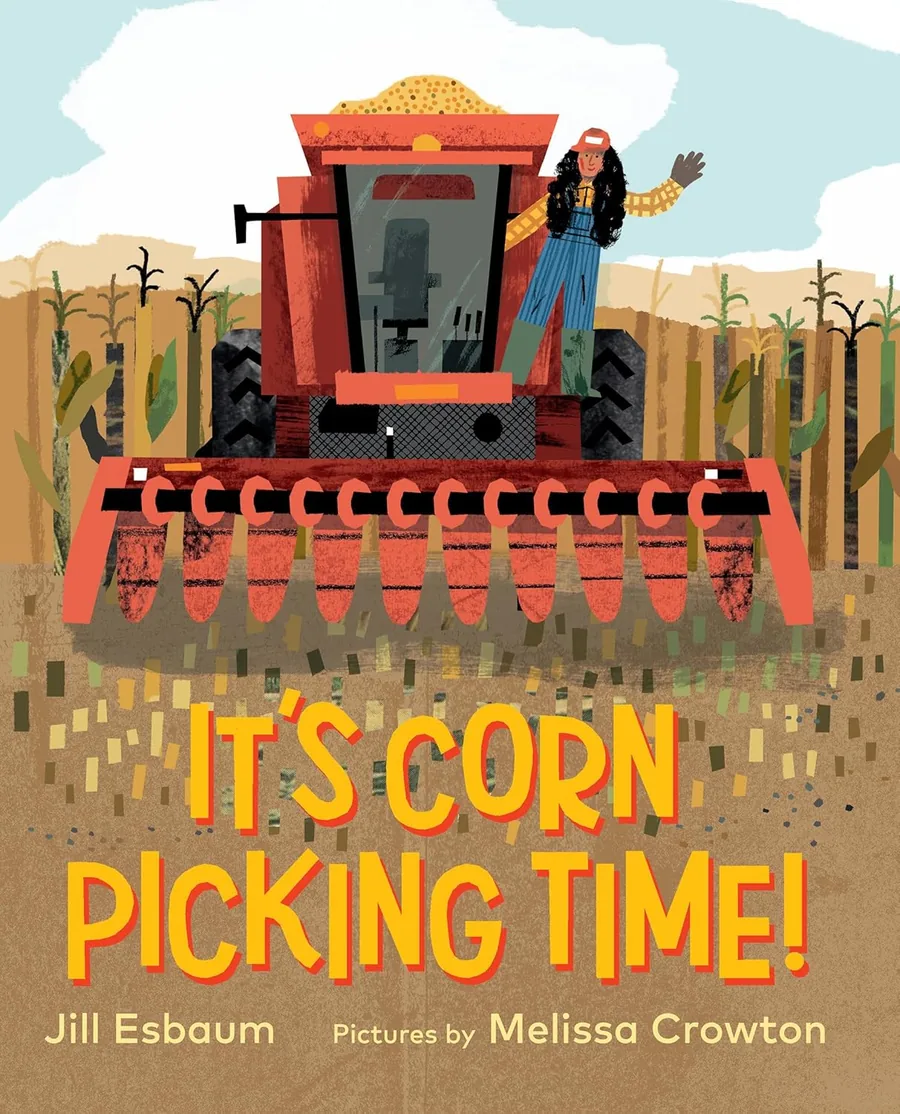 It’s Corn Picking Time!Jill Esbaum, illustrated by Melissa CrowtonThis cheerful ode to corn-harvest time loosely modeled on the pattern of “The House That Jack Built” features a farmer who loves her work. “This is the farmer, / her cap, / and her gloves.” The brown-skinned farmer begins her day as the sun rises; the big, red combine harvester, awoken from its slumber, needs some loving care before it is ready to be driven to the field. Then, it’s time. A bird’s-eye view shows the combine making careful sweeps across the land. “This is the corn head that clatters and knocks / as chains grab and gobble the autumn-dry stalks.” The narrative includes just enough fascinating detail: As the corn is shucked, the machine spits the chaff out the back; once the grain tank is full of kernels, the auger and spout are positioned over the grain wagon, “and corn whooshes out!” Transported to the dryer, the kernels twirl upward into the bin, where they produce “billows of steamy, roast-corn-scented cloud.” The day ends where it began—the kitchen— but now the farmer is surrounded by family members enjoying a meal. The informative, lively text is accompanied by collage-style illustrations in autumnal hues.Picture BooksLexile 440LATOS 3.0View book details
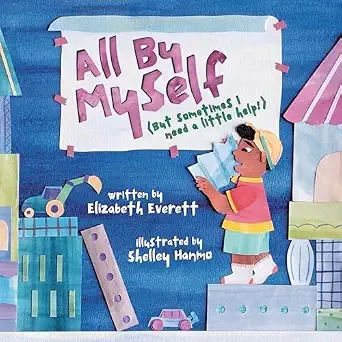 All By Myself (But Sometimes I Need a Little Help!)Elizabeth EverettIn a cheery, matter-of-fact narrative, a child recites a host of things they can do by themself. For each, they also note a related activity with which they require help. “I can put on my shoes, but I need a little help to tie the laces. … I can decorate a kite, but I need a little help to fly it in the wind.” The tone makes clear that needing help is nothing out of the ordinary; the expressly stated message at story’s end is that needing help is perfectly okay. This intention is balanced with a marvelously child-centered text, each opening activity recognizable as a potential point of “I can do it myself” pride for young children. Buoyant, colorful collage artwork shows the multiracial, brown-skinned, short-haired child with their helpful grownups, a dad who appears Black and a mom who appears Asian.Picture BooksView book details
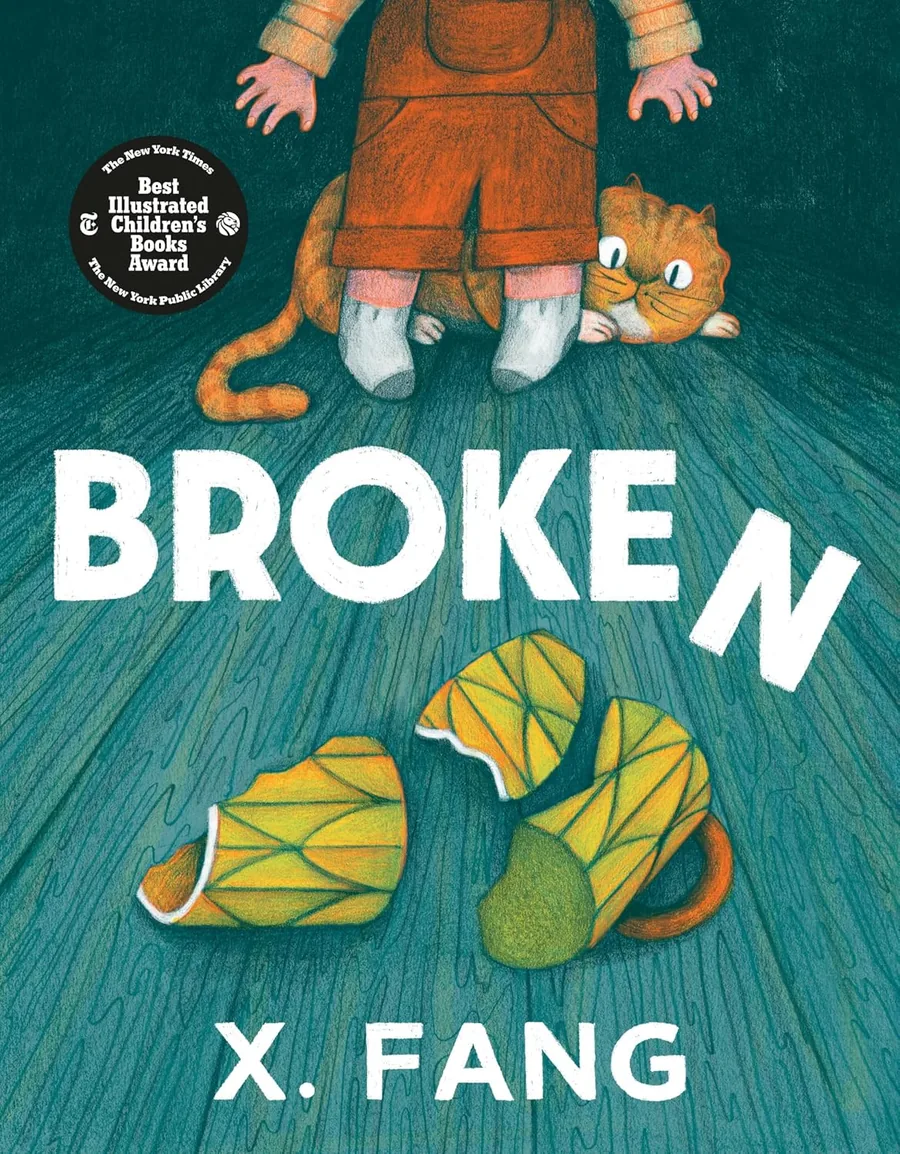 BrokenX. Fang, illustrated by X. FangGuilt gets the better of the protagonist of this funny and relatable story. Bored at her Ama’s house one day, Mei Mei (Asian) amuses herself by scaring the cat, Mimi, who’s snoozing in an armchair—and in the process, she knocks Ama’s mug off the side table, breaking it into three pieces. Mei Mei runs outside, her anxiety growing as she imagines Ama’s possible reactions, each increasingly more extreme. Reluctantly joining Ama for tea later, Mei Mei notices that the broken cup has been removed and realizes that Ama thinks the cat is to blame. “Mimi stared at me. Mimi knew the truth. Mimi was taking the blame.” Mei Mei simply cannot enjoy her cake with Mimi (whose accusing face grows increasingly and comically large on the page) staring at her. “I couldn’t take it anymore!” Mei Mei has no recourse but to hide in the closet “until all [her] problems [go] away.” But when Ama expresses concern, the truth comes pouring out of Mei Mei. Her confession is met with Ama’s gentle understanding and creative problem-solving. After all, “every patch and every repair tells a story.” And there’s nothing a little glue can’t fix. Mei Mei’s moral quandary and big emotions are perfectly depicted in a story that leans into dramatic tension, humor, and heart, both in text and illustration.Picture BooksLexile AD460LATOS 2.0View book details
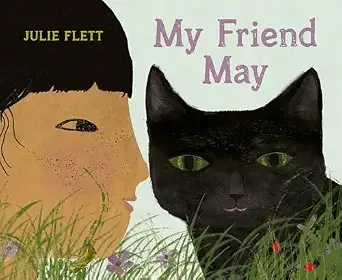 My Friend MayJulie FlettMay, a big black cat, and Margaux, a Cree child, have grown up together. May likes “playing in the long grass behind the house” but is “unsure of oranges.” May loves Margaux. She also tends to stay near their home, always returning by dinnertime when she does venture out. But one day she doesn’t come home by dinner, and although everyone searches for May, she’s nowhere to be found. Margaux’s auntie Nitôsis helps in the hunt before packing up the last of her things for a move to the city. As Nitôsis unpacks in her new home, she worries about Margaux and May and misses them both. An unexpected “meow” leads her to the bathroom, where she discovers May tucked inside an unpacked box. After offering a quick meal of canned salmon, Nitôsis delivers May to a grateful and relieved Margaux. “May was a cat who decided that, maybe, the best place to get lost was in the long grass behind the house, with her friend.” Author-illustrator Julie Flett offers a note to readers encouraging them to tell their own stories, followed by written explanations and charts of Cree words used in the main narrative and how to pronounce them.Picture BooksView book details
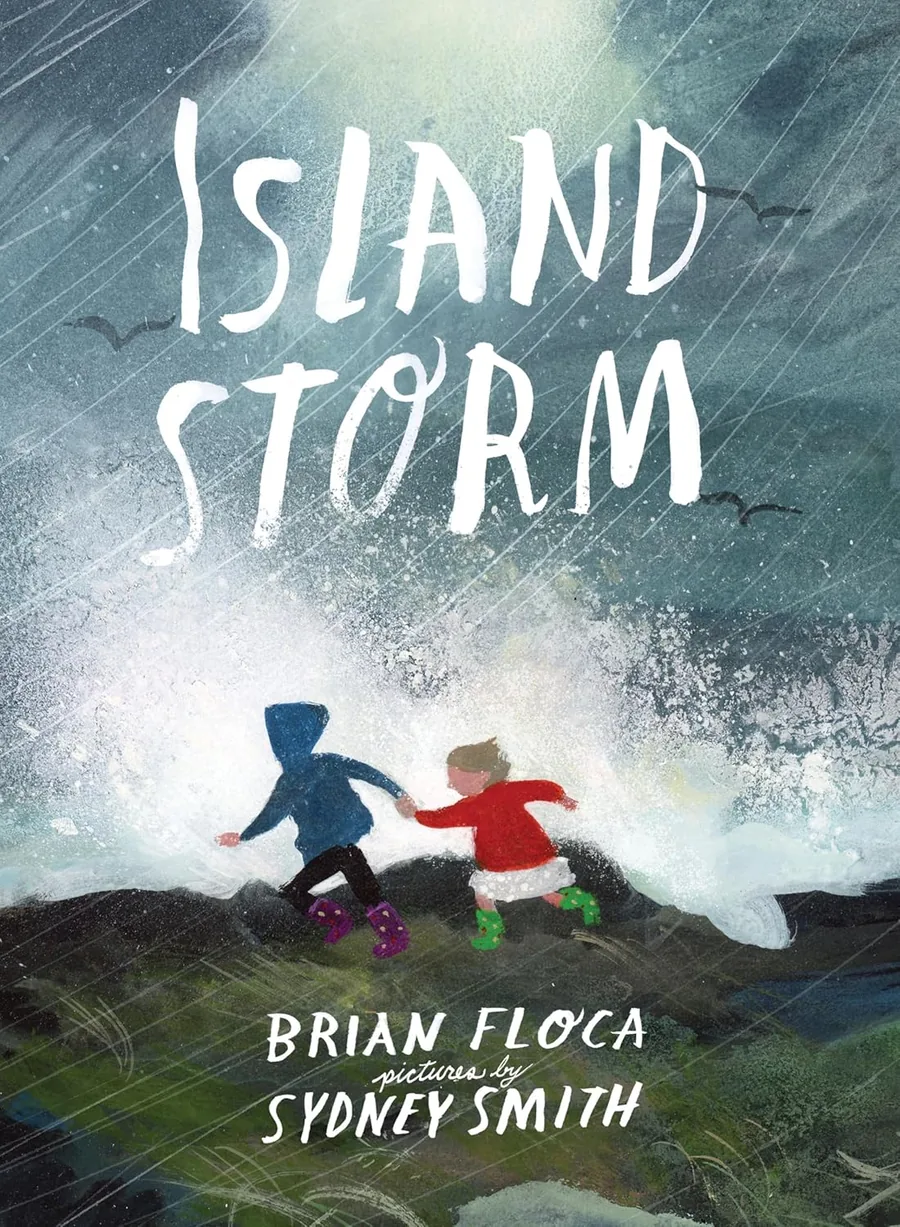 Island StormBrian Floca, illustrated by Sydney SmithTwo white siblings dare to venture outdoors as a storm approaches their island. Wearing jackets and rain boots, they head through the woods to the cove. The weather is mild, but they “feel the wind growing. It booms in our ears…” and churns up waves that break spectacularly against the shore. “And then we ask, is this enough, or do we try for more? You pull on me, I pull on you, and we decide to go on.” This is the book’s refrain, a mutual sense of risky adventure as the siblings take each other’s hands and walk further from home. No warning from a neighbor, no boarded-up window, no shuttered grocery store will curb their sense of daring. “Our town is eerie and empty—a stage without its show.” They pass what are clearly familiar sights: an old military bunker, the lighthouse, the park and ice cream parlor, until… “Did you hear that? / What? / That! / Yes! / BOOM! / RUN!” The children race home at an exhilarating sprint as the downpour begins. Home, where relief and love, safety and dinner (and trouble) await. Home, where they will ride out the storm overnight and wake to a gentle dawn. An impeccable combination of descriptive text and moody, painted illustrations creates an atmospheric, immersive reading experience; the sense of ever-approaching danger is beautifully tempered by the ending’s palpable sense of relief.Picture BooksLexile 549LATOS 3.6View book details
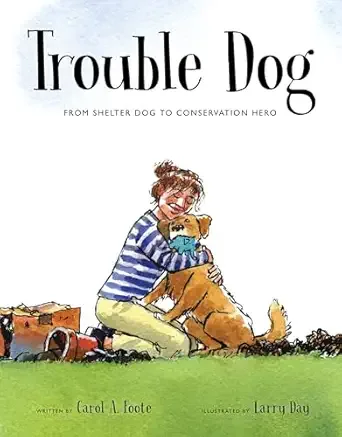 Trouble Dog: From Shelter Dog to Conservation HeroCarol A. FooteTucker loves to play and creates his own fun when he’s bored. “Romping … Chasing … Grabbing … Leaping … Chewing … CRASHING!” Tucker has been repeatedly returned to the animal shelter because of the havoc he creates. When Laura (white) arrives at the shelter, she sees the potential in energetic Tucker. Laura uses Tucker’s love of play as a reward as she trains him to recognize different scents. Tucker is a fast learner. “I knew you were the right kind of trouble … You’re going to help me save wildlife.” Tucker becomes a conservation dog, traveling with Laura to help people who study and protect wildlife and native environments. Sometimes Tucker finds invasive species, like the rosy wolf snail in Hawaii. Sometimes he locates the scat of animals being studied in their habitats, like “moon bears in China, mountain lions in Chile, and elephants in the jungles of Myanmar—so scientists could learn about animals without disturbing them.” Tucker is still a rambunctious dog who loves to play, but he’s also a world traveler and wildlife protector, one with a forever home. While Tucker is fictional, the captivating story paired with lively watercolor illustrations is based on two real dogs, Pepin and Wicket, who are featured in end matter that also provides more information about the work of conservation dogs.Picture BooksView book details
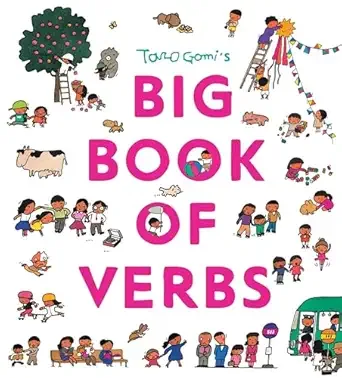 Taro Gomi's Big Book of VerbsTaro Gomi, illustrated by Taro GomiCalling all grammar enthusiasts, active bodies, and visual-puzzle fiends! Taro Gomi’s Big Book of Verbs is a book of action words, well, in action across a variety of familiar scenes. In a two-page spread showing a classroom setting, an offset pale-yellow border lists 34 verbs next to a corresponding enumerated dot. In the busy illustration, dozens of involved and animated children take part in classroom activities. What’s happening in the vignette labeled “25,” which shows a child in a cat mask chasing a frightened classmate? “Run,” says the legend. Dots “21” and “22” indicate that two children are using blocks to “build” and “scatter.” From the neighborhood to the farm, and from the ice rink to the amusement park, Taro Gomi’s colorful, stylized illustrations depict nearly 400 verbs, like “knead,” “hop,” “tickle,” and “vomit,” with humor and accuracy. The only way to improve this engaging picture book would be to make the jacket double as adhesive wallpaper.Picture BooksView book details
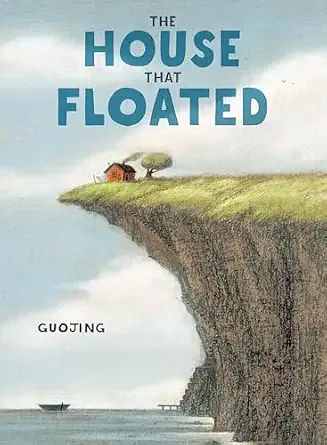 The House That FloatedGuojing, illustrated by GuojingIn this wordless story rendered in soft chalk drawings, a family faces a difficult change with teamwork and creativity. Before their child is born, a young couple lives in a small, red house on the edge of a sheer cliff overlooking the sea. When they have a child, their lives continue in much the same way. Together they fish, watch dolphins, enjoy the outdoors, and carve small wooden figurines for their fireplace mantel. As time passes, though, it becomes clear that environmental change is taking place. The sea level is rising, bringing water perilously close to the top of the cliff, until finally it is at their doorstep. Working together as always, the family gathers wood and constructs a large, sturdy raft. They take a moment to say goodbye to what remains of the land that was their home before leaving in a small motorboat, towing the house on the raft behind them. They travel overnight before spotting a lighthouse, on a different cliff, with people nearby: the promise of a new home. Sadly relevant in today’s changing climate, this story celebrates determination and resilience.Picture BooksView book details
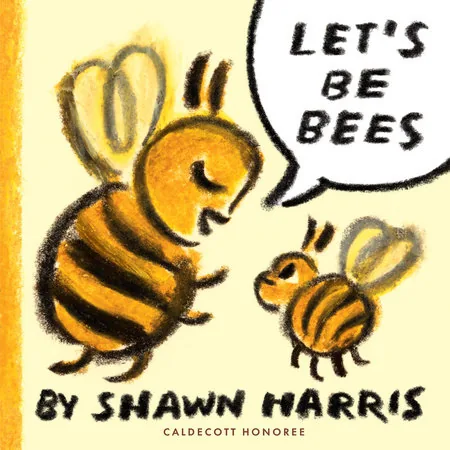 Let’s Be BeesShawn Harris, illustrated by Shawn HarrisThe text reads, “Let’s be bees.” “Let’s buzz,” says the dialogue bubble next to a father reading to their child. “Let’s be fuzzy, buzzy bees and … Buzz!” shout the pair as their bodies are transformed into buzzing bees. The playful interaction between text and illustrations mimics the imaginative play of the parent and child reading their own copy of Let’s Be Bees. Meta? Yes, but there’s no time (or need) to contemplate when each page-turn is a compelling command to become bees, birds, trees, and more! The father and child become the wailing wind, pattering rain, and silent snow, until … “Avalanche!” The boisterous crayon-like drawings and small trim size of this book are opportune for reading in laps and performing again and again. If the story content is not enough fodder for imitation, the endpapers offer additional inspiration.Picture BooksView book details
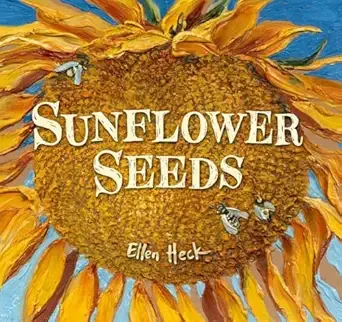 Sunflower SeedsEllen HeckAfter reading a book about growing sunflowers to her diverse kindergarten class, Ms. B gives each student three seeds. Remembering a saying from the story, the students note that they have “one [seed] for the birds, one for the rain, and one to grow.” After classmate Ollie peels and pops a seed into his mouth, Ms. B smiles and gives each student one more to taste. The miraculous life cycle of sunflowers is recounted through the eyes of a young narrator (white), beginning with tiny sprouts in a paper cup and continuing on to the strong stalk standing in his backyard. Matter-of-fact observations about plant growth are intertwined with kernels of kid wisdom. When one sunflower falls prey to a nibbling backyard deer, the narrator thinks about the poem and amends it: “One for the deer, one for the rain, and one to grow.” Rich, detailed oil paintings on brown paper illuminate the inquisitive faces of young gardeners and bring botanical drama to the developing sunflowers. Occasional circular compositions add variation to the visual layout and magnify details like the delicate dance of a honeybee pollinating the tiny interior flowers of a sunflower head. Elegant writing and child-centric elements bring depth and beauty to a common rite of classroom gardening.Picture BooksView book details
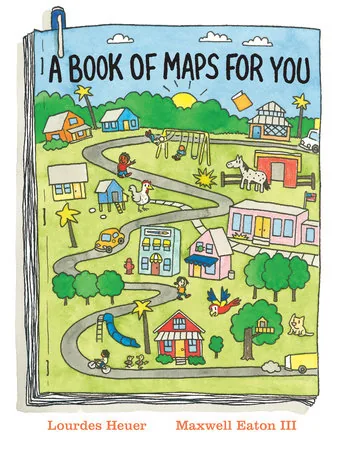 A Book of Maps for YouLourdes Heuer, illustrated by Maxwell Eaton III“I made a book of maps.” This book’s narrator has created a thoughtful guidebook of hand-drawn maps of their town, street, school, public library, local park, and more addressed to an unidentified “you.” Included on each map are the sort of helpful details known only to one who has lived, played, shopped, and attended school in these places for some time. On the map of the school, the narrator notes that “the cafeteria serves the best lunch on Fridays,” while the map of the park provides a tip about the swings (“the middle one flies highest”). The narrator introduces certain notable people by name, such as librarian Mr. Mercado, who “never hushes or shushes;” Mr. Ramjit, who lives on Little Farm; and Mrs. Chang, who runs an art-supply store. The last few maps are of “our house,” and they include instructions: “Put your bed under the skylight for the best view of the stars.” In an unexpected twist, it becomes clear to whom the book is addressed. On the final two-page spread, a child is looking at the maps, which have been left on the front porch; inside the house are moving boxes waiting to be unpacked. “The maps are for you… so you’ll find your way in your new home.” Packed with colorful, detailed, visually engaging maps of various types and perspectives (among the less traditional are a maze and a pirate map), a book that at first seems simply fun becomes a bittersweet narrative of departure and arrival.Picture BooksATOS 3.5AR interest LG K-3View book details
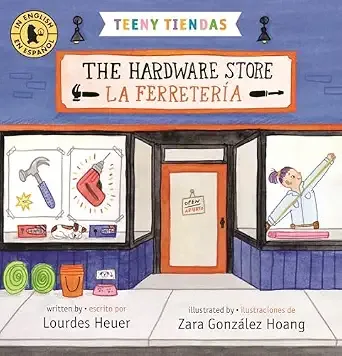 The Hardware Store / La ferreteríaLourdes HeuerA new installment in the English/Spanish bilingual “Teeny Tiendas” board book series spotlights Mrs. Sierra’s hardware store. The store sells a host of tools, from hammers and mallets to screws and pliers. A diverse cast of neighborhood customers of all ages find just what they need, often with the help of the competent, purple-haired Mrs. Sierra. The final pages show everyone gathered at the school playground, putting their purchases to use as they collectively make repairs and spruce up the play equipment.Picture BooksView book details
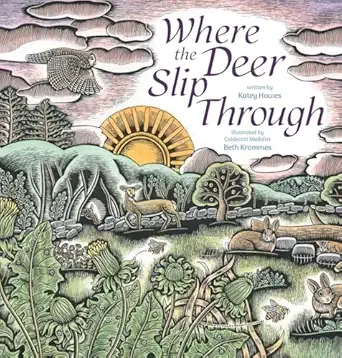 Where the Deer Slip ThroughKatey Howes, illustrated by Beth KrommesFrom sunrise to darkness, animals pass through a small farm by slipping through the hedge, flying through the branches, and squeezing through the hollow to nibble, frolic, and soar before leaving again into the surrounding pines. Following the “house that Jack built” format, graceful rhymes describe the animals’ fleeting visits amid the human activity glimpsed on the pages as the farm family moves through their day. Stunning scratchboard and watercolor illustrations perfectly complement the flowing language that artfully draws on alliteration and gentle imagery.Picture BooksView book details
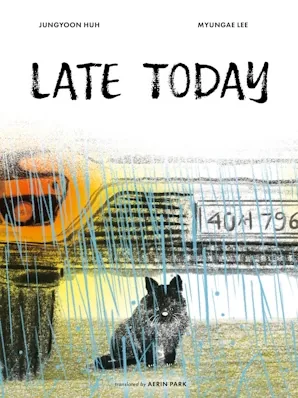 Late TodayJungyoon HuhSeoul, South Korea, 8:15 A.M. “We can’t be late today.” Crooked rows of bumper-to- bumper rush-hour traffic inch along in pouring rain. Tiny and helpless among the vehicles, a black “kitten, barely two weeks old, [is] crossing the bridge.” She darts around, unable to find her way through the maze of moving tires, noticed by drivers and passengers who honk and exclaim and worry and look away in fear. Everyone is horrified, but what can be done? And then one person pulls over. “They hoped to hear a kitten’s cry.” Over several tense, nearly wordless pages, an adult and a child sit in the car in the driving rain, waiting. Cars honk. Windshield wipers squeak. Then, from under the car: “Mew mew.” The driver hurries out and scoops up the quivering, terrified animal. “We all were late. But it’s okay. Today was a good day to be late.” Much of this story is communicated via the artwork, made with colored pencil and oil pastel, which feels almost cinematic in its variety of perspectives and effective use of panels and montage. This suspenseful story commends bravery, but its focus on the kitten’s dangerous journey prevents it from becoming heavy-handed.Picture BooksView book details
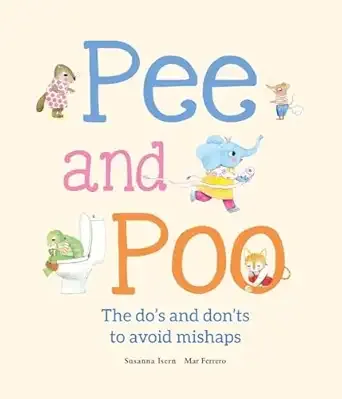 Pee and Poo: The Do’s and Don’ts to Avoid MishapsSusanna IsernWhen it comes to pee and poo, the last thing anyone wants is a mishap. This practical, straightforward guide to toilet etiquette encourages best bathroom practices for young people who may need a few reminders. As animal friends gather for food and fun at Koala’s birthday party, “certain needs pop up.” Feeling nature’s call throughout the day, characters visit the bathroom while a snail in the illustrations provides friendly tips in unobtrusive balloon bubbles: “Don’t wait until the last minute to go to the bathroom, even if you’re having fun.” “Be sure to wipe well … to avoid getting irritated skin.” “Say excuse me if a fart slips out.” Mishaps do abound, providing plenty of teachable moments. Squirrel opens the bathroom door without knocking, only to find that Cat is inside; startled, Cat loses his aim and has to clean up his mess afterward. Turtle loiters on the toilet with his Rubik’s Cube as a line of desperate friends forms outside. And Lioness uses the last of the toilet paper to make a mummy costume, forgetting to replace the roll (which causes problems for Panda). Bathroom humor is absent; the emphasis is on helping kids navigate common scenarios and avoid bathroom faux pas.Picture BooksView book details
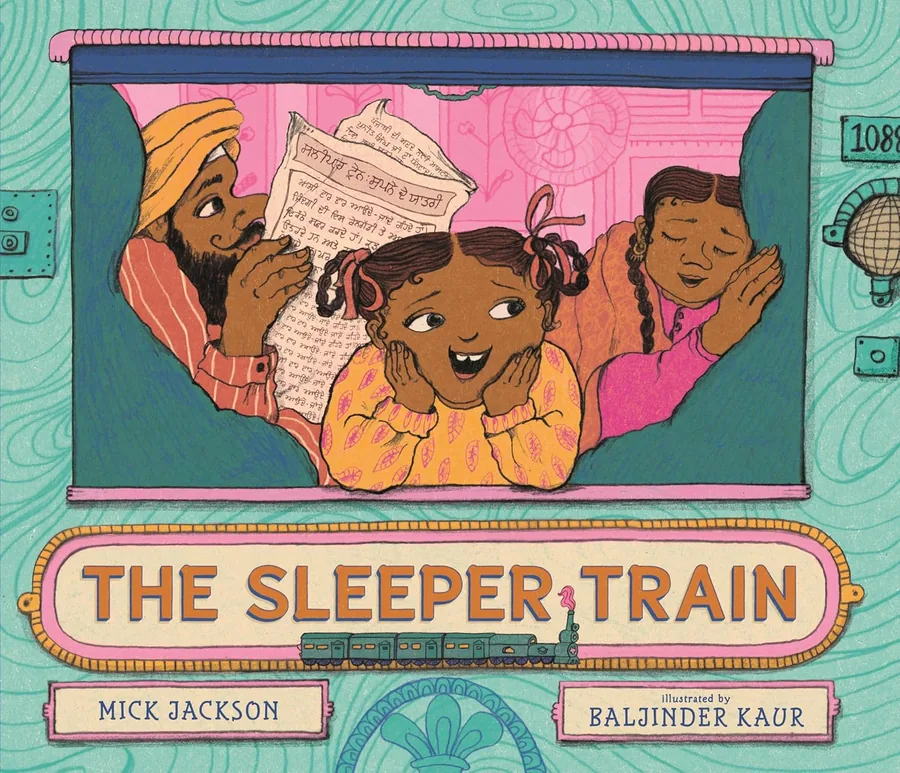 The Sleeper TrainMick Jackson, illustrated by Baljinder KaurFor the narrator of this soothing and unusual bedtime story, the excitement of a ride on a sleeper train chases sleep away. She and her parents, who appear to be Punjabi and Sikh, board as the sun is setting and soon commence their bedtime routine. Unable to settle, the girl takes up a post at the window. “I thought it might help if I tried to think of all the different places I have slept.” At home, if she has a bad dream, she crawls stealthily into her parents’ bed. She remembers the view of the sea from her hotel room on vacation last summer, and the warm comfort of dozing on the beach. She recalls various other nights, too—in a tent on a camping trip, in the hospital after an operation, in her mom’s old room at her grandparents’ house—and as the train snakes through towns and villages, she grows sleepy imagining all the people snug in their beds nearby. Before she knows it, it’s morning, and breakfast time, and they’re in a new South Asian city. In a full-circle moment, the sleeper train itself becomes a new sleep aid: “Now if I ever can’t get to sleep… I remember how it felt to be rocked by the train, just like a baby…” Featuring an appealing palette heavy in oranges and teals, the digitally colored pencil illustrations are packed with patterns and details but never feel too busy.Picture BooksView book details
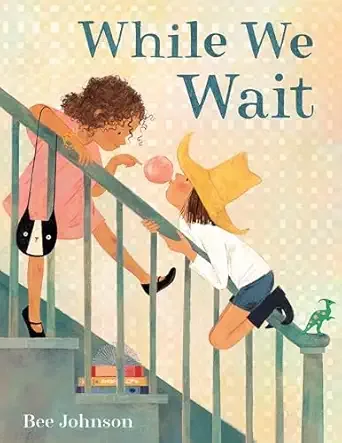 While We WaitBee JohnsonA day spent running errands with Mom is a day filled with many small moments of waiting for two girls, starting before they even leave the house. “Boots and backpack. Lucky hat. Beaded bangles. Satchel Cat. Phone and wallet. Missing bag. While we wait, we chase and tag.” The brisk, rhyming text gains momentum as the trio is out and about, and the children must wait in line at the post office, wait while their mom chats with a friend, and wait for their food at the diner. Although usually able to find something to keep them busy, the wait at the diner asks too much, and the girls fall apart. Back home, they wait through Mom’s phone calls for dinner until finally in bed, they fall asleep, still waiting. Observant readers will notice that the ultimate wait is for Dad, whose “Be back soon” sticky note on the refrigerator is pictured on both opening and closing endpapers.Picture BooksView book details
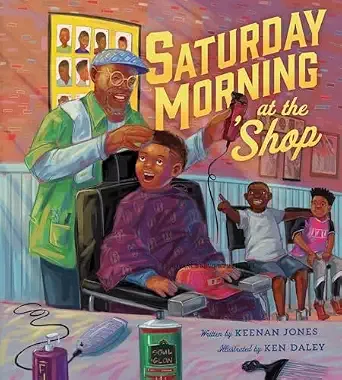 Saturday Morning at the ’ShopKeenan JonesFor the African American narrator of this lively story, the local barbershop is a one-stop shop of sorts where the community can relax together, especially on a Saturday morning. “The ’Shop is our sound booth. Barbers blast their favorite beats. Folks bob their heads to the rhythm.” The ’Shop is also their “gallery,” the walls hung with portraits of Black heroes. It’s a raucous “sports show” when there’s a game on TV. It’s a “comedy club” where people crack jokes, a “showroom” where people sell or pitch their wares, and a “classroom” where the kids learn not only “lessons about Black leaders” but also “the latest hip-hop buzz.” Of course, the ’Shop is also a “studio” where “hair is the canvas, clippers are the brush, creating walking pieces of art.” The love the narrator has for his community is palpable in this joyful celebration of a space that is much more than just a business.Picture BooksView book details
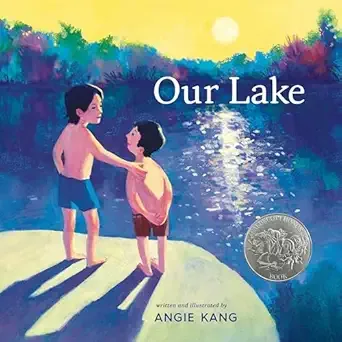 Our LakeAngie Kang, illustrated by Angie KangA visit to a special place is both a challenge and a comfort for two grieving brothers. The younger of the two, the narrator, follows his older sibling as they hike up a rocky path that ends on a bluff overlooking a serene, blue lake. The boy matches Brother’s motions as they warm up for their dive but hangs back when Brother approaches the edge. Brother leaps, “slip[ping] neatly into the lake.” From the water he calls words of encouragement, but the narrator’s “stomach is full of stones. How did I ever do this before?” Then, on “the inside of my eyelids, I see Father.” In his mind’s eye, Father soars gracefully into the lake. “Father’s laugh leaps through my bones, making them bird-light.” The joy of the memory remains when the boy opens his eyes, and as he dives smoothly toward the water, he glimpses something on the rippling surface—a reflection of himself, or is it Father?—with arms outstretched, ready to meet him. Brother cheers as the narrator surfaces. Words aren’t needed; the boys’ mutual emotions are understood as they share a hug. “Here, in our lake, we are all together.” Gorgeous gouache paintings in deep, calming blues and teals are offset by a sunny yellow that saturates the sky, especially in the narrator’s memories of his father, while polished writing imparts the tender emotions of the day with understated elegance.Picture BooksATOS 2.3AR interest Lower Grades (LG K-3)View book details
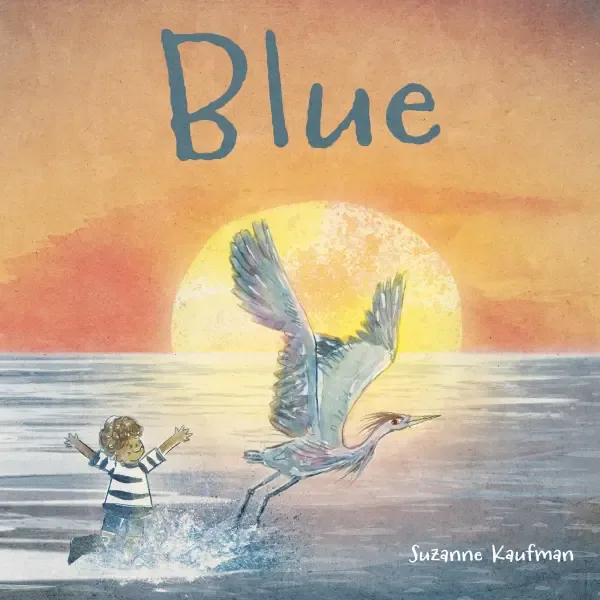 BlueSuzanne Kaufman, illustrated by Suzanne KaufmanA child and a blue heron spend a joyful day together. At sunrise, the child (brown-skinned) rushes excitedly to their bird friend, standing in the foamy water with one leg up, “echoing Blue’s stillness.” The two “shriek” and “splash” with abandon before enjoying lunch. “We are wild. We are free … chasing the afternoon sun.” The heron takes to the sky at sundown, but the child waits, watching the starry heavens in hope and anticipation until—yes! Blue returns! Carrying the child on its back, Blue takes off, rising over the water, soaring through the deep-blue night sky. When it grows too cold for comfort, the friends “softly glide” back to the child’s home, where they “say good night but not goodbye … to dream of meeting again.” The child’s love of blue herons is clear in their choice of bedroom décor and toys: a feathered costume hanging on the wall, a heron mobile, and a stuffed heron held to their chest as they sleep. Sparse, simple, lovely text and indigo-saturated illustrations leave the reality of the story up to interpretation. Is it real? Wishful thinking? A dream? Whether real or imagined, the child’s love of the majestic creature is magical.Picture BooksView book details
 Home Is a HeartbeatLaekan Zea KempA child finds comfort and safety in her “special place” in a bustling home. In the narrator’s multigenerational, multifamily Latine household, it can get crowded and uncomfortable. That’s why Abuelo has his workshop, where he keeps his tools; and Abuela has the kitchen, where her beloved radio plays next to her herb garden. María and Treicy, the girl’s cousins, prefer to play in the bedroom they share with their mom. Tía Imelda has the living room, where she watches telenovelas, and Mami’s special place is an armchair by the window, where she loves to read. Built by the girl’s bisabuela, the family home is decorated with photos of ancestors, many of whom once lived there as well. When the narrator climbs into the bed she shares with her mami, she feels as though she can hear “the house’s heartbeat,” the particular combination of sounds made by her family—both those living now, and “all the people who have lived and loved in this house.” She snuggles up with Mami, hearing Mami’s heartbeat. “That’s my special place.” This cozy, warm narrative celebrates the love and memories contained in a physical space.Picture BooksView book details
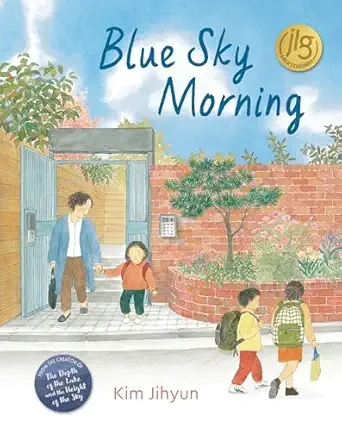 Blue Sky MorningJihyun Kim, Polly Lawson“Wake up, Eunny! It’s a beautiful, blue sky morning.” A quiet, second-person narrative gently encourages small moments of mindfulness during a Korean girl’s weekday morning routine. As Eunny sits up in bed, white morning light streams into her bedroom, while outside, the street bustles with pedestrians and cyclists. After breakfast made by Grandma, Eunny and Mama step out into the world. “It’s bright when you step outside, and the air feels cool and fresh. Take a deep breath. / Have you noticed the flowers?” Eunny, who is “not in a hurry today,” takes a moment to gaze at the wide blue sky, and later at the leaves beginning to change color. Eunny and Mama talk about the day ahead before parting at Mama’s bus stop; around the corner, Sohee meets Eunny near their school. “The blue sky is making her happy too.” The girls head toward the school gates together, and the story concludes with an illustration of Eunny gazing happily out of her classroom window, and an echo of the opening sentence. “What a beautiful, blue sky morning.” Soft, clean watercolor illustrations capture the tranquility of Eunny’s home and neighborhood streets on a lovely morning.Picture BooksView book details
 Diggers, Dozers & Dumpers: Small Stories About Big MachinesOle KönneckeFourteen microstories starring anthropomorphic animals introduce readers to various types of construction and farming vehicles. Amanda Crocodile, for example, is fed up with having to ride her bike to work along a bumpy dirt track. “Want to learn some swear words? Try biking to work with Amanda sometime! / One day, Amanda has had enough. She gets herself a bulldozer.” There’s also Roberta Elephant, who lets the children at the park use the bucket of her dumper like a slide. (“This is probably not strictly allowed. But why spoil everyone’s fun?”) And then there’s Hedda Hen, who finds herself in a mowing competition with a neighbor, the two of them buying increasingly larger lawn mowers until “Hedda starts up her combine harvester, and that’s the end of that.” Accompanying each fictional situation are italicized tidbits of information about how the machinery works, or how it can be used. Cheeky animals, slightly subversive humor, and a clean design with color-tabbed pages labeling the machines make this volume as appealing as it is informative.Picture BooksView book details
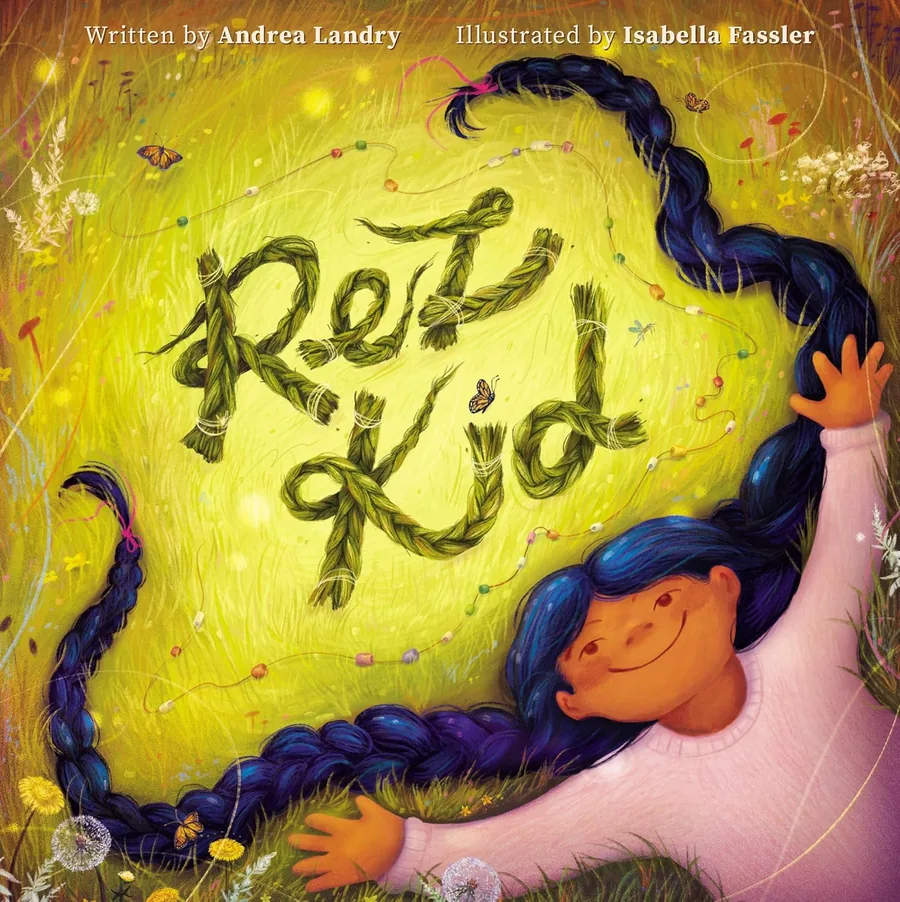 Rez KidAndrea LandryReferred to as the “Rez Kid” by the kids on her school bus, a Native girl wishes her classmates knew how wonderful life on her reservation is. Her family members give her various suggestions, each celebrating cultural values, but the girl wants to come up with something on her own. Pencil, crayon, and digital illustrations accentuate the girl’s familial relationships, pride in the land, and activities like beadwork and medicine gathering. Ultimately, the girl determines that the best way to showcase reservation life is to invite her classmates to visit. While perhaps unrealistic that the entire group would come together, the solution is grounded in the Native child’s generosity and commitment to her community. An introductory Author’s Note provides perspective on reservations, often referred to as “the rez” by Indigenous peoples in the United States and Canada.Picture BooksView book details
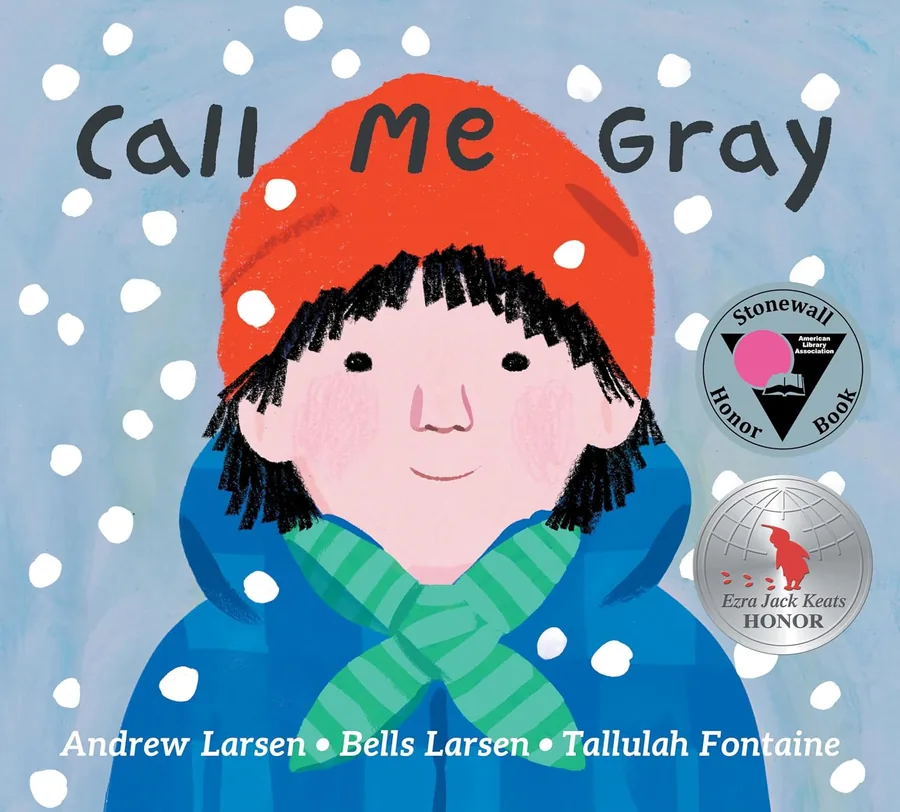 Call Me GrayAndrew LarsenEvery year the young narrator (white) of this story looks forward to building an ice rink in the backyard with their dad. “It’s a tradition. Something we do together. Something that never changes.” The work of staking out the space and shoveling the snow offers the narrator a chance to broach a topic that’s been on their mind. Their best friend is having a girls-only party, and they weren’t invited. “But there’s something more.” The narrator asks if their dad has ever felt “mixed up” about who he is or who he wanted to be. Their dad’s answer—that he used to want to be an astronaut—isn’t what the narrator means. “I look like a boy but sometimes I feel more like a girl.” After a moment, their dad takes their hands and responds kindly. “I didn’t know you felt that way … I’m glad you told me.” Later, as the pair floods the freshly packed snow to form the icy surface of the rink, the narrator takes another leap of faith and tells their dad they’d like to be called Gray. It takes a couple of reminders, but by the end of their first skate on their newly frozen rink, Gray’s dad is calling Gray by their chosen name. “It feels warm. It feels right.” This affirming, heartwarming story showcases the courage and trust of a child whose parent gives them space to explore their gender without question.Picture BooksView book details
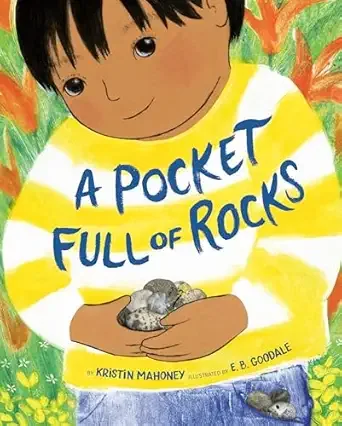 A Pocket Full of RocksKristin Mahoney“You can do a lot with a pocket full of rocks.” There are repetition and constancy but also variation and surprise in this picture book as the young narrator (brown-skinned) collects rocks in winter, flower petals in spring, shells at the beach in summer, and acorns in fall. “Your mom will say the rocks are making your coat dirty. Your dad will ask where you’re going to put your other mitten. Your sister will tell you they are just ordinary rocks. But you know they are not ordinary.” Not only do their mom, dad, and sister have something to say about their choices, the child has ideas for what to do with each collected item. These vary but always include a way it can be used by the “fairies in the fairy ring.” The child also notes how each collection feels in their pocket: The rocks are “solid and cool,” the petals “mysterious and quiet and soft,” and the shells “familiar and strange” in a story with marvelous descriptive language and a warm, inviting tone. The narrative’s quiet yet playful sensibility is reflected in mixed-media illustrations showing appealing scenes of the child’s relationship to nature, family life, and imaginative play.Picture BooksView book details
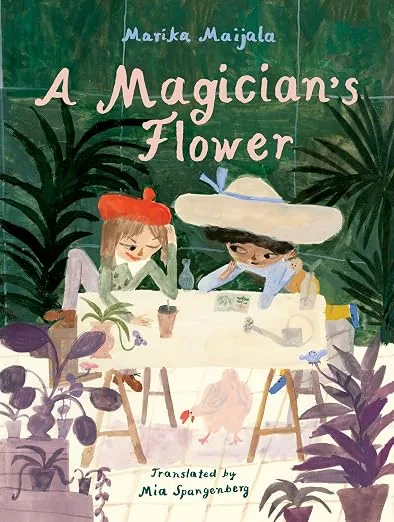 A Magician’s FlowerMarika MaijalaThis translated picture book features delicate watercolor illustrations that match its whimsical tone. Tending to her greenhouse garden, brown-skinned Willow’s assistant, a chicken named Eulalia (Leghorn), finds a small, new plant growing in a pot. Willow doesn’t know what kind of plant it is, nor does her friend Aspen (white), a poet who rides over on their bicycle. They decide to name the plant “Raisin” after the heroine in Aspen’s poems. The tiny plant is barely growing, so the children take it in a bicycle basket to the seashore for some air. Eulalia and Raisin get temporarily lost when their basket finds its way onto a boat, but the drama is short-lived, much like the excitement when Willow’s ice cream cone falls on the ground and is immediately eaten by a dog. Back at home, Willow finds that Raisin has blossomed into a small yellow flower after a night under the moon. At the same time, Aspen discovers a rare plant that looks just like Raisin in a book called A Magician’s Flower. This quirky and imaginative tale is peppered with vivid phrasing: “The gulls whooshed overhead like white arrows” and “It started raining. It sounded like a hundred mice were dancing on the roof.” A potential model text for classroom writing, this picture book is also simply a languid escape from reality.Picture BooksView book details
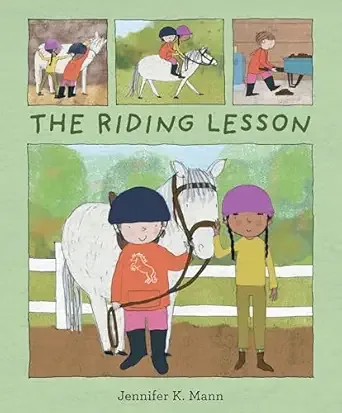 The Riding LessonJennifer K MannWearing a bike helmet and rain boots, horse enthusiast Frances (white) arrives for her first riding lesson at her friend Mae’s house with a handful of carrots and high expectations. Right away, the experience is not as she expected. The barn stinks, and Mae’s mom is using a big fork to pick up poop! Snowball, the horse she’ll be riding, is not tall and majestic but small, round, and docile—though she does have alarmingly big teeth. Before Frances rides, there are chores to do: brushing Snowball’s coat, scraping the dirt from her hooves, and fitting her with a saddle, halter, and complicated bridle. When it’s finally time to ride, Frances struggles to mount, and then Snowball steps on her foot! Maybe she doesn’t want to ride anymore. But Mae (brown-skinned) is understanding and patient. She invites Frances to ride double around the orchard with her. It’s relaxing, and soon Frances feels brave enough to try again—and she does it! She rides a horse all by herself. She even feels comfortable enough to scoop a little poop before the day is done. This lengthy picture book is formatted mostly in panels, with plenty of speech-bubble dialogue and oodles of horse-care detail. The disappointment of reality not quite meeting one’s expectations is very relatable. Frances is an endearing character who just needs a moment to get her bearings and gain a little confidence before tackling the challenges of the day with open-mindedness.Picture BooksView book details
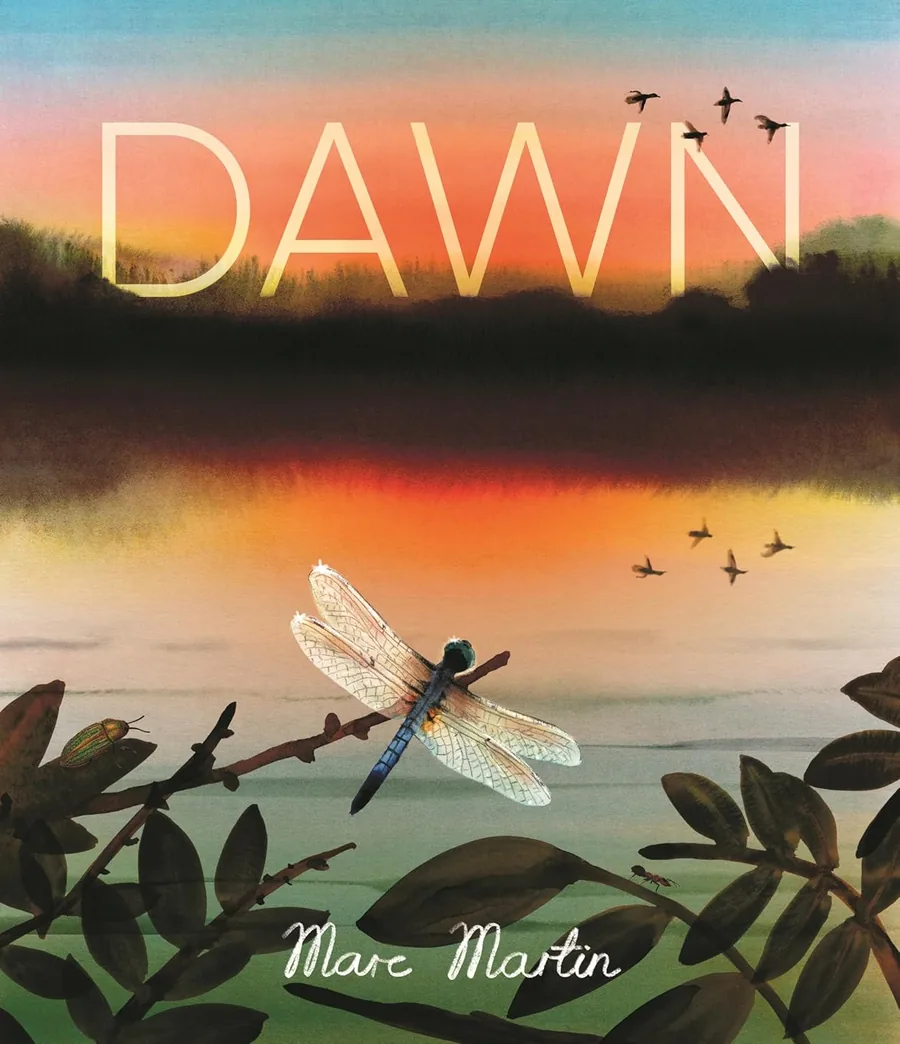 DawnMarc Martin, illustrated by Marc MartinThis visually and textually stunning book depicts the arrival of dawn’s light in a host of quiet and profound moments. Watercolor, pencil, and digital collage illustrations handsomely framed against white backdrops portray intimate vignettes from nature. Carefully chosen words flow from one panel to the next, illuminating the arrival of the day with beauty, humor, and judicious alliteration and onomatopoeia. For instance, a quartet of panels chronicles a ladybug’s ascent of a single blade of grass brimming with dew: “climb, quench, drip, drop.” A single songbird, a canopy of birds, and an emerging arrow of geese are captioned with “call, chorus, flock, formation.” Arresting and quiet, this uncomplicated picture book offers literary meditation.Picture BooksView book details
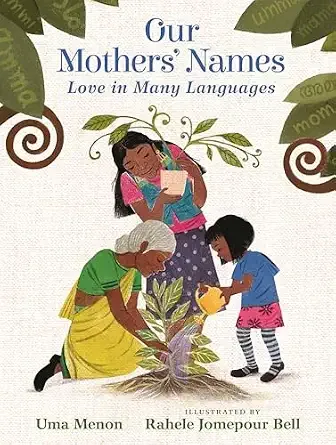 Our Mothers’ Names: Love in Many LanguagesUma MenonAn Indian American girl whose family speaks Malayalam at home explains that she calls her mother Amma, the Malayalam word for “mother.” Some of her classmates and friends have different words for “mother” or “mom” or “mommy,” from their own family languages. Angelina, whose family is from Mexico City, calls her mom “Mamá.” Her friend Thea’s mother, who is Greek, is called “Mána.” Aliya calls her mom “Ommi,” which is Arabic, while the narrator’s Japanese pen pal uses “Okaasan.” The story shares the word for “mother” in these and other languages in an open-hearted, friendly, yet matter-of-fact way. “The world is filled with thousands of languages and many ways to say mother. But no matter how many different names people have for mothers one thing is for sure: My mother will always be my Amma!” The vibrant mixed-media illustrations have a joyful feel as they showcase the young narrator’s family and many different moms and children.Picture BooksView book details