
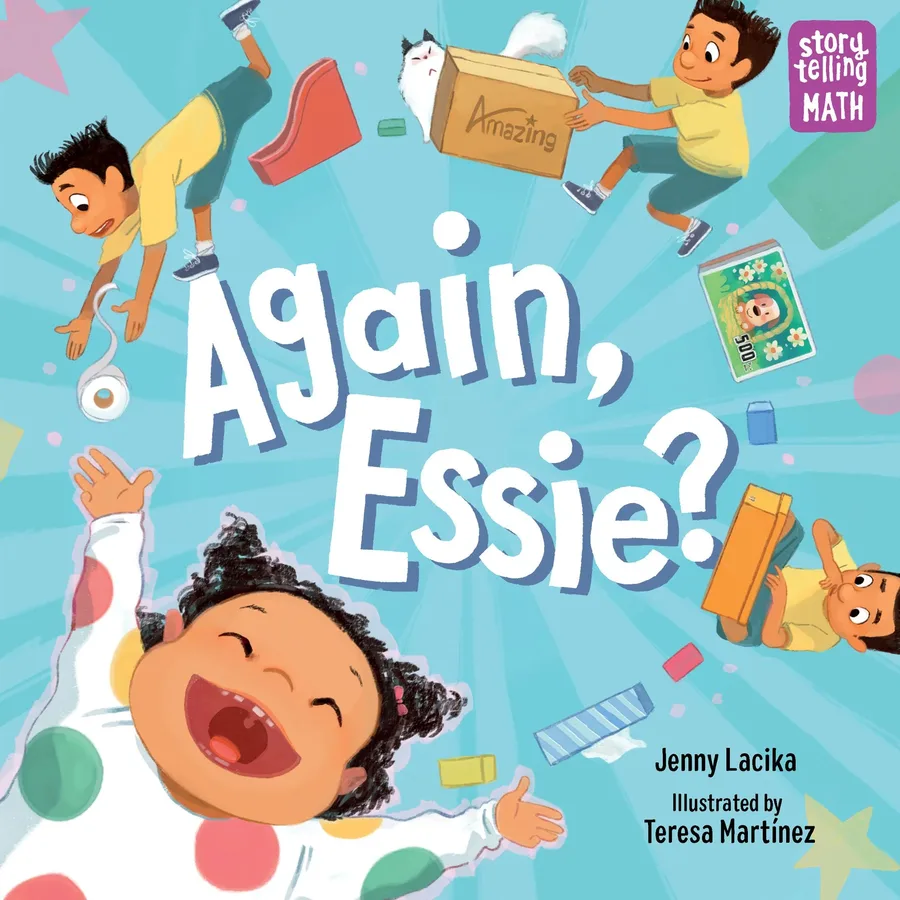
 Mathical Prize WinnerAgain, Essie?Jenny Lacika, illustrated by Teresa MartínezRafael wants to keep his toys away from his little sister, Essie. Using materials gathered around the house, he builds a wall meant to keep her out. The construction is described as tall and wide, and the story asks whether Rafael’s wall will work when Essie may have plans of her own. It centers on the siblings’ conflict over the toys and the barrier he makes.Pre-KindergartenLexile Text Measure AD490LATOS Book Level 3.3View book details
Mathical Book Prize 2023
The 2023 edition includes 13 Mathical Honor Books and 4 Mathical Prize Winners. The source organizes the selections into Pre-Kindergarten, Grades K through 2, Grades 3 through 5, Grades 6 through 8, and Grades 9 through 12. It records that year's Mathical Prize, Honor, and Hall of Fame results across the program's grade groups.
2023 Mathical Book Prize Winners and Honor BooksSee the original list
Selections17
Published byMathical Book Prize
Sections5 sections
Browse sections5 sections
Pre-Kindergarten
3 selections
Mathical Prize WinnerAgain, Essie?Jenny Lacika, illustrated by Teresa MartínezRafael wants to keep his toys away from his little sister, Essie. Using materials gathered around the house, he builds a wall meant to keep her out. The construction is described as tall and wide, and the story asks whether Rafael’s wall will work when Essie may have plans of her own. It centers on the siblings’ conflict over the toys and the barrier he makes.Pre-KindergartenLexile Text Measure AD490LATOS Book Level 3.3View book details Mathical Honor BookNumbers EverywhereLinda Leopold Strauss, illustrated by Sara InfanteRhyming poems introduce the numerals from zero through nine. Colorful mixed-media scenes hide numeral shapes for readers to spot, while dotted outlines show how the shapes can be traced. The book uses a seek-and-find format, and a final spread lets readers check what they found. Its poems and visual puzzles make numbers part of each page’s activity.Pre-KindergartenView book details
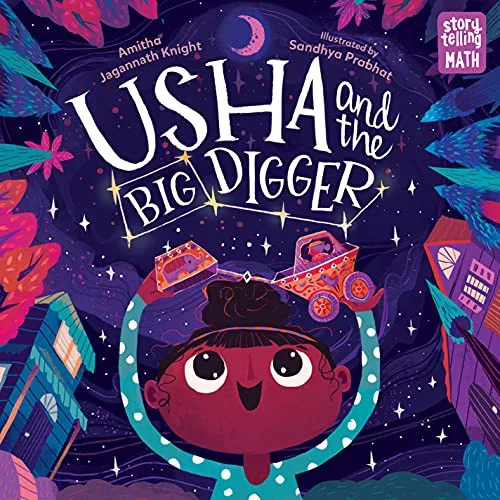 Mathical Honor BookUsha and the Big DiggerAmitha Jagannath Knight, illustrated by Sandhya PrabhatUsha, her sister Aarti, and their cousin Gloria look at the stars but identify different shapes there. Aarti sees the Big Dipper, while Usha calls it the Big Digger and Gloria sees a Big Kite. The story asks whether these different interpretations can all be right. It introduces geometry and spatial relationships through the children’s views of constellations, and includes a note about constellations in different cultures.Pre-KindergartenLexile Text Measure AD360LATOS Book Level 2.6View book details
Grades K–2
4 selections
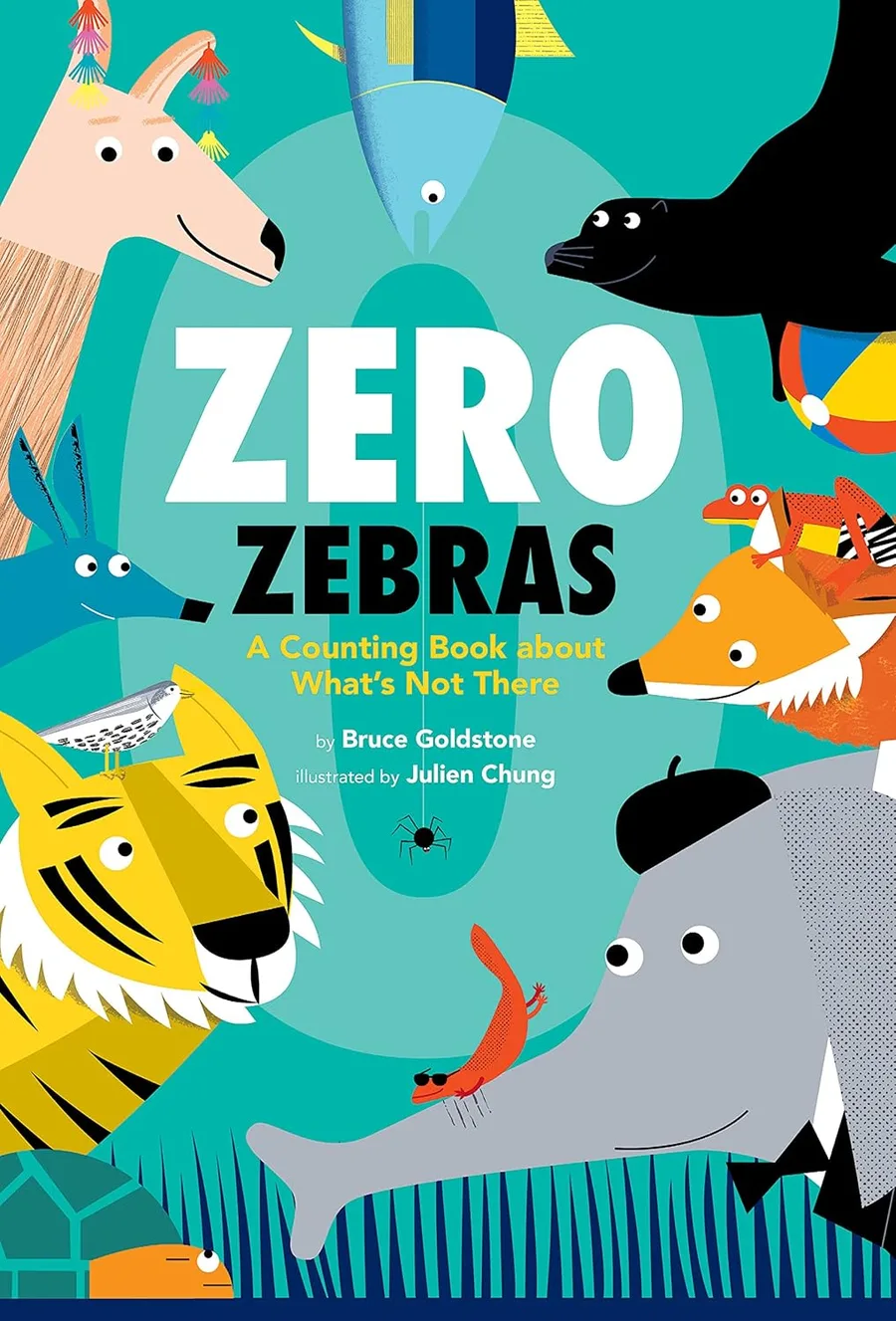 Mathical Prize WinnerZero Zebras: A Counting Book about What’s Not ThereBruce Goldstone, illustrated by Julien ChungThis animal-counting book asks whether something absent can be counted, including the number zero. Its safari moves through animals such as a wallaby, tuna, thrushes, and frogs, while zebras remain absent. The book contrasts what appears on the page with what does not, using hidden numerals within the illustrated scenes. As the animal groups change, the central question remains: how can counting account for zero zebras?Grades K–2View book details
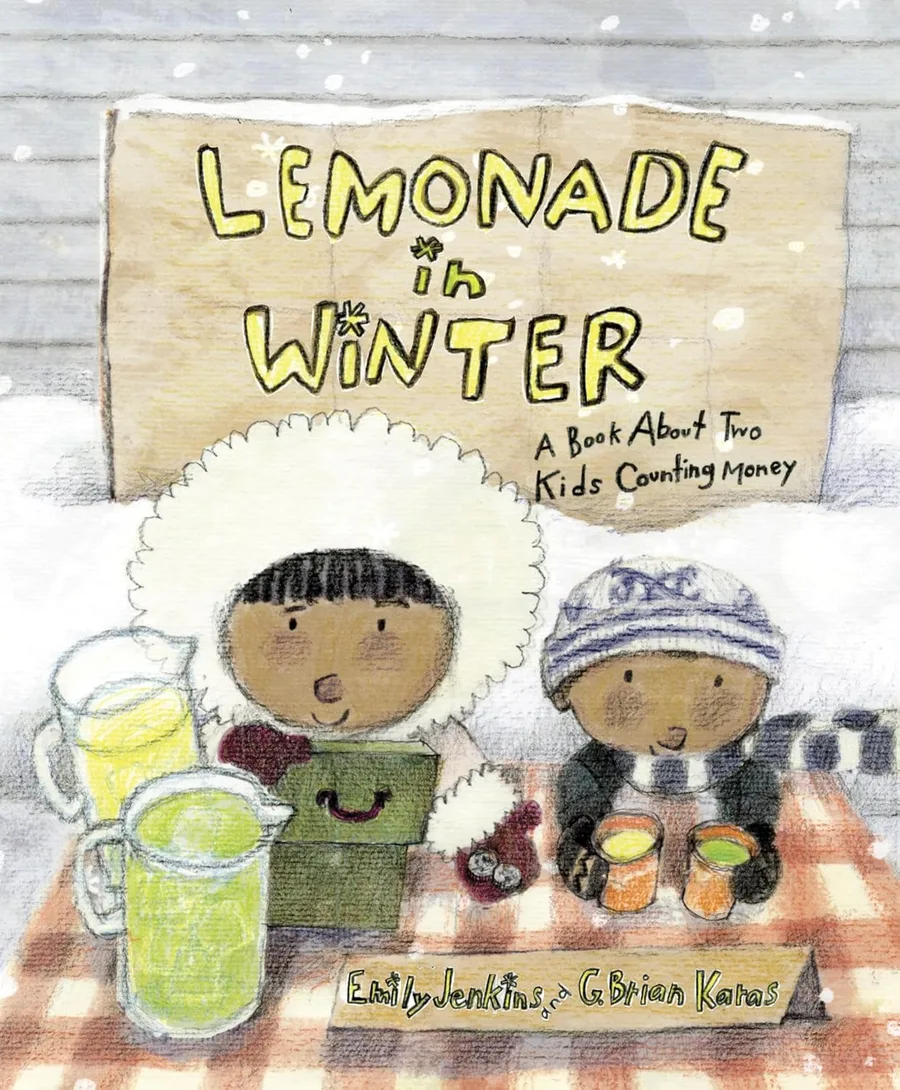 Mathical Honor BookLemonade in Winter: A Book About Two Kids Counting MoneyEmily Jenkins, illustrated by G. Brian KarasPauline and John-John decide to run a lemonade stand during winter. They offer lemonade, limeade, and lemon-limeade, and the story includes simple math as they conduct their stand. A repeated chant about lemons and limeade accompanies their plan. Centered on two children selling drinks in cold weather, the book combines their unusual seasonal business with counting money and other math concepts.Grades K–2View book details
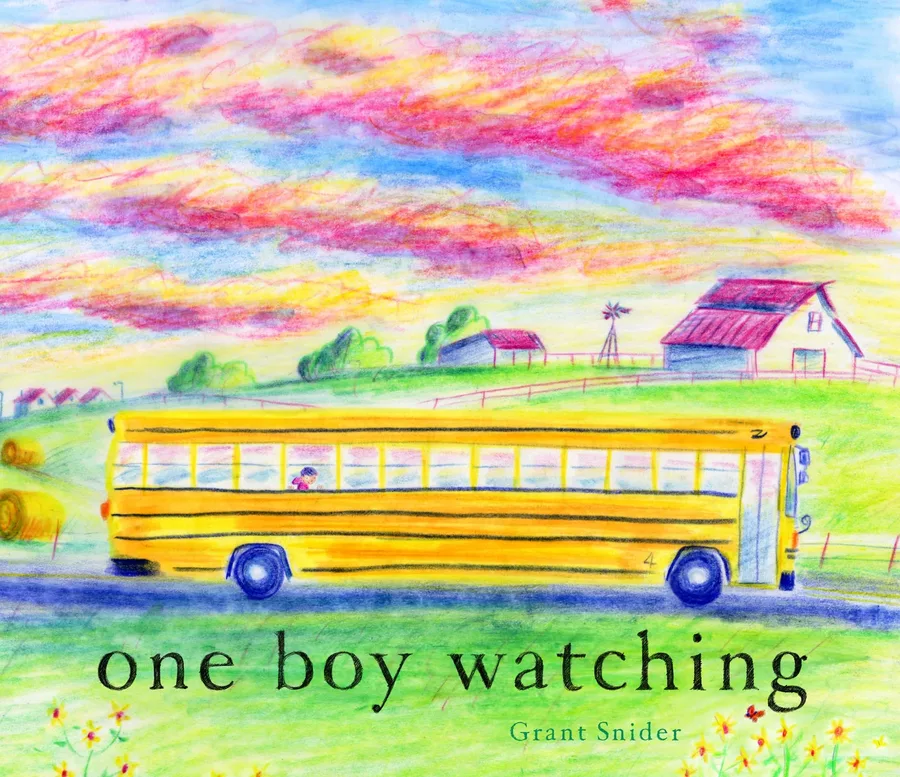 Mathical Honor BookOne Boy WatchingGrant Snider, illustrated by Grant SniderOne Boy Watching follows a rural boy’s long school-bus ride. As the first student on the route, he waits for Bus Number Four, then watches trees, deer, cars, sunflowers, and the wide sky through the window. Numerical descriptions shape his observations as other children board, until forty-eight students arrive at school. Later, the riders return to the bus for the trip home, completing the boy’s daily journey through country roads and city streets.Grades K–2Lexile Text Measure AD390LATOS Book Level 1.3View book details
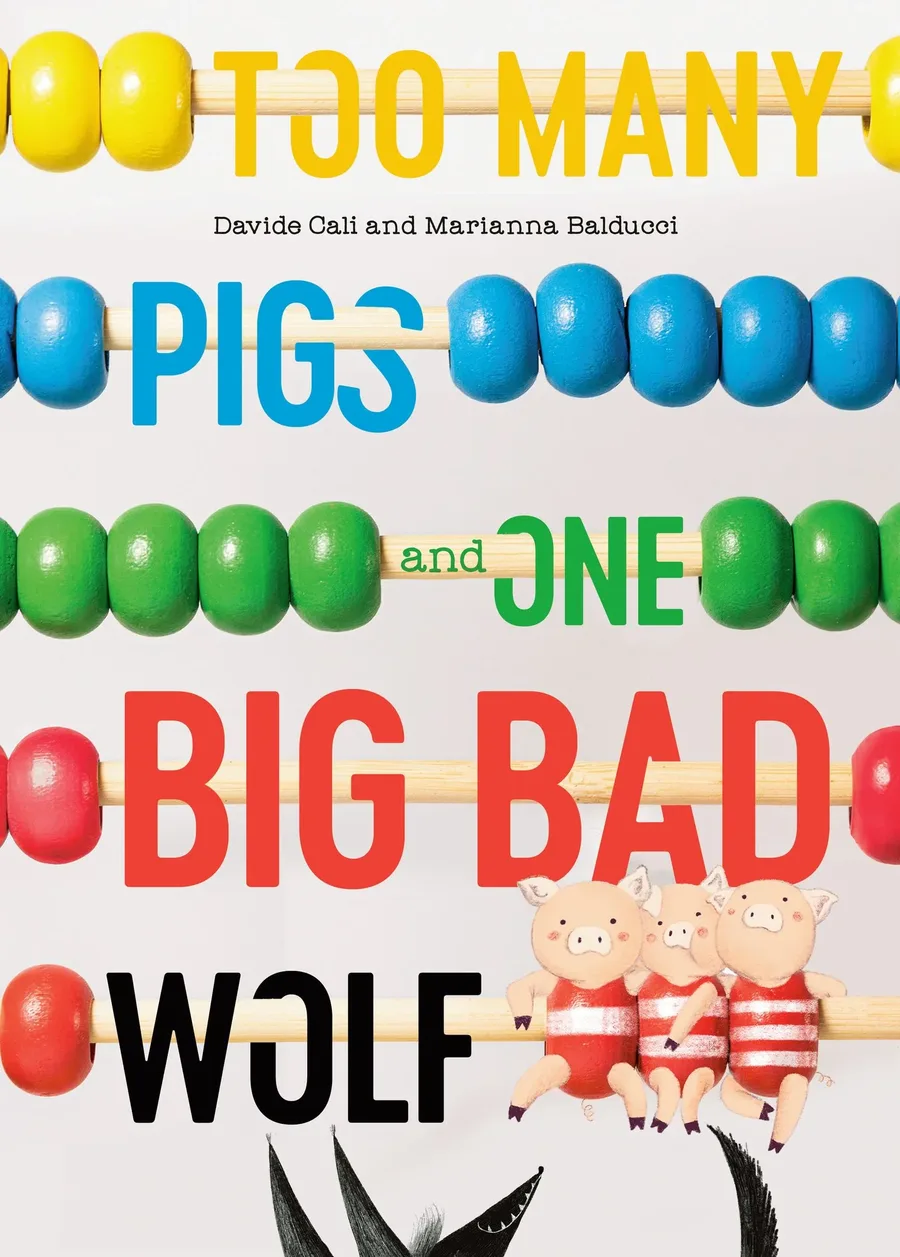 Mathical Honor BookToo Many Pigs and One Big Bad WolfDavide CaliA Big Bad Wolf wants to rush through a version of The Three Little Pigs in order to eat the pigs. An unseen reader refuses to let the tale end so quickly and keeps adding pigs, demanding a longer and more inventive story. The resulting back-and-forth turns the familiar folktale setup into a counting story, with the wolf and reader pulling the narrative in different directions.Grades K–2Lexile Text Measure AD500LATOS Book Level 3.3View book details
Grades 3–5
5 selections
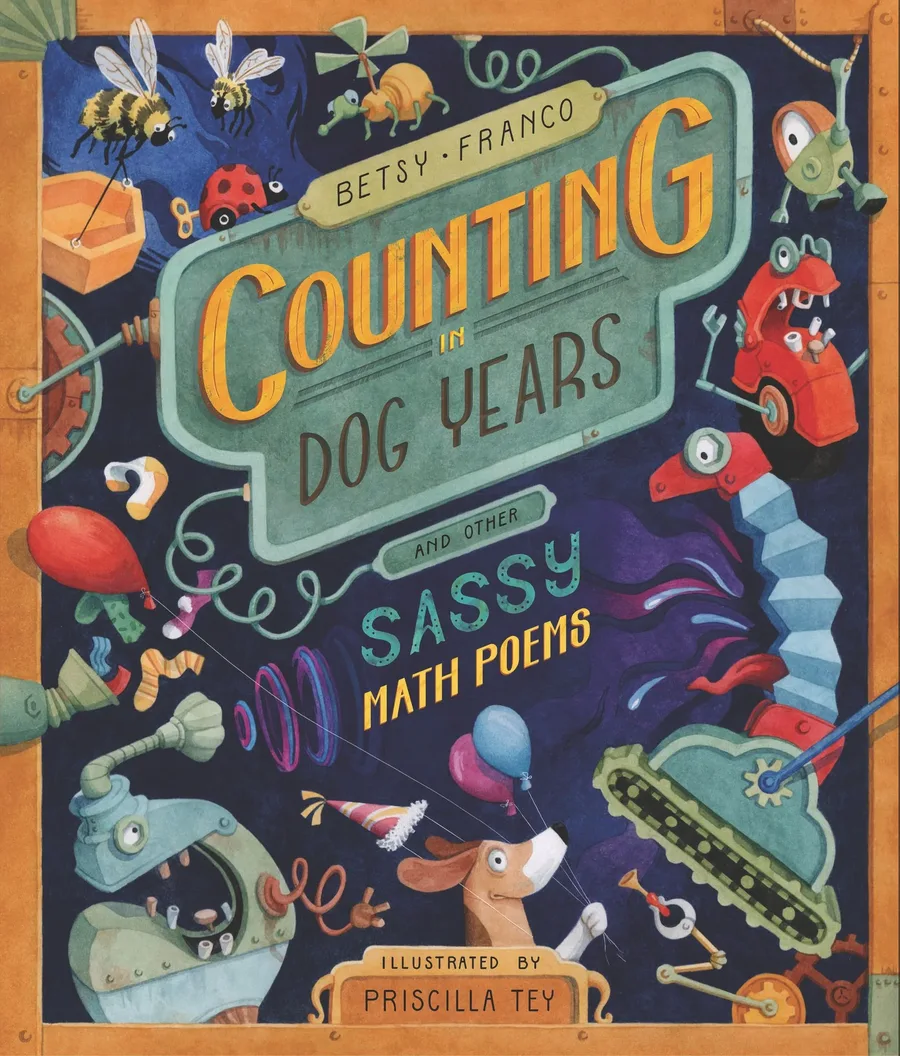 Mathical Prize WinnerCounting in Dog Years and Other Sassy Math PoemsBetsy FrancoThis collection brings together twenty-nine math poems illustrated by Priscilla Tey. Its verses weave geometry, arithmetic, and puzzles into poetic stanzas. Gouache artwork accompanies the poems, while imaginative illustrations and number-centered verse shape the collection. Mathematical ideas appear through poetry and visual art rather than a continuous narrative. The poems have a playful tone and are illustrated in colorful, imaginative gouache.Grades 3–5View book details
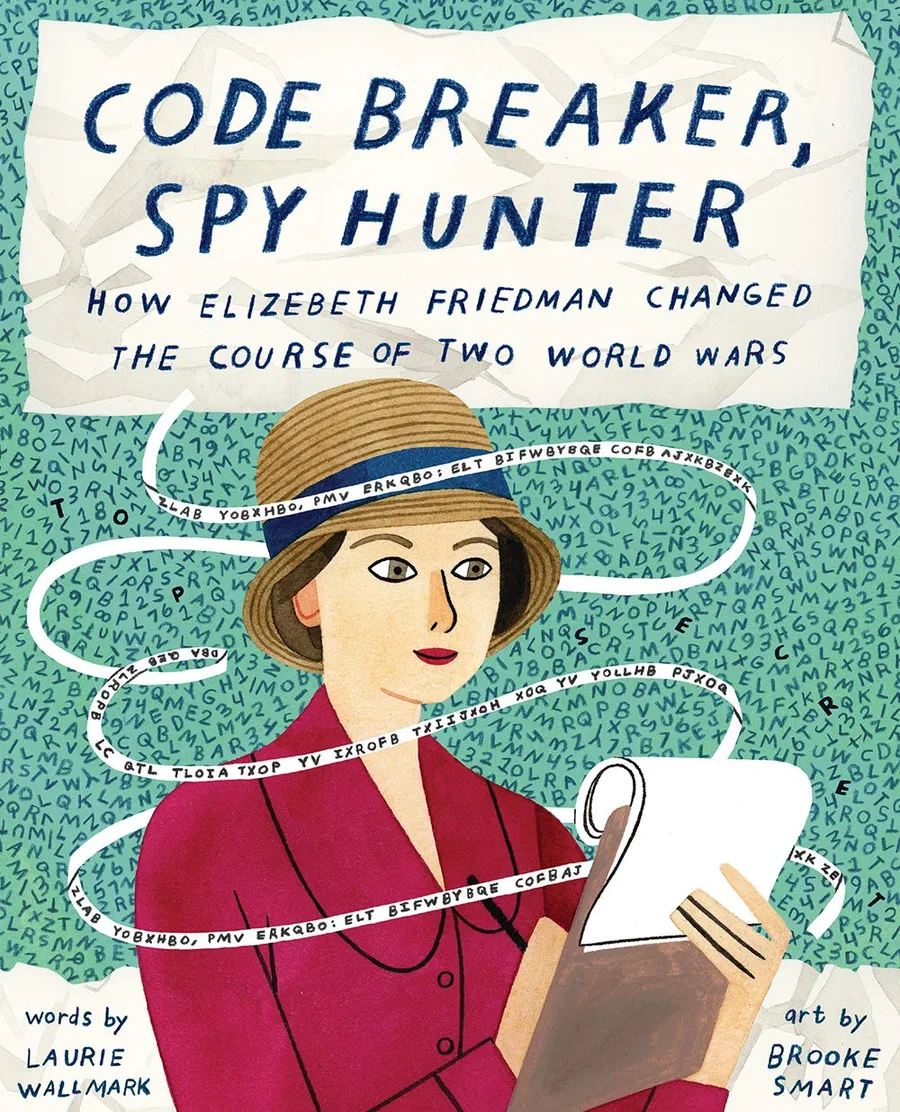 Mathical Honor BookCode Breaker, Spy Hunter: How Elizebeth Friedman Changed the Course of Two World WarsLaurie Wallmark, illustrated by Brooke SmartThis biography recounts Elizebeth Friedman's work in early United States cryptology. Using paper and pencil, she helped stop rumrunners and later investigated Nazi activities through counterespionage. Her role remained largely hidden until her secret papers were declassified in 2015. The book focuses on the code-breaking work that took place across the era of two world wars and on Friedman's part in it.Grades 3–5View book details
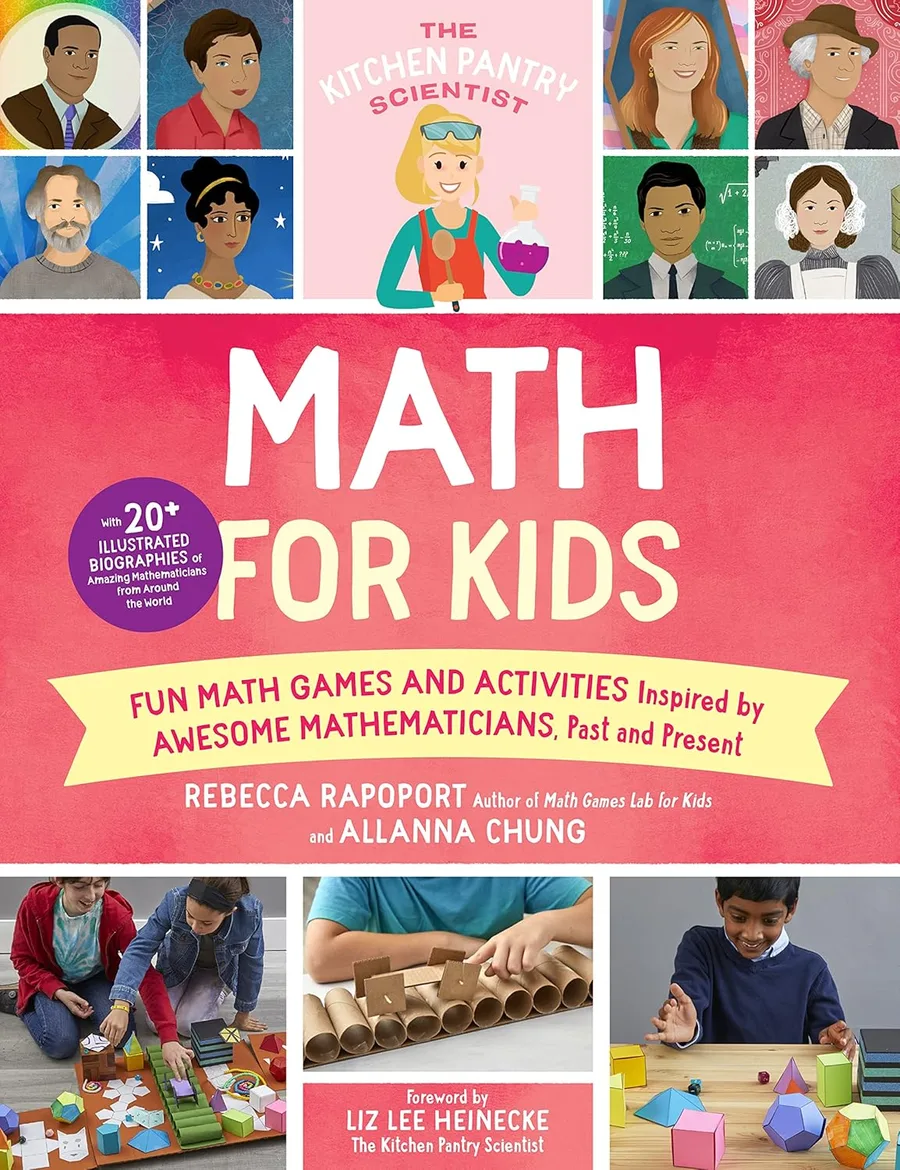 Mathical Honor BookThe Kitchen Pantry Scientist: Math for KidsRebecca Rapoport, J. A. YoderMath for Kids is the fourth Kitchen Pantry Scientist book. It uses biography and creative engagement to bring mathematics to life, taking its subject beyond counting. The book includes math games and activities inspired by mathematicians from the past and present, with more than twenty illustrated activities from around the world.Grades 3–5View book details
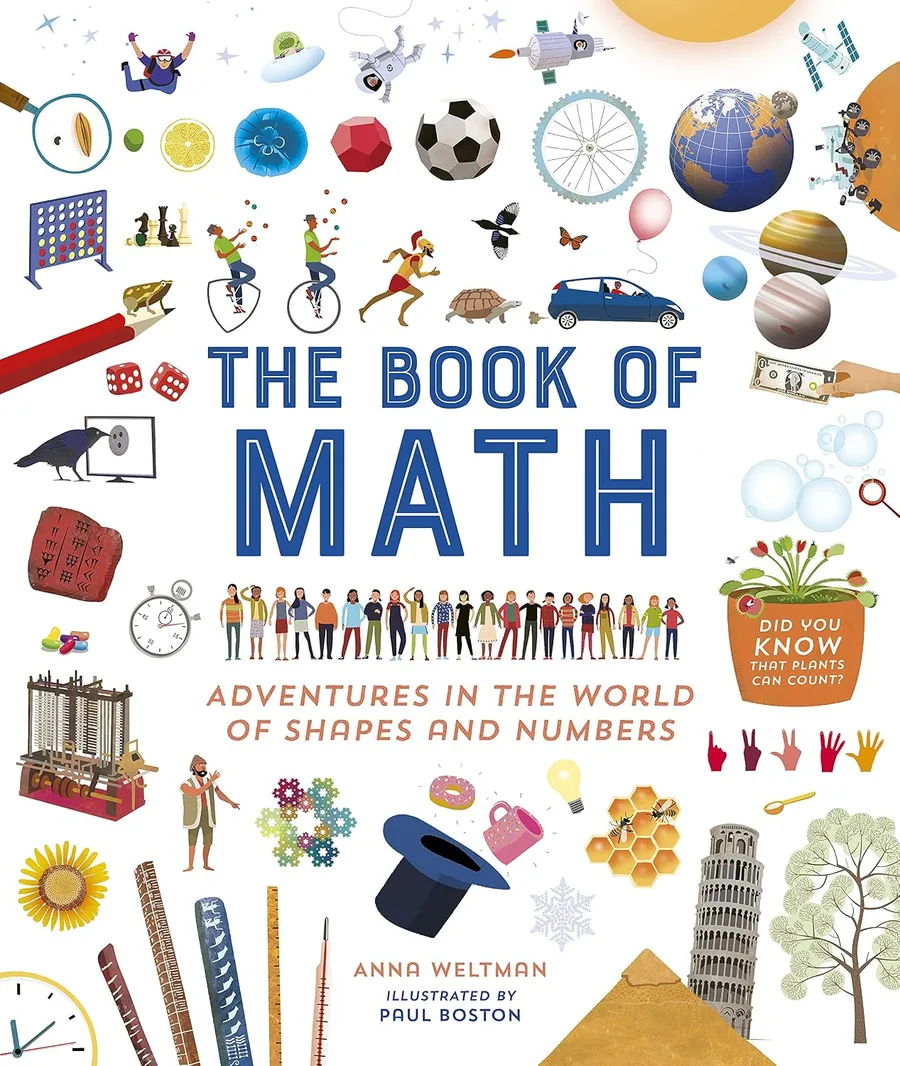 Mathical Honor BookThe Book of MathAnna Weltman, illustrated by Paul BostonAn illustrated exploration of math ranging across space, sports calculations, symmetry in nature, art, unusual facts, and number conundrums. It also asks whether cube-shaped planets might exist, what the ham sandwich theorem is, and how mathematics can help someone win games. The book gathers questions and topics that show mathematics appearing in natural patterns, games, artistic work, and outer space.Grades 3–5View book details
 Mathical Honor BookWomen in EngineeringMary Wissinger, illustrated by Danielle PioliA child’s questions and a knowledgeable narrator’s replies introduce how engineers tackle problems. The book presents women whose ideas have changed or linked the world, from ancient history through the present. Its examples reach across countries, time periods, and engineering fields. Danielle Pioli illustrated this Science Wide Open title, which also considers design, experimentation, observation, imagination, and creative approaches to solving problems.Grades 3–5Lexile Text Measure 780LView book details
Grades 6–8
4 selections
 Mathical Prize WinnerShine On, Luz Véliz!Rebecca BalcárcelEleven-year-old Luz Véliz is permanently sidelined from soccer after a serious injury. She struggles to reconnect with her father, who had been her coach, while tension between her parents adds to a difficult transition. Luz begins learning coding from a retired-engineer neighbor. Her life changes further when she learns that her father has a thirteen-year-old daughter in Guatemala, Solana, who will come to live with their family. Luz feels shocked and angry about the arrival of her half-sister.Grades 6–8View book details
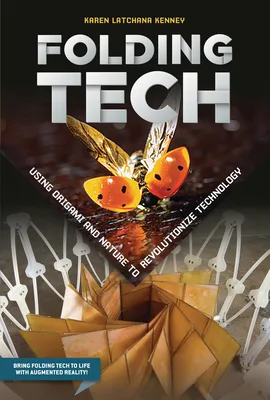 Mathical Honor BookFolding Tech: Using Origami and Nature to Revolutionize TechnologyKaren Latchana KenneyThis nonfiction book examines folding technologies in objects ranging from space probes and self-assembling robots to cars designed to absorb crashes. It explains how engineers draw ideas from origami and from natural forms, including ladybug wings and tree leaves that compact large surfaces into small spaces. The book also covers origami's history and considers how folding principles help address problems in architecture, technology, and medicine.Grades 6–8View book details
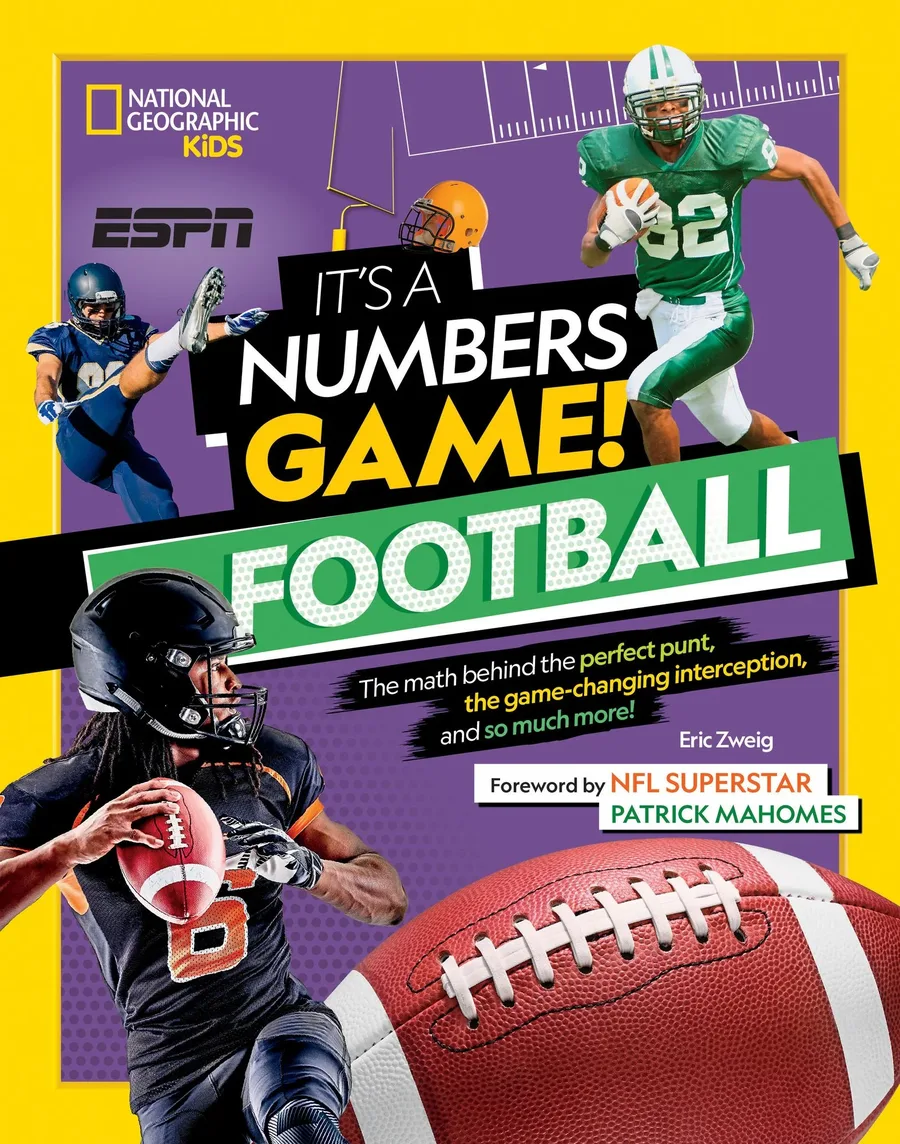 Mathical Honor BookIt’s A Numbers Game! FootballEric ZweigThis book explains the mathematics connected to football and surveys notable statistics and numerical history from college football, the CFL, and the NFL. It includes questions about calculating quarterback pass-completion percentage and about the highest-scoring game in football history. The focus stays on the figures that describe the sport, from individual performance calculations to records across different levels of play.Grades 6–8View book detailsMathical Honor BookThe Book of MathAnna Weltman, illustrated by Paul BostonAn illustrated exploration of math ranging across space, sports calculations, symmetry in nature, art, unusual facts, and number conundrums. It also asks whether cube-shaped planets might exist, what the ham sandwich theorem is, and how mathematics can help someone win games. The book gathers questions and topics that show mathematics appearing in natural patterns, games, artistic work, and outer space.Grades 6–8View book details
Grades 9–12
1 selection