
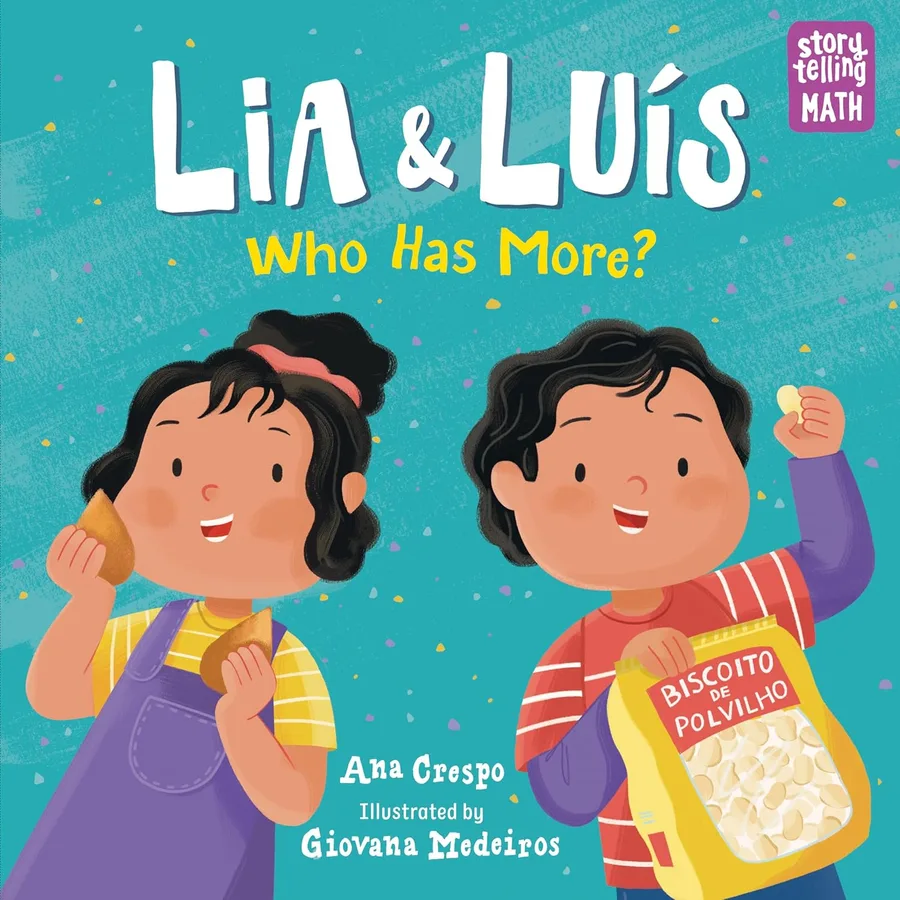
 Mathical Prize WinnerLia & Luís: Who Has More?Ana Crespo, illustrated by Giovana MedeirosLia and Luís are twins who disagree about which of them has more of their favorite snacks. Their argument calls on math as they try to decide the outcome. The siblings also consider sharing while working through the question, joining a food dispute with counting and a family negotiation. It stays focused on the twins’ question of who has more and how they can settle it.Pre-KindergartenView book details
Mathical Book Prize 2021
The 2021 edition includes 9 Mathical Honor Books and 5 Mathical Prize Winners. The source organizes the selections into Pre-Kindergarten, Grades K through 2, Grades 3 through 5, Grades 6 through 8, and Grades 9 through 12. It records that year's Mathical Prize, Honor, and Hall of Fame results across the program's grade groups.
2021 Mathical Book Prize Winners and Honor BooksSee the original list
Selections14
Published byMathical Book Prize
Sections5 sections
Browse sections5 sections
Pre-Kindergarten
2 selections
Mathical Prize WinnerLia & Luís: Who Has More?Ana Crespo, illustrated by Giovana MedeirosLia and Luís are twins who disagree about which of them has more of their favorite snacks. Their argument calls on math as they try to decide the outcome. The siblings also consider sharing while working through the question, joining a food dispute with counting and a family negotiation. It stays focused on the twins’ question of who has more and how they can settle it.Pre-KindergartenView book details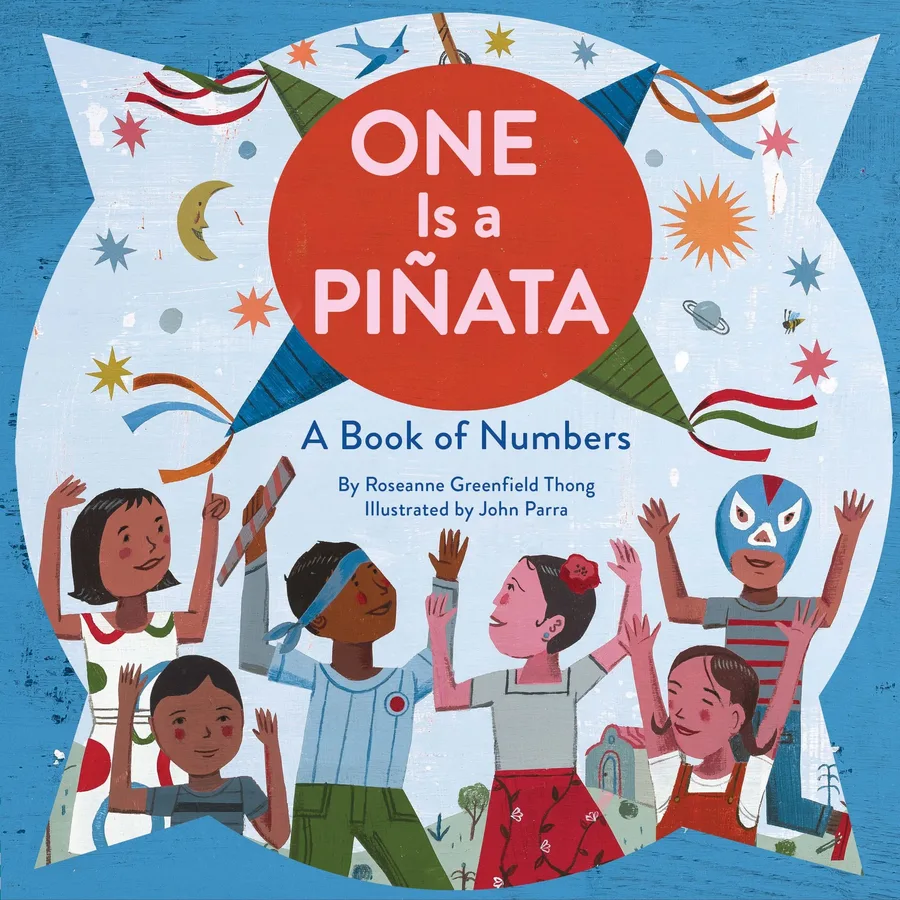 Mathical Honor BookOne is a Piñata: A Book of NumbersRoseanne Greenfield Thong, illustrated by John ParraA rhyming bilingual counting book moves through numbers in English and Spanish. Its examples include a rainbow and a piñata ready to break. Verses and illustrations highlight Mexican American culture while using celebratory images to count from one item to the next. The illustrations give each numbered example a colorful visual presence.Pre-KindergartenView book details
Grades K–2
4 selections
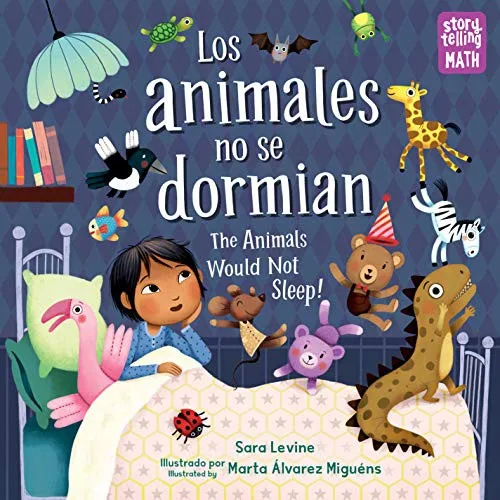 Mathical Prize WinnerThe Animals Would Not SleepSara Levine, illustrated by Marta Álvarez MiguénsIt is bedtime for Marco, but his stuffed animals refuse to stay where he puts them. Marco needs to sort the animals before he can settle down for the night. The story follows his effort to organize the toys as they resist his plans, joining a familiar bedtime situation with sorting. Marco’s stuffed-animal companions and their refusal to cooperate drive the book’s simple problem.Grades K–2Lexile Text Measure AD540LATOS Book Level 3.6View book details
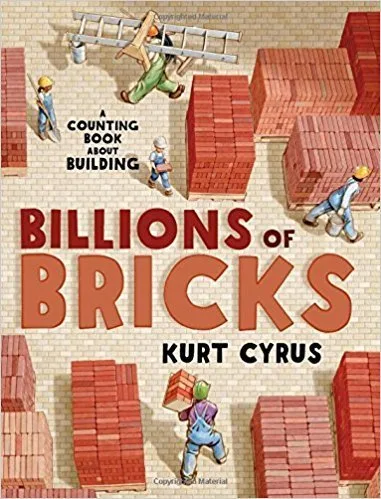 Mathical Honor BookBillions of Bricks: A Counting Book about BuildingKurt Cyrus, illustrated by Kurt CyrusBillions of Bricks follows a construction crew through a day of building with bricks. The story uses counting to frame the crew’s construction work, with rhyming text accompanying the activity. Tools, hard hats, bricks, and a workday on a building project provide the setting for this counting-focused construction adventure.Grades K–2View book details
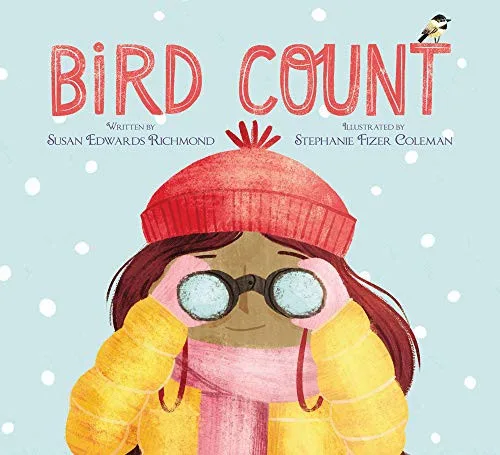 Mathical Honor BookBird CountSusan Edwards Richmond, illustrated by Stephanie Fizer ColemanA girl and her mother take part in the annual Christmas Bird Count with a team of community scientists. Asked to record the tally, the girl identifies and counts birds along their route using her eyes and ears. The group follows rules intended to avoid duplicate counts, and the teams' results are later combined. The book follows bird observation, careful counting, and collective fieldwork.Grades K–2Lexile Text Measure 550LATOS Book Level 3View book details
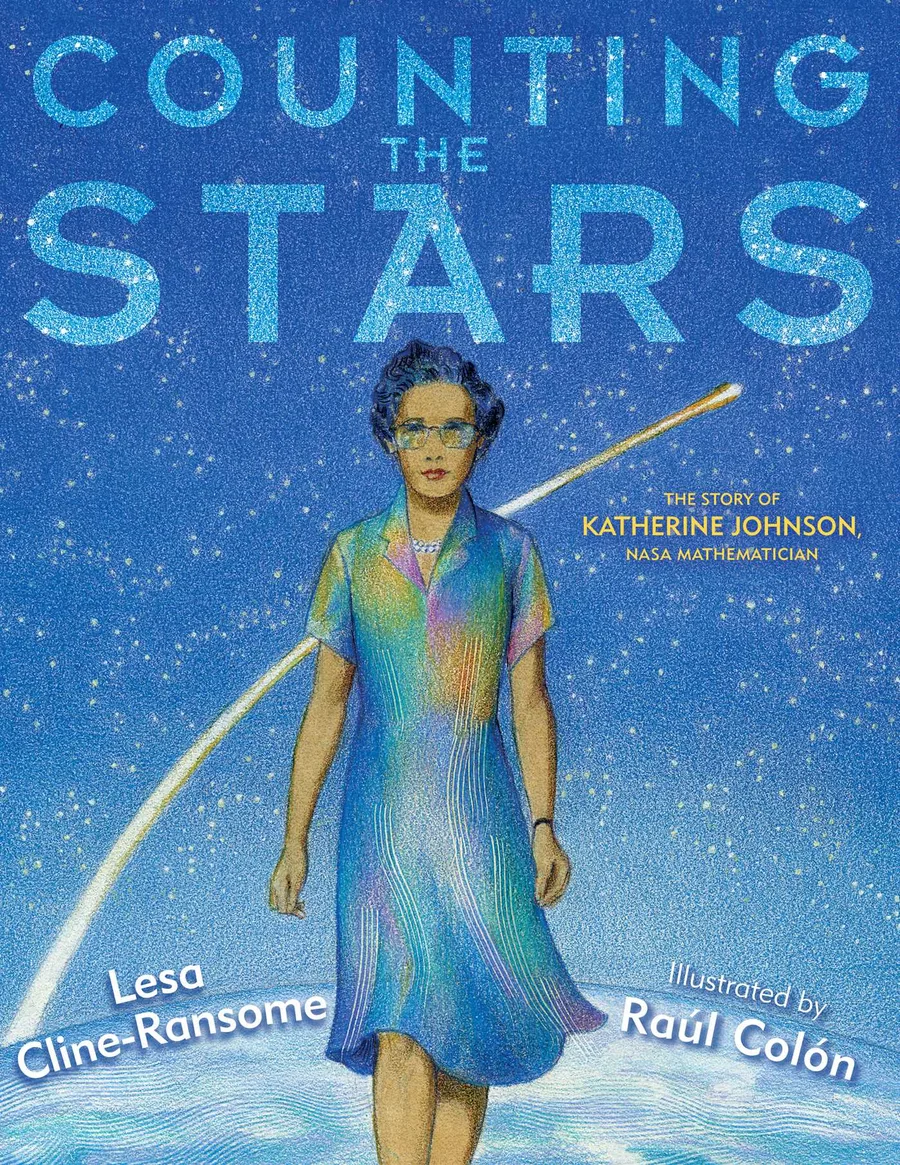 Mathical Honor BookCounting the Stars: The Story of Katherine Johnson, NASA MathematicianLesa Cline-Ransome, illustrated by Raúl ColónCounting the Stars tells the story of Katherine Johnson and the female mathematicians known as human computers. Before John Glenn orbited Earth and astronauts reached the moon, these women used pencils, adding machines, and paper to calculate the orbital mechanics required to launch spacecraft. The book traces Johnson’s early love of mathematics and her work supporting NASA missions, including calculations connected with mission safety.Grades K–2View book details
Grades 3–5
3 selections
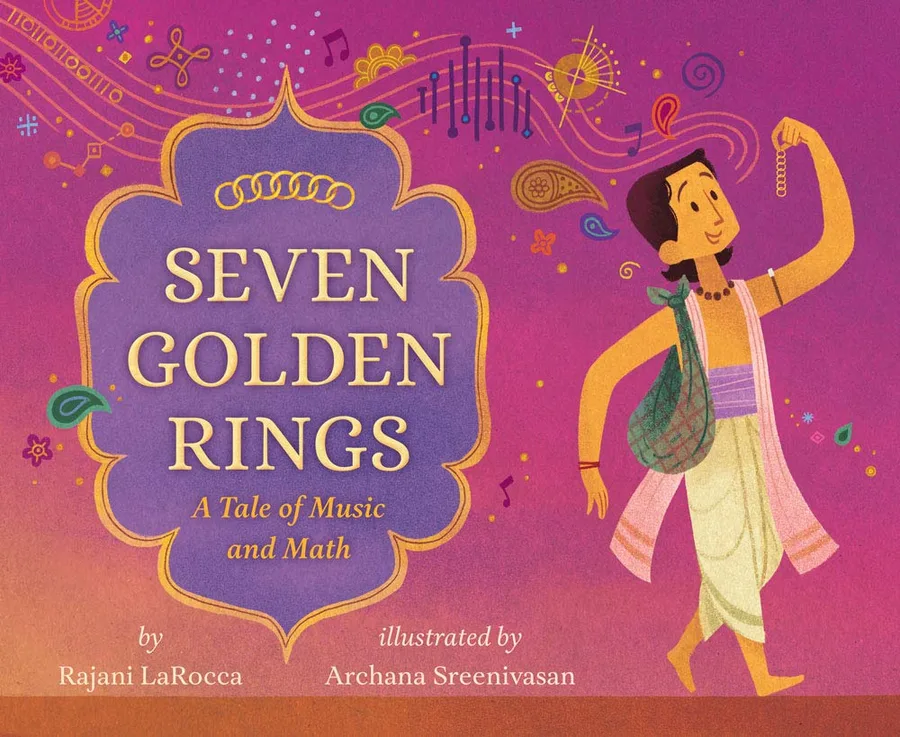 Mathical Prize WinnerSeven Golden Rings: A Tale of Music and MathRajani LaRocca, illustrated by Archana SreenivasanSet in ancient India, the story follows Bhagat, an Indian boy who travels to a rajah’s city seeking a singer’s position at court to help his family prosper. To gain that place, he must resolve a mathematical puzzle. Music and mathematics shape his attempt to secure an opportunity for his family.Grades 3–5View book details
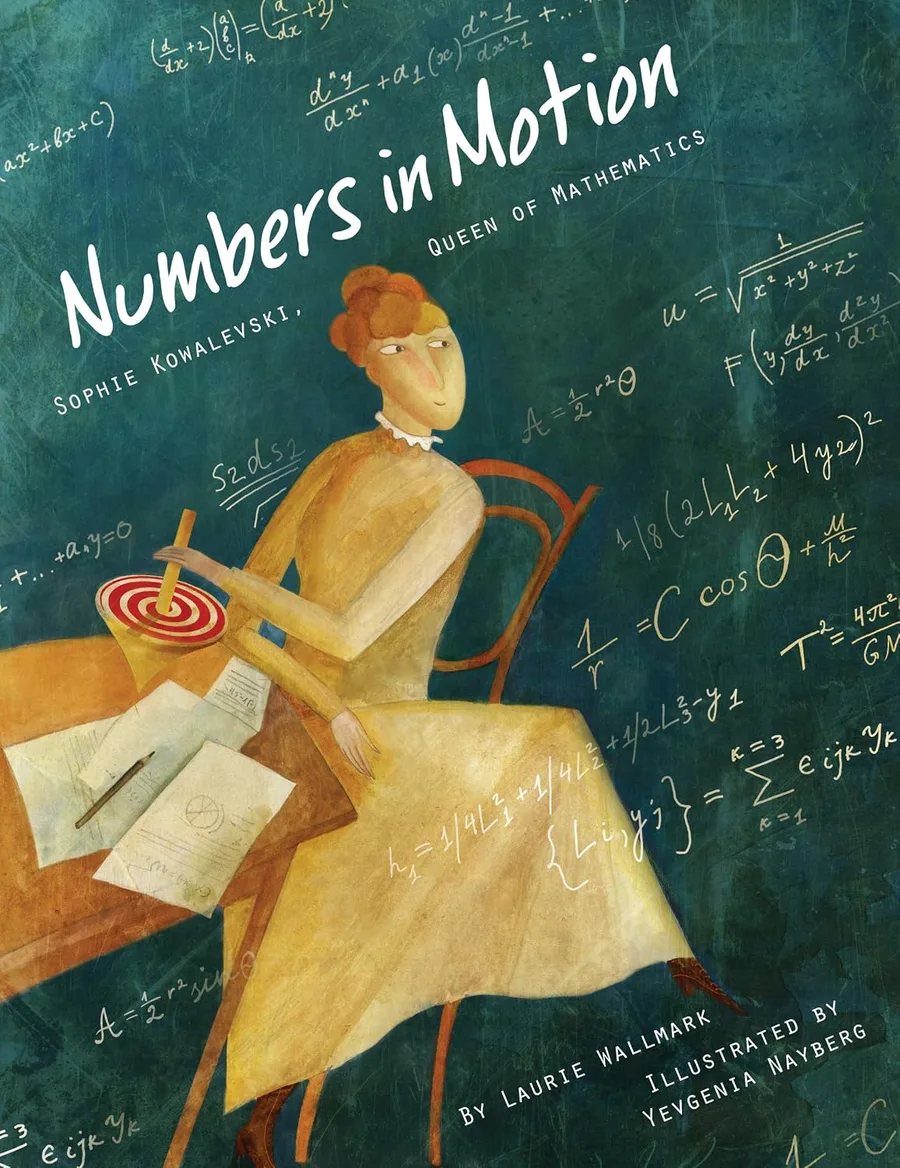 Mathical Honor BookNumbers in Motion: Sophie Kowalevski, Queen of MathematicsLaurie Wallmark, illustrated by Yevgenia NaybergThis biography explores the life of Sophie Kowalevski, a mathematician who was also a writer. Her creative work informed her mathematical research and supported the flexible thinking she valued. The book traces her progress toward becoming the first woman awarded a mathematics doctorate requiring original research. It also covers her university mathematics chair, her role editing a major scientific journal, and the literary works she created alongside her research.Grades 3–5View book details
 Mathical Honor BookPass Go and Collect $200: The Real Story of How Monopoly Was InventedTanya Lee Stone, illustrated by Steven SalernoThis picture-book history traces the development of Monopoly through the people who shaped it over many years. In 1903, Elizabeth “Lizzie” Magie created a game called Landlord to show unfair relationships between landlords and tenants, and she patented it the next year. Players made and shared handmade versions as its rules and name changed. Charles Darrow later redesigned the game and sold it to Parker Brothers, whose patent search identified Magie as its original inventor. The book also includes trivia, Monopoly-related math, an author’s note, and sources.Grades 3–5View book details
Grades 6–8
2 selections
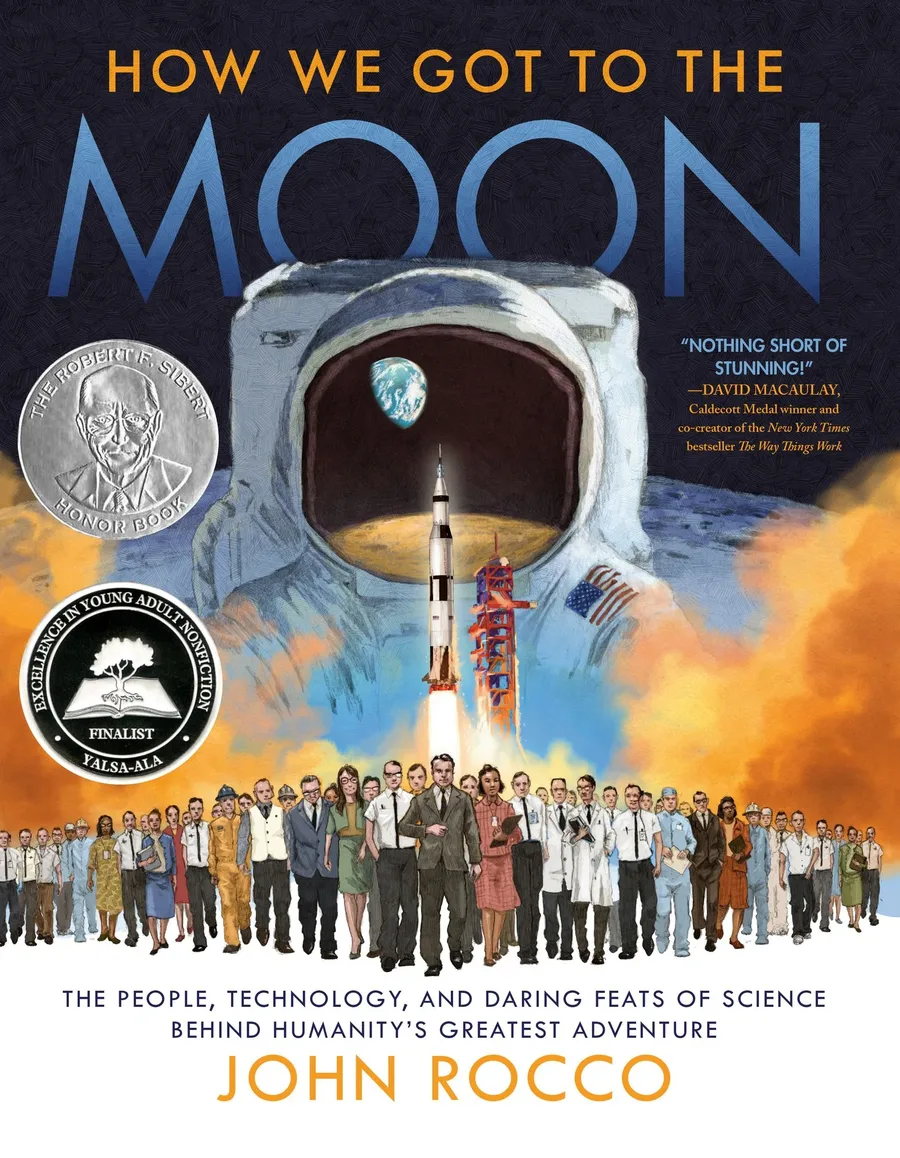 Mathical Prize WinnerHow We Got to the Moon: The People, Technology, and Daring Feats of Science Behind Humanity’s Greatest AdventureJohn Rocco, illustrated by John RoccoThis nonfiction account traces the U.S. space program’s effort to land on the Moon, from the idea through its successful outcome. It covers the Cold War context, rocket design and construction, survival in space, and support on the ground. Profiles and sidebars introduce people involved across the Apollo program, alongside science and engineering concepts. Diagrams, equipment views, schematics, and portraits accompany the technological and human sides of the mission.Grades 6–8View book details
 Mathical Honor BookCan You Crack the Code?: A Fascinating History of Ciphers and CryptographyElla Schwartz, illustrated by Lily WilliamsThis nonfiction book surveys codes and ciphers from antiquity through the present. It explains how coded messages work and recounts their use in hidden-treasure stories, wartime operations, and modern hacking. Sidebars offer activities for decoding messages and creating secret ones, while illustrations and back matter accompany the historical material. The book also presents examples that readers can interact with as they explore its subject.Grades 6–8View book details
Grades 9–12
3 selections
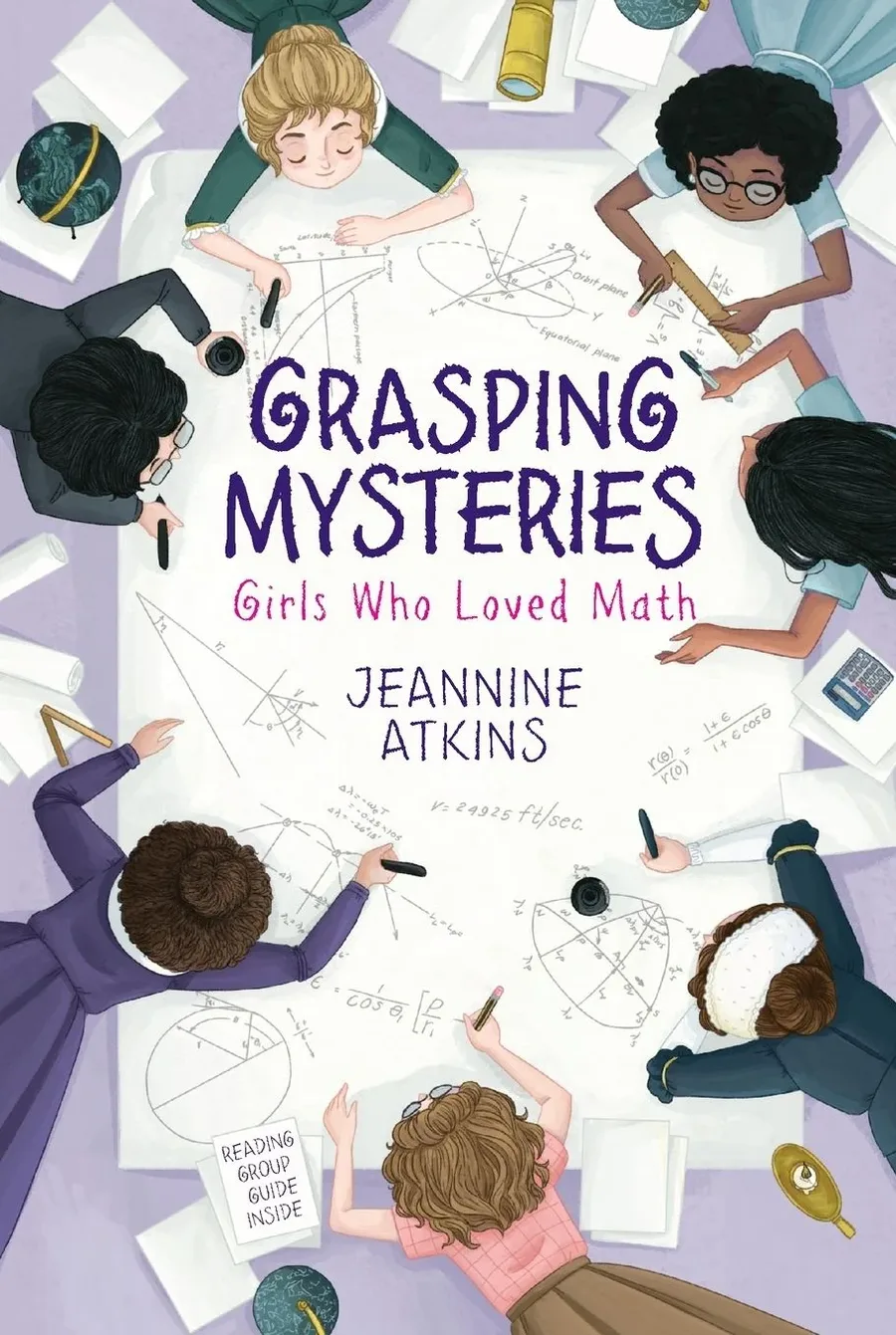 Mathical Prize WinnerGrasping Mysteries: Girls Who Loved MathJeannine AtkinsThis collection profiles seven women whose work drew on mathematics. It includes Caroline Herschel's comet discoveries and star maps, Florence Nightingale's statistical charts, Hertha Marks Ayrton's engineering and inventions, Marie Tharp's ocean-floor maps, and Katherine Johnson's NASA work. Other profiles feature Edna Lee Paisano's census work and Vera Rubin's evidence for dark matter. Individual poems connect their lives and contributions.Grades 9–12View book details
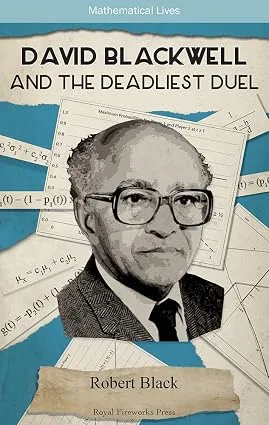 Mathical Honor BookDavid Blackwell and the Deadliest DuelRobert BlackA biography of David Blackwell follows his interest in mathematics from a high school geometry class through a career spanning many fields. Rather than concentrating on one subject, Blackwell examined other researchers' work and investigated questions he felt needed further study. His contributions centered on mathematical and statistical decision-making, while extending across areas that included game theory and information theory. The book portrays a mathematician drawn to pursuing solutions in a broad range of subjects.Grades 9–12View book details
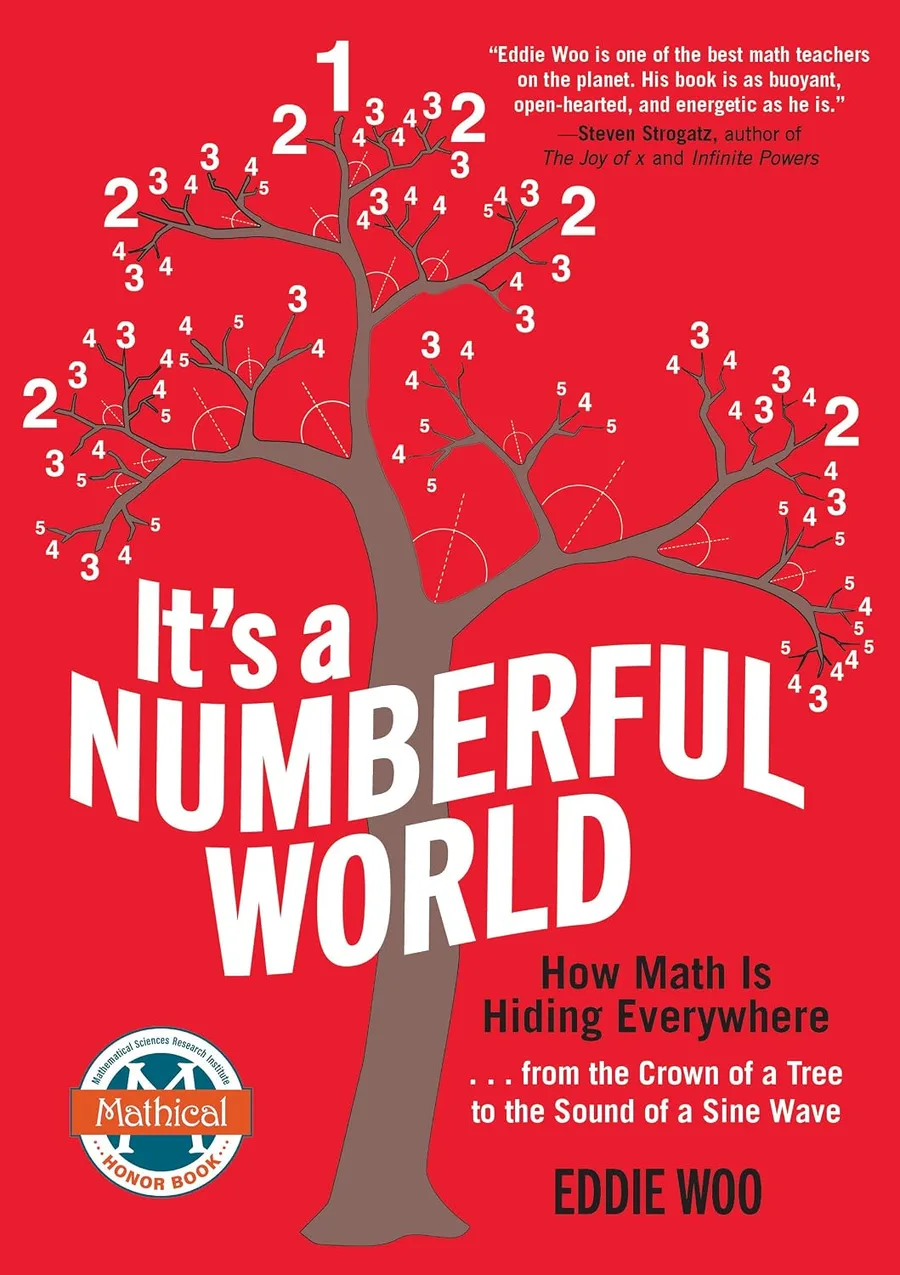 Mathical Honor BookIt’s a Numberful World: How Math Is Hiding EverywhereEddie WooThis book considers questions such as why left-handers have not disappeared, why rainbows are round, and how a pancreas can resemble a pendulum. It connects these seemingly unrelated questions through patterns, presenting mathematics as the study of patterns. Eddie Woo’s own experience appears as well: in high school he dreaded math, before that realization turned the subject into an ongoing search for discovery.Grades 9–12View book details