
 Arboretum: Welcome to the MuseumTony Kirkham, illustrated by Katie ScottArranged as a museum visit, Arboretum introduces trees from ecosystems across the globe. It addresses their structures, evolutionary past, ecological functions, and connections with people. Detailed illustrations by Katie Scott allow specimens to be examined side by side. The selection moves from oaks and redwoods to less familiar species, showing the range of trees and their role in planetary health. Tony Kirkham wrote the book.Winning TitlesView book details
NSTA Outstanding Science Trade Books for Students K–12 2025
The 2025 edition contains 27 selections published by the National Science Teaching Association. The source organizes the selections into Winning Titles. It is one annual edition of the NSTA science trade-book bibliography for students and educators. The selected trade books connect literacy with science subjects and were published during the preceding year.
2025 Outstanding Science Trade Books for Students K–12See the original list
Selections27
Published byNational Science Teaching Association
SectionsWinning Titles
Winning Titles
27 selections
Arboretum: Welcome to the MuseumTony Kirkham, illustrated by Katie ScottArranged as a museum visit, Arboretum introduces trees from ecosystems across the globe. It addresses their structures, evolutionary past, ecological functions, and connections with people. Detailed illustrations by Katie Scott allow specimens to be examined side by side. The selection moves from oaks and redwoods to less familiar species, showing the range of trees and their role in planetary health. Tony Kirkham wrote the book.Winning TitlesView book details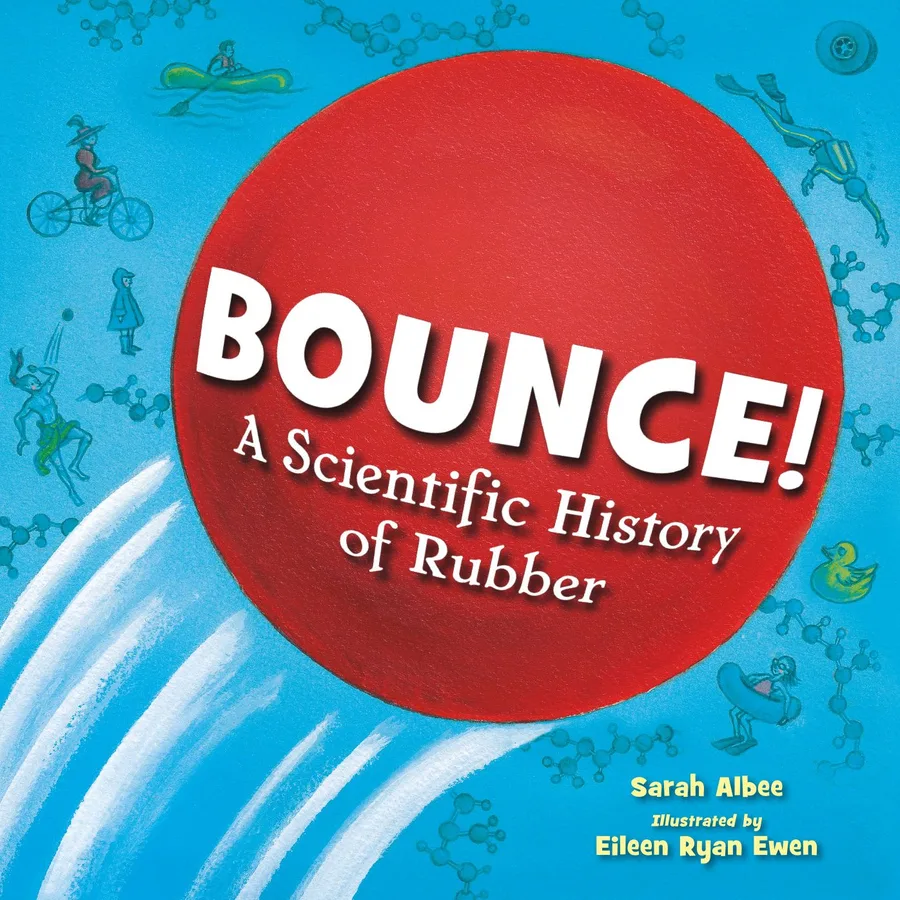 Bounce!: A Scientific History of RubberSarah AlbeeBounce! examines the science and history of rubber, including the properties that make it bounce and feel rubbery. It follows people’s observations of the material over time and its uses in play, clothing, and transportation. Sidebars, graphics, fun facts, a timeline, and pen-and-ink-and-watercolor artwork accompany the account of this material and its role in daily life.Winning TitlesView book details
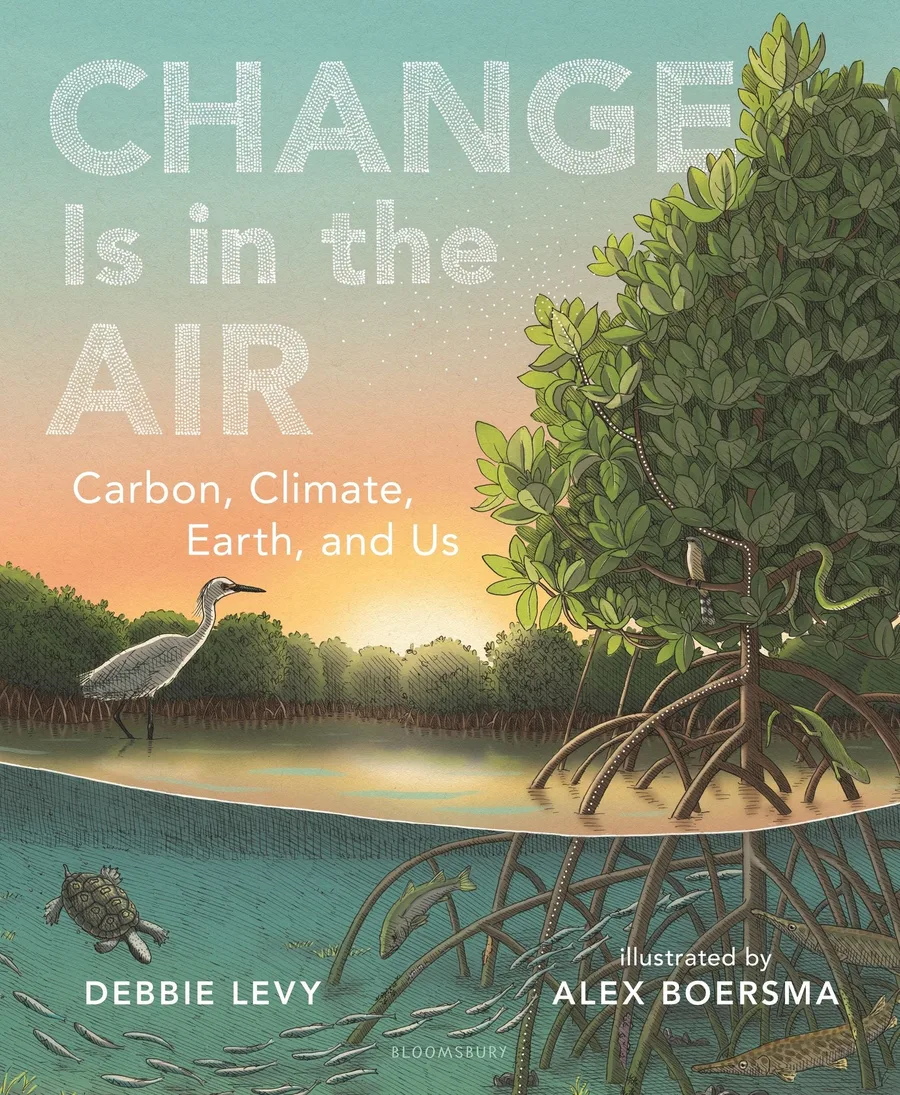 Change Is in the Air: Carbon, Climate, Earth, and UsDebbie LevyChange Is in the Air explains carbon: what it is, how it is made and used, and why excess carbon is covering Earth. It describes kelp, mangroves, and forest soil as ways the planet can reduce carbon in the atmosphere. The book also covers ways people can lower carbon, including non-fossil fuels, restorative farming, and cleaner transportation.Winning TitlesView book details
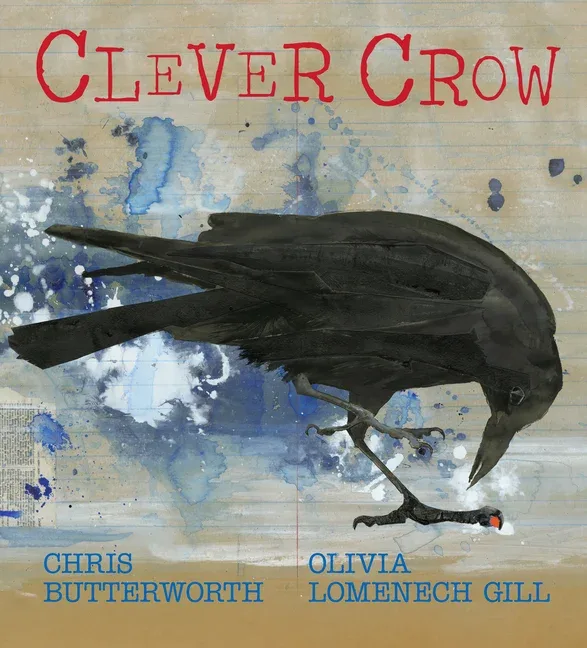 Clever CrowChris ButterworthClever Crow is a guide to crows and other corvids. It surveys many kinds of these birds and considers how they survive. The book addresses their craftiness, playfulness, and intelligence, pairing the information with rich mixed-media illustrations. Rather than limiting its attention to crows alone, it also includes other members of the corvid group and the traits that distinguish them.Winning TitlesView book details
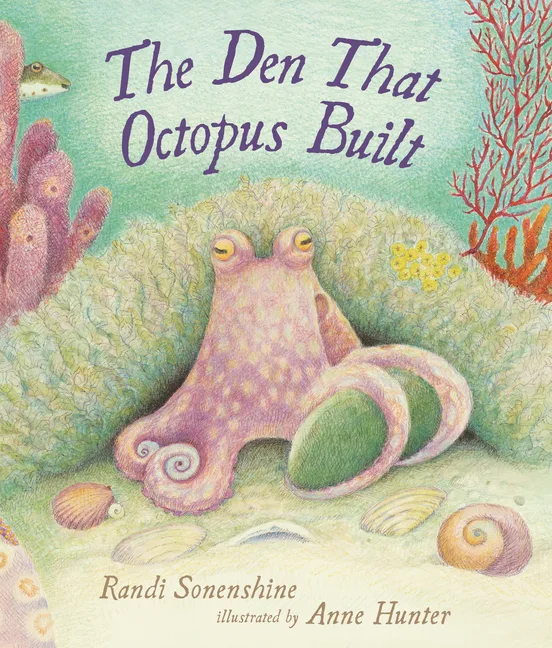 The Den That Octopus BuiltRandi Sonenshine, illustrated by Anne HunterThe Den That Octopus Built follows an octopus in its ocean habitat as she establishes a den. She gathers food, uses shells for camouflage, and escapes a predatory seal with black ink. The story comes full circle when one of her hatchlings looks for a place to make a home. Additional material explains octopuses, with a glossary and author's note.Winning TitlesView book details
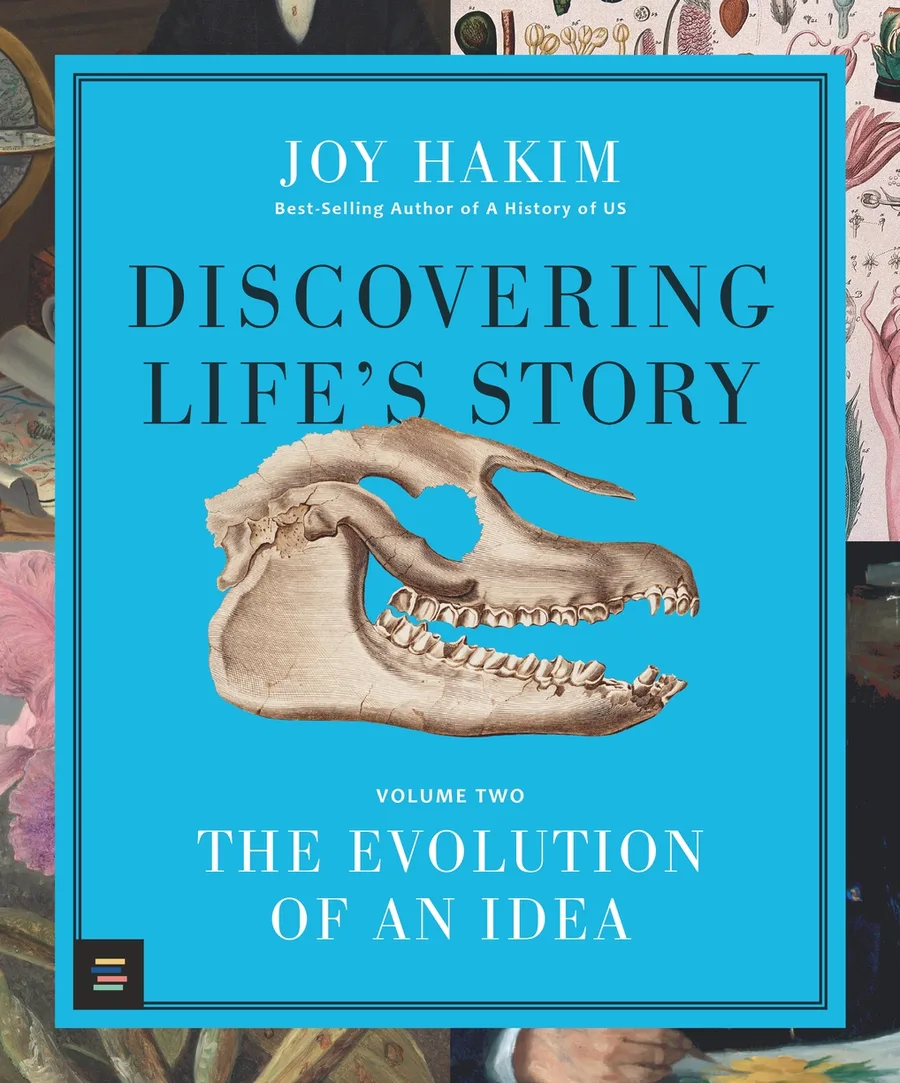 Discovering Life’s Story: The Evolution of an IdeaJoy HakimThis second volume in Joy Hakim’s Discovering Life’s Story series examines how scientists developed an understanding of evolution. It considers how the theory changed ideas about survival, extinction, and life itself. Its historical account centers on scientists whose contributions shaped that understanding, with archival images and photographs, informative sidebars, a bibliography, and an index. It was published by MITeen Press in 2024.Winning TitlesView book details
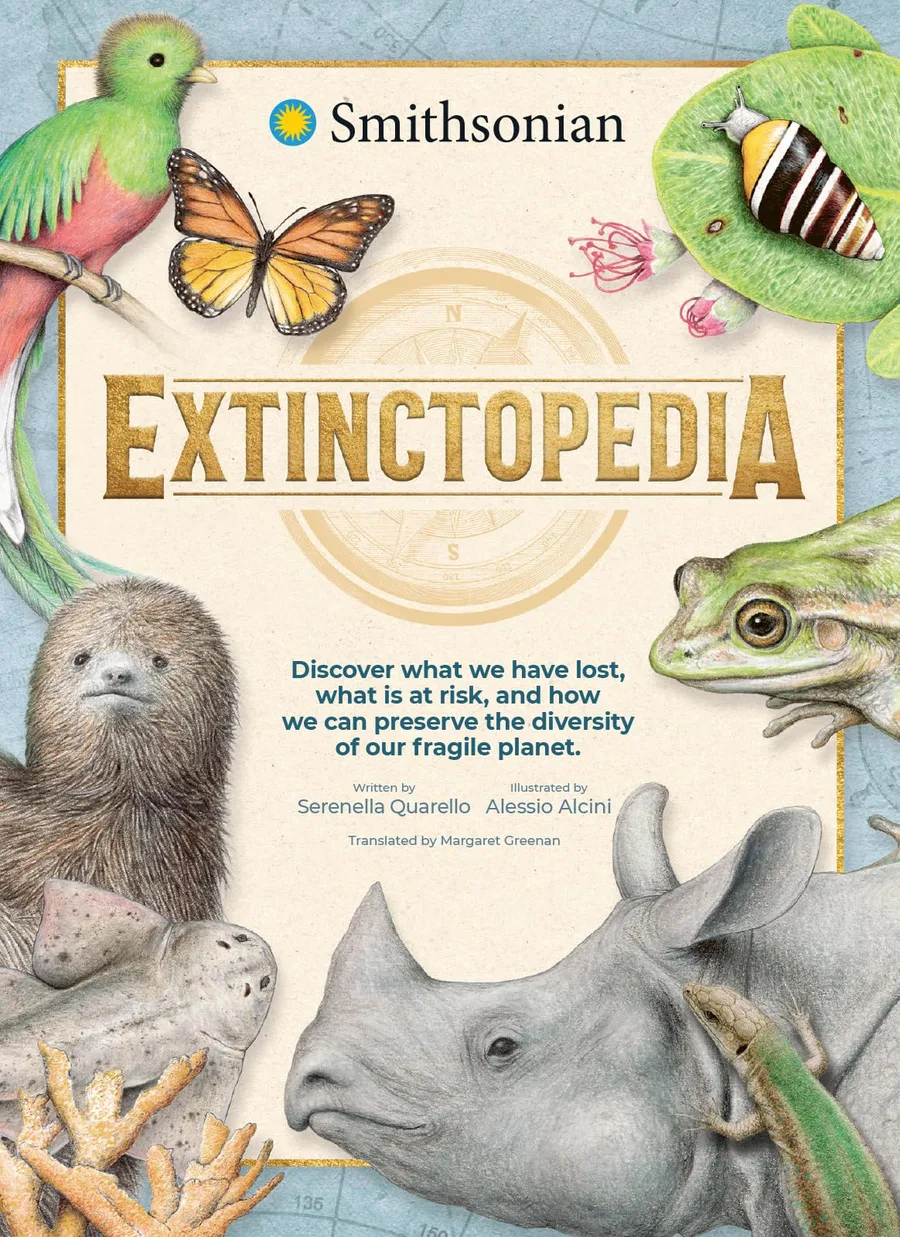 Extinctopedia: Discover What We Have Lost, What Is at Risk, and How We Can Preserve the Diversity of Our Fragile PlanetSerenella Quarello, illustrated by Alessio AlciniThis book travels through the animal kingdom in the past and present, considering what has been lost and what remains at risk. It centers on the diversity of life on Earth and calls attention to the need to learn about and act to protect that diversity. Its subject is the relationship between animals, extinction, and efforts to preserve the planet’s living variety.Winning TitlesView book details
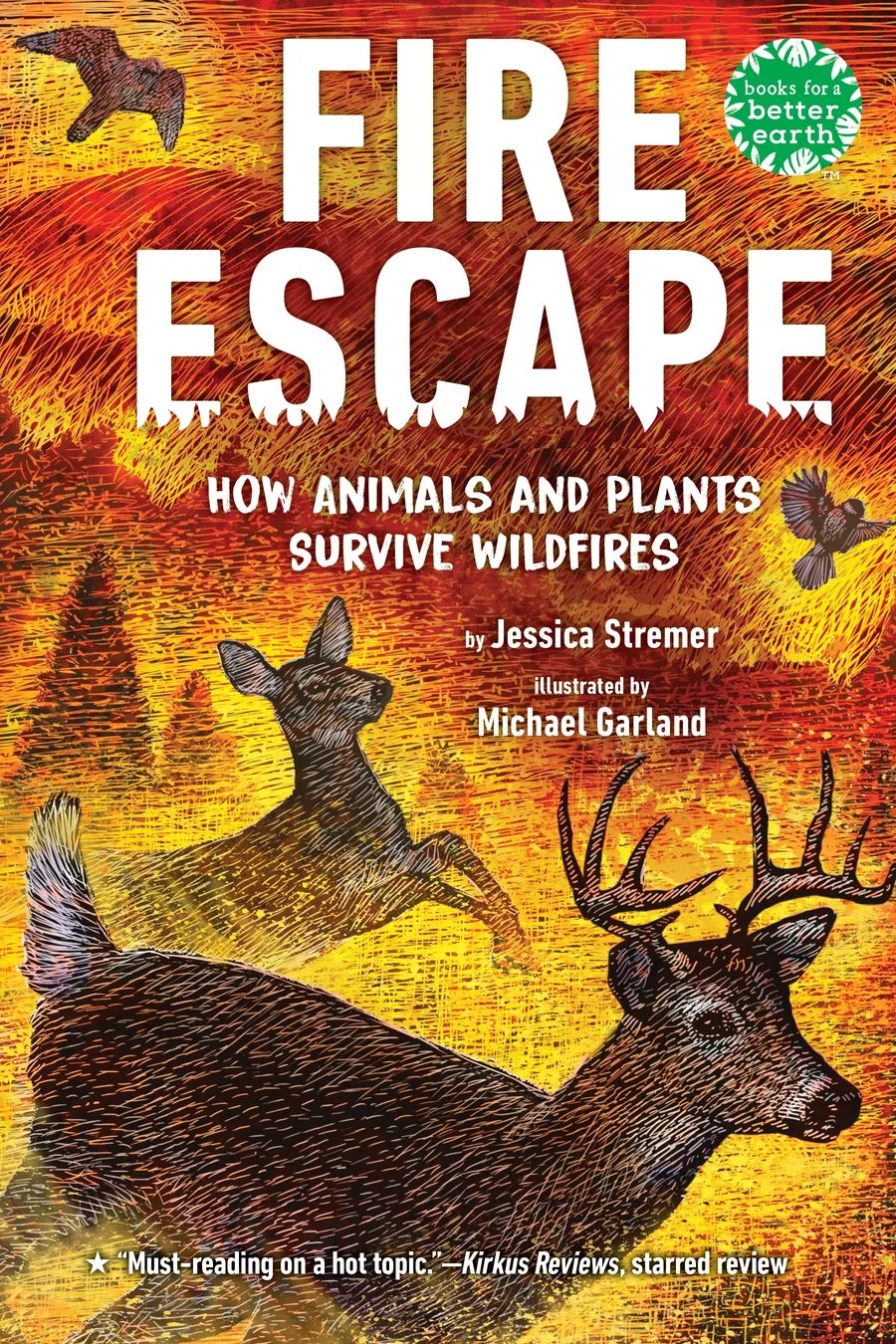 Fire Escape: How Animals and Plants Survive WildfiresJessica Stremer, illustrated by Michael GarlandThis nonfiction overview examines how animals detect, respond to, and adapt to wildfires, and how plants and wildlife are affected by these events. It explains that drought, warmer conditions, and poor forest management have lengthened wildfire seasons beyond summer. The book also addresses how climate change relates to the increasing frequency and severity of wildfires. Woodcut illustrations, photographs, and reference material accompany the text.Winning TitlesView book details
 A Flicker of Hope: A Story of MigrationCynthia Harmony, illustrated by Devon HolzwarthLucía watches monarch butterflies migrate from her home in Mexico with her Papá. When he travels north to find work harvesting produce on distant farms, he promises to return when the weather turns cold and the monarchs come back. During the summer, Lucía searches the sky for signs of the butterflies and for her father’s return. The story links the monarchs’ seasonal movement with a family’s separation, homecoming, and work that follows the seasons.Winning TitlesView book details
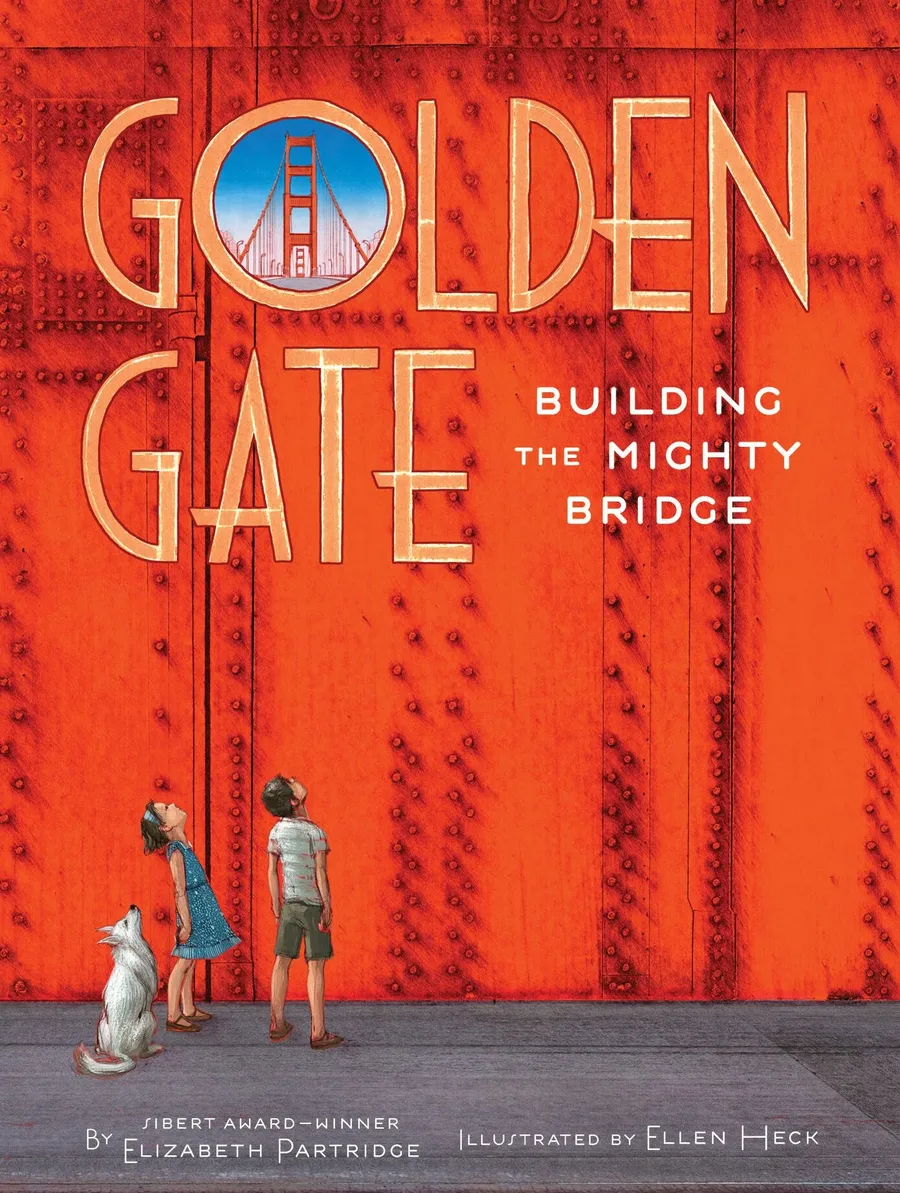 Golden Gate: Building the Mighty BridgeElizabeth PartridgeTwo children watch the Golden Gate Bridge take shape from their home by the Pacific cliffs, where their father tends a foghorn. The book follows the work from creating space for an anchorage block through the opening-day celebration. Its account of the construction process is accompanied by views of the changing landscape and blueprint-style depictions of each stage. An afterward adds facts about the project, including that construction took four years.Winning TitlesView book details
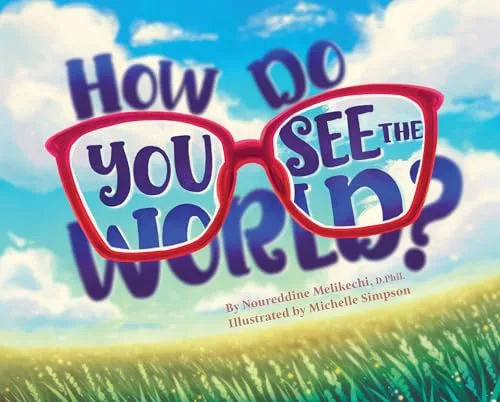 How Do You See the World?Noureddine Melikechi, illustrated by Michelle SimpsonHow Do You See the World? considers how vision can differ from one person to another. It explains how eyes function and why some people use glasses. The book distinguishes nearsightedness from farsightedness and also addresses color blindness. Its questions invite readers to think about seeing through another person’s eyes while exploring the parts of the eye and how they work together.Winning TitlesView book details
 LookGabi Snyder, illustrated by Samantha CotterillThis lyrical picture book invites close attention to the natural world. It focuses on noticing patterns and small details in the surroundings rather than passing them by. The book presents the world nearby as full of hidden wonders that can be found through careful looking. Its subject is observation of nature and the discoveries that emerge from looking closely.Winning TitlesFountas & Pinnell Text Level KView book details
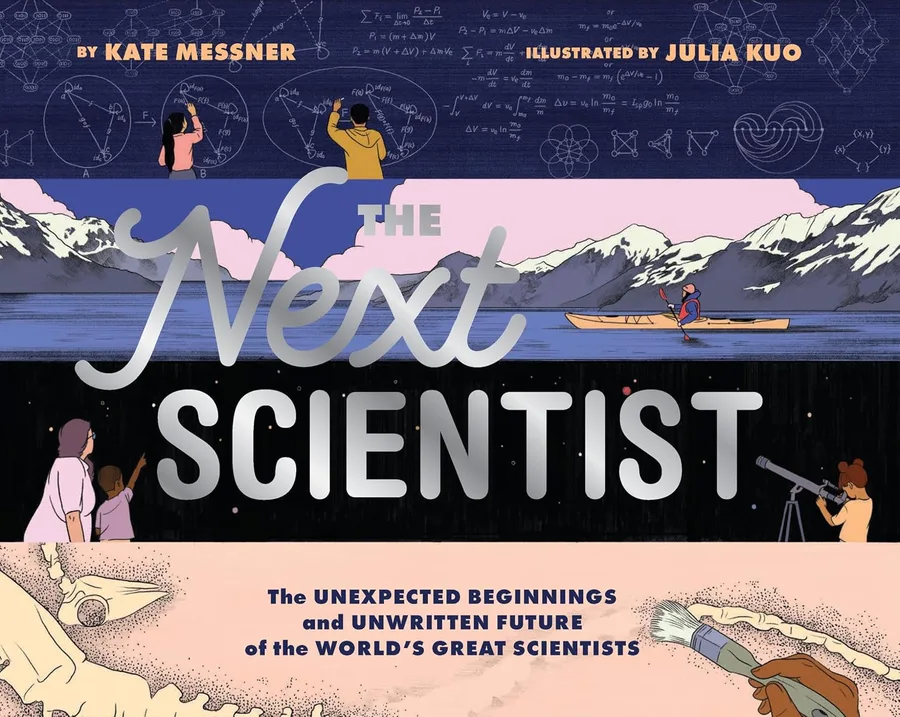 The Next Scientist: The Unexpected Beginnings and Unwritten Futures of the World's Greatest ScientistKate Messner, illustrated by Julia KuoThis book considers how someone might become a scientist by looking back to the everyday interests scientists had as children. It connects scientific futures with hands-on and imaginative activities: dismantling and assembling objects, watching the night sky, drawing, building, exploring, and imagining. Its central idea is that these familiar childhood pursuits can be part of the beginning of a path into science.Winning TitlesView book details
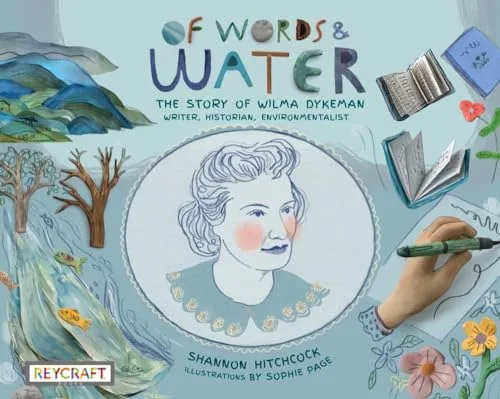 Of Words and Water: The Story of Wilma Dykeman--Writer, Historian, EnvironmentalistShannon Hitchcock, illustrated by Sophie PageThis picture-book biography portrays Wilma Dykeman as a writer and environmentalist whose connection to a local river led her to work for its preservation. Her efforts aimed to protect the river and the livelihoods of people who relied on its water. The account links Dykeman’s writing and environmental work with water’s importance to the communities that depend upon it.Winning TitlesView book details
 One Day This Tree Will FallLeslie Barnard BoothThis book follows a tree’s life cycle, beginning with a seed carried on the wind and continuing until it becomes a mature tree. The tree provides a home for other organisms. It also asks what happens when a tree falls: whether its story is over or begins again. A glossary and bibliography appear in the back matter.Winning TitlesWord Count 357View book details
 Over and Under the WetlandKate Messner, illustrated by Christopher Silas NealSet in Florida’s Everglades National Park, this nature book explores a wetland above and below its swampy surface. It looks at the plants and wildlife that make up this environment, drawing attention to life that may be hidden beneath the water or ground. The book is part of the Over and Under nature series and centers its exploration on the Everglades ecosystem.Winning TitlesLexile Text Measure 720LATOS Book Level 4.6View book details
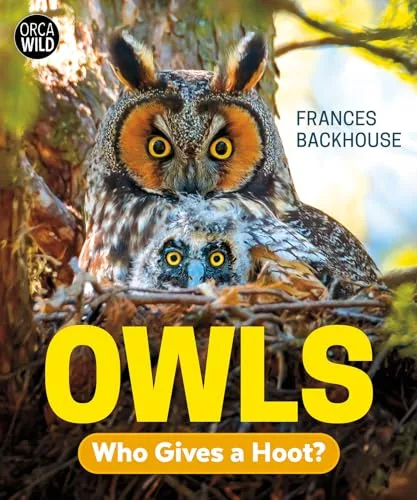 Owls: Who Gives a Hoot?Frances BackhouseOwls describes abilities that help these birds move and perceive their surroundings. Owls can see when light is very low and detect extremely quiet sounds. Their flight is silent, and they can turn their heads to look directly behind themselves. Frances Backhouse wrote this 96-page book, published by Orca Book Publishers on May 14, 2024. The book’s subject is the distinctive senses and movement of owls.Winning TitlesView book details
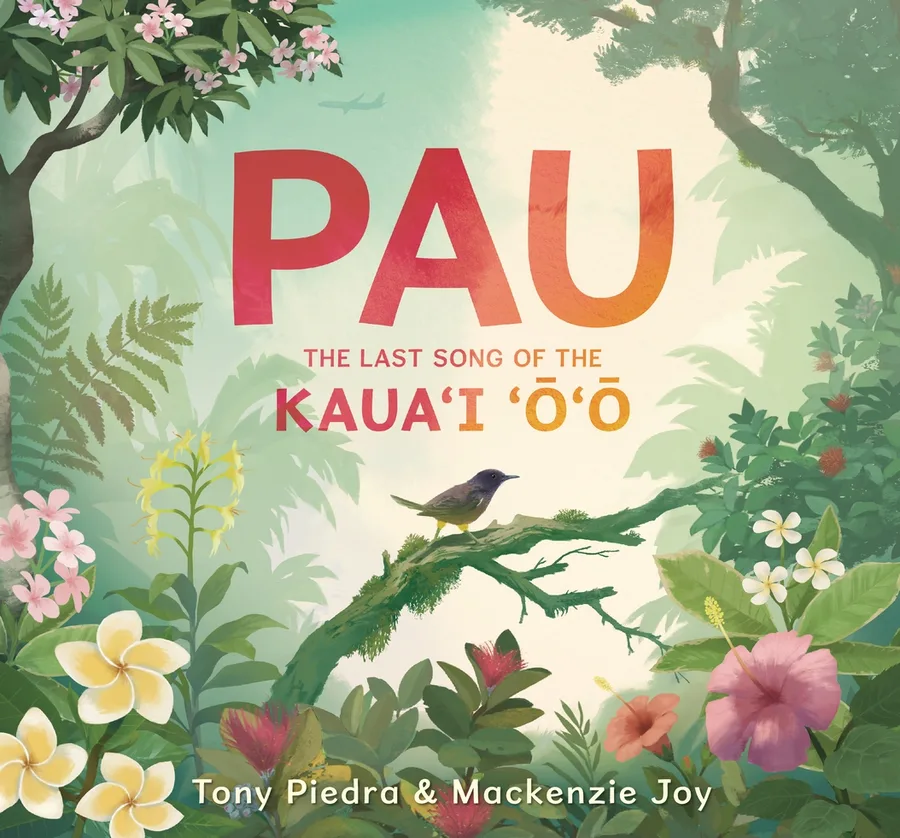 Pau: The Last Song of the Kaua’i ‘o’oTony Piedra, Mackenzie JoySet in the Hawaiian forest, this ecological fable introduces the Kaua’i 'ō'ō bird and its lost song. The story reaches back to a time when Kaua‘i was filling with life, color, and sound, while also confronting extinction. It holds on to the memory of a song that was once heard and presents the bird’s disappearance as a poignant part of the island’s natural history.Winning TitlesView book details
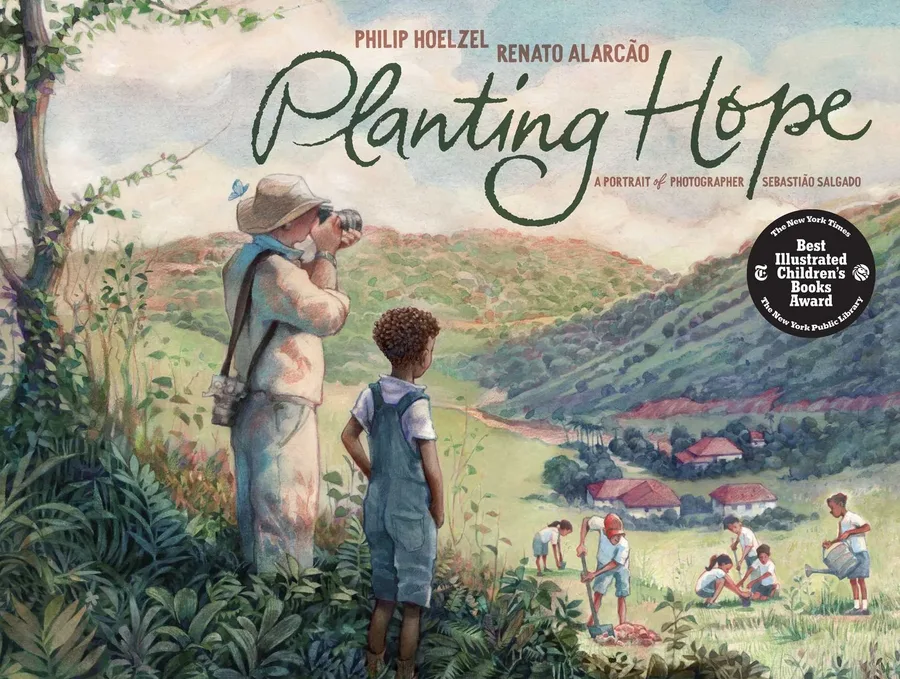 Planting Hope: A Portrait of Photographer Sebastião SalgadoPhilip HoelzelThis picture-book biography chronicles the life and work of Sebastião Salgado, a Brazilian photojournalist, humanitarian, and environmental advocate. It begins with his childhood exploring his parents’ farm in Brazil’s forests and imagining what lay beyond his view. The book presents his work through text and watercolor-and-pencil illustrations, with a map, author’s note, and back matter.Winning TitlesView book details
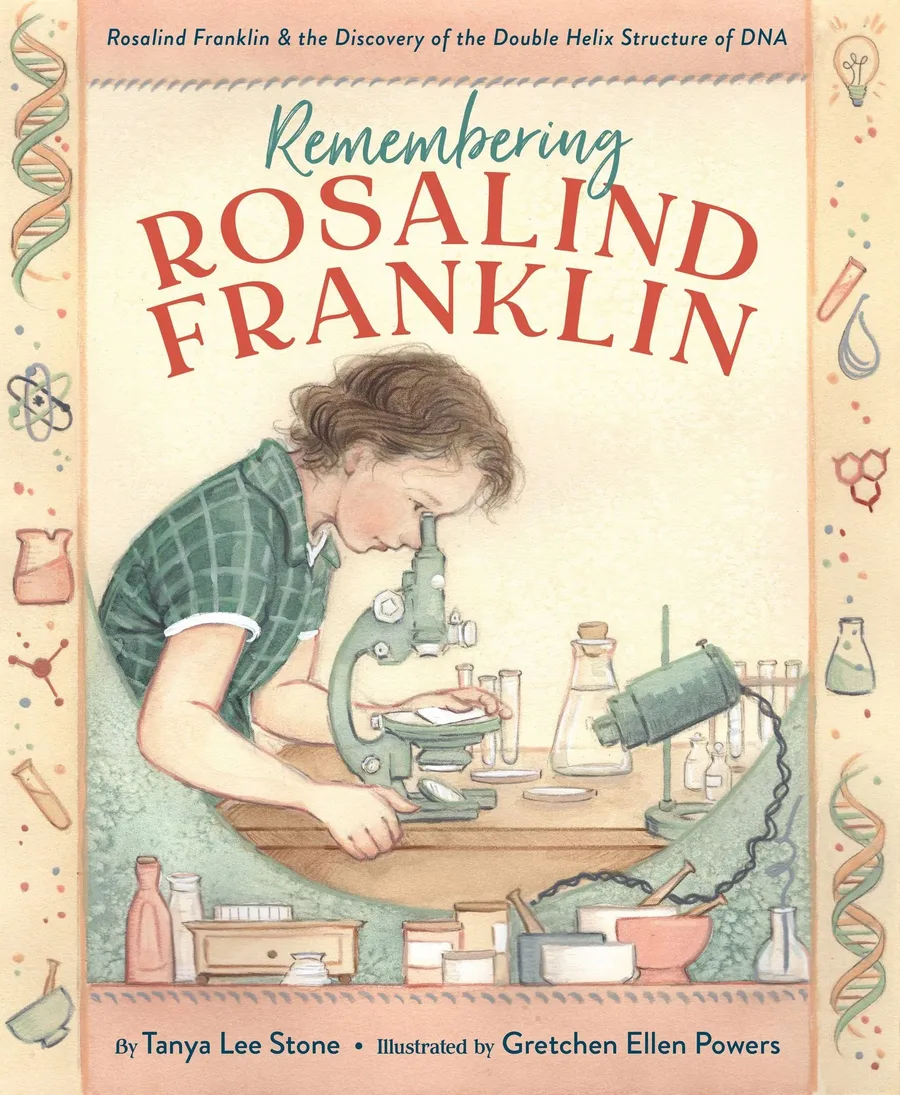 Remembering Rosalind Franklin: Rosalind Franklin & the Discovery of the Double Helix Structure of DNATanya Lee StoneThis biography follows Rosalind Franklin from her childhood curiosity about science to her work as an X-ray crystallography expert. In 1952, while working in a Cambridge University laboratory, she made Photo 51 and recorded a careful analysis. Her image and analysis were later used in research on DNA’s double-helix structure, but she was not consulted. Three male scientists received the Nobel Prize ten years later; Franklin had died four years before.Winning TitlesView book details
 Saturdays at Harlem Grown: How One Big Idea Transformed a NeighborhoodTony Hillery, illustrated by Jessie HartlandThis nonfiction picture book returns to Harlem Grown, a real-life urban community farm. It takes place at harvest time, when employees and volunteers care for the garden and gather what it has produced. The book centers on the work of tending a shared garden and the people who come together around an urban farm in a neighborhood.Winning TitlesView book details
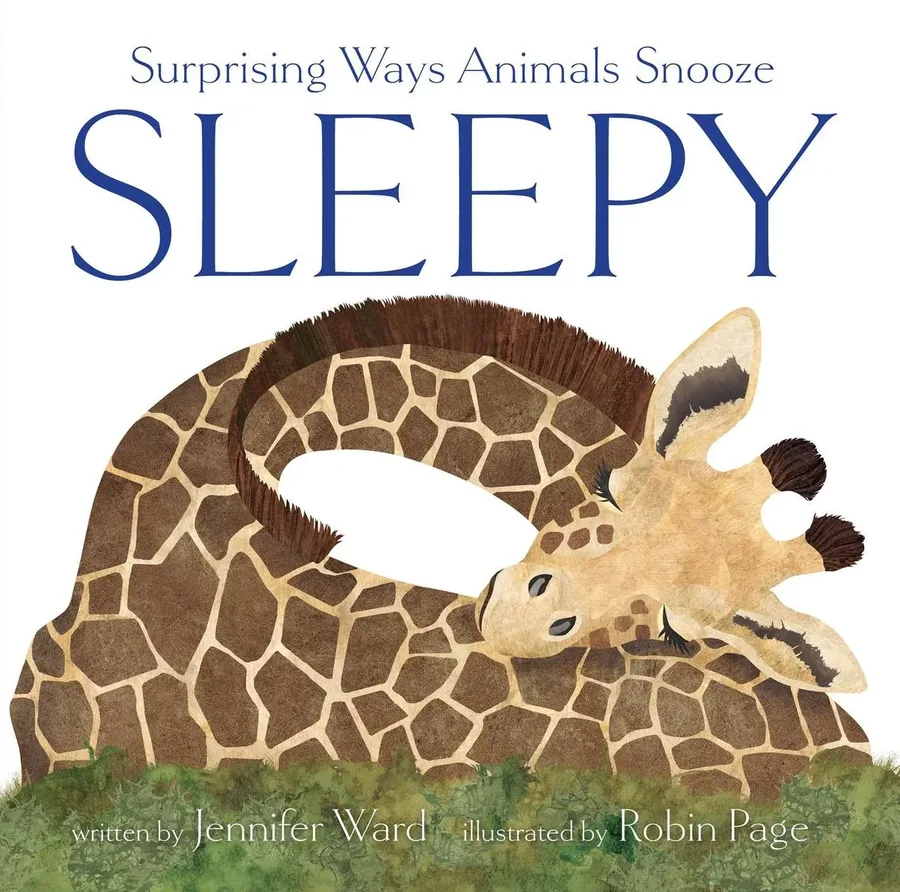 Sleepy: Surprising Ways Animals SnoozeJennifer WardThis book compares how animals sleep, showing that their habits vary widely. Dolphins keep half their brains awake, snakes sleep with open eyes, giraffes rest in short intervals, and koalas can sleep for twenty-two hours a day. It includes a koala and sixteen other creatures, with brief additional facts about each animal’s sleep habits. Back matter explains types of animal sleep and includes information about sleep amounts for the animals and for humans at different ages.Winning TitlesView book details
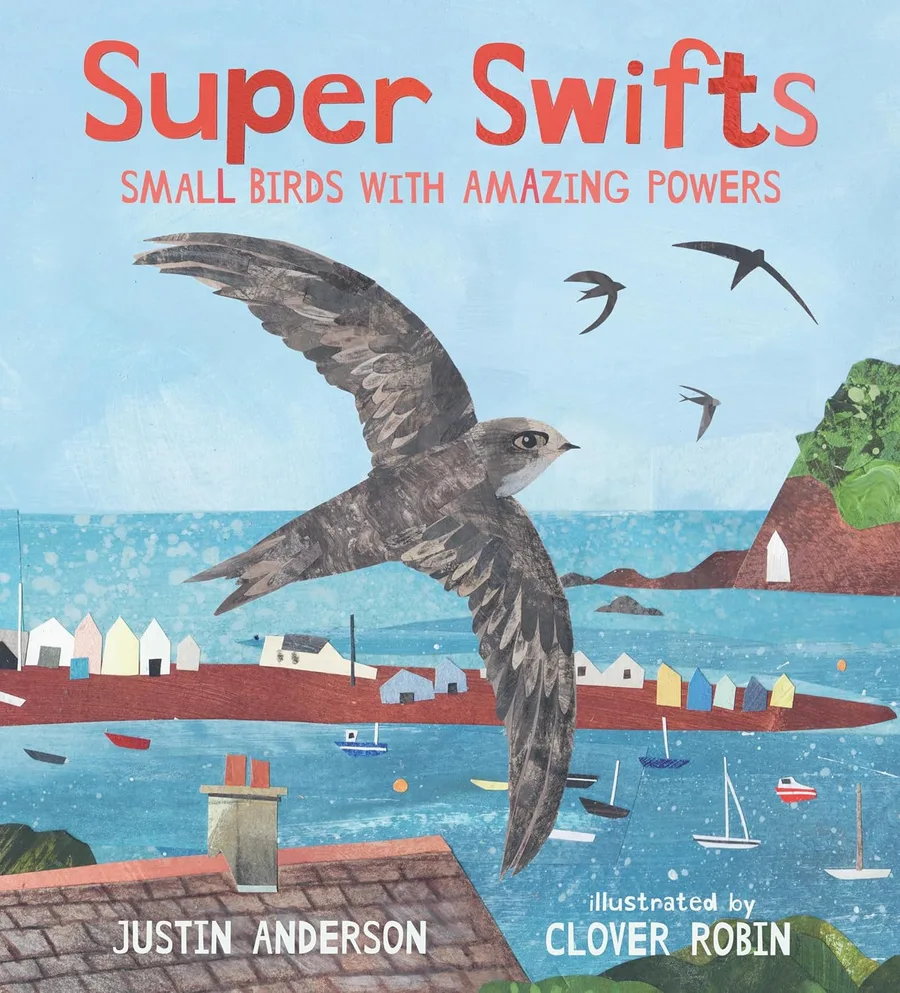 Super Swifts: Small Birds with Amazing PowersJustin Anderson, illustrated by Clover RobinThis nonfiction narrative follows a female swift as she migrates from central Africa to northern Europe. Along the way, it explains how swifts fly, find food, sleep, evade predators, and raise their young. Her long route takes her from African jungle habitats to European nesting places, using one bird’s journey to explore the abilities and daily lives of swifts.Winning TitlesView book details
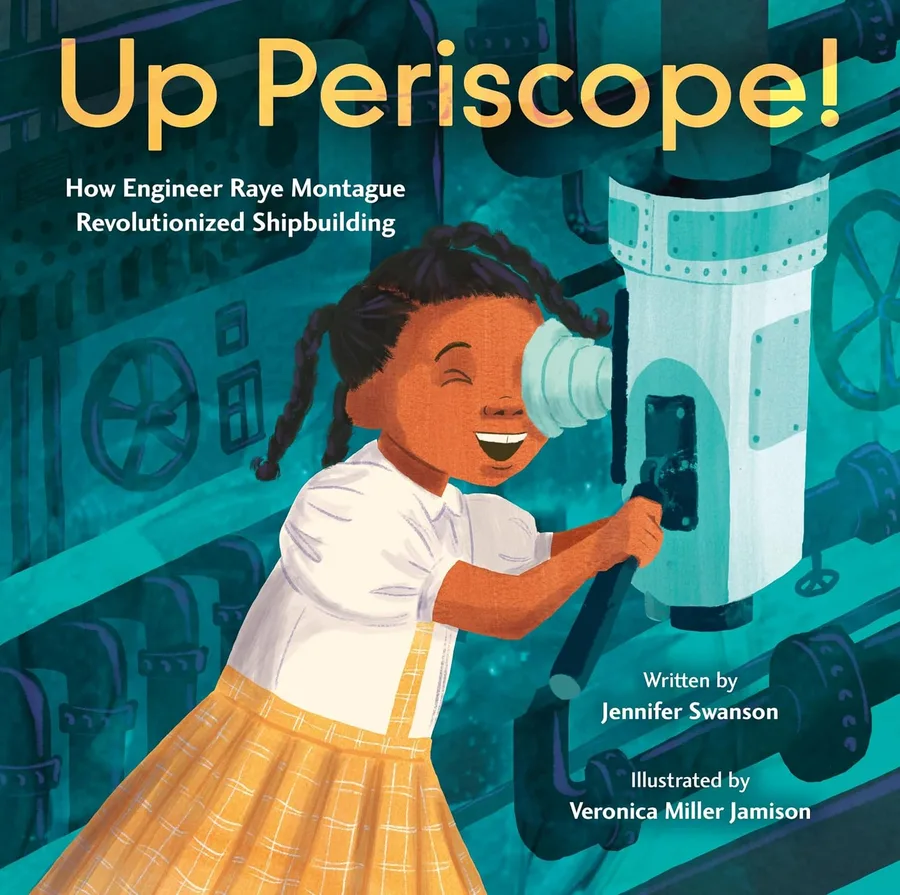 Up Periscope!: How Engineer Raye Montague Revolutionized ShipbuildingJennifer Swanson, illustrated by Veronica Miller JamisonThis picture-book biography introduces engineer Raye Montague and her work designing ships and submarines for the United States Navy. It describes her creation of the first comprehensive computer program for ship design, a development that changed how the Navy designed vessels. The book also notes that girls like Montague were not expected to enjoy math or science or attend engineering school.Winning TitlesView book details
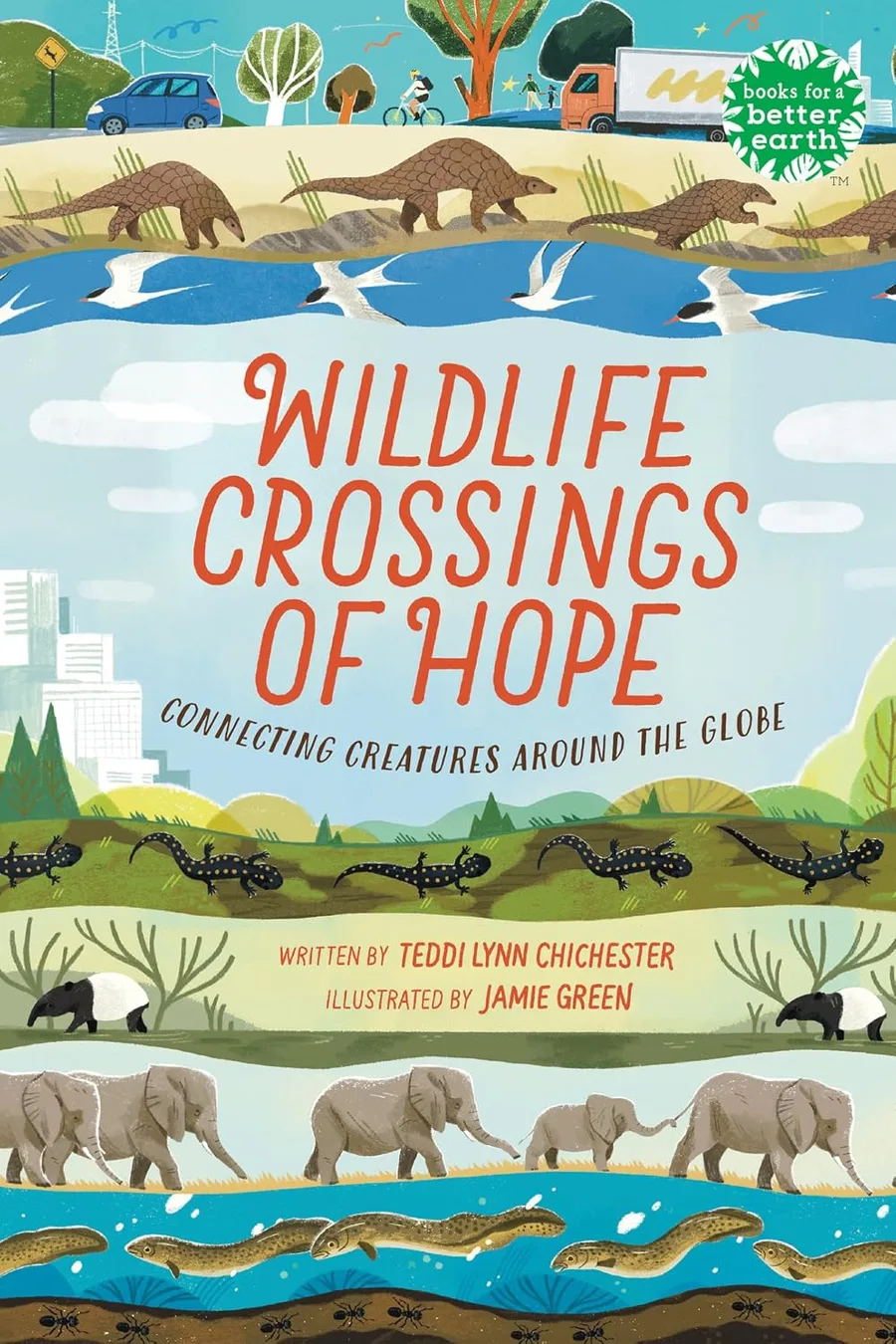 Wildlife Crossings of Hope: Connecting Creatures Around the GlobeTeddi Lynn Chichester, illustrated by Jamie GreenThis book examines efforts to reconnect habitats and help animals travel more safely across roads, waterways, and other obstacles. It follows scientists, engineers, and community members working on crossings, wildlife corridors, and dam-removal projects in different parts of the world. Examples include an elephant underpass in Kenya, the effort to remove dams on the Klamath, and the Mesoamerican Biological Corridor from southern Mexico to Panama.Winning TitlesView book details
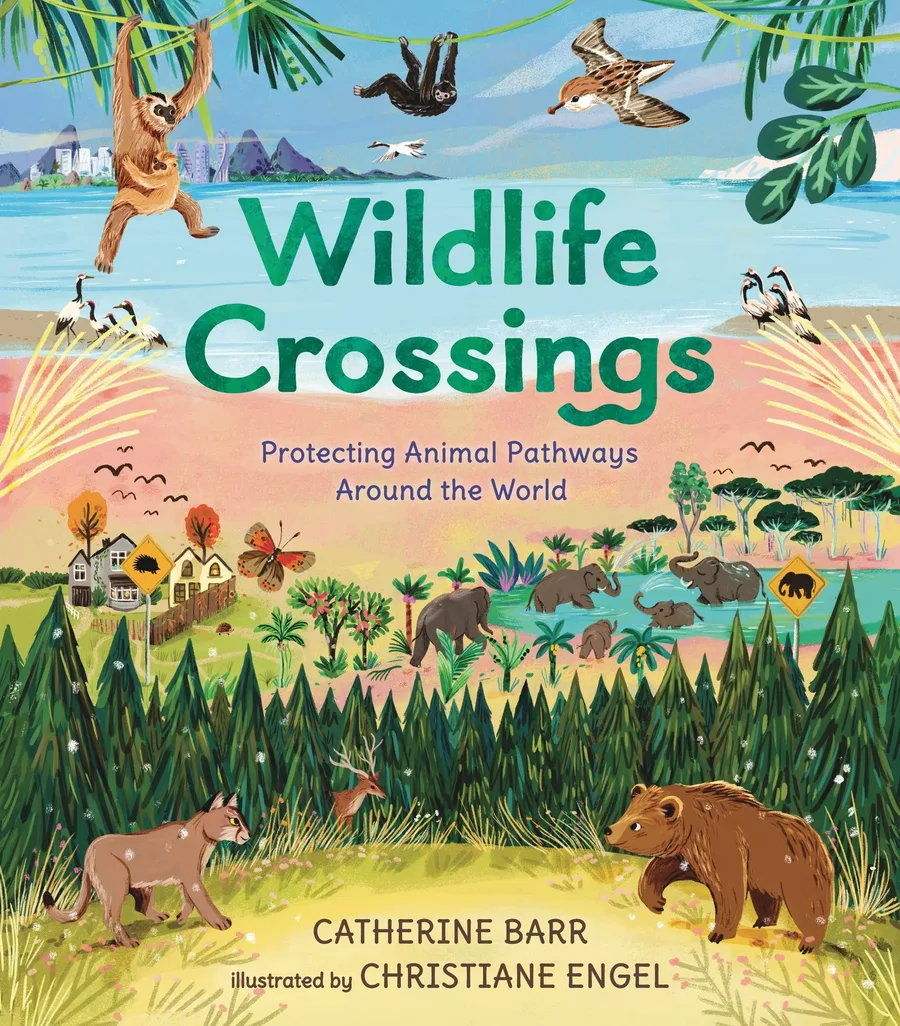 Wildlife Crossings: Protecting Animal Pathways Around the WorldCatherine BarrThis book follows seven animal species whose needed travel routes have been blocked by people. As the animals encounter highways and other obstacles, they use alternate crossings, many made by humans, to move and migrate more safely. It considers how human activity has put wild animals at risk while describing efforts intended to help them regain access to essential pathways.Winning TitlesView book details
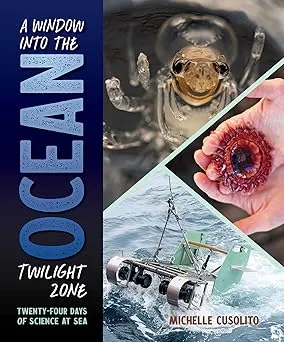 A Window into the Ocean Twilight Zone: Twenty-Four Days of Science at SeaMichelle CusolitoThis photo-illustrated account accompanies scientists from Woods Hole Oceanographic Institution and partner organizations on a research voyage focused on the ocean twilight zone. It explains the equipment used to investigate the deep ocean while also recording life aboard a Spanish research ship, from moving in and unpacking gear to meals at sea. The voyage includes severe Atlantic storms as the team carries out its work.Winning TitlesView book details